
6 Tickets and Passes for Germany by Train
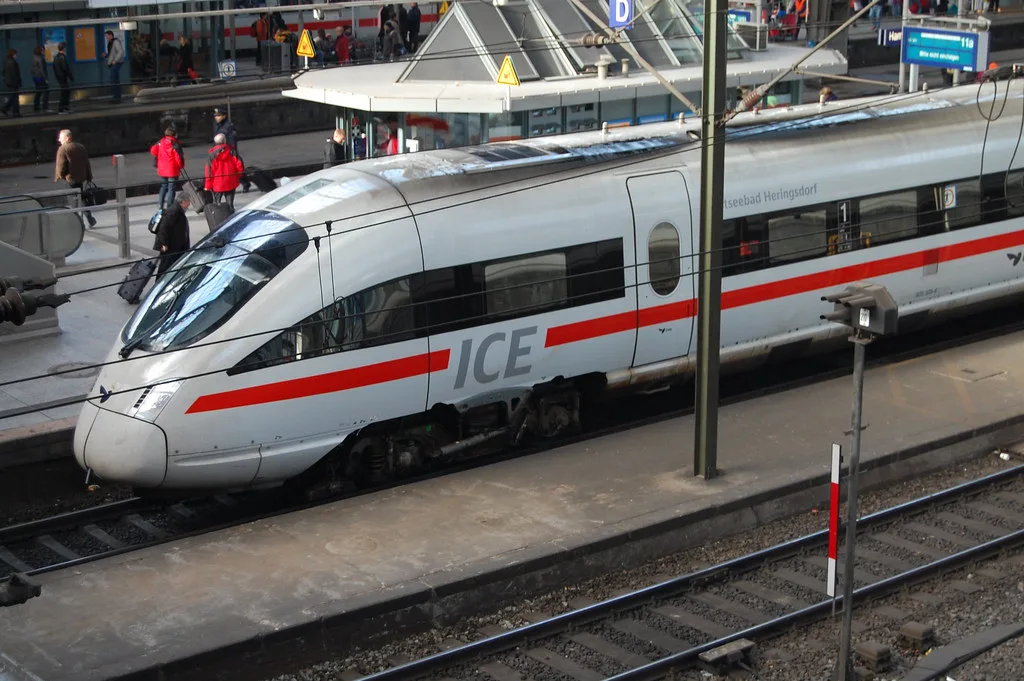
Last updated November 2026: Germany by train works best for city-to-city trips, and the ticket you choose shapes your cost more than the distance does. Six ticket and pass options follow, with a comparison table to match them to your trip. Station notes, route links and cross-border ideas come after that.
Featured image: Taylor and Kevin, CC BY 2.0, via Flickr.
Is Germany by train worth it?
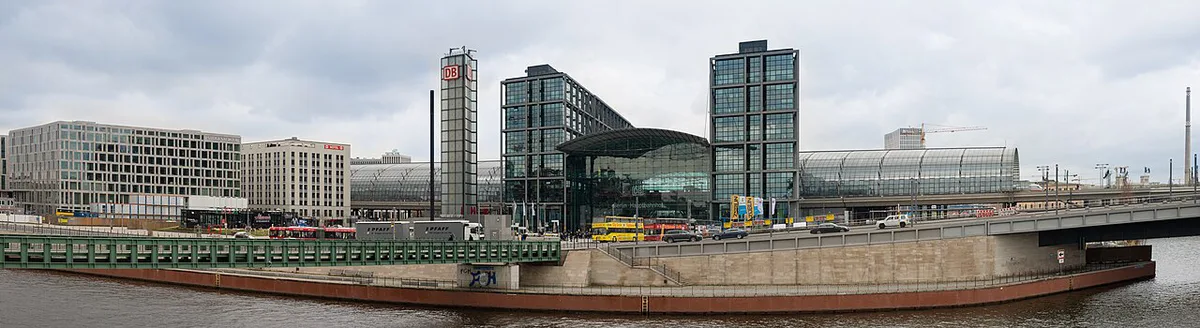
Yes, when your route links big cities such as Berlin, Hamburg, Frankfurt, Cologne and Munich. Fast ICE trains run between them, and the main stations sit close to the center. Skip the train for remote villages with thin regional service, where a rental car is easier. Budget travelers should also compare FlixTrain and long-distance buses on the same corridor.
6 tickets and passes for Germany by train
Prices and rules checked November 2026. This guide quotes no fares, so read current figures on bahn.de before you buy. Match one option below to the shape of your trip.
A 7-day trip across three cities uses only a few ICE legs, so compare point-to-point fares before buying a pass.
| Option | Best for | Long-distance ICE | Main catch |
|---|---|---|---|
| Sparpreis/Flexpreis | One-off city legs | Yes | Cheap fares are train-bound |
| Deutschlandticket | Many regional rides | No | Regional trains only |
| Bayern-Ticket | Bavaria day trips | No | One state only |
| Rail pass | Many legs in few days | Yes | Reservations can cost extra |
| BahnCard | Frequent visitors | Discount only | Needs repeat trips to pay off |
| FlixTrain | Budget corridors | Separate network | Fewer routes than DB |
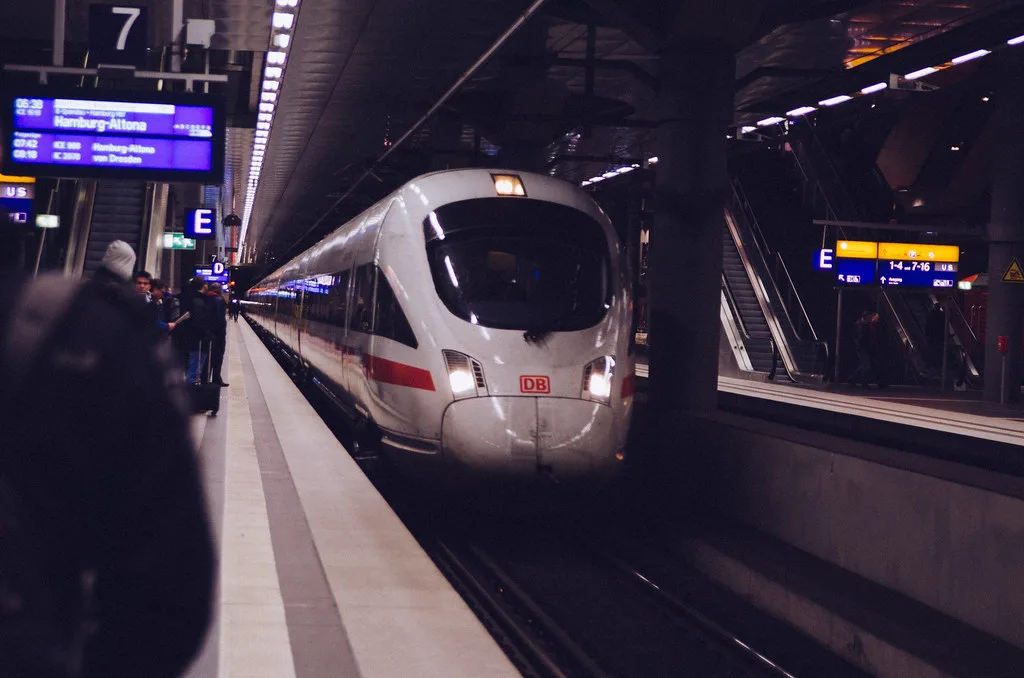
1. Sparpreis and Flexpreis point-to-point tickets
Deutsche Bahn sells these fares for one named route, and you can buy them on bahn.de, in the app or at station machines. Sparpreis fares are cheaper and bound to a specific train. Flexpreis fares let you take any train on the day. They suit trips with one or two long ICE legs, such as Berlin to Munich or Frankfurt to Cologne.
Our guide to buying DB fares explains the fare families in more detail. Skip them if you plan many short regional hops, since a day or monthly ticket fits that pattern better.
2. Deutschlandticket for regional travel
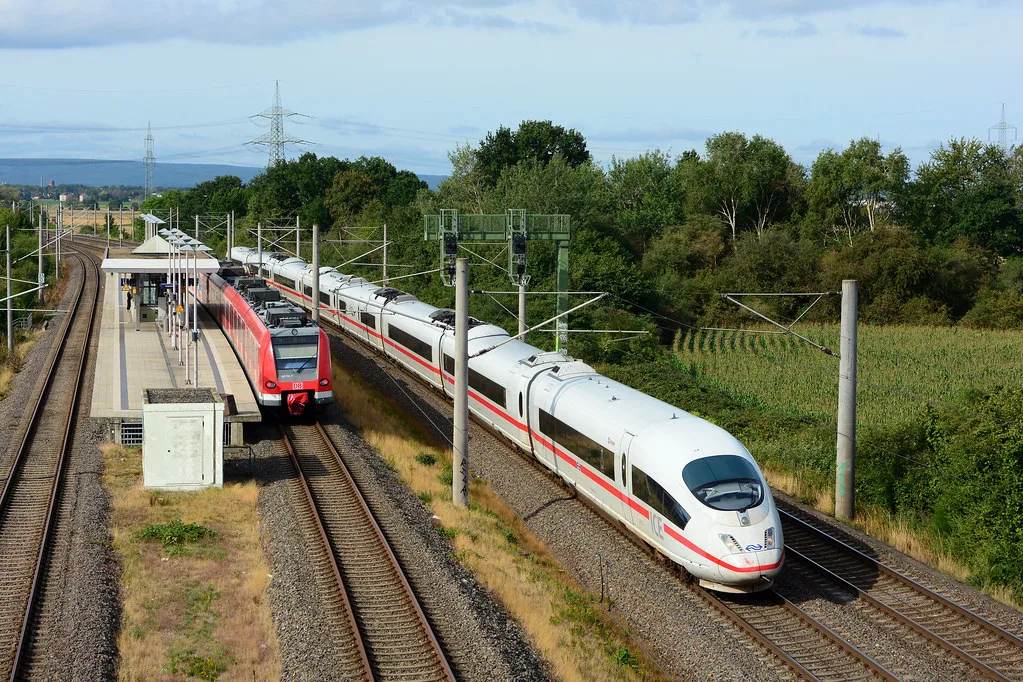
Deutschlandticket is a monthly subscription ticket for local and regional transport across Germany. It covers RE, RB and S-Bahn services, but not ICE or IC trains. That makes it strong for slow regional routes and city transit, such as a week of day trips from Frankfurt.
Read our Deutschlandticket guide first, then check bahn.de for the current price and tourist eligibility. Skip it if your trip is mostly fast city-to-city travel on ICE.
3. Bayern-Ticket for Bavaria day trips
Bayern-Ticket is a regional day pass for travel within Bavaria on local trains. Munich is the usual base, and the pass suits day trips on slower RE and RB services. Our Bavaria day ticket page covers who can use it and when.
Regional operators set its conditions, so read the terms for time limits before you travel. Skip it for any journey that leaves Bavaria or needs a fast ICE seat.
4. German Rail Pass and Interrail
Pass holders pay once and then travel on a set number of days, instead of buying each ticket. Eurail sells a one-country Germany pass, and Interrail offers an equivalent for European residents. Our rail pass for Germany page compares it with single tickets.
Seat reservations on some long-distance trains cost extra, so factor them into the total. Skip a pass if you take only two or three long legs, since point-to-point fares can cost less.
5. BahnCard discounts
A BahnCard is a Deutsche Bahn discount card that lowers fares on long-distance tickets. It pays off for people who travel often in Germany, such as residents or repeat visitors.
Our guide to BahnCard discounts shows when the card earns back its cost. Skip it for a single one-week trip with only a few legs.
6. FlixTrain budget intercity trains
FlixTrain is a private operator that runs its own intercity routes, separate from Deutsche Bahn. Tickets are sold on FlixTrain's official site, so a Deutschlandticket or DB ticket does not cover them. Read our FlixTrain route guide for corridors and booking.
Pick it when your route is on its network and the fare beats DB. Skip it if you need many daily departures or rail-pass coverage.
Train types and what to expect
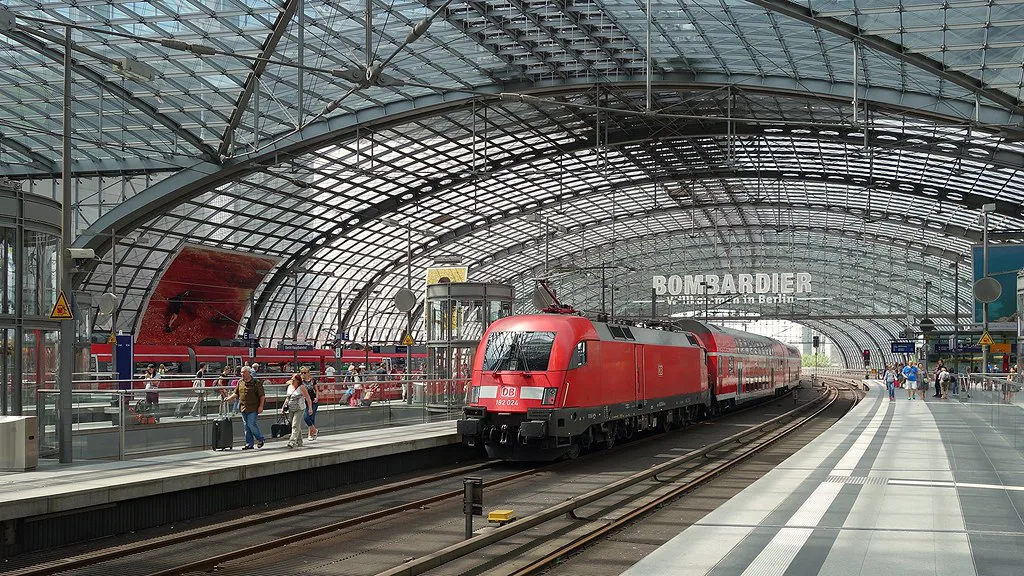
Fast ICE services link the major cities, and IC trains cover long-distance routes at a slower pace. Regional RE and RB trains stop often and accept regional tickets. Seat reservations are optional on most long-distance trains but sensible at busy times. Delays happen, so leave a generous buffer between connections. If a train is late or cancelled, open the DB app for alternatives, keep your ticket, and read Deutsche Bahn's passenger rights page about compensation.
Booking and using the DB app
You can buy tickets on bahn.de, at station machines or in the DB Navigator app. The app shows platforms, live delays and coach order, so check it before you reach the platform. Mistake to avoid: some trains split en route, so confirm that your coach goes to your destination. Another mistake is boarding a fast train with a regional-only ticket or pass.
Major stations and transfers
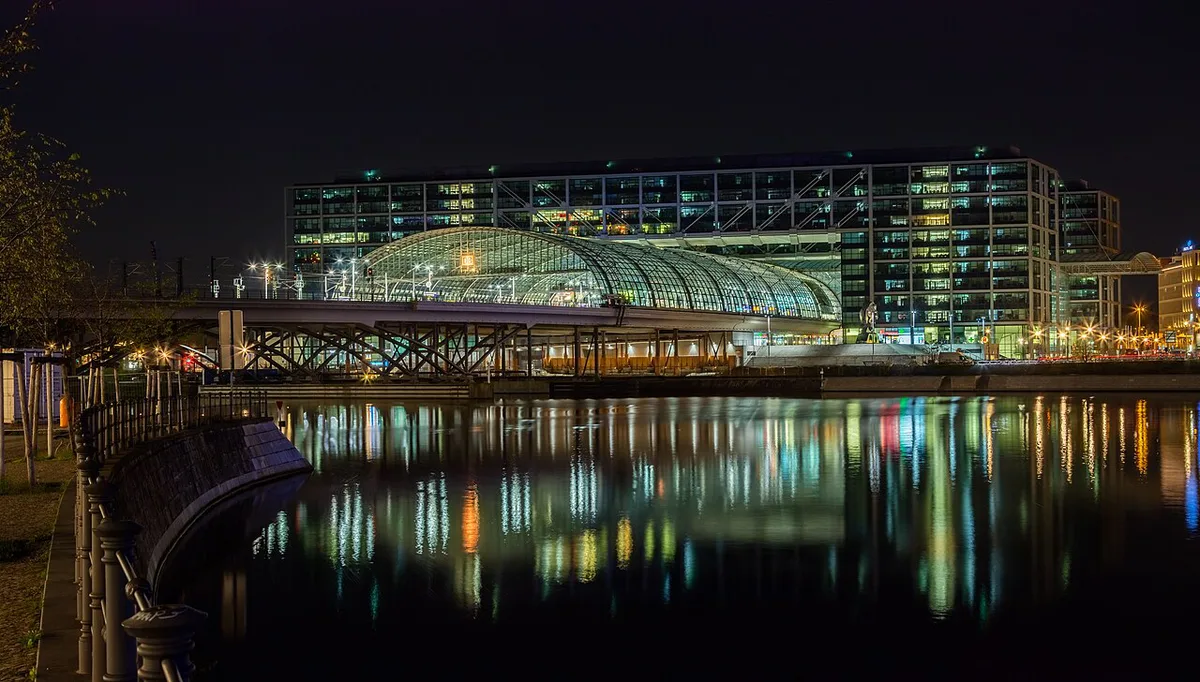
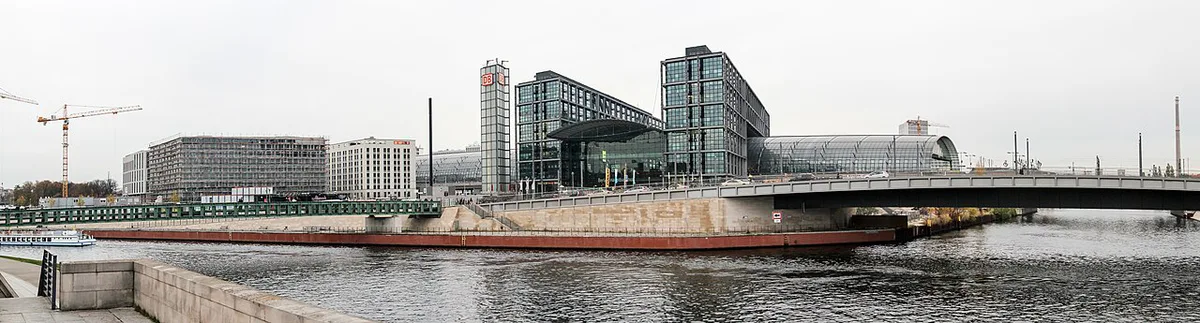
Berlin's main station, covered in our Berlin station guide, has several levels, so allow extra time for platform changes. Munich's main station is the base for Bavaria day trips. Our Munich station page covers access, and Deutsche Bahn lists Munich Hbf facilities. Frankfurt is a major interchange, as described in our Frankfurt station guide. Cologne and Hamburg also anchor long-distance routes.
Key domestic routes at a glance
Check journey times on the Deutsche Bahn timetable before booking. Berlin to Munich by rail is the longest main run and suits an early ICE. For a shorter northern hop, see Berlin to Hamburg by rail. Frankfurt to Munich by rail links the south with the main hub. Frankfurt to Cologne by rail is a quick city pairing.
Cross-border trips from Germany
Operators, reservation rules and pass coverage change at borders, so read each route guide. Prague is reachable on Berlin to Prague by rail, and České dráhy publishes Czech timetables. From Bavaria, see Munich to Prague by rail. Switzerland is covered in Munich to Zurich by rail. For the Netherlands, read Amsterdam to Berlin by rail. Italy is covered in Munich to Venice by rail. Poland is covered in Berlin to Warsaw by rail.
Sample itineraries by trip length
A 3-day trip works with one base plus one long leg, such as Berlin and Hamburg. A 7-day trip can run Berlin, Frankfurt and Munich with one ICE leg between each. A 10-day trip can add Cologne or a border city like Prague. Leave a generous buffer before onward connections. Booking early usually lowers fares but ties you to one train, while flexible tickets cost more and let you shift plans.
Seats, Bikes and Winter Disruption on German Trains
Reserve a seat if you travel with large bags at busy times. Bike space and step-free boarding vary by train type, so check your train's details in the app. Quiet and family areas exist on many long-distance trains. Winter weather can disrupt services, so keep an alternative route in mind.
Frequently Asked Questions
What is the train system in Germany called?
Deutsche Bahn, usually shortened to DB, runs most of the national network. ICE is its high-speed brand. Regional operators and FlixTrain also run services.
Is it cheaper to fly or take a train?
It depends on how early you book and which city pair you travel. Trains also land you in the city center. Compare the final fare plus airport transfers before deciding.
What countries are easy to travel to from Germany?
The Czech Republic, Poland and the Netherlands have direct links from Berlin. Switzerland and Italy are reachable from Munich. Check each route guide for operators and ticket rules.
Explore More Guides
Keep planning your trip with these guides.
Guides
- DB Tickets
- DB App Guide
- ICE Train Germany
- Deutschlandticket for Tourists
- German Rail Pass: Is It Worth It? Options and Alternatives
- BahnCard Guide
- Bayern Ticket: Price, Validity & Is It Worth It?
- FlixTrain Guide
- Berlin Hauptbahnhof Guide
- Munich Hauptbahnhof (Hbf) Guide
- Frankfurt Hauptbahnhof Guide
- Berlin to Munich Train: Times, Tickets and Tips
- Berlin to Hamburg by Train
- Frankfurt to Munich by Train
- Frankfurt to Cologne by Train
- Berlin to Prague by Train
- Munich to Prague by Train
- Munich to Zurich Train: Times, Tickets & Which Train to Take
- Amsterdam to Berlin by Train
- Munich to Venice by Train
- Berlin to Warsaw by Train
Rail notes for your next trip
Optional updates when our rail guides change.