
Munich to Venice by Train: Routes, Times & Tickets
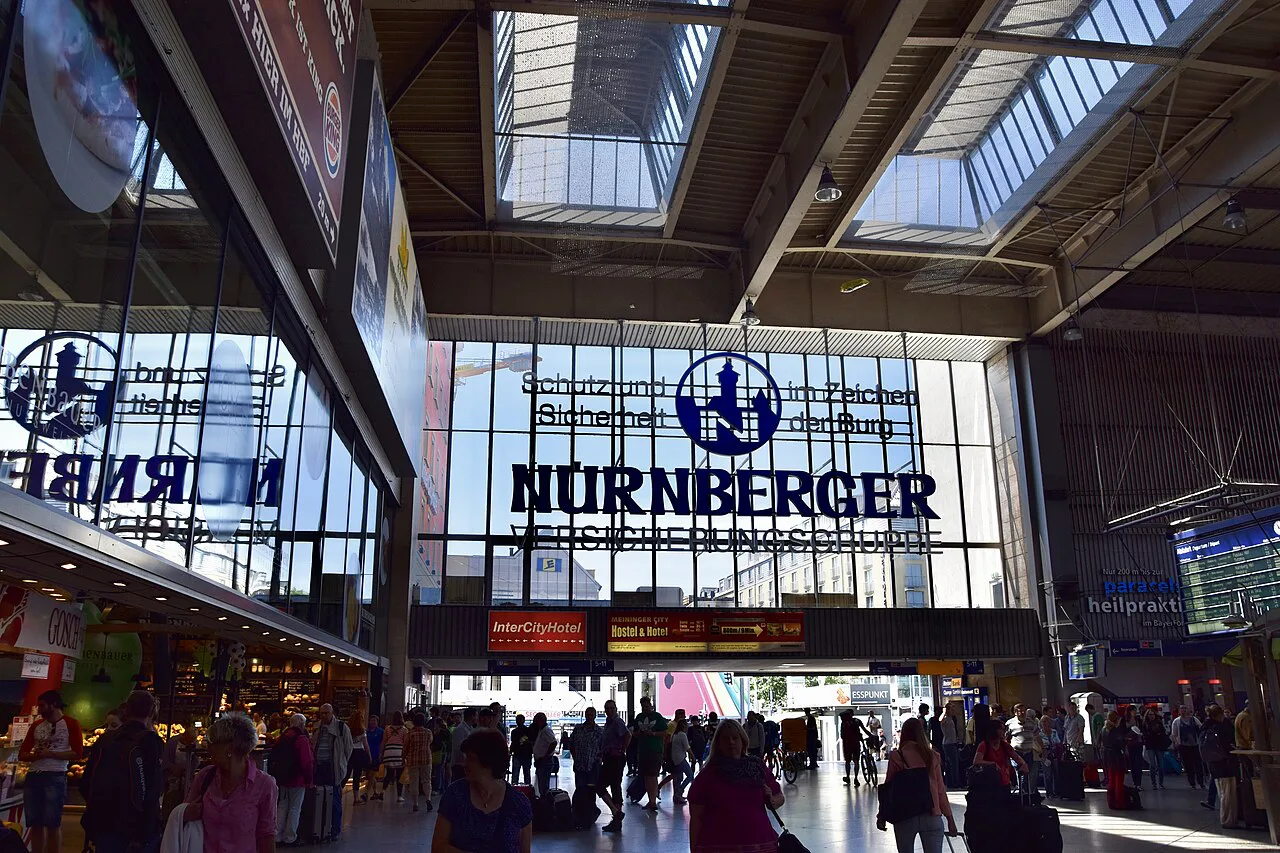
Last updated November 2026. A Munich to Venice train journey runs south through the Brenner corridor via Innsbruck and Verona, and you should plan on at least one change rather than a single through train. This guide covers the route from München Hbf to Venezia Santa Lucia, realistic journey times, ticket choices and the mistakes that cost travelers money. It is one of several routes in our Germany train travel guide.
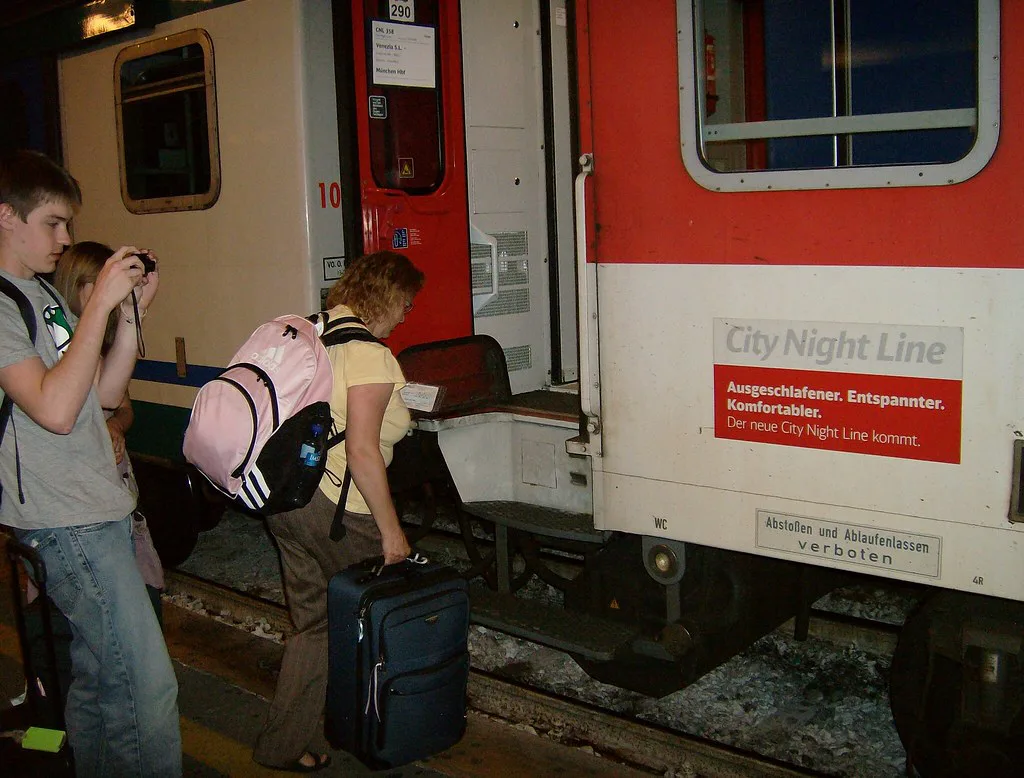
Featured image: Ank Kumar, CC BY-SA 4.0, via Wikimedia Commons.
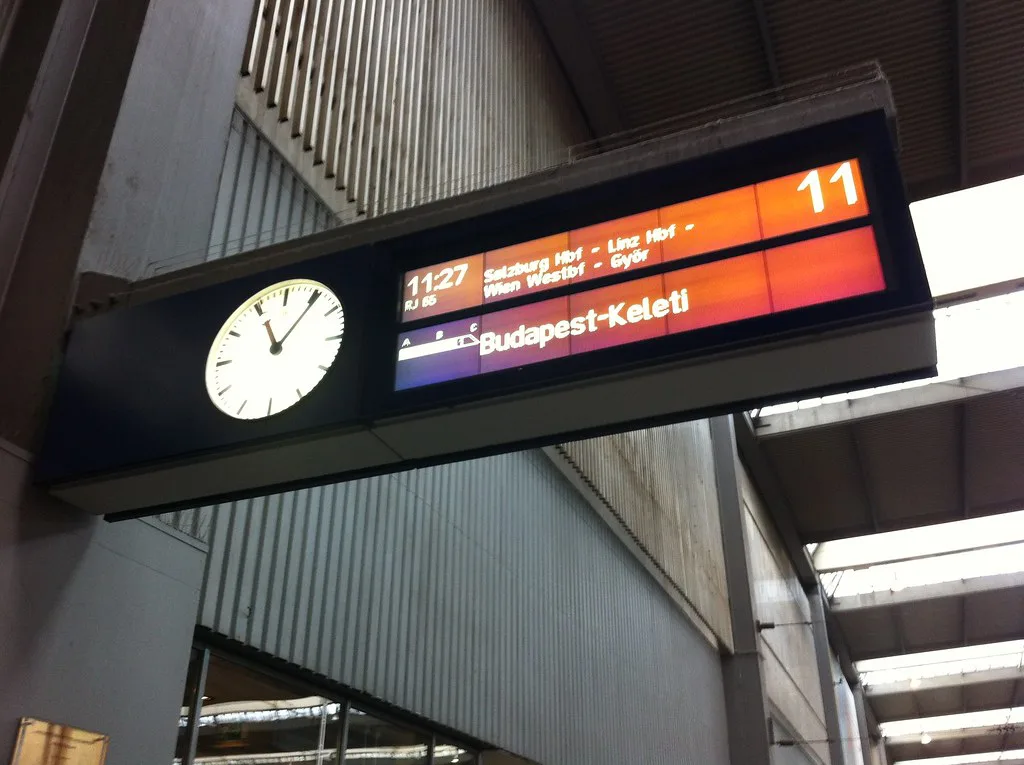
Munich to Venice by train: the short answer
Do not count on a fast direct day train. Timetables for this route typically involve a change, most often at a hub in the Brenner corridor such as Innsbruck, Bolzano or Verona. Fastest connections are reported at around 7h 4m, and an average trip runs closer to 8h 3m. Treat those as typical figures, because times shift with the timetable and engineering works. Overnight options also change from year to year, so look at the ÖBB Nightjet booking site for any current sleeper or night service. Search the exact date on DB Navigator, ÖBB, Trenitalia or Italo before you commit to a plan.
Route and stops: Munich Hbf to Venezia Santa Lucia
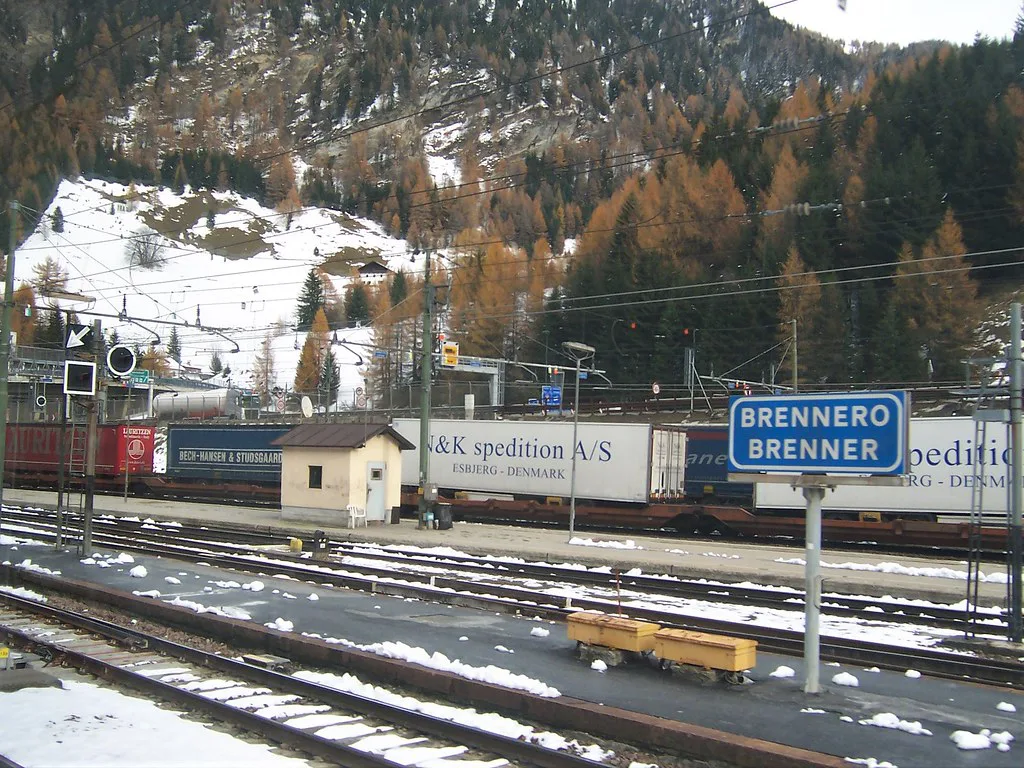
Trains leave München Hauptbahnhof and head south through Bavaria into Austria. Rosenheim and Kufstein sit on the Bavarian side of the line before the border. Innsbruck Hauptbahnhof is the main Austrian stop, and the line then climbs to the Brenner Pass and descends into Italy. Verona Porta Nuova is the usual Italian hub, and Padua is a common stop before the lagoon.
- Germany: Munich Hbf, then Rosenheim and Kufstein on the way to the border.
- Austria: Innsbruck Hbf, the main interchange before the Brenner Pass.
- Italy: Bolzano or Verona Porta Nuova, depending on the connection.
- Arrival: Venezia Santa Lucia, with Venezia Mestre on the mainland as a separate station.
How long the Munich to Venice train takes and what changes it
A quick connection can land near 7h 4m, while average trips run closer to 8h 3m. Your actual time depends mostly on the length of the change. A tight transfer saves time but leaves no margin if the first leg runs late. A longer wait gives you buffer, or a chance for a coffee in Innsbruck or Verona. Engineering works and seasonal timetables can add time, so search the specific date rather than relying on a general figure. Services over the Brenner can be rerouted or replaced by buses on short notice. If an overnight train appears in your search, check Nightjet's current routes for berth types and booking rules.
On split tickets, a quick connection can land near 7h 4m, yet one late first leg means buying again.
Tickets and prices: which fare to buy
For German long-distance travel, DB advertises Super Sparpreis fares from €17.99, but that is a starting price on domestic routes. International fares to Venice vary by date, train and how early you book. Prices usually rise as the departure date gets closer, so book as early as the booking window opens. Prices and hours checked November 2026. Compare a through ticket against split tickets before you buy.
| Option | Best for | Main trade-off |
|---|---|---|
| Single through ticket (DB or partner) | Travelers who want one booking and protection if a connection is missed | Fewer fare choices; may cost more than split tickets |
| Split tickets (DB, ÖBB, Trenitalia or Italo legs) | Budget travelers willing to hunt for the cheapest legs | No guaranteed connection if the first train runs late |
| Flexible fare (Flexpreis-type) | Open plans and likely changes of date | Highest fare; worth it only if your plans may move |
| Saver fare (Sparpreis-type) | Fixed dates and early booking | Limited exchange and refund rules |
Where to book (and where not to)
Book with the operators themselves when you can. DB sells through tickets and fare types, and our guide to Deutsche Bahn tickets explains each one. The DB Navigator app shows live platforms and delays for the German leg. ÖBB covers the Austrian leg, and Trenitalia and Italo cover the Italian leg. Resellers add a convenient interface but may charge fees or handle changes and refunds differently. Read the cancellation terms before you pay, and keep your confirmation on your phone. A BahnCard discount only pays off if you travel regularly on German trains.
Passes and regional tickets: what works
A Eurail or Interrail pass can cover this route on participating operators, but some trains need a paid seat reservation. Check the Eurail Germany pass terms for validity. Our German Rail Pass guide covers when a pass beats point-to-point fares. The Deutschlandticket covers regional transport only, so it does not take you to Venice. The Bayern-Ticket is also a regional day ticket and does not apply to long-distance trains such as ICE, IC or EC. Regional day tickets start from about €46 for the Quer-durchs-Land-Ticket, and they stop at the border. Use them only for a local hop within Germany, not for the Brenner route.
Departure from Munich Hbf and arrival in Venice
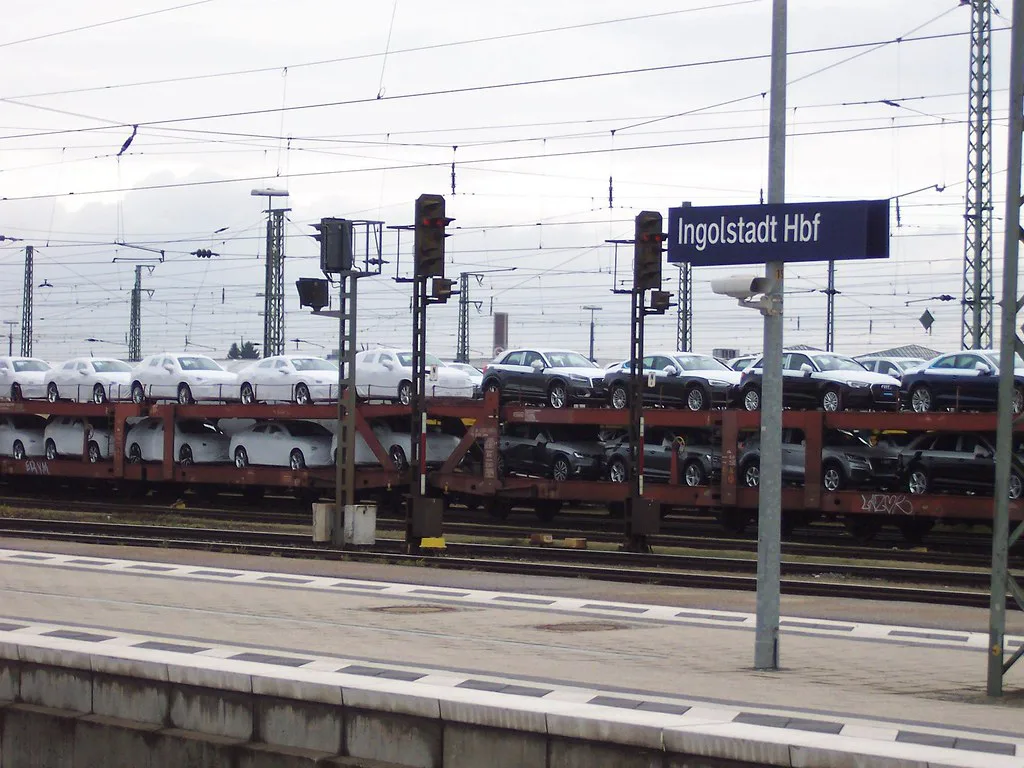
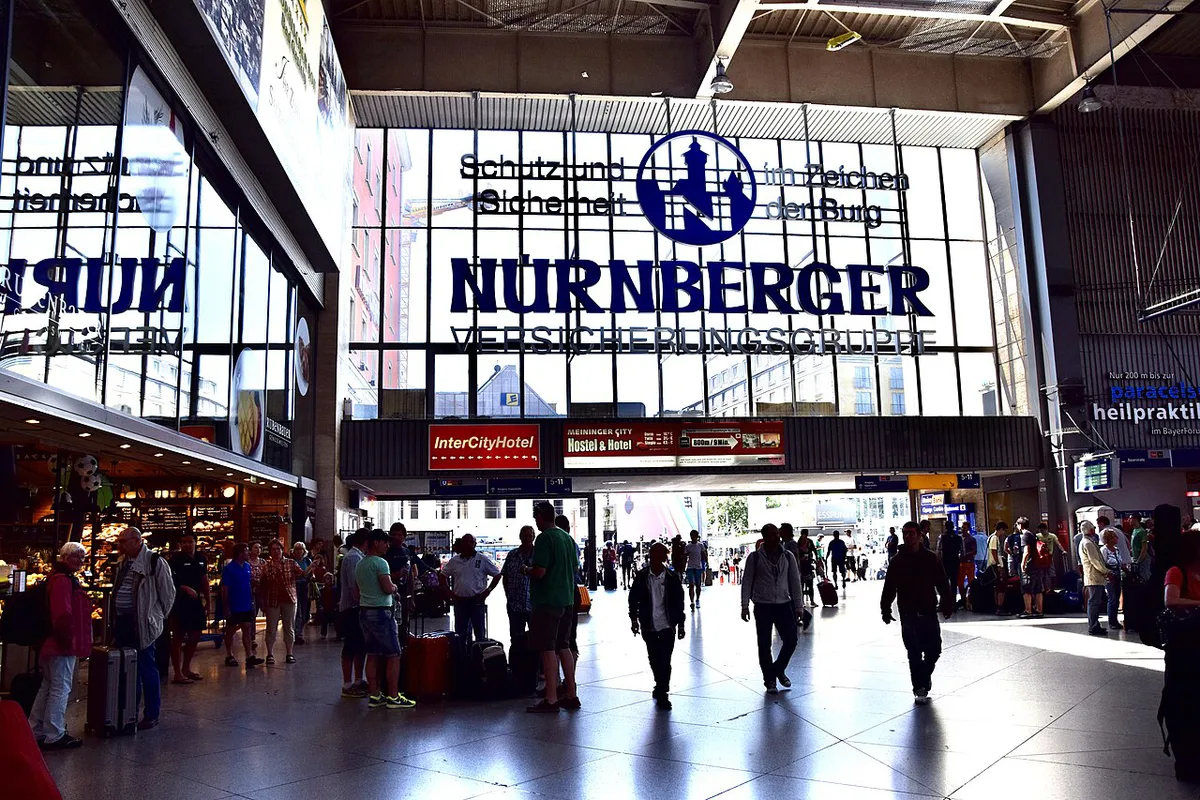
Long-distance trains leave from München Hauptbahnhof, not Marienplatz. Marienplatz is an S-Bahn and U-Bahn stop in the old town, so use it only to reach the Hbf. Arrive 20 to 30 minutes before departure to find your platform. Our Munich Hauptbahnhof guide covers the station layout. Official station details are on the Deutsche Bahn Munich Hbf page. In Venice, book to Venezia Santa Lucia, which sits on the island and connects to the vaporetto water bus. Venezia Mestre is on the mainland, so a ticket to Mestre leaves you with another train or bus ride. Expect bridges and steps once you leave Santa Lucia, which matters with heavy luggage.
- Mistake to avoid: booking to Mestre when your hotel is on the island.
- Mistake to avoid: a tight change on separate tickets with no protection.
- Mistake to avoid: assuming a regional ticket works across the border.
- Mistake to avoid: treating Marienplatz as an intercity station.
Border, documents and delays
Germany, Austria and Italy are all in the Schengen Area, but temporary border checks can appear on this corridor. Carry a valid passport or national ID card for the whole trip. Check your government's travel advice for current entry rules. If you hold one through ticket and miss a connection, the operator generally has to rebook you. On split tickets, a delay on the first leg may leave you buying a new ticket for the second. That is the main risk of saving money by splitting the journey. Allow a longer change when tickets are separate. Bikes are allowed on many long-distance trains, with long-distance bike tickets starting at €7.50, but reserve a space in advance.
Train vs bus vs flight vs car
A train gives you city-center to city-center travel with no airport transfers. A flight is faster in the air but adds airport journeys on both ends, plus a water-bus or road transfer into Venice. A bus such as the one run by FlixTrain's sister service can cost less, but it is slower and less comfortable on a long trip. Driving gives flexibility for a stop in the Dolomites, but you will pay for parking outside Venice since cars cannot enter the island. Break the trip with a night in Innsbruck, Bolzano or Verona if you want to avoid a full day of travel. For other departures, see our guides to the Munich to Zurich Train: Times, Tickets & Which Train to Take and the Munich to Prague by Train: Times, Tickets & Tips.
Frequently Asked Questions
Are there two train stops in Venice?
Yes. Venezia Santa Lucia is on the island and connects to the vaporetto water bus. Venezia Mestre is on the mainland, so book Santa Lucia unless you plan to stay in Mestre.
Can I take a train from Austria to Italy?
Yes. Trains cross the Brenner Pass between Innsbruck and Italy, usually with a change at Bolzano or Verona. Search the date on ÖBB or Trenitalia for the current options.
Rail notes for your next trip
Optional updates when our rail guides change.
Related guides

More guides
Picked from the same area