
Munich to Prague by Train: Times, Tickets & Tips
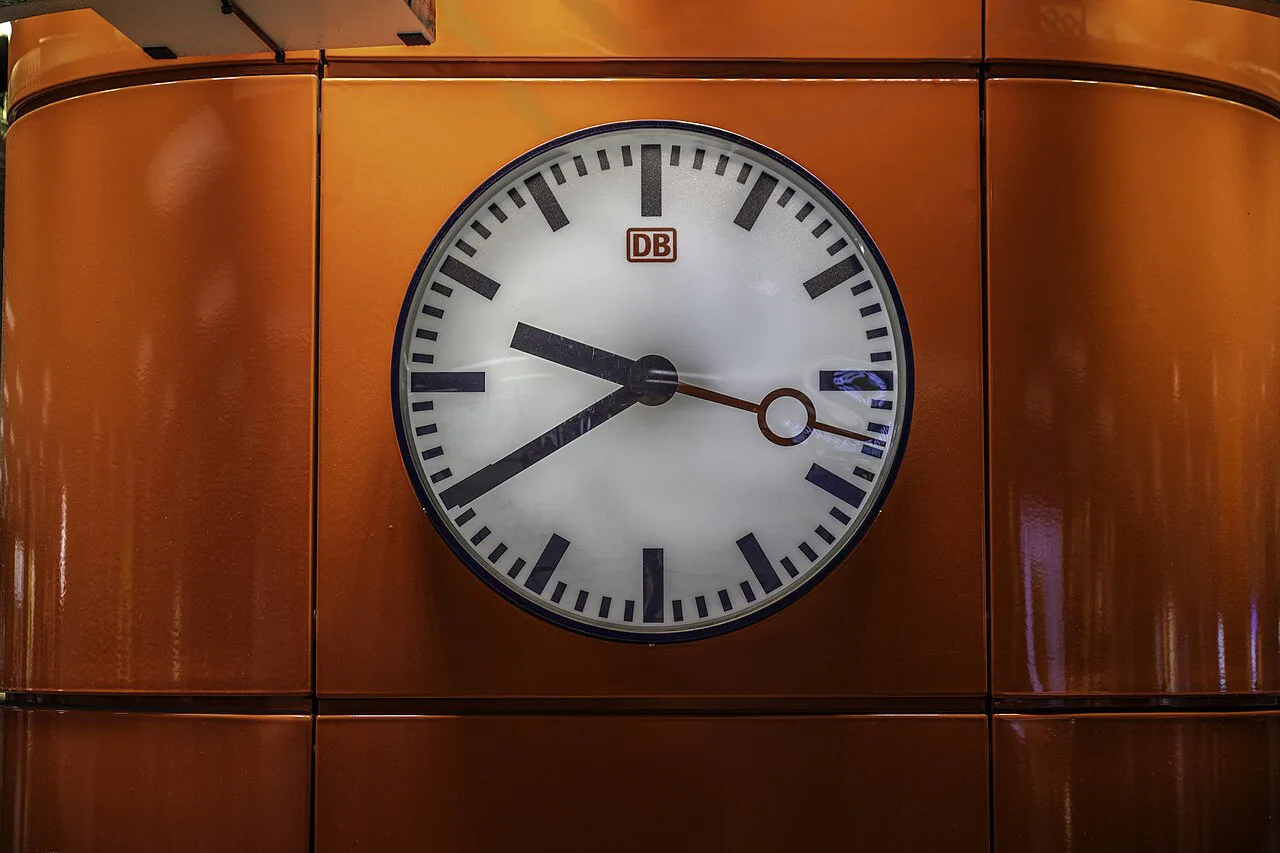
Last updated November 2026: the munich to prague train usually takes between about 5h45m and 7h30m, and most departures involve one change. Direct EuroCity-style services have been reported on some timetables, so search your exact travel date before you plan around one. Munich Hauptbahnhof is the default departure station, and Praha hlavní nádraží is where you arrive.
Featured image: Wilfredor, CC0, via Wikimedia Commons.
Munich to Prague Train: Quick Answer
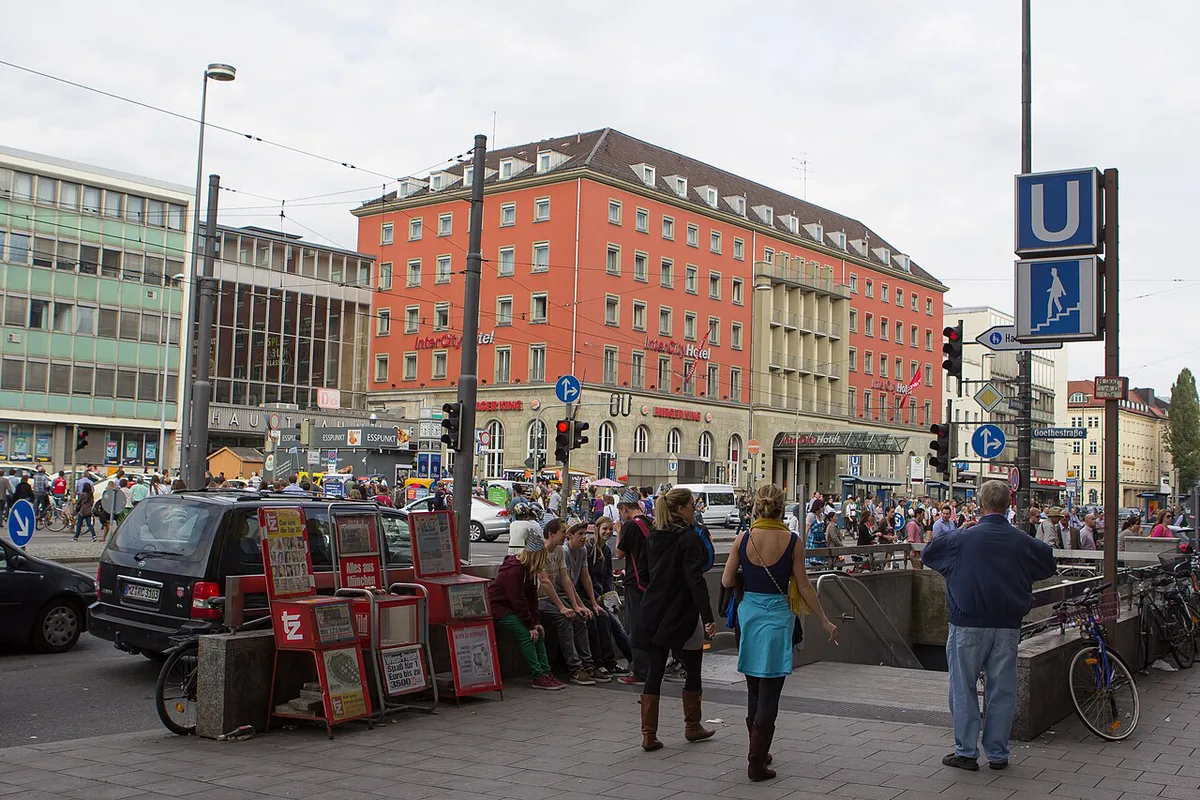
Expect one change on most departures, with Nuremberg the usual changing point. A sample listing for 24 November 2026 showed 9 departures a day, a first train at 04:15 and a fastest journey of 5h43m. Average journey time across the day came out at 7h31m, because late departures drag the figure up. Treat every number here as a range for that kind of date, since timetables shift by season and weekday. Advance fares start low and rise as departure approaches, so book early on bahn.de or cd.cz.
- Direct or not: some timetables list a direct EuroCity, others force a change at Nuremberg (Nürnberg Hbf).
- Realistic time: about 5h30m to 5h45m on the fastest services, 6h to 7h30m with a change.
- Departure station: München Hauptbahnhof, not Ostbahnhof or Rosenheimer Platz, unless your search result says otherwise.
- Arrival station: Praha hlavní nádraží, linked to Prague metro Line C.
- Where to book: bahn.de or cd.cz, both of which sell the same through journeys.
Munich to Prague Train Routes, Times and Frequency
Daytime departures run through the morning and afternoon, roughly every two hours. In the 24 November sample, trains left Munich at 04:15, 06:28, 08:28, 10:28, 12:28, 14:28 and 16:28. Six of those seven showed 5h53m on the clock, and the 16:28 showed 5h43m. All seven were listed with one change. Deutsche Bahn and ÖBB appeared as operators, and České dráhy sells tickets for the Czech side. Sample listings also showed two evening departures, at 19:25 and 20:45. Those take 12h36m to 13h56m with three or four changes, so treat them as a last resort. They arrive in Prague at 09:21 the next morning. If you miss a direct departure, the next convenient one can be two to three hours later. A result reading 5h38m and another reading 7h10m can differ only by the change, so read the leg list rather than the headline time. The guide to German train travel explains how to read these listings in general.
Which Train to Pick
Choose by what you can afford to lose: time, money or certainty. The table sets out the three realistic choices, using ranges rather than fixed times because dates differ.
Third-party sellers add roughly €3 to €8 per ticket, which hurts most on a cheap one-change fare. Booking direct on bahn.de or cd.cz sidesteps that.
| Option | Typical time | Change risk | Best for |
|---|---|---|---|
| Direct EuroCity, where listed | About 5h30m to 5h40m | None | Travelers who want one seat for the whole trip |
| One change via Nuremberg | About 5h45m to 7h30m | Moderate; a late arrival can strand you | Most travelers, and often the cheapest fare |
| Evening or overnight multi-change | 12h to 14h with 3 to 4 changes | High | Almost nobody; avoid unless nothing else fits |
- Budget: pick the one-change option and book an advance fare early.
- Speed: filter for zero changes and sort by journey time.
- Safest connection: choose a change with at least 15 to 20 minutes, not the tightest one.
- Flexibility: a flexible fare lets you take a later train if the first one fails.
Tickets and Prices
Fares on this route follow the usual pattern of cheap advance tickets and pricier flexible ones. Advance fares are tied to one train and are generally not refundable. Flexible fares cost noticeably more but let you change trains. Prices and hours checked November 2026. Because published fare ranges for this route are inconsistent, the safest rule is to price your own date. Start with the České dráhy timetable and ticket shop for the Czech side. Then compare it with the DB result, which is covered in the DB ticket guide. Booking two to three weeks ahead usually gets the cheapest advance fare. Third-party sellers can add booking fees of roughly €3 to €8 per ticket, which matters on a low fare. The DB Navigator app holds your e-ticket offline. Ask whether your fare includes a seat reservation, because cross-border EuroCity trains can require one.
Do Rail Passes Help on Munich to Prague?
Mostly not. National and regional passes stop at the German border, so they do not carry you into Czechia. The Deutschlandticket covers regional trains inside Germany only, and the Bayern-Ticket is limited to Bavaria. Neither is a through ticket to Prague. A BahnCard can discount DB fares, but check whether the discount extends to the Czech portion of your booking. Multi-country pass holders have more options. The Interrail pass covers travel across several countries. The Eurail Germany pass covers Germany only, so it does not reach Prague. Pass holders often still pay a reservation fee on cross-border trains. Our German rail pass guide covers when a pass pays off. For a single Munich to Prague trip, a point-to-point ticket is usually cheaper.
On Board: ICE, EuroCity and Railjet
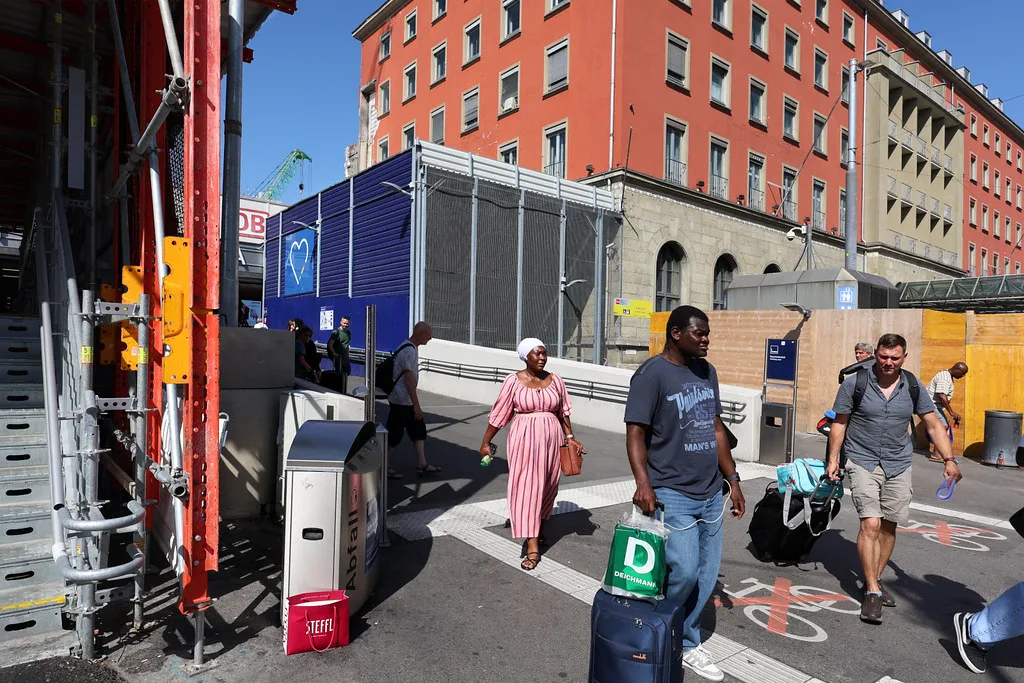
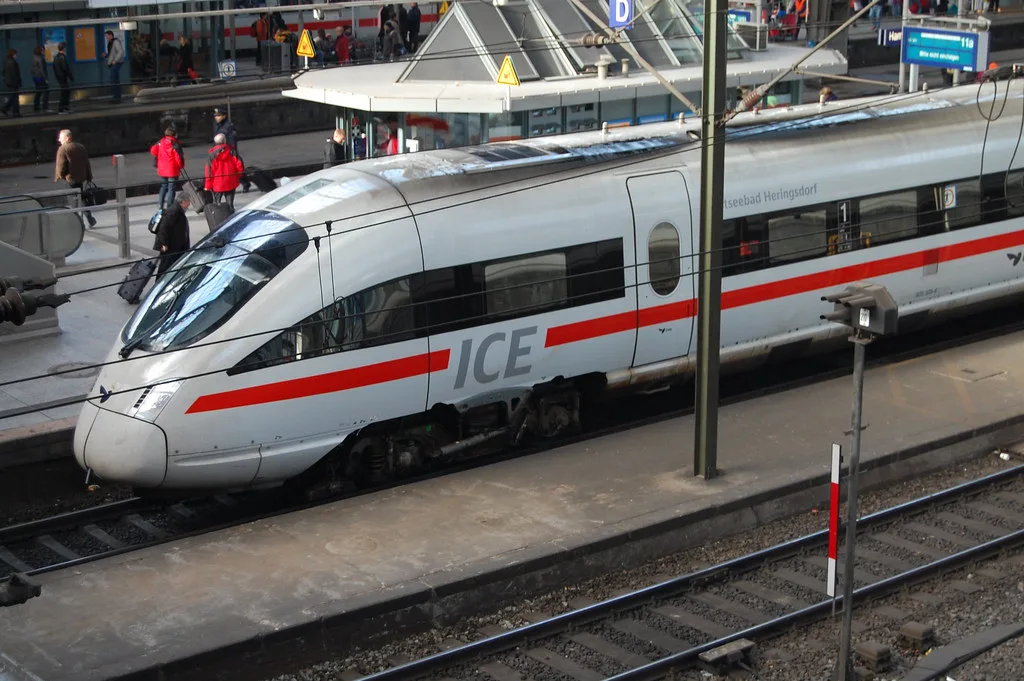
Equipment depends on the train you land on, so read the train category in your booking. An ICE Train Germany: Routes, Tickets & Passes Explained typically offers power sockets, a bistro and Wi-Fi in second class. EuroCity coaches offer air conditioning, power sockets and a restaurant car on most services. ÖBB runs Railjet trains on some Central European routes, but do not assume one serves this route. Amenities vary per train, so treat catering and Wi-Fi as bonuses rather than guarantees. Bring snacks and water, because trolley service does not reach every carriage. Luggage goes under the seat, on overhead racks or in the larger racks by the doors. Overhead space fills quickly at peak hours. Second class is comfortable for a journey of 5 to 6 hours, and first class mainly buys more legroom and a quieter area. Download your e-ticket before boarding, since mobile data can drop in parts of Bavaria and Bohemia.
Munich Hauptbahnhof and Prague Hlavní Nádraží Logistics
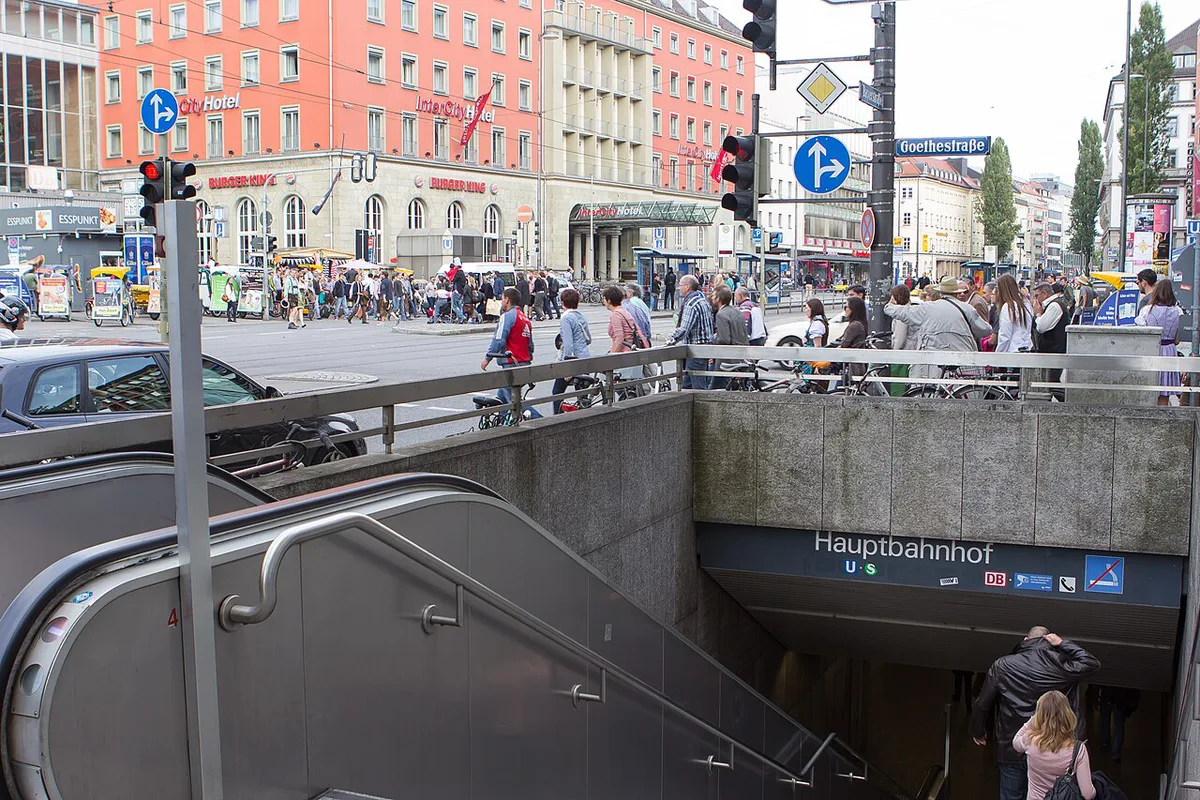
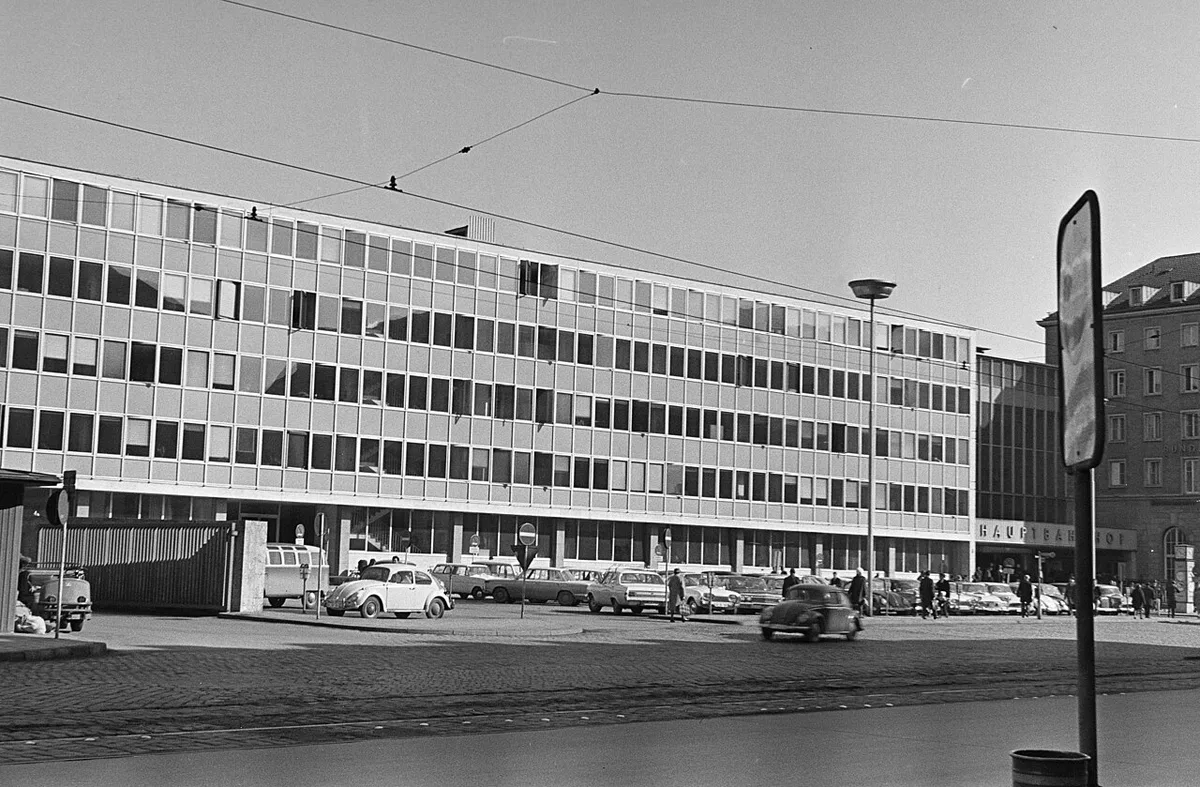
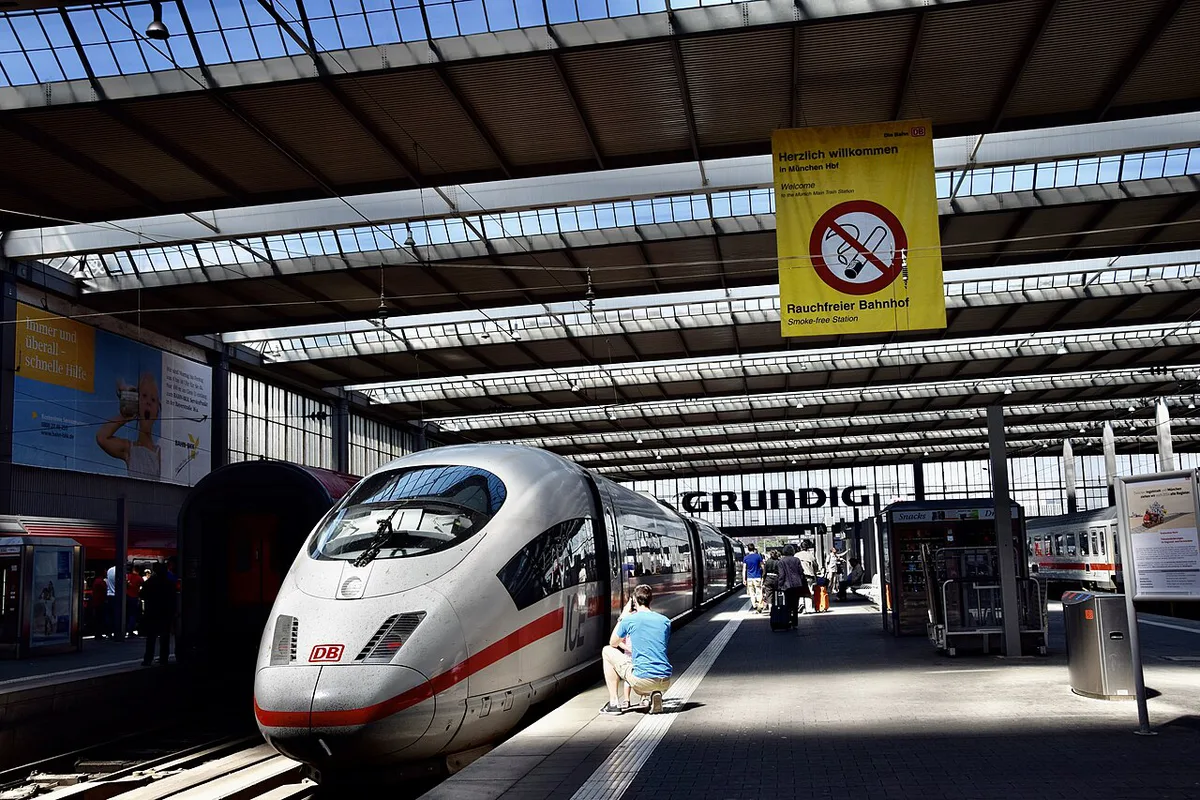
Allow at least 20 minutes at Munich Hauptbahnhof to find your platform and buy food before boarding. The station is reached by S-Bahn and U-Bahn from across the city, and our Munich Hauptbahnhof guide covers the layout. Station facilities are listed on the Deutsche Bahn Munich Hbf page. From Munich Airport, the S1 or S8 reaches the Hauptbahnhof in about 40 to 45 minutes. In Prague, you arrive at Praha hlavní nádraží, which connects to metro Line C. That puts you in the center of the city without an airport transfer. The Czech koruna is the local currency, and cards work for most first purchases such as a metro ticket or a snack. Keep a small amount of koruna for kiosks that only take cash.
Airport transfers add 40 to 45 minutes from Munich Airport on the S1 or S8, so an early 04:15 departure needs planning.
Train vs Bus vs Plane From Munich to Prague
Door-to-door time decides this comparison. A flight looks fast, but Munich Airport sits about 28 to 30 km from the city center. Add the airport transfer, security and the trip into Prague, and the total often passes 5 hours. The train drops you in central Prague. FlixBus coaches are often cheapest, at roughly €10 to €20 on some dates, but they take 6 to 7 hours or more. For a rail option from the same operator family, see the FlixTrain guide, and check whether it serves this route before relying on it.
| Mode | Door-to-door time | Cost | Best for |
|---|---|---|---|
| Train | About 5h45m to 7h30m, city center to city center | Advance fares are low; flexible fares cost more | Comfort and central arrival |
| Bus | 6 to 7 hours or more | Often roughly €10 to €20 | Tightest budgets |
| Plane | Often 5 hours or more with transfers | Varies widely by date and airline | Onward flights from Prague |
Border, ID and Practical Tips
Germany and Czechia are both in the Schengen Area, so there is no routine passport control at the border. Spot checks can still happen on board, usually near the crossing. EU travelers should carry a national ID card or passport. Non-EU travelers should keep their passport within easy reach rather than packed away. Keep your ticket and documents together in a day bag. Book two to three weeks ahead for the cheapest advance fares, and avoid last-minute purchases when you can. Check that your result is truly direct by reading the leg list, not just the duration. Make sure your fare covers a seat if the train requires reservations. A tight change at Nuremberg is the most common reason for trouble, so choose one with a comfortable buffer.
Combining Munich to Prague With Other Routes
Prague works as a hub for onward rail trips toward Vienna, Budapest and Berlin. For the Berlin leg, see the Berlin to Prague train guide. If you are routing through Munich first, the Frankfurt to Munich train guide and the Berlin to Munich train guide cover the approach. Other departures from Munich include the Munich to Zurich Train: Times, Tickets & Which Train to Take and the Munich to Venice by Train: Routes, Times & Tickets. The return trip from Prague to Munich follows the same pattern, so search both directions for your dates.
Should You Buy One Ticket or Split the Journey?
For most travelers, buy one through-ticket from München Hauptbahnhof to Praha hlavní nádraží. Most daytime options have 1 change, usually at Nürnberg Hbf, and the journey can take about 5h45m to 7h30m. A single search result also makes it easier to see the full itinerary and its connection time.
Split tickets only make sense when the saving is worthwhile and you are comfortable managing two separate fare rules. Check the leg list before paying. A result of 5h38m can look much better than one taking 7h10m, yet the difference may be the length of the interchange rather than the trains themselves.
If you do split the booking, avoid a tight connection in Nuremberg. Allow at least 15 to 20 minutes between trains, especially if you have luggage or are travelling at a busy time. Save both tickets offline and confirm which train each ticket restricts you to before boarding.
Frequently Asked Questions
Is there a night train from Munich to Prague?
Sample timetables list overnight departures, but they involve 3 to 4 changes and take 12 to 14 hours. A direct sleeper is not confirmed here. See the Nightjet site for any sleeper service on your date.
How do I pay for trains in Prague?
Buy long-distance tickets online in advance through České dráhy or Deutsche Bahn. For local metro and tram tickets in Prague, cards work at most machines. Carry a little Czech koruna as a backup.
How much is a train from Munich to Prague?
Advance fares start low and rise as departure nears, while flexible fares cost more. Price your exact date on bahn.de or cd.cz. Booking two to three weeks ahead usually finds the cheapest option.
Rail notes for your next trip
Optional updates when our rail guides change.
Related guides

More guides
Picked from the same area