
Berlin to Prague by Train: Times, Tickets and Tips
Last updated November 2026: a Berlin to Prague train runs direct through Dresden and the Elbe valley, and the fastest services take about 3 hours 35 minutes. Most travelers choose between a point-to-point ticket, a rail pass and a bus. This guide covers operators, timetable patterns, fares, reservations, stations and the trade-offs against bus, flight and car.
Featured image: Jorge Lascar, CC BY 2.0, via Flickr.
Quick answer: Berlin to Prague train
Direct trains run from Berlin Hbf to Praha hlavní nádraží, a distance of about 281 km. Fastest services take 3 hours 35 minutes to 3 hours 38 minutes. EuroCity (EC) trains on this corridor are operated by DB with Czech Railways (ČD). Timetable searches show about 15 trains a day, of which about 9 are direct. Prices and times were checked in November 2026. Advance fares start from about €14.99, and tickets usually go on sale 3 to 6 months ahead. Rail beats the bus on comfort and on arriving at a central station. Our guide to rail travel across Germany covers the wider network.
Trains and operators on the route
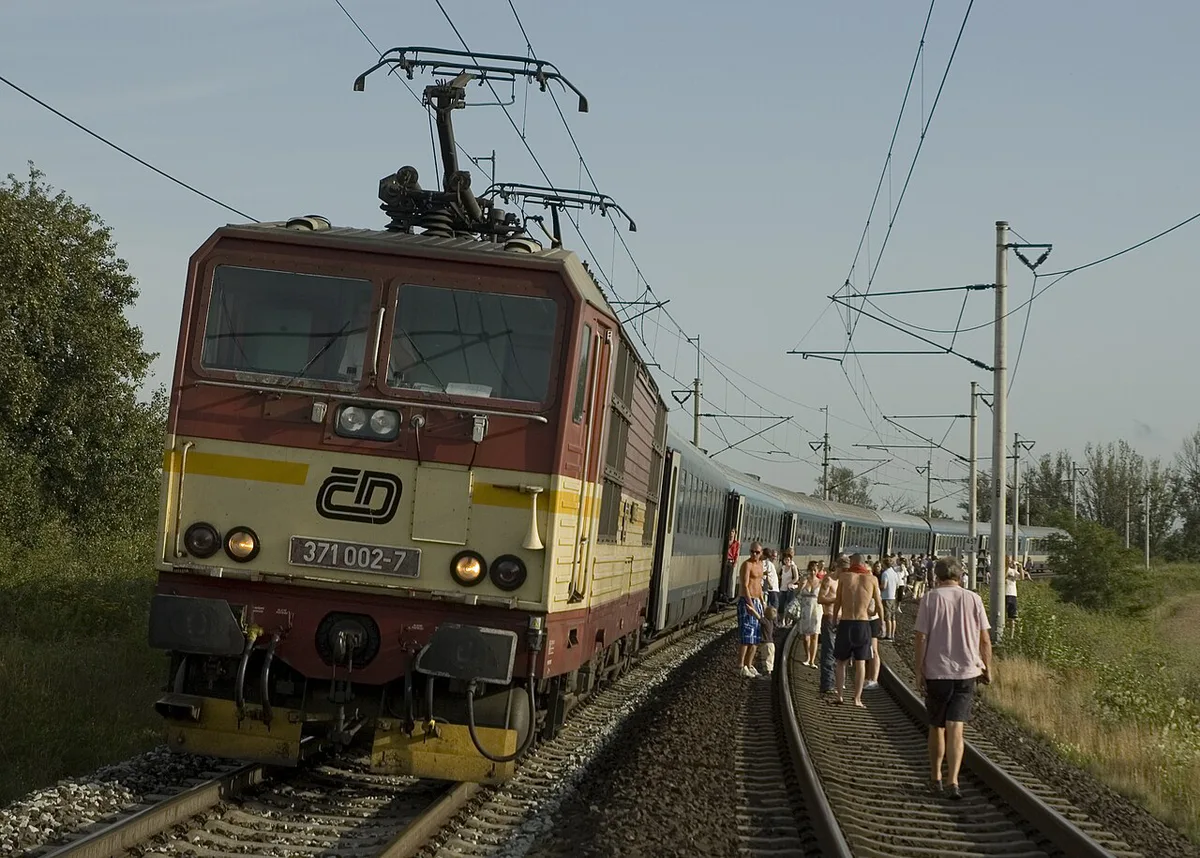
Several brands appear when you search this route. DB and ČD run the EuroCity trains that most travelers take. RegioJet is listed on the corridor with four seat classes. ÖBB and European Sleeper also show up in searches, and FlixBus sells bus seats under a rail-style brand. Check each departure's train number and operator before you buy. A bus ticket does not carry rail pass benefits, however it is branded. ČD publishes Czech-side timetables and fares on the ČD international booking site.
| Operator | Mode | Typical position | Best fit |
|---|---|---|---|
| DB with ČD (EuroCity) | Direct rail | Fastest direct time, about 3h35m to 3h38m | Travelers wanting a central-station arrival and pass compatibility |
| RegioJet | Listed on the route; check whether your departure is rail or bus | Four classes: Low cost, Standard, Relax, Business | Travelers who want free Wi-Fi and a drink included in higher classes |
| ÖBB | Listed in searches | Confirm the exact service in the booking flow | Travelers combining Austria with Prague |
| European Sleeper | Listed in searches | Overnight or seasonal; confirm the date | Travelers who want to save a hotel night |
| FlixBus | Bus | Separate rules from rail | Travelers prioritizing price over comfort |
Timetable pattern and journey time
Direct departures run roughly every two hours through the day, mostly from mid-morning to evening. Exact departure minutes change by season and weekday, so read the live timetable instead of a printed one. Direct journeys take 3 hours 35 minutes to 3 hours 38 minutes. Searches also report an average near 6 hours 15 minutes, because they mix in slower and connecting options. Some of those itineraries run past 9 hours with three changes. Very early and very late departures are often odd connections or sleeper services, not the normal daytime pattern. Filter your search to direct trains only. Weekends and holidays can lengthen journeys, so search your exact date.
- Faster direct trains: about 3h35m to 3h38m, no changes.
- Slow connecting itineraries: often 6 hours or more, sometimes with several changes.
- Late evening direct departures: slightly longer, with some arrivals after midnight.
Tickets and prices for the Berlin to Prague train
Advance fares start from about €14.99, and they rise as the departure date nears. Booking on the day is usually more expensive. Tickets typically go on sale 3 to 6 months ahead, so check early if you know your dates. Weekday midday departures outside the 06:00-10:00 and 15:00-19:00 commuter windows tend to price lower. Slower connecting trains sometimes carry cheaper fares, but they cost hours. Our guide to DB ticket types and fares explains the fare families. You can also buy in DB's booking app and keep the ticket on your phone. Some operators release no advance fares at all, so a low price is not guaranteed on every departure.
- Mistake: buying a connecting itinerary because it looks cheaper, then losing 3 or more hours.
- Mistake: assuming a bus ticket under a rail brand works with a rail pass.
- Mistake: booking a cross-border trip on a German-only discount product.
- Mistake: skipping the sale window and paying a late-booking fare.
- Note: a Deutschlandticket or Bayern-Ticket does not cover this international route.
- Note: DB's discount card may cut the German portion only, so check the fare detail before you rely on it.
Using a pass: Interrail, Eurail and German rail pass
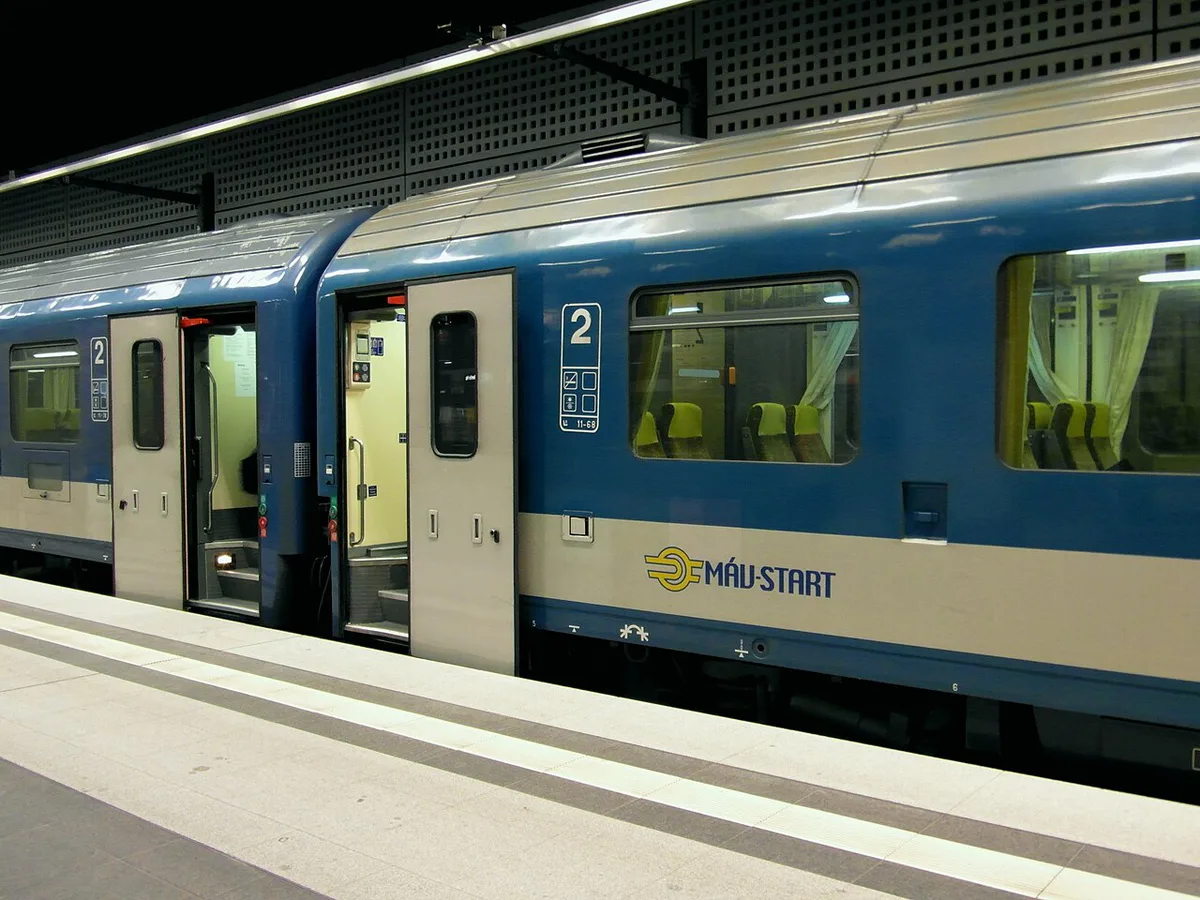
A pass pays off when this trip is one of several rail days. A One Country Pass will not cover the cross-border leg, as Eurail's Germany pass page describes for single-country products. A multi-country Global Pass is the relevant option, and Interrail's official site lists its conditions. Our guide to a Germany-wide rail pass covers domestic coverage. Pass holders still need a seat reservation on many services. A DB second-class reservation reference is €5.50, and it is recommended rather than mandatory on the reviewed DB/ČD service. Confirm that your exact departure accepts your pass. Use the formula below with your own numbers. The letters are placeholders, not real fares.
Set a pass day's cost against the €14.99 advance fare, since a single advance ticket may beat a pass on a one-off trip.
- P = pass price, D = number of travel days in the pass, T = separate ticket price without a seat, R = reservation fee.
- Pass-day cost = P ÷ D + R.
- Separate-ticket cost = T + R, if you want a seat.
- If you already need that pass day for other trips, the extra cost may be only R.
- Choose the pass only when the full itinerary, including all reservations and uncovered tickets, costs less than separate tickets.
Seat reservations and group booking
A reservation is worth it on busy departures, on Friday and Sunday trains, and for any party that wants to sit together. On this DB/ČD service a reservation is recommended rather than mandatory. Enter the whole party in one booking so the system assigns adjacent seats. Review the carriage and seat numbers before you pay. ČD notes that foreign-origin services may lack a seat map, so you may not be able to pick seats yourself. A missing seat map does not mean the train is full. Try another departure or ask the operator, and do not buy scattered seats expecting to move them later.
Stations, transfers and luggage
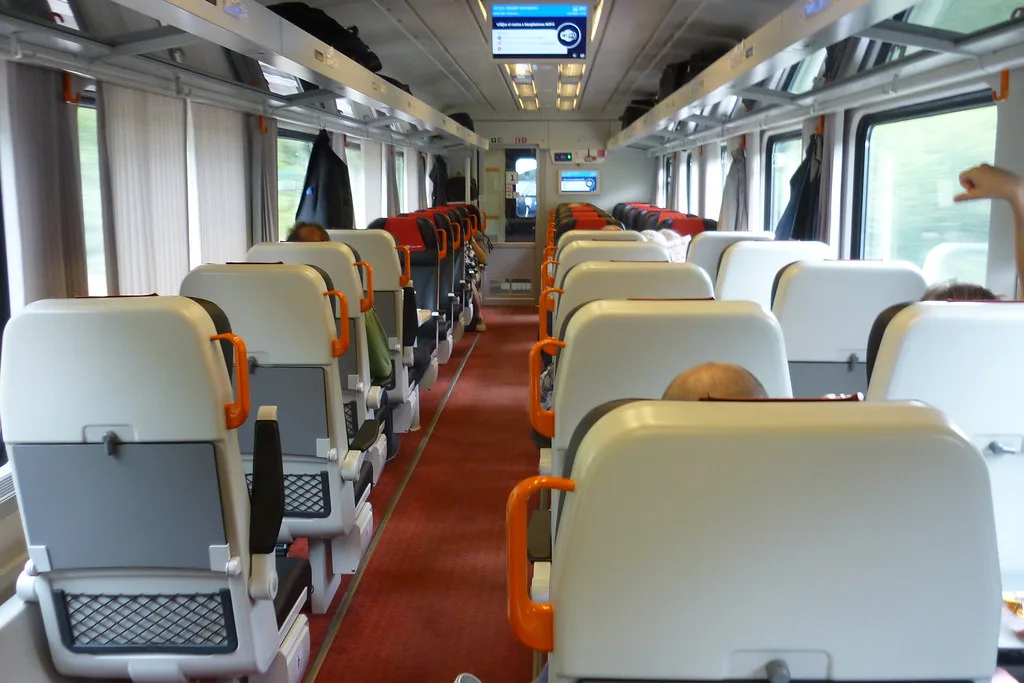
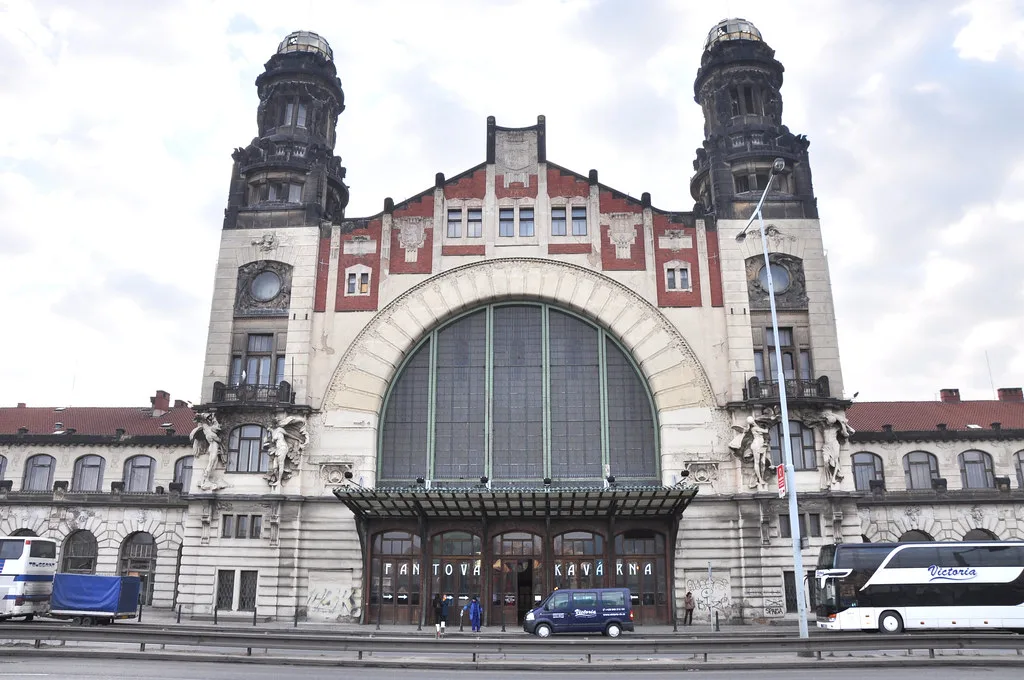
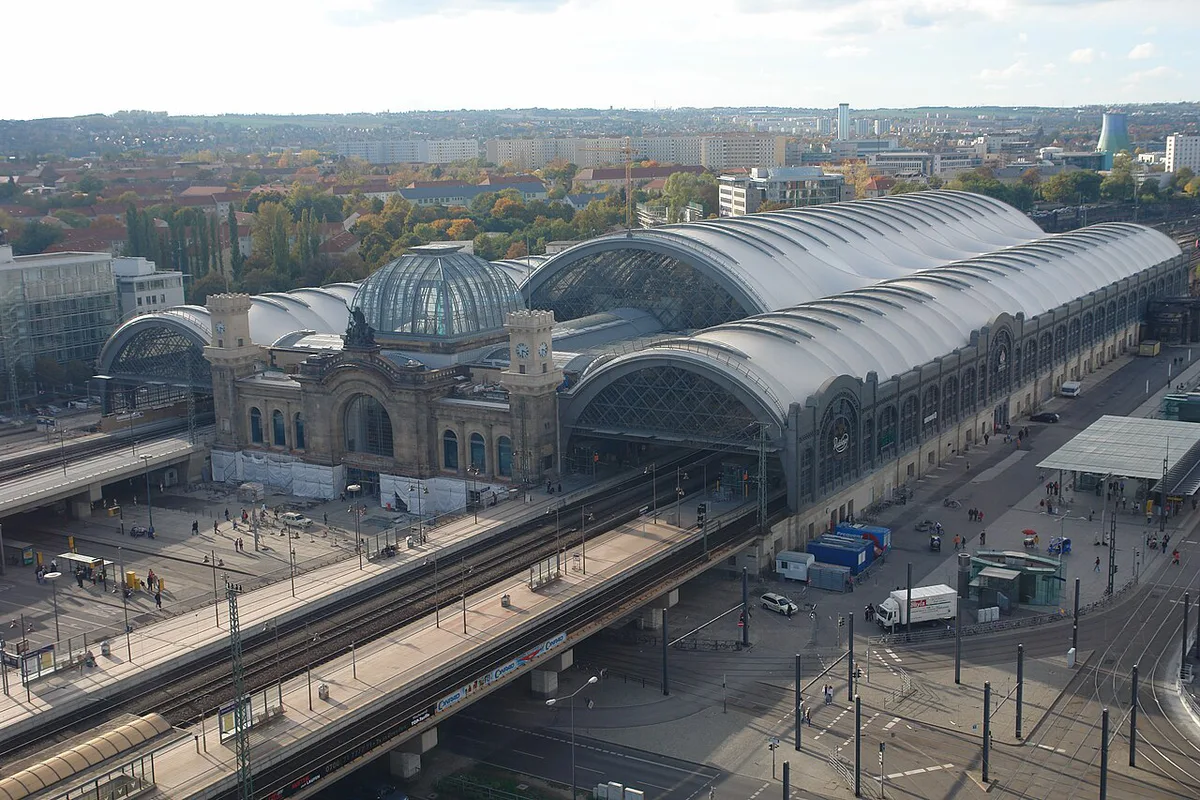
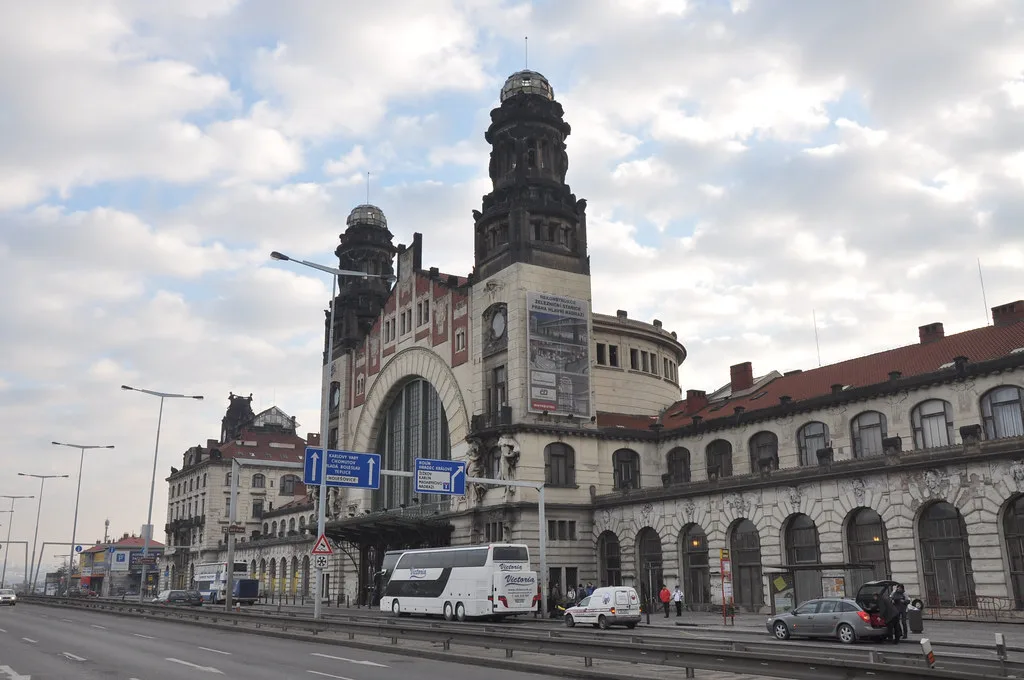
Direct trains leave from Berlin Hbf and arrive at Praha hlavní nádraží. Our guide to Berlin's main station covers platforms and facilities. Some Berlin services stop at other stations on the way out, so check the stop list on your ticket. Look at the booking details to see which Berlin station your train uses. Prague's main station sits close to the center, which makes onward transit short. Keep luggage with you, since EC trains have racks and no left-luggage car. RegioJet allows any luggage you can carry yourself, and it does not carry bicycles. Allow time at the station for a ticket check.
Onboard experience, classes and the Elbe valley
DB/ČD EuroCity trains offer first and second class, with a dining or snack option on many services. RegioJet's four classes all include free Wi-Fi and an entertainment portal through its app. Relax and Business add leather seats, larger tables and a free Italian coffee or mint tea. Business has a quiet carriage and more legroom. A free bottle of water is offered to all passengers. Scenery is a real reason to take the train. Between Dresden and the Czech border the line follows the Elbe valley, with river views on the window side. Sit on the side facing the river and keep your camera ready.
Train vs bus vs flight vs car
Door-to-door effort matters more than headline speed. Flights add airport transfers and security, while the train arrives in the city center. Cars give flexibility but add parking and tolls. Use the table below for a qualitative comparison.
| Mode | Cost | Time | Door-to-door effort | Carbon |
|---|---|---|---|---|
| Train | Low to moderate, rising close to departure | About 3h35m to 3h38m direct | Central station to central station | Lower than flying or driving |
| Bus | Often the lowest fare | Longer and traffic-dependent | Central stops, fewer comforts | Lower than a car |
| Flight | Variable, plus transfers and bags | Short in the air, long with airport time | Two airport journeys and security | Highest per passenger |
| Car | Fuel, tolls and parking | Depends on traffic | Flexible, but parking in Prague is hard | Higher for solo drivers |
Delays, refunds and day trips
A same-day return is possible, since each direction takes about 3.6 hours. You would spend roughly 7 hours on board, which leaves little time in the city. Staying one night is a better use of the ticket. If a train is delayed or cancelled, ask the operator about rebooking and refunds. Cross-border tickets may carry separate conditions, so read the fare rules for both operators. EU passenger rights apply, and DB and ČD publish their own claim steps.
Continue your trip from Berlin or Prague
From Prague you can reach Bavaria on the Munich–Prague rail route. For Poland, see the Berlin–Warsaw rail journey. Travelers arriving from the Netherlands can read about the Amsterdam–Berlin rail link. For southern Germany, try the Berlin–Munich rail trip. If you only need a German leg at a low price, read about FlixTrain's German services.
Frequently Asked Questions
Can you get a train from Germany to Prague?
Yes. Direct EuroCity trains run from Berlin Hbf to Praha hlavní nádraží via Dresden. Other German cities connect through Berlin or Dresden.
Is Berlin to Prague train scenic?
Yes. The line follows the Elbe valley between Dresden and the Czech border. Sit on the river side for the best views.
Is there a high-speed train from Prague to Berlin?
Direct services are EuroCity trains, with the fastest journeys at about 3 hours 35 minutes to 3 hours 38 minutes. Search for direct trains only to avoid slower connecting itineraries.
Rail notes for your next trip
Optional updates when our rail guides change.
Related guides
More guides
Picked from the same area