
Berlin Hauptbahnhof Guide: Platforms, Connections & Layover Tips
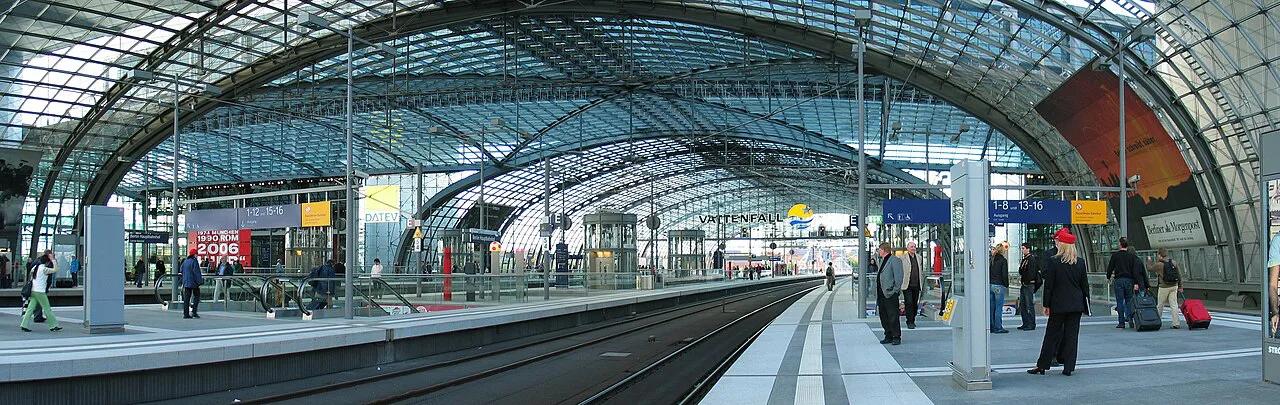
Last updated November 2026. Berlin Hauptbahnhof is the city's main through-station, opened in 2006 on the site of the old Lehrter Bahnhof. It sits on the northern edge of the government quarter and serves long-distance, regional and S-Bahn traffic. Our Germany train guide covers the wider network, and this page covers levels, transfers, tickets and layovers here.
Featured image: Daniel Schwen, CC BY-SA 2.5, via Wikimedia Commons.
Berlin Hauptbahnhof at a glance
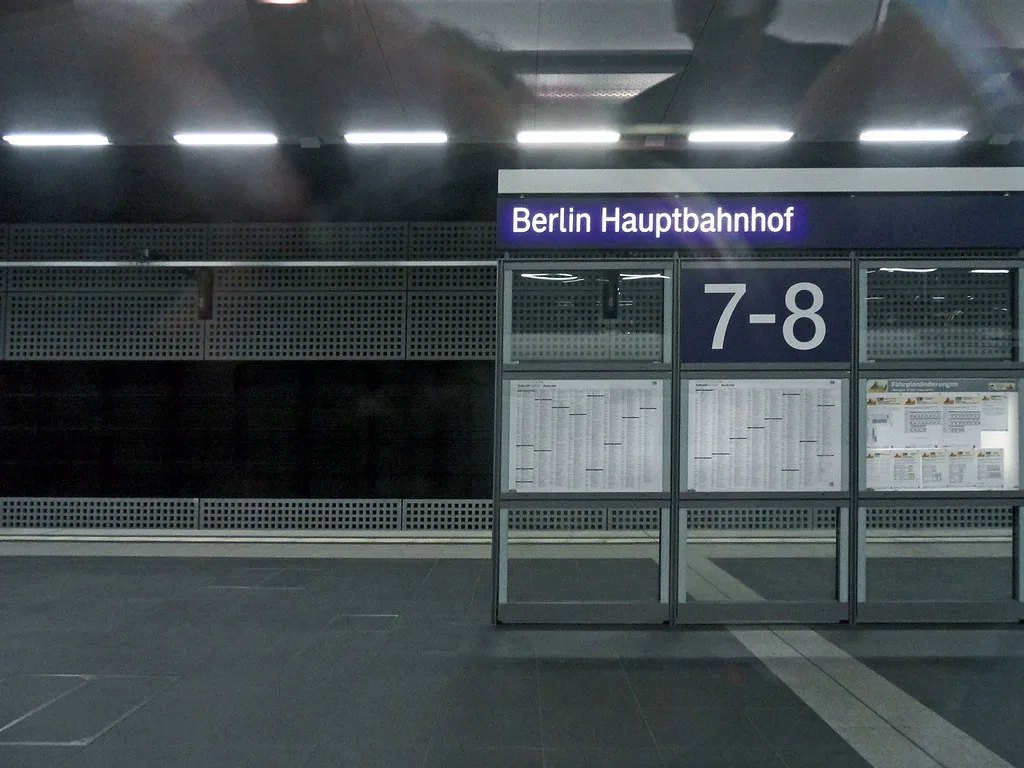
Berlin Central Station, Berlin Hbf and Berlin Hauptbahnhof are the same place. "Hbf" is short for Hauptbahnhof, which simply means main station. It lies in Moabit, within Berlin's Mitte district, with the Spreebogenpark and the Federal Chancellery to the south and the Humboldthafen to the east. Trains pass through rather than terminate, so most services stop here on the way to somewhere else.
- Opened: 2006, replacing the Lehrter Bahnhof
- Long-distance: ICE, IC and EC trains
- Local: regional trains, S-Bahn and the U5 underground line
- Budget option: FlixTrain, listed on the FlixTrain site
History of Berlin Hauptbahnhof: from Lehrter Bahnhof to 2006
The current station is young, but the site has carried trains for over 150 years. Two older stations stood here before the present building, and their names still show up on older maps and timetables.
- Lehrter Bahnhof (1871): opened as the Berlin terminus of the line to Lehrte, near Hannover. It was damaged in the Second World War and was later demolished.
- Lehrter Stadtbahnhof (1882): a separate station on the elevated Stadtbahn viaduct, running east-west. It served city and regional traffic until it closed in 2002 so the site could be rebuilt.
- Berlin Hauptbahnhof (2006): opened in May 2006, shortly before the football World Cup, as a single station for long-distance, regional and S-Bahn trains.
Why the station has two levels
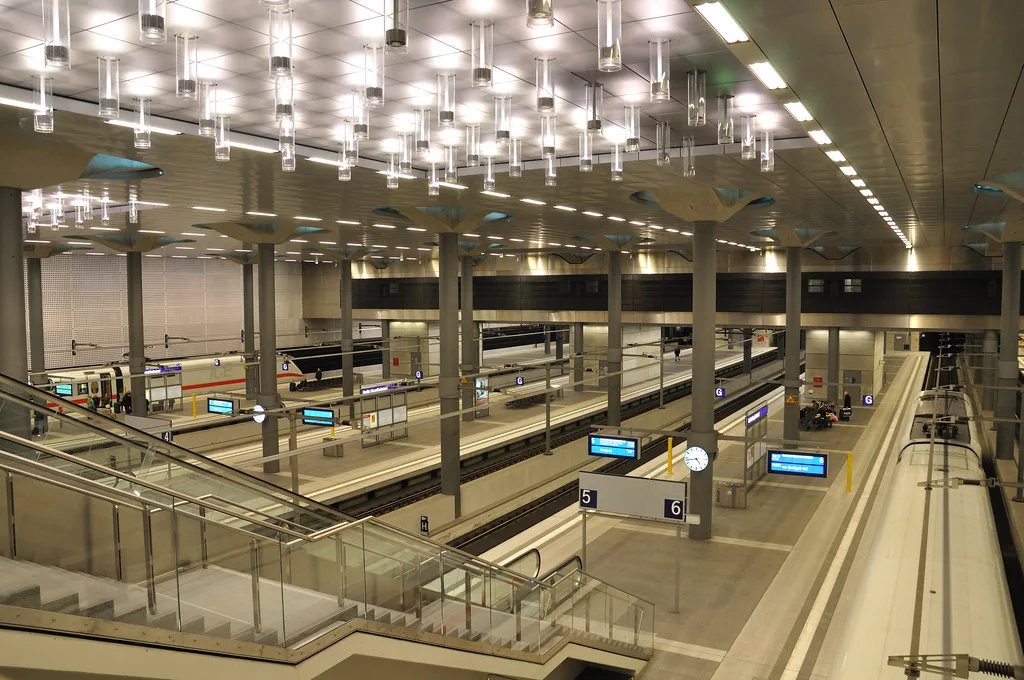
The layout follows the old routes. The upper level continues the line of the Stadtbahn viaduct, so it runs east-west. The lower level sits in the north-south tunnel under the Tiergarten and the government quarter, which was built as part of the same project. Where the two lines cross, the station is a rail interchange, which is why changing between them means using lifts and escalators between levels.
The building
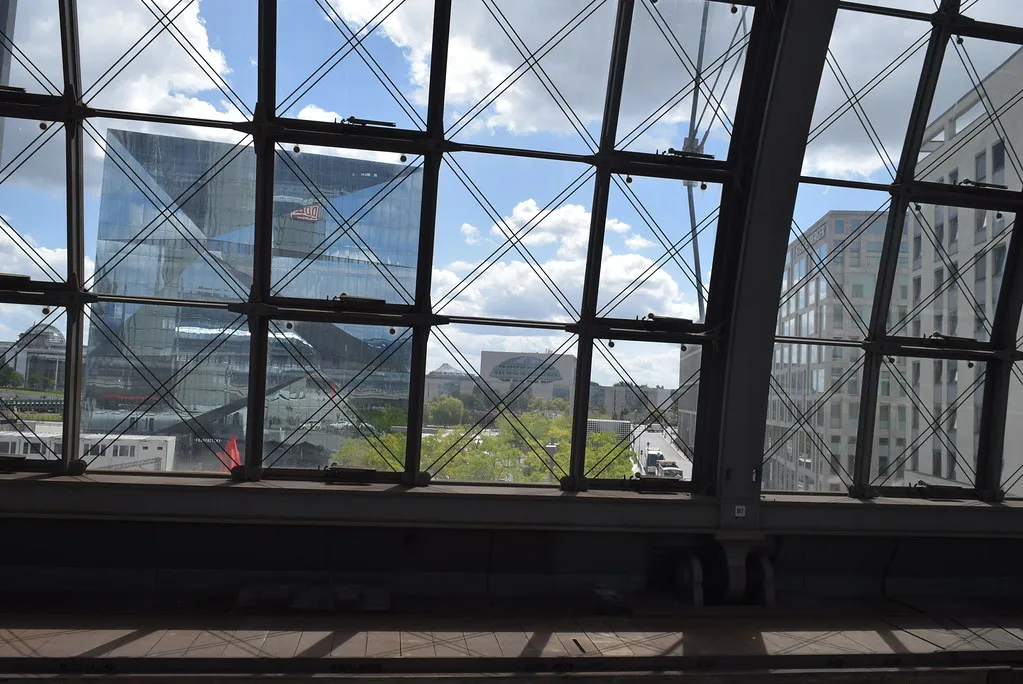
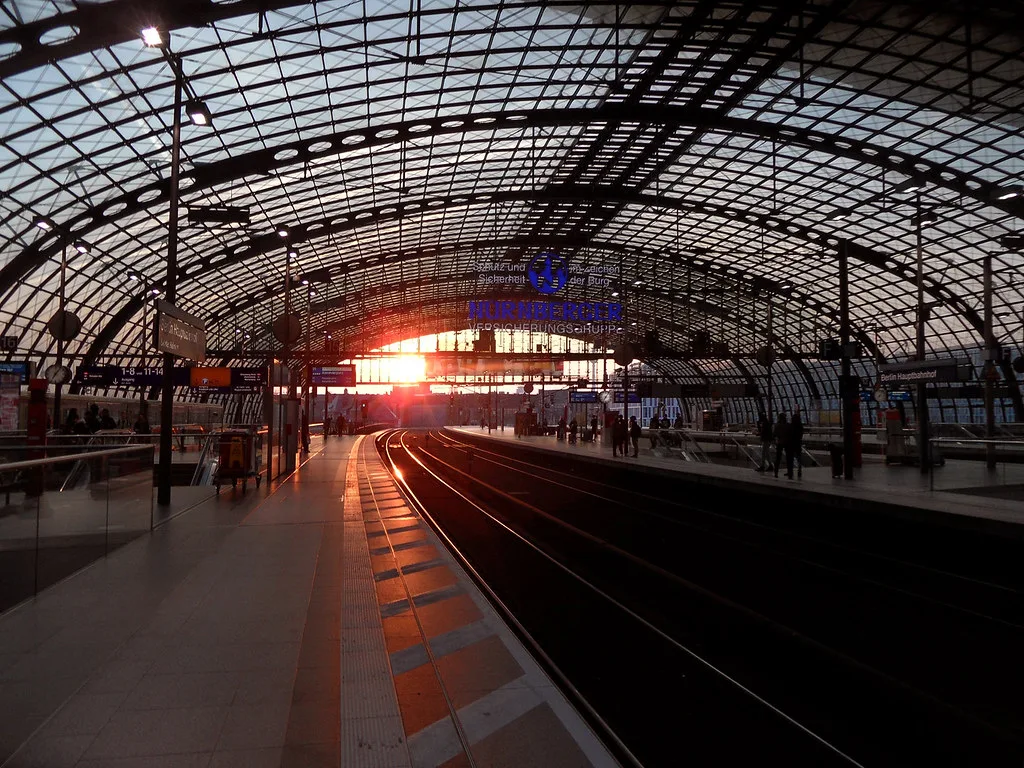
The station was designed by the architects von Gerkan, Marg und Partner. Its main feature is a glass-and-steel hall with a long roof over the east-west tracks and a second glazed structure over the crossing. Natural light reaches the lower platforms through the open void between the levels. The dates above come from the station's own history; for current details, see the Berlin Hauptbahnhof article on Wikipedia.
How Berlin Hauptbahnhof is laid out
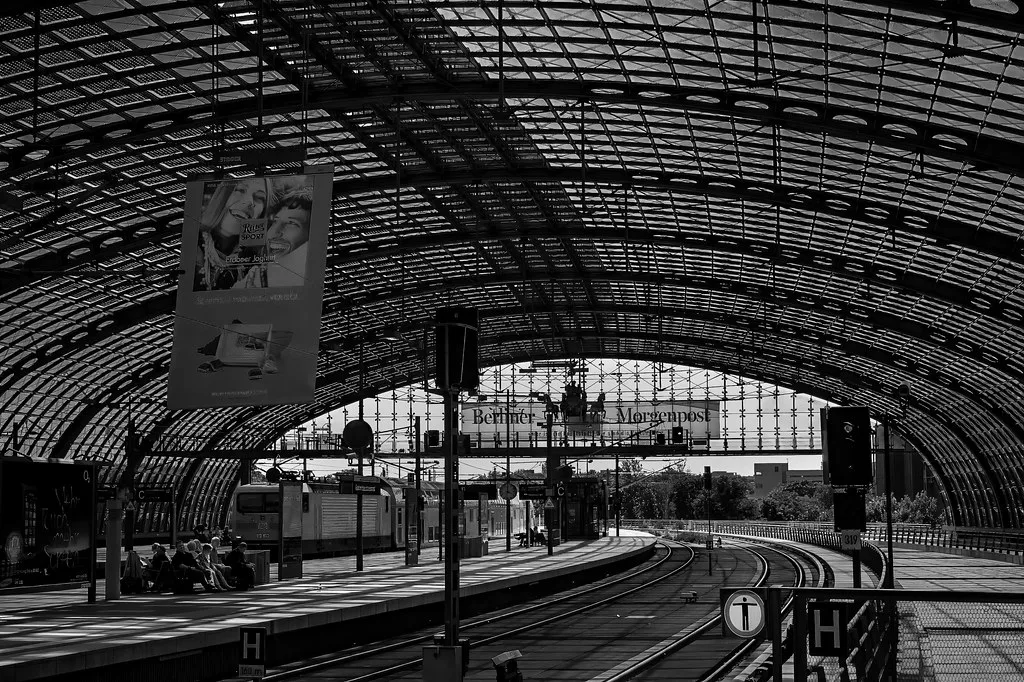
The station has two main track levels. The upper level runs east-west and carries the S-Bahn and many regional and long-distance trains. The lower level runs north-south and carries trains toward the Tiergarten tunnel direction. Shops and connecting concourses sit between the two levels and at street level. Wrong-level mistakes are the most common error here, so read the platform number on your ticket or app before you walk anywhere. Signs list platform numbers and destinations at every escalator and lift. Two similar entrance portals face Europaplatz and Invalidenstraße to the north and Washingtonplatz to the south. Use the north side for Invalidenstraße and the south side for the Spreebogen and government quarter.
Trains, S-Bahn and connections
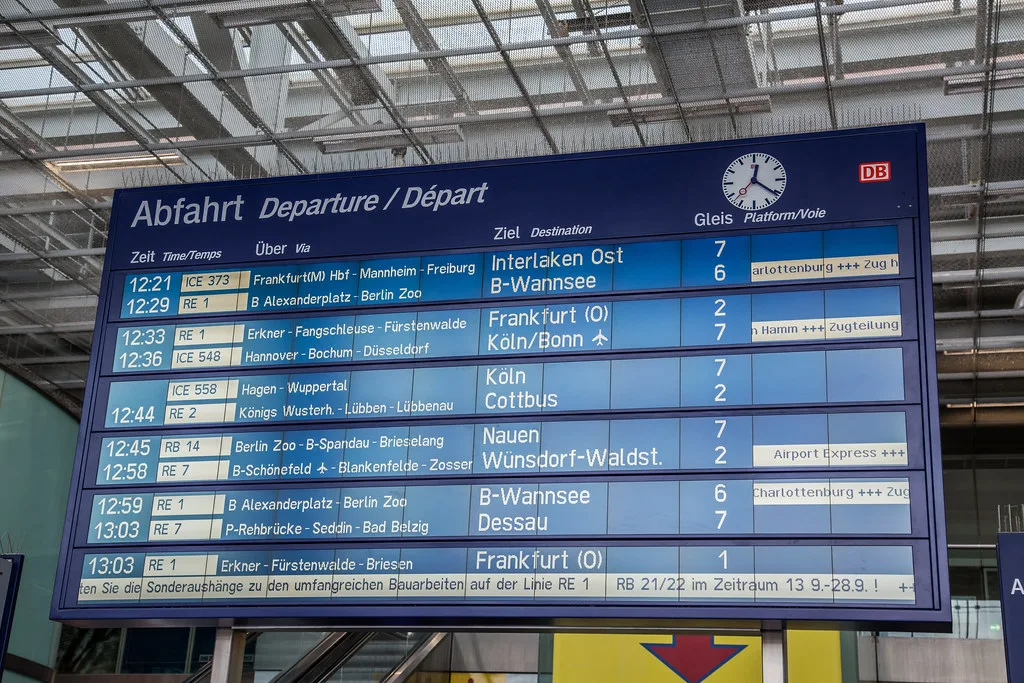
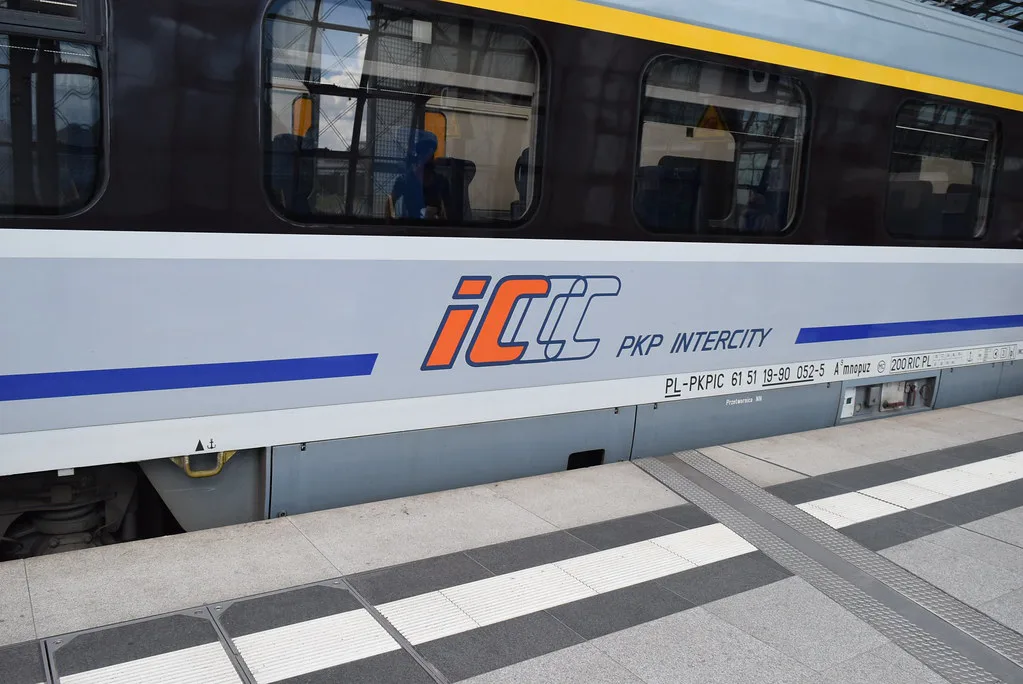
Long-distance services here are mainly ICE trains, plus IC and EC services to neighboring countries. Regional expresses and the S-Bahn cover Berlin and Brandenburg. The U5 underground line has its own platform, and city buses, trams and taxi ranks serve the street level. Check live platforms in the DB Navigator app before you travel.
- South to Bavaria: see the Berlin to Munich Train: Times, Tickets and Tips guide.
- North-west to the coast: see the Berlin to Hamburg by Train: Times, Tickets & Options guide.
- South-east to Czechia: see the Berlin to Prague by Train: Times, Tickets and Tips guide.
- East to Poland: see the Berlin to Warsaw by Train: Times, Tickets & Tips guide.
- West from the Netherlands: see the Amsterdam to Berlin by Train: Times, Tickets & Night Train guide.
Transfer times at Berlin Hauptbahnhof
Allow more time when you change levels than when you stay on one platform. Allow extra for luggage, children or step-free routes. Deutsche Bahn publishes its own minimum transfer times in the booking engine, and the app will warn you when a connection is tight. Treat those as the floor, not a target. A delayed first train can turn a comfortable change into a missed one.
| Change type | Buffer to aim for | Watch out for |
|---|---|---|
| Same platform or same level | Short buffer is usually fine | Platform changes announced late |
| Between upper and lower levels | Comfortable buffer | Escalator queues and wrong-level mix-ups |
| Train to S-Bahn or U5 | Comfortable buffer | Separate ticket rules and platform signs |
| Different station | Generous buffer | Cross-city transit delays |
Tickets, passes and apps
Book long-distance fares in the Deutsche Bahn ticket guide, where advance saver fares and flexible fares are compared. A BahnCard pays off if you ride often. The Deutschlandticket covers regional trains and the S-Bahn but not ICE, IC or EC trains. Rail pass holders should read our German Rail Pass: Is It Worth It? Options and Alternatives guide, then check the Eurail Germany pass terms. Fares change often, so use the DB app for current prices.
Facilities: luggage, food and accessibility
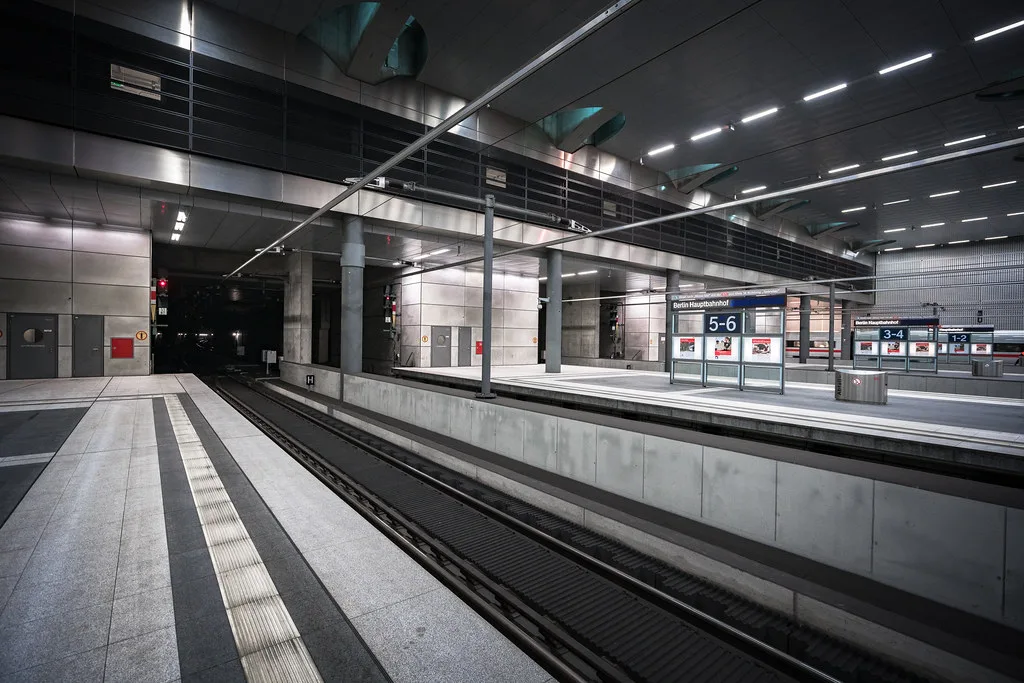
The station holds a ticket office, shops, food outlets and a DB lounge for eligible travelers. Luggage storage, lifts, step-free routes and mobility assistance are all offered at major German stations. Opening hours and locker prices change, so check the Deutsche Bahn station page for Berlin Hbf for current details before you plan a tight stop. If you need help boarding, book Deutsche Bahn's mobility service in advance.
Getting to and from the station
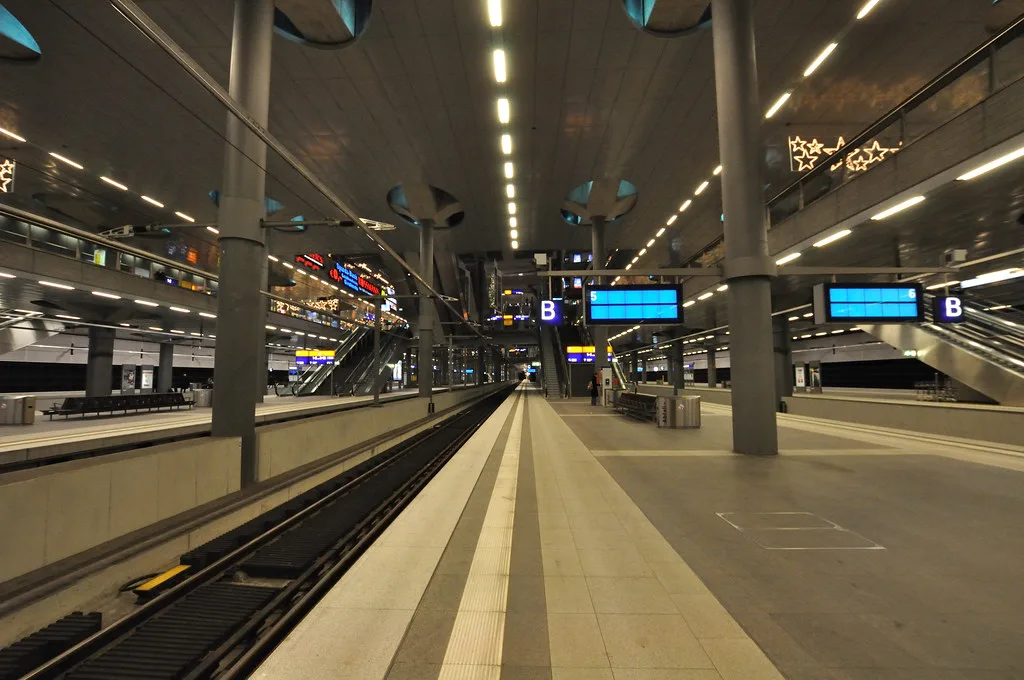
The S-Bahn is the simplest link to central Berlin and onward stops. The U5 runs from its own platform toward Alexanderplatz. Buses, trams and taxis wait at street level. For BER airport, use regional rail from the station and check the current service pattern on the airport site. Pick by your situation.
| Option | Best for | Trade-off |
|---|---|---|
| S-Bahn | Central Berlin with luggage | Can be crowded at peak times |
| U5 | Heading toward Alexanderplatz | Stairs or lifts to a separate platform |
| Regional train to BER | Airport transfers | Check which trains stop at the airport |
| Taxi | Late-night arrivals | Slower in traffic and costlier than transit |
Layover ideas for 1–3 hours
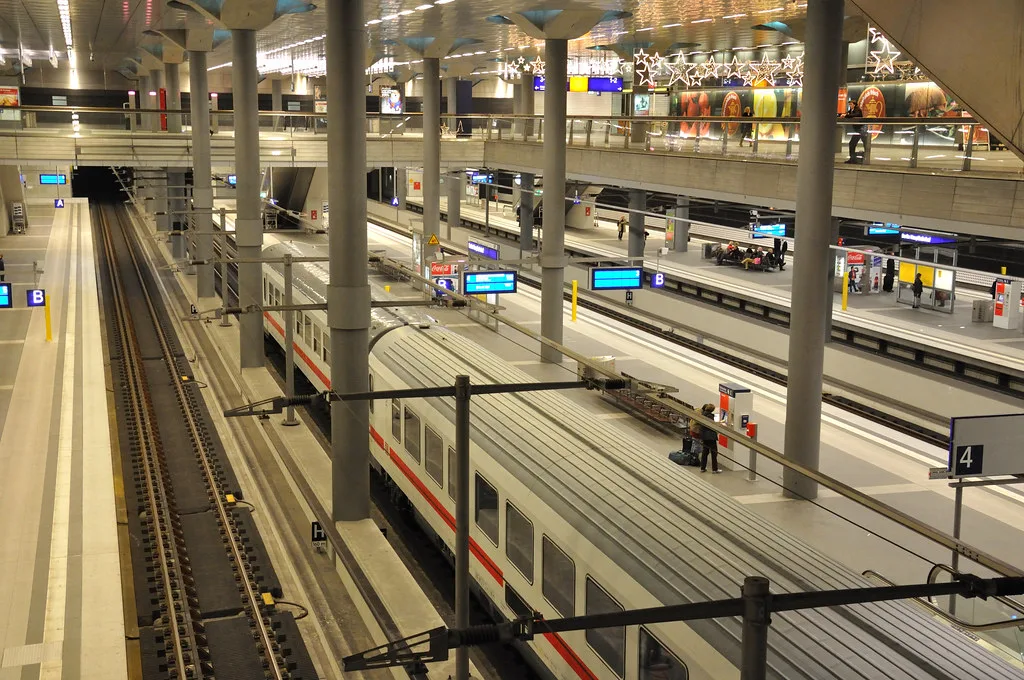
With 1 hour, stay inside the station and eat near your platform. With 2 hours, walk south to the Spreebogenpark and the Reichstag area, then return early. With 3 hours, add the Humboldthafen waterfront east of the station. Skip the walk entirely if your connection is tight or you have heavy bags. Allow time to find your platform on the way back.
With 1 hour, remember that a change between the upper and lower levels takes extra time, so stay near your platform.
Where to stay near the station
Hotels around the station suit early departures and late arrivals because you can walk or take a short transit hop. Stay closer to Mitte if you want more evening options. Compare locations on a map and check the walking route to your entrance before you book.
Safety and common mistakes
Busy stations draw pickpockets, so keep bags zipped and in front of you. Buy tickets only from DB machines, the app or staff, not from touts. Avoid these errors:
- Assuming a platform is on the same level as your last one
- Booking a very tight change with luggage
- Using a Deutschlandticket on an ICE
- Boarding the wrong train in a platform pair
Frequently Asked Questions
What is the name of the central train station in Berlin, Germany?
Its name is Berlin Hauptbahnhof, often shortened to Berlin Hbf. It is Berlin's main through-station and opened in 2006.
What is HBF in Germany?
Hbf stands for Hauptbahnhof, which means main station. Most large German cities use it for their primary rail hub, such as Munich Hauptbahnhof (Hbf) Guide: Layout, Transport and Tips.
Rail notes for your next trip
Optional updates when our rail guides change.
Related guides

More guides
Picked from the same area