
Berlin to Hamburg by Train: Times, Tickets & Options
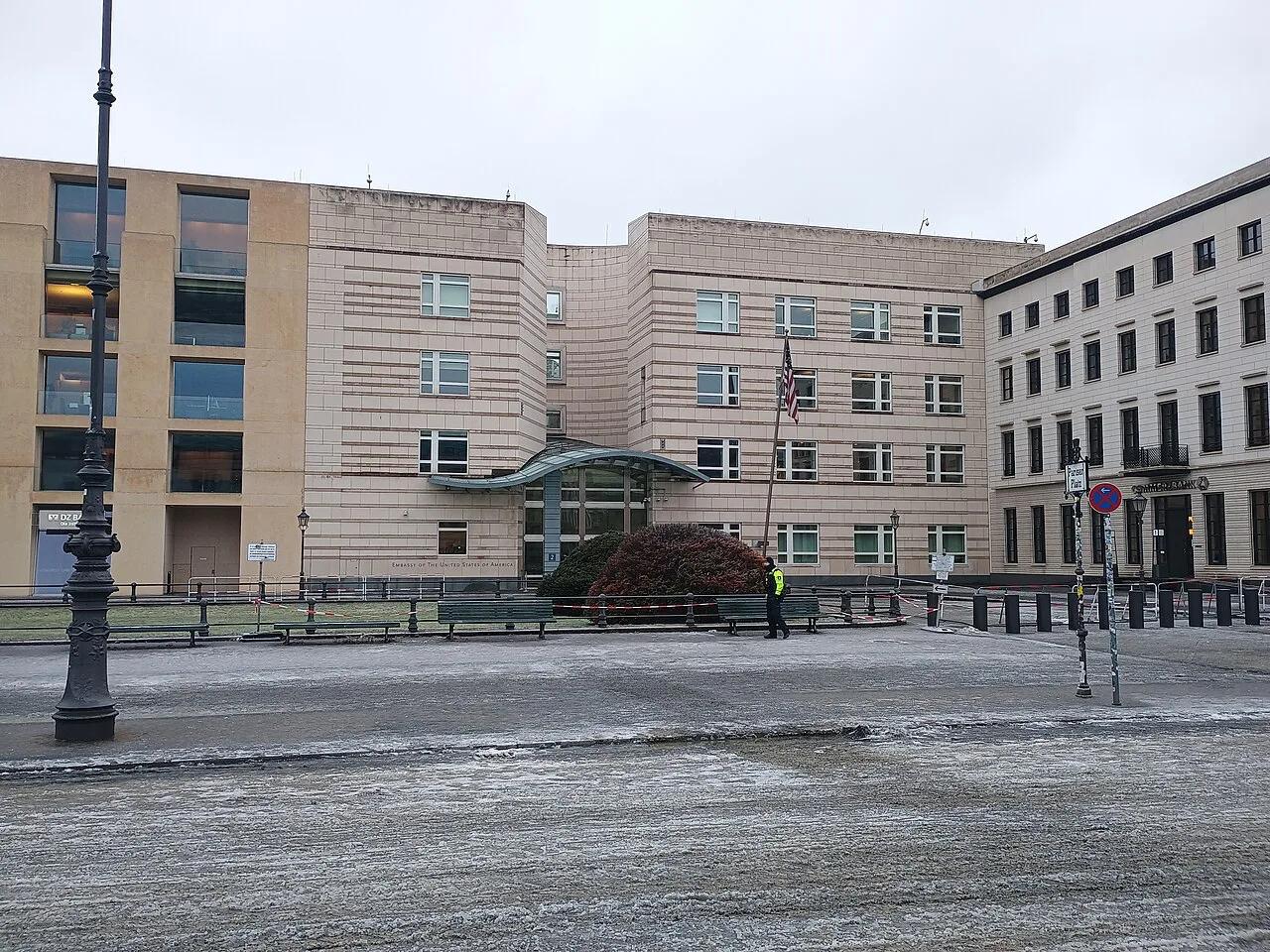
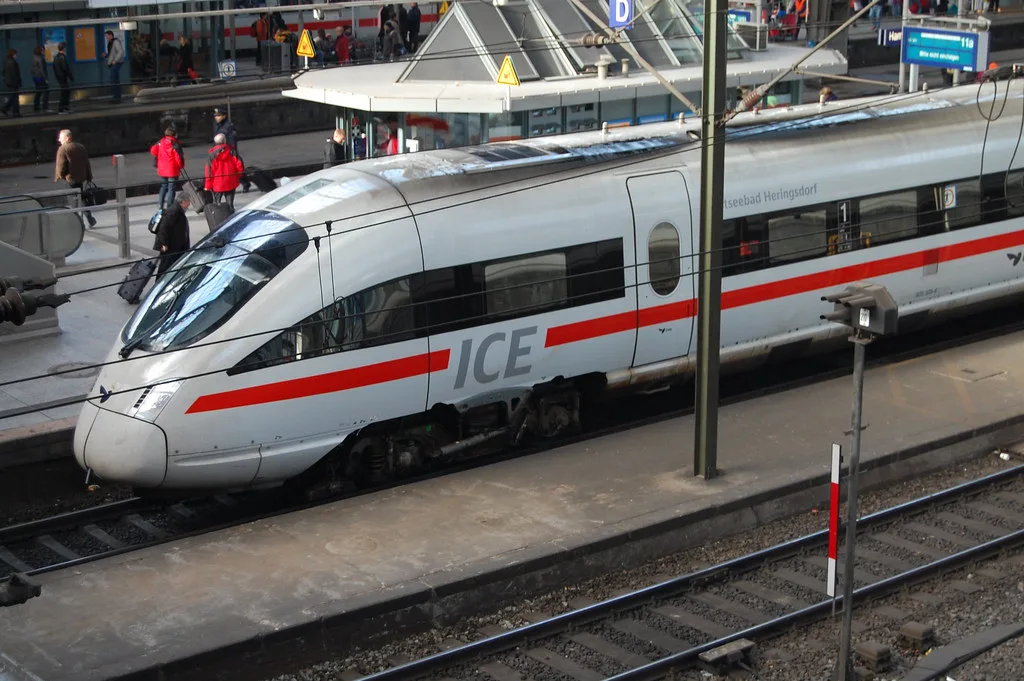
Last updated November 2026: the Berlin to Hamburg train runs direct from Berlin Hbf to Hamburg Hbf in about 1h45 to 2h. ICE and IC services use the corridor, and FlixTrain is also listed as an operator. Advance fares are the usual way to keep the price down, and our DB ticket guide covers the booking steps.
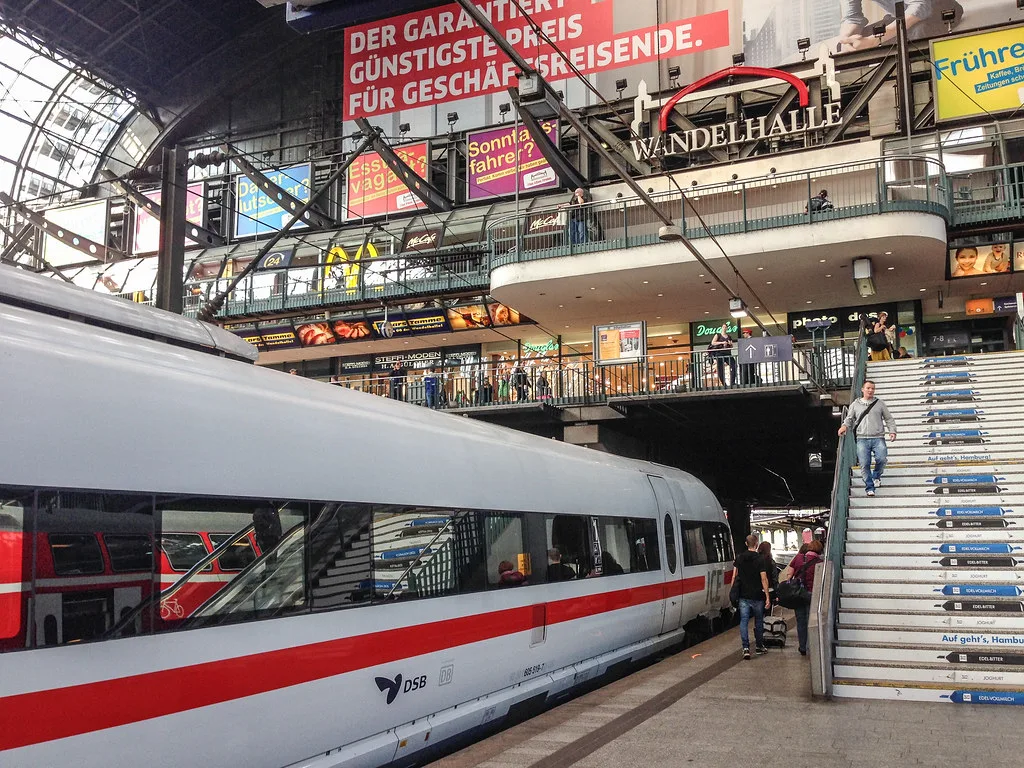
Featured image: Roy Zuo, CC BY-SA 4.0, via Wikimedia Commons.
Quick answer: the Berlin to Hamburg train at a glance
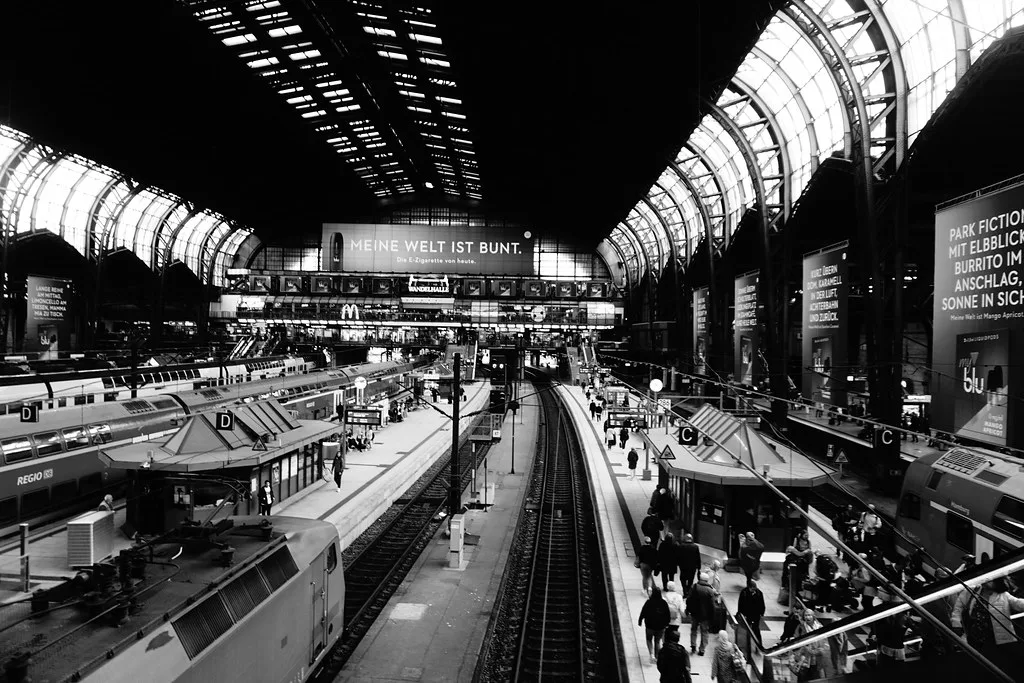
Direct ICE trains link Berlin Hbf and Hamburg Hbf, so the fastest option needs no change. Expect about 1h45 on the quickest services and up to about 2h on slower ones. Rail distance is roughly 280 km. Our Germany train guide places the route within the wider network. Fares and timings were checked in November 2026, and live prices sit on bahn.de.
- Fastest: a direct ICE, about 1h45 from Berlin Hbf to Hamburg Hbf.
- Cheapest: a Super Sparpreis advance fare, booked early and tied to one train.
- Most flexible: a Flexpreis ticket, valid on any train on the booked route that day.
Berlin to Hamburg train times, frequency and journey time
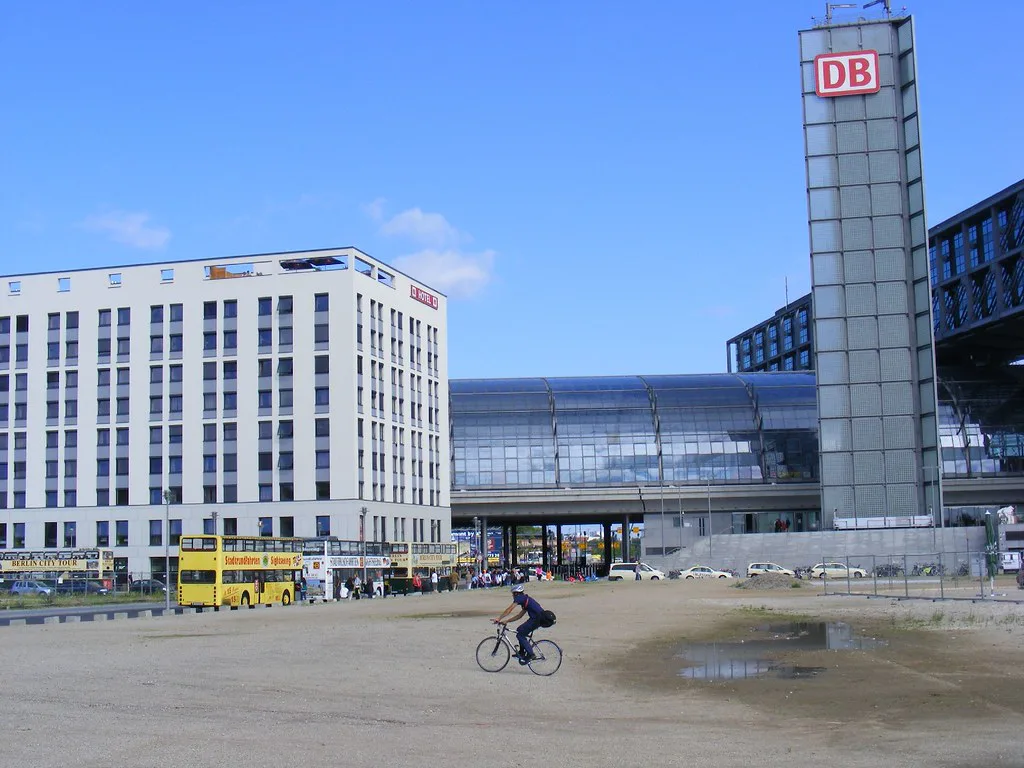
DB runs roughly 24 trains a day on the corridor, based on timetable listings from Berlin-Spandau. First departures from Spandau start around 05:19, and the last leaves around 23:22. Berlin-Spandau to Hamburg Hbf can take as little as 1h38 on the fastest direct service. From Berlin Hbf, plan on about 1h45 for the quickest ICEs. Slower ICE and IC services run closer to 2h. Sprinter-style ICEs skip stops, while standard ICEs add a few minutes. Berlin-Spandau is the one intermediate stop worth planning around. Some services also call at Südkreuz or Gesundbrunnen, so read the stop list before you book. Wolfsburg and Hanover are not stops on this route, despite what some reseller pages claim. Those same pages quote 242 km, 280 km and 289 km for the distance. Roughly 280 km by rail is a safe working figure.
Which stations to use: Berlin Hbf, Spandau, Südkreuz, Hamburg Hbf, Dammtor and Altona
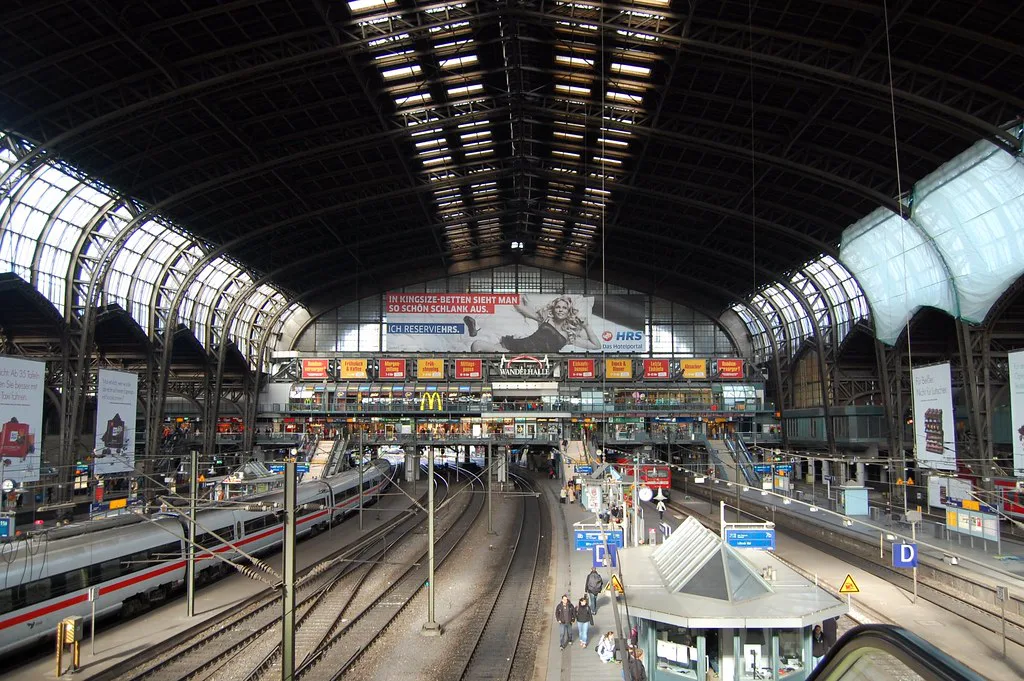
Berlin Hbf is the default and the busiest boarding point. Our Berlin Hauptbahnhof guide covers its layout. Long-distance platforms sit on split levels, so arrive 20 to 30 minutes before departure and check the exact Gleis number. Hamburg Hbf is the central arrival hub. Jungfernstieg is an S-Bahn and U-Bahn stop, not a long-distance station, so never search for it as your destination. Pick the station nearest your hotel, then confirm the chosen train calls there.
Spandau departures save time on paper: 1h38 is the fastest listed time, against about 1h45 from Berlin Hbf.
| Station | Choose it if | Note |
|---|---|---|
| Berlin Hbf | You stay in central Berlin or want the most departures | Default choice and the busiest station |
| Berlin-Spandau | Your hotel is in western Berlin | Shorter leg, with the fastest listed time of 1h38 |
| Berlin Südkreuz / Gesundbrunnen | You stay near these stations | Only some ICEs call here, so check each train |
| Hamburg Hbf | You want the central hub and S-Bahn or U-Bahn links | Best default arrival |
| Hamburg Dammtor | Your hotel is on the north-west side of the centre | Not every long-distance train stops here |
| Hamburg-Altona | You are heading to the Elbe harbor area | Some services continue here from the Hbf |
How to buy cheap Berlin to Hamburg train tickets
DB sells three main fare families, and bookings open up to about 180 days ahead. Advance saver fares start in the teens or low twenties when seats are available, and prices rise as seats sell. Sparpreis and Super Sparpreis tickets are tied to a specific train, a rule called Zugbindung. Children aged 6 to 14 travel free with a parent or grandparent on Sparpreis fares. Larger parties can ask about DB's group saver fares. If you travel often, a BahnCard discount lowers fares on flexible and saver tickets alike. If you miss a Sparpreis train, check DB's current rule on the booking page before buying a new ticket. Booking direct on bahn.de avoids reseller markups, and resellers may price the same train differently.
Bookings open about 180 days ahead, yet a saver ticket tied to one train can leave you stuck after a delay.
- Super Sparpreis: the cheapest fare, with the tightest change and refund limits.
- Sparpreis: a little dearer, with changes or cancellation possible for a fee.
- Flexpreis: the highest price, but usable on any train on the route that day.
Compare options: ICE vs FlixBus vs car vs regional train vs flying
An ICE Train Germany: Routes, Tickets & Passes Explained wins on door-to-door time for most travelers. Flights lose their edge once you add airport transfers and security on both ends. Buses can undercut train fares, but the saving often shrinks once the extra hours are counted. FlixTrain is listed as an operator on this corridor, so check the FlixTrain route guide and flixtrain.com for current timetables. Cars suit groups with heavy luggage, though parking in both cities adds cost.
| Mode | Time | Cost band | Best for | What you give up |
|---|---|---|---|---|
| ICE (Sprinter or standard) | About 1h45 to 2h | Mid, low with advance fares | Most travelers | Flexibility on saver tickets |
| FlixTrain | Check current timetable | Budget to mid | Price-led travelers | Fewer departures than DB |
| FlixBus | Noticeably longer than ICE | Budget | Tight budgets | Time and legroom |
| Car | Longer, depends on traffic | Mid to premium | Groups, heavy luggage | Parking costs and driving time |
| Regional trains with changes | Much longer than ICE | Budget to mid | Pass holders, flexible schedules | Speed and direct service |
| Flight | Slower door to door | Premium | Onward air connections | Airport transfer time |
Passes and regional tickets: what works and what does not
The Deutschlandticket covers regional trains only, so it excludes ICE and IC services. Using it on this route means several changes and a far slower trip. Regional day tickets such as the Quer-durchs-Land-Ticket follow the same rule. Regional passes are also region-specific, which is why the Bayern-Ticket is irrelevant here. Rail passes work differently. Eurail and Interrail passes are valid on DB ICE and IC trains, and the Eurail Germany pass lists the current terms. Seat reservations are optional but wise on busy days. A German Rail Pass: Is It Worth It? Options and Alternatives pays off only when you ride several long-distance trains in one trip. A single Berlin to Hamburg ride is usually cheaper on an advance fare.
Onboard and at the station: seats, luggage, bikes and food
Reserve a seat on Friday afternoons and Sunday evenings, when trains fill. Platform displays show the Wagenreihung, the carriage order, so you can find your Wagen before the train arrives. Power sockets are available at most seats on ICE trains. Quiet and family areas are marked on the reservation screen. Most ICEs carry a Bordbistro for drinks and snacks. Bikes need a reservation on ICE services, and long-distance bike tickets start around €7.50. Large suitcases fit best in the racks near the doors. Both big stations offer luggage storage, and the DB station pages list current hours.
Delays, cancellations and changes
A delay on a saver ticket can leave you stuck, because the ticket names one train. DB sometimes lifts the Zugbindung during strikes or major disruption, and then any train on the route is valid. Passenger-rights compensation applies above a set delay threshold, so check DB's current rules for the exact figure. The DB Navigator app shows platform changes, delays and cancellations in real time. Check it before leaving your hotel and again on the platform. If your train is cancelled, ask staff or use the app to find the next direct ICE.
Arriving in Hamburg: getting from the station to your hotel
Hamburg Hbf connects to the S-Bahn and U-Bahn, which reach the Altstadt, Speicherstadt, the harbor and the Reeperbahn. Ticket machines sit inside the station. HVV runs the local network and sells day tickets, so check hvv.de for current fares. Hamburg-Altona suits trips toward the Elbe waterfront, while Dammtor serves the north-west of the centre.
Common mistakes and quick tips
Most problems come from small planning errors. Our Berlin to Munich train guide shares many of the same ticket rules. Heading east afterward, see the Berlin to Warsaw route. Prague is covered in the Berlin to Prague guide. Arriving from the Netherlands is explained in the Amsterdam to Berlin guide.
- Booking the wrong Berlin station: check where your train actually departs.
- Confusing Spandau with Hbf: the two are different stops with different platforms.
- Searching for Jungfernstieg: it is a local S-Bahn and U-Bahn stop.
- Ignoring Zugbindung: saver tickets are only valid on the booked train.
- Skipping the bike reservation: ICE services require one.
- Assuming the Deutschlandticket covers ICE trains: it does not.
- Arriving late at a split-level Hbf: allow extra time to find the platform.
For trip-planning details, see FlixTrain.
Frequently Asked Questions
How much is a train from Berlin to Hamburg?
Advance saver fares start in the teens or low twenties when seats are available. Flexpreis tickets cost noticeably more, so check bahn.de for the exact fare on your date.
Rail notes for your next trip
Optional updates when our rail guides change.
Related guides

More guides
Picked from the same area