
German Rail Pass: Is It Worth It? Options and Alternatives
Last updated November 2026. A german rail pass usually means the Eurail Germany Pass for one-country travel, or the Eurail Global Pass for trips across several countries. Passes tend to pay off only when you ride many long-distance trains in a short window. Advance-fare tickets, the Deutschlandticket and the BahnCard often cost less, and the rest of this guide shows how to choose.
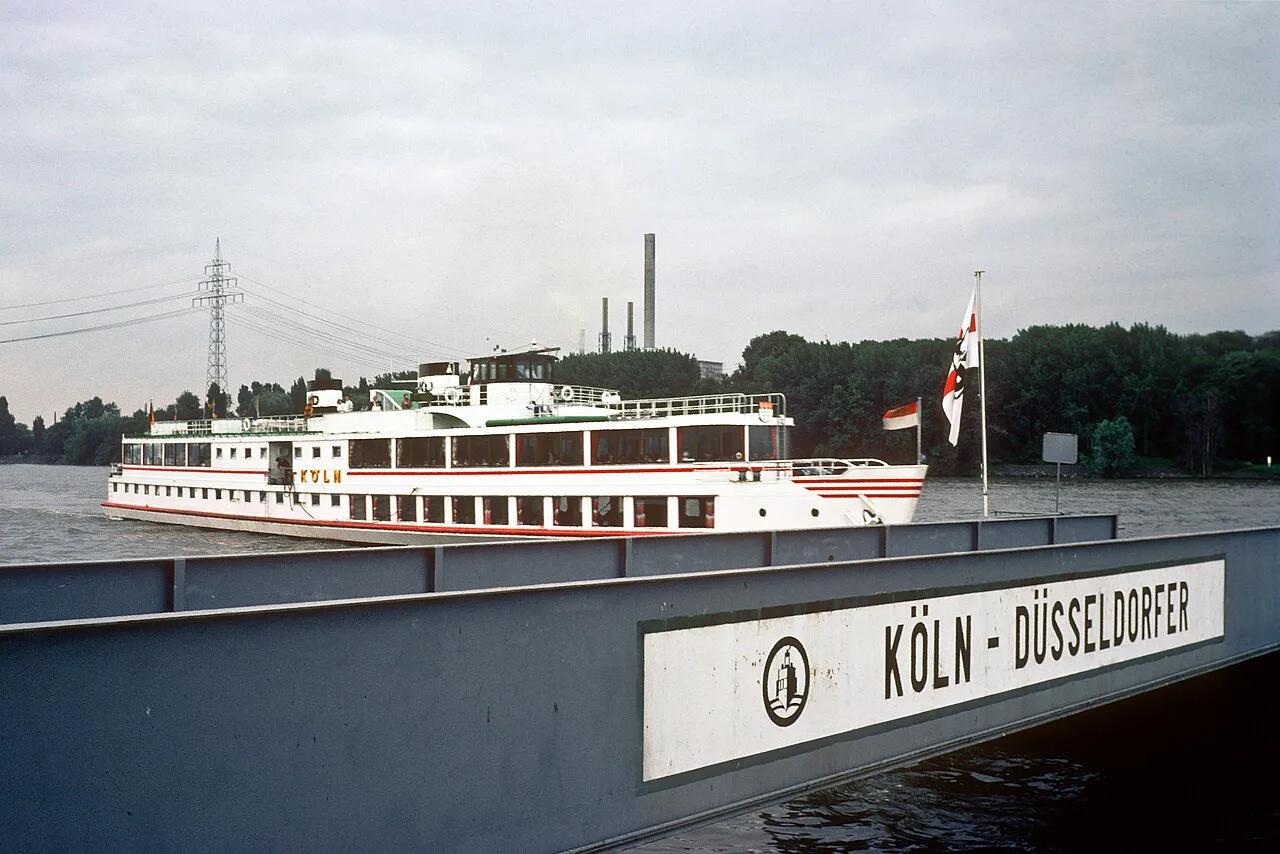
Featured image: srv007, CC BY-SA 2.0, via Wikimedia Commons.
Is there a single German rail pass?
Not in the way many visitors expect. Germany has no one national tourist pass that covers every train. Instead, you choose between passes sold for rail travel, discount cards, and regional or fixed-train tickets.
The Eurail Germany Pass is the closest match to the search term. It is a one-country pass listed for rides on Deutsche Bahn trains. Residents of Europe are usually pointed to Interrail instead. Eurail sells to visitors from outside Europe, so buy the product that matches where you live.
Pass terms change often. Check the day count, validity window, age categories and covered trains on the official pass page before paying. Fares and rules in this guide are described in general terms for that reason.
- Eurail Germany Pass: one country, for visitors who will ride Deutsche Bahn trains often.
- Eurail Global Pass or Interrail: several countries on one trip.
- Deutschlandticket: a monthly subscription for regional trains only.
- BahnCard: a discount card for ordinary tickets, not a pass.
- Advance-fare tickets: a fixed train at a lower price.
Rail pass options compared
Use this table to see what each product covers and where it falls short. Coverage details are summarized, so match them against the operator's own page before buying.
| Product | Coverage | Best for | Main catch |
|---|---|---|---|
| Eurail Germany Pass | Deutsche Bahn trains within Germany | Many long-distance legs in a short window | Seat reservations may be needed or advised on some trains |
| Eurail Global Pass / Interrail | Germany plus other participating countries | Multi-country trips | Cross-border trains can carry extra reservation costs |
| Deutschlandticket | Regional and local trains, plus local transport | Slow, regional travel in one month | No ICE or other long-distance trains |
| BahnCard | Discount on standard tickets | Frequent travelers who book point to point | Needs enough trips to repay the card price |
| Bayern-Ticket | Regional trains in Bavaria | A day around Bavaria | Time restrictions and group rules apply |
| Advance-fare ticket | One named long-distance train | Fixed plans booked early | Less flexible if you miss the train |
When a pass is worth it, and when it isn't
Run a break-even check before buying. Add up the advance fares for the long-distance legs you really plan to ride. Then compare that total with the pass price plus any reservation fees.
If the pass costs less, it can make sense. If the fares cost less, skip the pass. Plug in current prices from the pass page and from bahn.de, because both move.
Three kinds of trip show how this works.
A traveler doing Berlin to Munich once and returning home gains little from a pass. Booking early on the Berlin to Munich route is likely cheaper.
A traveler chaining several big city pairs within a week is the classic pass user. Berlin to Hamburg followed by Frankfurt to Munich is the kind of itinerary where a flexi-day pass can compete.
A traveler based in one region, such as Cologne and the Rhine, rarely needs a pass. A short hop like Frankfurt to Cologne is better covered by a single ticket.
- Skip a pass if you take only one or two long trips.
- Skip it if you stay in one region.
- Skip it if you can book fares well ahead.
- Consider it if your plans stay flexible and your legs are long.
Cheaper alternatives
Most visitors do better with one of these. Each has a clear limit.
Advance-fare tickets are sold on bahn.de and in the DB Navigator app. They tie you to one train. Our guide to DB Tickets: Types, Where to Buy & Which to Choose explains the fare types.
The Deutschlandticket is a monthly subscription. It covers regional trains only, so it will not take you on an ICE. Read the official terms for tourist purchase before relying on it.
A BahnCard lowers ticket prices instead of replacing them. Find out whether visitors can buy one and what discount each card gives.
The Bayern-Ticket suits day trips in Bavaria, with time and group-size limits.
The private operator FlixTrain sells its own tickets, so Deutsche Bahn passes should not be assumed to cover it. Read our FlixTrain guide for route details.
How to use a rail pass in Germany
Activate the pass before your first ride, following the instructions that come with it. Validation is the step many first-time users miss, so do it before boarding.
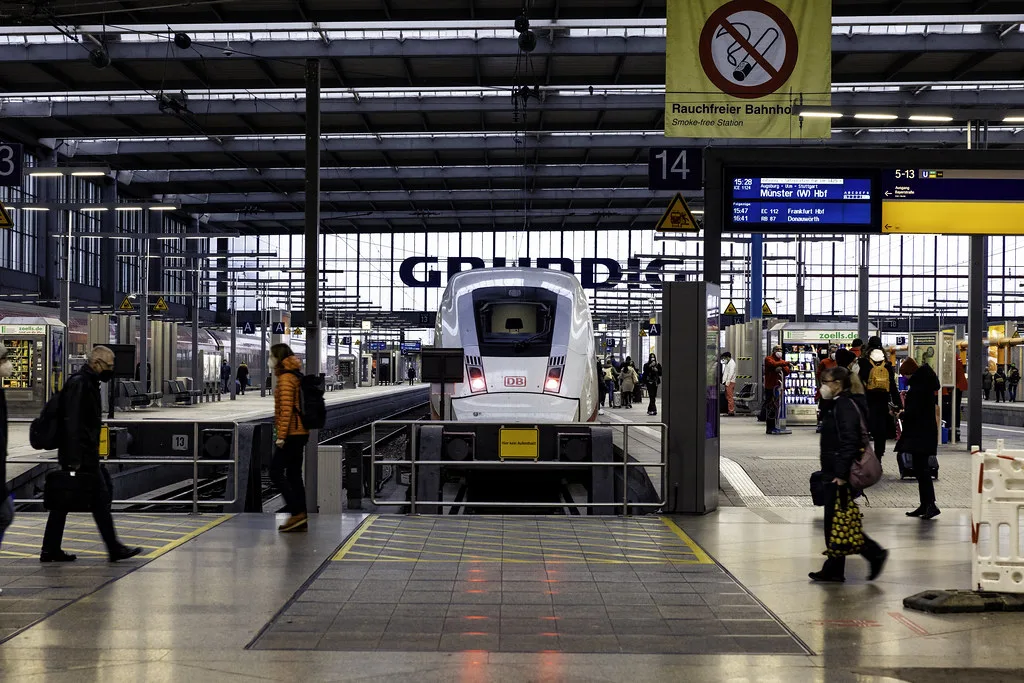
Open the DB app guide and check each journey. Read the train number, the platform and the car position before you reach the station. Platforms can change at short notice, so look at the departure board again when you arrive.
Seat reservations are a separate question. Some trains, particularly international ones, may require one. Check whether your ICE Train Germany: Routes, Tickets & Passes Explained needs a reservation, and book it early on busy routes.
At the big stations, give yourself time to find the right platform. Berlin Hauptbahnhof Guide: Platforms, Connections & Layover Tips, Munich Hauptbahnhof (Hbf) Guide: Layout, Transport and Tips and Frankfurt Hauptbahnhof Guide: Layout, Transfers, Tickets are large, multi-level stations. Munich also has station information at Deutsche Bahn's Munich Hbf page.
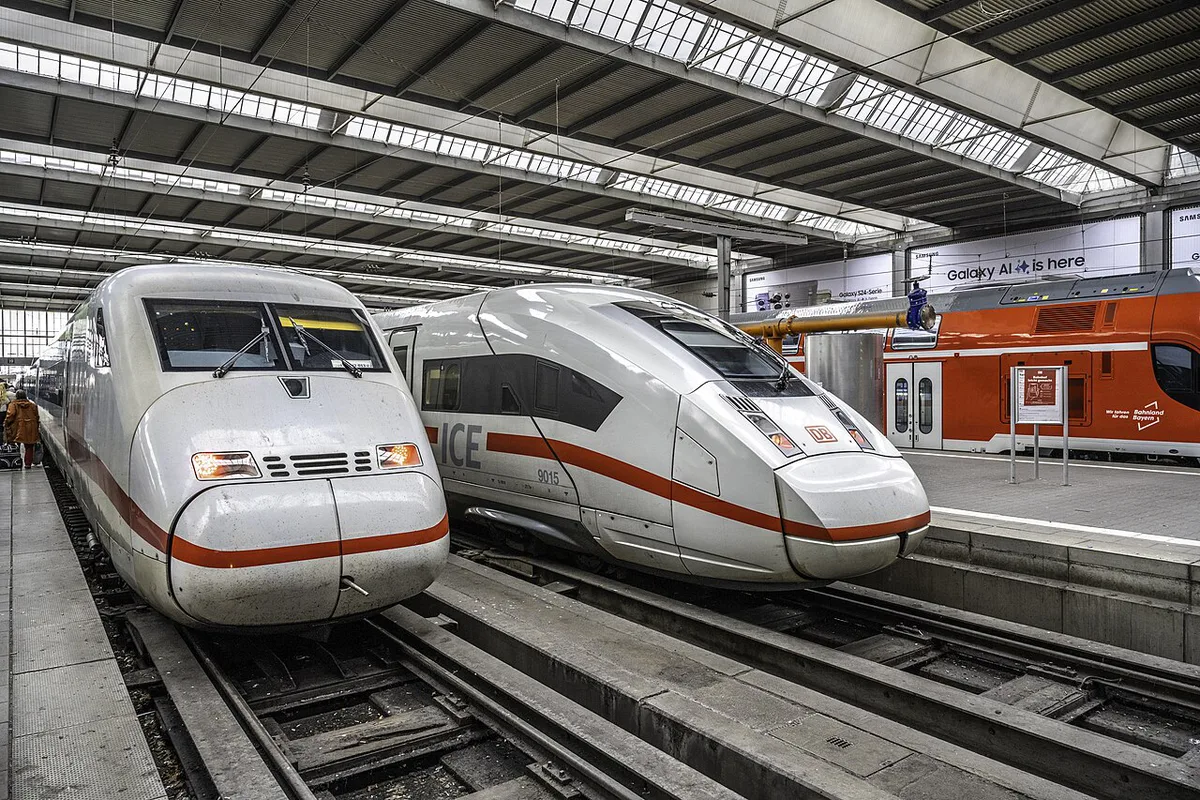
- Mistake: buying a Deutschlandticket for an ICE-heavy trip. It is regional only.
- Mistake: skipping the validation step before the first ride.
- Mistake: assuming every private operator accepts the pass.
- Mistake: leaving reservations for international trains until the last day.
Routes and stations to plan around
Crossing a border changes the rules. A pass may cover the German part only, and reservations or supplements can apply on the rest. Check the partner operator before you buy.
Common cross-border pairings from Germany include Berlin to Prague, Munich to Prague and Munich to Zurich. Others are Amsterdam to Berlin, Munich to Venice and Berlin to Warsaw.
For the Czech leg, see Ceske drahy. For the Dutch side, see NS International. Our trains in Germany guide ties the whole network together.
Frequently Asked Questions
What is the train system in Germany called?
Deutsche Bahn, usually shortened to DB, runs most train services in Germany. Its high-speed network is the ICE, and regional trains fill in the smaller routes.
Are train tickets in Germany expensive?
Prices depend on how early you book and which train you take. Advance fares on long-distance routes are usually cheaper than flexible tickets. Check bahn.de for current fares before deciding whether a pass is worth buying.
Rail notes for your next trip
Optional updates when our rail guides change.
Related guides

More guides
Picked from the same area