
Munich Hauptbahnhof (Hbf) Guide: Layout, Transport and Tips
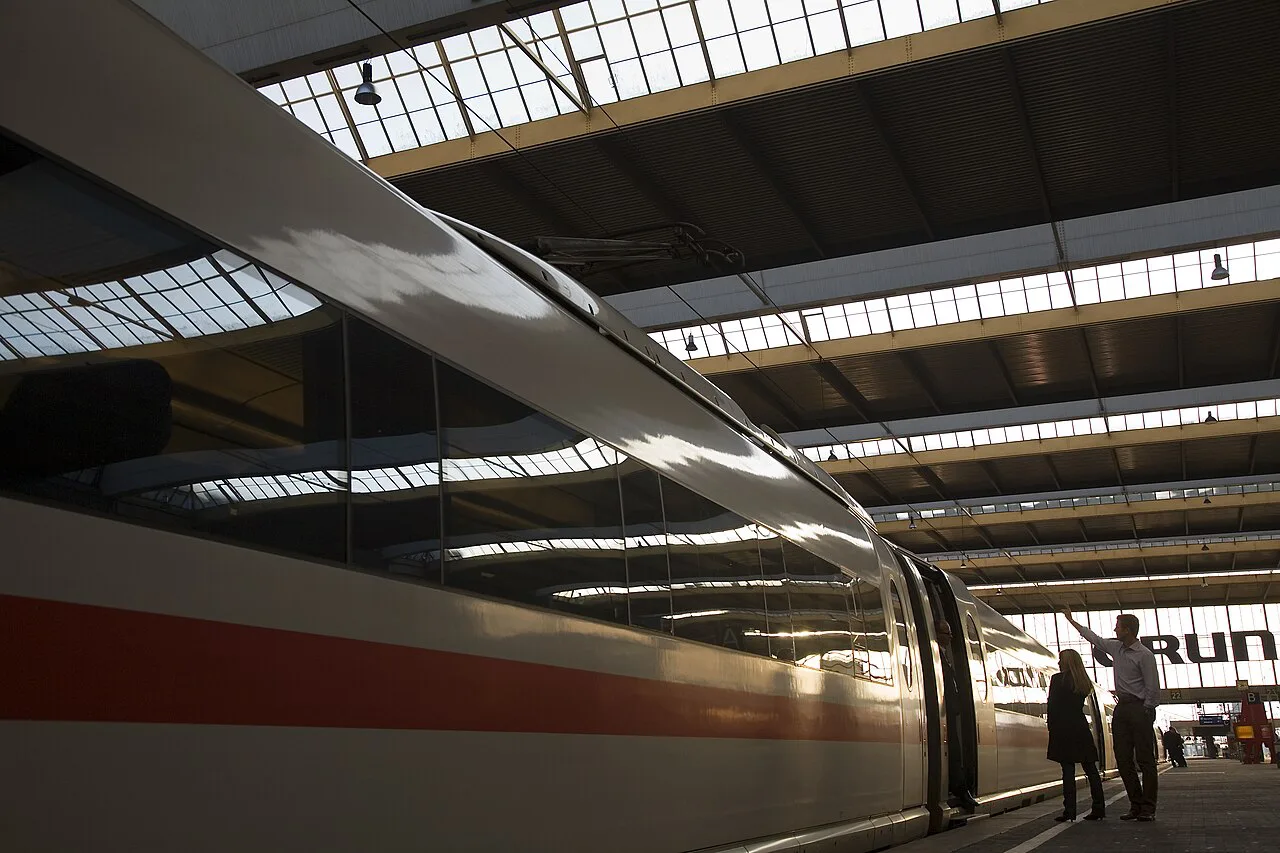
Last updated November 2026. Munich Hauptbahnhof, written München Hbf on timetables, is the city's main long-distance and regional station at Bayerstraße 10A, 80335 Munich. This guide covers the layout, local transport links, services, transfers and onward routes. For the wider network, start with our Germany train guide.
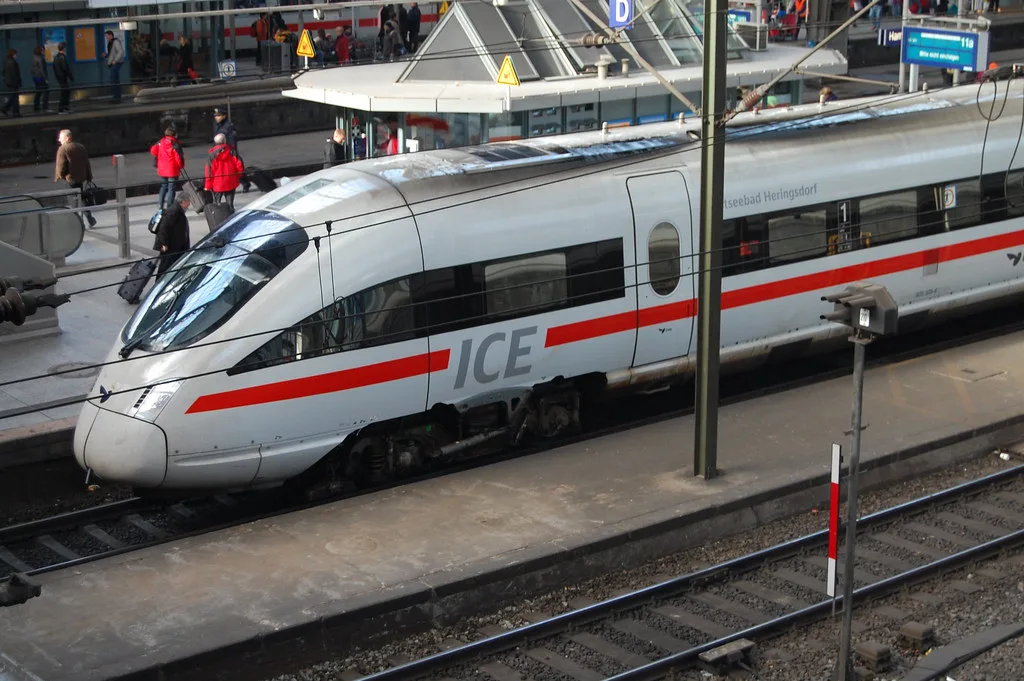
Featured image: Jorge Royan, CC BY-SA 3.0, via Wikimedia Commons.
Munich Hauptbahnhof at a Glance
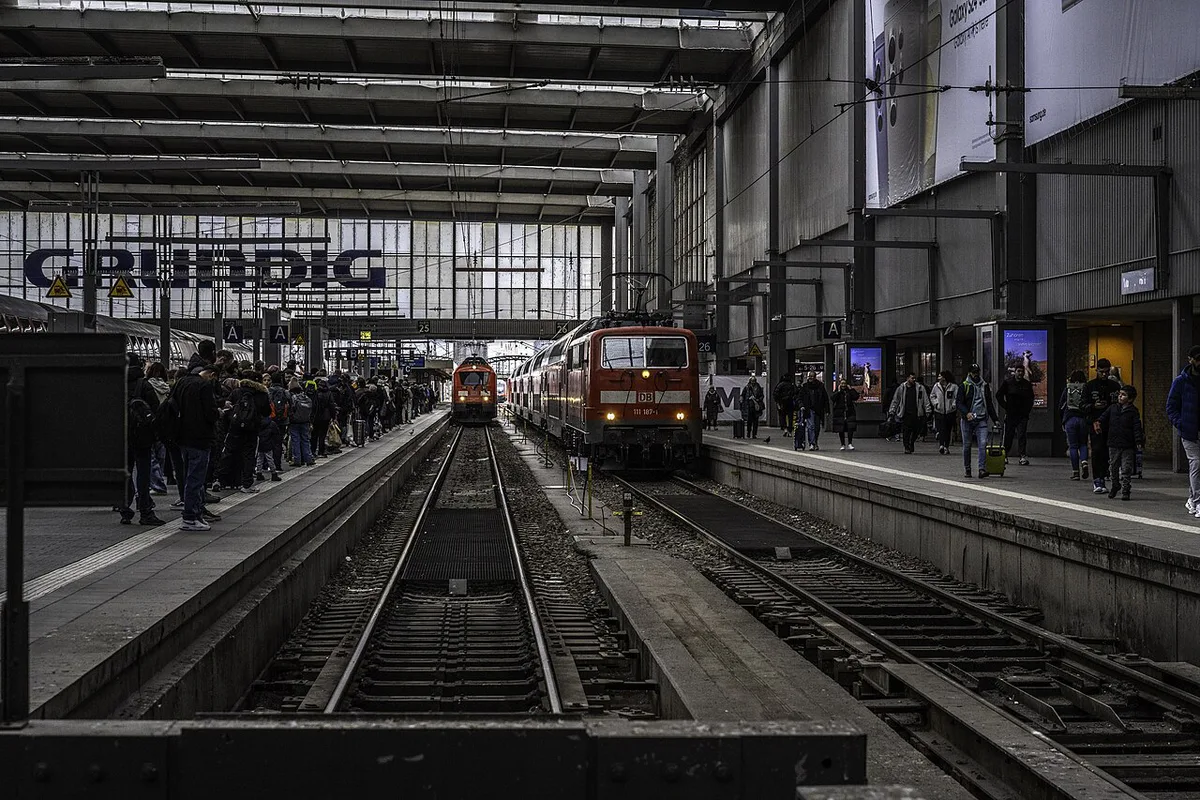
München Hbf is a terminal station, so tracks end at the concourse instead of running through. Long-distance trains, regional services and the S-Bahn all use it. The address is Bayerstraße 10A, 80335 Munich, and the city centre sits roughly 1 km away. Facilities and services are listed on the Deutsche Bahn station page.
- Address: Bayerstraße 10A, 80335 Munich.
- Station type: terminal, with tracks ending at the concourse.
- Trains: ICE, IC and EC, Nightjet, Railjet to Austria, regional services and the S-Bahn.
- Local links: S-Bahn, U-Bahn, tram and bus.
Finding Your Way Around the Station
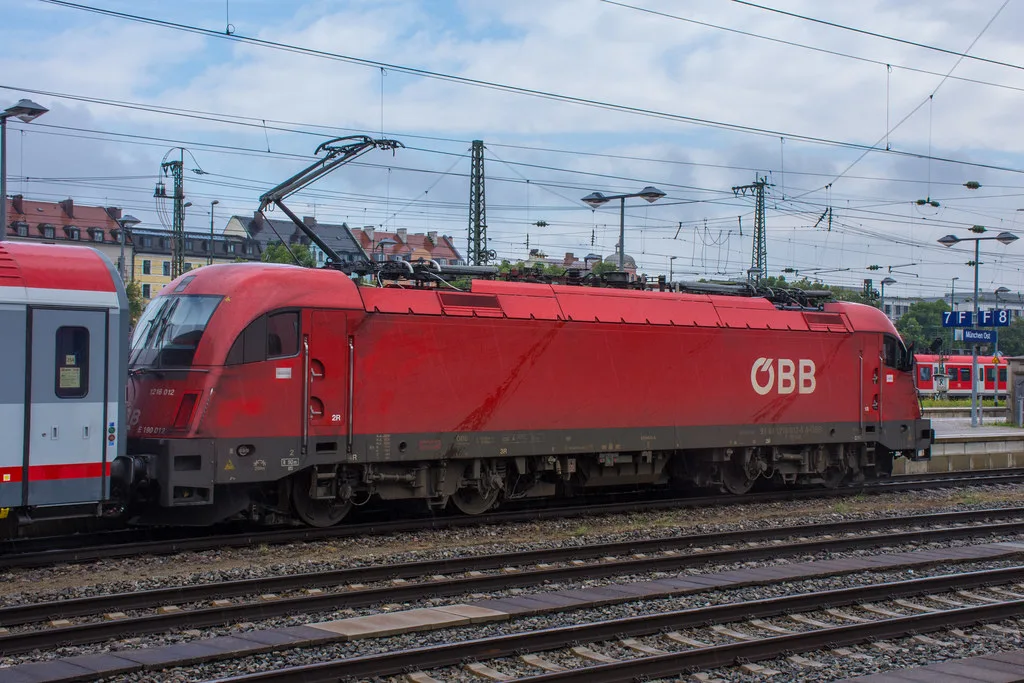
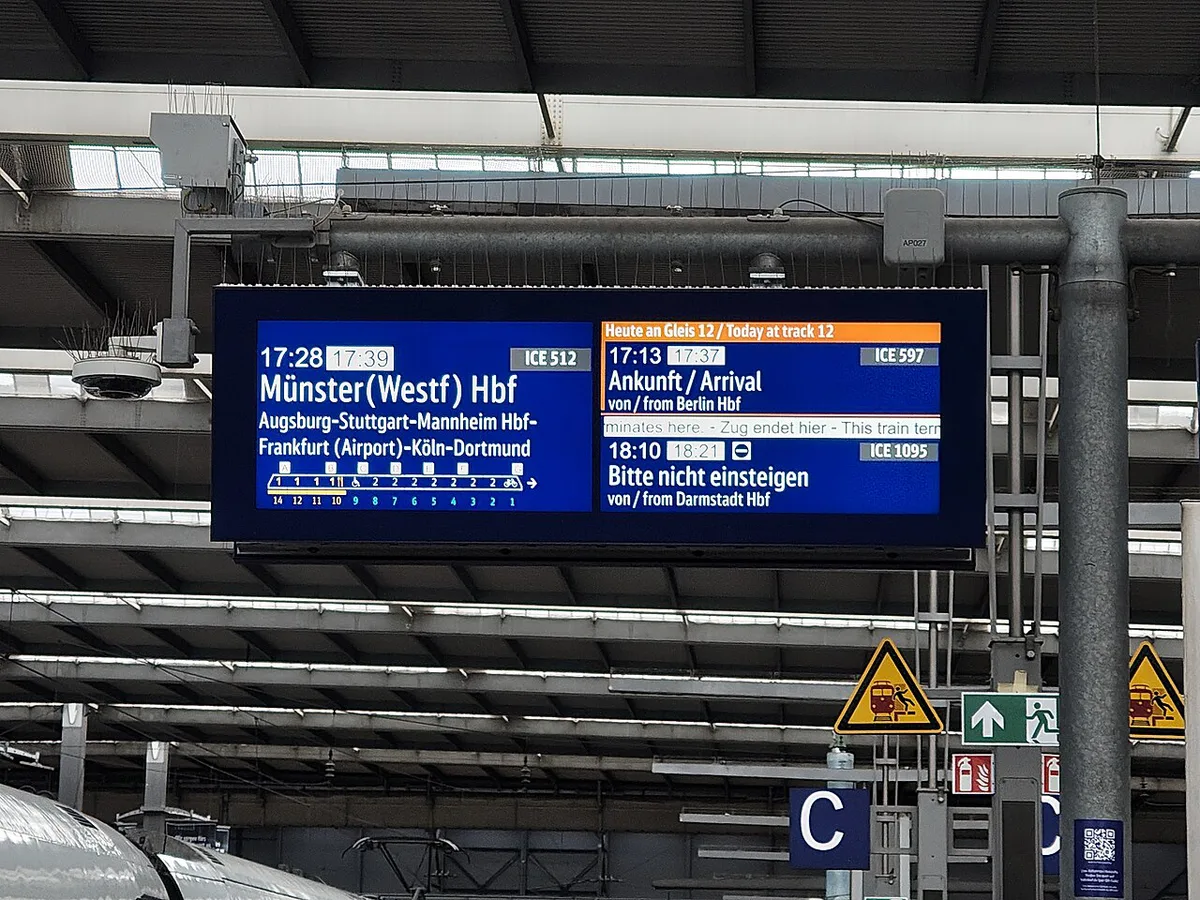
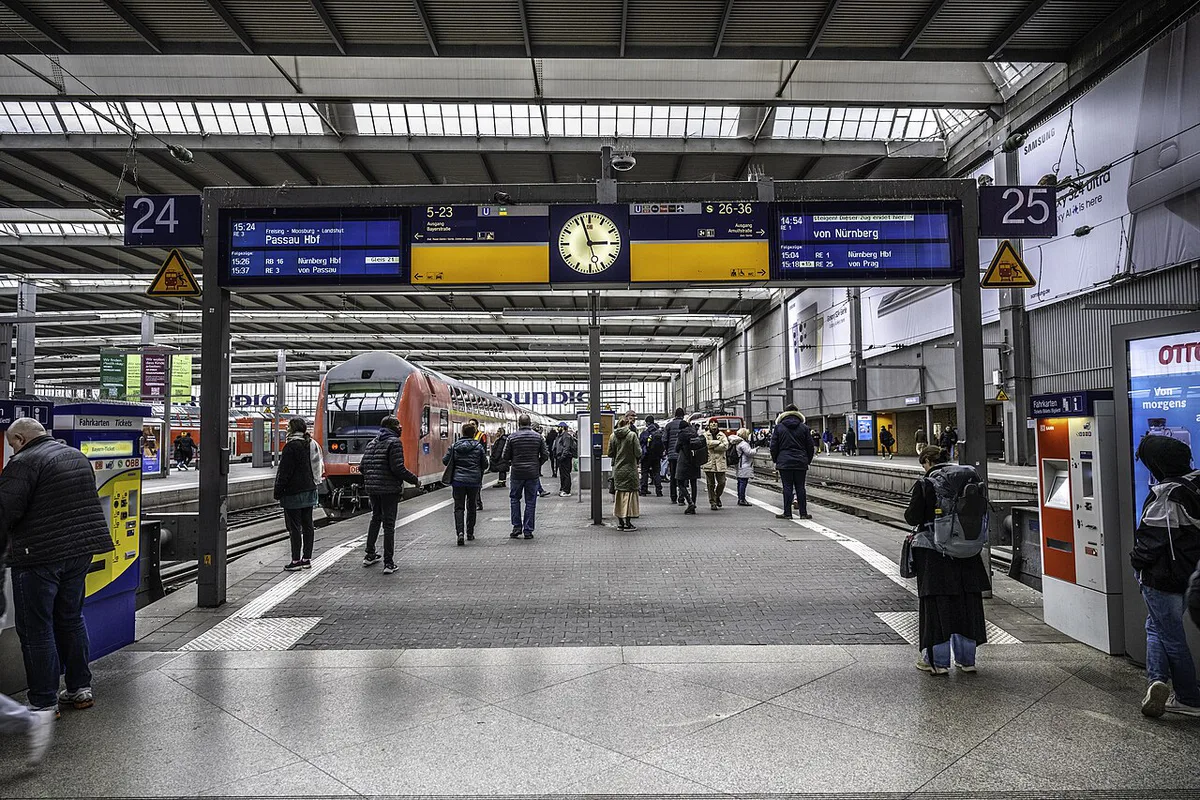
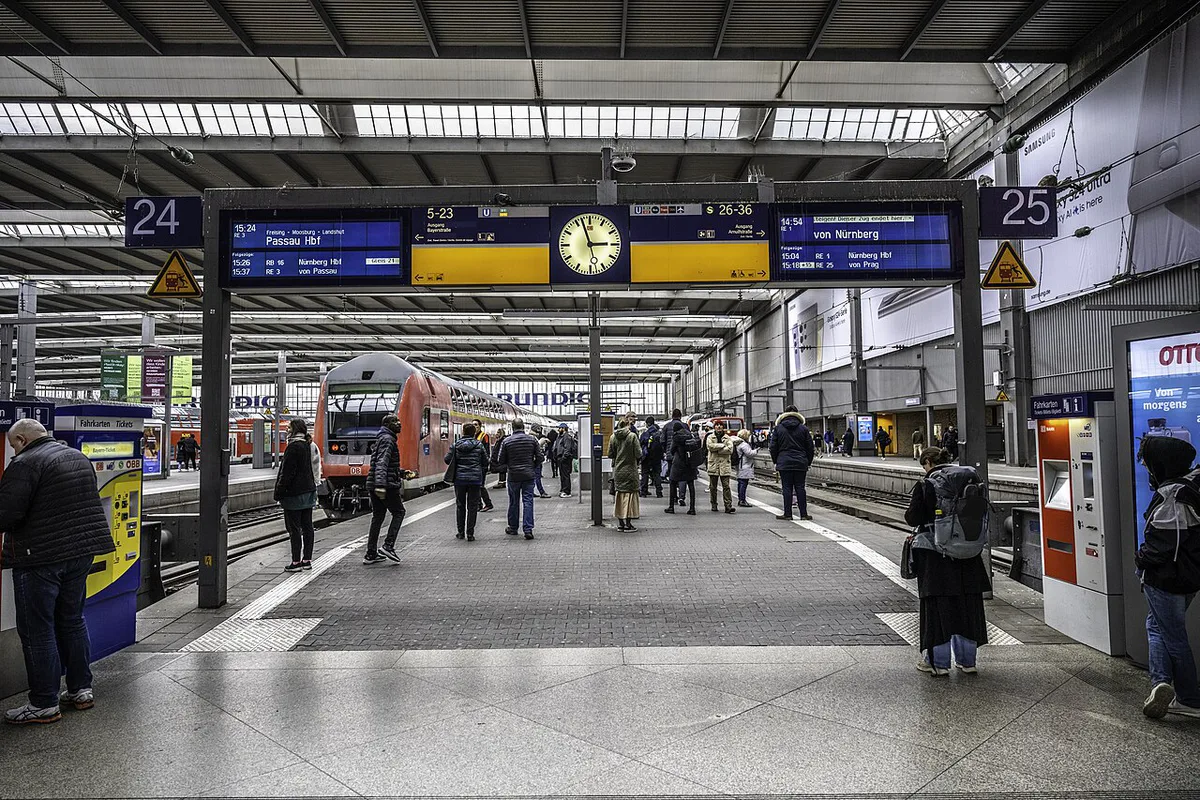
Because the station is a terminus, you walk along the platforms to reach the concourse. Follow the overhead signs for your train's platform instead of guessing from memory. Platform numbers are posted on the departure boards and in the DB Navigator app. Read them there, since assignments change. Exits lead towards Bayerstraße and Arnulfstraße, so pick the one nearest your hotel before you leave the platform. Long-distance departures are mostly ICE trains. Regional trains and the S-Bahn use their own signed areas. Read the sign colour and the train type on the board before you board.
Getting to and from the Station
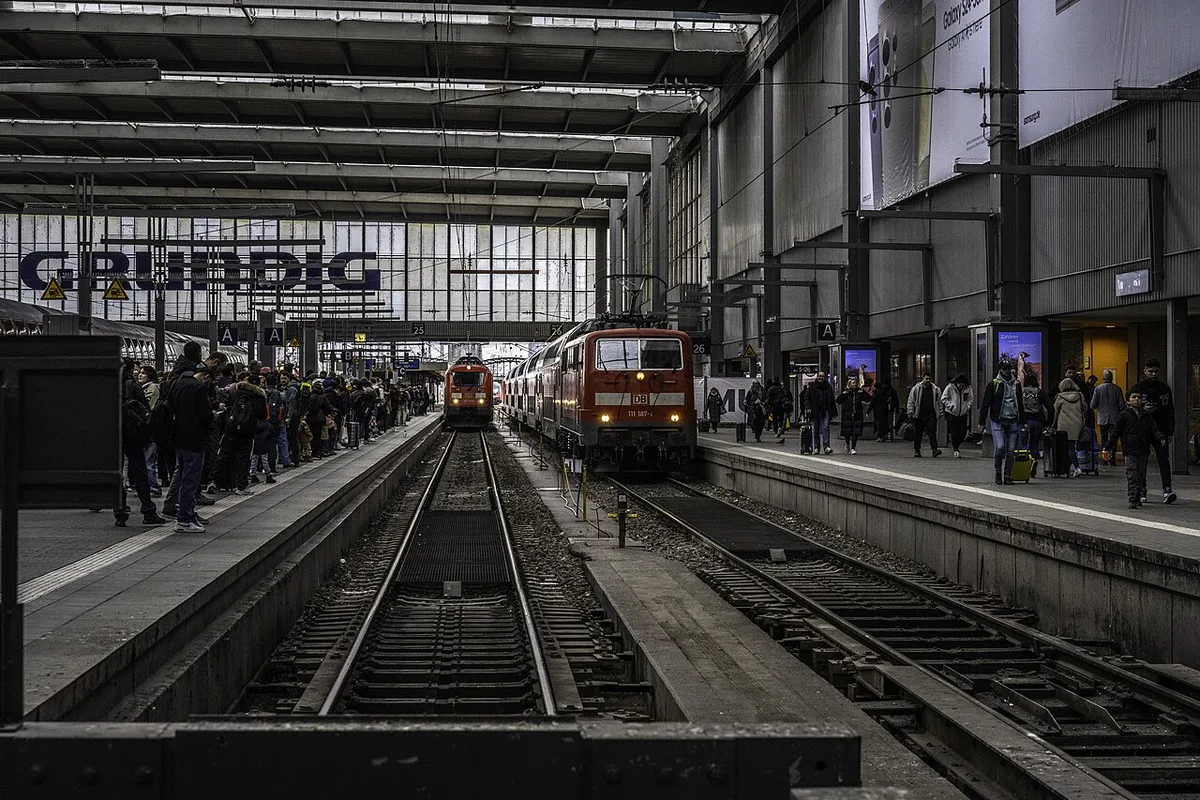
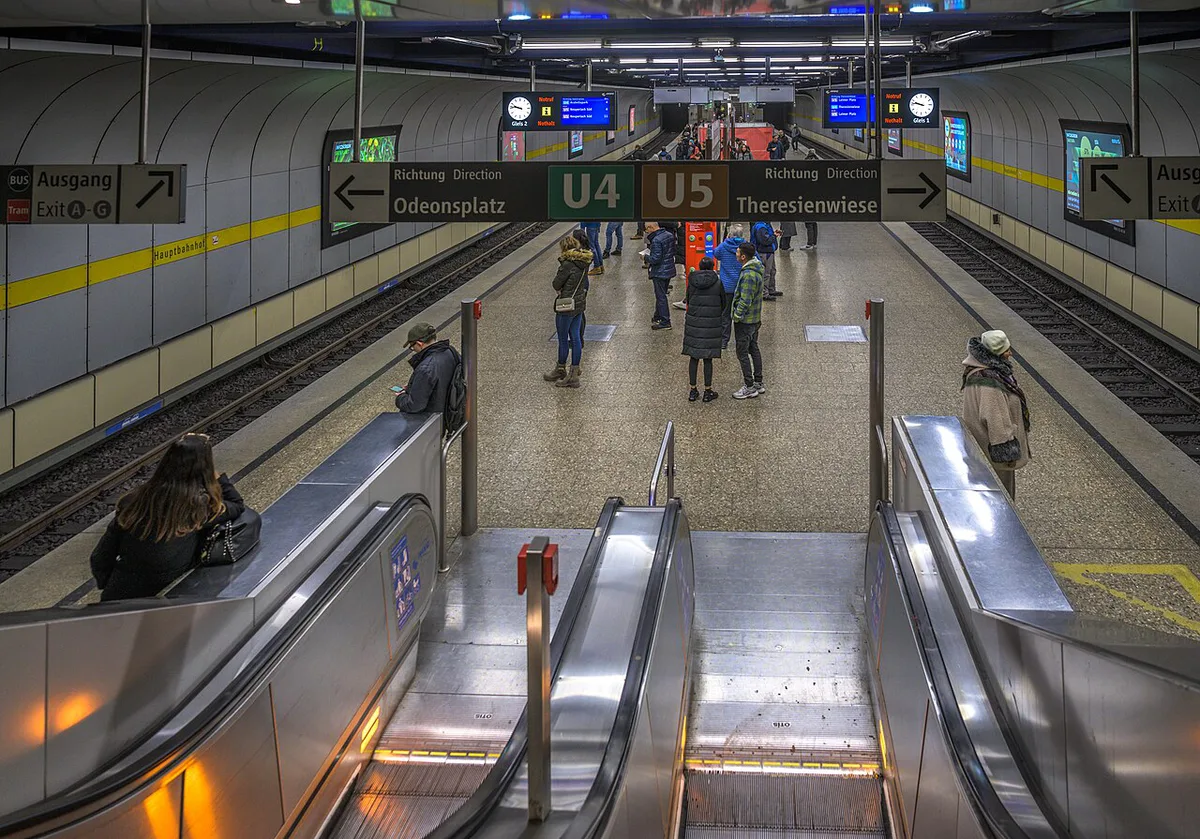
Most visitors reach Munich Hauptbahnhof by S-Bahn, U-Bahn, tram or bus, because the station is only about 1 km from the city centre. Many hotels in the area are within a short walk. The airport link is the S-Bahn, so look up the current line and journey time on the Munich Airport and MVV sites. A Deutschlandticket generally covers local transport such as the S-Bahn, but check the current rules before relying on it.
| Option | Best for | Trade-off |
|---|---|---|
| S-Bahn | Airport and suburban trips | Busy at commute times, and luggage space is limited |
| U-Bahn | Cross-city trips | Longer walks between the platform and the street |
| Tram or bus | Short hops with a view | Slower in traffic |
| Taxi | Heavy luggage or late arrivals | Costs more, and queues form at peak times |
| Walking | Hotels near the station | Crossing busy roads with luggage |
Station Services: Luggage, Lockers, Food, Toilets and Help
The station has lockers, ATMs, a ticket office, an information desk, toilets, lost property, taxis and bike parking. Rentals for bikes and cars are also listed. Opening hours and prices change, so see the official station listing before you plan around a particular service. Food outlets include bakeries and fast-food chains. Tenants change often, so treat any single name as a rough guide. Step-free access and a mobility service are listed for passengers who need help. Request assistance through DB ahead of your journey.
Tickets, Passes and Seat Reservations
Buy long-distance tickets in the DB Navigator app or through our guide to DB tickets. A BahnCard lowers fares if you travel often. For regional day trips in Bavaria, compare the Bayern-Ticket with single fares. A day ticket pays off only when you make several trips. Visitors planning many journeys may weigh a German Rail Pass: Is It Worth It? Options and Alternatives. Budget travellers should also look at FlixTrain services. Seat reservation fees vary by fare and class, so read them on bahn.de when you book.
Planning Connections and Transfers
At a large terminus, allow time for the walk along the platform, the stairs or lifts, and any luggage. A longer buffer is safer on a first visit, with a heavy bag, or when a train is delayed. If you book separate tickets, take a later train instead of a tight one. Tickets sold as one journey usually protect your connection. Separate tickets do not.
| Mistake | Why it hurts | Fix |
|---|---|---|
| Tight transfer | A late arrival breaks the connection | Choose a later train with a longer buffer |
| Mixing up regional and ICE platforms | The walk is long and signs differ | Read the train type on the departure board |
| Day ticket for one trip | You pay more than a single fare | Compare single trips first |
| Relying on lockers | They can be full at busy times | Use a hotel or have a backup plan |
| Visiting during Oktoberfest | Crowds slow every connection | Add extra time and book early |
Trains From Munich Hbf: Popular Routes
Munich is a major departure point for Germany, Austria, Switzerland, the Czech Republic and Italy. Times below are typical ranges, so confirm them in the timetable for your date. Other major stations to compare are Berlin Hauptbahnhof Guide: Platforms, Connections & Layover Tips and Frankfurt Hauptbahnhof Guide: Layout, Transfers, Tickets.
- Berlin: about 3 h 20 to 3 h 47 on DB ICE services. See the Berlin to Munich route.
- Frankfurt: a frequent long-distance link. See the Frankfurt to Munich route.
- Salzburg: about 1 h 06 to 1 h 29, with DB, ÖBB and regional operators.
- Innsbruck: about 1 h 35, with ÖBB and DB services.
- Vienna: about 3 h 54 to 3 h 58, with ÖBB Railjet and other services. Overnight options appear on the Nightjet site.
- Zurich: see the Munich to Zurich route.
- Prague: see the Munich to Prague route. Operator details are on the Ceske drahy site.
- Venice: see the Munich to Venice route.
Day Trips by Train From Munich Hbf
Munich Hbf works well as a base for day trips, because regional trains leave from the same terminus as the long-distance services. Journey times below are typical ranges, so check your date in DB Navigator or on bahn.de before you go.
| Destination | Typical journey | Notes |
|---|---|---|
| Augsburg | About 30 to 45 min | Frequent regional and long-distance trains |
| Nuremberg | About 1 h to 1 h 10 on ICE | Faster than the regional trains, which stop more often |
| Starnberg | About 30 to 40 min | By S-Bahn to the lake |
| Garmisch-Partenkirchen | About 1 h 20 to 1 h 30 | Regional service towards the Alps |
| Füssen (for Neuschwanstein) | About 2 h | Usually a change on the way, then a local bus to the castle area |
| Salzburg | About 1 h 06 to 1 h 29 | Cross-border, see the Munich to Salzburg train guide |
| Innsbruck | About 1 h 35 | See the Munich to Innsbruck train guide |
Tickets. For several regional trips in one day within Bavaria, compare single fares with the Bayern-Ticket described above. For one return trip, a single fare or a saver fare is often cheaper. Salzburg and Innsbruck are outside Bavaria, so check what your ticket covers across the border.
Timing. Castle and mountain trips fill up on summer weekends and public holidays. Catch an early departure, and book seats on long-distance legs if you want to sit together. Regional trains do not usually offer reservations.
Return trains. Look up the last convenient service back before you leave Munich. Evening frequency drops on the smaller regional lines, and a missed connection can leave you waiting for an hour or more.
Staying Near the Station
The area around Munich Hauptbahnhof is a transit-heavy district with budget hotels and late-night activity. It suits early departures, late arrivals and short stops, because you can walk to the platforms. Hotels listed nearby include a&o München Hauptbahnhof, IntercityHotel München and Sofitel Munich Bayerpost. Travellers who want a quieter evening may prefer a hotel further into the city. Use normal city precautions at night, and follow current police or city guidance for the area.
Frequently Asked Questions
What is the name of the central train station in Munich?
It is München Hauptbahnhof, usually shortened to München Hbf. English-language guides call it Munich Hauptbahnhof or Munich central station. It stands at Bayerstraße 10A, 80335 Munich, and handles long-distance, regional and S-Bahn services.
Rail notes for your next trip
Optional updates when our rail guides change.
Related guides

More guides
Picked from the same area