
Last updated November 2026: the Berlin to Munich train is a long-distance Deutsche Bahn trip of roughly 4.5 to 6 hours, and the fastest ICE services run without a change. Fares depend mostly on how early you book, and DB tickets typically open up to 180 days ahead. We cover times, tickets, stations and the cases where a flight or bus is smarter.
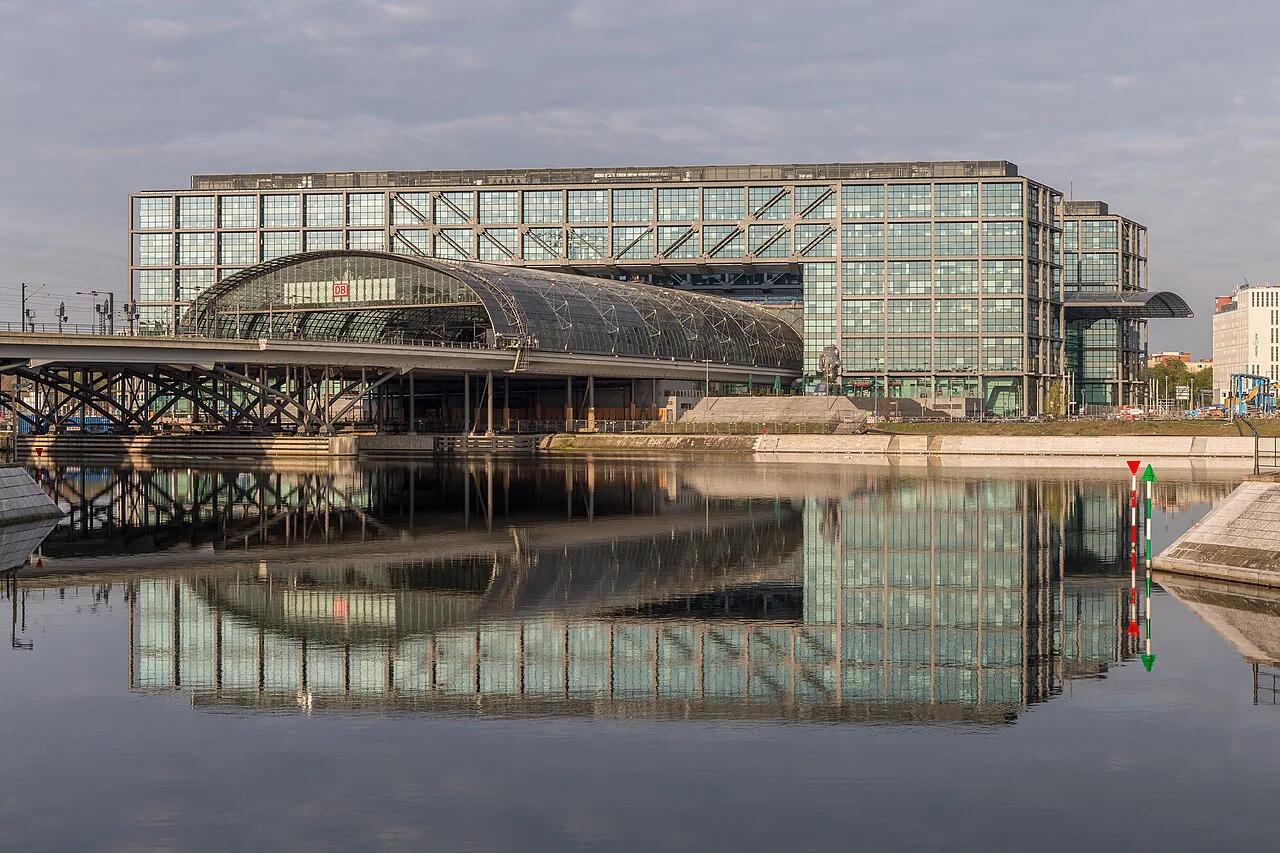
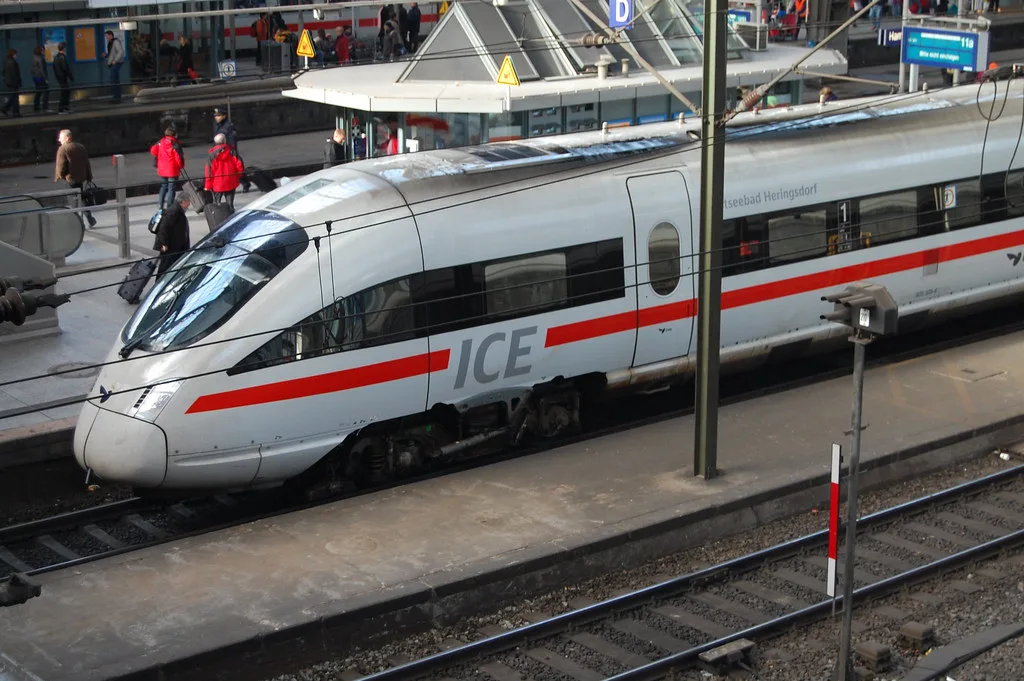
Featured image: Ansgar Koreng, CC BY 3.0 de, via Wikimedia Commons.
Berlin to Munich train: the quick answer
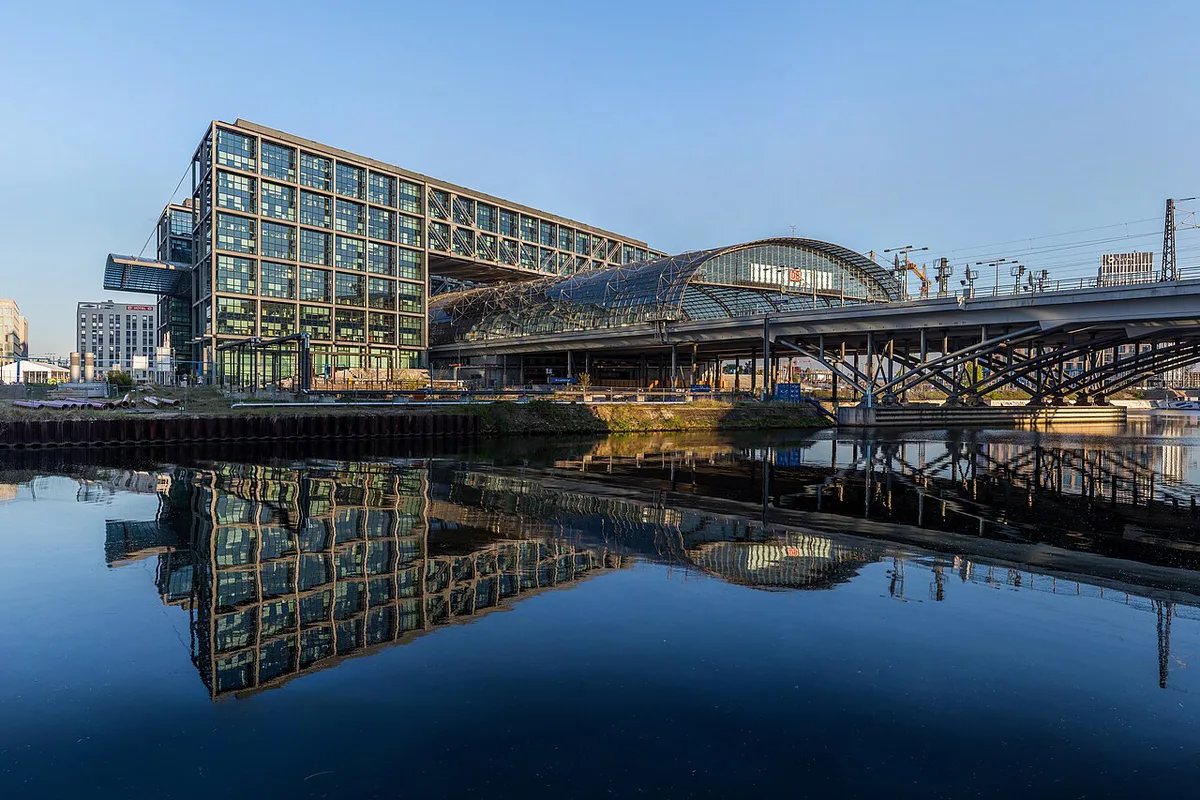
Deutsche Bahn runs direct ICE trains between Berlin Hbf and Munich Hbf. Fastest services run via Erfurt and Nuremberg, and they need no change. Slower regional chains take eight hours or more, so we'd only use them if the budget leaves no other option. Plan on 4.5 to 6 hours for an ICE, then read the exact duration in the timetable for your date. If this is your first long-distance DB trip, start with our guide to trains in Germany.
Journey time and routes
Journey time depends on the routing, and DB's timetable shows it for every departure. We'd treat a trip near 4.5 hours as the fast end and one near 6 hours as a slower ICE routing. ICE trains reach up to around 300 km/h on high-speed sections, which is why they beat regional trains by hours. Stop lists differ between departures, so read them before you buy. Our ICE train guide covers seats and onboard comfort. Munich to Berlin works the same way in the opposite direction.
Stations: Berlin Hbf, Südkreuz and Munich Hbf
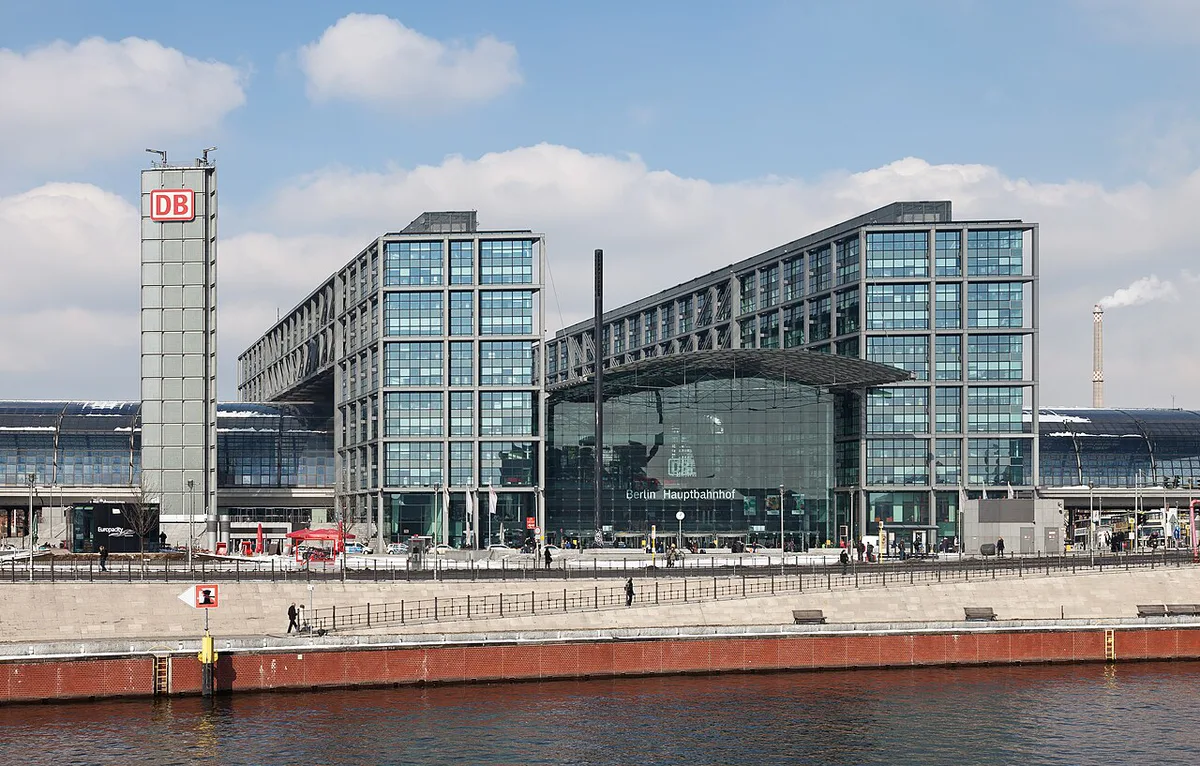
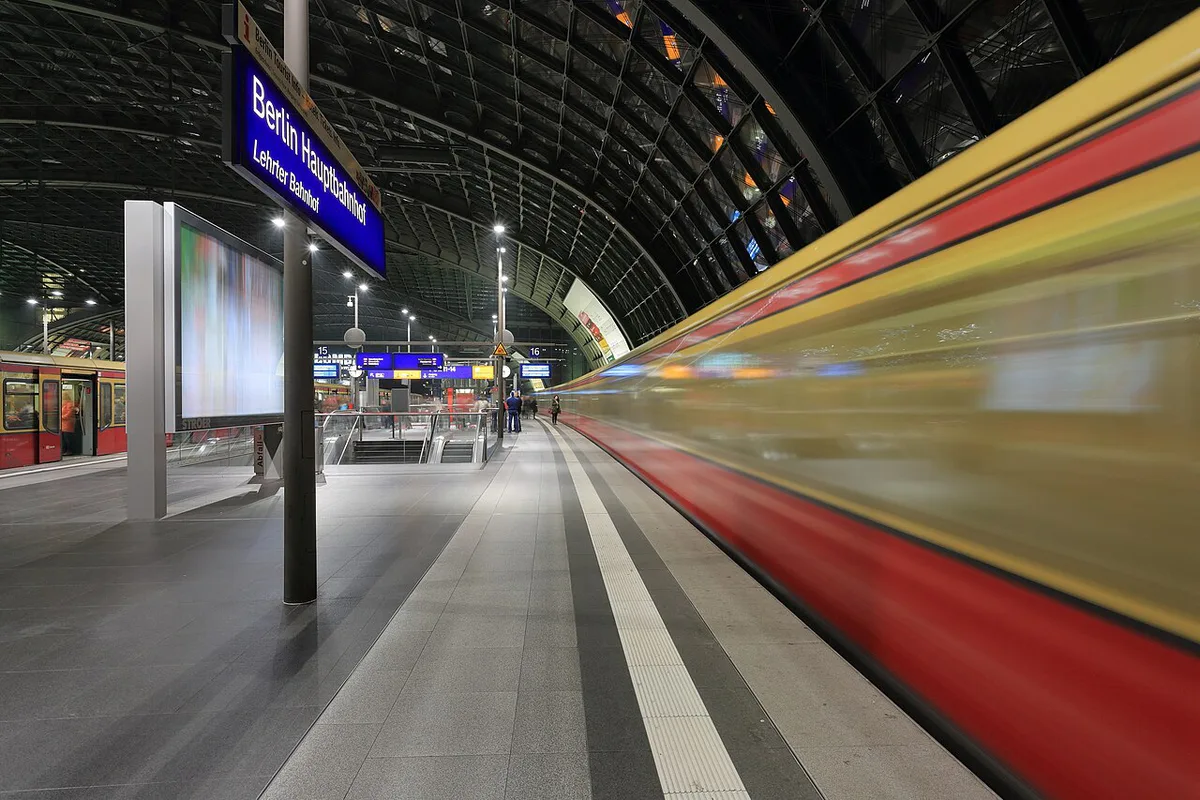
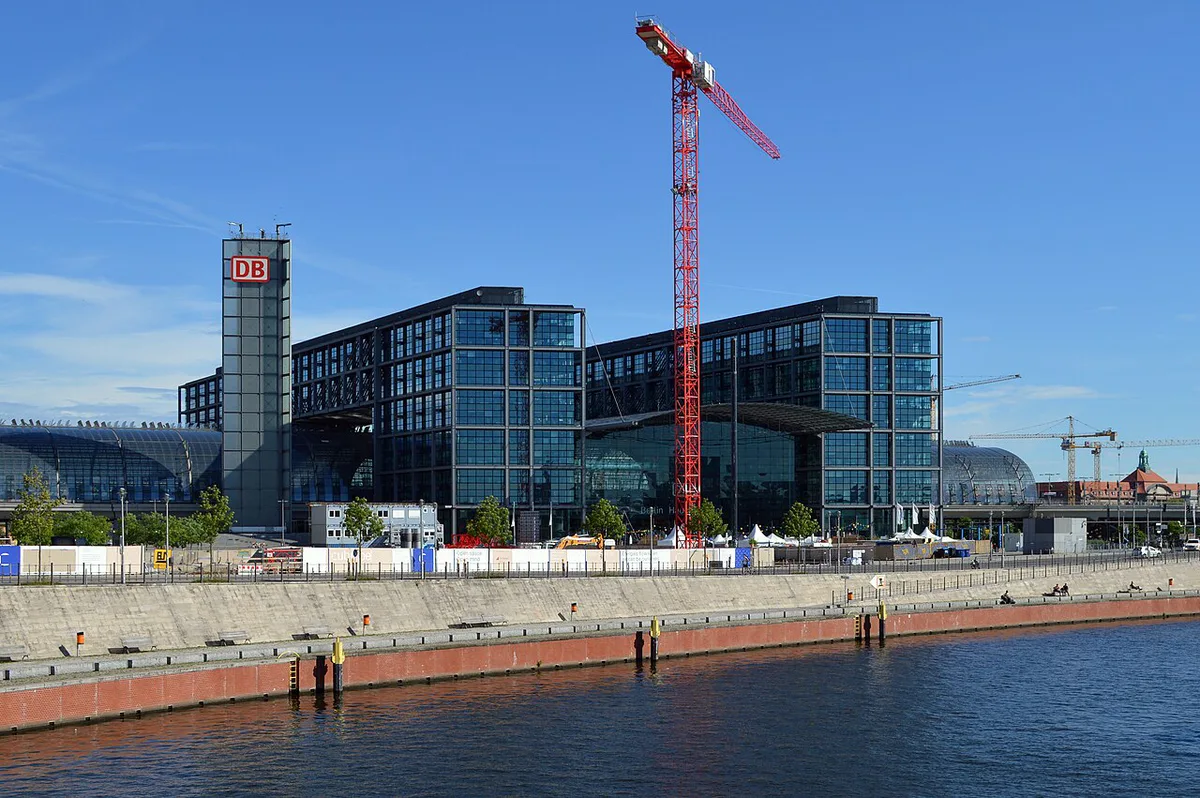
Book Berlin Hbf to Munich Hbf unless the timetable shows a better option for your hotel. Our Berlin Hauptbahnhof guide explains the station layout. Südkreuz, Spandau and Gesundbrunnen may sit closer to where you stay, but not every ICE calls there. Look at the stop list before choosing a departure from one of them. Trains finish at Munich Hbf, and our Munich Hauptbahnhof guide covers onward connections. DB also lists facilities on its Munich Hbf station page. Munich Ost is a different station, so do not select it by mistake. Arrive 20 to 30 minutes before departure so you can find the platform without rushing.
Which ticket to buy
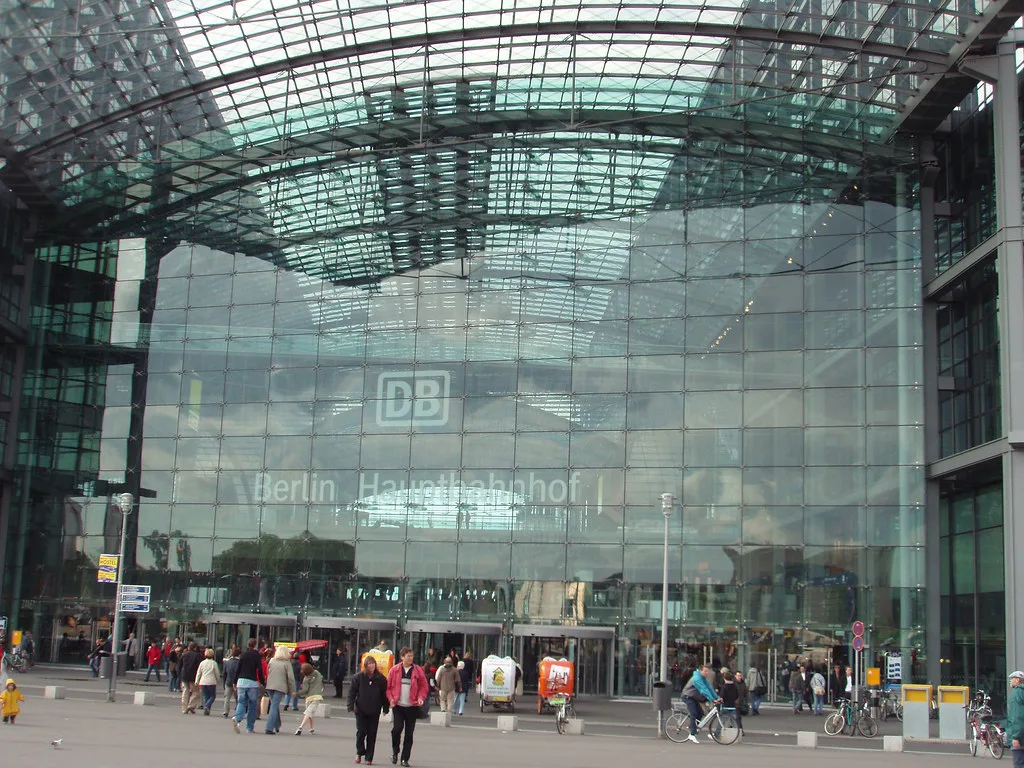
DB sells three main fare types for this trip: Sparpreis, Super Sparpreis and Flexpreis. Advertised Super Sparpreis fares start between €17.99 and €19.99 in second class, with first class from €23.99. Those are Germany-wide starting prices, so a Friday or Sunday Berlin to Munich departure will usually cost more. Prices and fare names checked November 2026. Book as soon as your date opens, typically up to 180 days ahead, because fares rise as departure nears. Our DB tickets guide explains the booking channels. We'd buy in the DB Navigator app so the ticket and any delay alerts sit in one place. Add a seat reservation on Fridays and Sundays if your fare does not include one, because standing for hours is a poor start to the trip.
Bikes need a separate long-distance ticket that starts at €7.50, so add it to the fare if you're travelling with one.
| Fare | Flexibility | Best if |
|---|---|---|
| Super Sparpreis | Cheapest, tied to one train, limited seats | Your dates are fixed and you book early |
| Sparpreis | Cheaper than flexible, with exchange limits | Plans are fairly firm but you want some margin |
| Flexpreis | Highest price, most flexible | Plans may change or you cannot commit to a train |
Do passes work on this route?
It depends on the pass, and regional passes are the trap. A regional day ticket from €46 covers regional trains only and excludes ICE, IC and EC. We'd never rely on one for Berlin to Munich.
Regional day tickets from €46 skip ICE, so for this route compare Super Sparpreis fares, which start between €17.99 and €19.99.
- BahnCard: it discounts DB long-distance fares, and ICE counts as long-distance. Read our BahnCard guide for the current discount levels.
- Deutschlandticket: regional trains only, so it does not cover ICE. See our Deutschlandticket guide for what it does cover.
- Bayern-Ticket: regional trains in Bavaria only, so it cannot carry you from Berlin. Our Bayern-Ticket guide fits day trips after you arrive.
- Eurail Germany pass: it is valid on most DB trains, including ICE, but some services need a paid seat reservation. The Eurail Germany pass page lists the terms.
- German Rail Pass: our German Rail Pass guide explains when a pass beats single tickets.
Train vs FlixTrain, flight, coach or car
A flight is shortest in the air, but airport transfers at both ends eat into the gain. Rail runs city centre to city centre in roughly 4.5 to 6 hours. We'd pick the train for most visitors and skip it only in three cases. Skip it if your plans are short and a flight is already booked nearby. Skip it if you have no early booking and the budget is tight, then compare FlixTrain and coaches. Skip it if the route would force several changes. Our FlixTrain guide explains that operator. Check FlixTrain's official site for whether it serves your dates.
| Option | Door-to-door time | Cost level | Flexibility | Best for |
|---|---|---|---|---|
| ICE | Roughly 4.5 to 6 hours, centre to centre | Low if booked early, high last minute | Good on Flexpreis | Comfort and no airport transfers |
| FlixTrain | Check current timetable | Often lower | Limited | Budget travelers with fixed dates |
| Flight | Short flight, long transfers | Varies widely | Depends on fare | Tight schedules |
| Coach | Longest of the public options | Usually lowest | Limited | Tightest budgets |
| Car | Long single drive | Fuel, tolls and parking | Full | Groups with luggage |
Delays, cancellations and refunds
When your train is delayed by more than 20 minutes, you can switch to another train on the same or a different route. You can also travel later, and you do not need a seat reservation on the replacement train. Compensation claims go through your DB customer account, and the DB app guide shows where to find them. Keep your ticket and the delay record. On a long route like this, we'd always leave a buffer before a flight or a hotel check-in deadline.
Mistakes to avoid
Most problems on this trip come from fare and station mix-ups. These five are the ones we'd fix first.
- Buying a regional day ticket and expecting to ride ICE.
- Booking only through a reseller without comparing DB's own price.
- Confusing Munich Hbf with Munich Ost.
- Assuming the headline from-price applies to every date.
- Skipping a seat reservation on a Friday or Sunday departure.
Day-of-travel checklist
A few minutes of preparation at Berlin Hbf makes a long ride easier. Bikes need their own long-distance ticket, which starts at €7.50.
- Arrive 20 to 30 minutes early.
- Find your platform on the departures board.
- Check the carriage-order display on the platform for your coach.
- Keep luggage near the doors or in racks, not in aisles.
- Open your ticket in the app before boarding.
Stopovers worth considering
Erfurt and Nuremberg sit on the fastest routings, so they make the easiest breaks. Leipzig is another common stop on routes between the two cities. Confirm that your chosen train calls there before you split the ticket. After Munich, our Munich to Prague train guide is a natural next leg. Our Munich to Zurich train guide covers the route west. From Berlin, the Berlin to Prague train guide goes south-east.
Frequently Asked Questions
How do I go from Munich to Berlin?
Take a direct ICE from Munich Hbf to Berlin Hbf. Journey time and ticket rules match the Berlin to Munich direction, at roughly 4.5 to 6 hours.
Is ICE in Germany a bullet train?
ICE is Germany's high-speed train, reaching up to around 300 km/h on suitable sections. It is not a dedicated bullet line, so overall speed depends on the route.
How much is a train ride from Berlin to Munich?
Advertised Super Sparpreis fares start between €17.99 and €19.99 in second class. Busy dates cost more, so book early and check the live price in the DB app.
Rail notes for your next trip
Optional updates when our rail guides change.
Related guides

More guides
Picked from the same area