6 Best Sleeper Trains in Europe and How to Book

Last updated November 2026. Sleeper trains in Europe let you cover 7 to 17 hours of rail overnight and skip a hotel night. Every route offers some mix of seats, couchettes and private sleeper compartments. Routes and operators change often, so use the fares below to compare routes, then use the operator's own site before you pay.
Austria's ÖBB runs the largest Nightjet network, and our Austria by train guide explains its day trains and tickets from Vienna.
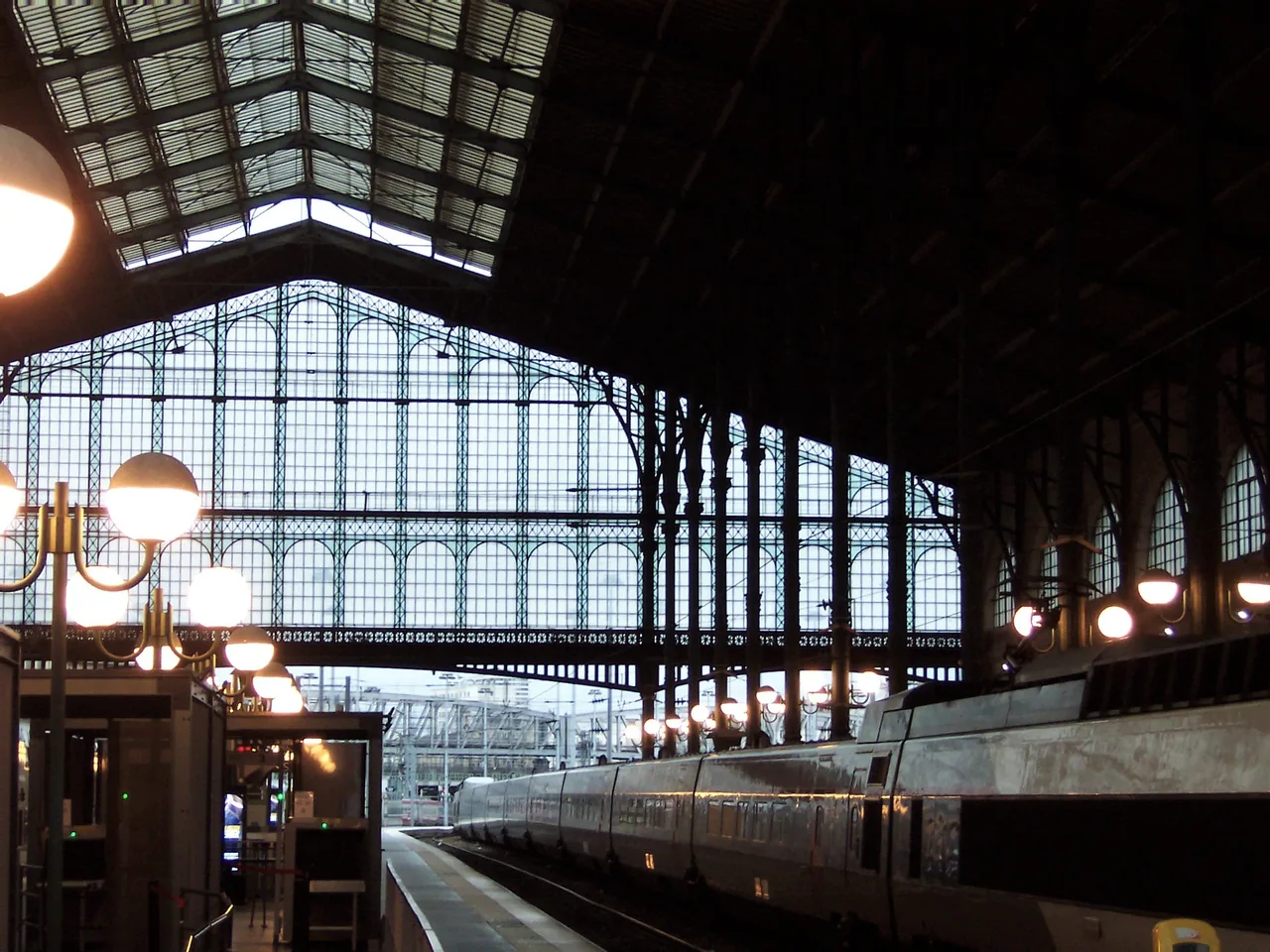
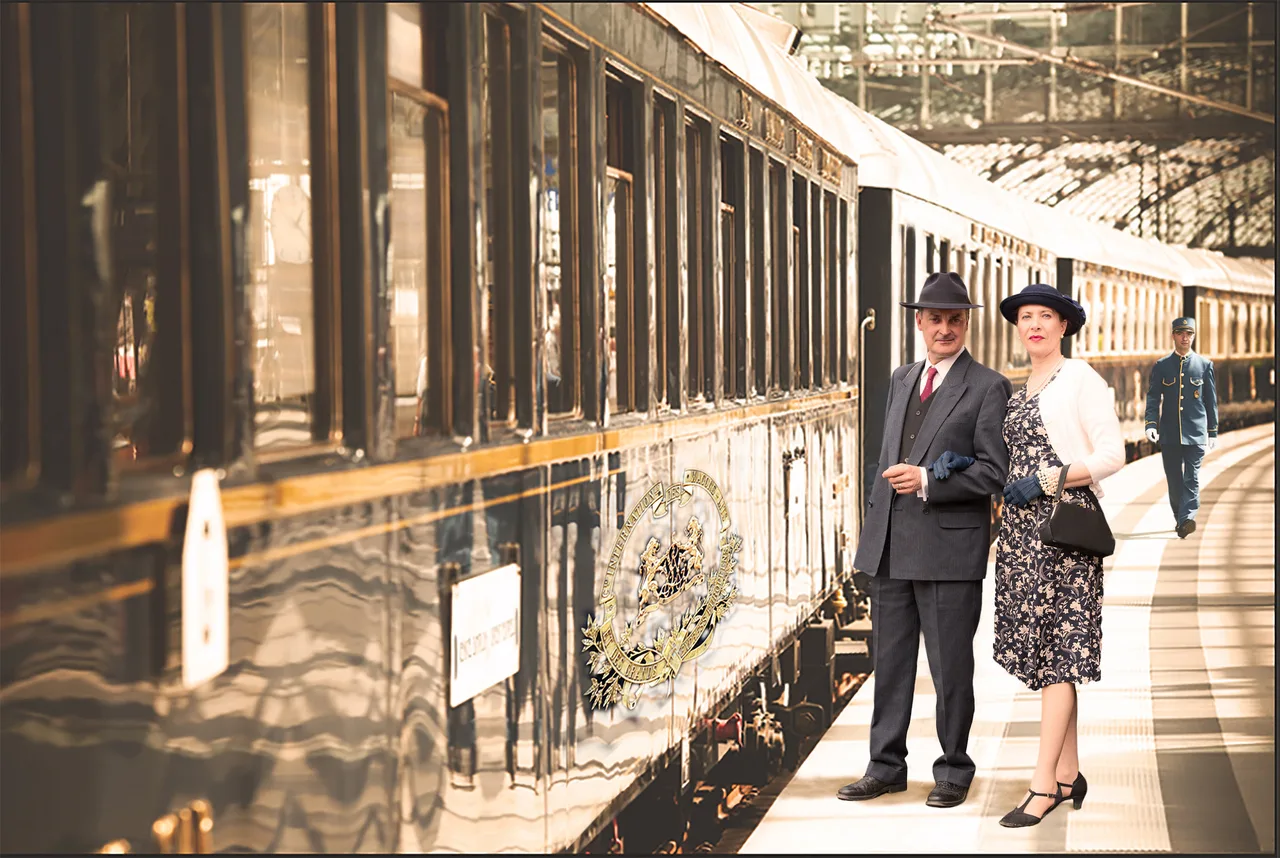
Featured image: gnuckx, CC0 1.0, via Flickr.
Are sleeper trains in Europe worth it?
They are worth it when the journey runs roughly 8 to 14 hours and you want to arrive in the morning. You save one hotel night and avoid an airport transfer on each end. They are a poor fit for light sleepers on a tight budget or for anyone with a fixed meeting on arrival day. Fare ranges in this guide come from 2025 listings, so treat them as a planning guide until you see live prices.

- Cheapest: a seat or six-berth couchette on a short route such as Prague to Krakow.
- Most private: a lockable sleeper compartment on a Nightjet route. Start with our Nightjet network overview.
- Best first try: Zurich to Graz, at about 11 hours, or Vienna to Paris if you want a longer ride.
- Most unusual: Stockholm to Berlin, which includes a ferry crossing.
Seat, couchette or sleeper: which cabin type?
Couchettes usually have 4 or 6 berths and are often shared with strangers unless you book the whole compartment. Sleepers are private rooms, but not every one has an en-suite bathroom. Seats cost least and suit only people who sleep anywhere. Our guide to Nightjet sleeper versus couchette covers the differences in detail.
Couchettes hold 4 or 6 berths, and over Vienna to Paris's 14 hours that means strangers unless you book the whole compartment.

| Cabin type | Privacy | Berths per compartment | Best for |
|---|---|---|---|
| Seat | Lowest, shared carriage | None, reclining seat | Short routes and tight budgets |
| Couchette | Shared, often mixed | 4 or 6 | Budget travelers who want to lie flat |
| Sleeper | Private compartment | 1 to 3 beds, depending on operator | Light sleepers, couples, long routes |
6 best sleeper trains in Europe by route
Fares and journey times below were listed in 2025 and may have moved. Check the operator's site for the current timetable and price before you plan around any of them. Prices are in each operator's own currency.
1. Vienna to Paris (ÖBB Nightjet)
This is one of the longest classic Nightjet runs, at about 14 hours. Fares were listed from €30 to €180, depending on cabin type and how early you book. It suits travelers who want to cross Austria, Germany and France without a flight. A lower bunk gives the easiest access if you plan to sleep early.
Book through the Nightjet booking site, which shows carriage layouts. For other hub-to-hub options, see our guides to the Munich to Rome night train and Night Train to Venice: Routes, Tickets and What to Know. Skip it if you need a short journey or flexible arrival times.
2. Zurich to Graz (ÖBB Nightjet)
This route takes about 11 hours and was listed at €40 to €150, depending on whether you choose a seat or a sleeper. It crosses the Alps overnight, which makes it a practical pick for ski trips or a first night-train attempt. Eleven hours leaves enough time for a full night's sleep.
Fares sit at the low end of the Nightjet range for seats and couchettes. Bring your own snacks, because dining service is not guaranteed on every train. Skip it if you want daylight scenery, since most of the climb happens in the dark.
3. Brussels to Prague (European Sleeper)
European Sleeper is an independent operator, and this route takes about 15.5 hours. Fares were listed from €49 to €139, depending on cabin class. It links two capitals without flying and suits travelers who like the idea of a newer, rail-focused company. Read our European Sleeper route guide for the cabin options.

Book on the European Sleeper website rather than through a third party. Skip it if you need a daily guaranteed service, because independent routes can change. Look up current status before you commit to dates.
4. Prague to Krakow (EuroNight)
This is the shortest route in the list, at about 7.5 hours. Fares were listed from CZK 400 to CZK 1,200. It works as a budget overnight hop: board in the evening and reach Krakow by breakfast. A couchette costs less than most one-way hotel nights in either city.
Book with České dráhy (cd.cz) or PKP Intercity (intercity.pl). Bring your own blanket, because not every couchette provides bedding. Skip it if you want a full night's rest. 7.5 hours is short for a sleeper, and an early arrival can leave you waiting for a hotel check-in.
5. Stockholm to Berlin (SJ EuroNight)
This route takes about 17 hours, including a ferry crossing of the Baltic. Fares were listed from SEK 495 to SEK 1,750. The ferry section is the main draw, because passengers can walk around the ship. Our Snälltåget guide covers the Swedish operator.
Look at the SJ site to see whether this exact route still operates before you plan around it. Skip it if you want a quick trip, since 17 hours is long even by night-train standards.

6. Paris to Berlin (night train)
This is a popular route for travelers starting in France who want to reach Germany without a morning flight. Our Paris to Berlin night train guide covers cabin choices, arrival stations and booking. For domestic French routes from Paris, see Intercités de Nuit.
Look at the operator's current timetable before you build a trip around it, because this service has changed in recent years. Skip it if you only have a few days in Paris and Berlin and prefer a daytime high-speed train.
How to choose between sleeper trains
Start with distance. A night train fits best at roughly 8 to 14 hours, long enough to sleep and short enough to arrive in the morning. Next, look at the arrival time and station. Large cities have several stations, so see how far yours is from the center. Then compare the fare with a flight plus one hotel night. A sleeper cabin can cost more than a couchette but may still beat that total on longer routes.
Prague to Krakow's 7.5 hours falls below the roughly 8 to 14 hour window, so an early arrival may leave you waiting for check-in.
- Choose a seat if the ride is under 8 hours and you sleep easily upright.
- Choose a couchette if you want a flat bed at a lower price and accept shared space.
- Choose a sleeper if you want a lock, privacy or are traveling as a couple.
- Skip night trains if you are a light sleeper on a budget or have a fixed morning meeting.
How to book a sleeper train

Book directly with the operator when you can. ÖBB's information pages and the Nightjet site show carriage layouts and live availability. Rail passes usually do not cover the full cost of a sleeper. Pass holders typically still pay a reservation fee for a berth, and the amount depends on the operator and route. Look at the station pairs and time zones on your ticket if the route crosses a border. Book early for summer and holiday travel.
What it is like on board and mistakes to avoid
Expect bedding on most sleeper and couchette services, but not on every one. Dining cars range from a full menu to nothing, so pack snacks and water. Wi-Fi and mobile signal can be patchy, so download tickets before you board. Lock the compartment door and keep valuables close. Keep your voice low and your lights dim after departure.
- Do not book a seat on a long overnight if you need real sleep.
- Do not assume a dining car exists.
- Do not skip the reservation if you hold a rail pass.
- Do not share a mixed couchette without knowing it, unless you book the whole compartment.
- Do not pick an arrival station far from the center without checking local transit.
Night train, flight or high-speed train

A night train replaces a hotel night, so door-to-door cost can compare well with a flight on longer routes. A flight is faster, but airport transfers and early check-ins add time. A daytime high-speed train is the fallback if your night train sells out. Split the journey into two daytime legs and stay one night midway. Use the official operator sites for emissions figures before you cite any.
What is changing on night train routes
Operators add and drop sleeper routes regularly. Plans such as Amsterdam to Barcelona and Paris to Rome have been discussed, but treat them as unconfirmed until an operator announces dates. Look at the Nightjet and European Sleeper sites for the current network before you book.
Plan your arrival station and first hour after the train
A night train is only convenient if its arrival station works for your plans. Read the exact station on the ticket, then map the walk, local transit or taxi route to your hotel before departure. Large cities can have several stations, and the nearest-looking option is not always closest to the centre or your accommodation.
This matters most on short overnight runs. The Prague to Krakow service takes about 7.5 hours, and an early arrival may leave you waiting for hotel check-in. Ask whether your hotel can store luggage, and identify a café or museum that opens early. On the 17-hour Stockholm to Berlin trip, allow extra flexibility after arrival because the ferry crossing is part of the journey.
Keep your onward ticket, hotel address and offline map on your phone before boarding. If you have a flight, cruise, tour or important meeting after arrival, avoid relying on the same-day connection. An overnight delay can be far more disruptive than a missed daytime train.
Explore More Guides
Keep planning your trip with these guides.
Guides
Rail notes for your next trip
Optional updates when our rail guides change.
Related guides
More guides
Picked from the same area