High-Speed Trains in Europe: Routes, Tickets and How to Choose
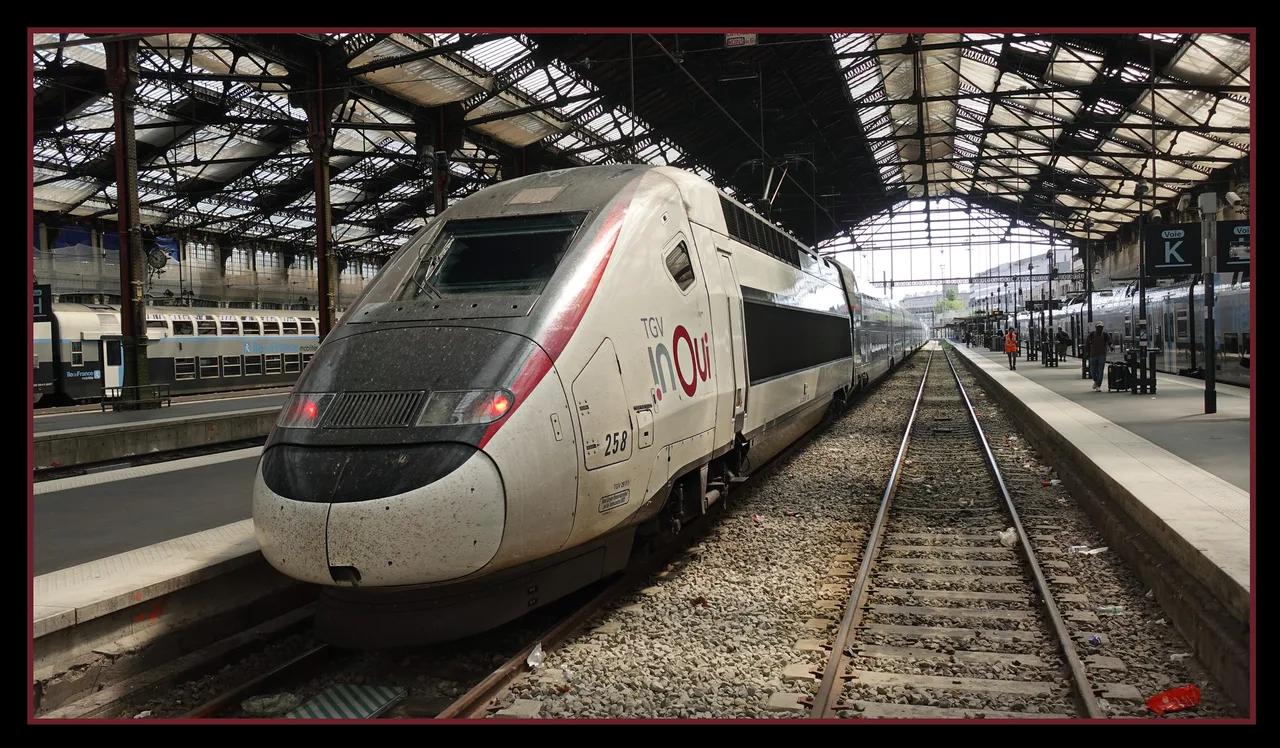
Last updated November 2026. High speed trains in Europe run on national networks operated by SNCF, Deutsche Bahn, Trenitalia, Italo, Renfe, Eurostar and SBB, with top speeds between 250 and 350 km/h. Pick a train by route, reservation rules and station location, not by top speed. Our full planning guide for European rail covers the wider picture.
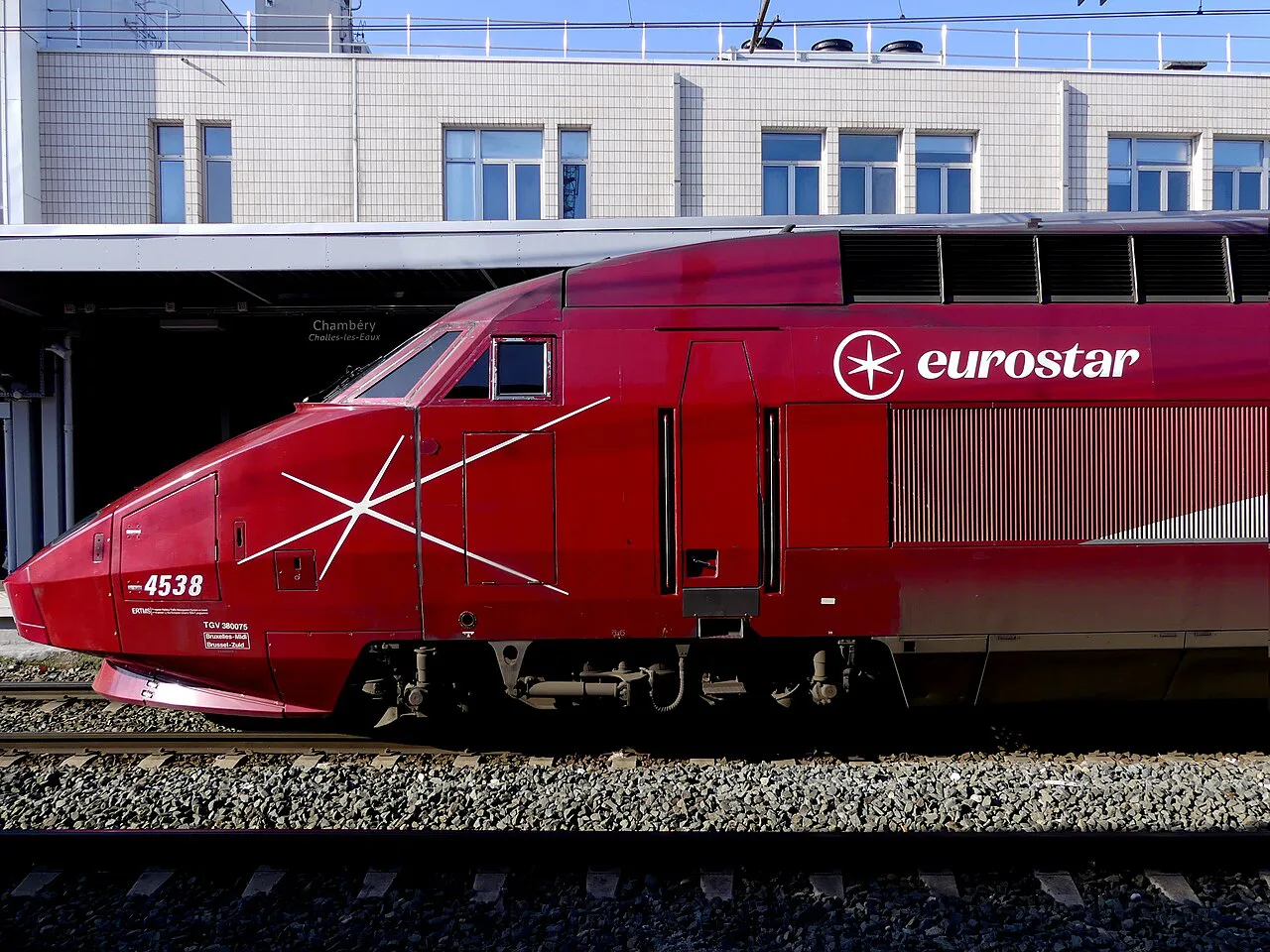
Featured image: Loco Steve, CC BY-SA 4.0, via Flickr.
Quick answer: the main high speed trains in Europe
Each country runs its own brand, and several cross borders. Your choice mostly follows geography, because a Paris–London trip and a Milan–Rome trip use entirely different operators. Start with the network that covers your route.
- France: SNCF TGV, plus OUIGO as a low-cost option.
- Germany: Deutsche Bahn ICE.
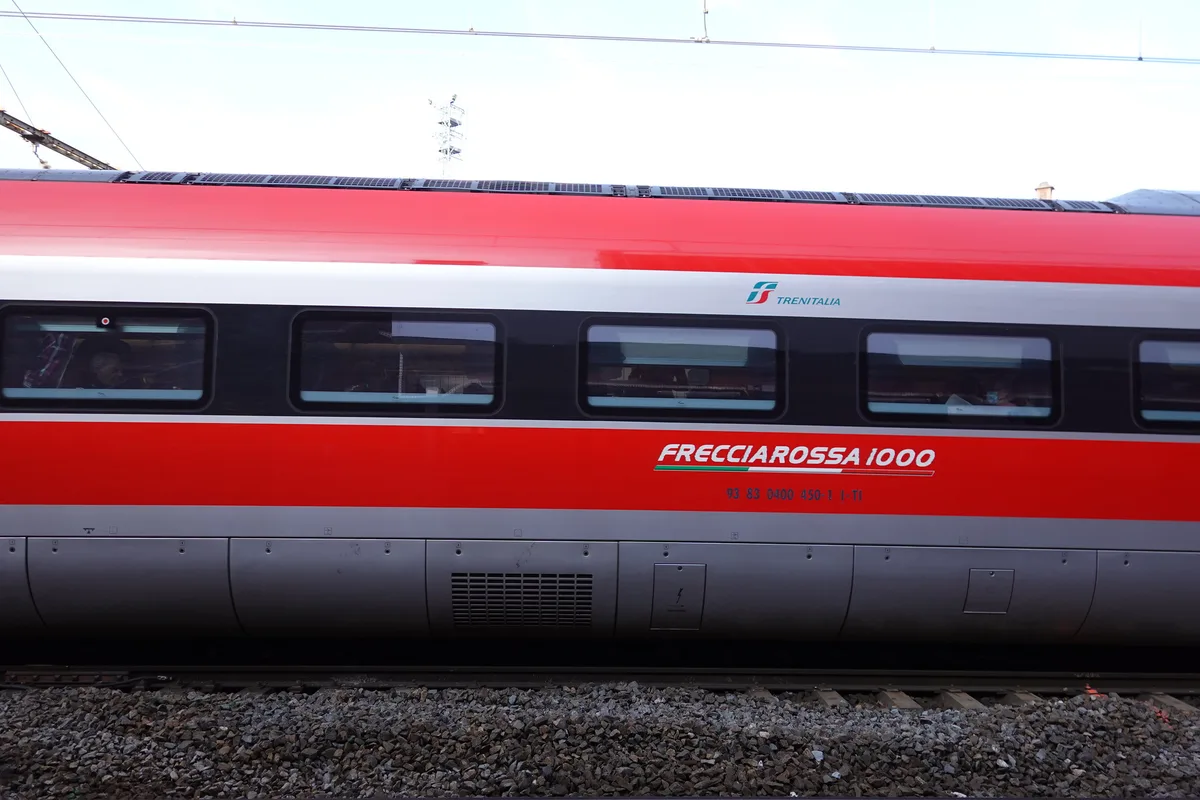
- Italy: Trenitalia Frecciarossa and private operator Italo.
- Spain: Renfe AVE and iryo.
- UK, France, Belgium and the Netherlands: Eurostar through the Channel Tunnel.
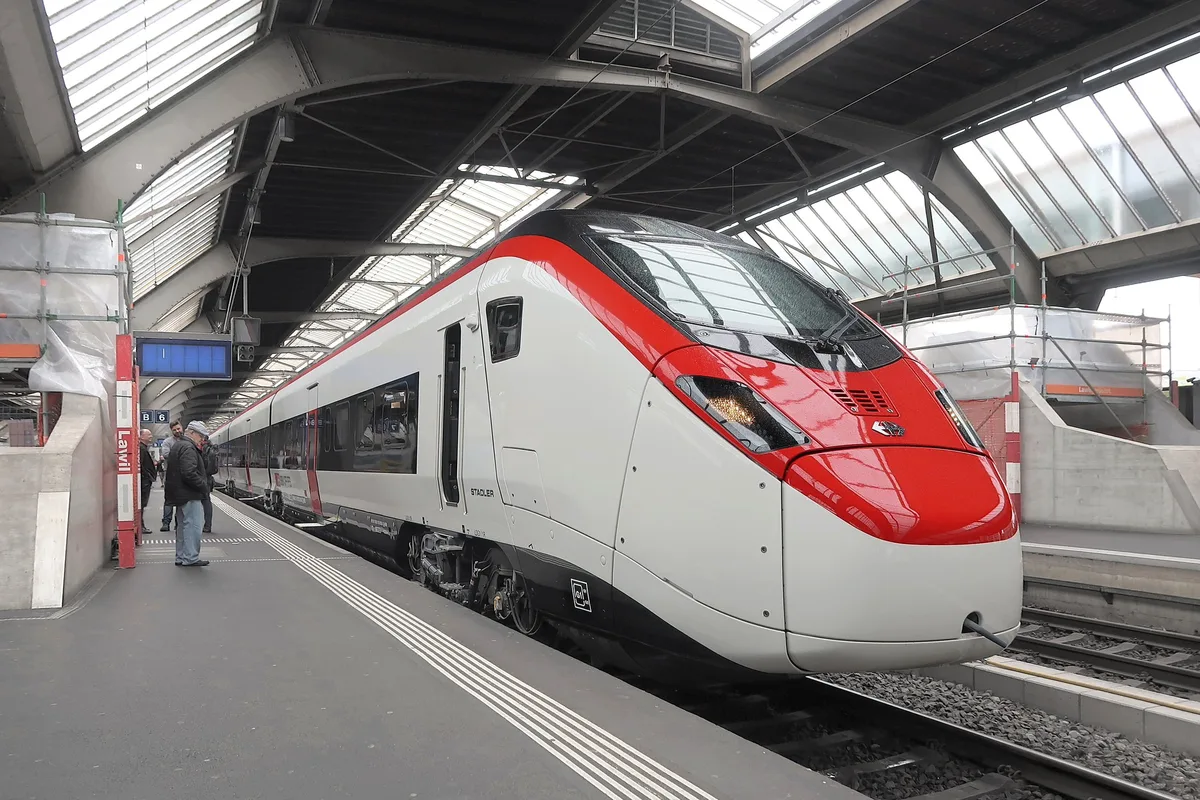
- Switzerland and Austria: SBB Giruno and ÖBB Railjet.
Europe's high-speed networks at a glance
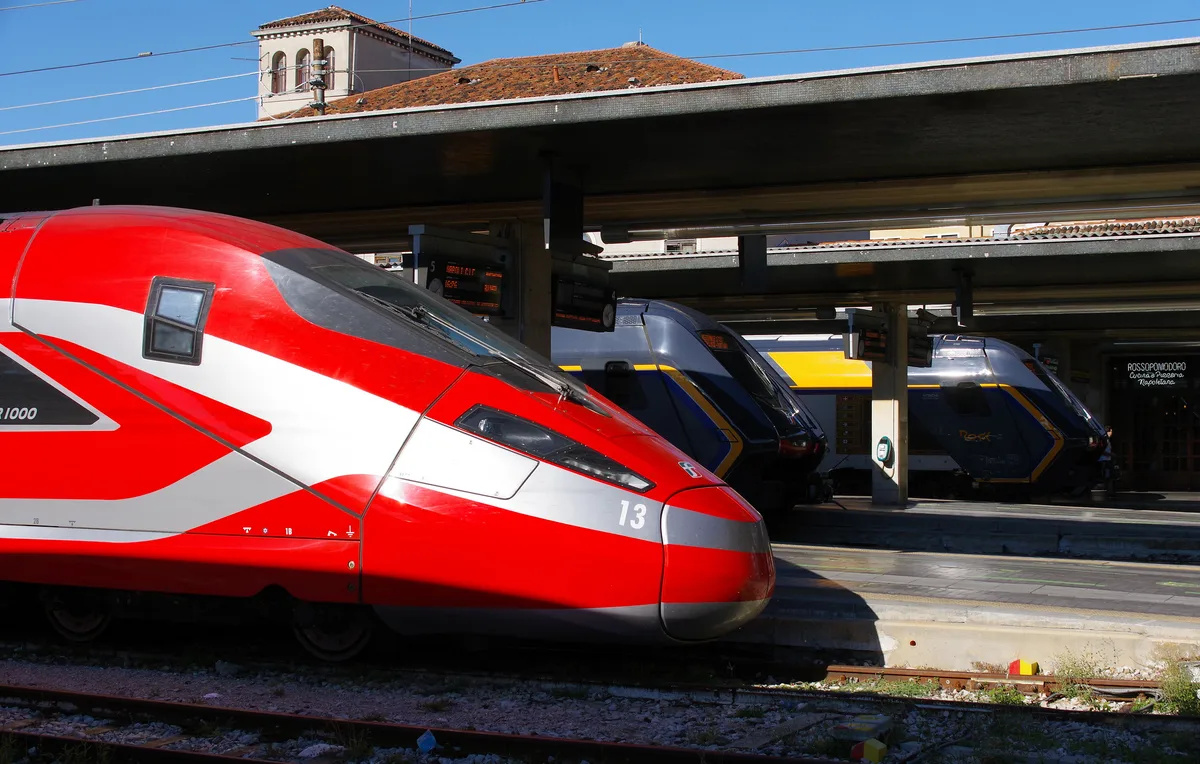
All speeds below are "up to" figures for the fastest trains. Real service speeds vary by line and by service. Reservation rules differ by brand, so read the catch column before you buy.
| Network | Country | Speed class | Reservation | Main catch |
|---|---|---|---|---|
| ICE (Deutsche Bahn) | Germany | Up to 350 km/h | Check per route | Fastest design speed, but stops and track limits decide the journey time |
| TGV (SNCF) | France | Up to 320 km/h | Required | Seat quotas for pass holders can fill early |
| AVE (Renfe) | Spain | Up to 310 km/h | Check per route | Competes with private operator iryo on some corridors |
| Frecciarossa (Trenitalia) | Italy | Up to 300 km/h | Required | Italo runs the same corridors with separate tickets |
| Italo AGV | Italy | Up to 300 km/h | Check per route | Separate ticket system from Trenitalia |
| Eurostar | UK, France, Belgium, Netherlands | Up to 300 km/h | Required | Border and security checks at UK stations |
| Giruno (SBB) | Switzerland | Up to 250 km/h | Check per route | Slowest of the group, but runs through the Gotthard Base Tunnel |
How to choose: speed, journey time and station location
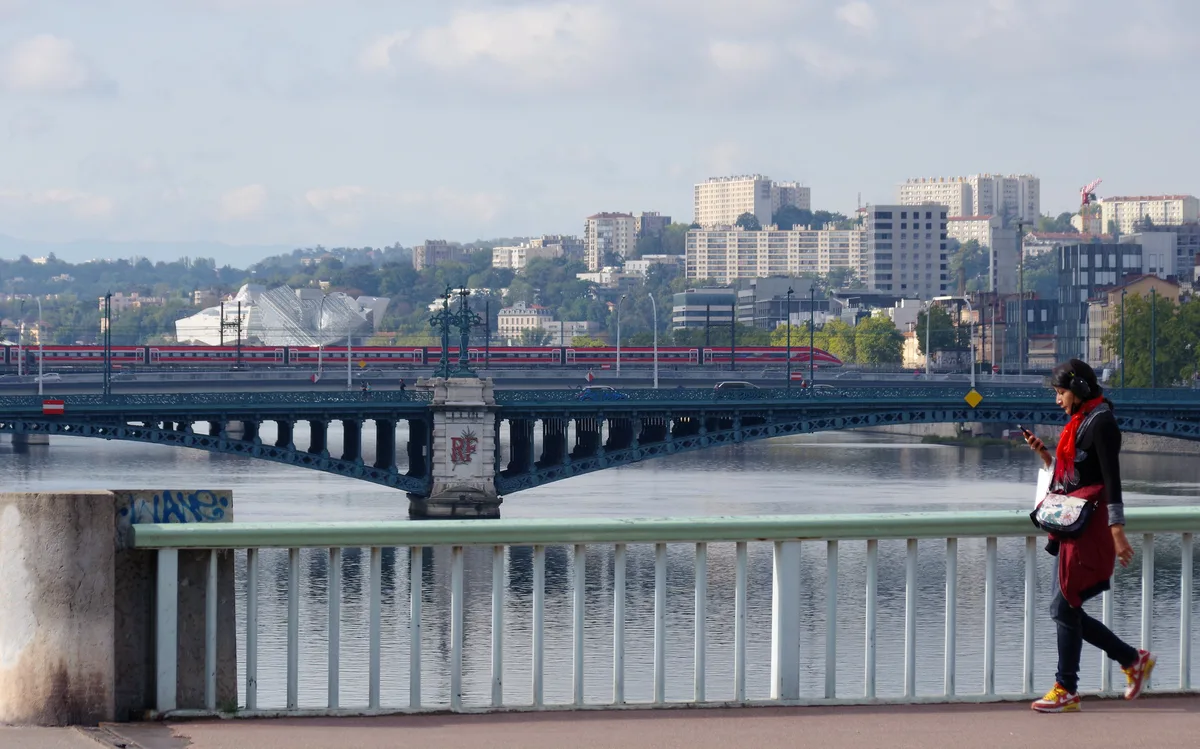
Top speed is a poor selection criterion. Track limits, intermediate stops and approach to city stations decide how long you actually sit on board. A 350 km/h train that stops often can lose to a 300 km/h train that runs non-stop. Compare scheduled journey times, then look at where each station sits. City-centre stations save a transfer, while peripheral stations can add a metro or taxi leg at the end.
Major routes worth knowing
Four routes show how journey times compare. London to Paris takes about 2h16 on Eurostar. Paris to Amsterdam takes about 3h20. Frankfurt to Zurich on an ICE takes about 3h55, and Milan to Venice on Frecciarossa or Italo takes about 2h25. Timetables change, so check the operator's schedule before you commit. Other cross-border corridors include Paris to Frankfurt and Munich by TGV and ICE, and Milan to Zurich by EuroCity. Domestic favorites are Madrid to Barcelona and Seville, Milan to Rome, and Paris to Lyon and Marseille. Our guide to the 8 Best Train Routes in Europe: Scenic, Fast & Overnight goes deeper. For geography, use the Europe Train Map: How to Read It and Plan Routes.
Tickets, reservations and costs
A rail pass suits long itineraries. Point-to-point tickets usually win on a fixed trip. A Eurail Global Pass fits plans that cover more than 3–4 countries. Fixed itineraries in 1–2 countries are usually cheaper with advance tickets bought 2–3 months ahead. Booking windows vary by operator and route, so check the sales calendar for each train. Passes do not always cover the seat. Eurail's pass rules explain the reservation fee that applies on high-speed services. Seat quotas for pass holders are limited, so reserve early. Fares change with demand, and booking early is usually cheaper. Our step-by-step ticket booking guide shows where each operator sells. To choose a booking app, read our Trainline and Omio comparison.
Low-cost high-speed operators: OUIGO, iryo and Italo
On several corridors a private or budget operator runs the same kind of train as the national carrier, often at a lower advance fare. The trade-offs are in the fine print, so compare the full price rather than the headline fare.
| Operator | Country | What to check before booking |
|---|---|---|
| OUIGO | France, Spain | Fares are low but extras such as larger bags and seat choice can cost more. Some French services use stations outside central Paris, such as Marne-la-Vallée–Chessy. |
| iryo | Spain | Competes with Renfe AVE on routes such as Madrid to Barcelona. Fare tiers differ in flexibility and included extras. |
| Italo | Italy | Separate ticketing from Trenitalia, so a Frecciarossa ticket is not valid on an Italo train and the reverse. |
Rail passes. A Eurail pass generally does not work on private operators, so check each operator's pass policy before assuming it does. Pass holders on a budget route should compare against a plain advance ticket.
Baggage and flexibility. Cheaper fares are often non-refundable, and budget operators can be stricter about luggage than national carriers. If your plans might change, the standard fare from the national operator can end up being the better value.
How to compare. Search both operators for the same date and time, then add bag fees, any transfer from a peripheral station and the cost of changing the ticket. For corridors served by both Trenitalia and Italo, our guide to Italian high-speed trains shows how the two compare.
Classes and onboard comfort
First class typically offers wider seats in a 2+1 layout, while standard class uses 2+2 seating. Layouts vary by train, so check the seat map when you book. Power outlets are common, and larger luggage racks sit at car ends. Upgrade for a long daytime trip, a work session or a peak-hour departure. Peak hours are typically 07:00–09:00 and 17:00–19:00, and mid-day departures from 10:00 to 15:00 are quieter. Our first class rail guide covers when the upgrade pays off.
Crossing borders and making connections
Travel inside the Schengen area generally skips routine passport checks at stations. Eurostar services to and from the UK still require immigration clearance at the departure station. Arrive early for those checks. Allow at least a 20–30 minute buffer when changing trains at major stations. Separate tickets are risky on a tight connection, because a missed train is not protected. Check the platform number on the station display: Track, Gleis and Voie all mean platform.
High-speed train or plane?
Trains run city centre to city centre, with no airport transfer and no strict baggage limits. For journeys up to roughly three hours, rail often wins on total door-to-door time. Longer routes depend on airport access. Our train and plane comparison breaks this down by city pair.
Scenic and night alternatives
Slower trains can beat speed on views. Our Longest Train Journey in Europe: Routes and Trade-offs lists routes built for scenery. Daytime trains show the landscape. ÖBB Nightjet sleeper trains save a hotel night but give up views. For the east, see rail travel across Eastern Europe. Return to the pillar guide to train travel in Europe and book your first leg.
Frequently Asked Questions
What is the speed of trains in Europe?
High-speed services run at up to 250–350 km/h, depending on the train. ICE 3 reaches up to 350 km/h, TGV up to 320 km/h and AVE up to 310 km/h. Service speeds on individual lines are often lower.
What train goes 300 mph?
No scheduled European passenger train runs at 300 mph, which is roughly 483 km/h. The TGV record of 574.8 km/h in 2007 was a test run, not a service speed.
Rail notes for your next trip
Optional updates when our rail guides change.
Related guides
More guides
Picked from the same area