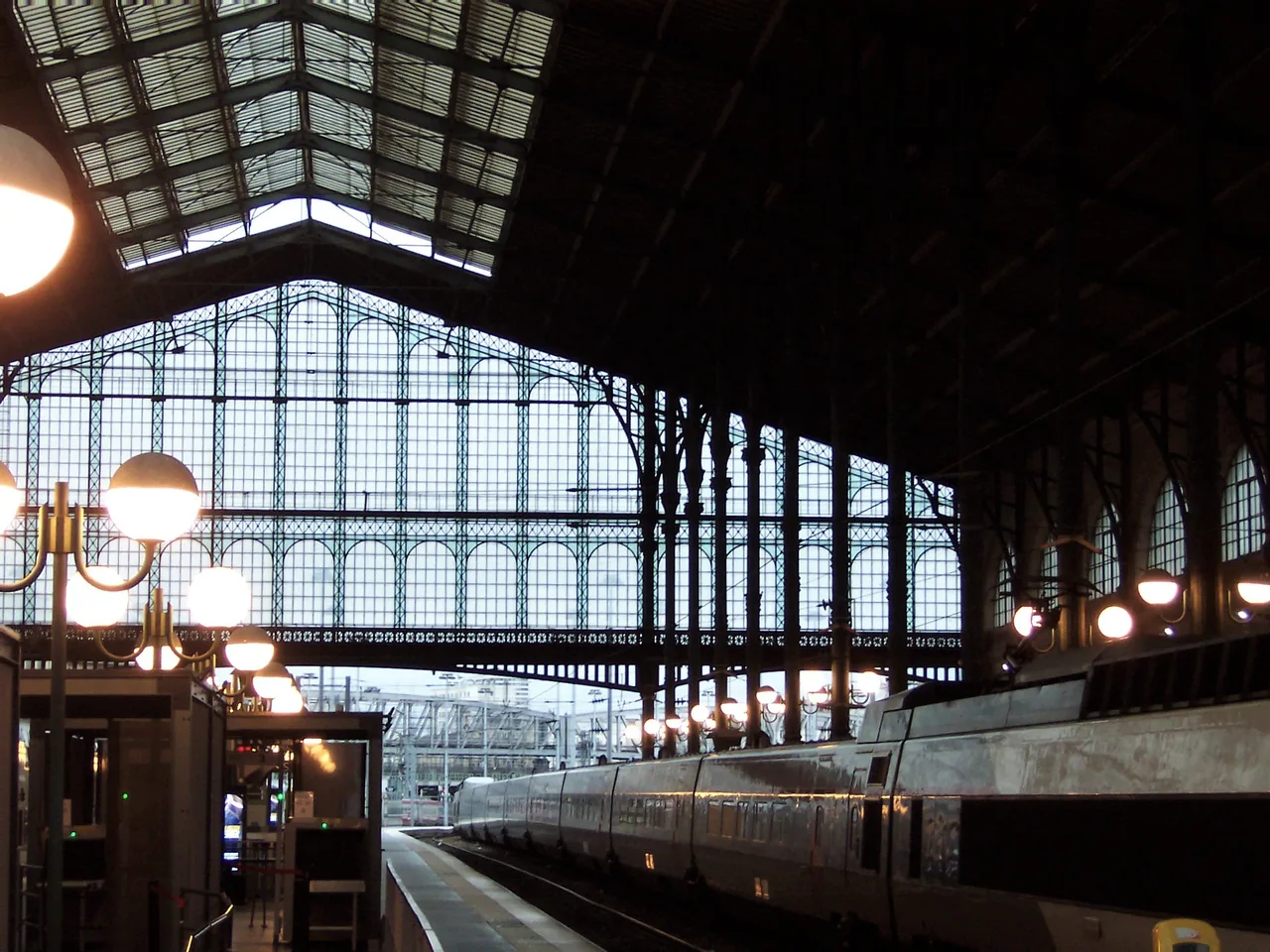
Eastern Europe by Train: Routes, Tickets & Pass Tips
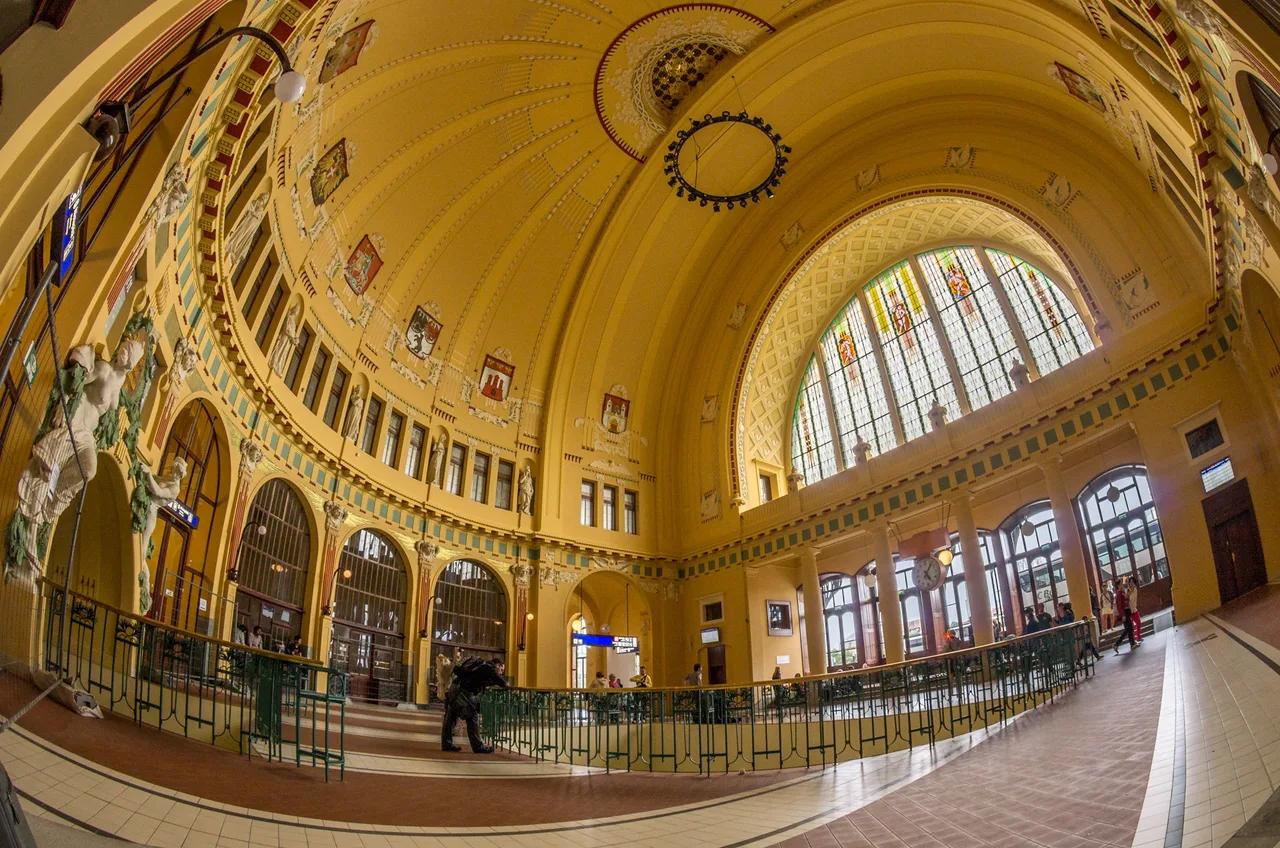
Last updated November 2026: Eastern Europe by train is simplest on the main links between Berlin, Prague, Vienna, Budapest, Warsaw and Krakow, which run on frequent EuroCity and Railjet services. Slower regional links dominate further east, so allow extra time once you leave those corridors. For continent-wide basics, start with our guide to train travel in Europe.
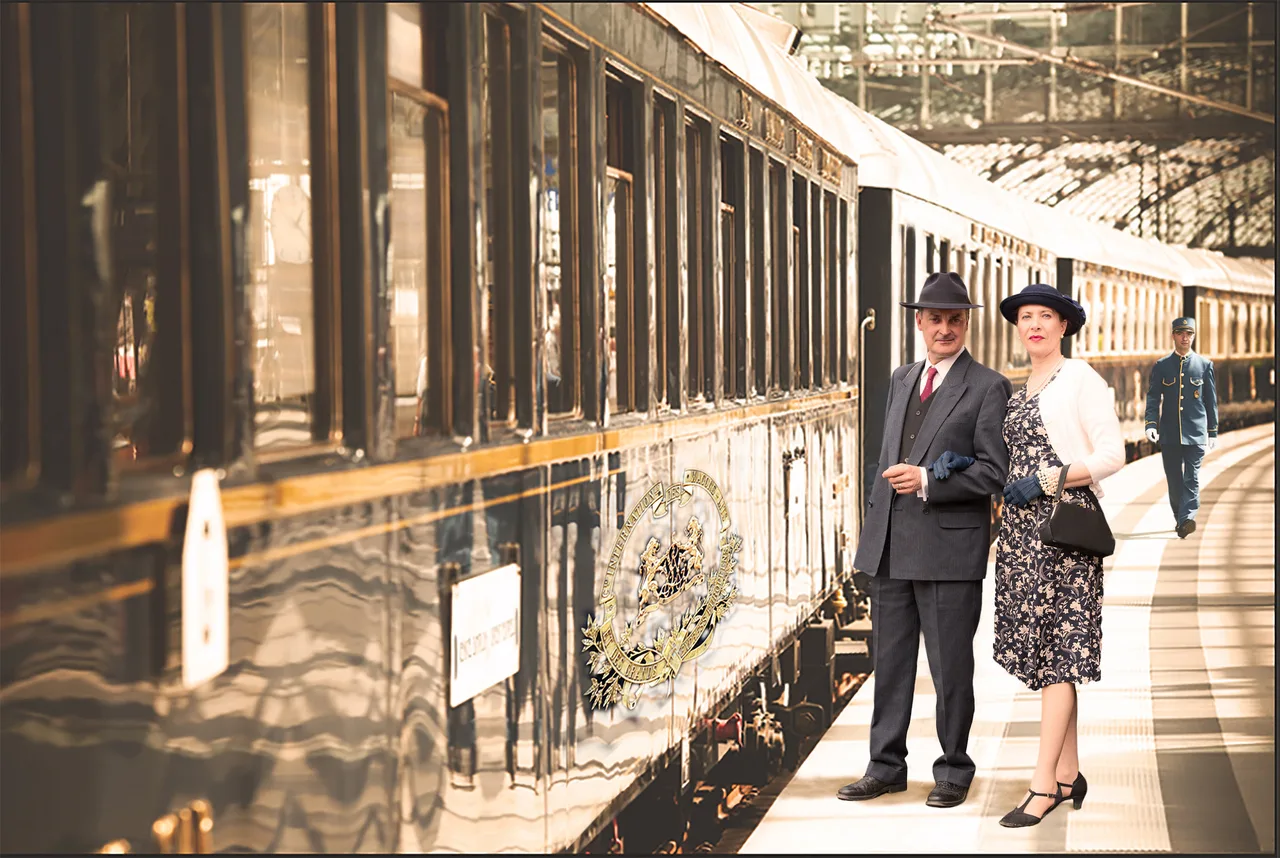
Featured image: Kurayba, CC BY-SA 2.0, via Flickr.
Eastern Europe by Train: The Short Answer
We define the region narrowly here. This guide covers Czechia, Austria, Slovakia, Hungary and Poland, which is what most travelers mean by the term. It leaves out the Balkans, the Baltics, Romania and Ukraine, which need their own planning.
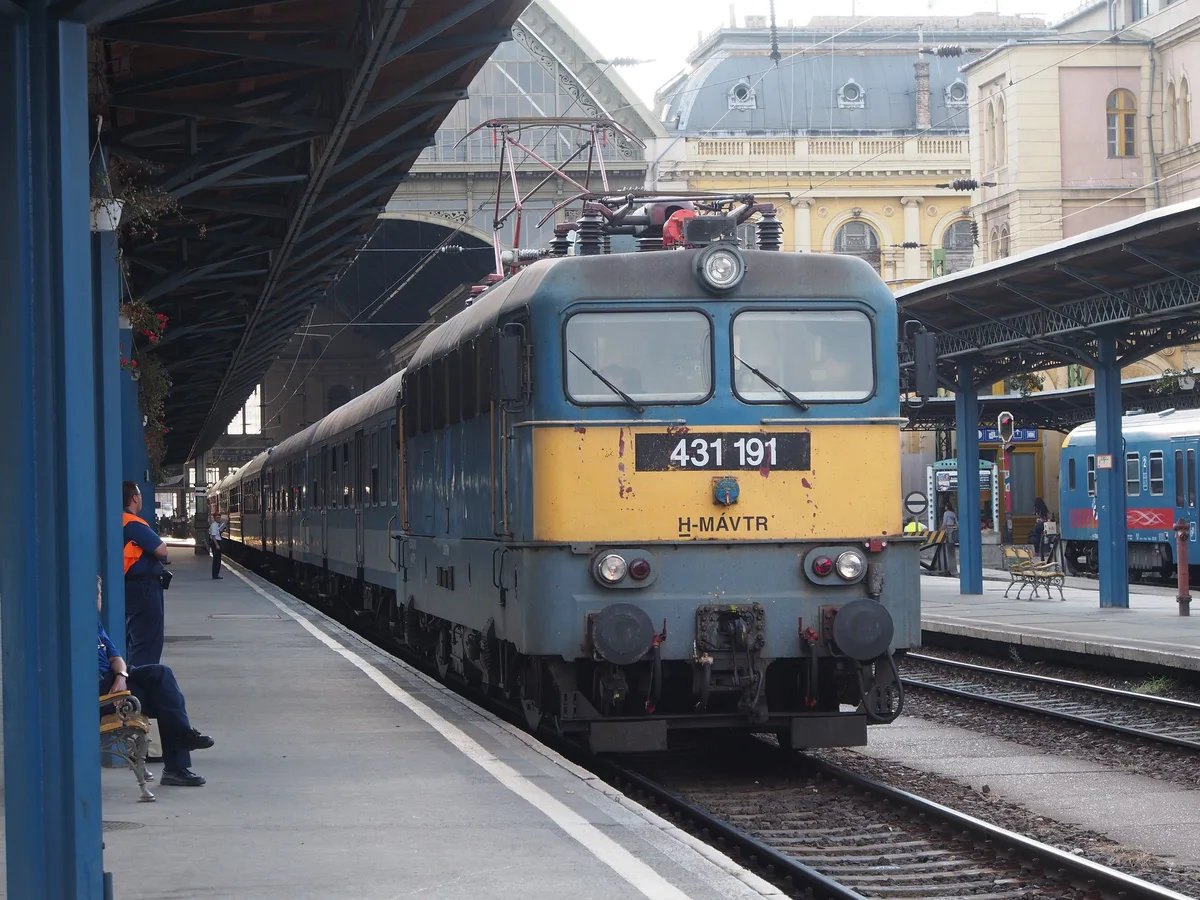
A first-timer can link Prague, Vienna, Bratislava and Budapest by rail. Krakow and Warsaw work as an optional northern extension. Our advice is to buy single tickets for most legs and book the longer ones early. A pass only pays off when you take many long, flexible journeys.
Expect roughly 7.5 hours of total train time on the core loop. Budget a full day for each move anyway, because stations, luggage and check-in eat into the hours you save over flying.
- Best first trip: Prague, Vienna, Bratislava, Budapest, three legs.
- Short on time: Vienna, Bratislava, Budapest, two legs and about 3.5 hours on trains.
- More days: add Krakow and Warsaw after Budapest or Prague.
- Salzburg works as a day trip from Vienna, about 2.5 hours each way.
Which Route Fits You
Pick a route by how many nights you have, not by how many cities you want. Each extra city adds a leg, a station transfer and a morning of packing. Our Europe Train Map: How to Read It and Plan Routes shows how these corridors connect to the wider network.
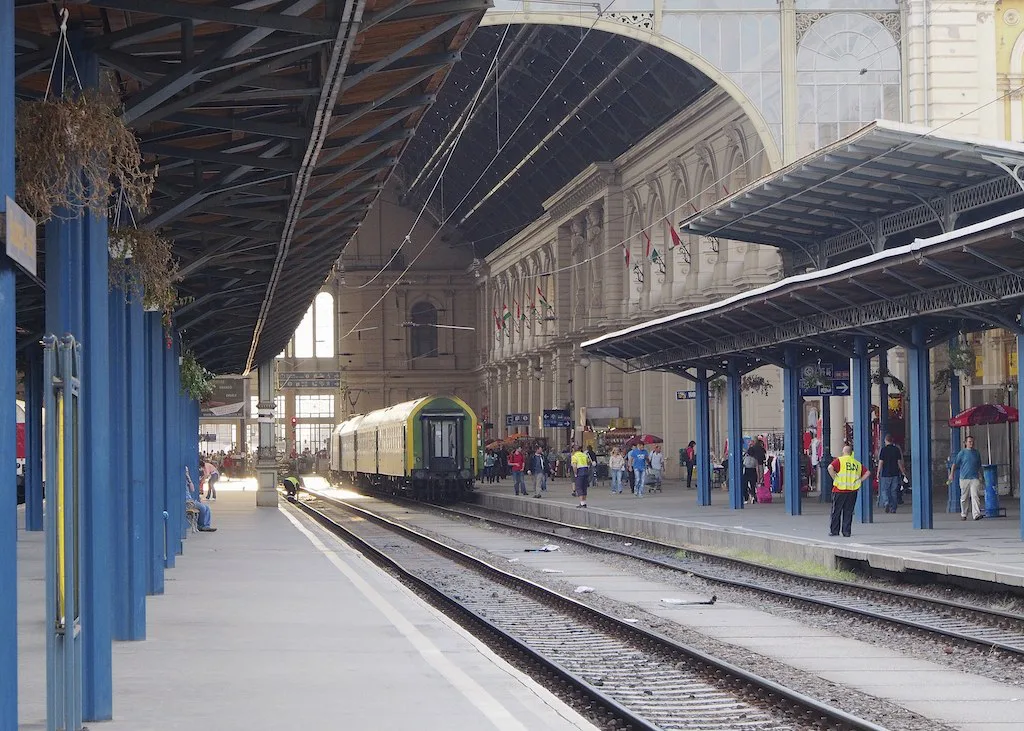
Times below are approximate and come from published operator schedules. Poland legs are left open on purpose, because durations differ by train type and day.
| Route | Best for | Legs | Rough train time | Reservation risk | Pace trade-off |
|---|---|---|---|---|---|
| Prague, Vienna, Bratislava, Budapest | First-timers with 7 to 10 days | 3 | About 7.5 hours (4 + 1 + 2.5) | Low to medium; seats are wise on the longer legs | One move every 2 to 3 nights |
| Vienna, Budapest, Krakow, Warsaw | Travelers with 10 or more days who want Poland | 3 | Vienna to Budapest about 2 h 40 min; check operators for the two Poland legs | Medium; reserve early on the longer legs | Longer travel days, fewer easy day trips |
| Vienna, Bratislava, Budapest | A 5-day trip | 2 | About 3.5 hours (1 + 2.5) | Low | More time per city, fewer transfers |
- Fewer than 5 days: choose two cities, not four.
- First visit to the region: keep the Prague to Budapest core loop.
- Interested in Poland: plan the northern arc as its own trip leg.
Leg-by-Leg Times and What to Check
Most of these legs are served by EuroCity or Railjet trains, with regional services filling the gaps. Our guide to high-speed trains in Europe explains how those fast services differ from stopping trains. Timetables change each December, so check the operator before you buy.
Prague to Vienna takes about 4 hours. Vienna to Bratislava is about 1 hour, and Bratislava to Budapest is about 2.5 hours. Vienna to Budapest runs about 2 hours 40 minutes on a direct service that arrives at Budapest-Keleti.
For the Prague to Krakow and Krakow to Warsaw legs, take durations from the national operators. Those links vary more by train type than the Austrian and Hungarian ones. Vienna to Salzburg, at about 2.5 hours, suits a day trip.
| Leg | Typical time | Usual train | Seat reservation | Check at the station |
|---|---|---|---|---|
| Prague to Vienna | About 4 hours | EuroCity or Railjet | Often wise on longer legs | Platform number on the departure board |
| Vienna to Bratislava | About 1 hour | Regional or EuroCity | Rarely needed | Which Vienna station your train leaves from |
| Bratislava to Budapest | About 2.5 hours | EuroCity or regional | Check the fare rules | Arrival station and onward metro or tram |
| Vienna to Budapest | About 2 h 40 min | Railjet | Often wise | Arrival at Budapest-Keleti |
| Vienna to Salzburg | About 2.5 hours | Railjet or a private operator | Check the fare rules | Which operator your ticket covers |
| Prague to Krakow | Check operators | Varies | Check operators | Connections and any change of station |
| Krakow to Warsaw | Check operators | Varies | Check operators | Train category on your ticket |
- Station to hotel: look up the metro or tram line before you arrive, because signal can drop in station halls.
- Ride-hailing: do not count on it in every city; a taxi rank or public transport is the safer plan.
- Single daily departures: on a leg with one train a day, never schedule a tight connection.
Tickets and Booking
Two routes work. National operators sell directly and often show the most fare types. Aggregators combine cross-border legs in one app and give mobile tickets, for a small fee.
Set a reminder for the 60 to 90 days ahead window on the Prague to Vienna leg, which is about 4 hours and often worth a reserved seat.
For Czech legs, check Czech Railways timetables and fares. For Hungarian trains, use MAV, Hungary's state railway. ÖBB covers Austria, and the Polish and Slovak operators have their own sites. Booking only through one national site can hide cross-border fares.
Our comparison of Trainline vs Omio: Which Is Better for European Train Tickets? sets out how the two big aggregators differ. For step-by-step buying, read our guide to booking European train tickets.
Many operators open sales 60 to 90 days ahead. That window varies by operator, so look up the exact date for your trip. Book earlier for summer travel and for the longest legs.
A seat reservation guarantees a place on busy trains. Some tickets include one, and others add it as a fee. Short hops such as Vienna to Bratislava are the most flexible. On Vienna to Salzburg, compare ÖBB with the private operator WESTbahn before you buy.
Rail Pass or Individual Tickets?
Treat this as arithmetic, not preference. A pass saves money mainly on many long, flexible legs. Short legs, such as Vienna to Bratislava at about 1 hour, rarely justify one. A trip with 4 or 5 train rides usually favors single tickets.
Use the steps below with your real dates. Pass rules and prices are on Eurail's pass pages. Interrail sets out the same details for European residents on its how-it-works page.
- Count your legs and note which are long and which are short.
- Price each leg on the national operator or an aggregator for your dates.
- Price the pass that covers the same dates and countries.
- Add seat reservation fees to the pass total, because a pass does not cover every reservation.
- Compare the two totals, then weigh flexibility against the saving.
Costs and Money
Prices and timetables checked November 2026. Fares depend on date, class, booking lead time and fare type. Short hops like Vienna to Bratislava sit at the cheap end. Prague to Vienna and the Poland legs sit in the middle. First class and last-minute seats sit at the top.
To price a leg, search the national operator and one aggregator for the same departure. Compare the totals after the aggregator's fee. Early booking is usually the biggest saving.
Austria and Slovakia use the euro. Czechia, Hungary and Poland do not, so you will meet three more currencies on the northern arc. Buying online avoids ticket-office cash queues. Carry a card and a little local cash for machines and small stations.
Luggage, Food and Border Rules on an Eastern Europe Rail Trip
Pack light. Cobblestones and platform changes punish large suitcases. Rail operators publish their own luggage rules, so read them for your trains.
Any leg of 2.5 hours or more, such as Prague to Vienna at about 4 hours, is worth stocking snacks for.
Second class is usually comfortable enough on these routes. Our guide to First Class Train Europe: Worth It? Operator Guide explains when the upgrade pays off. Food on board varies by train, so carry snacks for legs of 2.5 hours or more.
Most U.S. citizens can stay in the Schengen area for up to 90 days in any 180. Entry rules vary by nationality, so check your own passport against official government pages. Daytime trains are the easiest choice if you are unsure about a route.
We'd avoid these mistakes:
- Assuming a pass covers every seat reservation.
- Booking only through one national site and missing cross-border fares.
- Packing heavy for cobblestones and platform changes.
- Scheduling a tight connection on a leg with a single daily train.
- Skipping an entry-rules check for your nationality.
Train, Plane or Bus?
For most legs in this guide, rail wins on station location and simplicity. City stations usually sit closer to the center than airports. Check each city before you commit.
Prague to Krakow is the exception worth comparing. Rail avoids airport security and keeps you in the city center. A flight can cut the in-air time, but check-in and airport transfers add to the total. Add door-to-door time for both options before you decide.
Our guide to Train vs Plane in Europe: Which Is Better? covers that math in more detail. Buses can be cheaper on the gap, so price them too. Verify durations and stations with the operators.
Extending the Trip Beyond the Core Loop
Salzburg adds a day trip from Vienna at about 2.5 hours each way. Krakow and Warsaw extend the trip north when you have more than 10 days. Our list of the 8 Best Train Routes in Europe: Scenic, Fast & Overnight has more ideas if you want to branch out.
When a leg goes wrong, keep your ticket and ask station staff about the next departure. Having a backup train in mind before you travel saves a lot of stress.
Frequently Asked Questions
What is the best itinerary for an Eastern European trip?
For a first trip, link Prague, Vienna, Bratislava and Budapest by train. Add Krakow and Warsaw if you have 10 or more days. With 5 days, choose Vienna, Bratislava and Budapest.
What countries in Europe can I travel to by train?
You can reach nearly every country in Europe by rail, though island and far-eastern links are slower. This guide's corridor covers Czechia, Austria, Slovakia, Hungary and Poland. Check the national operator for each border crossing.
Rail notes for your next trip
Optional updates when our rail guides change.
Related guides
More guides
Picked from the same area