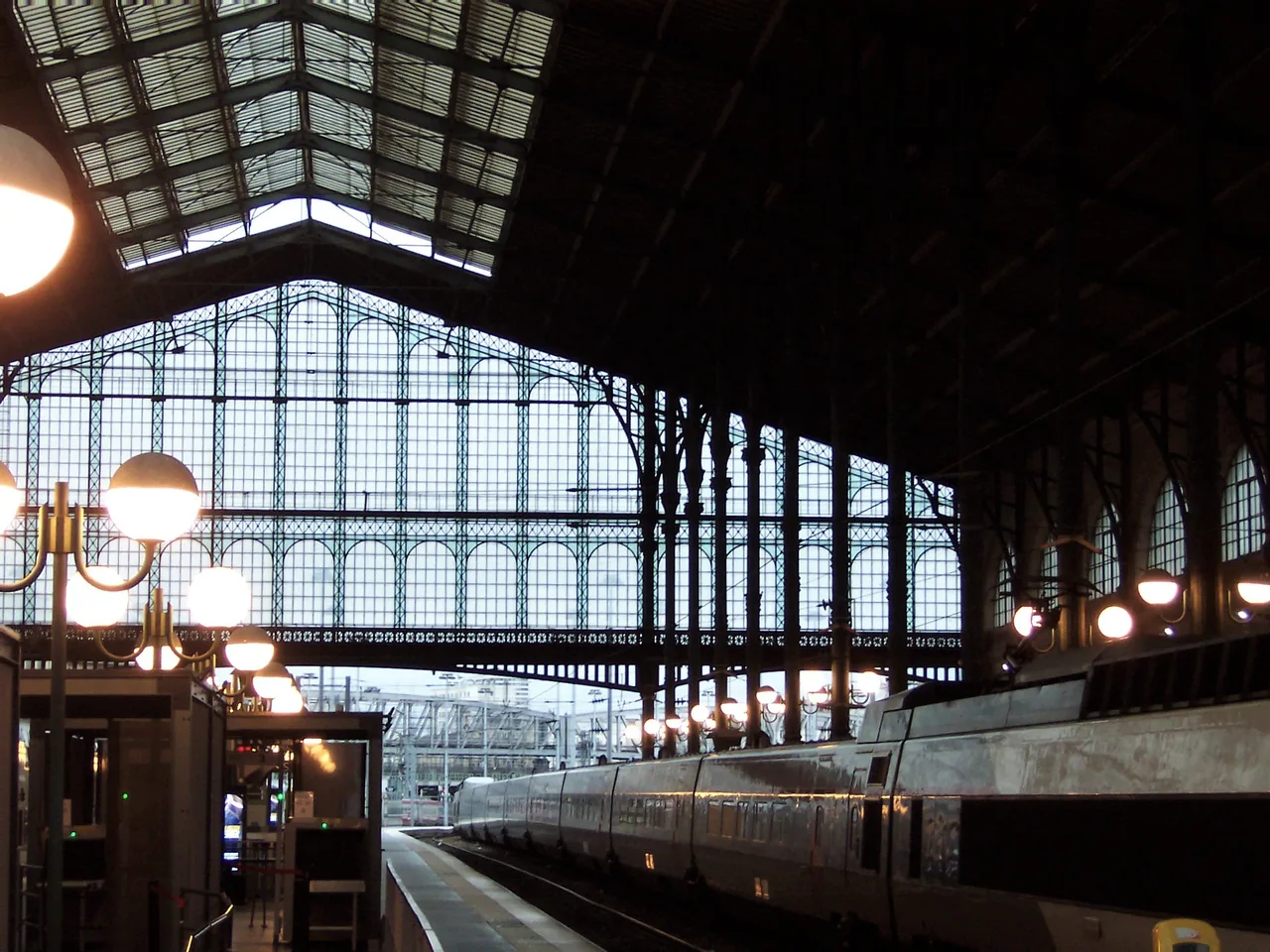
Train vs Plane in Europe: Which Is Better?
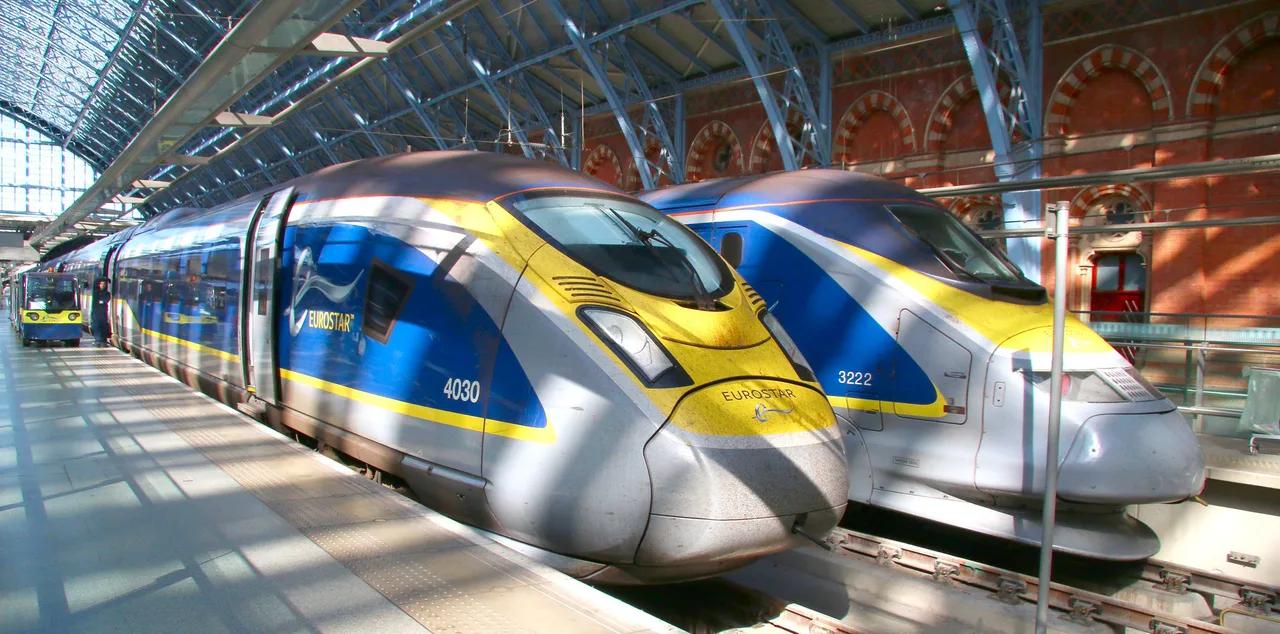
Last updated November 2026: for any train vs plane Europe decision, the train usually wins on routes of about four hours or less city center to city center. It wins on door-to-door time and comfort. Flying usually wins on longer routes and water crossings, and our complete guide to train travel in Europe covers the rail side in depth.
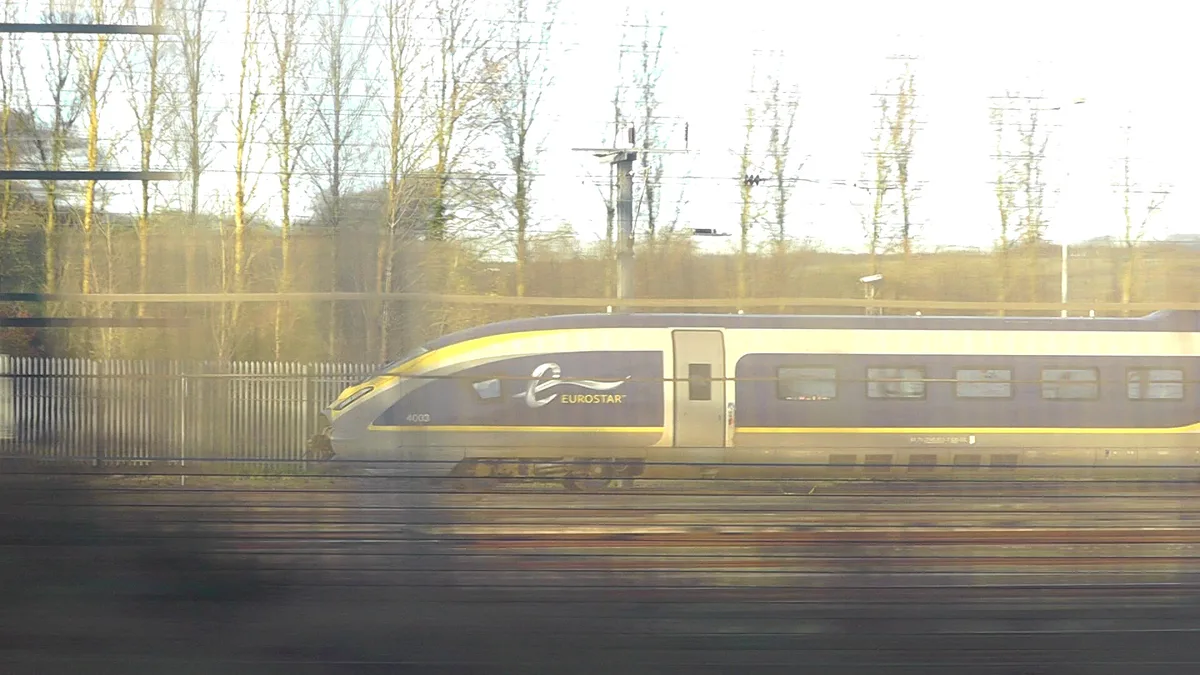
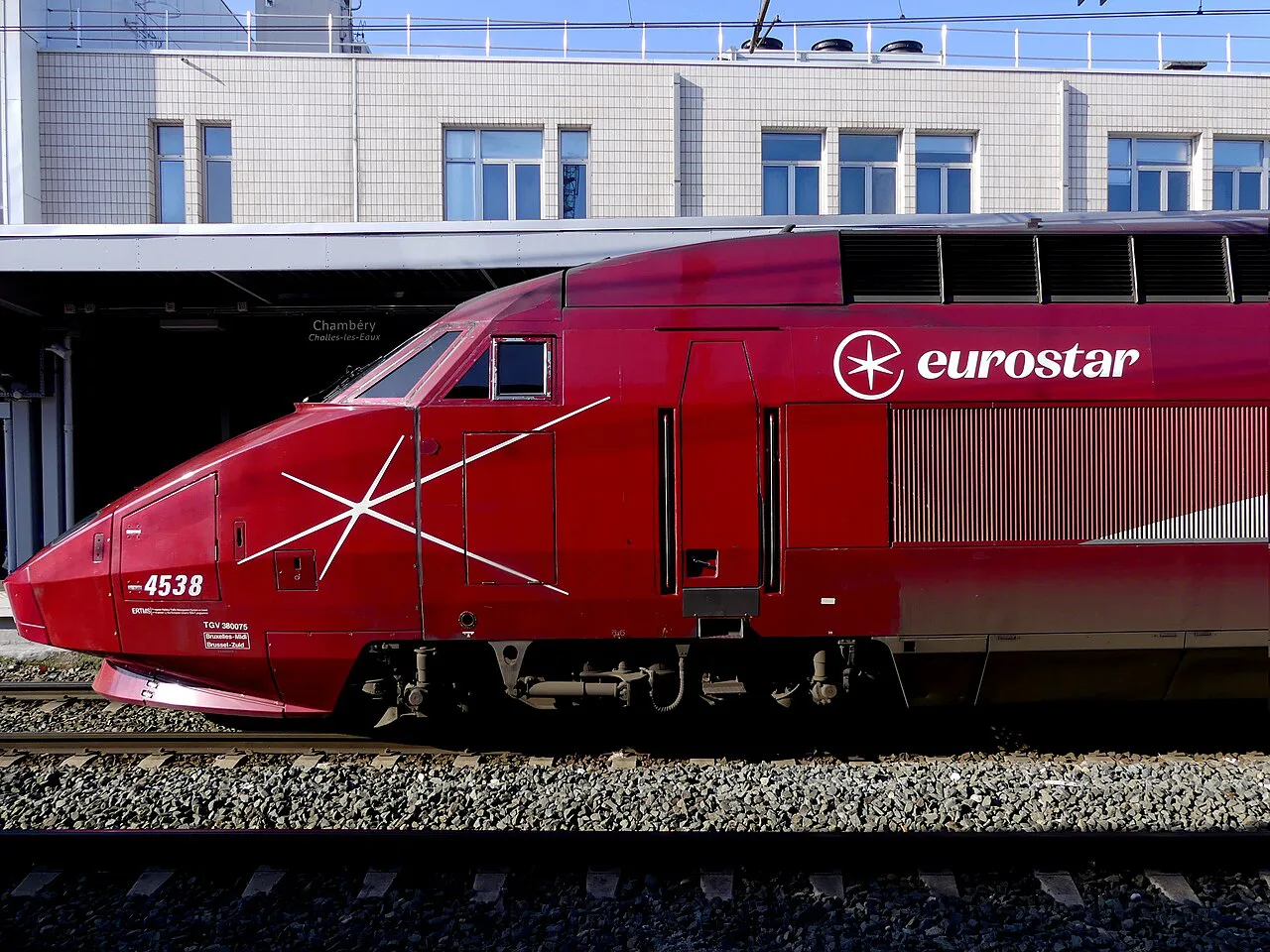
Featured image: kitmasterbloke, CC BY 2.0, via Flickr.
Train vs Plane in Europe: The Quick Verdict by Journey Length
Treat these bands as rules of thumb, not guarantees. Airport transfers, security queues and baggage fees move the result on any single route. Trains tend to hold their own up to about 4 to 5 hours of rail time. Beyond that, a flight often saves a half day. Corridors with fast, frequent service are where rail is strongest, and our high-speed rail overview shows where those corridors run.
| Rail journey time | Usual winner | Why |
|---|---|---|
| Under 3 hours | Train | Central stations and short buffers beat airport transfers and security. |
| 3 to 4 hours | Train, usually | Door-to-door time is typically close or better by rail, with more comfort. |
| 4 to 5 hours | Close call | Fares, luggage and airport location decide it. |
| 5 to 8 hours | Plane, often | Flight time saves hours unless you take a night train. |
| Sea crossing or island | Plane or ferry | Rail cannot cross water on its own; check each route. |
Door-to-Door Time: The Real Comparison
Airborne time is the smallest part of a flight. Count the whole trip from your door to your destination. Use the worksheet below and fill in your own minutes for each step. Rail has fewer steps, and the station buffer is usually short. A map of connections helps you judge transfers, so check the Europe rail map before you decide.
- Flight: city center to the airport, including transit time or a taxi.
- Flight: check-in and security buffer, plus boarding time.
- Flight: time in the air, then walking, baggage claim and passport control.
- Flight: arrival airport to the destination city center.
- Train: city center to the station, plus a short boarding buffer.
- Train: time on board, then the walk or transfer to your hotel.
- Add both columns. The lower total wins on time, and the gap is often smaller than the flight time suggests.
True Cost: What Each Ticket Really Costs
Compare totals, not base fares. A low flight fare can grow once you add bags, seat choice, the airport transfer and meals. Rail fares work the other way round. Advance tickets cost far less than flexible ones, and some trains charge a seat or couchette reservation on top. Our guide on booking train tickets in Europe explains when to buy. Prices and fares checked November 2026 vary by route and season, so use the figures below only as a worksheet.
Check the €25–€60 checked-bag fee against the train side, since many services carry bags without a per-bag charge, which can flip a close call.
- Worked example for the worksheet, not a quote: a flight at €20–€80 plus €25–€60 for a checked bag.
- Same example: €10–€40 for the airport transfer each way, since low-cost carriers often use secondary airports.
- Rail example, also not a quote: an advance ticket at €30–€90 or a flexible fare at €90–€180.
- Add reservation fees, meals and any pass cost to both columns before you compare.
Rail Passes vs Point-to-Point Tickets
A pass pays off when you take several long rail trips in a short window. Point-to-point advance fares are often cheaper for one or two trips. Read the rules on the Eurail pass site before buying. Interrail is the pass for European residents, and the Interrail site explains how it works. Booking apps compare fares across operators, and our Trainline vs Omio comparison shows how two of them differ.
Route-by-Route Comparison
Match your trip to one of these route types. Each row names the pattern, not a fixed fare or time, so check current schedules for your exact corridor. Our 8 Best Train Routes in Europe: Scenic, Fast & Overnight lists specific corridors worth riding.
| Route type | Train | Plane | Usual pick |
|---|---|---|---|
| Two large cities on a high-speed line | City center to city center, frequent departures | Airport transfers on both ends | Train |
| Two cities 4 to 5 hours apart by rail | Comfortable, with time to work | Faster in the air, but extra steps | Close call |
| Cities separated by sea | No direct rail link | Short flight or ferry | Plane or ferry |
| Eastern Europe corridor with slower service | Longer and less frequent | Often quicker overall | Plane, often |
| Very long overland trip | Many hours or a night on board | Hours saved in the air | Plane, or night train for a hotel saving |
- For very long overland trips, see our Longest Train Journey in Europe: Routes and Trade-offs.
- Rail coverage is thinner in parts of the east, so check our Eastern Europe by Train: Routes, Tickets & Pass Tips guide before assuming rail is faster.
- Night trains replace a flight and a hotel night on some routes. See Nightjet routes or European Sleeper routes.
Reliability, Strikes and Passenger Rights
Both modes suffer strikes, weather and delays. Flights face air traffic control limits and storms. Trains face track works and rail strikes. EU passenger-rights rules cover cancellations and long delays for both rail and air. Read the European Commission's pages for current rights and any compensation amounts. Frequency also matters. A line with a train every hour gives you a fallback that a once-daily flight does not.
Around 4 to 5 hours of rail time is a close call, and hourly departures on that corridor give you a backup a once-daily flight can't.
Luggage, Comfort and Accessibility
Trains let you carry more bags without a per-bag fee on many services, though space on board is limited. Airlines charge by size and weight. Step-free boarding and assistance services exist for both modes, so request help in advance. Seats on trains offer more legroom and room to work. For extra space, see our first class train travel guide.

Environmental Impact
Rail is generally lower in emissions than flying on comparable routes. For exact numbers, use the European Environment Agency or European Commission mobility pages rather than a blog figure. Night trains and direct routes reduce the footprint of a long trip further.
Who Should Choose Which
Match the mode to your trip, not to a general preference.
- First-timers: take the train on short high-speed hops and fly only when the rail time passes about 5 hours.
- Budget travelers: compare total cost, including bags and transfers, and book advance rail fares early.
- Families: trains give space to move and no baggage-weight limits on many services.
- Remote workers: a train seat with a table gives usable hours; check Wi-Fi with each operator.
- Multi-city trips: use rail between close cities and add one flight for the long leg.
Mistakes to Avoid
These errors cause most bad train-or-plane choices.
- Counting only flight time and ignoring transfers and security.
- Forgetting the airport-to-city cost and time at the far end.
- Ignoring bag fees on low-cost flights.
- Booking high-speed rail at the last minute, when advance fares sell out.
- Assuming a rail pass is always cheaper than point-to-point tickets.
Frequently Asked Questions
Are trains cheaper than flying in Europe?
Sometimes. Budget flights can undercut advance rail fares, but bags, seat fees and airport transfers change the total. Add every extra for both options before you compare.
Is it worth getting first class on a train?
It pays off on long trips where you want space, quiet and a table to work. On short hops, standard class is usually enough. Our guide to first class train travel covers what you get.
Rail notes for your next trip
Optional updates when our rail guides change.
Related guides
More guides
Picked from the same area