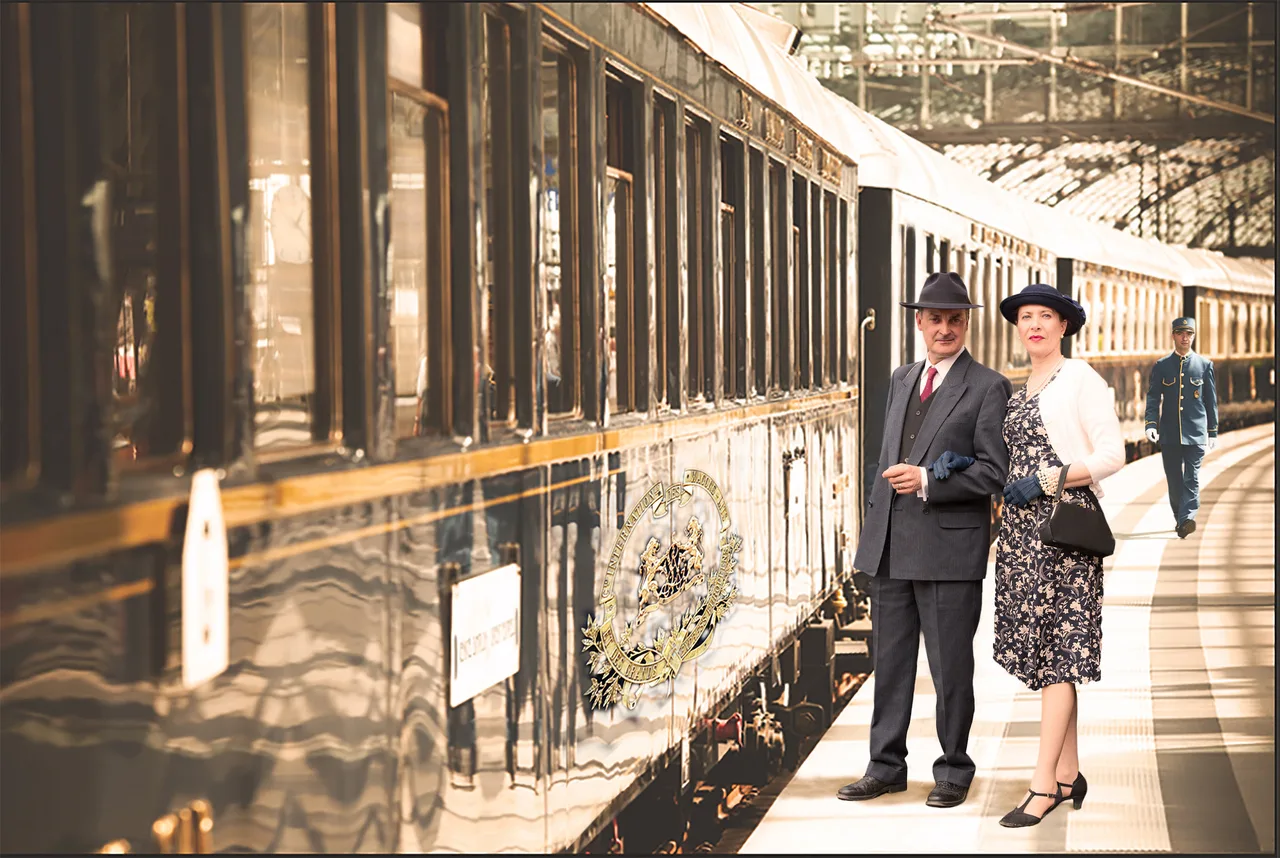
First Class Train Europe: Worth It? Operator Guide
Last updated November 2026: a first class train Europe ticket is worth paying for on some operators and routes, and a waste on others. What you get varies by train, not by the label. Use this guide to compare operators, run the pass math and decide before you book, then read the wider European rail planning guide for the rest of the trip.
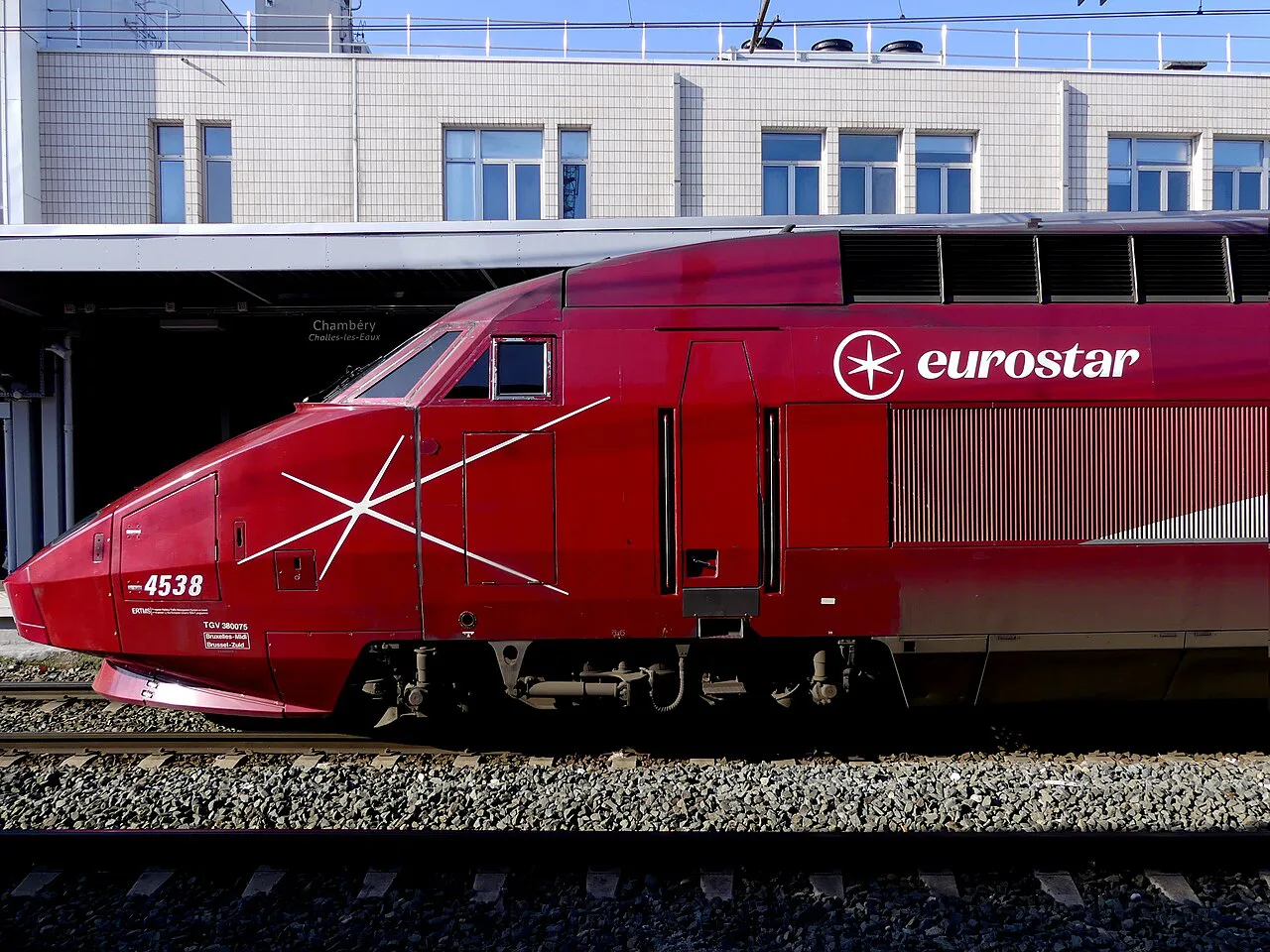
Featured image: TeaMeister, CC BY 2.0, via Flickr.
Is first class worth it on European trains?
Often yes on a long day train, and often no on a short hop. Pay the extra when the journey is long, you need a quiet place to work, you carry heavy luggage, or the fare gap is small. Skip it on short hops, on regional trains with no real first-class product, and when the fare gap is large for the same seat. A Paris to London ride can take under 2.5 hours on the fastest services, so there is little time to use any extras. A simple rule of thumb helps: compare the fare gap with the hours you will actually sit there. If the gap is small and the hours are many, upgrade. If the gap is large and the ride is short, stay in second.
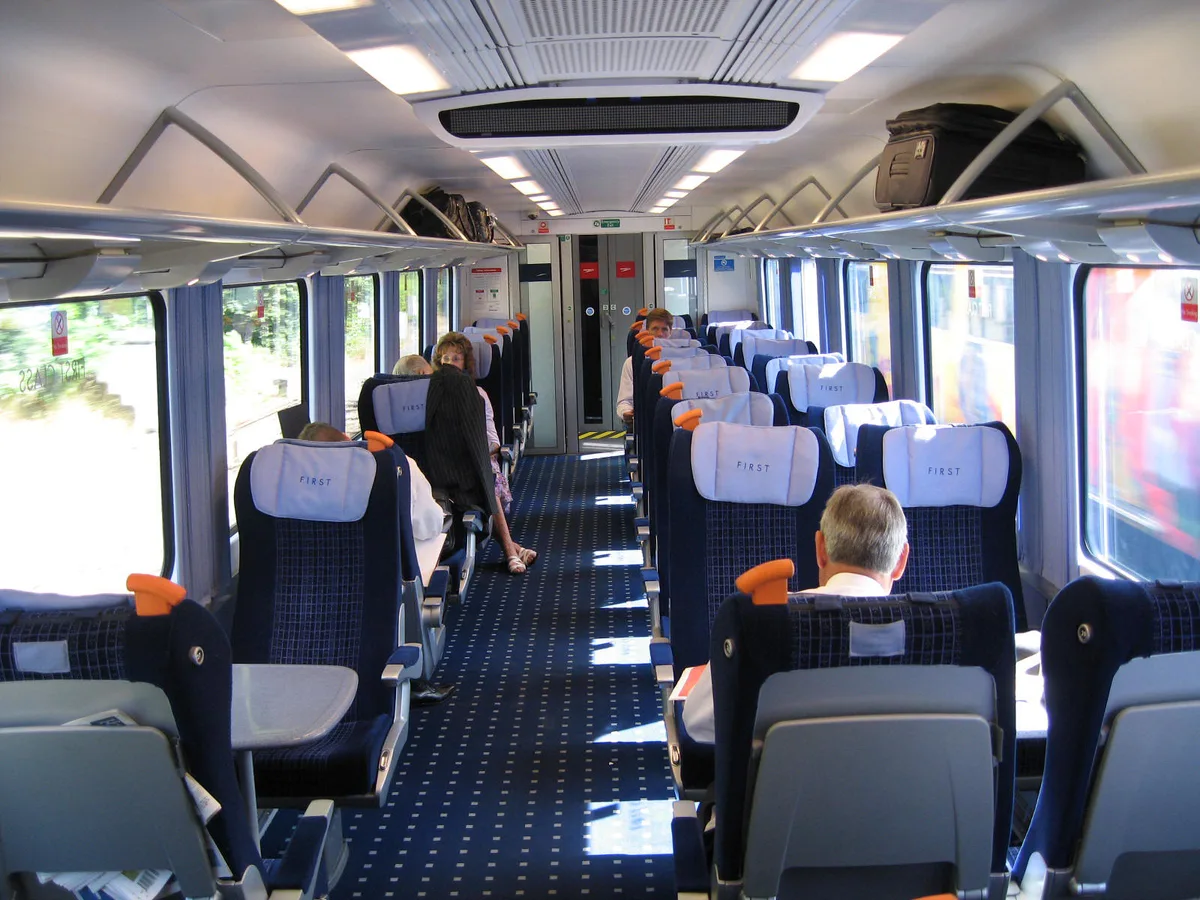
What first class actually gets you
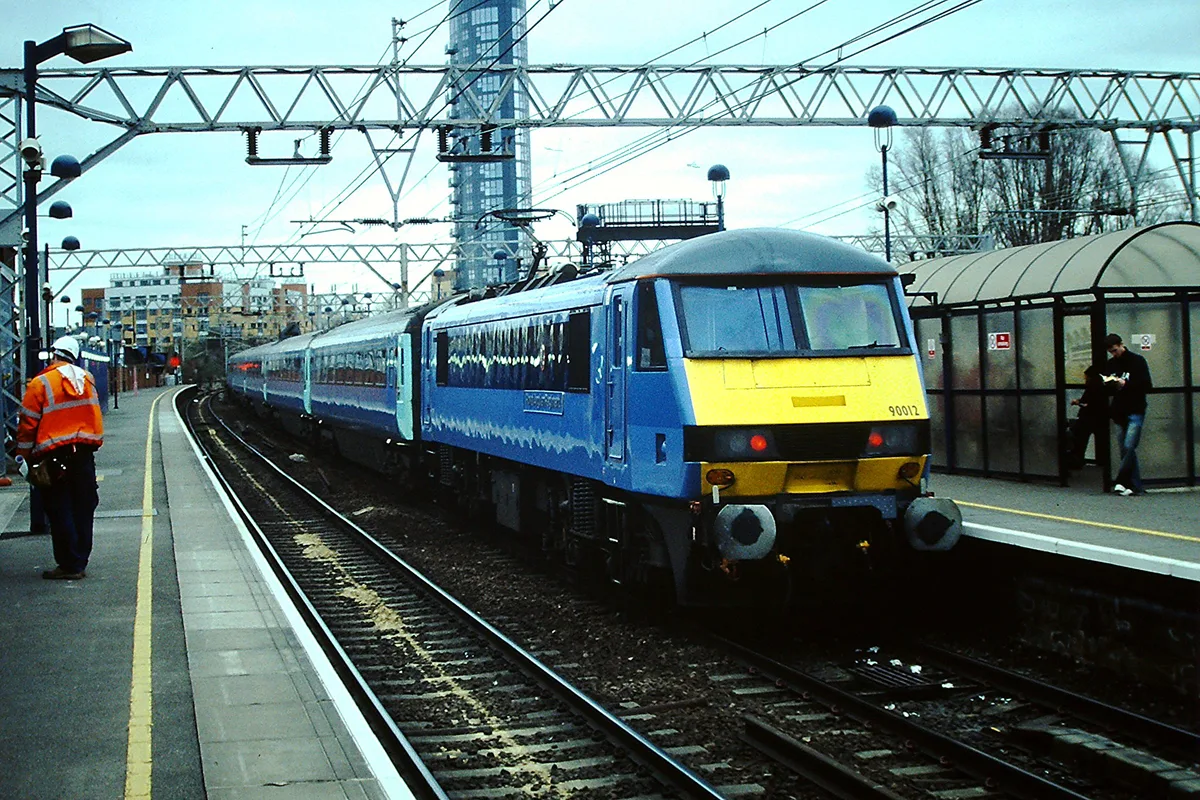
Carriages are marked first or second class on the exterior, and you should not sit in first without a first-class ticket. Beyond that, the product depends on the train. Treat every perk as belonging to a named operator and train type, never to the label itself.
- Seat: more room, a different seat layout or a quieter carriage on some trains.
- Reservation: on some services a first-class ticket includes a seat, and on others you still reserve separately.
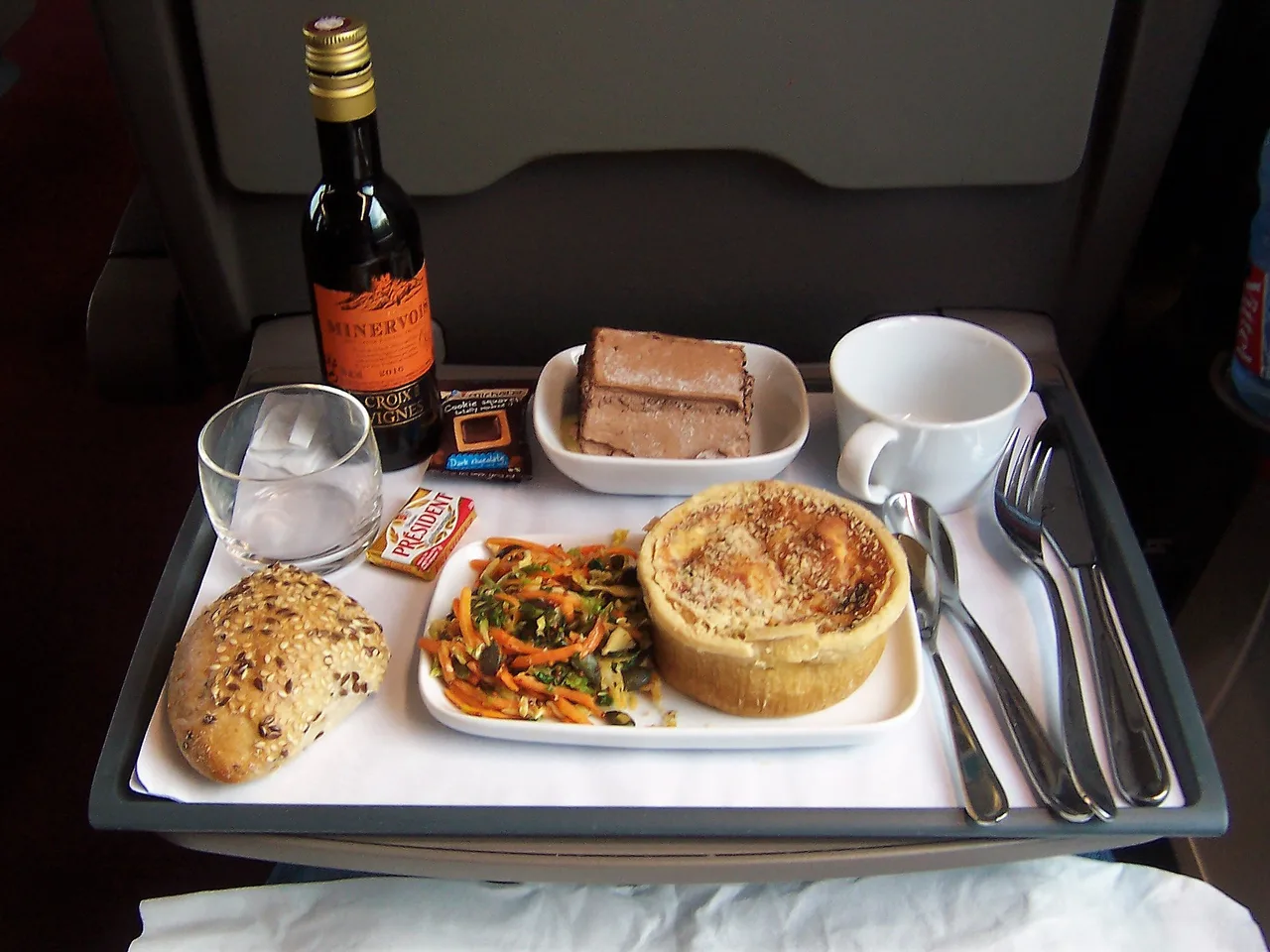
- Onboard extras: meals, lounge access, power sockets and Wi-Fi vary by operator and train, so check the specific service.
- Premium tiers: Eurostar sells premium products that differ from plain first class, so compare them separately.
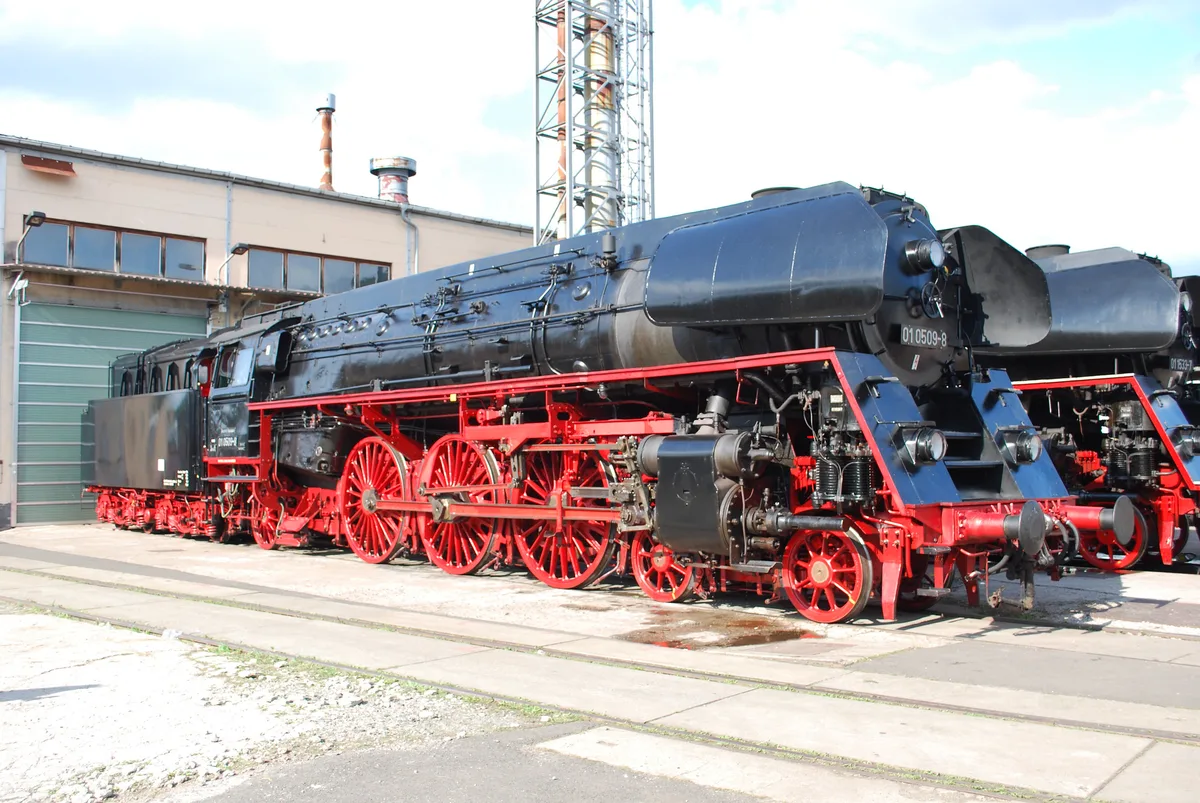
First class train Europe comparison by operator
Use this table as a starting point for the main high-speed trains and a few other services. Details were last checked November 2026. Any cell marked "check operator" is a gap you should close on the official site before booking.
| Train or operator | What first class adds | Reservation rule | Pass covers it? | Best fit |
|---|---|---|---|---|
| Eurostar | Plain first class and separate premium tiers; check operator for differences | Seat reserved on booking; check operator | Check operator | Short, document-heavy city-centre trips |
| TGV (SNCF) | Check operator | Check operator | Check operator | Travelers who want a quiet seat on a long run |
| ICE (Deutsche Bahn) | Check operator | Optional on many services | Check operator | Flexible travelers who still want space |
| Frecciarossa and Italo | Check operator | Check operator | Check operator | Business travelers and remote workers |
| AVE (Spain) | Check operator | Check operator | Check operator | Long Madrid-based runs |
| Swiss scenic trains | Seat class and panoramic windows matter; check operator | Reservation rules vary by train and season | Check operator | One planned scenic day |
| Nightjet | Not the same as first class; tiers are seat, couchette and sleeper | Berth reserved separately from a pass | Check operator | Solo travelers on overnight routes |
| Regional trains with a first-class carriage | Often little extra; check operator | Usually none | Check operator | Rarely worth the upgrade |
When first class is worth it, and when second class is enough
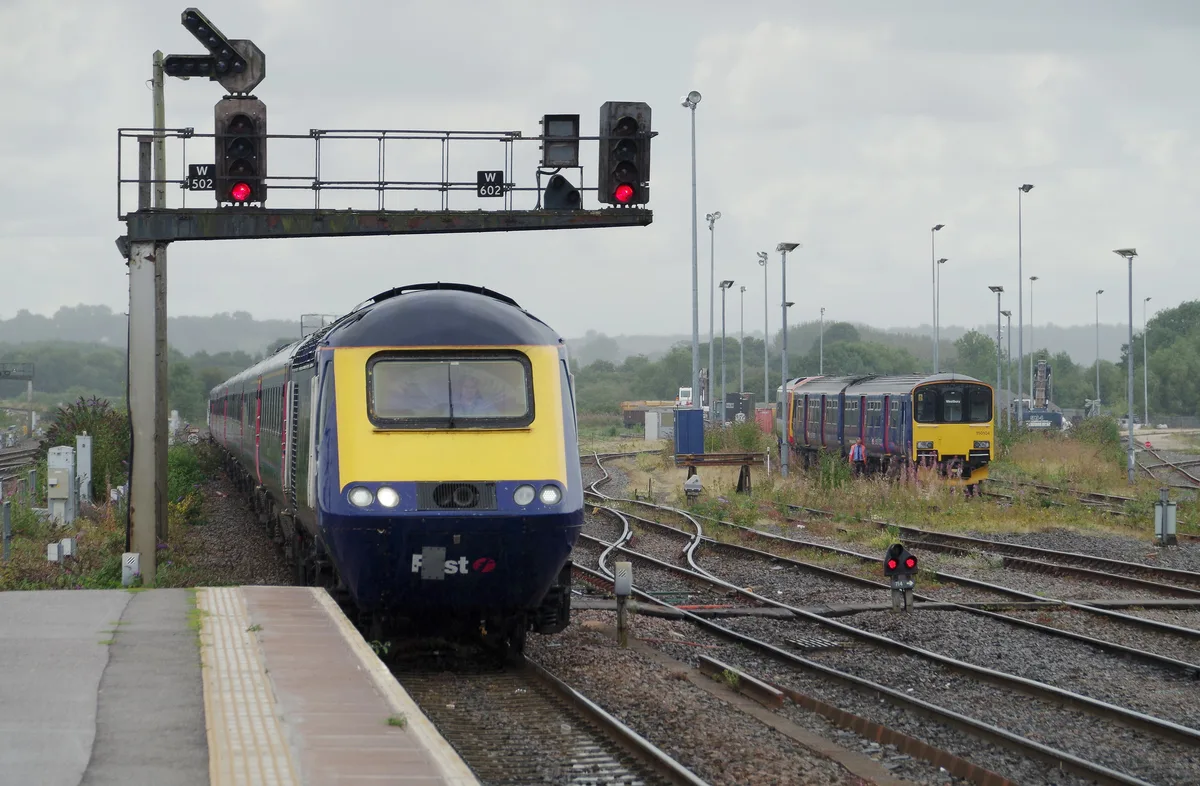
Start with the length of the journey and what you need to do during it. The best-fit traveler differs by trip type.
- First-timers on a short high-speed trip: second class is usually enough.
- Remote workers: first class can pay off for a quieter space on a long day train.
- Families and travelers with heavy luggage: extra room helps, but check what that specific train offers.
- Couples marking a special trip: upgrade on the one long or scenic day.
- Solo travelers on night trains: spend on the berth tier, not on a first-class label.
- Budget travelers: second class is usually the better value.
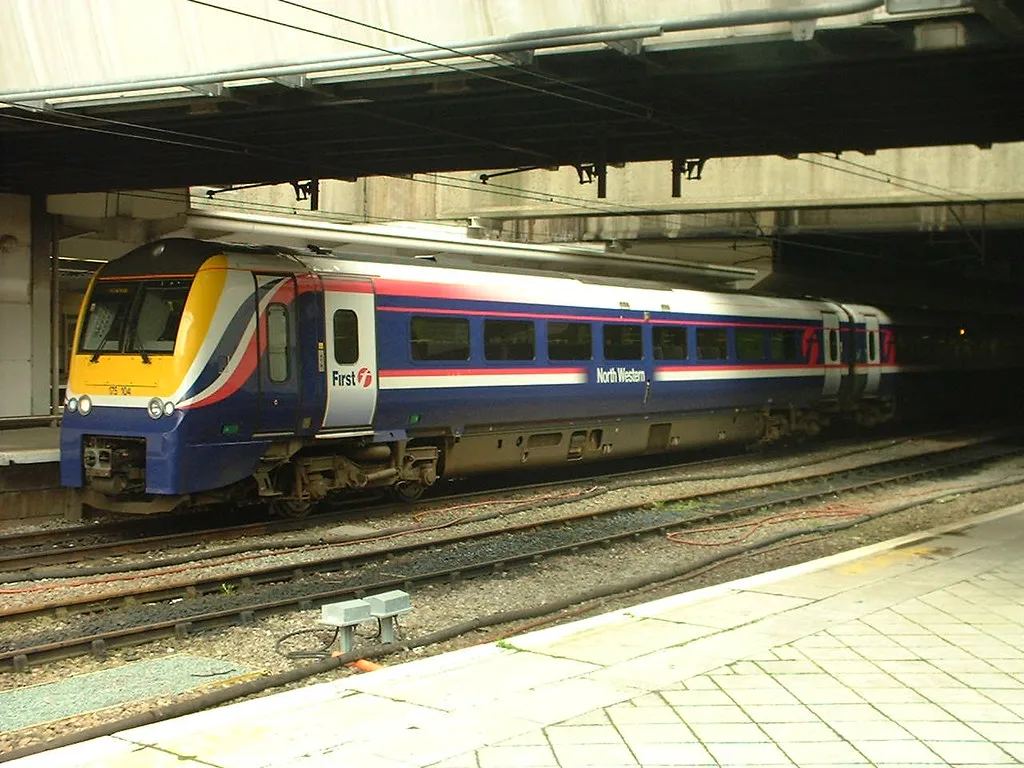
First class on a rail pass: do the math
Pass price plus required reservations plus any sleeper cost should beat your point-to-point total, or the pass loses. First-class passes cost more than second-class passes, and reservations are charged separately. A pass does not guarantee a seat. Eurail covers 33 countries, and Interrail rules apply to European residents. Pass rules differ by country. Reservations are often unnecessary on ordinary services in Belgium, the Netherlands and Switzerland. Price your real list of trains in both classes before you buy, since a fixed itinerary booked early can cost less as point-to-point tickets.
Scenic and overnight trains: classes and reservations
On scenic trains, seat class, panoramic windows and reservation rules all matter. The Glacier Express runs from Zermatt to St. Moritz in about eight hours. The Bernina route links Switzerland with Tirano in Italy. Check season, timetable and reservation rules before you build hotels around either one, and pick one scenic day and give it room. Our 8 Best Train Routes in Europe: Scenic, Fast & Overnight covers more options. Overnight trains use a different ladder from first class. Nightjet sells seats, couchettes and sleepers, with Mini Cabins on newer equipment but not on every route. A pass may cover the basic journey while the berth stays a separate reservation. For the longest runs, see long train journeys in Europe.
How to book first class train tickets in Europe
Search broadly on an aggregator to understand the route, then compare the fare and conditions with the national operator. Our Trainline and Omio comparison covers that trade-off. Save every ticket in the operator's app and as an offline PDF. Buy a through-ticket for a multi-leg trip, because two unrelated tickets may not protect a missed connection. For step-by-step buying, see how to book European train tickets. Class availability differs on regional routes, so read Eastern Europe by Train: Routes, Tickets & Pass Tips before assuming a first-class carriage exists. A Europe train map helps you see which operator runs each leg.
Mistakes to avoid
Most first-class regrets come from a short list of avoidable errors. Weigh them before paying. Flying is another option on some corridors, and train versus plane in Europe compares them.
- Sitting in first with a second-class ticket.
- Assuming a pass guarantees a seat.
- Paying for first class on a short regional hop.
- Buying through an aggregator without checking the national operator.
- Skipping the reservation rules, which are optional on many ICE services.
- Booking a tight connection on separate tickets.
Luxury trains are a different product
Orient Express-style trains, El Transcantabrico and the Golden Eagle Danube Express are not ticket upgrades. They are tours with their own pricing and operators. Book them through the operator's official site, not as a first-class seat.
If a train is delayed
First-class tickets carry the same EU passenger-rights rules as second class. Compensation is based on the ticket price and the delay. The minimum is generally 25% of the fare for a 60 to 119 minute delay and 50% for 120 minutes or more, with exceptions. Keep your ticket, screenshots and receipts, and use the operator's claim process.
Frequently Asked Questions
What is the difference between First Class and second class on trains in Europe?
First class usually offers more space or a quieter carriage, but the extras depend on the operator and train. Carriages are marked on the exterior, and you need a first-class ticket to sit in first.
Is there a train that goes all over Europe?
No single train does. A Eurail pass covers networks in 33 countries, but many trains still need separate reservations.
Rail notes for your next trip
Optional updates when our rail guides change.
Related guides
More guides
Picked from the same area