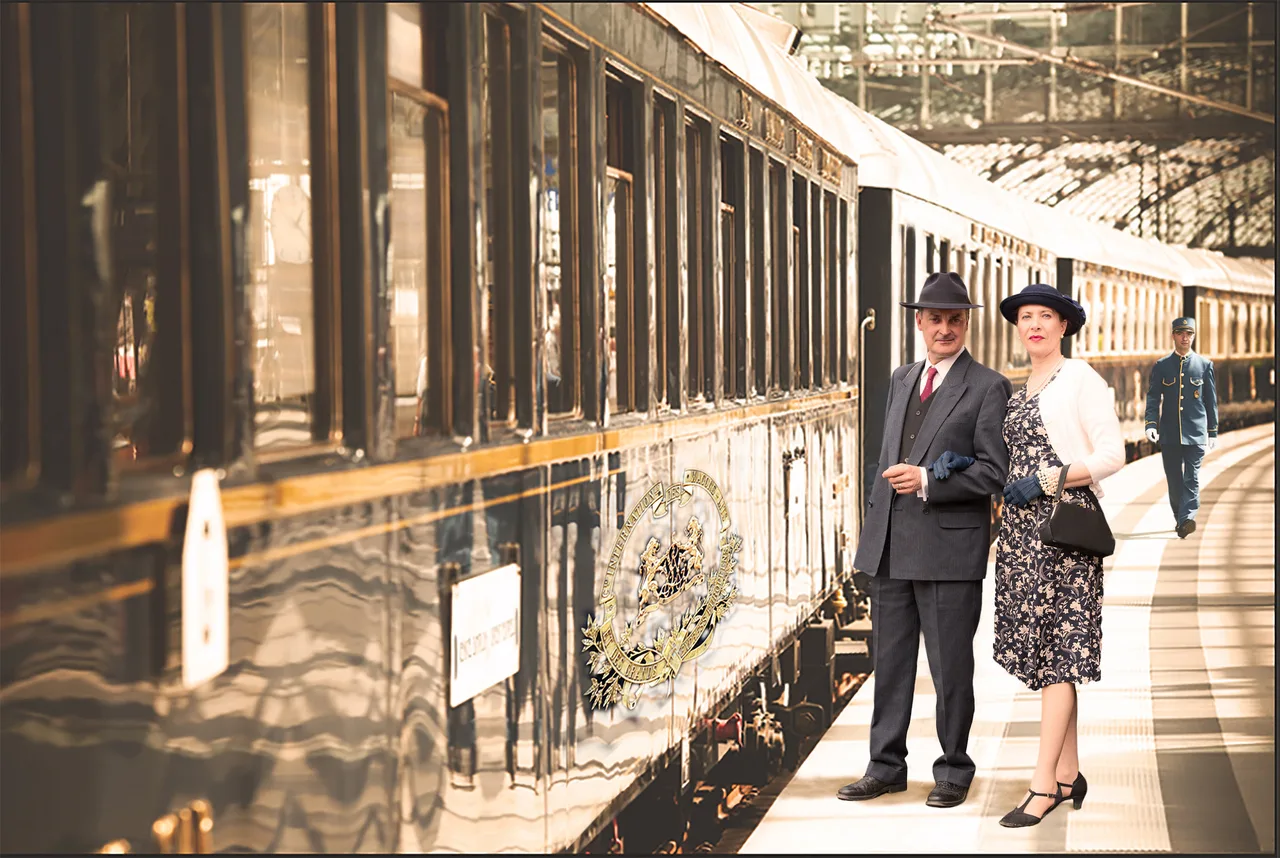
7 Decisions for Train Travel in Europe: Passes, Tickets & Planning
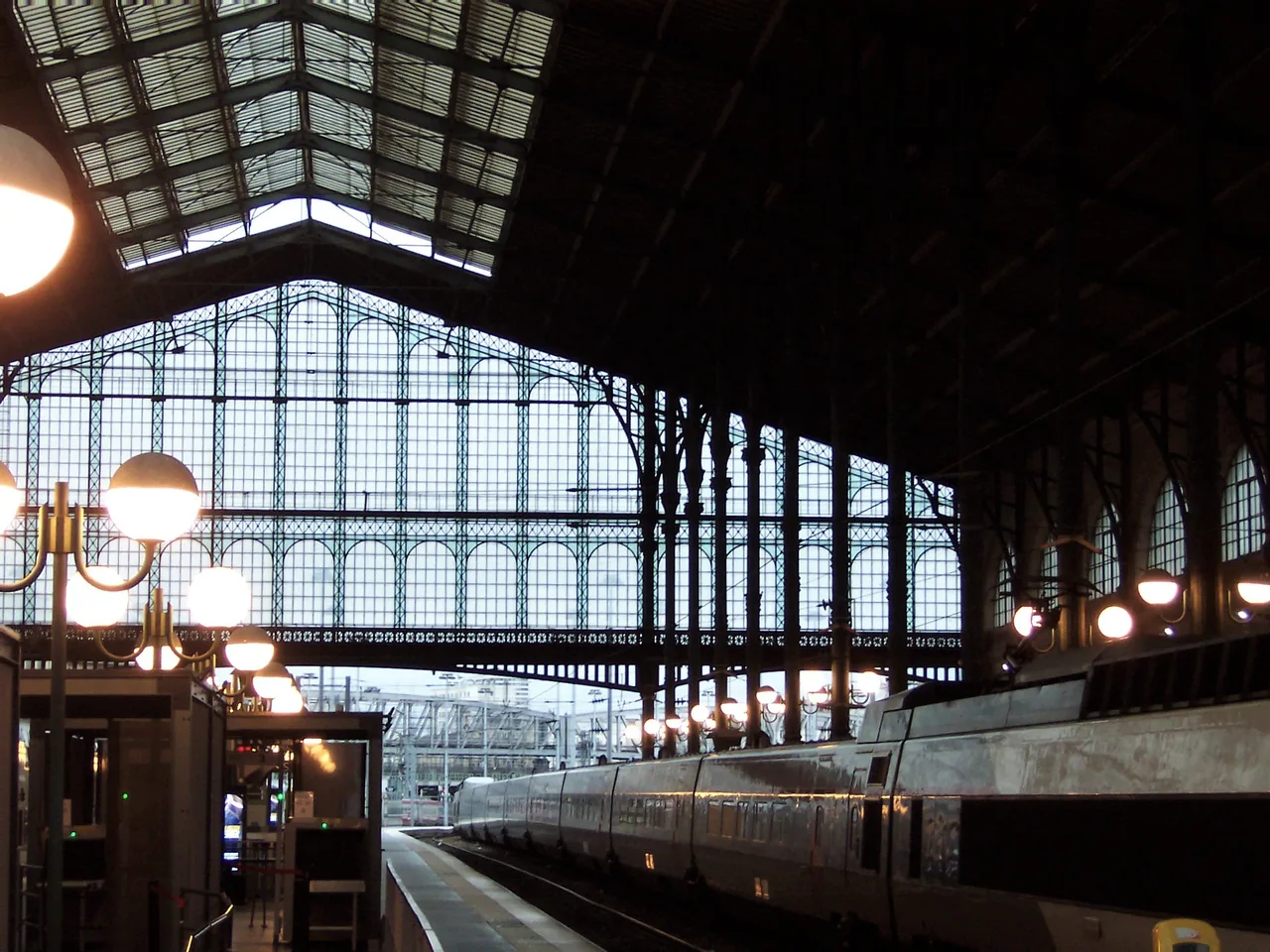
Last updated November 2026: train travel in Europe works best for city-centre to city-centre trips of a few hours. Three decisions drive cost and stress: pass or tickets, when to book, and which reservations are compulsory. Below, each choice gets a short answer and a link to the guide that goes deeper.
If you already know the country, go straight to its rail guide, such as trains in Italy or Germany by train.
Featured image: TeaMeister, CC BY 2.0, via Flickr.
Who runs the trains across Europe
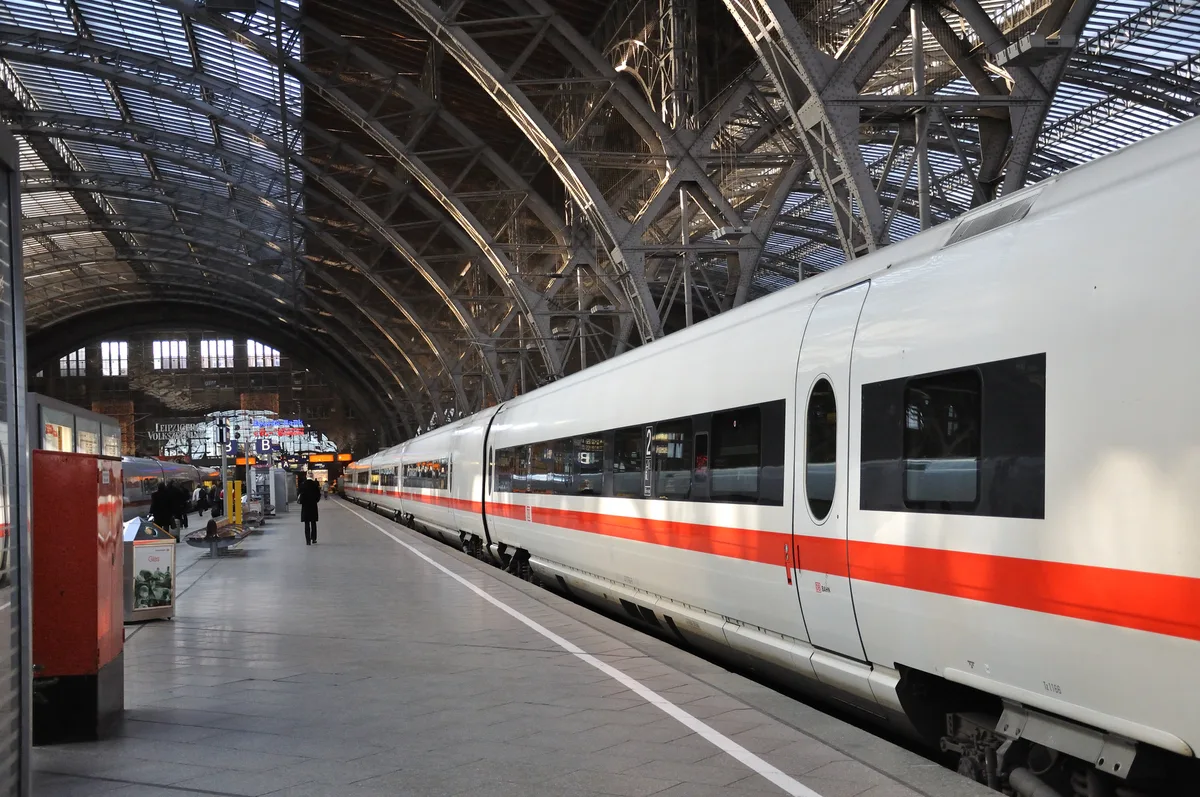
Rail across the continent is a patchwork of national operators rather than one system. Each country sets its own fares, booking windows and reservation rules. International and high-speed services sit on top, with night trains and regional lines filling the gaps. Use this table to see which operator to search first.
| Country | Operator | Role |
|---|---|---|
| France | SNCF | National operator |
| Germany | DB | National operator |
| Italy | Trenitalia | National operator |
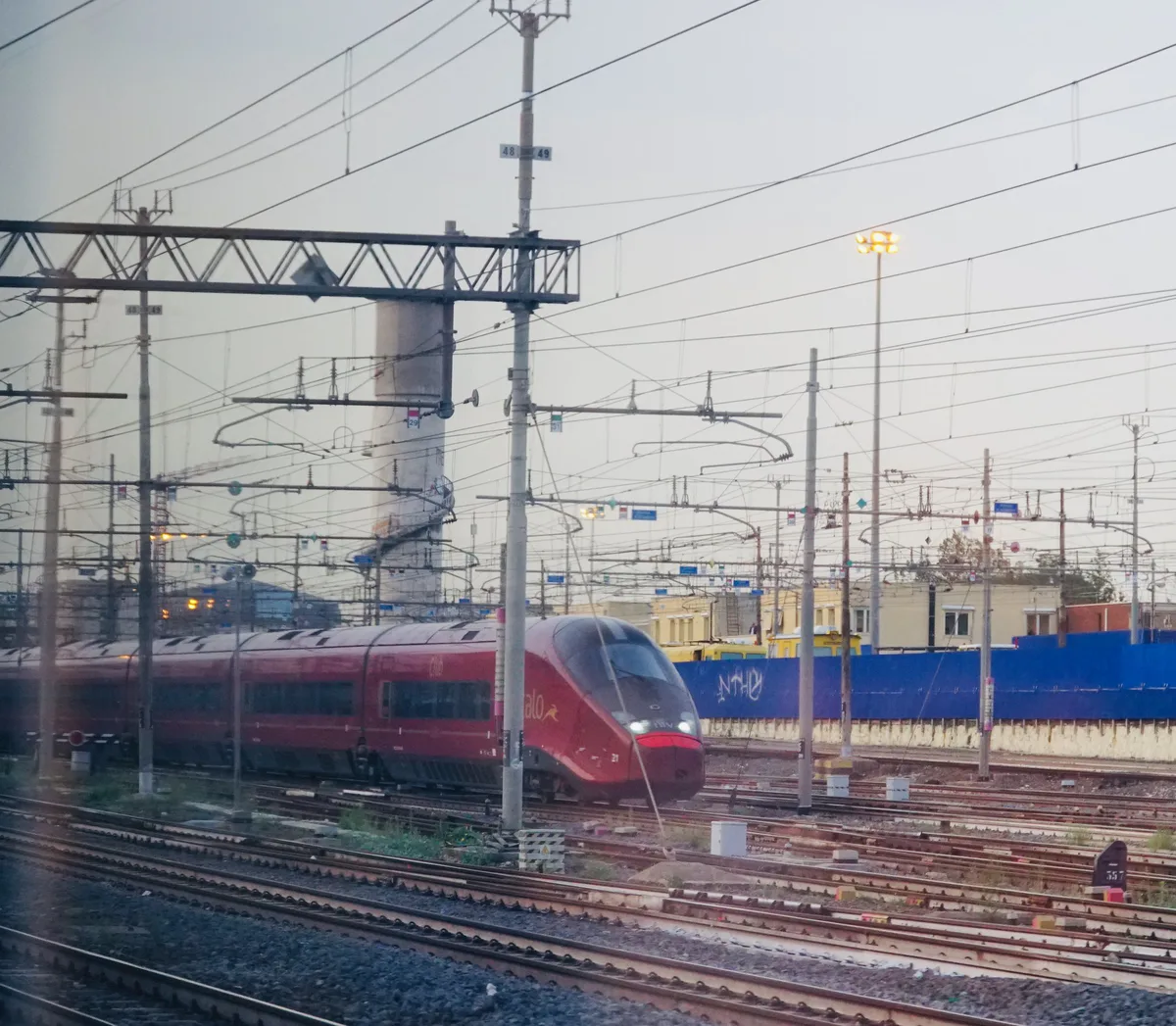
| Italy | Italo | Competing high-speed operator |
| Spain | Renfe | National operator |
| Switzerland | SBB | National operator |
| Austria | ÖBB | National operator that runs Nightjet night trains |
| Netherlands | NS | National operator |
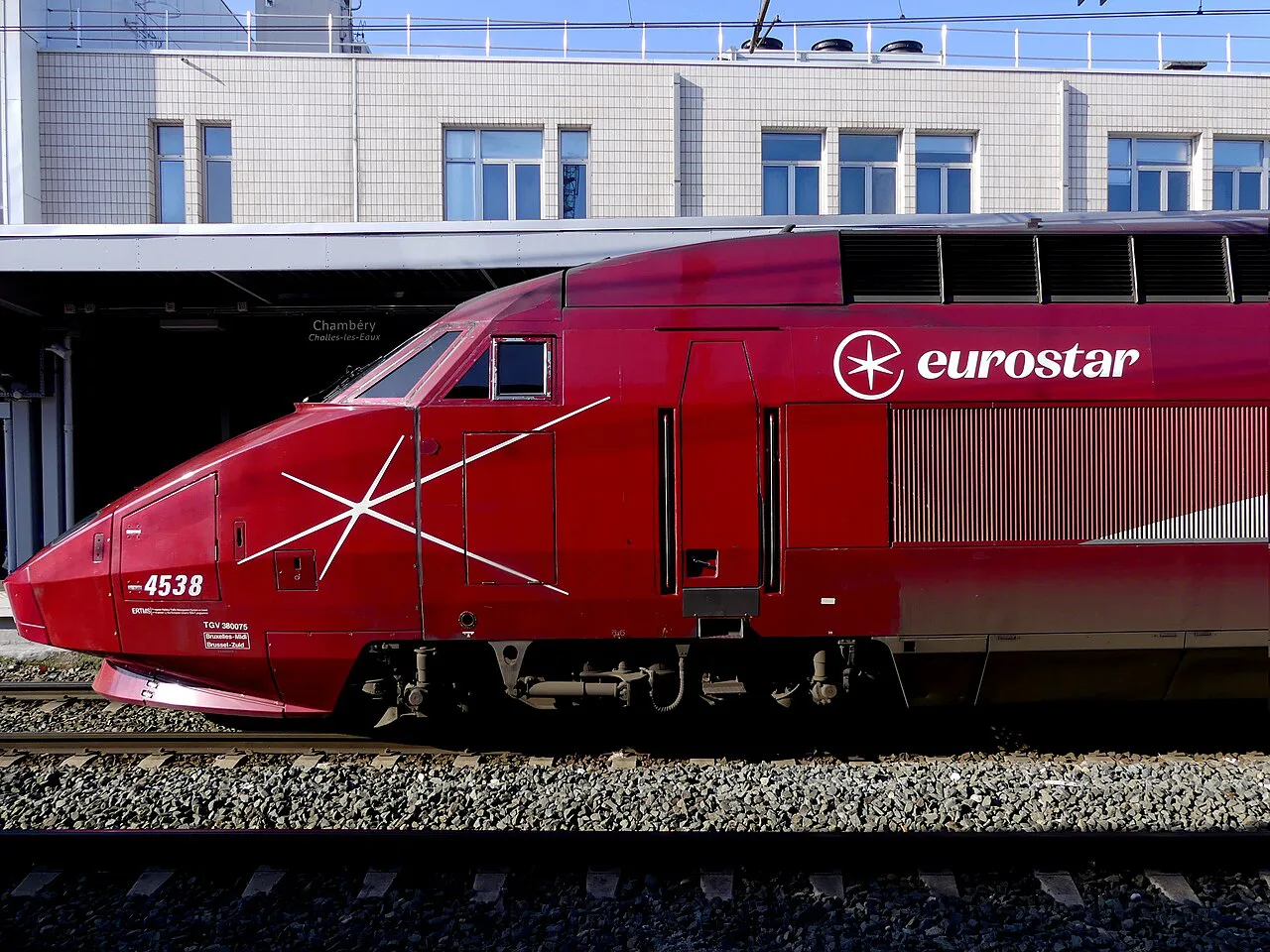
| Several countries | Eurostar | International high-speed service |
7 Decisions for Train Travel in Europe
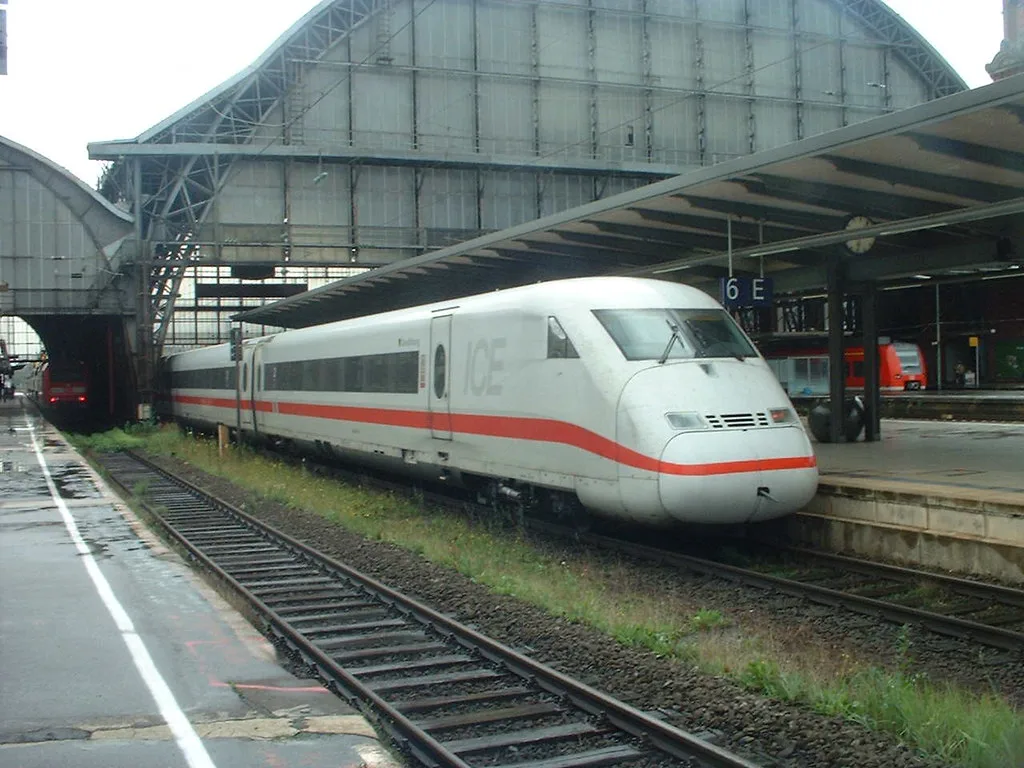
Passes, fares and rules were checked in November 2026, and operators change them often. Work through these seven choices in order.
1. Decide whether a train fits the trip
Trains suit city-centre to city-centre trips of a few hours, where you skip airport transfers and security queues. Luggage allowances are also looser than on most flights, so heavy packers gain the most. Overnight services can replace a hotel night on longer corridors.
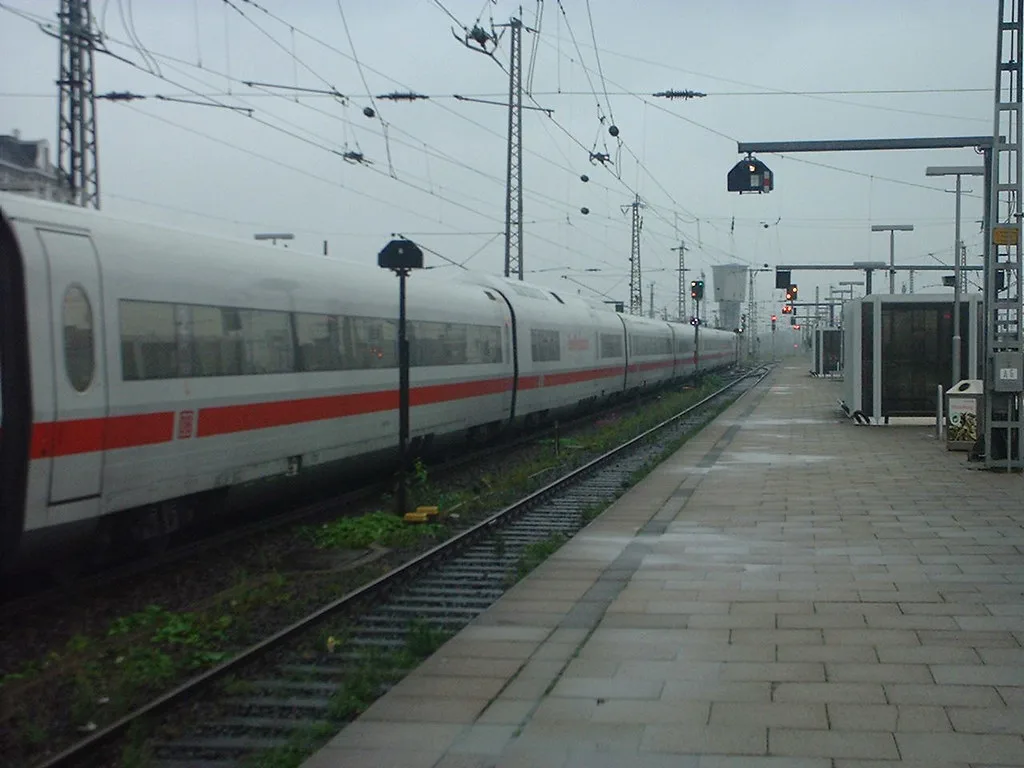
Fly or drive instead for remote areas, very short stays, or routes with slow or sparse service. Compare the full door-to-door picture in our train versus plane comparison. Skip rail if your trip is a single far-flung stop with no connecting cities.
2. Learn how the network fits together
Each country's national operator sells its own point-to-point tickets, and each sets its own fare and reservation rules. International and high-speed services run between major cities and often add a seat reservation. Night trains cover long corridors, and regional trains serve the smaller stops in between.
Get oriented with this overview map of the rail network. Read about fast intercity networks before pricing any long hop. Expect booking sites and timetables to follow the same national split.
3. Choose a pass or point-to-point tickets
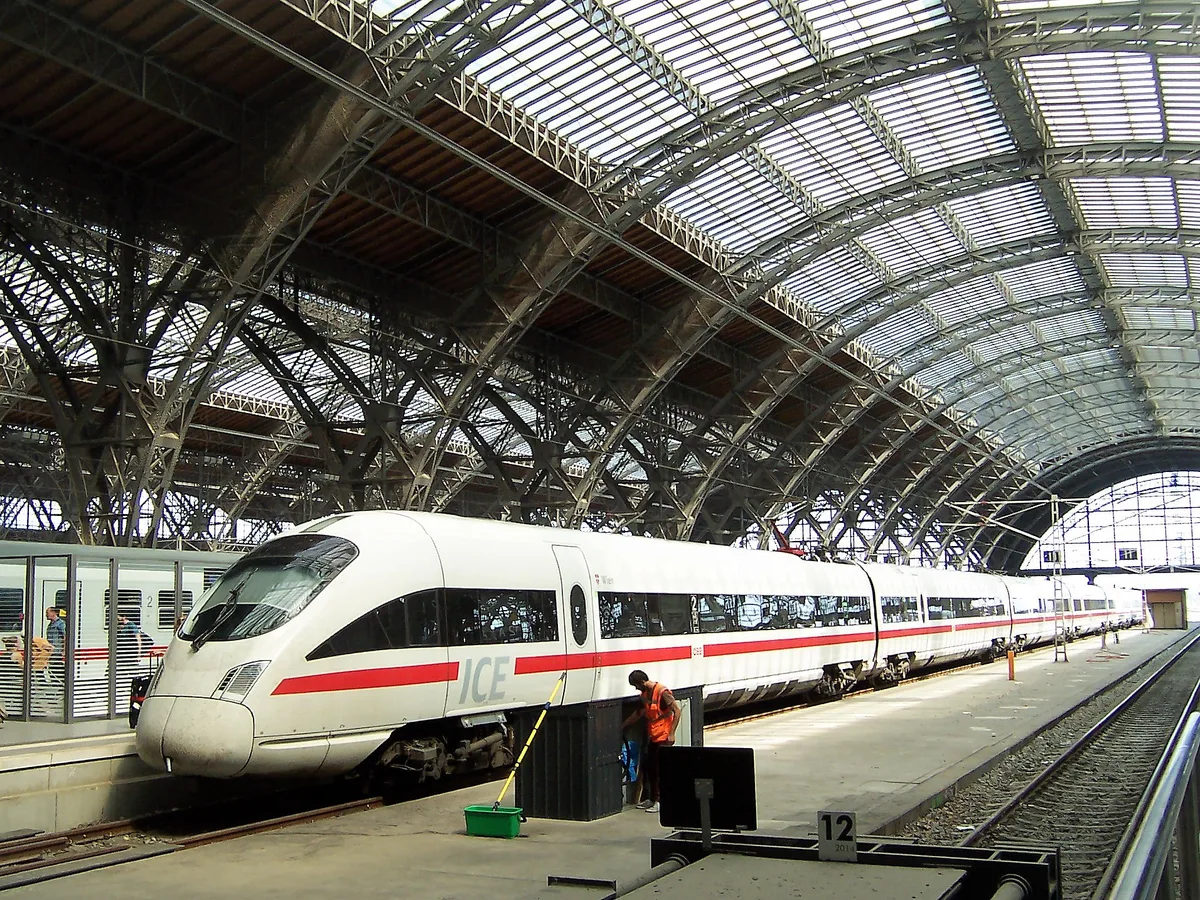
Compare the pass price with the sum of the actual fares plus reservation fees on your route. Passes suit long, flexible trips through several high-fare countries. Separate tickets tend to win on a few fixed legs or in cheaper regions. Passes range from one global product to single-country versions, with flexi and continuous validity.
Reservations, supplements and countries outside a pass add hidden cost. Start at the Eurail site for current products and coverage. Eurail and Interrail split their passes by residency, so check which one applies to you. European residents can read how Interrail works.
4. Pick when and where to book
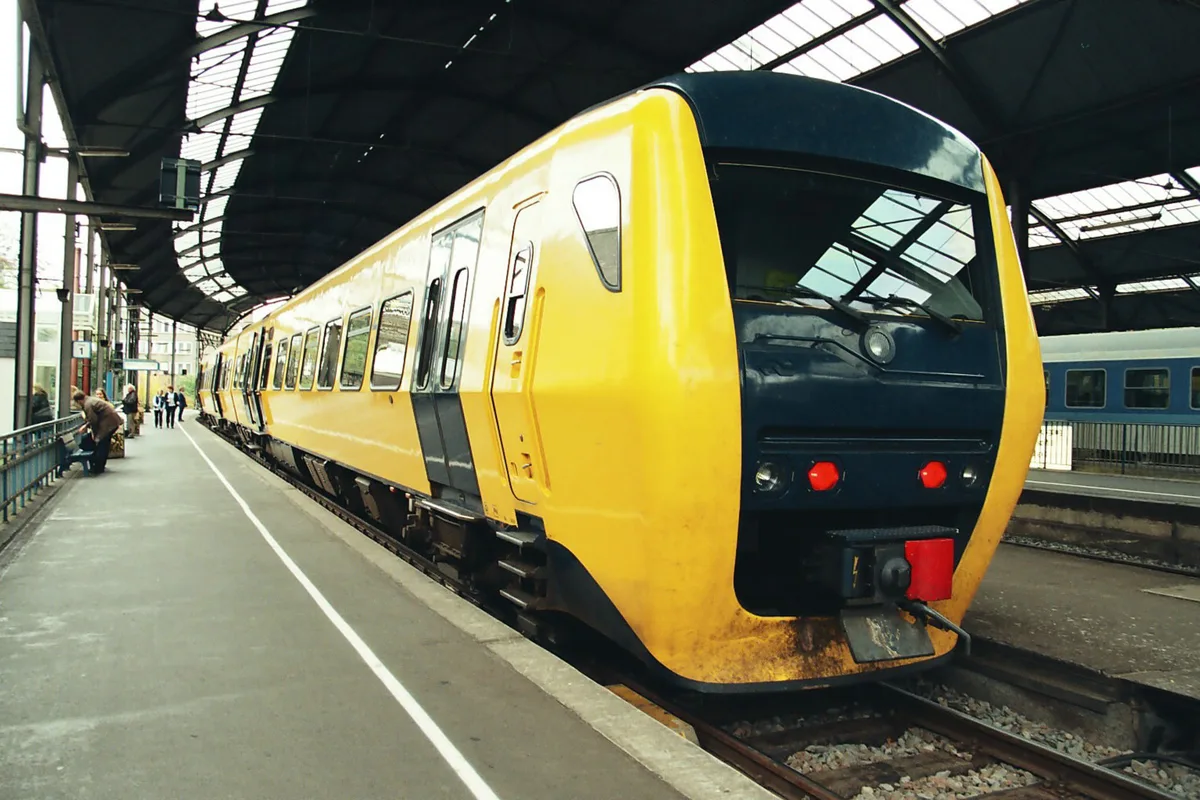
Booking windows differ by operator and route, so no single rule fits every trip. Each operator releases advance fares on its own schedule and publishes its own sales calendar. National sites show a country's full range, including discount fares and railcards. Aggregators search several countries at once, which suits cross-border trips.
Travelers with fixed dates have the most to gain from watching sale dates. Our guide to booking train tickets covers timing and steps. To pick a platform, read how Trainline and Omio compare.
5. Check reservations, validation and platforms
Some trains need a seat reservation or supplement even with a pass, and others do not. Settle this per route through the operator or your booking tool, not hearsay. Where paper or open tickets are used, some networks require validation before boarding, and rules vary by country.
Several cities have more than one main station, so match the station name on your ticket to your hotel plan. Some trains split en route, so read the destination on the carriage itself rather than only the platform board. Platforms can change late, so glance at the departure board again before you board.
6. Shape the route and connection buffers
One-base day trips suit travelers who dislike repacking. A linear multi-city route covers more ground but multiplies connections. Leave generous buffers between transfers, especially where a missed connection would void a booked ticket.
Look up timetables on the operator's site before fixing hotel dates. Browse proven city pairs in our picks of top rail routes. For slow, scenic days, see the longest rides on the continent.
7. Choose your class and night trains
Second class is enough for most daytime hops. First class adds space and quiet coaches, which helps with luggage, work or a long ride. Our guide explains when first class pays off. Night trains replace a hotel night with a seat, couchette or sleeper berth.
Nightjet runs night services operated by ÖBB. European Sleeper publishes its own night routes. Light sleepers should skip shared couchettes.
Where trains are weaker
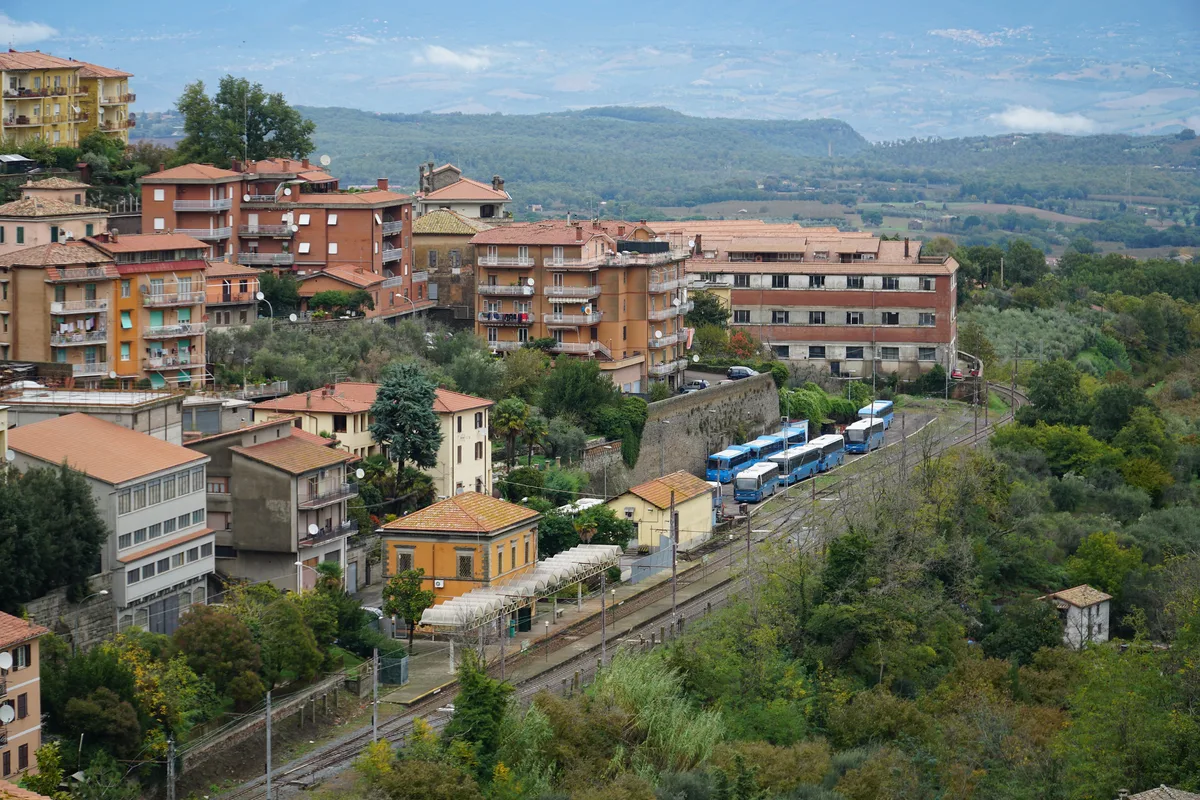
Trains lose ground in remote areas, on very short stays and on tight budgets along some corridors. Eastern and Balkan routes can mean slow or sparse service, and passes work differently there. National sites such as Czech Railways show local fares and timetables. MAV does the same for Hungary. Our regional guide to Eastern Europe's rail explains where passes and tickets diverge.
Which approach suits your traveler type
Match your trip style to a starting approach, then follow the guide in the last column. Before you leave, save tickets offline and carry your passport or ID. Confirm station names and recheck reservation rules for every route. Settle on one booking tool so your tickets stay in one place.
| Traveler | Best approach | Next read |
|---|---|---|
| First-timer, several countries | Price a pass against tickets, then book key legs early | Booking guide |
| Budget or slow traveler | Separate tickets, regional trains and night trains | Route picks |
| Luggage or mobility needs | Direct trains, extra space and long buffers | First class guide |
| Scenic-focused | Linear route with long daytime rides | Longest journeys |
Frequently Asked Questions
Can you explore Europe by train?
Yes, for most city pairs across Western and Central Europe. Service is sparser in remote areas and on some Eastern or Balkan routes, so look at timetables before you commit to a route.
How much is a sleeper train across Europe?
Cost depends on the route, the date and the berth type. Compare current Nightjet or European Sleeper rates against a flight plus a hotel night.
Is it cheaper to fly or Eurostar?
Neither always wins. Compare total cost, including airport transfers and baggage fees, against the rail fare for your date.
What is the best train pass for Europe?
No single pass wins for everyone. Price your exact legs plus reservation fees against the pass, then choose the cheaper option.
Explore More Guides
Keep planning your trip with these guides.
Guides
- Europe Train Map: How to Read It and Plan Routes
- High-Speed Trains in Europe
- How to Book Train Tickets in Europe: Step-by-Step Guide
- Trainline vs Omio: Which Is Better for European Train Tickets?
- 8 Best Train Routes in Europe
- Longest Train Journey in Europe
- First Class Train Europe
- Train vs Plane in Europe: Which Is Better?
- Eastern Europe by Train: Routes, Tickets & Pass Tips
Rail notes for your next trip
Optional updates when our rail guides change.
Related guides

More guides
Picked from the same area