How to Book Train Tickets in Europe: Step-by-Step Guide

Last updated November 2026: how to book train tickets in Europe comes down to two moves. Buy point-to-point tickets from the operator or a reseller once the booking window opens. Buy a pass only when your trip pattern justifies it, and use our complete guide to European rail travel for the wider planning picture.
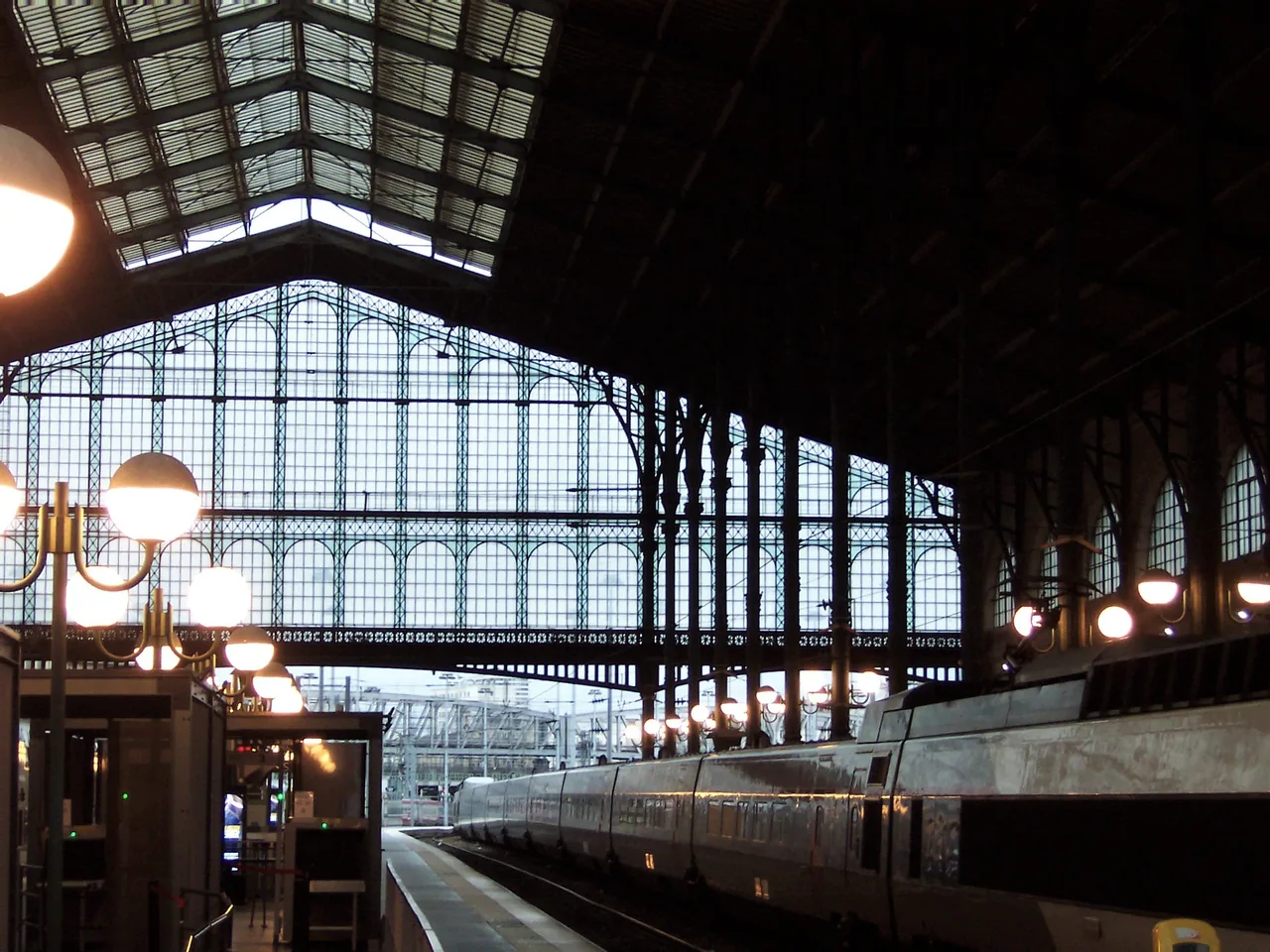
Featured image: Kevin Shorter, CC BY 2.0, via Flickr.
How to Book Train Tickets in Europe: Short Answer
Booking follows the same seven-step order on almost every trip. Settle the pass question first, because it changes every later choice. Rules and fares differ by country, so treat the operator's own site as the final word on any policy.
- Step 1: Decide between a pass and point-to-point tickets.
- Step 2: Check the route and the train type.
- Step 3: Choose where to buy.
- Step 4: Time your booking.
- Step 5: Reserve seats and sleepers.
- Step 6: Book cross-border trips safely.
- Step 7: Pay, store and validate your tickets.
Step 1: Decide Between a Pass and Point-to-Point Tickets
A pass is not automatically cheaper. Count your travel days, the countries you will cross, and how many of your trains are high-speed services that charge reservation fees on top of the pass. Residency also matters. Eurail passes are aimed at non-European residents, while Interrail passes are for European residents. Youth pricing has applied to travelers under 28, so read current age bands and eligibility on each site before you compare totals.
Travelers under 28 should check youth pricing alongside reservation fees, because both shape the final total.

| Option | Best for | Cost pattern | Flexibility |
|---|---|---|---|
| Pass | Many travel days across several countries | One upfront price, plus reservation fees on some trains | High on regional trains, limited where seats are quota-controlled |
| Point-to-point tickets | Two to four fixed journeys | Cheapest when bought early on advance fares | Low on advance fares, higher on flexible fares |
| Mix of tickets | One long hop plus local travel | Advance fare for the main leg, walk-up or regional tickets elsewhere | Moderate |
Step 2: Check the Route and Train Type
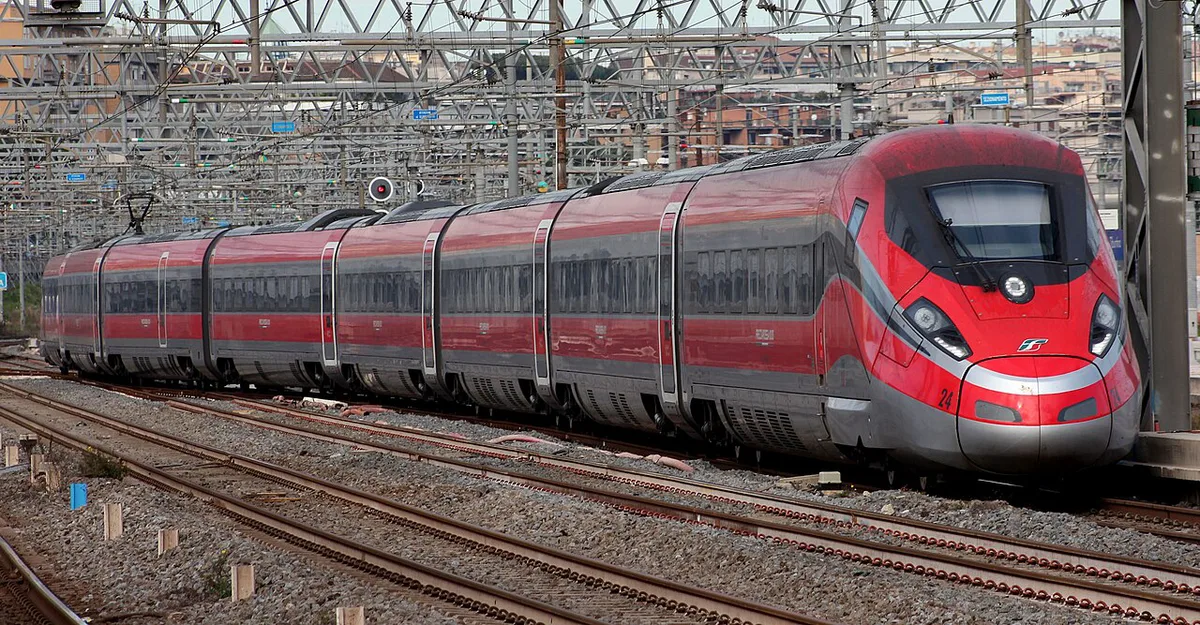
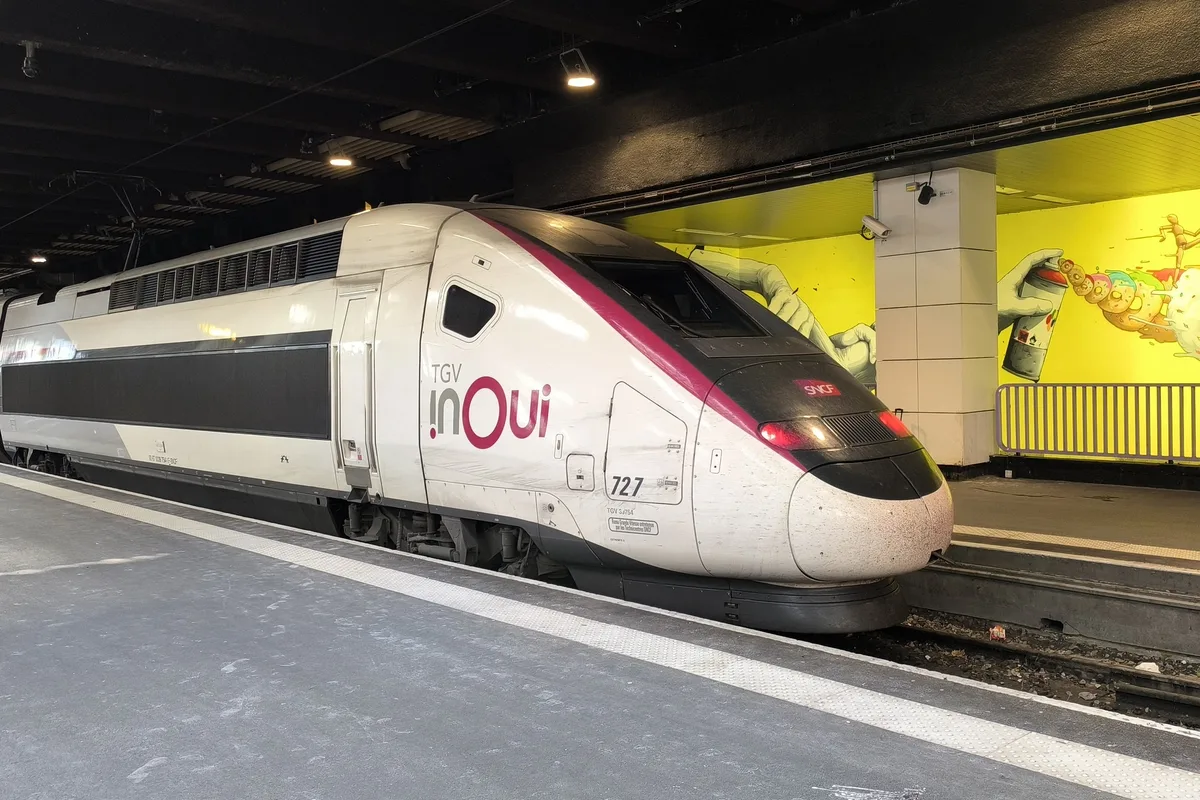
Train type decides whether you need a reservation. High-speed services such as TGV, ICE, AVE and Eurostar usually involve paid seat reservations for pass holders. Regional and slower intercity trains often let you board without one. Our guide to high-speed services across the continent shows which lines fall in which group. Sketch the route on a network map of main lines before you search timetables. A slower regional train can cost less and skip reservation fees, while the fast train saves hours. Weigh both on every leg.
Step 3: Choose Where to Buy
You have three options: the national operator, a multi-operator retailer, or a pass seller. Operators such as SNCF, Deutsche Bahn, Trenitalia, Renfe and ÖBB sell their own fares directly. Retailers put several operators in one basket. Our retailer comparison covers that choice in detail.
| Where to buy | Fees | Coverage | Refund handling |
|---|---|---|---|
| National operator | Usually no booking fee | One country, plus some cross-border routes | Set by the operator's fare rules |
| Multi-operator retailer | Often a service fee | Many countries in one search | Often routed through the retailer, so read its terms |
| Pass seller | Pass price plus reservation fees | Many networks under one pass | Governed by the pass terms |
Step 4: Time Your Booking
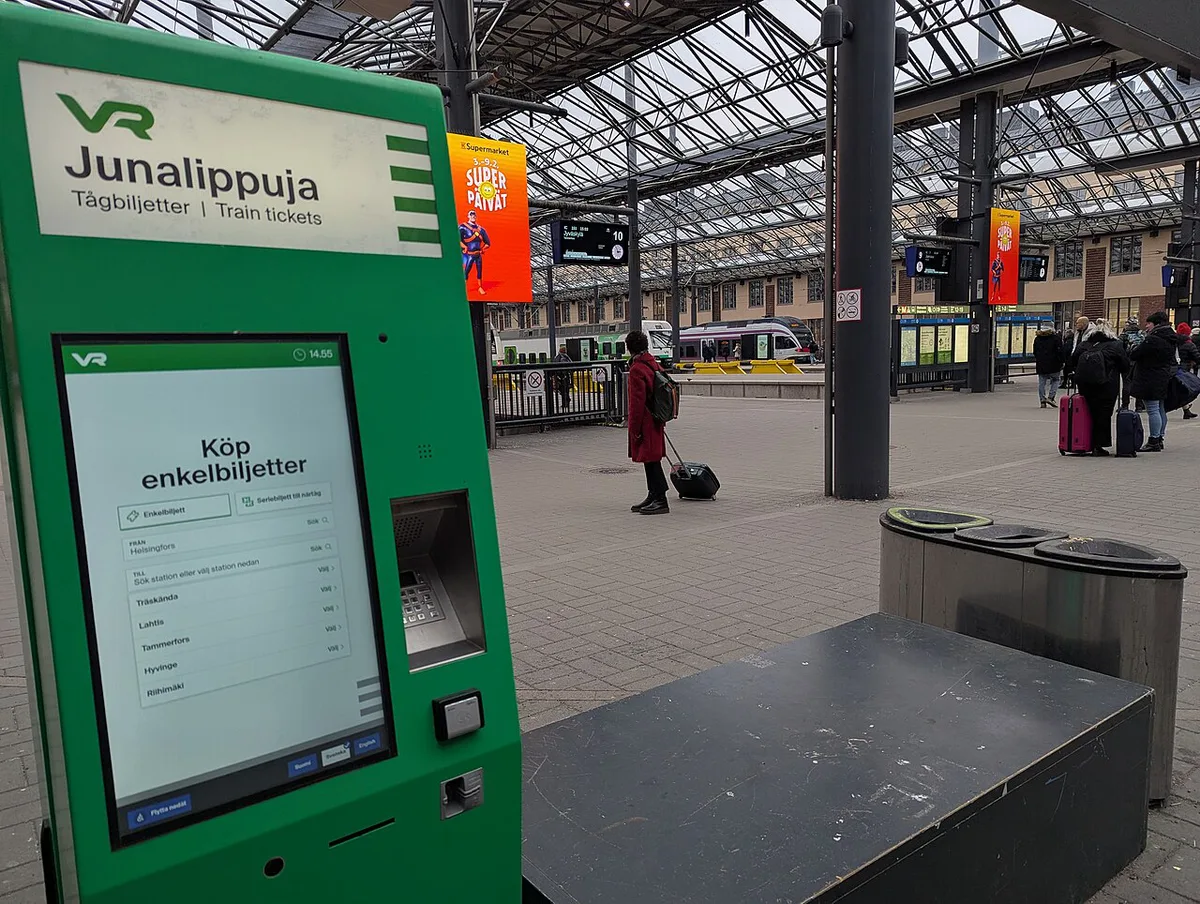
Booking windows differ by country, so look up each operator's own booking horizon. Some operators sell fixed-price tickets that stay the same until departure. Others use dynamic pricing with cheaper advance tiers that sell out. As a principle, book months out for popular high-speed and night routes, and weeks out for regional trips. Reservation rules change, so read both the opening date and the fare conditions on the operator's page before you commit.
Booking Examples: Three Routes and What Each Needs
Booking windows make more sense on real routes. These three show how the same seven steps play out differently depending on the train type and operator. Journey times are approximate, and fares and booking horizons are set by each operator.
| Route | Typical train | What to do |
|---|---|---|
| Madrid to Málaga | AVE high-speed, about 2.5 hours | A seat is compulsory, including for pass holders. Book early for Friday and Sunday departures, when cheaper fares sell out first. |
| Marseille to Nice | Regional and intercity services, roughly 2.5 to 3 hours | Often priced at a fixed fare with no seat reservation. Buying on the day is usually fine, so booking far ahead gains little. |
| Cologne to Konstanz | Intercity or ICE with one or two changes, around six hours | A single through-ticket protects your connections. Advance saver fares can be cheaper, but they tie you to specific trains. |
How to read the pattern
- Reservation-only fast trains reward early booking, because the cheapest tiers go first. Our guide to Renfe tickets explains how those fare tiers work in Spain.
- Regional trains rarely penalise a late purchase, so keep your flexibility and save the early-booking effort for the long legs.
- Multi-change journeys in Germany are worth pricing both as a through-ticket and as a flexible fare. See Deutsche Bahn tickets for how the saver and flexible options differ.
Before you pay, search the same date on the operator's own site and compare it with a retailer. Prices for identical trains can differ, and the operator's page shows the current conditions for changes and refunds.
Step 5: Reserve Seats and Sleepers
Pass holders reserve through the operator, a retailer or a station desk, depending on the train. Quota-limited services can sell out of pass seats while paid tickets remain. Night trains need a reservation or supplement for beds, whether couchette or private sleeper. Nightjet and European Sleeper publish their routes online. Scenic lines often have the same rules, so read our scenic route recommendations before you plan a panoramic ride. For very long overnight journeys, see the longest journeys by rail.
Step 6: Book Cross-Border Trips Safely
A single through-ticket protects you if a delay breaks your connection. Separate tickets for each leg do not. If you must split a journey, leave a generous buffer at the changeover station. Some borders have operator-specific quirks, so look up booking rules for each pair of operators. Examples from Eastern Europe train routes show how often those quirks appear. Operators such as Czech Railways and MAV publish their own international fare pages.
Step 7: Pay, Store and Validate Your Tickets
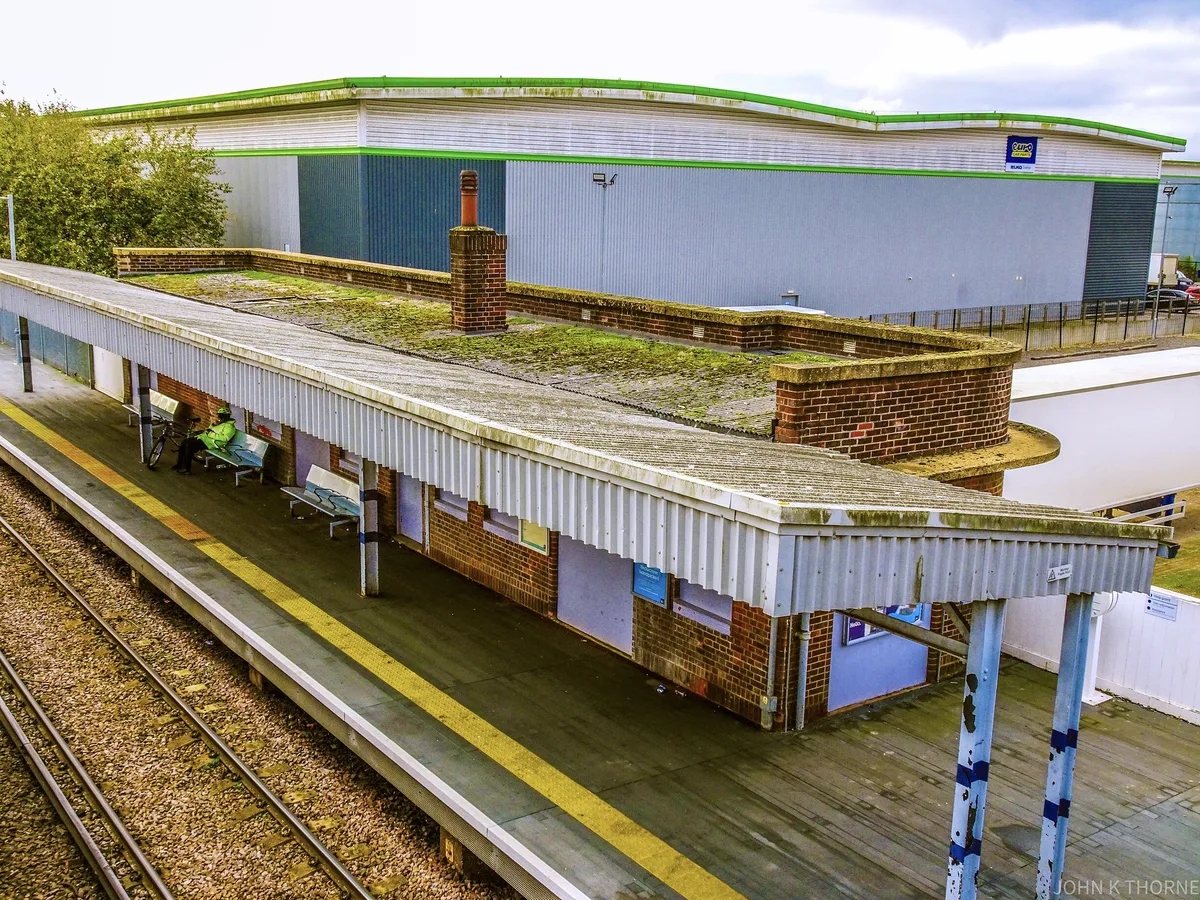
Some foreign booking sites reject cards, so keep a second card ready. Pick the delivery method that suits you: mobile e-ticket, print-at-home, or collect at a machine or station desk. Pick-up codes work at ticket machines, many of which offer a language menu. Save an offline copy of every ticket, because signal drops in tunnels and on mountain lines. Some paper tickets need validating at a platform machine before boarding, while e-tickets are scanned by staff. Follow the rule printed on your ticket.
Class and Comfort Choices
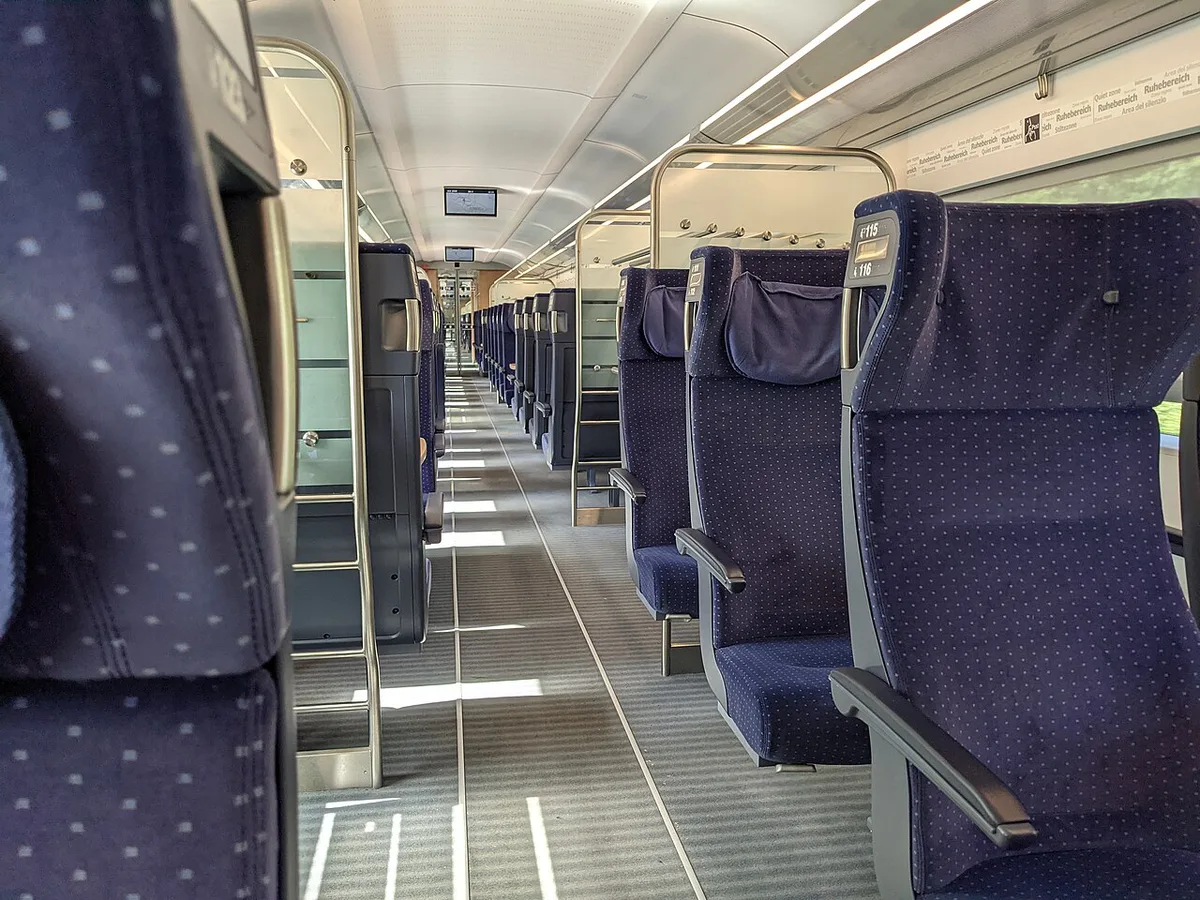
Second class suits most journeys. First class adds space, quieter carriages and sometimes extras, and it can cost little more on off-peak advance fares. Our guide to first-class carriages explains when the upgrade pays off.
Train or Plane: When Booking by Train Makes Sense
Trains win when stations sit in city centers and the journey runs under a few hours. Flying wins on very long hops or cheap last-minute fares. If you are still undecided, weighing train against flying will settle it route by route.
Common Booking Mistakes
Most problems come from a handful of repeat errors. Changes and refunds depend on the fare type, so read the conditions before you pay. Name changes are often restricted on cheaper tickets.
- Buying a pass without checking reservation fees on your high-speed legs.
- Booking tight cross-border connections on separate tickets.
- Assuming every seat can be reserved on a pass.
- Skipping an offline copy of your e-ticket.
- Choosing a non-flexible fare when plans may change.
Frequently Asked Questions
Is an Eurail pass worth it?
It depends on your travel days and the countries you cross. Many travelers save more with advance point-to-point fares on a few fixed journeys. Compare both totals, including reservation fees, on Eurail's official site.
What app to buy train tickets in Europe?
Use the national operator's app for single-country trips. A multi-operator retailer app helps when you cross several borders. Our retailer comparison covers the main options.
Rail notes for your next trip
Optional updates when our rail guides change.
Related guides

More guides
Picked from the same area