
Italo vs Trenitalia: Which Italian High-Speed Train to Book?
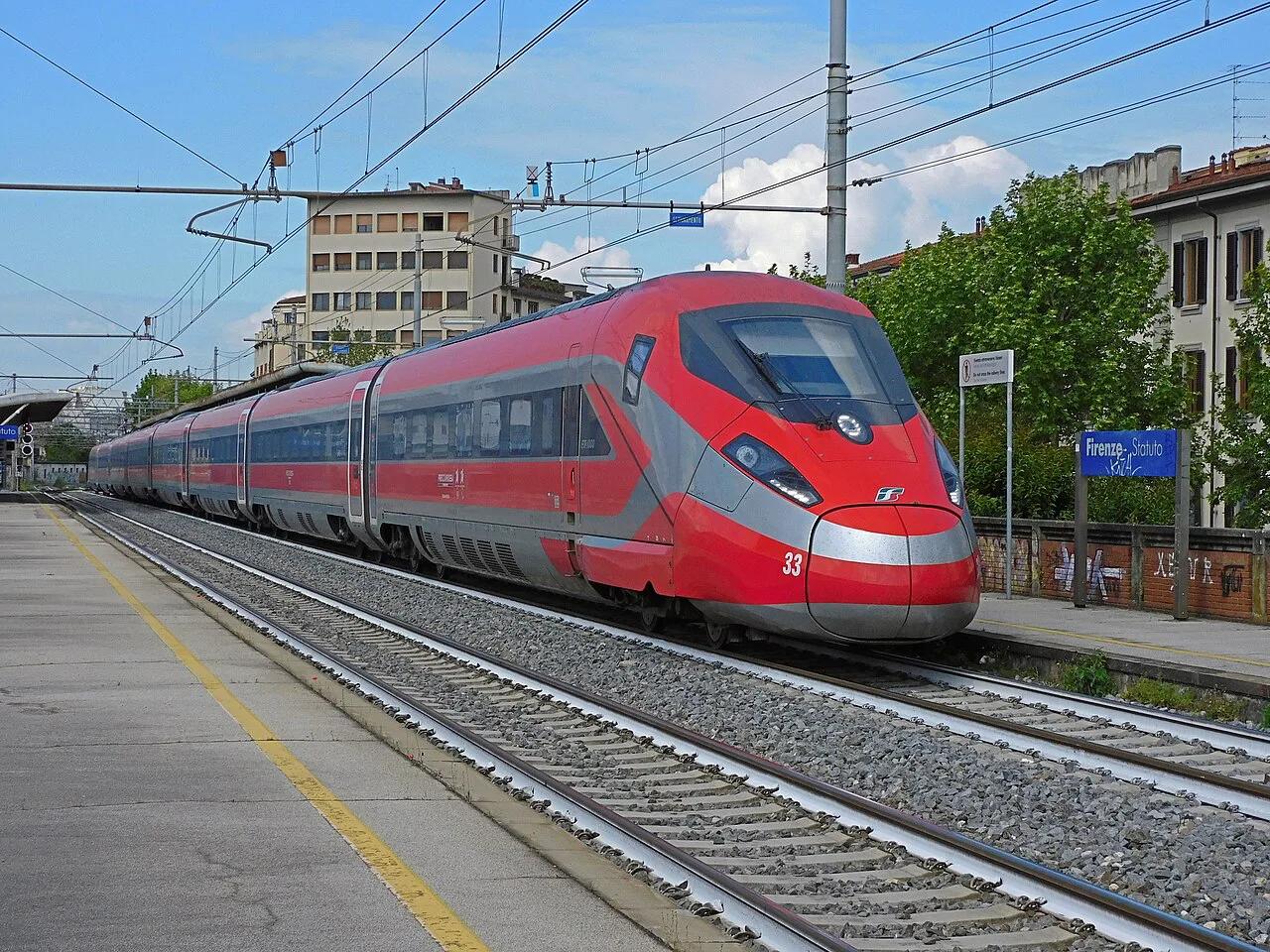
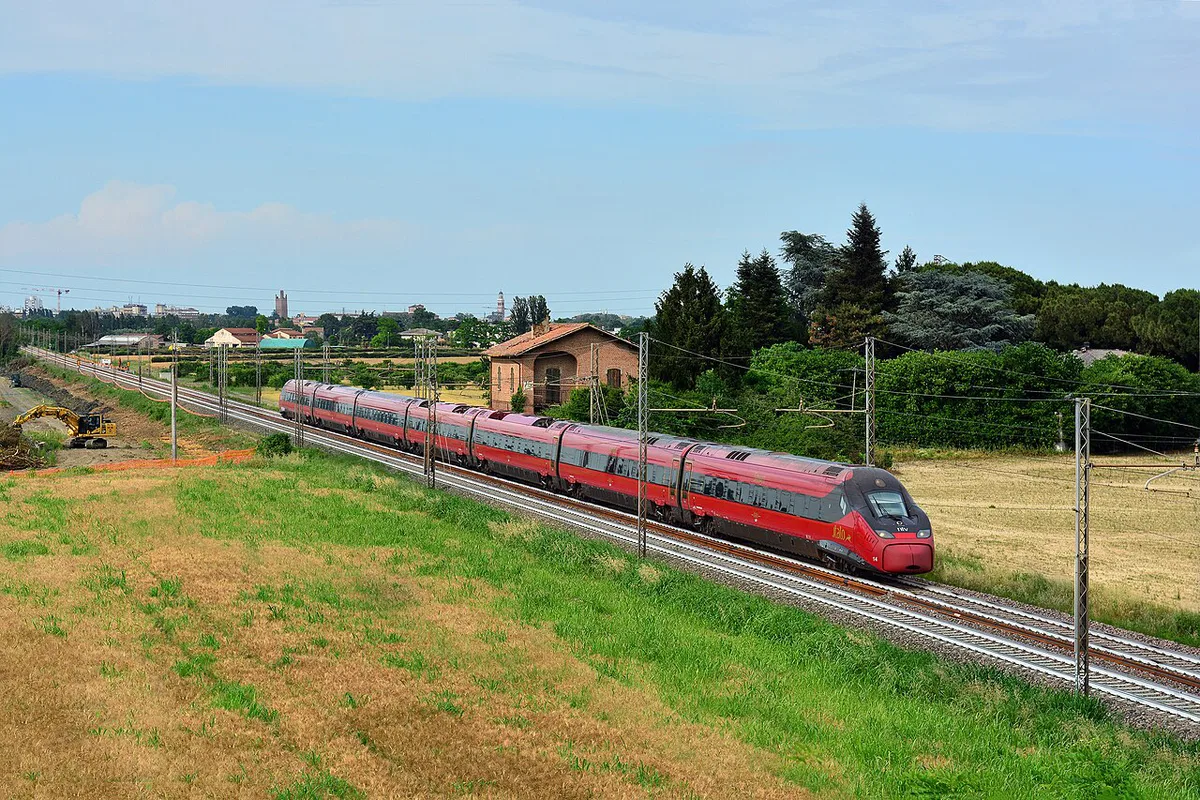
Last updated November 2026. On the main corridors, italo vs trenitalia is a close call, so pick by departure time, live fare, station and ticket flexibility. Italo is the private operator, while Trenitalia's high-speed brand is Frecciarossa. Italo often wins on a cheap early fare, and Frecciarossa often wins on a tight connection or a last-minute seat. Our Italian high-speed train guide covers the wider network.
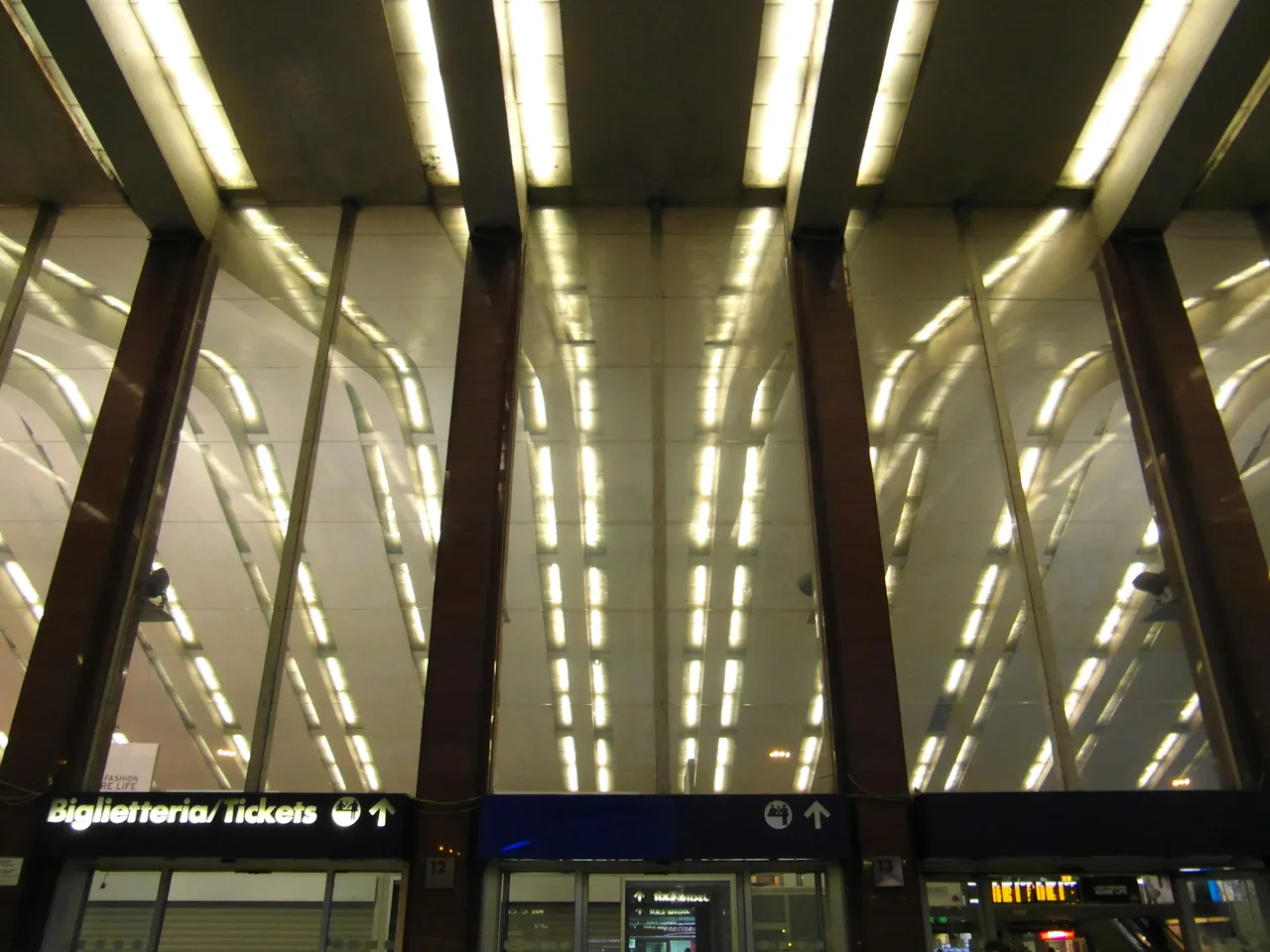
Featured image: Moliva, CC BY-SA 4.0, via Wikimedia Commons.
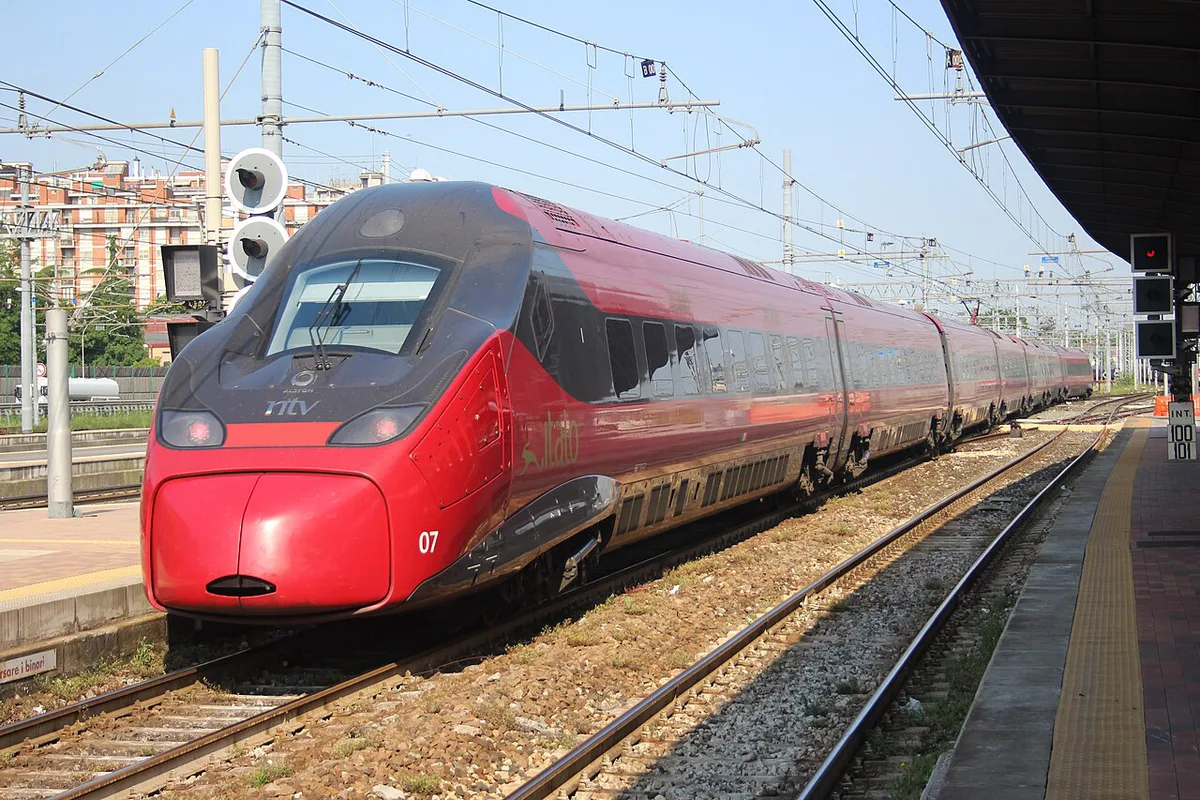
Quick Verdict
Neither operator wins every trip. Search both for your exact date, then choose the train that leaves when you need it. If two trains land within about €5 of each other, take the better departure time or the more flexible ticket. Choose Italo when its fare is lower and your plans are fixed. Choose Frecciarossa when you may need to change the booking or the schedule is tight.
- If your dates are fixed and you book early, compare Italo's Smart fare first.
- If your plans may shift, compare the changeable fares on both sites before paying.
- If you hold a rail pass, check each operator's pass rules before choosing a train.
- If you want more space, compare Italo's Prima and Club Executive with Frecciarossa's upper classes.
Italo vs Trenitalia: What You're Actually Comparing
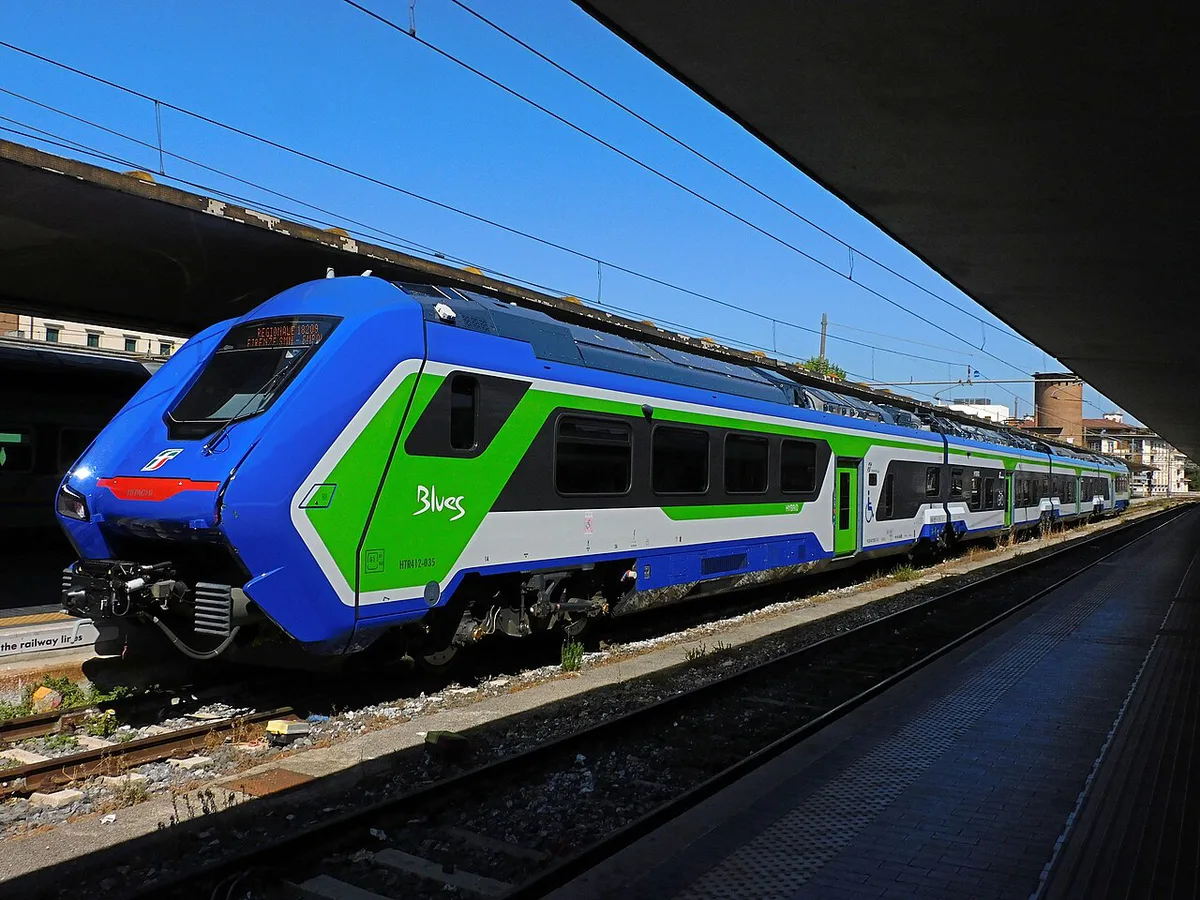
Many travelers type Trenitalia when they mean Frecciarossa. Trenitalia is the state operator and runs everything from regional trains to its high-speed Frecciarossa and Frecciargento services. Italo is a separate private company that runs only high-speed trains. A fair comparison is therefore Italo against Frecciarossa. Regional Trenitalia trains are a different product, with no assigned seats, and they suit short hops such as Bologna to Florence. Both operators sell assigned seats on a specific departure, so you cannot hop on any later train. Read more about Italo's service on our Italo train page.
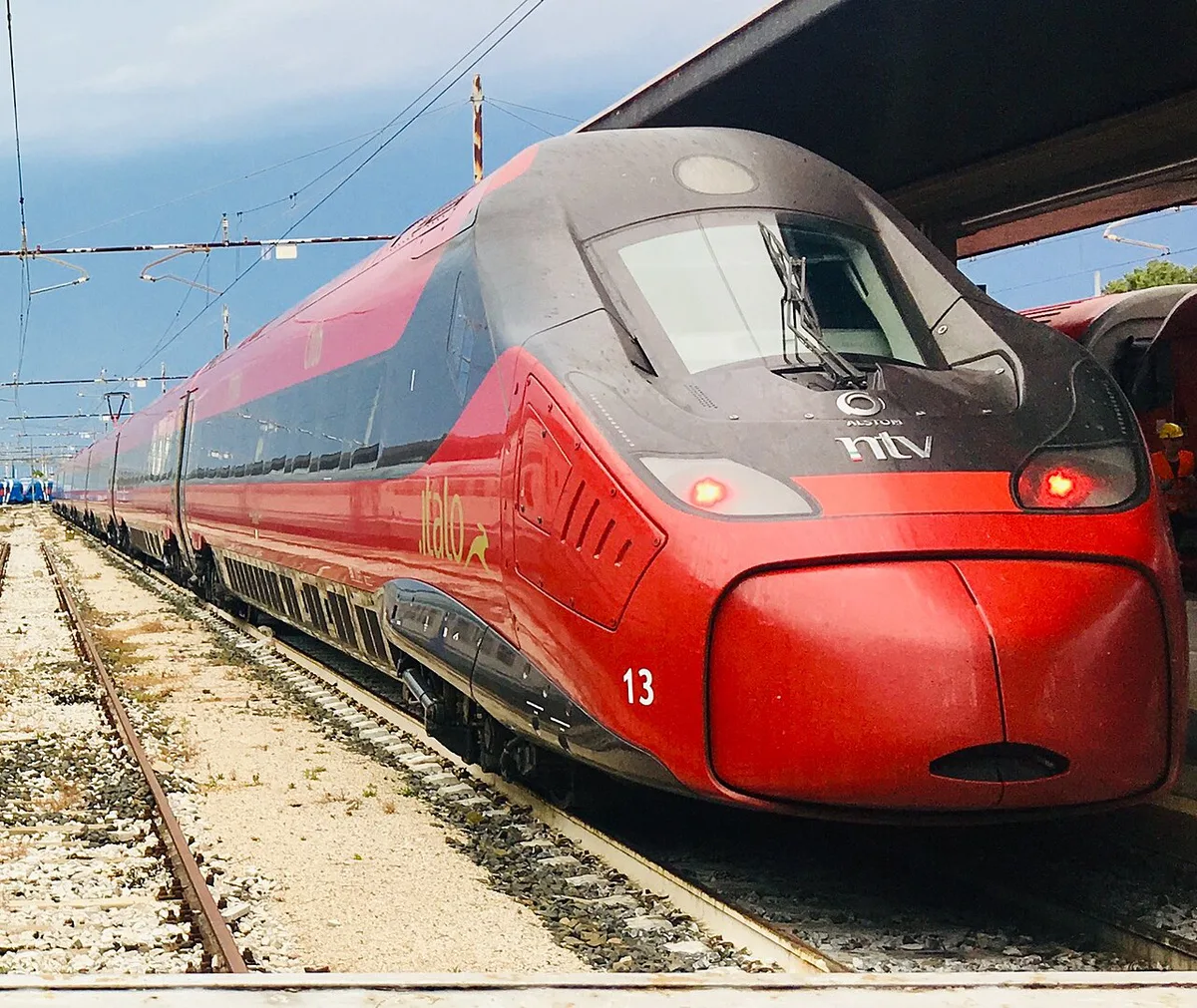
Side-by-Side Comparison
Use this table as a starting point. Fares are typical 2026 ranges for a one-way second-class seat on a popular route such as Rome to Florence, and live prices move with demand. Prices and times checked November 2026.
| Option | Service tiers | Typical one-way fare | Flexibility | Rail-pass use |
|---|---|---|---|---|
| Italo | Smart, Comfort, Prima, Club Executive | €20–€70 (Rome–Florence) | Cheapest fares are the most restricted; compare changeable fares | Check Italo's pass terms before booking |
| Trenitalia Frecciarossa | Standard plus upper classes, including Business | €25–€80 (Rome–Florence) | Wide range from restricted to flexible fares | Seat reservation needed; check live |
| Trenitalia Frecciargento | Standard plus upper classes | €20–€60 (Rome–Florence) | Similar fare families to Frecciarossa | Seat reservation needed; check live |
Cost and Time Trade-Offs
Early booking usually brings the lowest fares on both operators. On Rome to Florence, expect roughly €20–€70 depending on the day and how far ahead you book. Longer trips run higher, and Milan to Rome can span about €35–€120 across advance and last-minute fares. Journey times are close on the same corridors. Rome to Florence takes about 1 hour 30 minutes, and Milan to Rome takes about 3 hours.
- Rome to Florence: both operators run frequent trains, so compare the exact time.
- Rome to Naples: a short hop of about 1 hour 10 minutes where timing matters most.
- Rome to Venice: a longer run, so a lower fare saves more.
- Florence to Venice: compare both before paying.
- Milan to Venice: about 2 hours 30 minutes on a direct train.
- Milan to Florence: compare both operators for your date.
- Milan to Verona: check which trains stop there.
Booking, Changes and Refunds
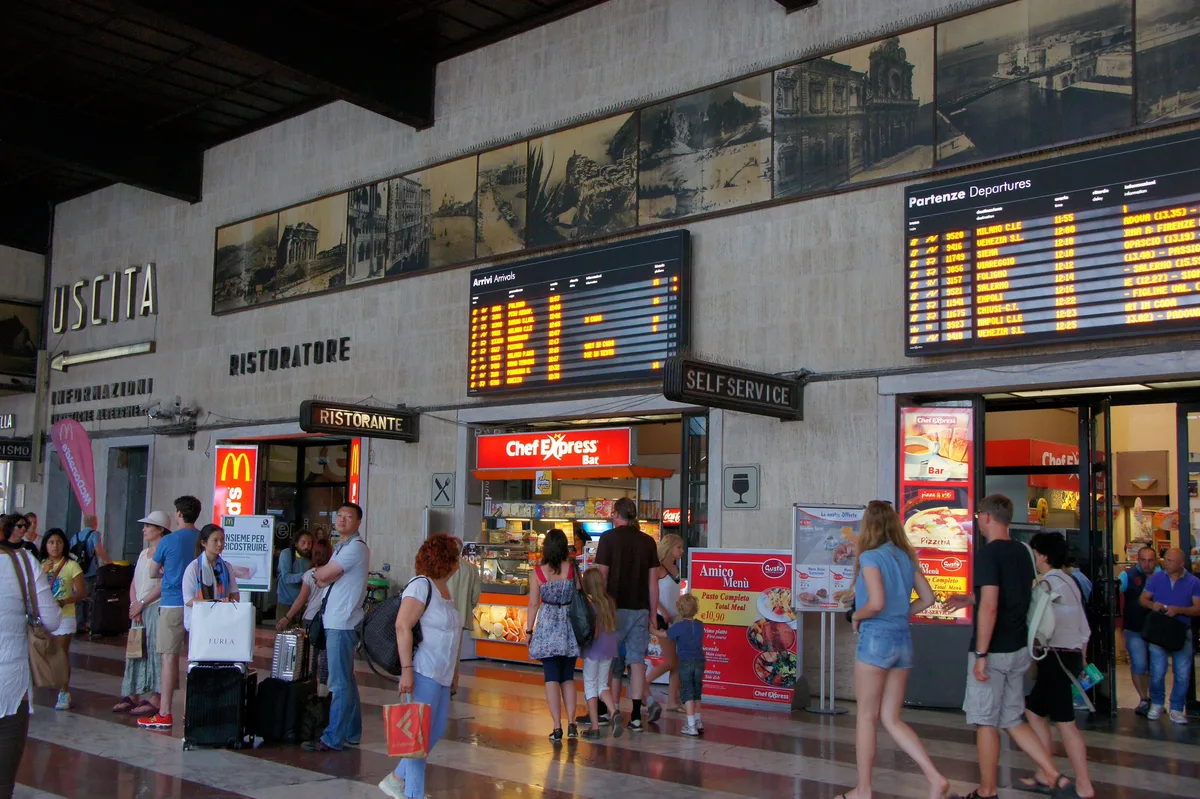
Buy directly from each operator's site or app, and keep the e-ticket on your phone. Italo's own site is italotreno.com, where you can see classes and fare rules. The cheapest fares on both operators are the least flexible. Paying a few euros more for a changeable fare is worth it if your plans might move. Read the change and refund rules before you pay, because they differ by fare. Aggregators may add a service fee, so compare the final total.
Delays, Missed Connections and Mixing Operators
A late train is the case where your choice of operator and ticket matters most. Both Italo and Trenitalia are covered by the EU passenger-rights rules on rail delays. Under those rules, a delay of 60 to 119 minutes at your final destination entitles you to a 25% refund of the ticket price, and a delay of 120 minutes or more to 50%. Operators may also offer vouchers or their own compensation schemes, so check the claim process on the site where you bought the ticket.
The main risk is a separate-ticket connection. If you buy an Italo train and a Frecciarossa onward leg as two bookings, neither operator is obliged to honour the second ticket when the first runs late. That is the case where a changeable fare earns its extra cost.
- Leave a buffer. Allow at least 45 to 60 minutes between two separate bookings, and more if you must change stations, for example between Roma Tiburtina and Roma Termini.
- Keep the onward leg flexible. If one ticket must be fixed, make it the cheaper leg, and pick a changeable fare for the one you are most likely to miss.
- Book one journey where you can. A single operator with a single ticket is simpler when something goes wrong. Trenitalia's own booking flow can combine high-speed and regional legs in one purchase; see our Trenitalia tickets guide for how that works.
- Screenshot the confirmation. Keep the booking code and the printed departure time handy for any refund or compensation claim.
For a flight, a ferry or a timed museum entry the same day, take an earlier train than you strictly need. A fare that saves €8 is poor value if it costs you the connection.
Stations and Boarding Logistics
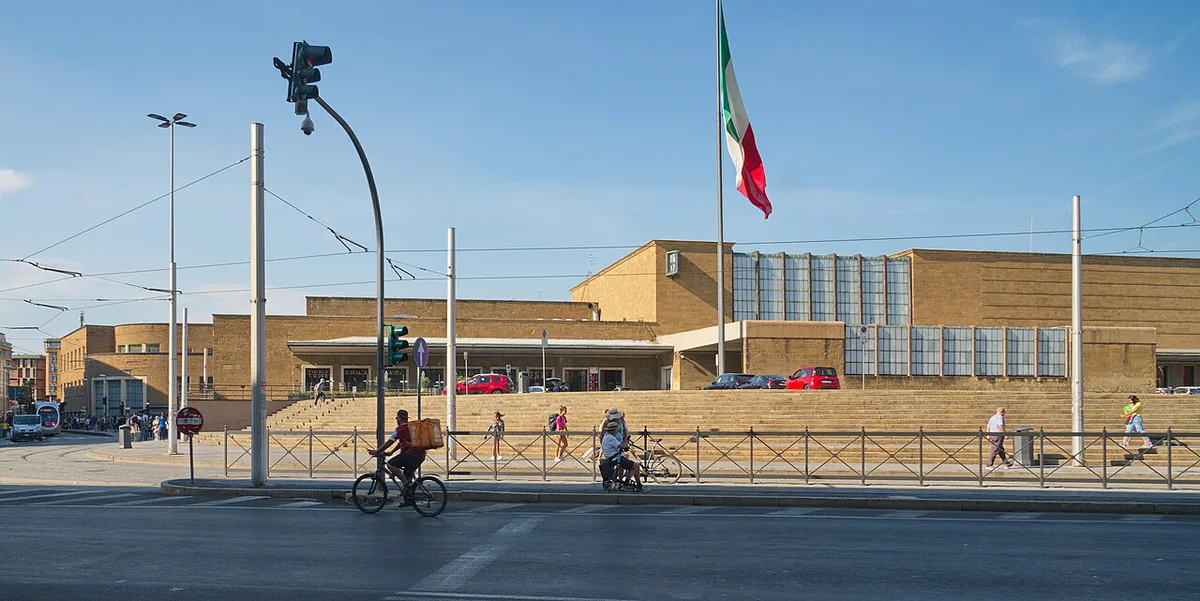
Both operators serve Roma Termini, and some trains of either call at Roma Tiburtina instead. In Milan, Milano Centrale is the main station for both, but some departures use other stations. Florence's main station is Santa Maria Novella. Read the station name printed on your ticket before you leave. Arrive 15–20 minutes early so you can find the platform, and keep luggage within the operator's published limits.
- Rome: Roma Termini or Roma Tiburtina, depending on the train.
- Milan: Milano Centrale for most services; check your ticket for others.
- Florence: Santa Maria Novella is the main station.
Who Each Option Fits
A first-time visitor on Rome to Florence or Rome to Naples can pick either, since both run often. Budget travelers should search both sites weeks ahead and take the cheaper fare. Travelers with changeable plans should pay for a flexible fare on whichever operator offers it. Anyone wanting more room should compare Italo's Prima and Club Executive against Frecciarossa Business Class: Is It Worth It? (Seats, Perks, Tickets). Rail-pass holders should check the pass rules and reservation fee for each operator before choosing.
Mistakes to Avoid
Most problems come from rushing the booking. Avoid these four.
- Booking the first fare you see without comparing both operators for your date.
- Going to the wrong station because you did not read the ticket.
- Choosing the cheapest fare when your plans could change.
- Assuming a rail pass works the same on both operators.
Before You Book
Run through a short checklist. Compare both operators for the exact date, check the departure and arrival stations, and read the change rules. Then book directly and save the e-ticket. If you are arriving from France, see our Paris to Milan train guide before planning the Italian leg.
Frequently Asked Questions
What is the official Italo train website?
Italo sells tickets at italotreno.com. Buying there avoids third-party service fees. You can also compare Italo's fares against Frecciarossa's on the same date.
Is Italo nicer than Trenitalia?
Comfort depends on the class and the train, not just the operator. Italo's Prima and Club Executive and Frecciarossa's upper classes both offer extra space. Compare the class on your exact departure.
Is Italo Business Class worth it?
Italo's upper tiers are called Prima and Club Executive. They suit travelers who want more room and are willing to pay a higher fare. If the price gap over Comfort is small on your date, the upgrade can be worth it.
Rail notes for your next trip
Optional updates when our rail guides change.
Related guides

More guides
Picked from the same area