
6 Types of Trains in Italy: Tickets and Routes
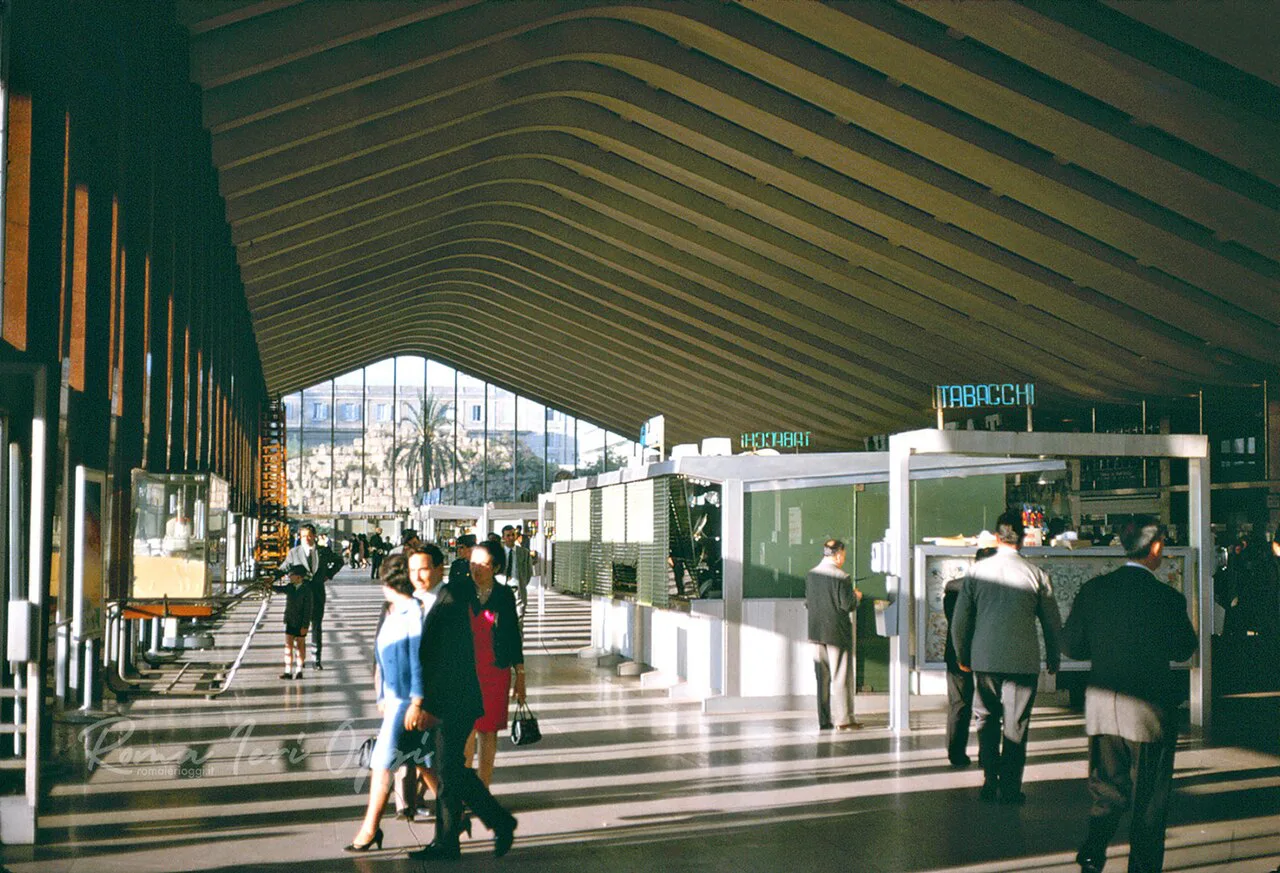
Last updated November 2026: trains in Italy split into high-speed Frecciarossa and Italo, long-distance Intercity, and cheaper regional services with their own ticket rules. Choose the train type by trip length, then the operator, then buy the ticket and validate it if it is a regional fare. Six train types and operators come first, followed by trip-type, station, route, pass and strike planning.
Featured image: Unknown, Public domain, via Wikimedia Commons.
Quick answer: how trains in Italy work
Italy's first railway opened in 1839 and ran about 7 km from Naples to Portici. Today Trenitalia runs Frecciarossa, Frecciargento, Intercity and Regionale trains. Italo is a private high-speed operator that competes on the main city routes. Ticket rules, seat reservations and validation depend on the train type, not on the city.
- Long legs between Rome, Florence, Venice, Milan and Naples: pick Frecciarossa or Italo.
- Short hops and small towns: pick a Regionale train.
- Regional tickets must be validated before boarding.
- Check the strike notice before any fixed-date journey.
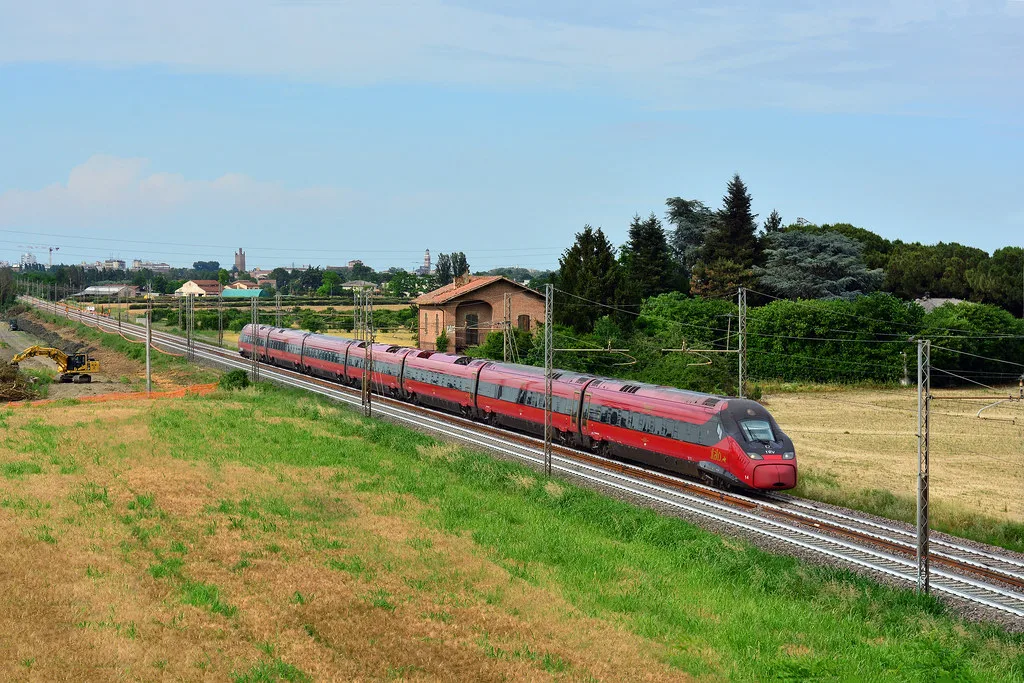
6 types of trains in Italy and who runs them
Each pick below covers what the service is, what to expect and who should skip it.
1. Frecciarossa (Trenitalia high-speed)
Frecciarossa is Trenitalia's high-speed train and links major cities such as Rome, Milan and Florence. Expect standard and premium classes, and plan to book a seat on a named train. It suits first-timers, families with luggage and anyone covering a long leg in one go.
Look at it first for Rome to Florence or Milan to Rome, where speed saves real hours. Skip it for short regional hops, where a Regionale ticket is simpler and more flexible.
2. Italo (private high-speed)
Italo is a private operator that focuses mainly on high-speed routes, while Trenitalia covers almost the whole national network. Its routes, fares and policies are listed on the official Italo site. Search the same date and time on both Italo and Trenitalia, because the cheaper option changes by departure.
Check how each operator handles changes and refunds before you pay, since the rules differ. Skip Italo if your route is not on its high-speed lines or you want to buy a regional-style ticket on the spot.
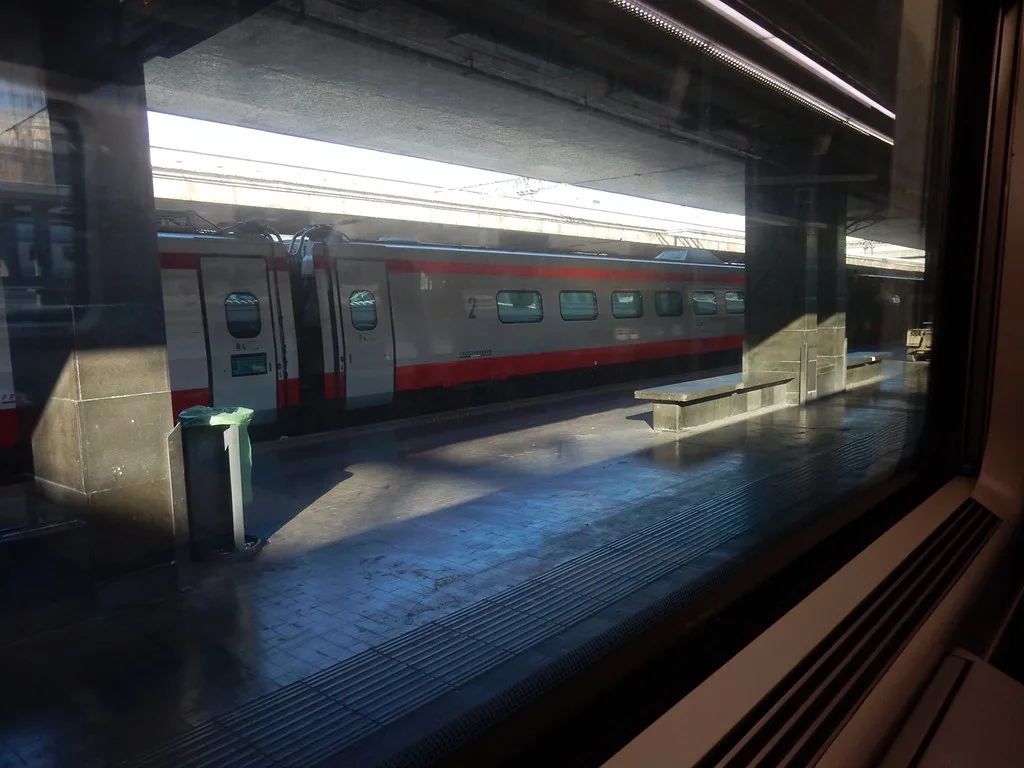
3. Frecciargento, Frecciabianca and Intercity
Frecciargento and Frecciabianca serve mid-range distances, and Intercity trains are standard long-distance connections at lower speeds and prices. They fit trips that leave the main high-speed corridor, such as a long cross-country run. Look at them when a Frecciarossa seat is sold out or the route has no high-speed line.
Reservation rules vary by service, so read the ticket conditions at purchase. Skip them for the busiest city pairs if saving time matters more than saving money.
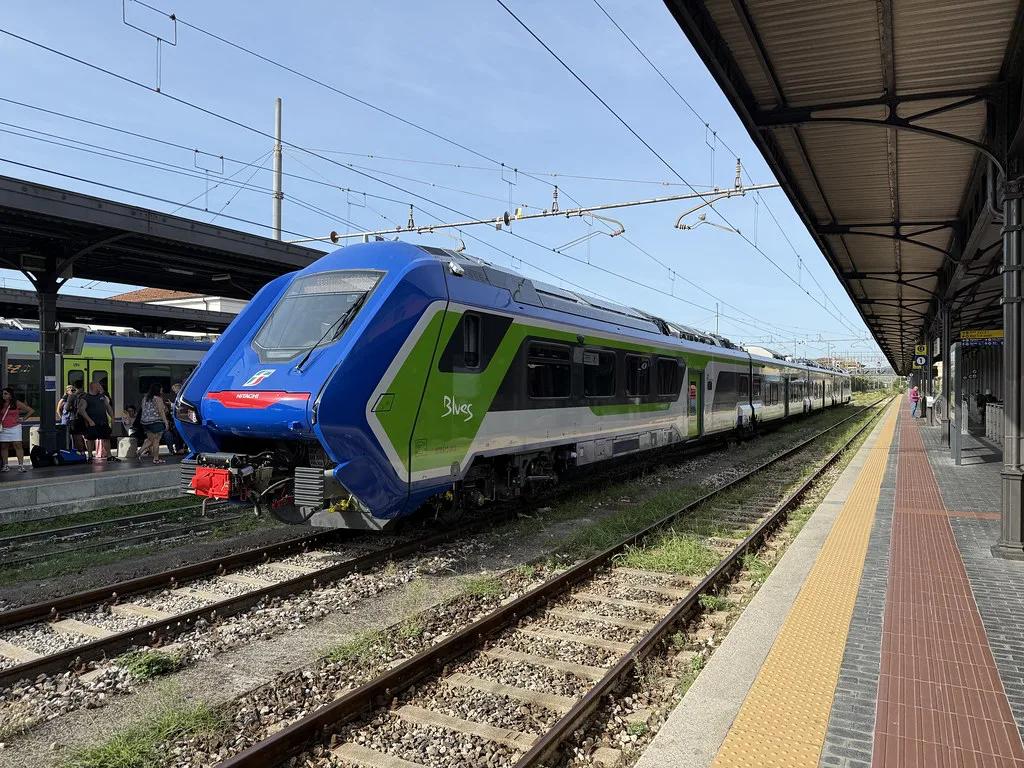
4. Regionale and Regionale Veloce
Regionale trains stop at most stations and serve smaller towns and suburbs, while Regionale Veloce makes fewer stops. Tickets are not cheaper when bought early and carry no seat reservation. Validate the ticket in the machine on the platform before boarding, or risk a fine.
They suit day-trippers, budget travelers and anyone going to a small town, and Regional Trains in Italy: How They Work, Tickets & Routes work best with light luggage. Skip them if you need a guaranteed seat on a busy long leg.
5. Trenord in Lombardy
Trenord runs daily commuter and short-distance services in Lombardy, linking smaller towns and suburbs with Milan. It is a separate company, owned jointly by Trenitalia and the Lombardy regional authority. Its timetables and ticket options are on the Trenord site.
Use it for Milan day trips and lakes-region hops where Trenitalia high-speed trains do not stop. Skip it for inter-city legs outside Lombardy.
6. Circumvesuviana around Naples
Circumvesuviana is a local line in the Naples area and is not part of Trenitalia high-speed service. It is the usual rail route to Pompeii, and our Circumvesuviana guide covers the stops. The operator, EAV, publishes service information on the EAV site.
Because it uses its own ticketing, a Trenitalia app ticket will not cover it. Skip it for long-distance travel, and keep valuables close on crowded trains.
Trenitalia vs Italo: how to choose
No operator wins on price every time, so compare both for your exact date and time. Use the list below to decide where to look first.
Italo and Trenitalia fares shift by departure, and tickets go on sale up to about 4 months ahead, so compare both early.
- Network reach: Trenitalia covers almost the whole country, while Italo concentrates on high-speed routes.
- Ticket rules: change and refund conditions differ by fare, so read them before paying.
- Stations: both use the major city stations, but check the departure station on each ticket.
- Booking channels: each operator has its own site and app, and tickets do not transfer between them.
- Disruption: each operator posts its own notices, so check the one you booked with.
Which train for your trip
This table maps common trip types to the train that usually fits. Rules change, so read the ticket conditions at purchase.
| Trip type | Best train | Seat reservation | Flexibility |
|---|---|---|---|
| Big-city hops (Rome, Florence, Venice, Milan, Naples) | Frecciarossa or Italo | Usually a named seat | Lower, fixed train |
| Day trips from a hub | Regionale or Regionale Veloce | None | Higher, validate and go |
| Scenic or coastal lines | Regionale | None on regional | Higher |
| Small towns | Regionale or Intercity | Varies by service | Medium |
| Overnight | Check Trenitalia listings | Required for berths | Low |
How to buy tickets and what to validate
Buy online on the operator's site or app, at station counters and self-service machines, or from authorized vendors. Our Trenitalia tickets guide walks through the steps. Tickets generally go on sale only up to about 4 months ahead, so check the current booking window before you plan. Regional tickets are not cheaper early and have no seat reservation. Before boarding a regional train, stamp the ticket in the small machine on the platform. Skipping validation can bring a fine.
Major stations: what to know
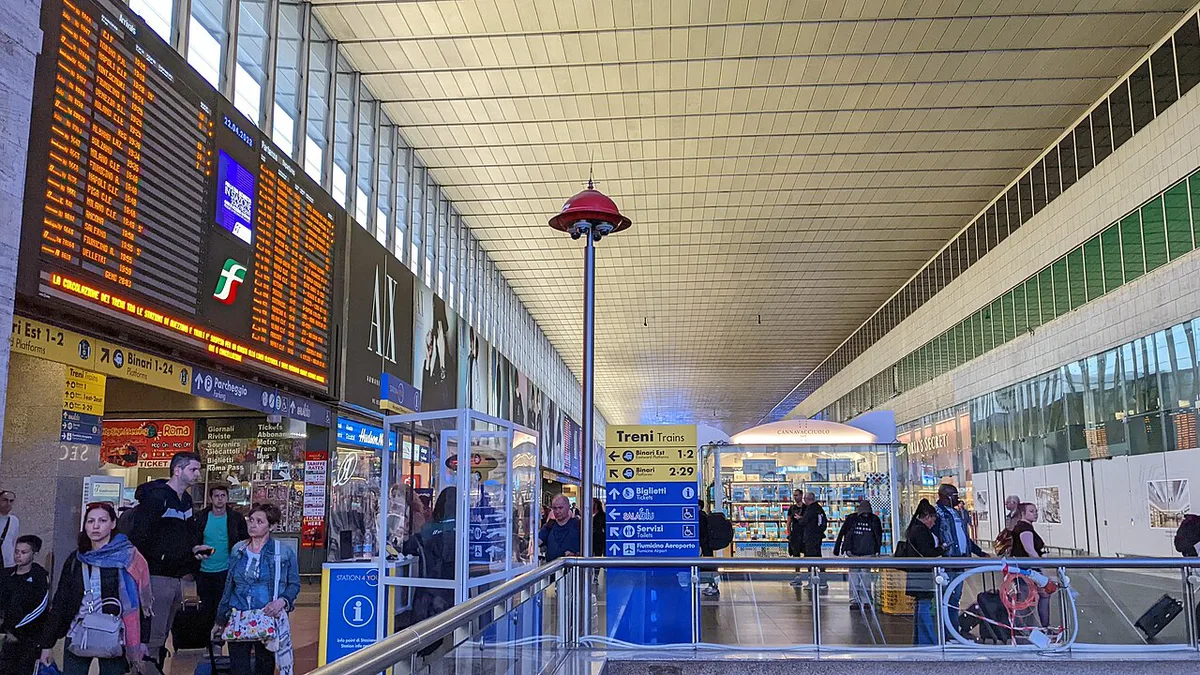
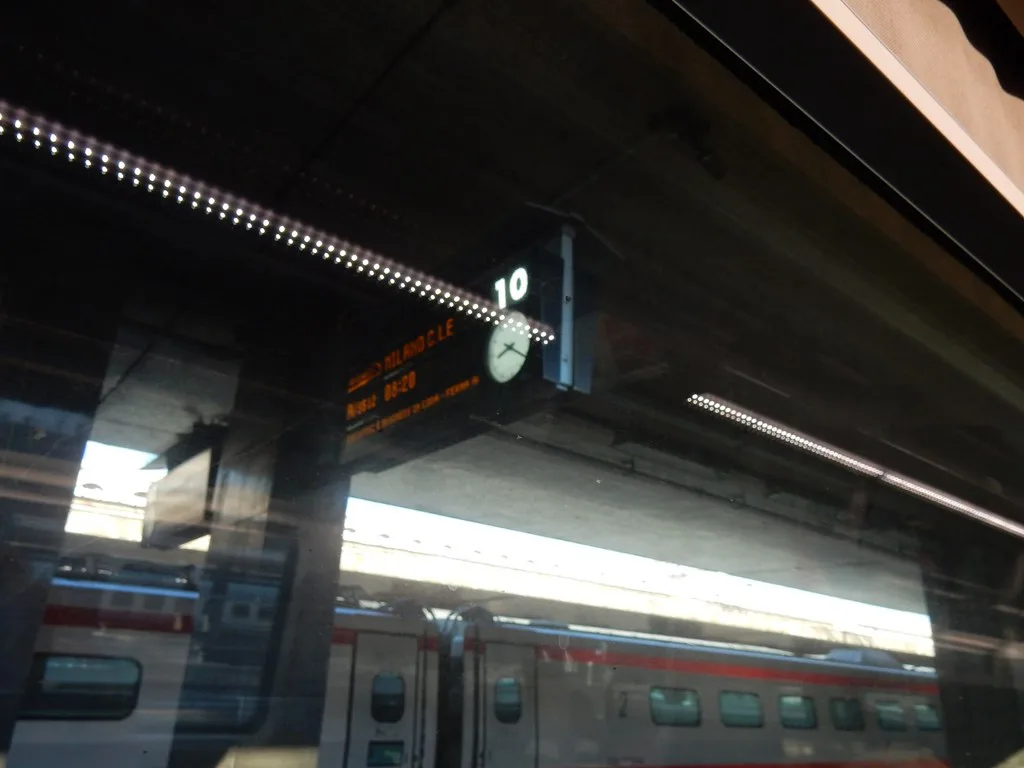
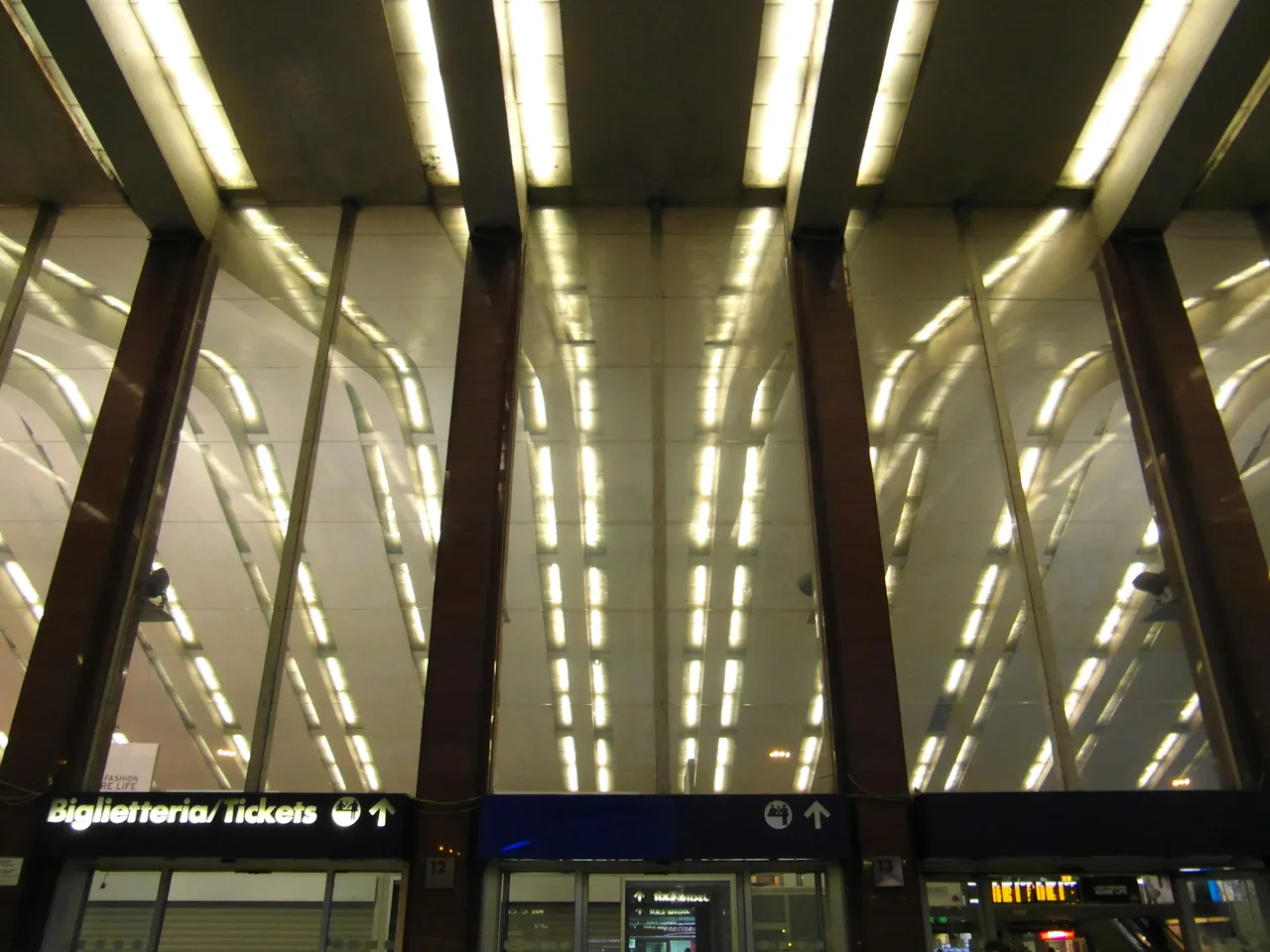
Rome Termini is the busiest station in Italy, with around 150 million entries and exits per year. Use the guides below for luggage, transfers and common confusion.
Rome Termini sees around 150 million entries and exits per year, so big-station connections deserve the buffer that strike days call for.
- Rome Termini: see Rome Termini for the layout before a tight connection.
- Milan: Milano Centrale Station Guide: Getting There, Trains & Facilities is a major hub, and Trenord regional trains also serve the city.
- Florence: Firenze Santa Maria Novella Station: Trains, Platforms & Tips is the main station for most visitors.
- Venice: Venezia Santa Lucia Station Guide: Arrival, Mestre & Getting Around and Venice Mestre are both busy, so check which one your ticket names.
- Naples: Napoli Centrale Station Guide: Arrival, Trains & Connections is the main hub, with Circumvesuviana trains running separately.
Popular routes and day trips by train
Each route below has its own page with the trade-offs.
- Florence to Pisa: read Florence to Pisa by train for a simple regional day trip.
- Florence to Siena: Florence to Siena by train compares rail with the bus, which is often easier.
- Florence to Cinque Terre: Florence to Cinque Terre by train covers a long day with a change.
- Venice to Verona: Venice to Verona by train suits both regional and faster options.
- Naples to Pompeii: use the Circumvesuviana, a separate local line.
Scenic train rides
The Cinque Terre line links Riomaggiore, Manarola, Vernazza, Corniglia and Monterosso, and our Cinque Terre train guide explains it. Other scenic lines worth checking: the Bernina line from Tirano to St. Moritz crosses into Switzerland and climbs to 2,253 m. The Centovalli line runs from Domodossola to Locarno. The Adriatic line follows the coast from Ancona to San Benedetto del Tronto. Val Venosta, Renon and the Circumetnea in Sicily are also popular. Check each operator's current service before planning around one.

Rail passes: worth it?
The Eurail Italy rail guide lists pass options, and operators sell their own passes too. To find the break-even point, count your legs, multiply by a typical fare for each, and compare the total with the pass price. Point-to-point tickets usually win for a few trips. Passes can suit many separate legs across regions. Remember that high-speed seats may need extra reservations.
Strikes, delays, and backup plans
Strikes are announced in advance. Check the Ministry of Transport strike calendar and your operator's notice before travel. Our Italy train strikes guide explains what to expect. If your train is cancelled, read the operator's notice for rebooking and refund options. Keep a flexible buffer in your itinerary, avoid the last train of the day, and allow slack for connections in big stations.
- Check the official notice for your operator.
- Ask about rebooking or a refund.
- Leave a buffer before flights and fixed bookings.
Mistakes to avoid
These are the errors that cost travelers the most.
- Not validating a regional ticket before boarding.
- Assuming a regional ticket guarantees a seat.
- Booking only one operator without comparing the other.
- Confusing stations in cities with more than one, such as Venice.
- Planning tight connections on strike days.
Explore More Guides
Keep planning your trip with these guides.
Guides
- Trenitalia Tickets: How to Buy, Choose Fares and Avoid Mistakes
- Regional Trains in Italy: How They Work, Tickets & Routes
- Italy Train Strike (Sciopero)
- Roma Termini Station Guide
- Milano Centrale Station Guide
- Firenze Santa Maria Novella Station
- Venezia Santa Lucia Station Guide
- Napoli Centrale Station Guide
- Cinque Terre Train Guide
- Circumvesuviana Guide
- Florence to Pisa by Train
- Florence to Siena by Train
- Florence to Cinque Terre by Train
- Venice to Verona by Train
Rail notes for your next trip
Optional updates when our rail guides change.
Related guides

More guides
Picked from the same area