
Regional Trains in Italy: How They Work, Tickets & Routes
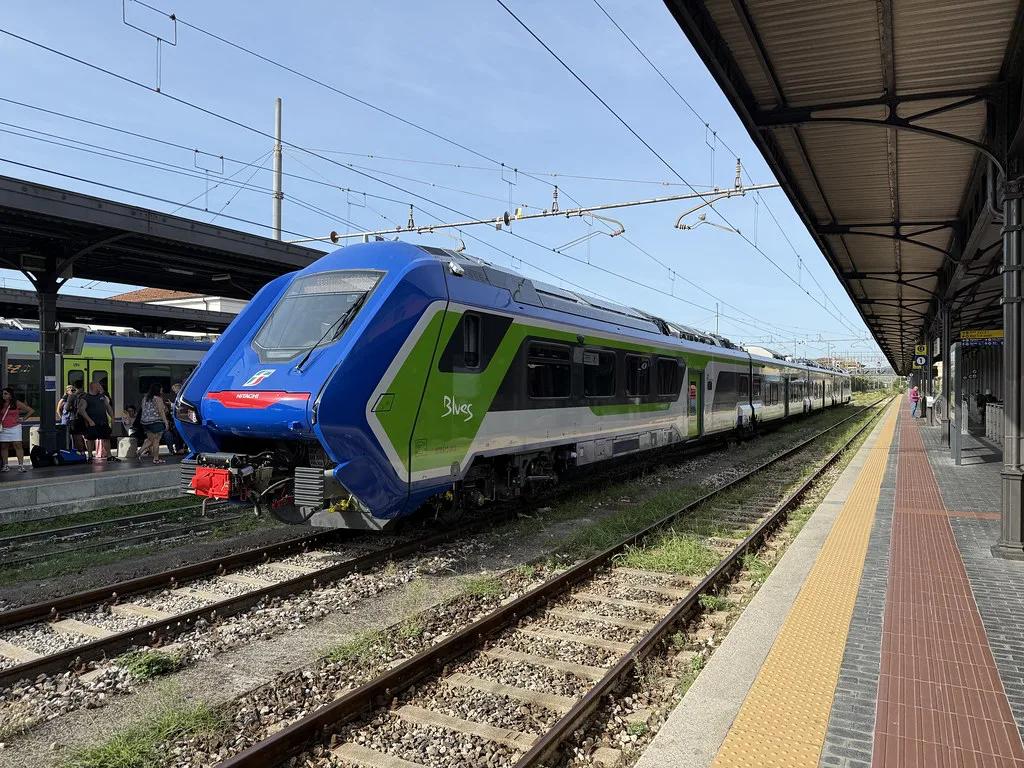
Last updated November 2026: regional trains in Italy are the slow, stopping services labelled R or REG on timetables. They carry a fixed low fare, usually need no seat reservation, and reach small towns that fast trains skip. This guide covers ticket rules, validation and day trips, while our Italy train guide covers the wider network.
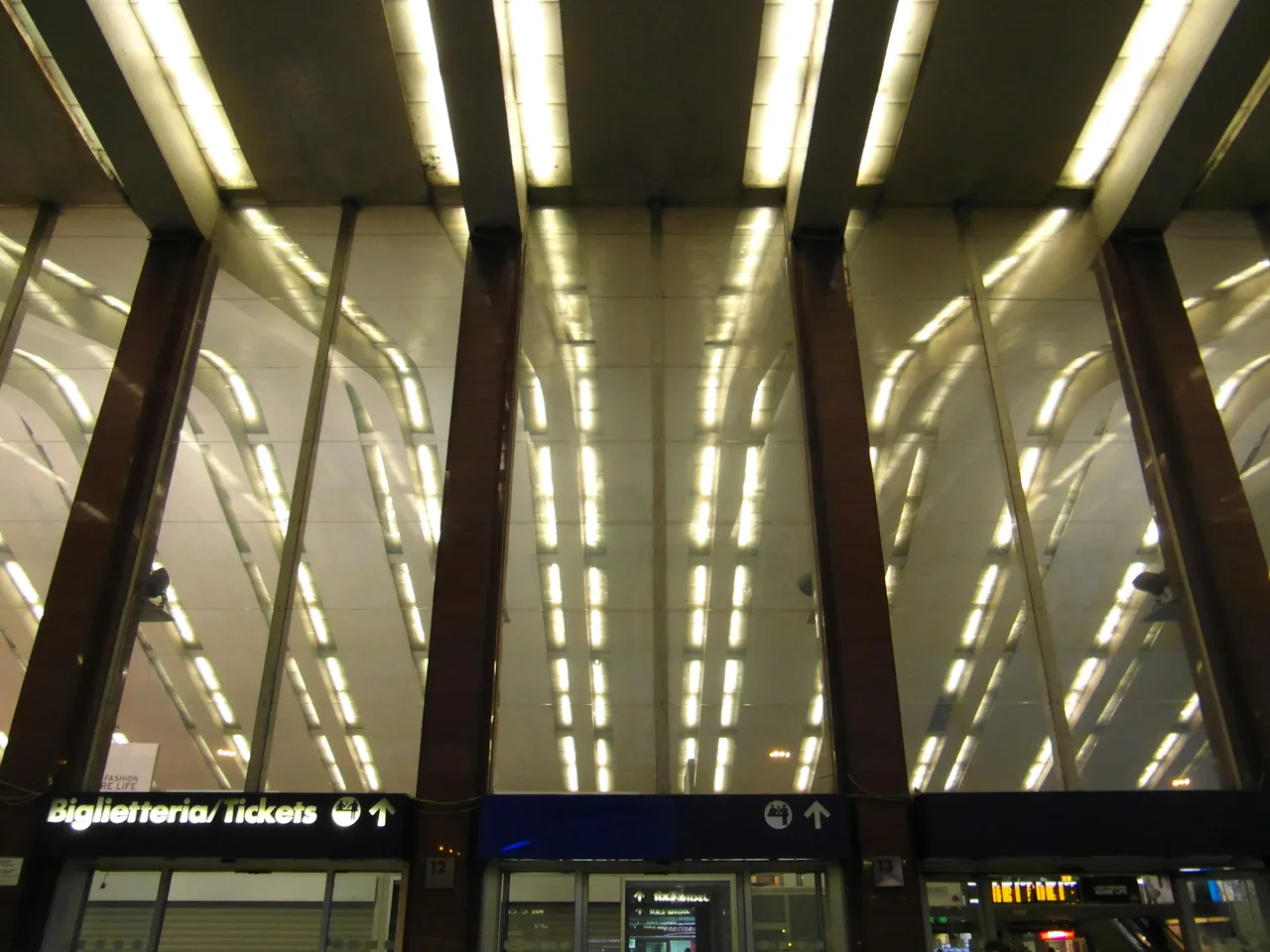
Featured image: Mark Fischer, CC BY-SA 4.0, via Flickr.
What Is a Regional Train in Italy?
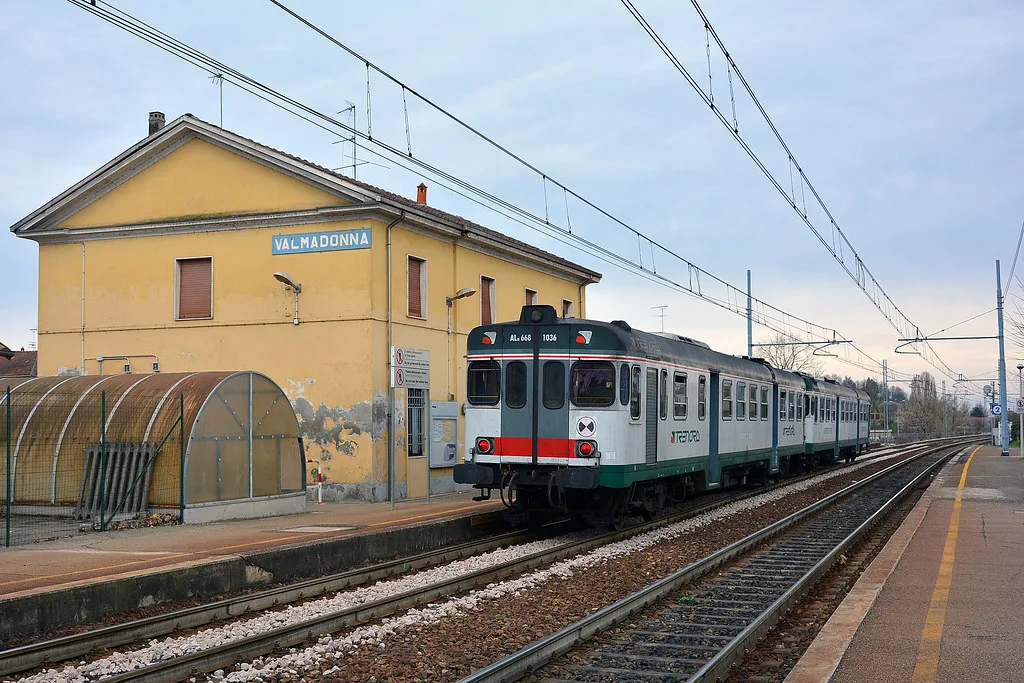
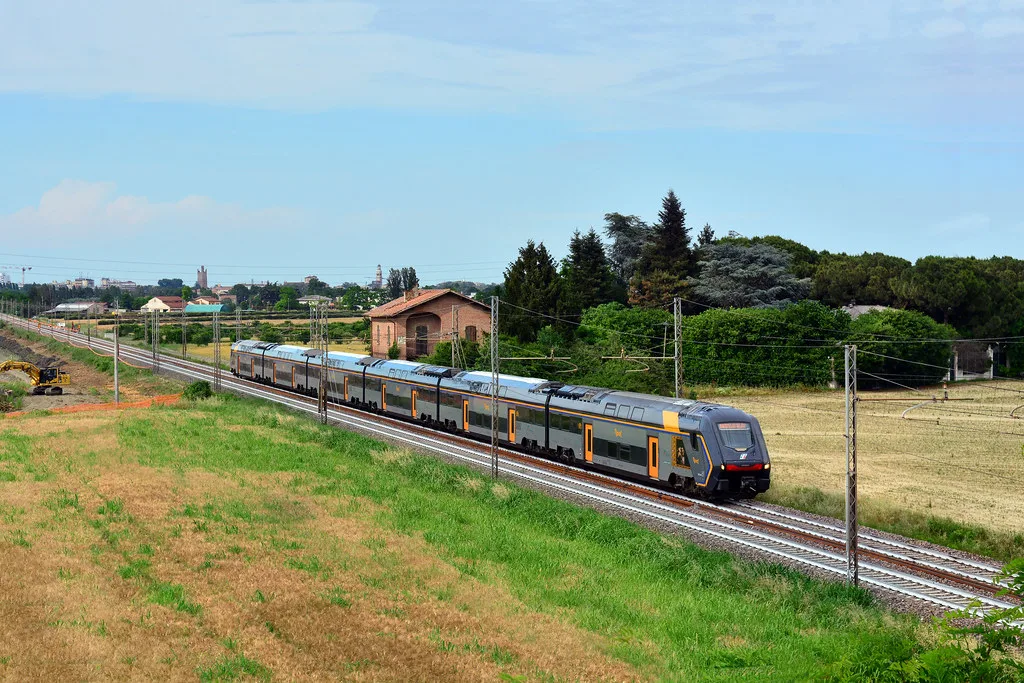
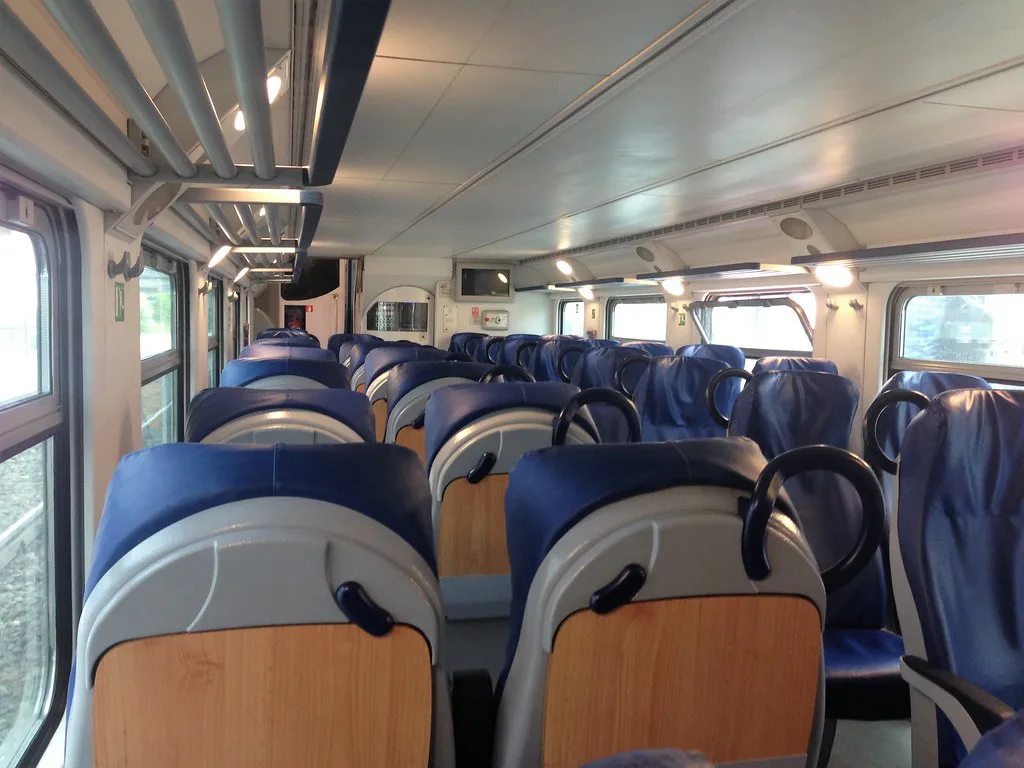
A regional train serves one region, or sometimes two neighbouring regions, and calls at all or most stations on its line. Timetables mark these services R or REG. Regionale Veloce, shown as RV, is the quicker cousin that skips some of the smaller stops. Regions fund and contract regional rail, so the operator depends on where you travel. Trenitalia runs most services. In Lombardy, Trenord operates regional trains around Milan. Around Naples, the Circumvesuviana is a separate commuter line run by EAV rather than Trenitalia. Expect commuter-style carriages, frequent stops and no onboard seat numbers. Fares are fixed. A regional ticket normally lets you take any regional train on the day of travel unless the ticket states otherwise.
Regional Trains in Italy vs High-Speed Trains: Which Should You Take?
Choose by the shape of your trip. Regional trains win when your destination is a small town, when you want to leave on a whim, or when the fast train would cost far more for a short hop. Fast trains win on long city-to-city legs where saved time matters. Italo is a private high-speed operator that sells its own tickets on its official site. Its tickets are not interchangeable with regional ones.
| Train type | Stops | Seat reservation | Ticket flexibility | Best use |
|---|---|---|---|---|
| Regionale (R/REG) and Regionale Veloce (RV) | All or most stations (RV skips some) | Usually none; sit anywhere | Fixed fare; any regional train that day unless the ticket says otherwise | Small towns, short hops, spontaneous day trips |
| InterCity | Major stations only | Normally assigned a seat | Less flexible than regional | Longer routes where you want fewer stops |
| Frecciarossa and other high-speed trains | Few, mainly big cities | Assigned seat | Tied to the booked train; price varies with demand | Rome, Milan, Florence, Venice and Naples links |
How to Buy and Validate Regional Tickets
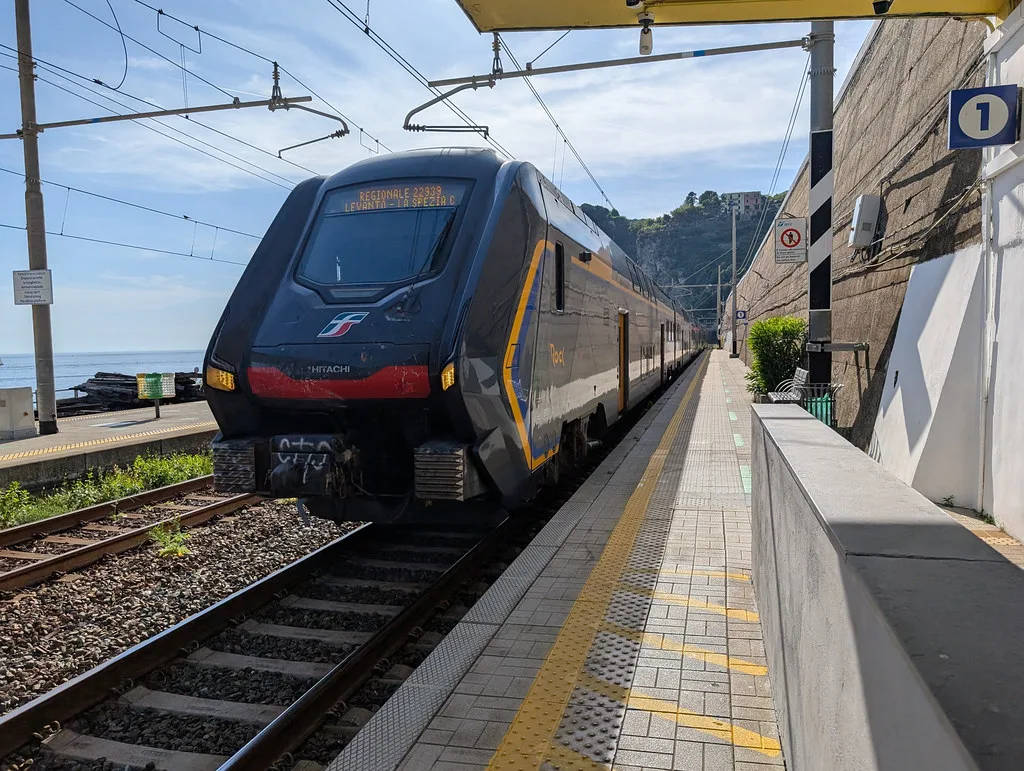
You can buy regional tickets in an app or website, at a station machine, or at a ticket counter. Apps and machines skip the counter queue and offer English menus. Counters help when your route needs a change or you want to pay in cash. Third-party resellers add their own fees, so compare against the operator's price before you pay. Our Trenitalia ticket guide walks through each channel step by step. Regional tickets carry no seat reservation, so there is nothing to book in advance. Paper tickets must be validated before you board. Stamp yours in the small validation machine on the platform or at the station entrance. An unvalidated paper ticket can draw a fine from the inspector. Digital tickets are checked on board and do not need stamping. Fares and rules change, so check the operator's site for current prices.
Best Regional Train Day Trips
Regional trains suit day trips because you can improvise your return. Each route below has its own trade-off between speed, changes and the walk from station to centre.
- Florence to Pisa: a regional train is the straightforward choice, with no reservation to make. See Florence to Pisa by train for station-to-sights logistics.
- Florence to Siena: regional service is the practical option. Allow for a walk or local transport from the station into the old centre, and read Florence to Siena by train first.
- Florence to Cinque Terre: expect a regional-train journey that usually involves a change. Read Florence to Cinque Terre by train before you commit to a connection.
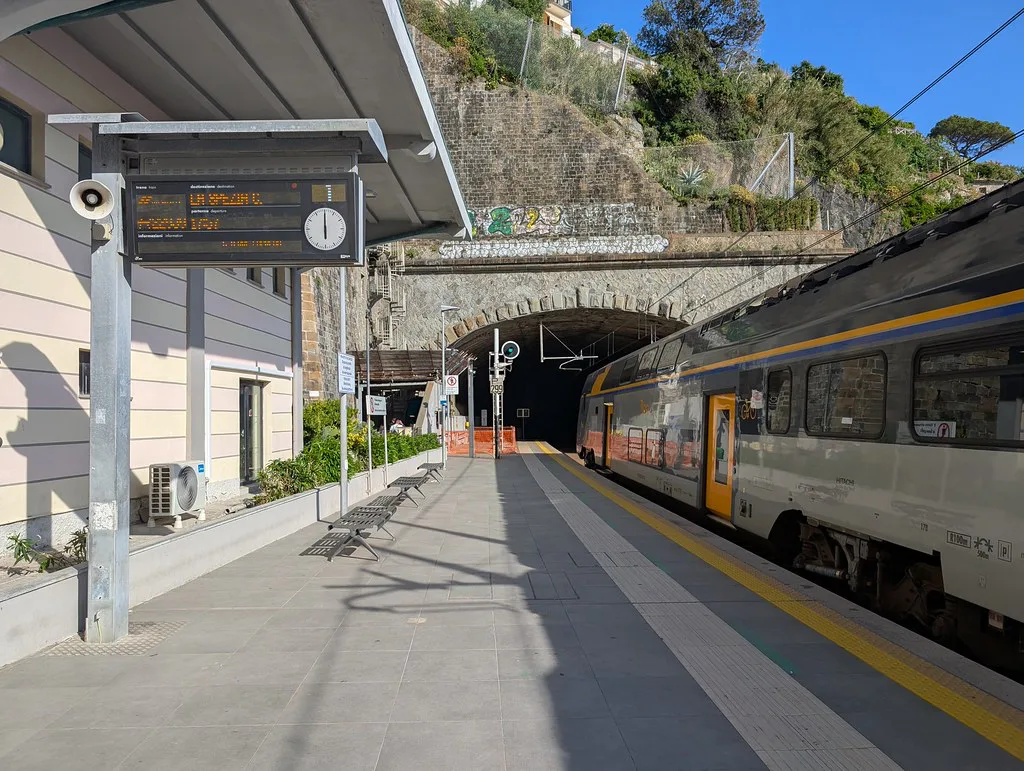
- Cinque Terre villages: the local trains between the villages are regional services. Our Cinque Terre train guide explains how they work.
- Venice to Verona: both regional and fast trains run, so compare time against cost. Venice to Verona by train sets out the choice.
- Naples to Pompeii: the Circumvesuviana commuter line serves the Vesuvius area, and EAV publishes its timetable.
Big Stations and Transfers
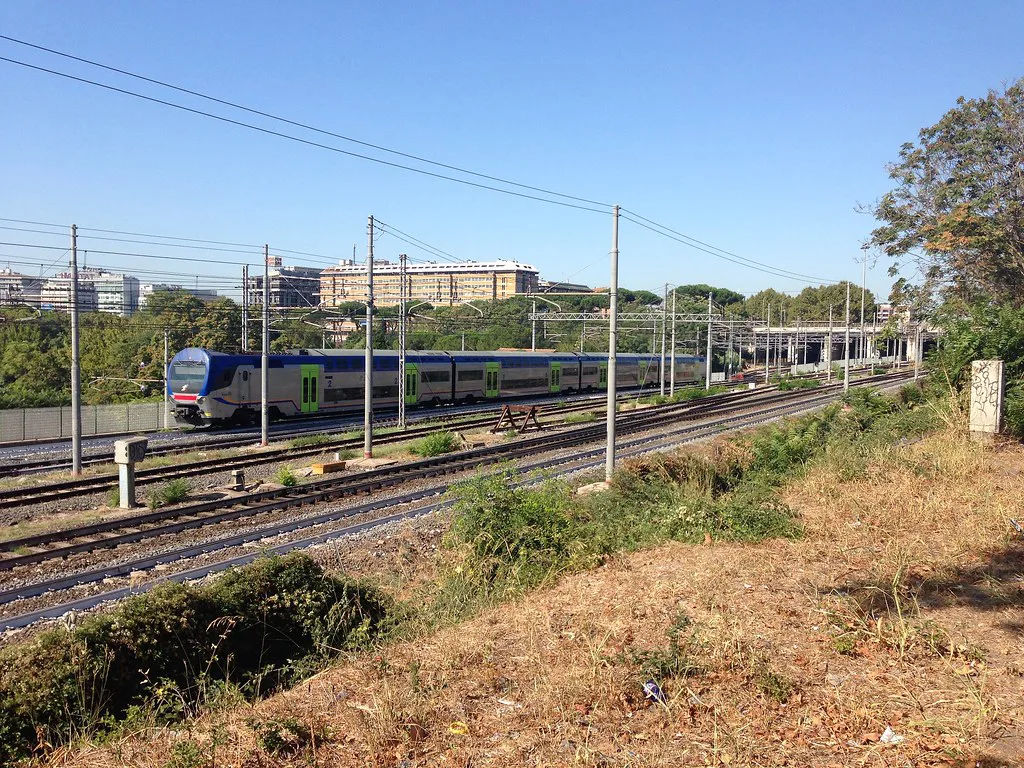
Most regional journeys start or change at a large hub, and hubs are where travellers lose time. Departure boards list regional trains alongside fast ones, so read the train category as well as the destination. Platforms are often announced shortly before departure and can change. Hub guides give the layout details.
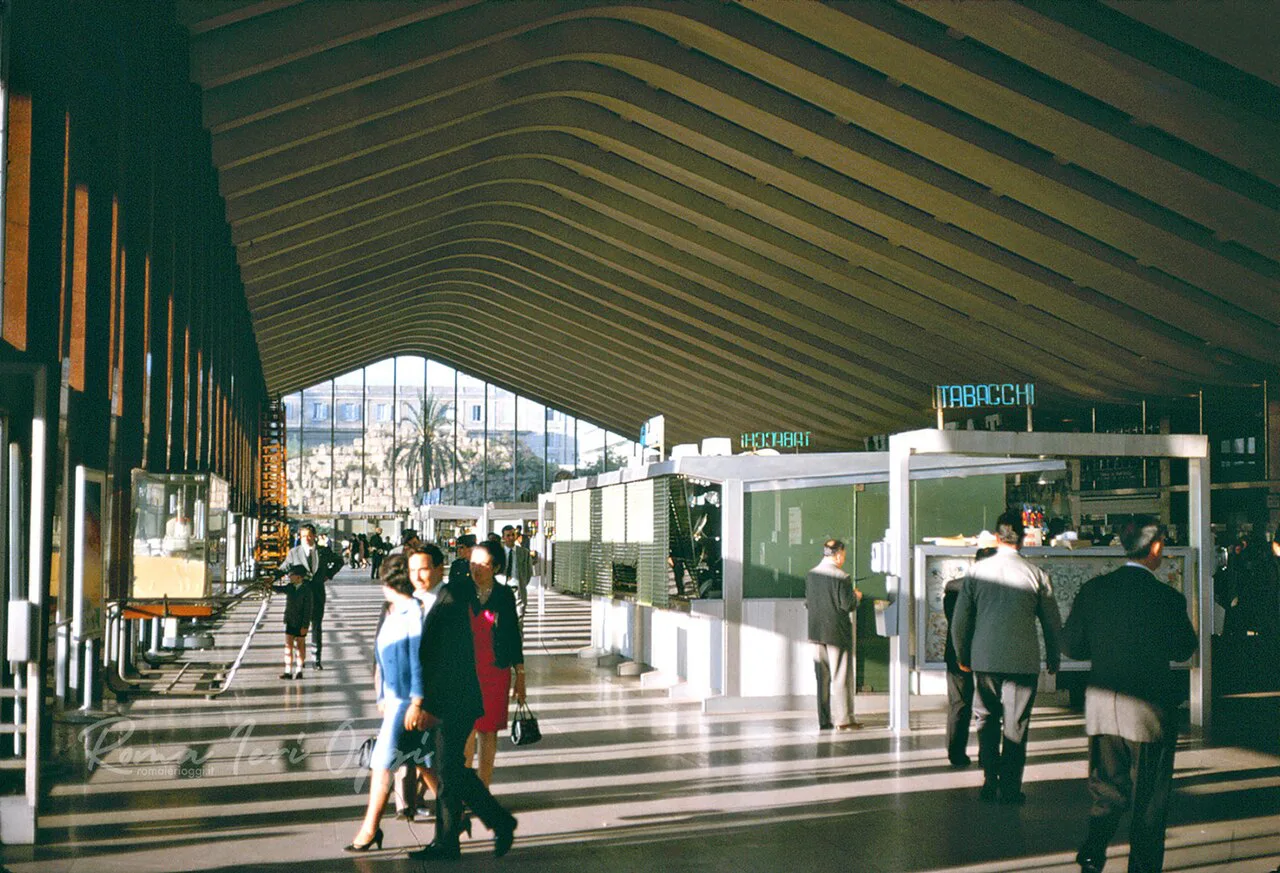
- Rome: Roma Termini Station Guide: Platforms, Tickets, Airport Links handles both regional and fast departures.
- Milan: Milano Centrale Station Guide: Getting There, Trains & Facilities is the main hub, and Trenord services serve Lombardy.
- Florence: Firenze Santa Maria Novella Station: Trains, Platforms & Tips is the starting point for the Pisa and Siena day trips above.
- Venice: Venezia Santa Lucia Station Guide: Arrival, Mestre & Getting Around is the terminus for Verona-bound trains.
- Naples: Napoli Centrale Station Guide: Arrival, Trains & Connections is the main hub for the Vesuvius area.
Strikes, Delays and Contingency Planning
Regional trains run on shared commuter lines, so delays on one service can ripple down the line. Strike days can cut service sharply. Check the Ministry of Transport strike calendar before you plan a day trip. Our Italy train strikes guide explains what usually keeps running. If a regional train is cancelled, ask at the counter or check the operator's app for the next service. Your ticket normally remains usable on the next regional train that day. Some lines run less often on Sundays and holidays, so look at the timetable for your exact date. Leave slack before a flight or a fast-train booking.
Common Mistakes to Avoid
Most regional-train problems come from a handful of repeat errors.
- Not validating a paper ticket before boarding.
- Boarding the wrong train at a hub because you read only the destination, not the category.
- Ignoring a platform change announced on the departure board.
- Assuming a regional ticket works on a Frecciarossa, InterCity or Italo train.
- Travelling on a strike day without a backup plan.
- Buying through a reseller without comparing the operator's own price.
Frequently Asked Questions
What are considered regional trains in Italy?
Regional trains are the services labelled R, REG or RV on timetables. They run within one region or between neighbouring regions and stop at all or most stations. Trenitalia runs many of them, and operators such as Trenord run others.
Do you have to validate train tickets in Italy?
Paper regional tickets must be validated in a platform or station machine before you board. Digital tickets are checked on board. Fast trains with assigned seats work differently, because the ticket is tied to the booked train.
Rail notes for your next trip
Optional updates when our rail guides change.
Related guides
More guides
Picked from the same area