Eurail Pass Guide: Types, Costs, Reservations & Value

Last updated November 2026. A Eurail Pass is one rail pass that covers train travel across participating European countries and rail operators, which the official Global Pass page lists as 33 countries. It suits multi-country itineraries with several long-distance legs. The main catch is that seat reservations and supplements on many high-speed and night trains cost extra, so budget for them before you buy.
The pass is not always the best deal: in Switzerland it competes with the national pass and Half Fare Card covered in our Switzerland by train guide.
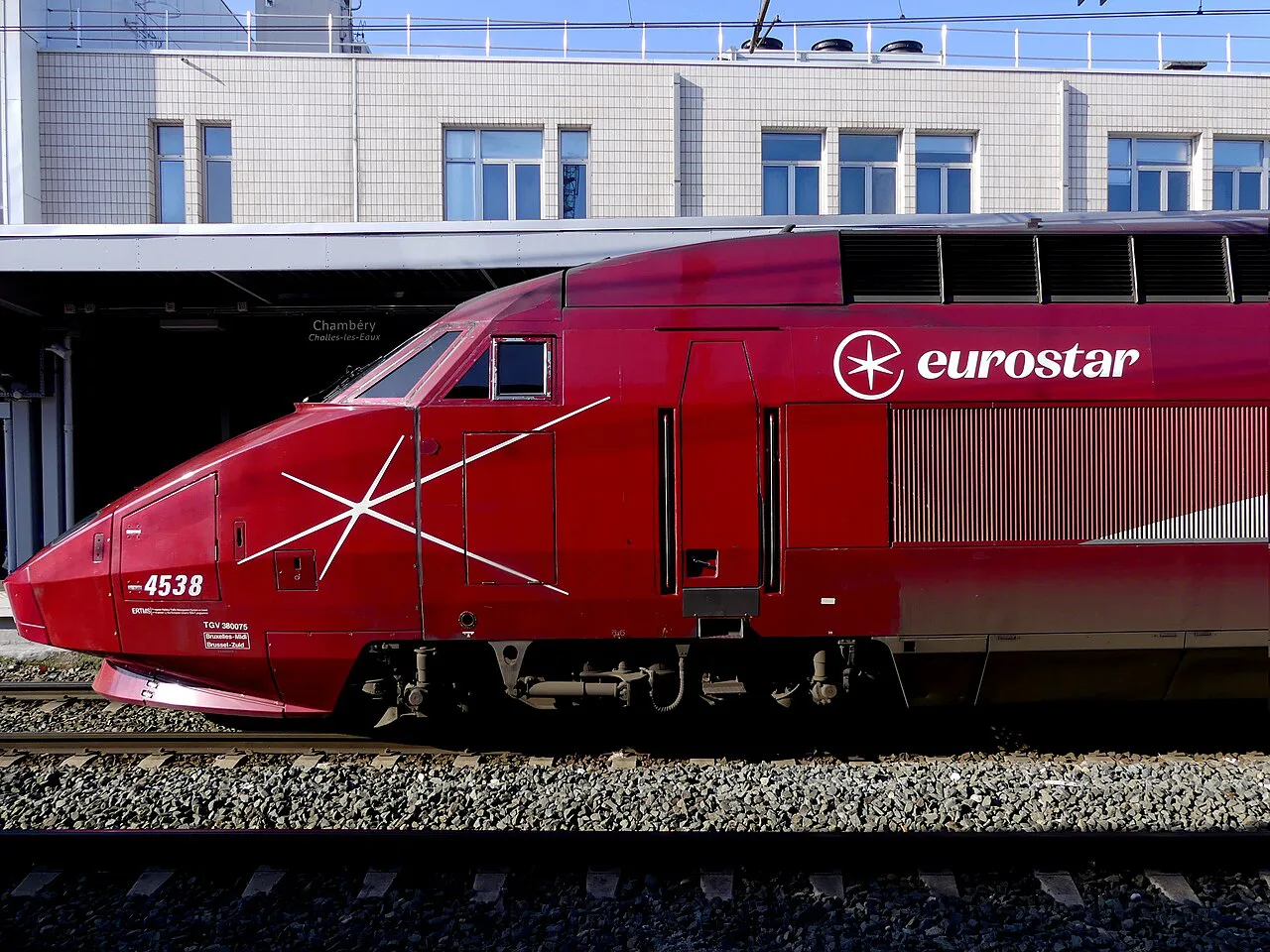
Featured image: Cooperweb, CC BY 2.0, via Flickr.
Choose your Eurail Pass in 60 seconds
Answer four questions before reading the detail. How many long train legs will you ride? How many of them run on reservation-heavy corridors? Can you book each leg weeks ahead? Do you need freedom to change plans? Mostly long legs, tight timing and several countries point toward a pass. Mostly short hops, one country and early booking point toward separate tickets.
- Three or more countries and four or more long legs: price a Global Pass.
- One country with a few long legs: price a One Country Pass against advance fares.
- Mostly regional hops of an hour or two: skip the pass and buy tickets.
- A few expensive legs plus many cheap ones: mix tickets and pass days.

What a Eurail Pass is and how it works
A Eurail Pass replaces individual train tickets with one pass that you activate and use for a set number of days. The Global Pass covers 33 countries. It reaches from Portugal in the west to Greece in the south and Finland in the north. Most buyers get a mobile pass that lives in the Eurail/Interrail Rail Planner app.
Using it follows four steps. First, buy the pass and choose your class, age category and travel-day option. Second, activate it in the app with your passport details. Third, add each journey to your pass before you board. Fourth, show the QR code to the conductor. Reservations are a separate layer on top. The pass gives you the right to ride, while a reservation gives you a seat on trains that limit places.
Is a Eurail Pass worth it? A quick decision guide
A pass pays off when several of your legs are long, expensive when bought late, and spread over many countries. It loses when your itinerary is short regional hops or a single country with cheap advance fares. Our full worth-it breakdown works through example trips. Use the checklist below for a first answer.

- Buy if: you visit three or more countries, ride long legs on most travel days, and want to change dates without losing a fixed-fare ticket.
- Buy if: your plans stay loose until a few days before departure, when point-to-point fares on popular routes tend to be highest.
- Skip if: your trip is a single city base with day trips on cheap regional trains.
- Skip if: you can book every leg early at advance fares and you stay in one country.
- Consider mixed tickets if: two or three legs are expensive and the rest are short. Spend pass days on the expensive ones.
Eurail Pass types explained
Two choices shape your pass. The first is coverage: the Global Pass for many countries or a One Country Pass for one. The second is how days are counted: a Flexi pass gives you a set number of travel days inside a validity window, while a Continuous pass covers every day in a fixed period. Our guide to the One Country Pass covers single-country options in depth.

Current Flexi options for the Global Pass have included 4, 5 or 7 days within one month and 10 or 15 days within two months. Continuous options have run from 15 days up to three months. One Country passes have offered 3, 4, 5, 6 or 8 days within a month. Offers change, so read the product list on the official page before you decide. Regional combined passes such as Benelux or Scandinavia have been reported in some guides but not others, and Switzerland's status is also unclear. Check both on Eurail.com.
| Pass | Best for | Travel-day logic | Main catch |
|---|---|---|---|
| Global Flexi | Multi-country trips with rest days between moves | A fixed number of travel days inside a 1 or 2 month window | Each day you use is gone, so short hops waste value |
| Global Continuous | Constant movement across many countries | Unlimited travel every day for 15 days up to 3 months | Poor value if you stay put for several days |
| One Country | One country with several long legs | A set number of travel days inside 1 month | Cheap advance fares can beat it |
What a Eurail Pass really costs
Budgeting only the pass is the most common mistake. Total cost is a stack: base pass, class, age category, reservations, night-train supplements and any supplement-bearing service such as Eurostar. Our full Eurail Pass cost breakdown shows how each layer adds up.

Two modifiers change the base price. Youth travellers get a discount, and one source puts the youth range at 12 to 27 on the first day of validity. Senior pricing is lower as well. Age cutoffs differ between sources, so confirm the exact definitions on Eurail.com. Our senior pass guide covers that category. Children aged 4 to 11 have travelled free with an accompanying paying adult, up to two children per paying traveller, and infants under 4 are free. Reservations for children still cost extra.
Class is the other modifier. First class costs more than second, and our first vs second class comparison explains when the gap is worth paying. Second class suits most travellers because the network is the same.
To find your break-even, do this:
- List every leg you plan, with its date.
- Price each leg as a regular ticket on the operator's site for the date you would really book.
- Add the total and compare it with the pass price plus every reservation fee.
- Divide the pass price by its travel days to see your cost per day.
- Count a travel day as worthwhile only if the legs on it cost more than that daily figure.
Eurail Pass seat reservations on high-speed trains
A pass covers the base fare, but many fast and night trains also require a paid seat. Sources split the main high-speed countries into two groups. France, Italy and Spain typically require a reservation. Germany and Austria are often optional. Typical fees reported for passholders start around €10 on domestic TGV and AVE trains and rise on popular departures, while optional ICE reservations run about €4 to €5. Check each fee on the operator's own site, such as Renfe for Spanish AVE trains.

Quota is the hidden risk. Operators release a limited number of seats to pass holders, so those seats can sell out while regular tickets remain. Book your reservations as soon as dates are fixed. Our seat reservation guide has country-level detail.
| Country and trains | Typical rule | Reader action | Risk |
|---|---|---|---|
| France: TGV | Paid reservation required | Reserve once dates are fixed | Passholder quota sells out on busy dates |
| Italy: Frecciarossa | Reservation required | Reserve before boarding any high-speed leg | Fee is added to the pass budget |
| Spain: AVE | Reservation required for each train | Reserve through Renfe or Eurail | Weekends and holidays tighten availability |
| Germany: ICE | Often optional | Board with the pass, or pay a small fee for a seat | Crowded trains without a reserved seat |
| Austria | Often optional | Reserve long legs only | Busy weekends |
Night trains, Eurostar and supplements
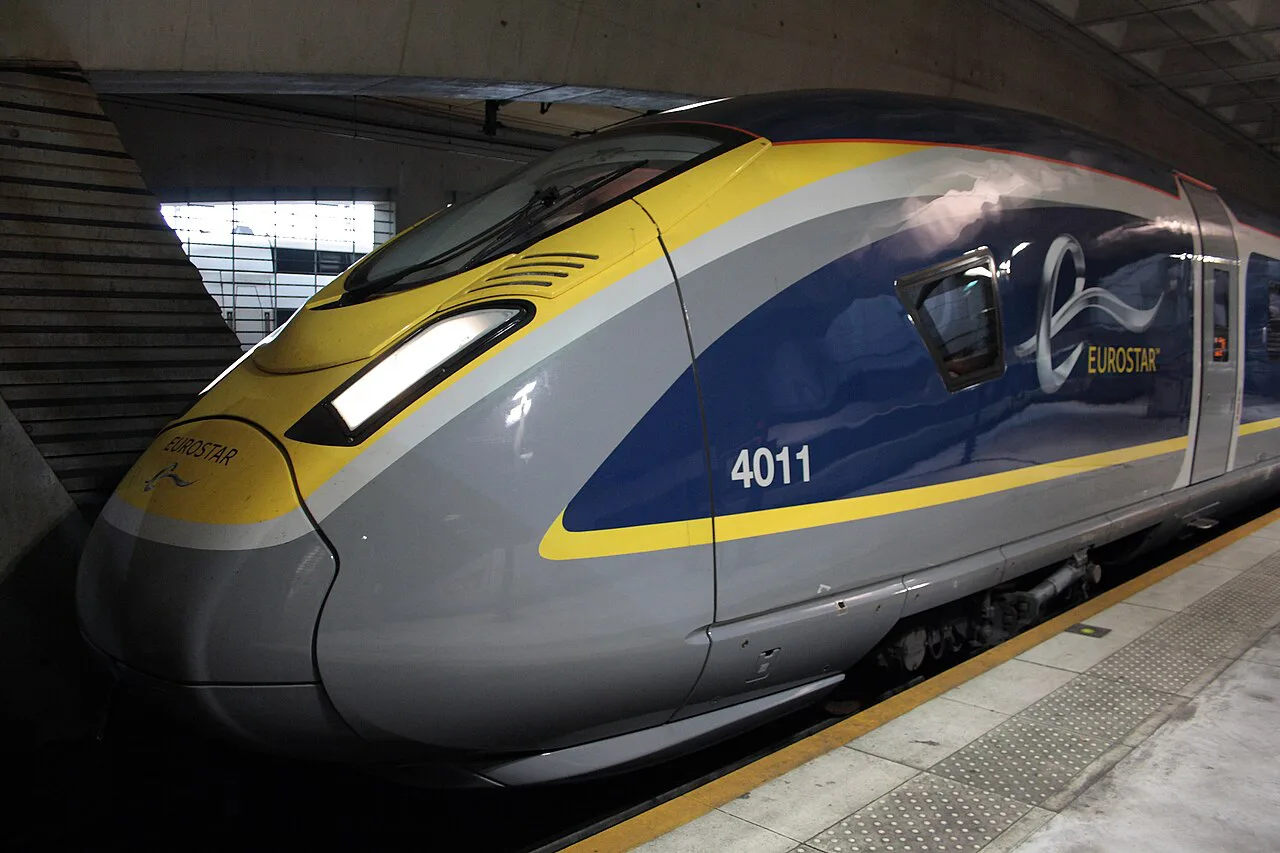
Night trains and Eurostar sit outside the simple pass-plus-fee model. Eurostar accepts the Global Pass for the base fare, but passholders pay a supplement and need a reservation, with seats limited by quota. One source puts that supplement at about €30 to €40 in standard class. Eurostar also runs security and border checks, and one source advises arriving 30 to 60 minutes before departure with your passport. Night trains add a sleeper or couchette charge. Look up options and booking rules on Nightjet's official site. Treat these services as fixed anchor points and plan flexible travel around them.

How travel days and activation work
A Flexi travel day runs from 00:00 to 23:59, and you can make unlimited journeys within it. Cluster your long transfers on the same pass day and use cheap local tickets for short hops. You can activate a mobile pass within 11 months of purchase. The planned start date can reportedly be changed until 23:59 Central European Time on the day before activation, which is worth verifying on Eurail.com.
A Continuous pass runs from midnight on the first day to 23:59 on the last, so you do not select individual days. Overnight trains follow a special rule. If you board before midnight and stay on the same direct train, one source says only the departure date counts as a Flexi travel day. Confirm that rule on Eurail.com before relying on it.
- Mistake: activating late. Travelling before activation can cost travel days.
- Mistake: spending a travel day on a one-hour regional hop.
- Mistake: booking pass-day trains before checking reservation quota.
- Mistake: choosing a Continuous pass for a trip with long city stays.
- Mistake: forgetting to add each journey to the pass before boarding.
Mobile pass, app and booking
Buy from the official Eurail site or an authorised reseller, and avoid unknown sellers because the pass is linked to your passport. Most passes are delivered to the Rail Planner app. Our Eurail app walkthrough shows each screen. Add your pass using your last name and pass number, search journeys in the planner, save them to My Trip, then add the journey to your pass before boarding.

Plan for a phone failure. The app works offline for timetable browsing, but one source says it needs an internet connection every few days to sync. Carry a power bank and screenshots of your reservations. Paper passes still exist, though they require manual entries for each travel day, so check current availability before you plan around one.
Sample itinerary logic with a Eurail Pass
Three patterns show how days and reservations interact. They are illustrations, not full itineraries.
The classic Western Europe loop runs Paris, Zurich, Milan and Rome. That is three long legs, so a 4-day Flexi pass could cover them, and the French and Italian high-speed segments need reservations. The Central Europe route runs Amsterdam, Berlin, Prague, Vienna and Budapest. It uses four or more travel days, and reservations are often optional on German and Austrian legs, which keeps extra costs lower.
A Spain-focused trip from Madrid to Barcelona and on to Seville suits a One Country Pass. Every AVE leg needs a reservation, so compare the total against advance AVE fares before you buy.
Eurail vs Interrail and who can buy which
Eurail and Interrail are sister products for different travellers. In short, Interrail is sold to European residents and Eurail to residents of other regions. The Interrail passes page lists its own options. Confirm which pass your residency allows before you buy. Our Interrail vs Eurail comparison explains the differences.
- Non-European residents, including US citizens, buy the Eurail version online.
- Reservation and supplement rules for the two passes are the same on most trains.
Frequently Asked Questions
Does a Eurail Pass still exist?
Yes. Eurail still sells the Global Pass, and the official page lists 33 participating countries. Offers and prices change, so read the current product list before buying.
How does an Interrail pass work?
Interrail works like the Eurail Pass. You choose a Flexi or Continuous option, activate it in the Rail Planner app and add each journey before boarding. Reservations are extra on many fast and night trains.
Is Eurostar free with an Interrail pass?
No. The pass covers the base fare, but Eurostar charges passholders a reservation and supplement, and seats for pass users are limited. Check Interrail's current Eurostar rules before you book.
Explore More Guides
Keep planning your trip with these guides.
Guides
- Is a Eurail Pass Worth It? (Now Interrail) Break-Even Guide
- Eurail Pass Cost: What You'll Really Pay (Pass + Reservations)
- Interrail vs Eurail: Differences, Eligibility & Which to Buy
- Eurail Seat Reservations: Which Trains Need One
- Eurail App (Rail Planner)
- Eurail Pass for Seniors: Rules, Costs and Comfort Tips
- Eurail First Class vs Second Class: Is the Upgrade Worth It?
- Eurail One Country Pass: How It Works and When to Skip It
Rail notes for your next trip
Optional updates when our rail guides change.
Related guides

More guides
Picked from the same area