Eurostar Seats: How to Choose, Seat Types and Best Coaches

Last updated November 2026. Eurostar seats are allocated by fare, and whether you can pick a specific one depends on the ticket you buy and the train you get. This guide explains what you can control, how window, aisle, table and facing seats differ, and how luggage and boarding shape the choice. For the wider picture, start with our Eurostar travel guide.
Featured image: TeaMeister, CC BY 2.0, via Flickr.

Short answer: can you choose your Eurostar seat?
Sometimes. Seat choice depends on the fare class you book, so settle that first. Our Standard versus Plus comparison shows what each fare adds. Seat selection rules, fees and allocation methods are set by Eurostar and change over time. Read them on the official Eurostar booking pages on the day you buy. Even when you choose, you pick a position, not a guaranteed direction of travel.
How Eurostar seat allocation works by fare class
Fare names and inclusions change, so use the labels shown at checkout. The table below shows what to look for at each level and where to confirm it. Rail pass holders book a reservation separately, and Eurail's Eurostar reservation page explains that process.
| Fare class | Seat choice | What to look for at booking |
|---|---|---|
| Standard | Check at booking | Whether a seat map appears and whether choosing carries a fee |
| Plus | Check at booking | Whether seat selection is included and what changes if you amend the booking |
| Premier | Check at booking | Seat position within the coach and the service listed on the fare |
Choosing a seat: window, aisle, table, direction of travel
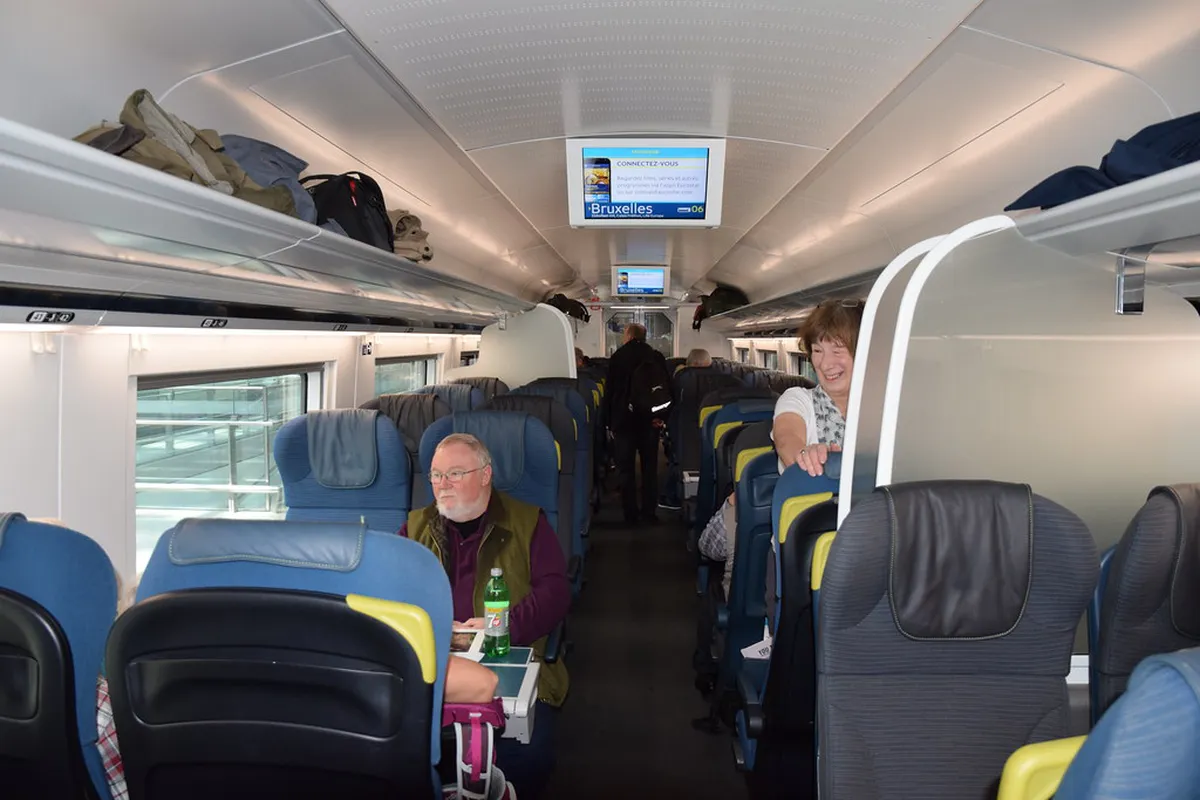
Pick by what you will do on the train. Window seats suit travelers who want the view and a wall to lean on. Aisle seats suit anyone who will stand up often. Table seats suit groups and laptop work, but legroom is shared with the people opposite. Facing direction is a comfort preference, and a seat map does not always guarantee it.
| Traveler | Seat type to look for | Trade-off |
|---|---|---|
| Solo traveler | Window, single or pair seat | Climbing past a neighbor to leave |
| Couple | Facing pair or two together | Directly facing strangers if the pair is across from you |
| Family or group | Table seat | Shared legroom and less storage space |
| Remote worker | Table seat near a power socket | Sockets vary by train type, so check your own |
| Light sleeper | Window seat away from doors | Passing foot traffic is higher near vestibules |
| Tall traveler | Aisle seat or table seat | Aisle seats are bumped by trolleys and passing passengers |
Coach and train-type differences
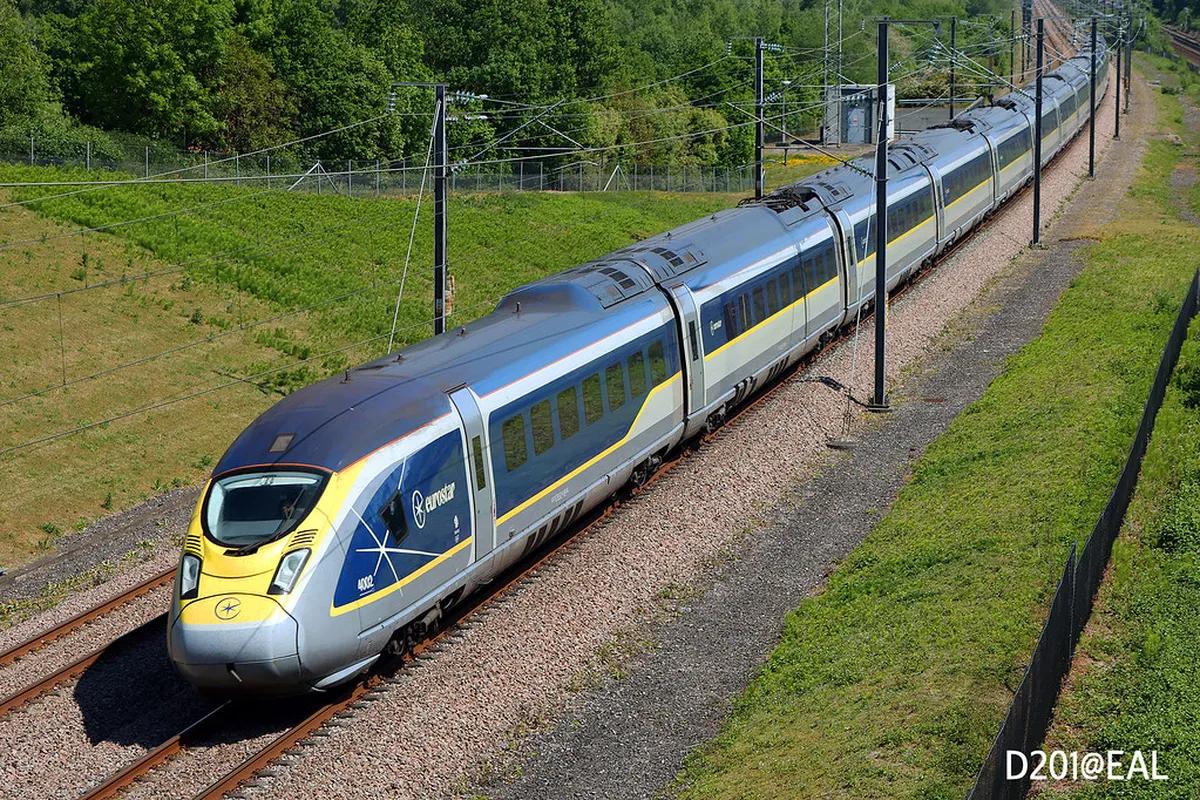
Eurostar runs more than one train type. Newer e320 trains and older e300 sets are laid out differently, so a generic seat map can mislead you. Your ticket or the Eurostar app shows your coach and seat. Compare that with the plan for your specific train before you decide where to sit. Which train runs your route can change, so treat any layout you saw earlier as a guide only.
Before picking a table seat for a laptop, check whether your train is an e320 or e300 set, since socket positions differ by train type.
- Mistake to avoid: choosing a seat from a generic seating plan without checking your train type.
- Mistake to avoid: assuming your window lines up with a seat. Some positions sit next to a pillar, which limits the view.
- Mistake to avoid: assuming table seats have the same sockets and legroom on every train.
Luggage and seat position
Seat choice and luggage space pull in different directions. Sitting near the coach end puts you close to the racks, but also near doors and foot traffic. Sitting mid-coach is quieter, though you may walk further to reach your bag. Our Eurostar luggage allowance guide covers what you can bring and where it can go. Pack so that the bag you need on board stays with you at your seat.
Boarding logistics that affect seat choice
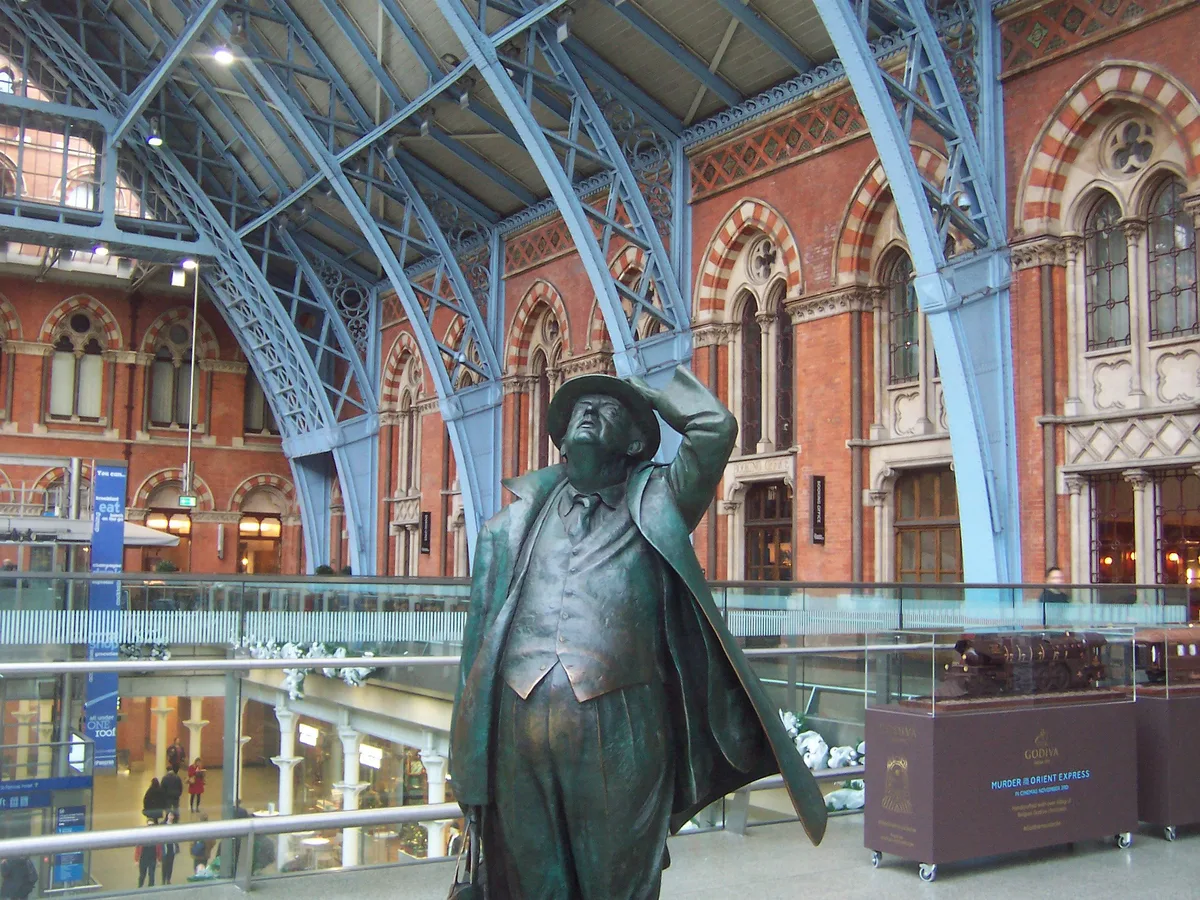
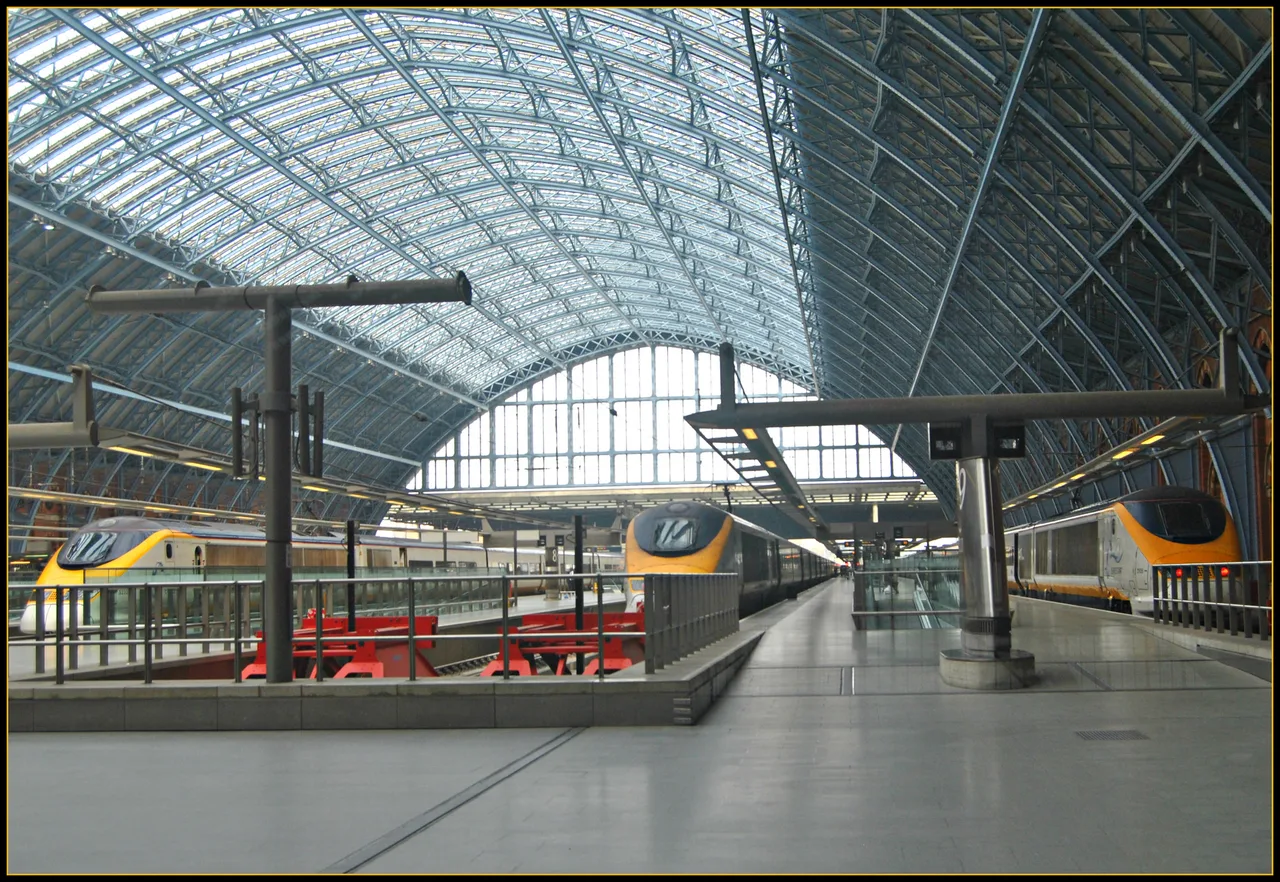
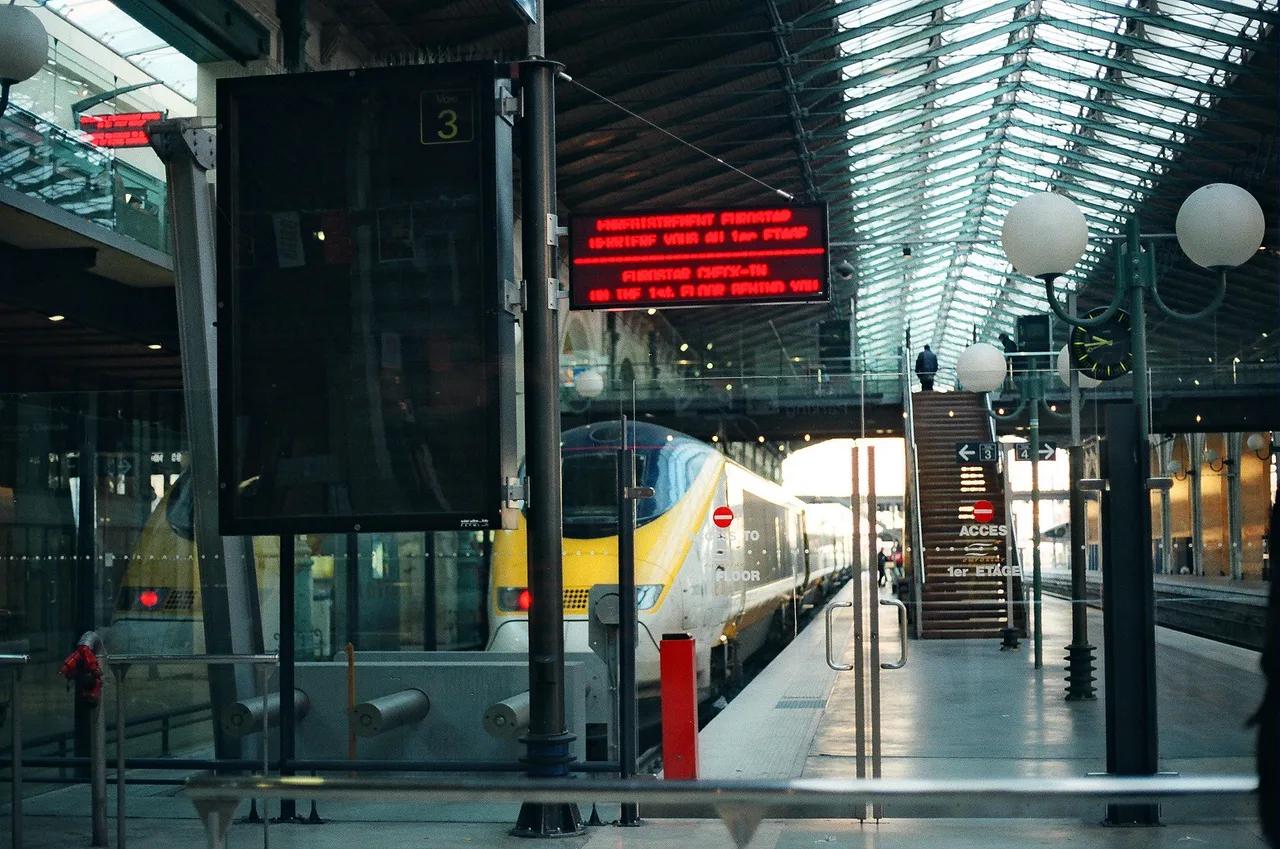
Where you sit decides how far you walk along the platform. Choose a seat near the coach you are likely to board at to cut that walk. Departure checks take time, so arrive early. Our St Pancras departure guide covers checks and platform timing in London. Paris arrivals are covered in our Gare du Nord guide. St Pancras International publishes station information. Route differences are in our London to Paris train guide, our London to Brussels train guide and our London to Amsterdam train guide.
Accessibility and assisted seating
Wheelchair spaces and companion seats are arranged through Eurostar's assistance service rather than the ordinary seat map. Request assistance when you book, and name your departure station so staff can meet you. Read the current process on the Eurostar website, because assistance rules and notice periods are set by the operator.
Frequently Asked Questions
How can I choose my seat on Eurostar?
Seat selection depends on your fare class, so check the options at checkout. If the booking flow shows a seat map, pick your seat there. If it does not, your seat is assigned for you.
What is the best seat to sit on a train?
It depends on your trip. Window seats suit views, aisle seats suit movement, and table seats suit groups. Pick the position that matches what you will do on board.
Rail notes for your next trip
Optional updates when our rail guides change.
Related guides
More guides
Picked from the same area