Last updated November 2026: the Eurostar tunnel is the Channel Tunnel, about 50 km (31 miles) long, with about 38 km (24 miles) under the sea. You never pick a tunnel, only a train, a station and a ticket type, so start with our Eurostar guide. LeShuttle is a separate car shuttle through the same tunnel, and it is not a Eurostar product.
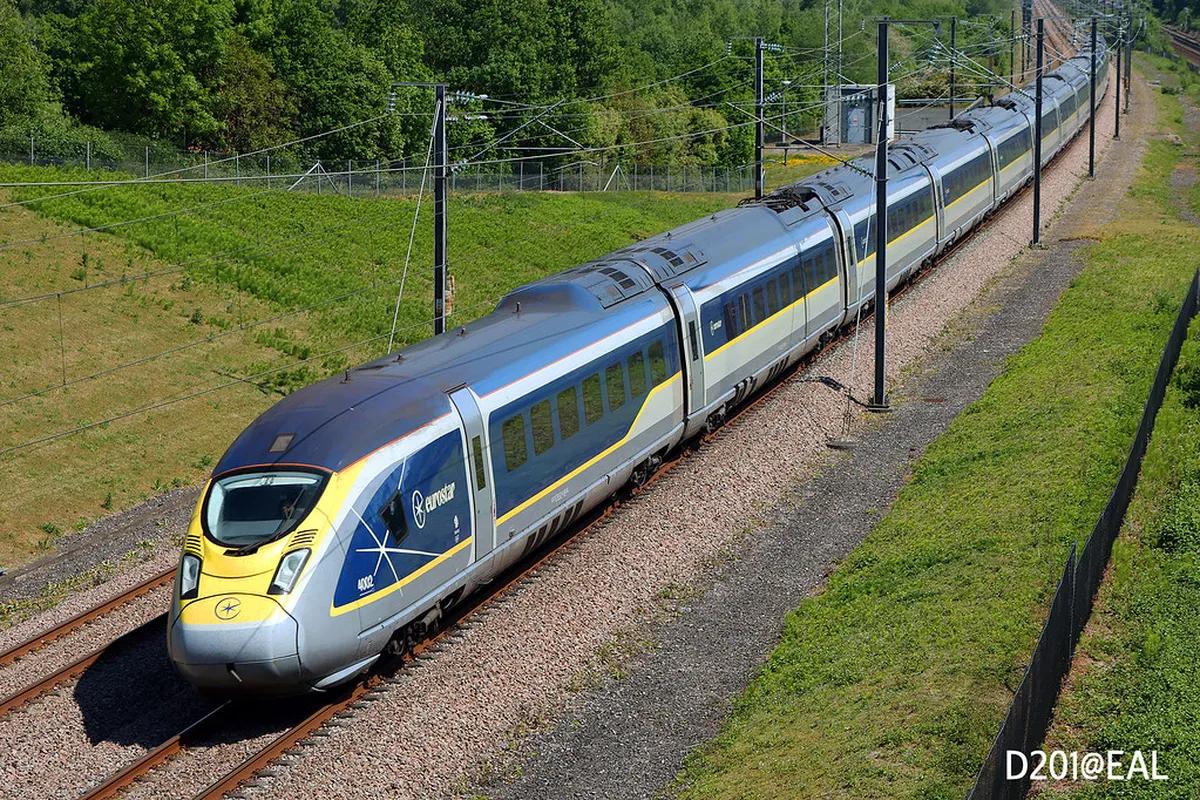
Featured image: Loco Steve, CC BY-SA 2.0, via Flickr.
What the Eurostar tunnel is (and what it isn't)
Despite the singular name, the Channel Tunnel is a system of three parallel tunnels. Two carry trains, one track each, and a smaller service tunnel runs between them. Cross-passages every 375 metres link the rail tunnels to that service tunnel for maintenance and evacuation. Three kinds of traffic share the system. Eurostar carries foot passengers between city stations such as London St Pancras International. LeShuttle carries cars, motorbikes and caravans between Folkestone and Coquelles, near Calais. Freight trains use the same tunnels. Construction started on the British side in 1987 and in France in 1988, and the tunnel officially opened on 6 May 1994.
What the journey through the tunnel is like
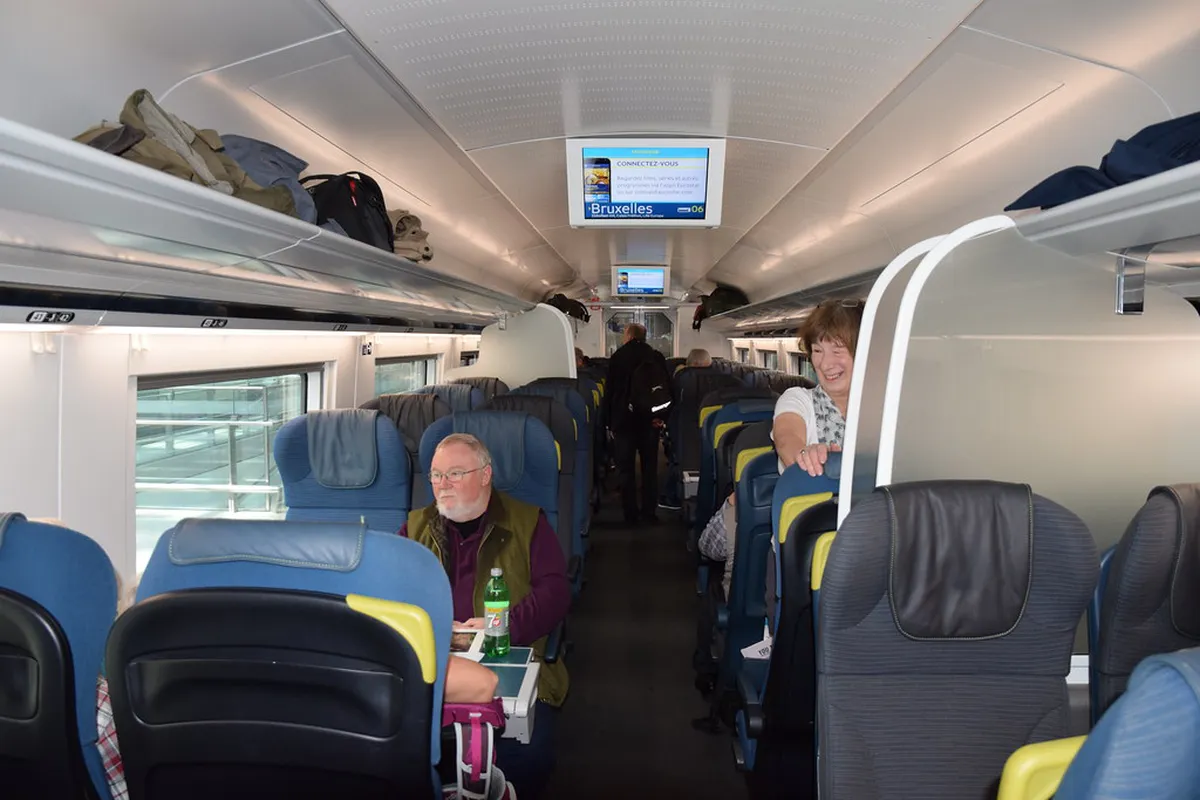
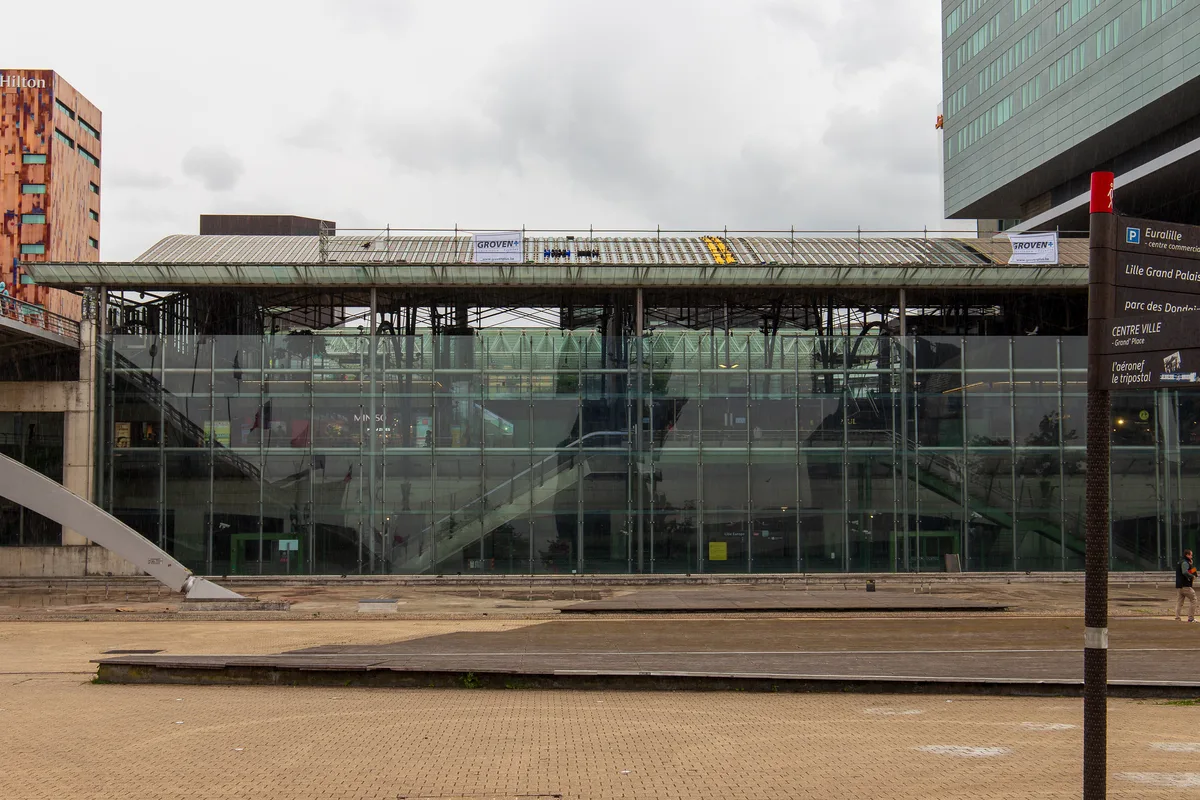
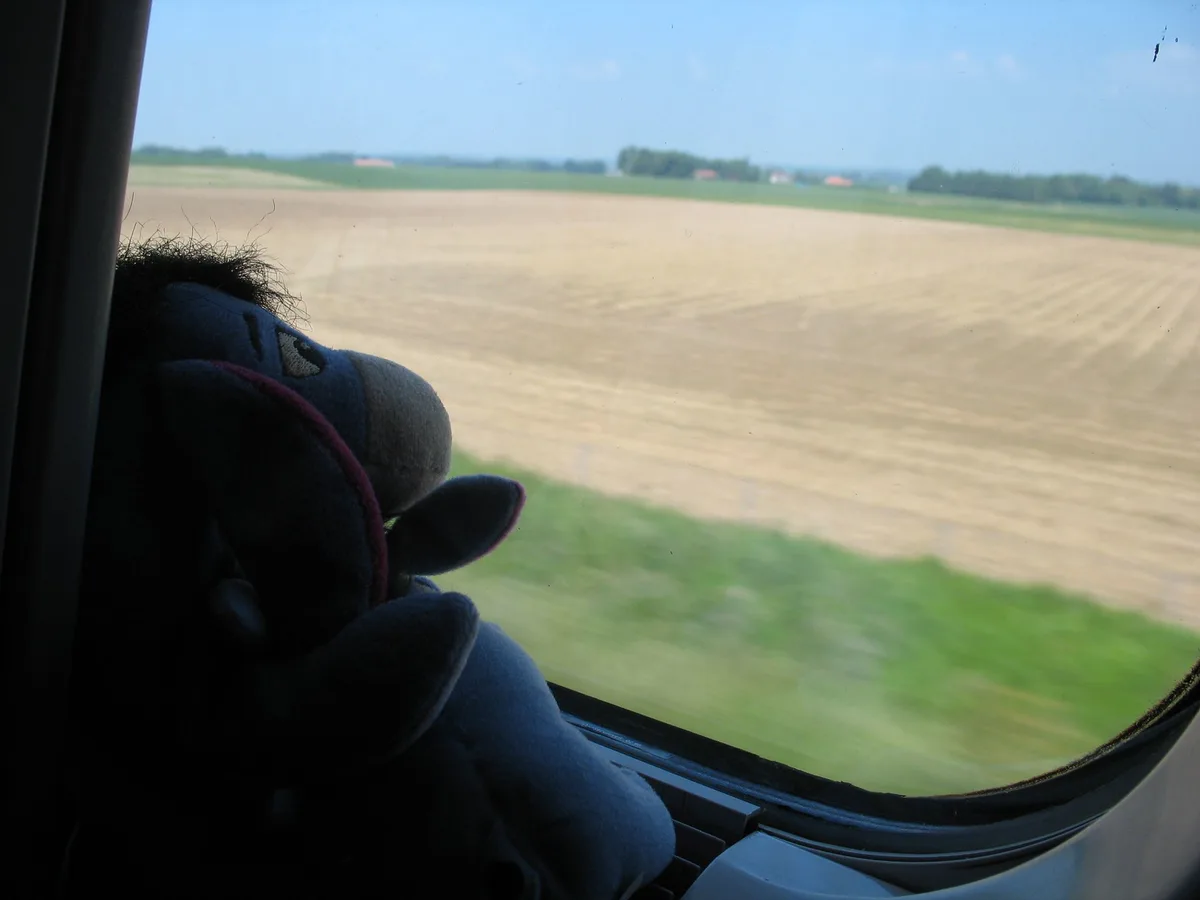
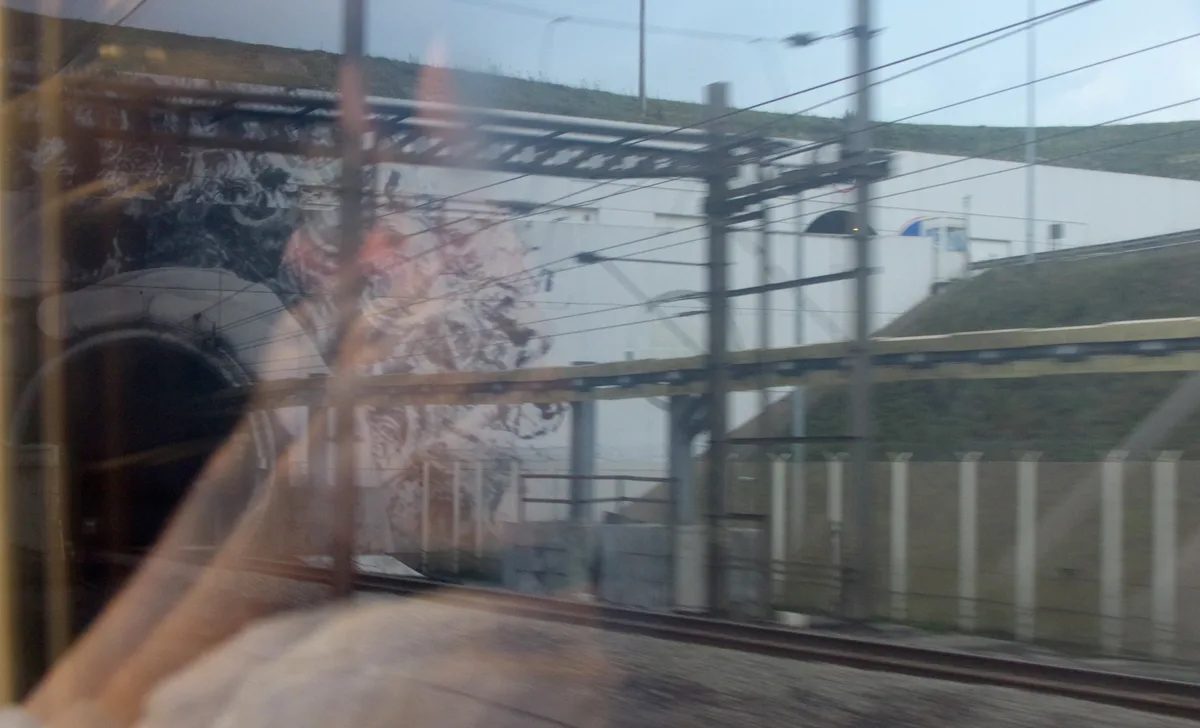
Expect a dark window, reflections and the occasional glimpse of tunnel wall. There are no sea views, no ships and no fish. Only about 38 km of the route runs beneath the sea, and that is one stretch of a longer city-to-city trip. Eurostar's official site lists current timings for each route. Most of your travel time is spent on the high-speed lines either side, so look out of the window before and after the tunnel instead. Reading a tunnel diagram beforehand makes the dark stretch more interesting.
How long Eurostar spends inside the Channel Tunnel
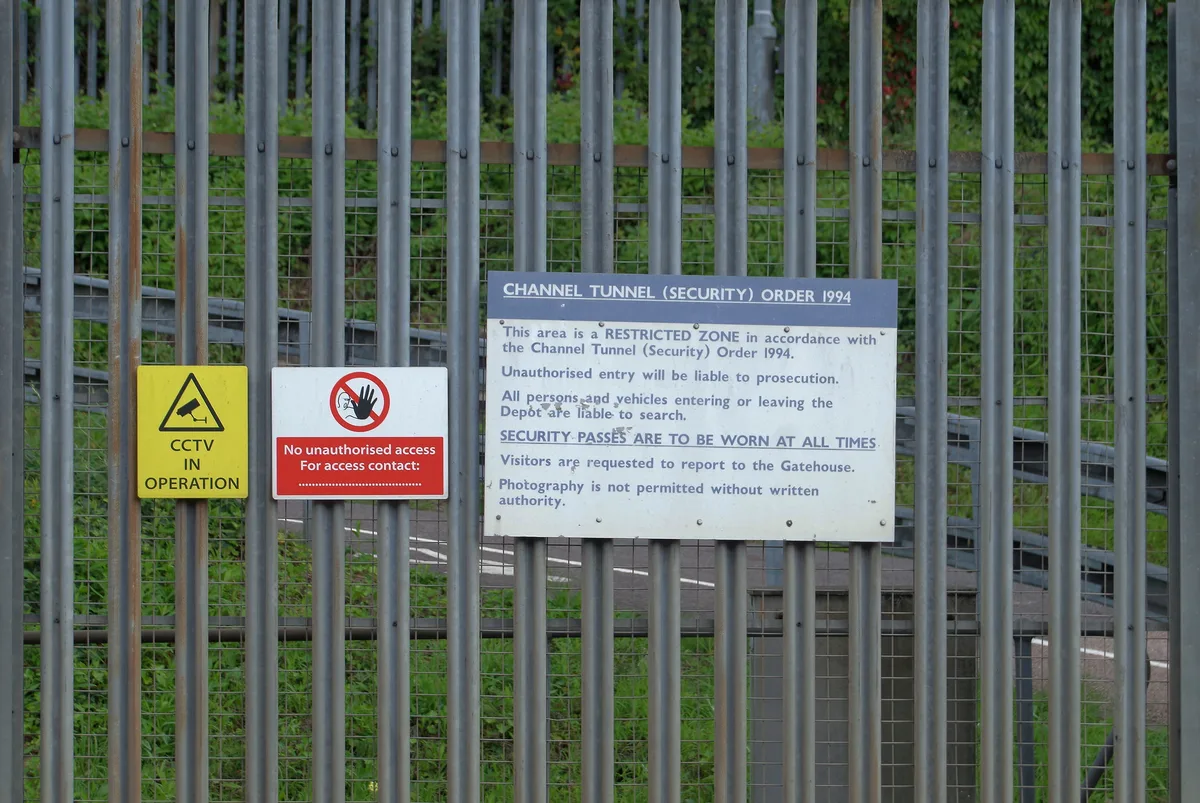
The whole tunnel is about 50 km (31 miles) long, and a Eurostar train takes roughly 20 minutes to run through it. Trains slow down for the tunnel, travelling at up to about 160 km/h inside it. On the high-speed lines either side they run much faster, so the tunnel is a short, slower stretch within a longer trip.
Your phone may lose its signal or switch networks during this time. Download anything you want to read or watch before you board.
Where the 20 minutes sits in the trip
- Before the tunnel: the train leaves the station and runs on high-speed line through Kent or northern France. London to the tunnel mouth near Folkestone takes under an hour.
- In the tunnel: about 20 minutes, with the 38 km undersea section in the middle.
- After the tunnel: the train emerges near Calais and speeds up again on the French high-speed network.
How the two ends met
Crews tunnelled from both coasts using tunnel boring machines. The British and French teams broke through in the service tunnel on 1 December 1990, years before the 1994 opening. The two ends met in the middle, and the line you travel today follows that same route under the Channel.
Timings can change with timetable updates and engineering works, so confirm your exact departure and arrival times on Eurostar's official site before you book.
Eurostar or LeShuttle: which crossing fits your trip
Pick by how you travel, not by the tunnel. Eurostar suits a city break with a suitcase. LeShuttle suits a road trip with a loaded car. LeShuttle's advertised crossing is about 35 minutes, with check-in between 45 minutes and 2 hours before departure. Its UK terminal has a dedicated exit at Junction 11A of the M20. The French terminal is off Junction 42 of the A16. For flying, compare door-to-door time rather than time in the air.
| Option | Best for | How you board | Tunnel crossing | Main trade-off |
|---|---|---|---|---|
| Eurostar | Foot passengers going city centre to city centre | St Pancras, with security and border checks before departure | Short undersea stretch of about 38 km within a longer trip | Check-in time adds to the journey |
| LeShuttle | Cars, motorbikes, caravans and pets | Drive on at Folkestone and off at Coquelles | About 35 minutes | Not designed for foot passengers |
| Flying | Trips that start or end near an airport | Airport check-in, security and boarding | Not applicable | Transfers and airport queues can erase the time saved |
Eurostar routes that use the tunnel
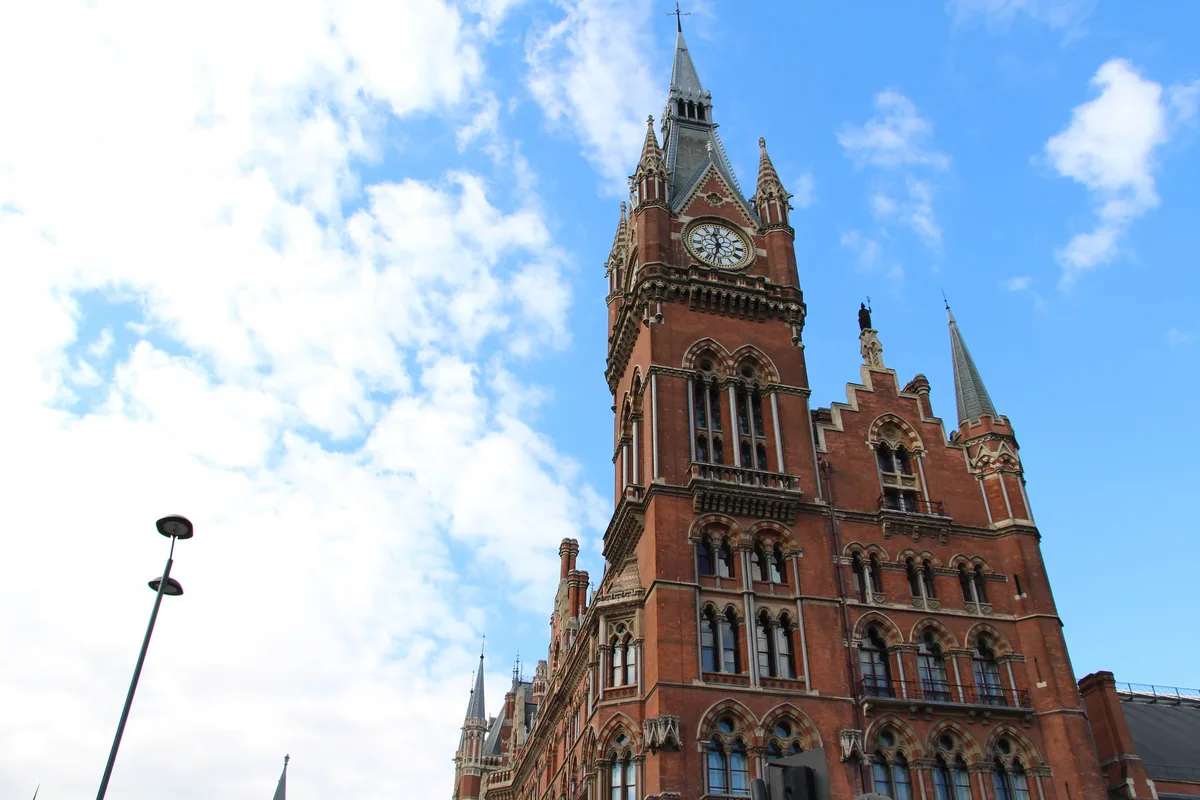
Every Eurostar route from London to the continent passes through the tunnel. Eurostar's current timetable shows London to Paris from as little as 2 hours 16 minutes. Our London to Paris train guide covers that route in full. London to Brussels takes about 1 hour 50 minutes, and our London to Brussels train guide explains the details. Amsterdam is a longer trip, covered in our London to Amsterdam train guide. Journey times shift with timetable changes, so check the Eurostar official site before you book.
Planning your Eurostar trip around the tunnel
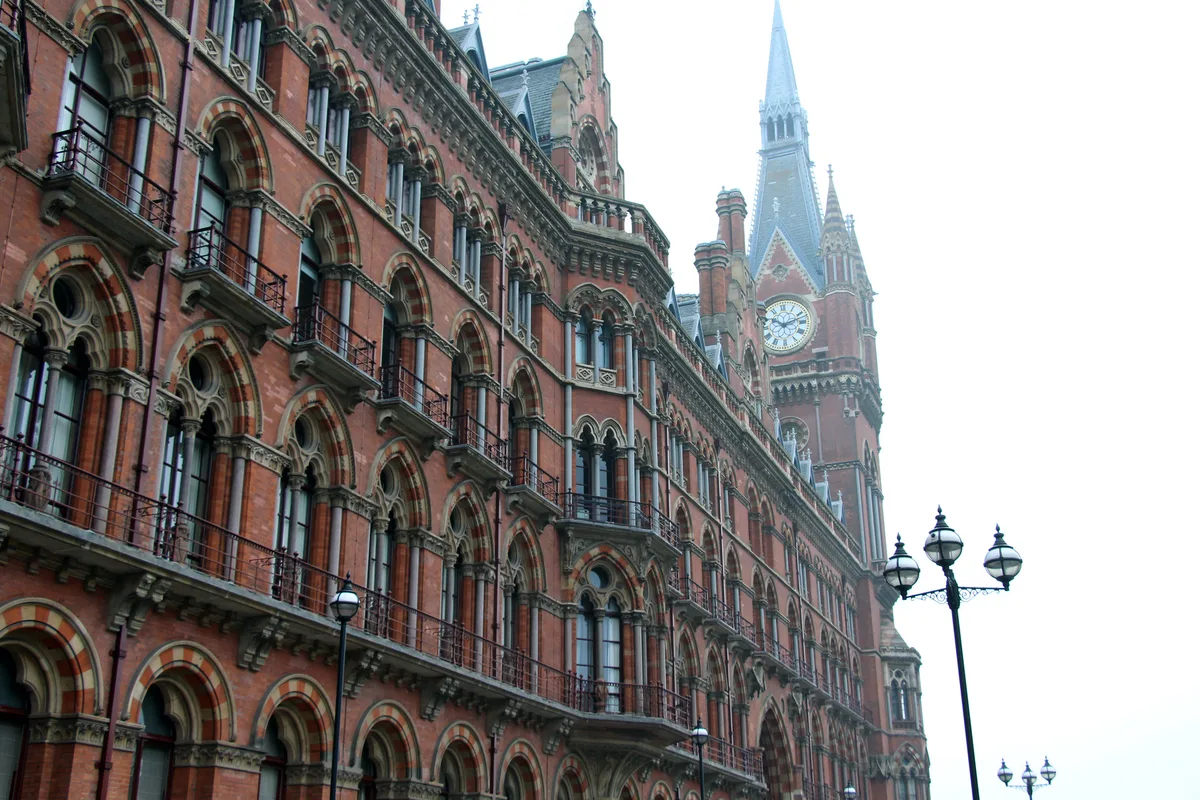
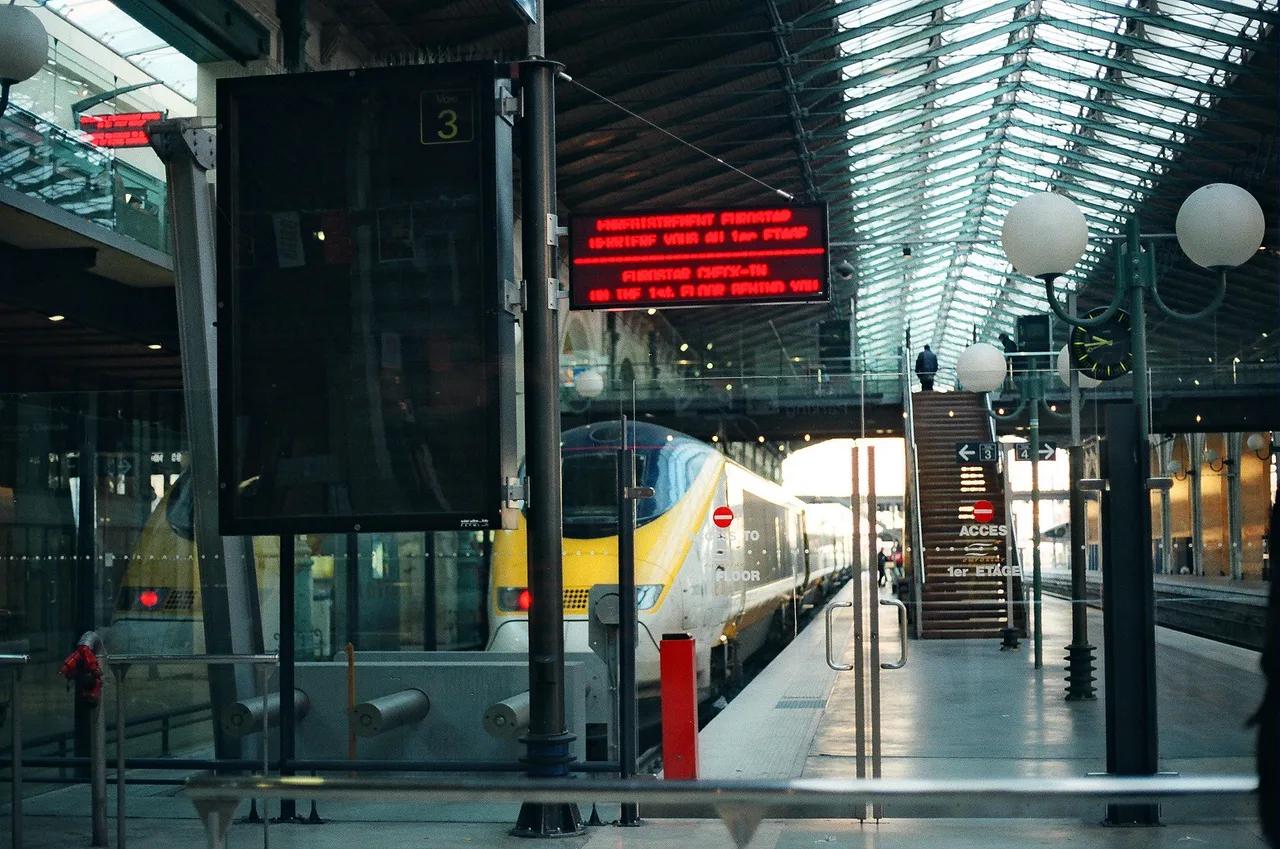
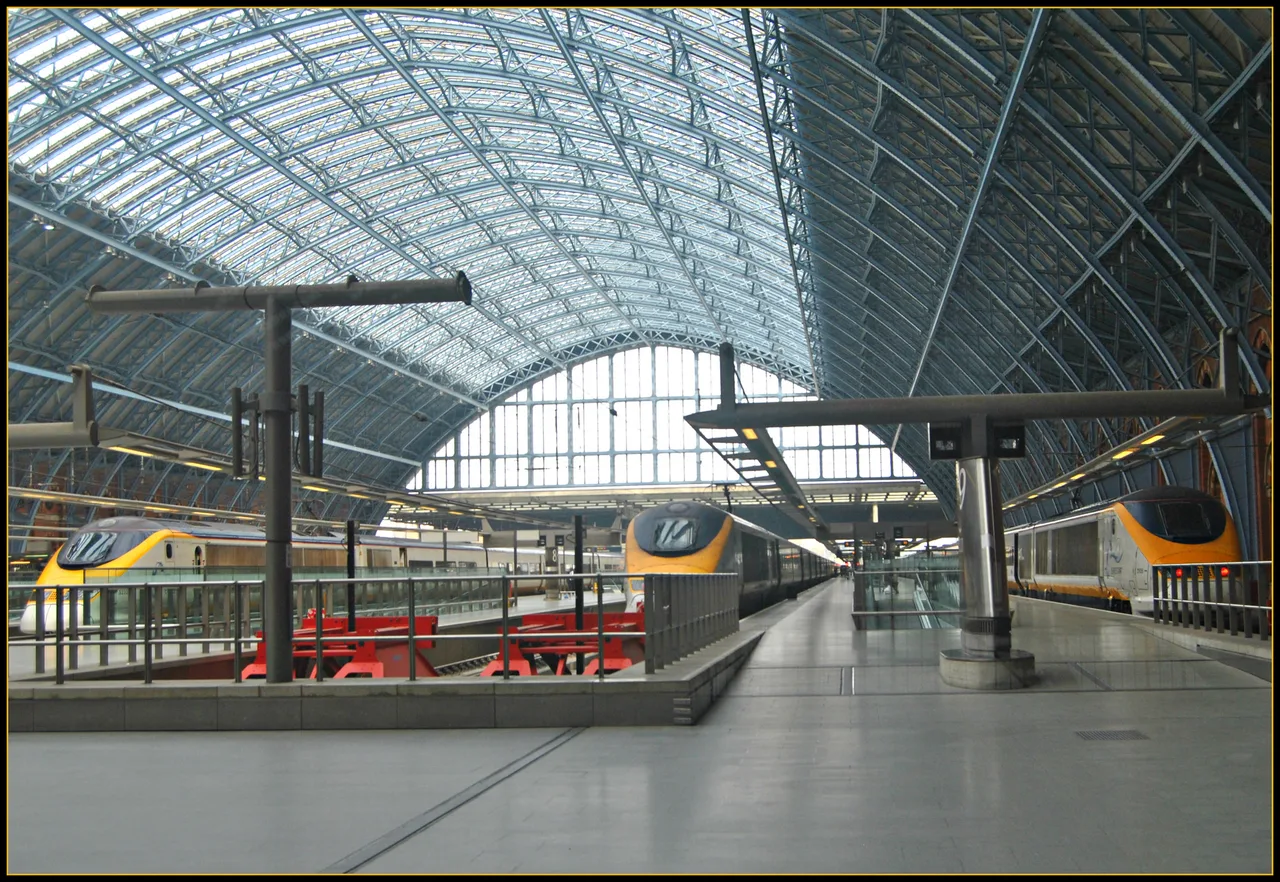
Plan around the stations, not the tunnel. Eurostar requires you to arrive ahead of departure for security and border checks. Follow the operator's current instructions, because entry rules between the UK and the EU have been changing. Our St Pancras departure guide covers the London side. The Paris side is in our Gare du Nord Eurostar guide. Seat choice here is about comfort, not scenery, because nothing outside the window is worth a view. Our Eurostar seats guide explains the options. Compare fare types in our Standard vs Plus comparison. Cheaper options are covered in our Eurostar Snap guide. Pack with our Eurostar luggage allowance guide in mind.
- Confusing Eurostar with LeShuttle, which carries vehicles rather than foot passengers.
- Expecting sea views from the window.
- Arriving too late for security and border checks.
- Following a satnav route through "Terminal Service Rd" when driving to the Folkestone terminal.
- Treating Samphire Hoe or Coquelles as a same-day stop on a Eurostar trip.
Tunnel disruption: what to do if it happens
Past incidents include fires and power failures, such as the 2008 fire that closed the tunnel and the December 2009 breakdown that trapped over 2,000 passengers. Both are history, and the tunnel's service tunnel, cross-passages and control centres exist for exactly such events. If your train is delayed or cancelled, use the rebooking and compensation policy on the Eurostar website. Stay with your train crew's instructions if it stops underground. Phone coverage in the tunnel is not something to rely on.
Accessibility
Eurostar has dedicated wheelchair spaces and boarding assistance. Current guidance asks wheelchair users to book a space and request assistance at least 24 hours before travel. Check the accessibility page for your departure station. LeShuttle publishes restricted-mobility guidance for travellers using adapted vehicles, and its Folkestone terminal has a Changing Places facility.
Tunnel-related stops worth a detour
Two sites tell the construction story, and both are detours. Maison du Patrimoine is at 1062 Avenue Charles de Gaulle in Coquelles, beside the town hall. Its exhibition covers the build, with a virtual-reality view of the Sangatte shaft. Published visiting days are Tuesday and Wednesday afternoons and the first Saturday afternoon of each month, so confirm before travelling. Samphire Hoe lies below Shakespeare Cliff between Dover and Folkestone. It was made from almost five million cubic metres of excavated material. Neither site is near the St Pancras route, so you need a car or local transport.
Frequently Asked Questions
What is the difference between the Eurostar and the Eurotunnel?
Eurostar is a passenger train service between cities such as London, Paris and Brussels. Eurotunnel operates LeShuttle, which carries cars and their occupants between Folkestone and Coquelles. Both use the Channel Tunnel.
How deep is the channel tunnel?
Sources describe the tunnel as lying about 75 metres below the seabed at its lowest point. Passengers cannot see this depth from a train window. Tunnel depth varies along the route.
What destinations does the Eurotunnel go to?
LeShuttle runs between Folkestone in England and Coquelles near Calais in France. Eurostar trains use the same tunnel to reach Paris, Brussels and Amsterdam.
Rail notes for your next trip
Optional updates when our rail guides change.
Related guides
More guides
Picked from the same area