
6 Ways to Ride Switzerland by Train: Routes & Passes
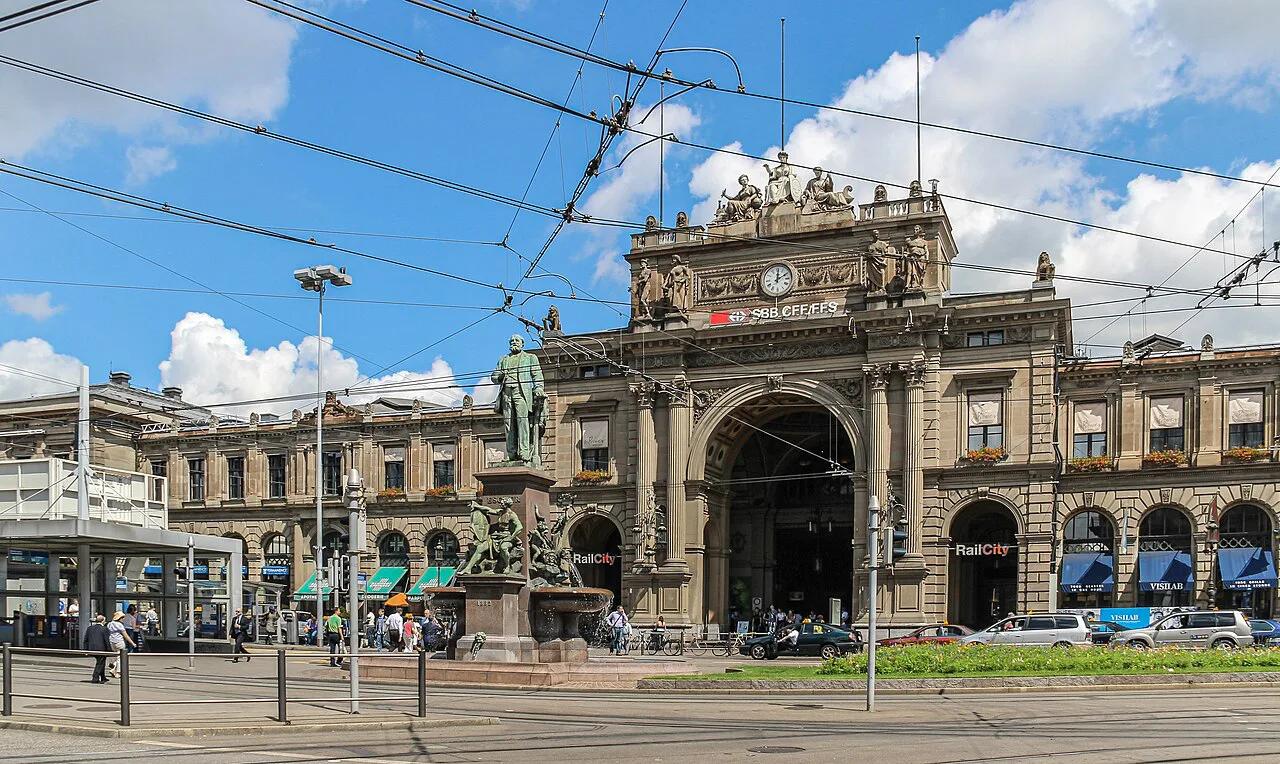
Last updated November 2026: Switzerland by train is straightforward, because regular services run on a dense timetable and the scenic lines plug into that same network. Your main decision is the ticket, and a multi-day pass only pays off on some trip patterns. Build every journey in the SBB timetable app first, then add scenic lines as optional upgrades.
Many Swiss routes end at the Italian border, and our Italy by train guide picks up from Milan and the lakes.
Featured image: Dietmar Rabich, CC BY-SA 4.0, via Wikimedia Commons.

How the Swiss rail network works
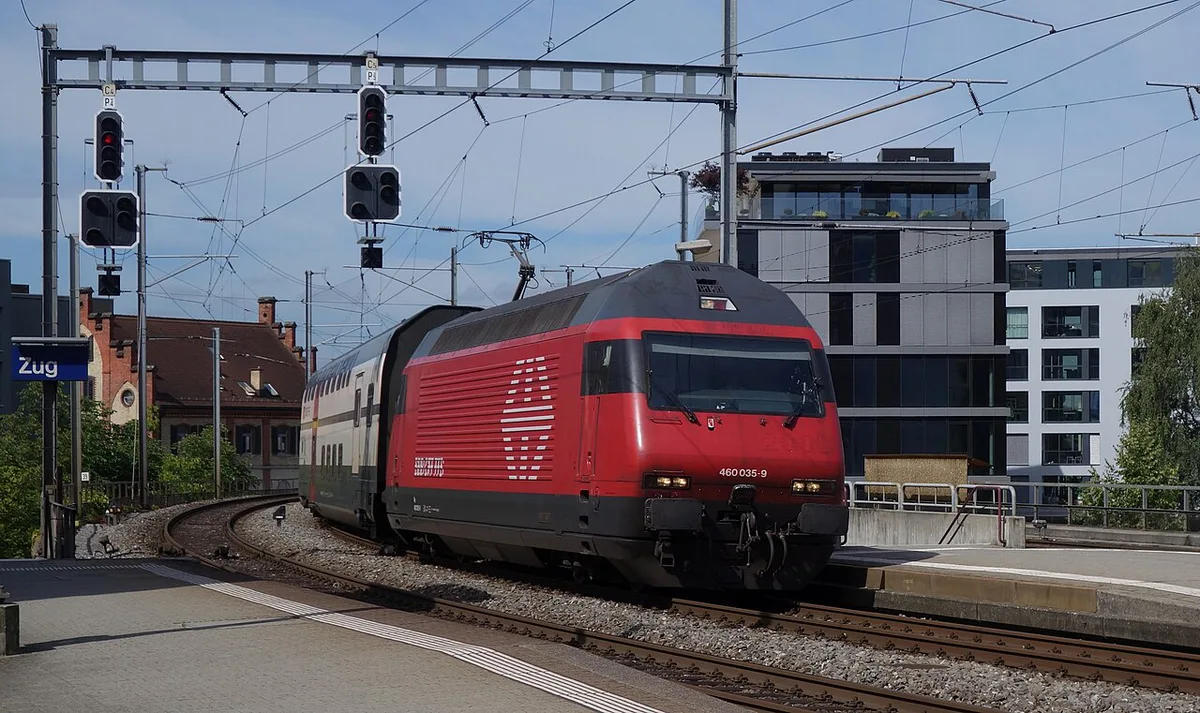
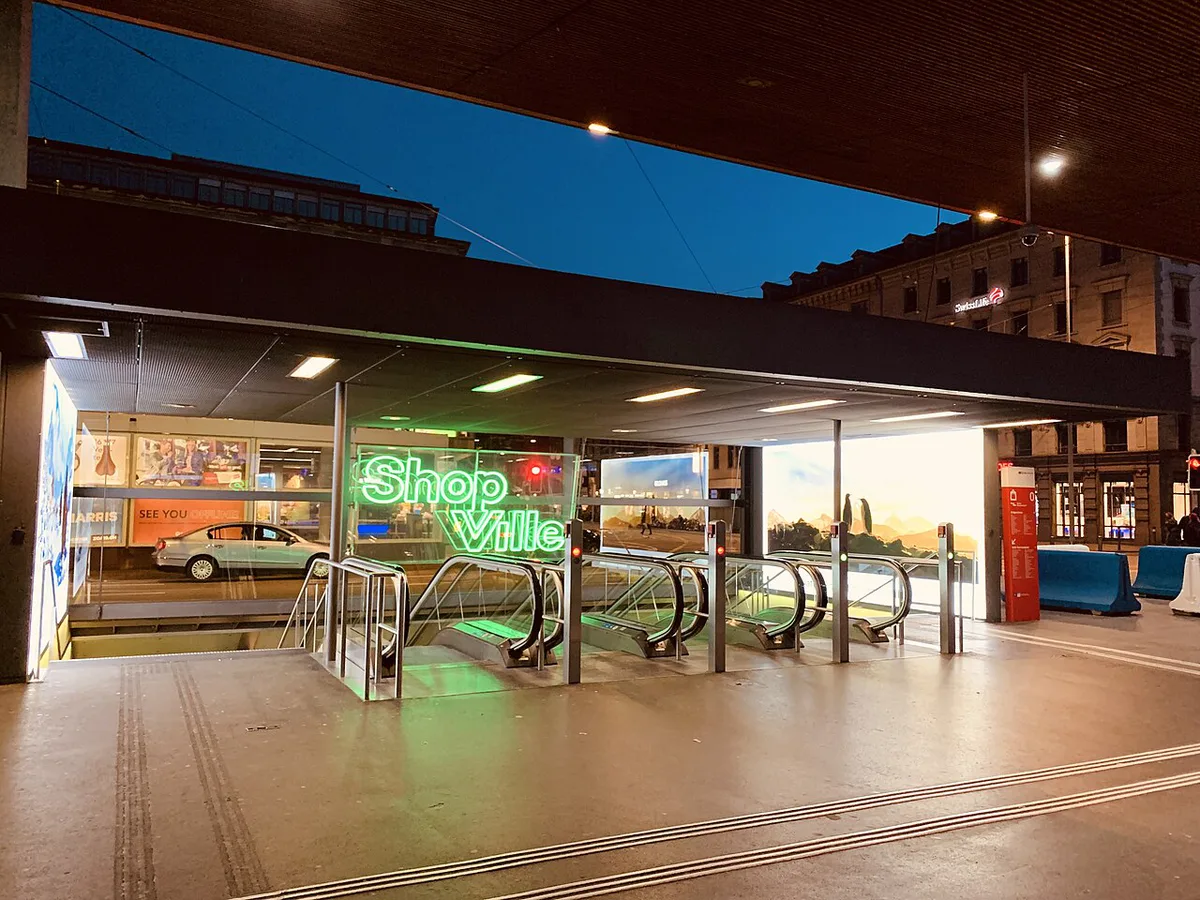
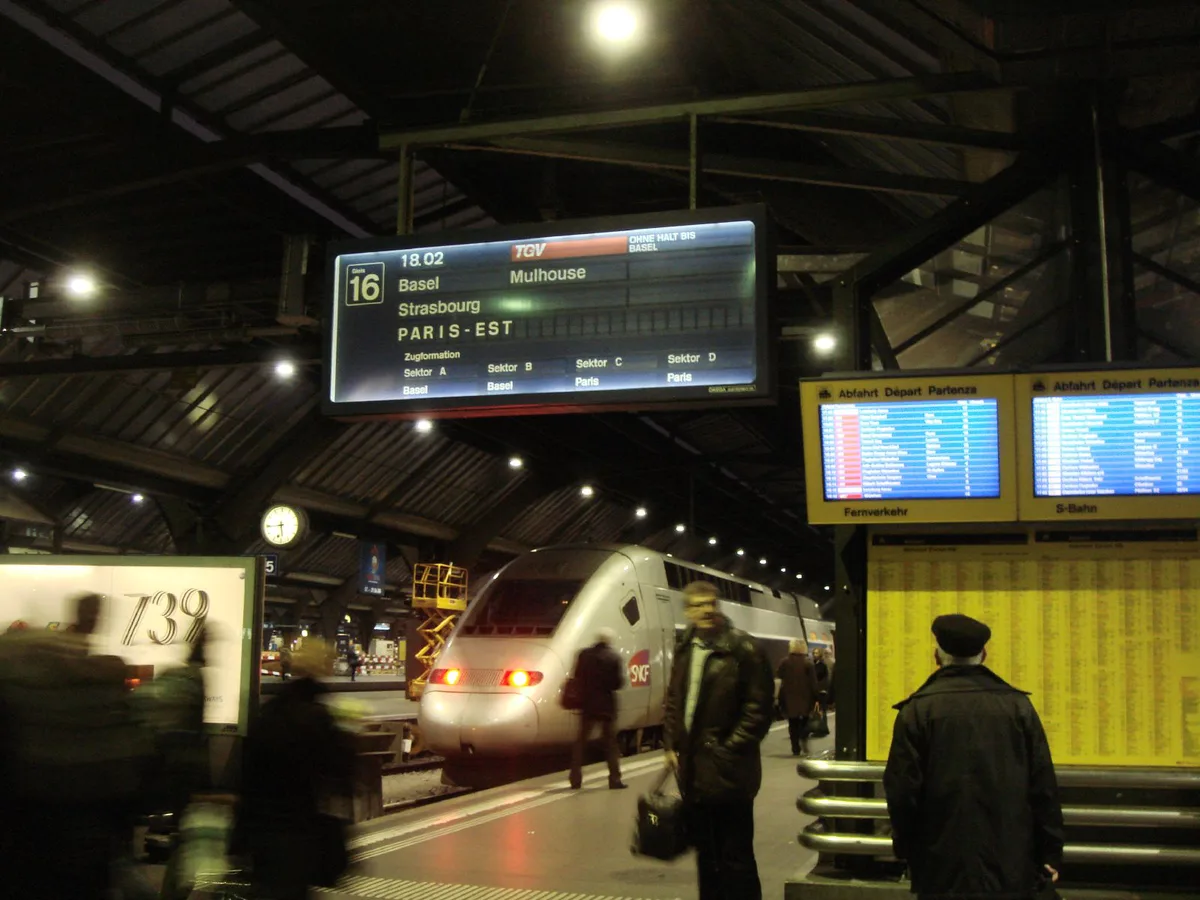
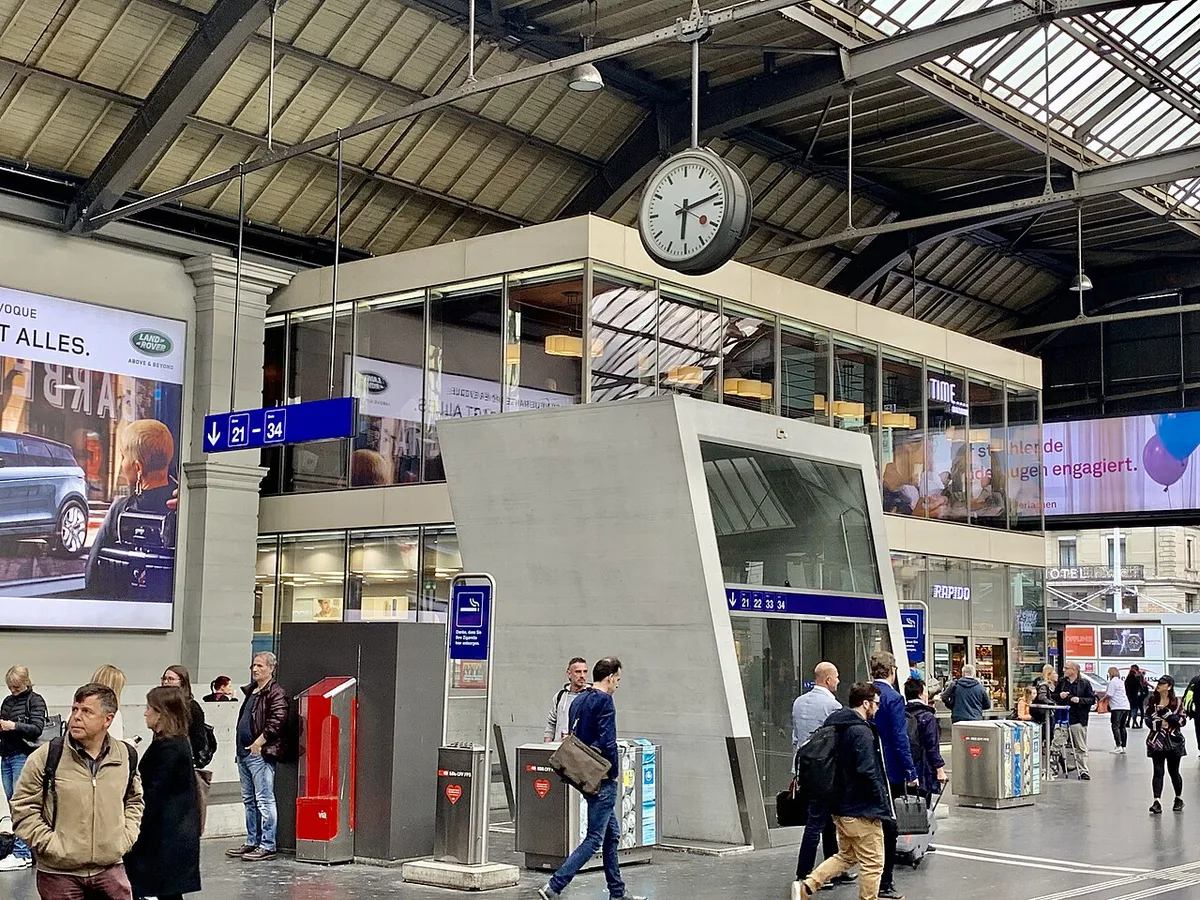
SBB runs the main intercity network, and private companies run many regional and mountain lines. Rhaetian Railway, BLS, Matterhorn Gotthard Bahn and Zentralbahn are the names you will meet most often. Swiss Travel System ties these operators into one timetable and one pass family, so you rarely need to know who runs a given train. Trains are frequent and punctual even in remote areas, so short connections usually work. Zurich's main station is the busiest connection point, with onward trains toward Lucerne, Bern, Interlaken and Geneva. Switzerland Tourism keeps a national overview of getting around for the basics.
Which ticket fits your Switzerland train trip
Start with the method rather than a rule of thumb. Add up the point-to-point fares for your planned route, compare the total with the pass price, then account for mountain railways, where discounts and free travel differ by line. Fares change, so price your own route in SBB before buying. Travelers who want better views and quieter carriages can read about first-class upgrades. Anyone planning several paid excursions should also look at the Half Fare discount.
Jungfraujoch at 11,332 ft is a mountain ride with its own fare, so add it to your point-to-point total before comparing a pass.
| Ticket | Best for | What it covers | Main catch |
|---|---|---|---|
| Swiss Travel Pass | Fast-moving trips with a train, bus or boat almost every day | Unlimited trains, buses and boats for a set number of days | Mountain railways are discounted or free depending on the line |
| Half Fare Card | Slower trips with a few long or expensive journeys | A reduced fare on each ticket you buy | You still pay for every ride, so it needs several journeys to pay off |
| Point-to-point tickets | Hub-and-spoke trips from one base | Only the exact journeys you book | Costs add up quickly if you ride daily |
Main city-to-city routes from Zurich and Geneva
These routes form the backbone of most first itineraries. Exact journey times and platforms change by timetable, so check SBB for the current schedule. Each row links to a dedicated guide.
| Route | Role in an itinerary | Guide |
|---|---|---|
| Zurich to Lucerne | Lake base for day trips and the start of the Gotthard Panorama Express | Zurich to Lucerne options |
| Zurich to Bern | City stop that fits between other Swiss cities | Zurich to Bern options |
| Zurich to Interlaken | Gateway to the Bernese Oberland and Jungfraujoch | Zurich to Interlaken options |
| Zurich to Geneva | Cross-country link toward Lake Geneva | Zurich to Geneva options |
| Lucerne to Interlaken | Links Central Switzerland with the Bernese Oberland | Lucerne to Interlaken options |
6 Scenic Rides for Switzerland by Train
Details checked November 2026. Operators set their own seasons, supplements and reservation rules, so confirm them on each line's site before you book. Scenic trains are an add-on to the regular network, not a replacement for it.
Glacier Express crosses Oberalp Pass at 2,033 m (6,670 ft), a lower crossing than Jungfraujoch's summit, so keep both rides as separate days.
1. Glacier Express: Zermatt to St. Moritz
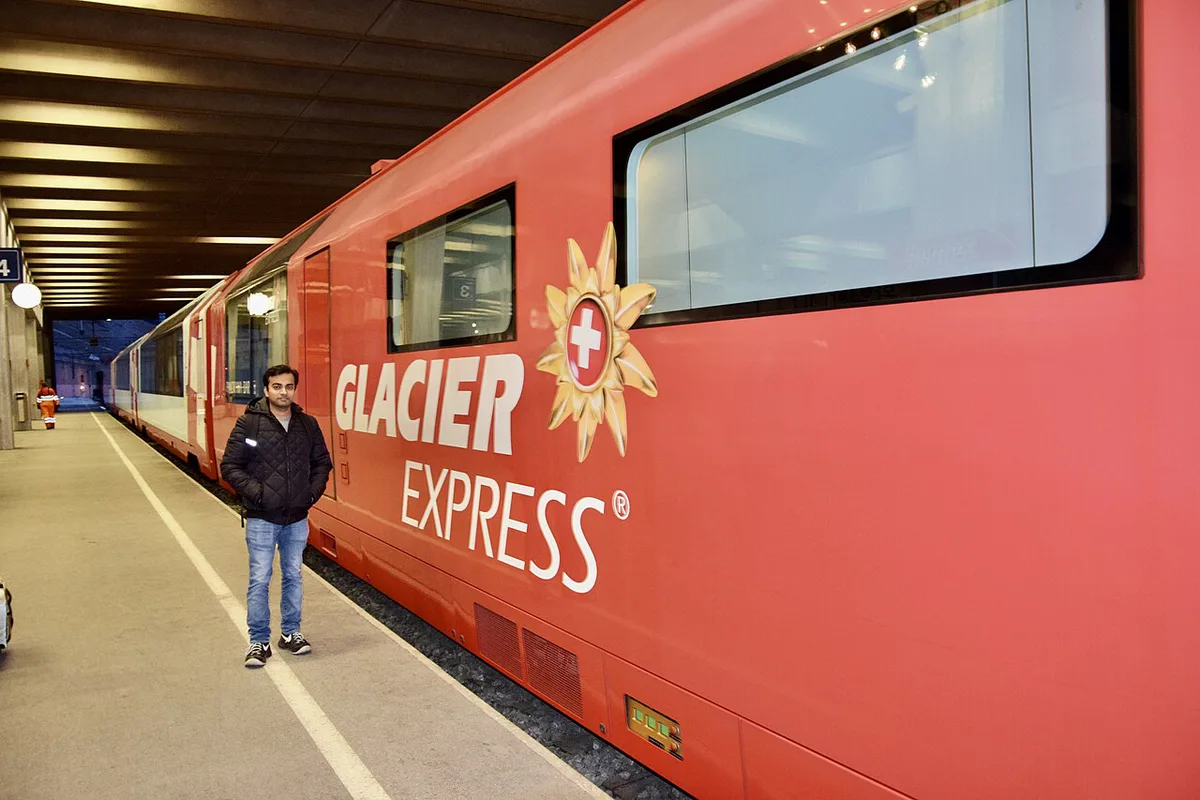
Glacier Express links Zermatt and St. Moritz in about eight hours. It is a slow window-seat day, built around the Oberalp Pass at 2,033 m (6,670 ft). Matterhorn Gotthard Bahn publishes the operating details.
Reach Zermatt from Geneva with the Geneva to Zermatt route, or from Zurich via the Zurich to Zermatt route. Reach the St. Moritz end with the Zurich to St. Moritz route. Skip it on a tight day or with a poor forecast, because regular trains cover part of the same terrain faster.
2. Bernina Express: Chur to Tirano
Bernina Express runs from Chur over the Bernina Pass to Tirano in Italy. Allow about four hours, with panoramic windows and an open-air viewing platform. Rhaetian Railway runs the line, and it operates year-round.
Highlights include the Landwasser Viaduct and the Brusio Spiral Viaduct. Bring your passport for the Italian end of the trip. Skip it in heavy cloud, since the glaciers and passes are the whole point.
3. GoldenPass Line: Lucerne to Montreux
GoldenPass Line connects Central Switzerland with the Bernese Oberland and the Lake Geneva region. Large panoramic windows give long views of Lake Thun and Lake Geneva. Stops on the way include Zweisimmen and Gstaad, plus the Lavaux vineyards near the Montreux end.
It suits travelers crossing the country anyway, because the scenery replaces a dull transfer. Skip it if you need the quickest Lucerne to Geneva link, since fast intercity trains run on other lines.
4. Gotthard Panorama Express: Lucerne to Lugano
Gotthard Panorama Express combines a boat across Lake Lucerne to Flüelen with a train south to Lugano. The full journey takes about five and a half hours, with stops at Bellinzona and elsewhere on the Gotthard route. The panoramic service runs on Tuesdays and Sundays from April to October, so confirm the current timetable.
Outside those dates, regular trains cover the route with a change at Erstfeld. Skip it if your days are fixed on other weekdays, or if boat transfers sound like extra hassle with large bags.
5. Jungfraujoch: the high-altitude day trip
Jungfraujoch is Europe's highest railway station, at 11,332 ft. Most visitors start from Interlaken Ost Station Guide: Transfers, Lockers & Trains and allow about two hours up, finishing with a cogwheel train from Eiger Glacier. Summit stops include the Ice Palace, a café and a chocolate shop.
Jungfrau Railways lists fares and operating information. Pass discounts vary here, so price it separately. Skip it on cloudy days, because the views are the reason to pay for the ride.
6. Gornergrat: Matterhorn views from Zermatt
Gornergrat is a cogwheel mountain railway that climbs out of Zermatt toward Matterhorn views. It is a better half-day add-on than a full scenic-train day when you already sleep in Zermatt. Season and fares sit on Gornergrat Bahn's site.
Read the Gornergrat railway guide before you choose a departure time. Skip it in low cloud, or when your pass offers no discount and your budget is tight.
Mountain and heritage railways worth a detour
Pass coverage varies line by line, so treat these as optional excursions. Rhaetian Railway's Albula line shares terrain with the Bernina route; the Albula line guide covers it. Brienz has a mountain railway of its own, described in the Brienz Rothorn guide. For a cross-border option, the Centovalli line is a scenic alternative to the main routes.
Sample itineraries by trip length
Pick a base town and make day trips unless you truly want to move every night. Hub-and-spoke saves repacking, while point-to-point covers more ground.
- Short trip: base in Lucerne, add a day to Bern or Interlaken, and ride one scenic line at most.
- One week: split time between Lucerne and Interlaken, then finish in Zermatt, with the Glacier Express as a separate day if the forecast is clear.
- Longer loop: combine the Glacier Express, Bernina Express and GoldenPass Line, using the Grand Train Tour only as a model. Its length and variants differ by source, so check Switzerland Tourism's current description.
Best time for a Swiss train trip
A clear sky matters more than the calendar. June to August brings the most reliable weather. April and May show green valleys beside snow-capped peaks, and September and October add autumn color. From December to February, snow-covered Alps look dramatic, but snowfall can block views and close some tourist lines. Check each line's operating season before you plan around it, and stay flexible on scenic days.
Practical logistics: luggage, reservations and borders
Most Swiss trains have overhead racks and luggage compartments, so pack light. Reserve extra space or arrange luggage transport for large bags and ski gear. Panoramic trains may require reservations or supplements, so check this when you book. Cross-border options include the Zurich to Milan trains. Another is the Geneva to Milan trains. For France, see the Geneva to Chamonix trains. Accessibility details are best checked per station in the SBB app.
Mistakes to avoid on a Swiss rail trip
These errors cost the most time and money.
- Buying a pass before pricing your own route against point-to-point fares.
- Booking a high-altitude excursion for a fixed date instead of a clear-weather window.
- Assuming a pass covers every mountain railway equally.
- Packing heavy bags for a trip with several short connections.
- Treating a scenic train as the only way to enjoy the route.
Frequently Asked Questions
Which is better, the Bernina Express or the Glacier Express?
Bernina Express is shorter at about four hours and ends in Italy. Glacier Express takes about eight hours between Zermatt and St. Moritz, so it suits a full scenic day.
How many days are enough for Switzerland by train?
A short trip works with a Lucerne base and one scenic line. Plan about a week for Lucerne, Interlaken and Zermatt without rushing.
Is train travel expensive in Switzerland?
It can be, especially for mountain excursions that carry separate fares. Compare a pass, a Half Fare discount and point-to-point tickets in SBB for your exact route.
Explore More Guides
Keep planning your trip with these guides.
Guides
- Swiss Travel Pass: Is It Worth It? What's Included & How to Use It
- Swiss Half Fare Card: Is It Worth It? (Break-Even Guide)
- SBB App Guide
- Swiss Train First Class: Is It Worth It?
- Zurich HB (Hauptbahnhof)
- Interlaken Ost Station Guide
- Zurich to Milan by Train
- Zurich to Lucerne by Train
- Zurich to Zermatt by Train
- Zurich to Interlaken Train: Routes, Times and Tickets
- Zurich to Geneva Train: Times, Tickets & Tips
- Geneva to Zermatt by Train
- Lucerne to Interlaken by Train
- Zurich to St Moritz by Train
- Geneva to Milan by Train
- Geneva to Chamonix by Train
- Zurich to Bern Train: Times, Tickets and Tips
- Gornergrat Railway: Tickets, Passes and Is It Worth It?
- Brienz Rothorn Railway: Steam Train Guide & Tips
- Centovalli Railway Guide
- Albula Railway: Route, Trains, Tickets and Best Seats
Rail notes for your next trip
Optional updates when our rail guides change.