
Swiss Travel Pass: Is It Worth It? What's Included & How to Use It
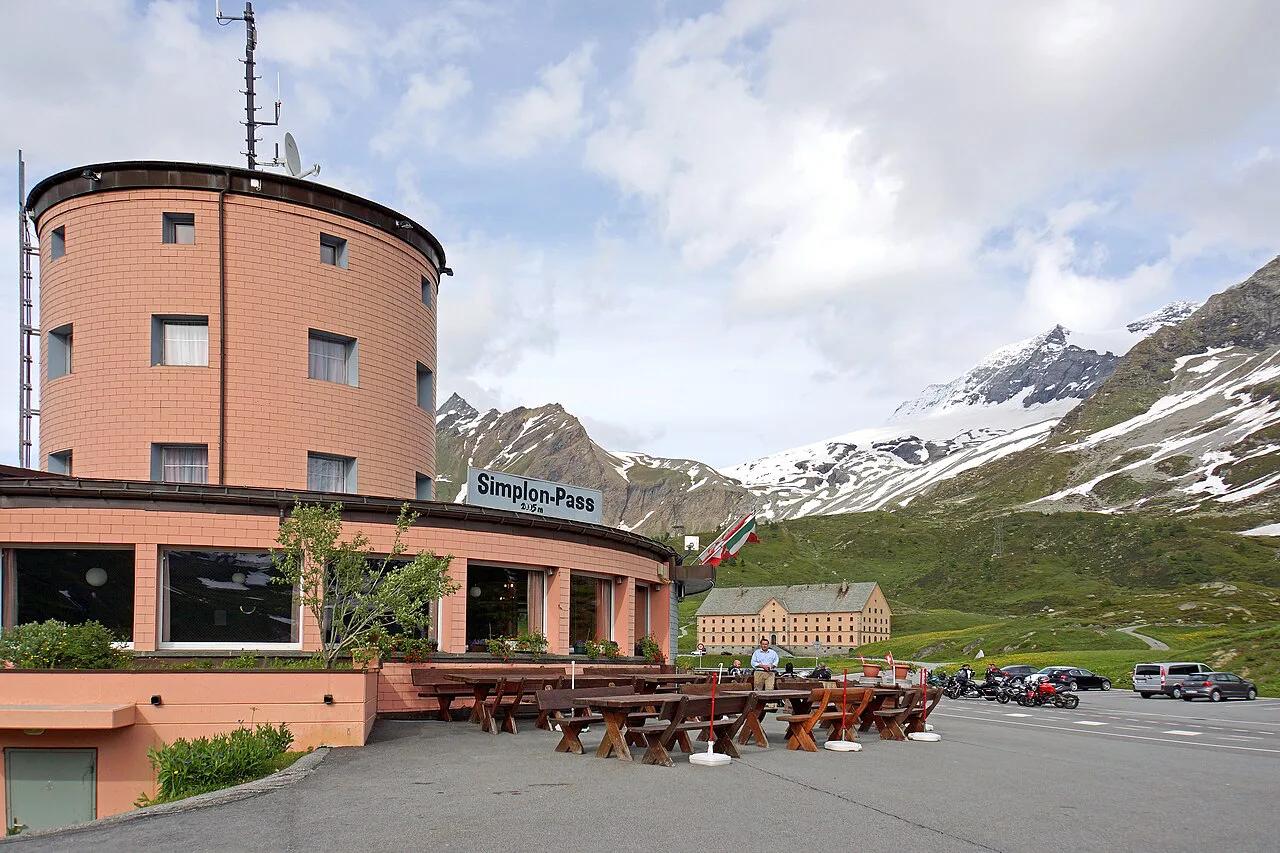
Last updated November 2026: the Swiss Travel Pass gives visitors unlimited rides on trains, buses and boats across Switzerland. It also brings free entry to many museums and discounts on many mountain railways. Whether it pays off depends on your itinerary, so run the numbers below alongside our Switzerland train guide before you buy.
Featured image: Dennis G. Jarvis, CC BY-SA 2.0, via Wikimedia Commons.
What the Swiss Travel Pass Is and Who Can Buy It
The pass is a visitor ticket for the Swiss public transport network. Only travelers who live permanently outside Switzerland can buy it. It comes in 3, 4, 6, 8 and 15-day versions. You choose between consecutive days and a pricier flex version, where you pick the travel days yourself. Most travelers find second class comfortable, and our guide to first class on Swiss trains covers the upgrade decision. Children aged 6 and under travel free with an adult. Children aged 6 to 16 travel free with a parent who holds a valid pass, once they are added through the free Swiss Family Card.
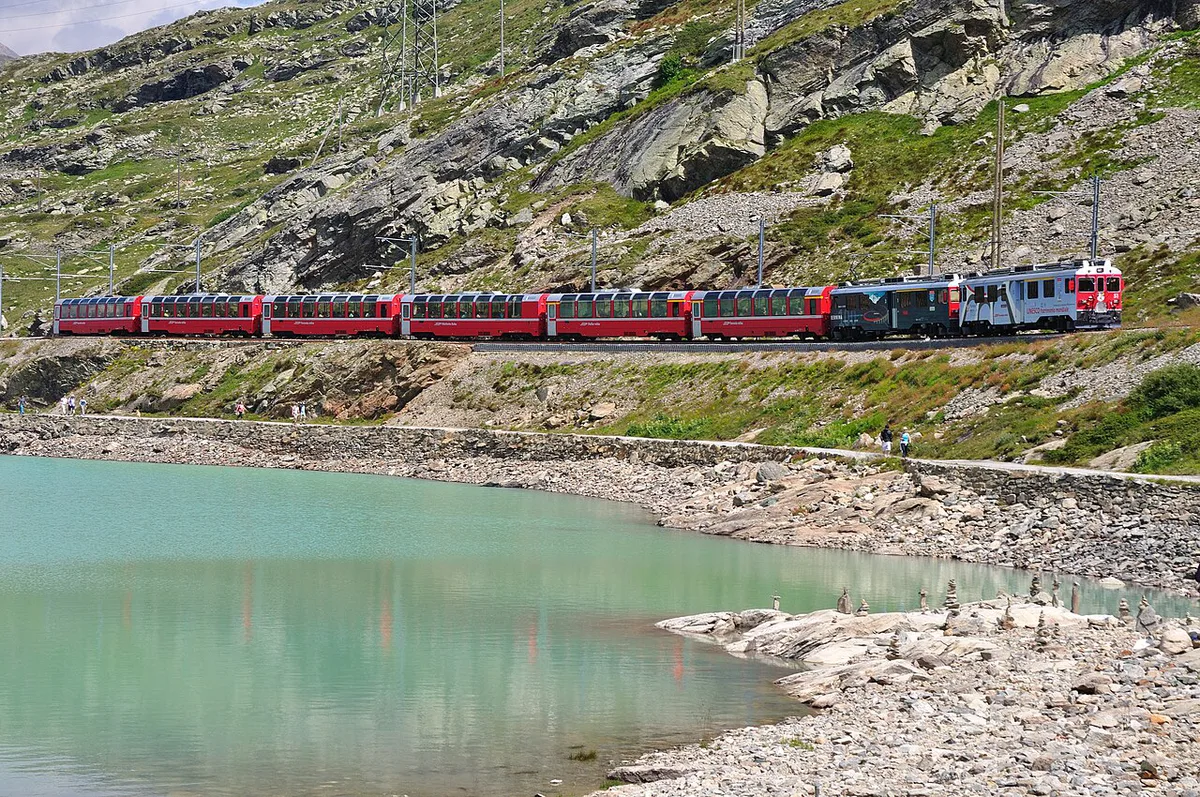
- Likely to pay off: several long train days, plus one or more mountain excursions.
- Likely to pay off: a trip that changes bases every two or three days.
- Likely to lose: a single-base trip with one or two long legs.
- Likely to lose: a hiking-focused trip with few days on public transport.
What's Included and What Isn't
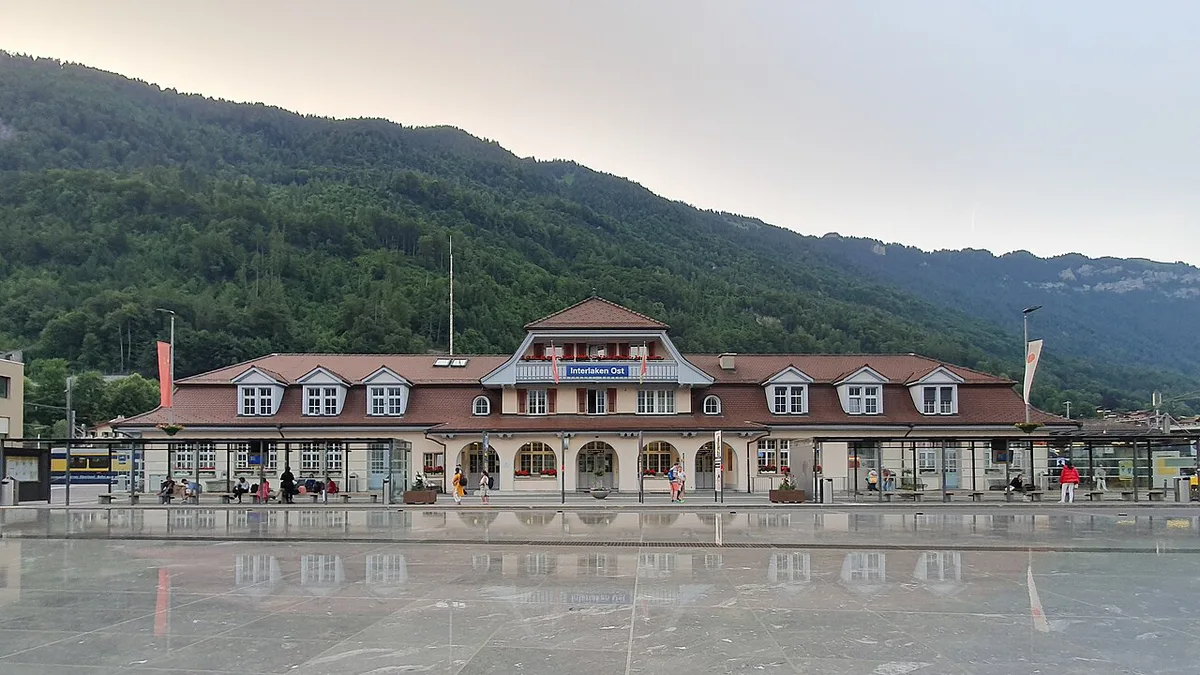
Unlimited travel covers trains, buses and boats, including scenic sailings on Lake Thun, Lake Brienz and Lake Lucerne. Many towns and cities also include local public transport. Free admission applies to more than 500 museums, among them Chillon Castle, the Swiss National Museum and Thun Castle. Mountain railways are a mixed picture. Rigi, Stanserhorn and Stoos are fully covered, while other peaks get partial discounts. Official figures are on the Switzerland Tourism travel pages, and operators can change terms between seasons.
| Item | Status with the pass | What to know |
|---|---|---|
| Trains, buses, boats | Included | Unlimited on pass days across the network |
| Lake Thun, Brienz, Lucerne boats | Included | Scenic sailings count as boat travel |
| Rigi, Stanserhorn, Stoos | Included | Full excursion transport is covered |
| Jungfraujoch (from Grindelwald or Wengen) | Discounted | 25% off transport |
| Pilatus (from Alpnachstad or Kriens) | Discounted | 50% off transport |
| Schilthorn (from Mürren or Stechelberg) | Discounted | 50% off transport |
| Swiss Museum of Transport, Lucerne | Discounted | 50% off admission |
| Glacier Express, Bernina Express, Gotthard Panorama Express | Travel included, reservation extra | Seat reservations are required and carry a fee |
Is the Swiss Travel Pass Worth It? A 4-Step Test
A calculation beats a feeling here. Work through the steps in order, and write each total down. One day of travel can tip the result either way. Price every leg on the SBB App Guide: Tickets, Passes & Tips for Tourists rather than guessing from distance.
- Step 1: List every train, bus and boat leg by day, including airport transfers.
- Step 2: Price each leg at full fare. SBB search results may default to half-fare prices, so switch to the full fare before you add anything up.
- Step 3: Add each mountain excursion at its discounted pass price, or at nothing for Rigi, Stanserhorn and Stoos.
- Step 4: Compare the total with the pass price, then with the Half Fare Card plus single tickets. Buy whichever is lowest.
Swiss Travel Pass vs Half Fare Card vs Single Tickets
All three options suit different trips. The pass front-loads the cost and removes ticket stops. A Half Fare Card cuts the price of each ticket, which suits fewer or shorter journeys. Our guide to the Swiss Half Fare Card: Is It Worth It? (Break-Even Guide) explains the break-even logic in detail. Single tickets win on a one-base trip. Standard tickets are not tied to one departure. Discounted supersaver fares, marked with a % when booking, only work on the exact train you chose.
| Option | Upfront cost | Flexibility | Best for | Risk |
|---|---|---|---|---|
| Swiss Travel Pass | Highest | Hop on any train without buying a ticket | Many travel days plus excursions | Paying for days you barely use |
| Half Fare Card plus tickets | Lower | Pay as you go at reduced fares | Fewer long legs, flexible plans | Costs climb on busy days |
| Single tickets only | None | Pay per leg | One-base trips, short stays | Full fares add up fast |
Consecutive vs Flexible Days
Consecutive passes cost less but run on fixed dates. Flex passes cost more and let you choose your travel days within a window. You set the start date when you buy, so plan the trip first. Cluster your longest train rides and mountain excursions inside the consecutive window. Use single tickets for light days, such as the arrival day from the airport to Zurich or Lucerne. Flex suits travelers who want two or three big days spread across a longer stay.
Pass-Friendly Routes and Ones to Check First
Long domestic routes show the pass at its best. Cross-border routes need a closer look, because coverage ends at the Swiss border.
- Strong fits: Zurich to Zermatt and Zurich to Interlaken are long rides that justify a pass day.
- Strong fits: Geneva to Zermatt also uses a full travel day.
- Good for flexible days: Zurich to Lucerne pairs well with a lake boat or Rigi.
- Check first: Zurich to Milan, Geneva to Milan and Geneva to Chamonix leave Switzerland, so confirm coverage past the border.
- Check first: the Gornergrat Railway: Tickets, Passes and Is It Worth It? offers partial discounts, so read the operator's terms on the Gornergrat Bahn site.
How to Buy the Swiss Travel Pass
Buy online through the SBB website as a guest, with no login needed. Passes are also sold at major railway stations and tourist offices in Switzerland. If your card has no foreign transaction fee, paying in CHF rather than your home currency may give a better exchange rate. Buying early gives you time to set the right start date and save the digital copy. Prices change by season and product, so read the current figure on the official page before you commit.
How to Use It: QR Code, Ticket Checks and Reservations
After an online purchase, you receive an email with a PDF pass carrying a QR code. Print it or keep it on your phone. There is no validation step before your first ride. Conductors scan the code on board, and they may ask for your passport. There are no ticket gates, so carry the pass on every trip. Standard Swiss trains need no seat reservation. Panorama trains do. Reserve Bernina Express seats through the Rhaetian Railway and choose the pass as your reduction. Use the SBB App Guide: Tickets, Passes & Tips for Tourists for timetables, platforms and expected occupancy.
Mistakes to Avoid
Most pass regrets come from planning, not from the pass itself.
- Setting the wrong start date, which burns consecutive days.
- Assuming every mountain excursion is free, when only some are.
- Skipping the seat reservation on a panorama train.
- Buying a pass for a one-base trip with one or two long legs.
- Forgetting to add children aged 6 to 16 through the Swiss Family Card.
Frequently Asked Questions
How much is a 3 day Swiss pass?
The 3-day pass is the shortest version, and the price depends on class and season. Check the current figure on the official Swiss Travel System page or SBB. Compare it with your full-fare leg total before buying.
Is it cheaper to buy a Swiss Travel Pass in advance?
Buying online as a guest lets you set your start date in advance. Paying in CHF may give a better exchange rate than paying in your home currency. The same pass is also sold at major stations and tourist offices.
Rail notes for your next trip
Optional updates when our rail guides change.
Related guides

More guides
Picked from the same area