Eurostar Standard vs Plus: Which Fare Is Worth It?
Last updated November 2026. Eurostar Standard vs Plus is really a choice between Standard and Standard Premier, because "Plus" is shorthand and not a class name in current guides. Pay the upgrade if you want a 1-2 seat layout, a meal at your seat and a quieter carriage. Our Eurostar guide covers the wider booking picture.
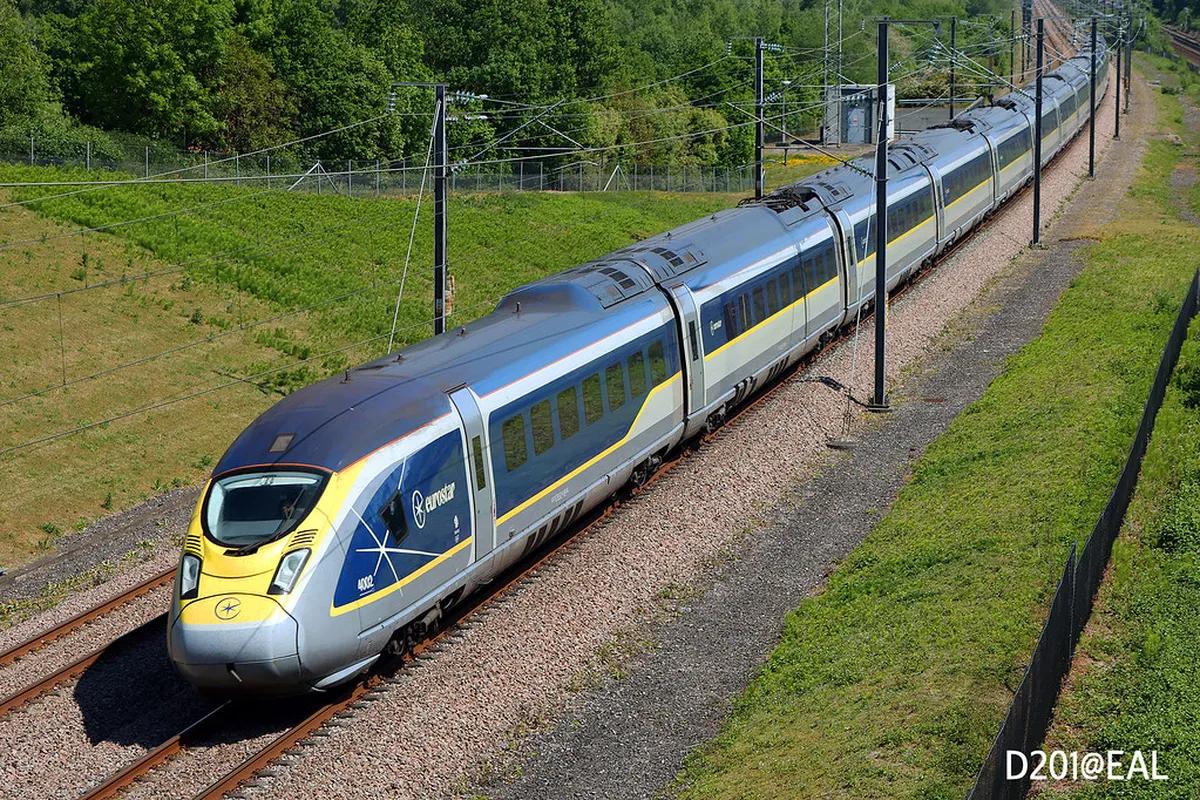
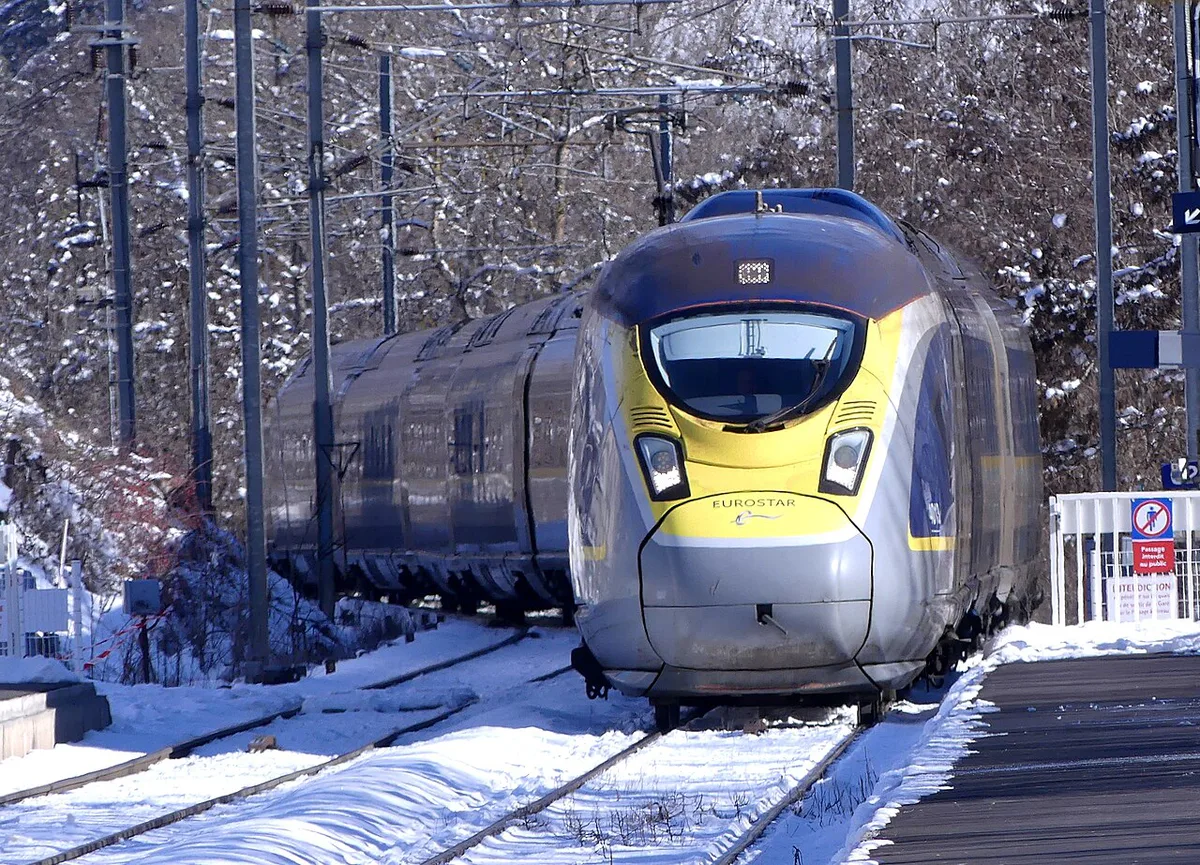
Featured image: hugh llewelyn, CC BY-SA 2.0, via Flickr.
Quick Verdict on Eurostar Standard vs Plus
Eurostar sells three classes: Standard, Standard Premier and Business Premier. Guides that say "Plus" almost always mean Standard Premier, so treat it as the middle step. Check the fare names on Eurostar's booking pages before you pay, because tier labels can change. For most trips, Standard Premier is the upgrade that makes sense. Business Premier suits a narrower group.
- Pay for Standard Premier if you want wider seats, a quieter carriage and a complimentary light meal at your seat.
- Pay for Business Premier if you value the lounge, a 10-minute check-in and fee-free changes.
- Skip the upgrade if your dates are fixed, the journey is short and you can buy food at the station.
Eurostar Standard vs Plus (and Premier) at a Glance
This table sets the three classes side by side. Figures come from 2026 guides to the classes. Exchange fees are approximate and in US dollars, as those guides quote them.
| Feature | Standard | Standard Premier ("Plus") | Business Premier |
|---|---|---|---|
| Seat layout | 2-2, narrower seats | 1-2, wider seats with more legroom | 1-2, same seats and carriages as Standard Premier |
| Food | None included; buy at Café Métropole | Complimentary light meal at your seat | 3-course meal at your seat, with lounge access |
| Lounge | No | No | Yes, in Eurostar stations |
| Check-in | Main queue | Main queue | Separate gate, as little as 10 minutes before departure |
| Changes | Exchange up to 7 days ahead, fee about $65 | Exchange up to 7 days ahead, fee about $75 | No fees; refunds up to 60 days after departure |
| Baggage | 2 checked bags plus 1 carry-on | 2 checked bags plus 1 carry-on | 3 checked bags plus 1 carry-on |
What You Actually Get for the Upgrade
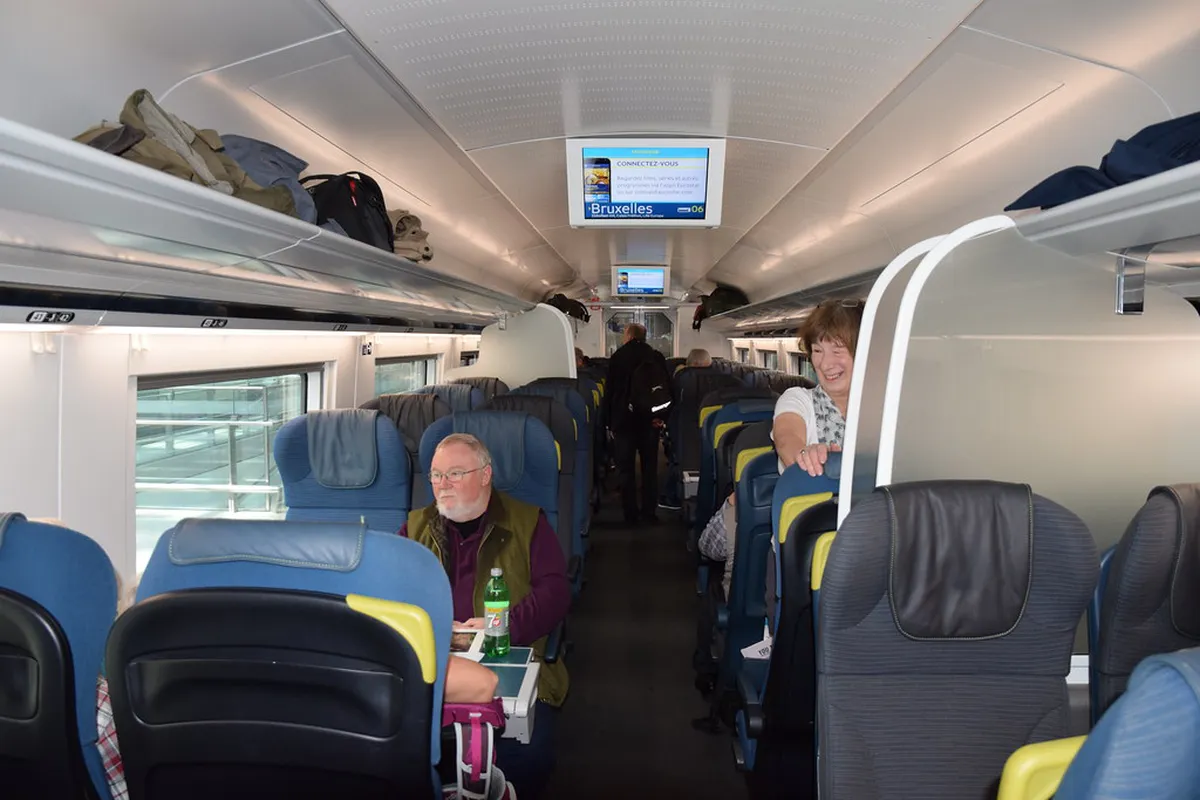
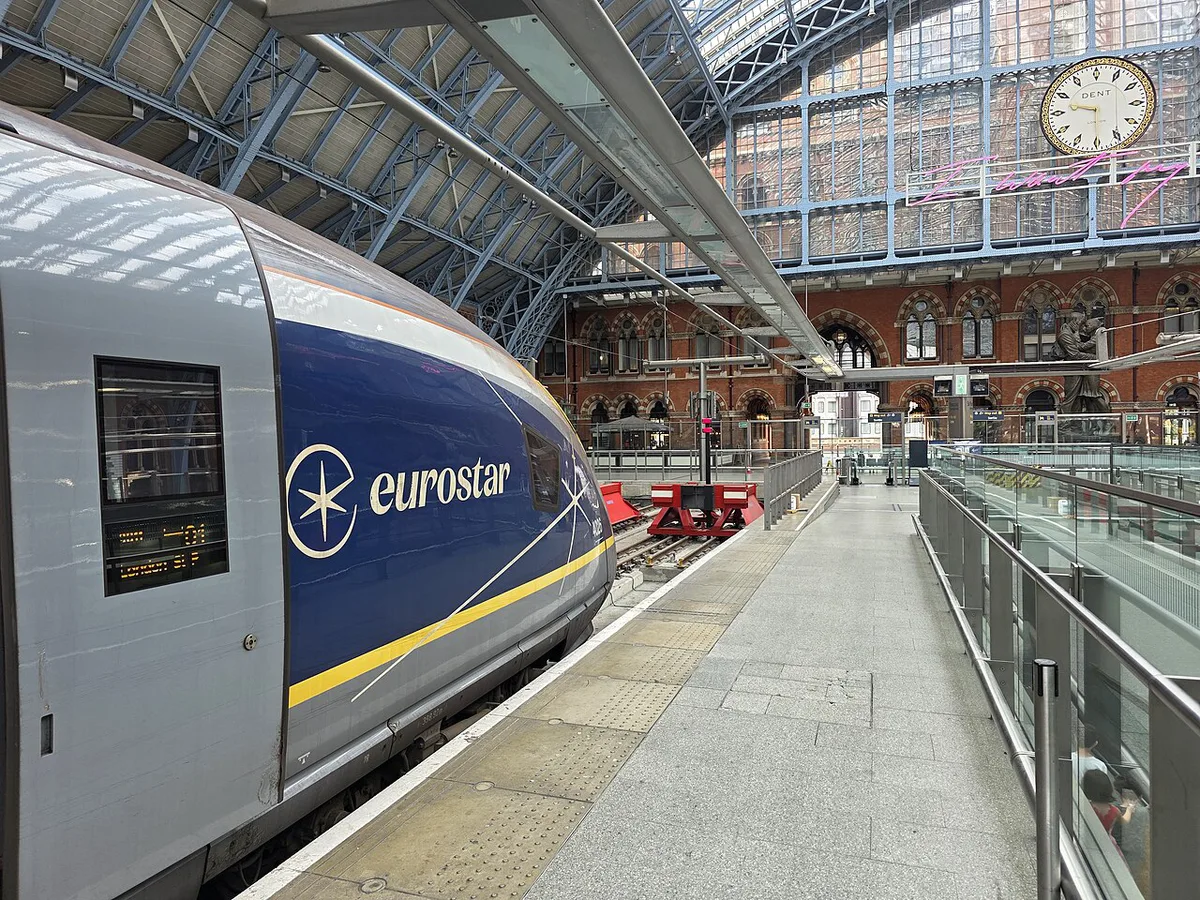
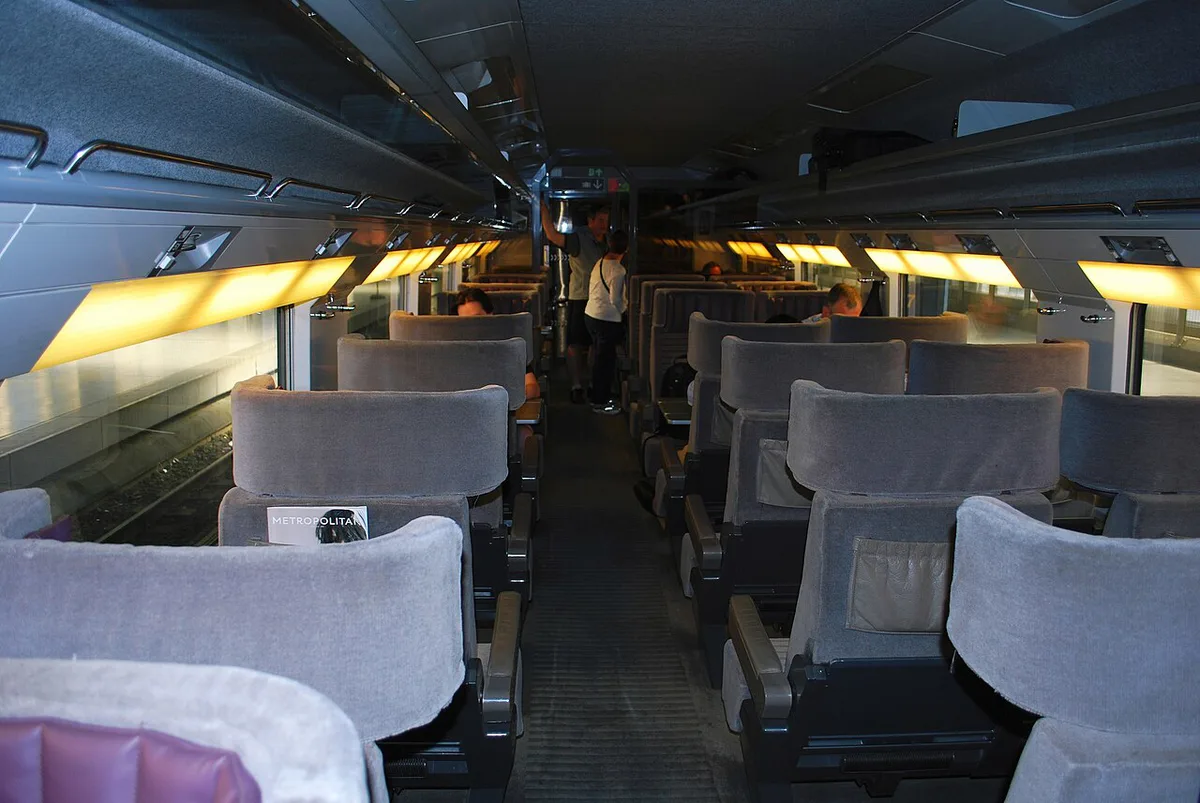
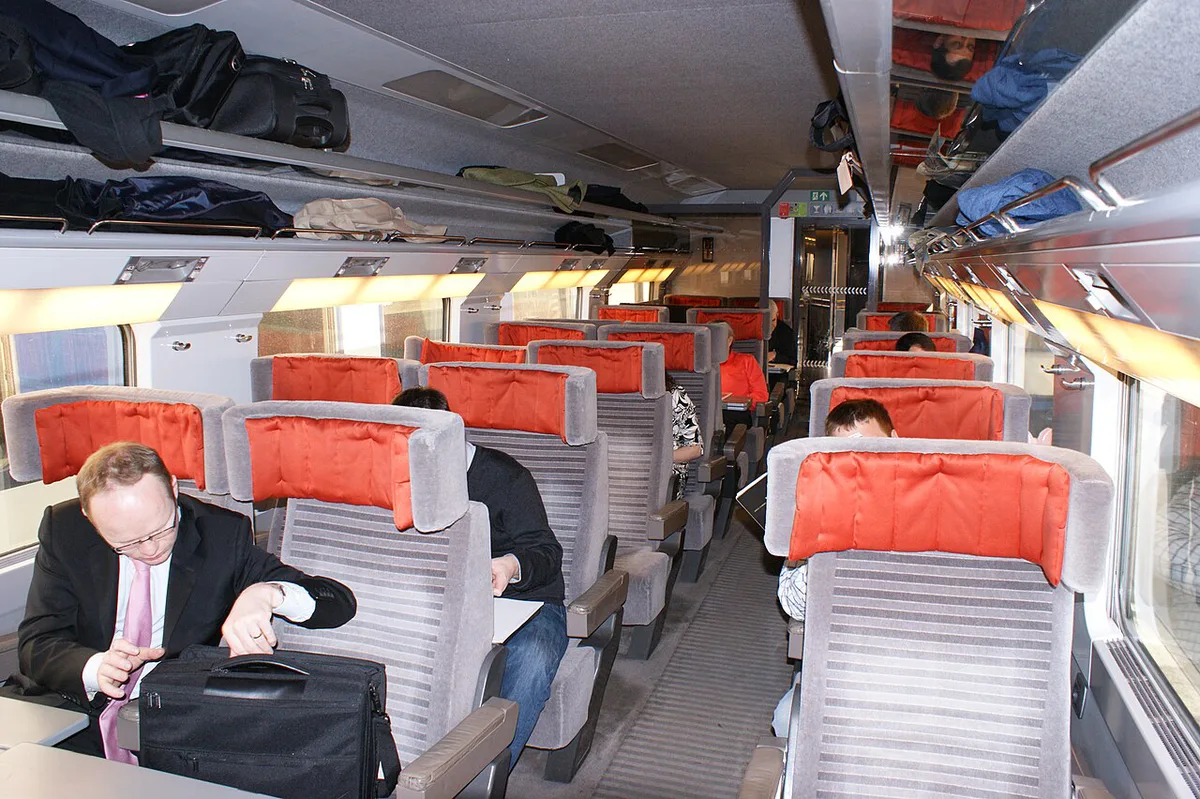
Seats are the biggest difference. Standard Premier and Business Premier share carriages with a 1-2 layout, while Standard runs 2-2. That means fewer neighbors, wider seats and a quieter ride. Older reviews measured about 51 cm of seat width in the premier carriages against roughly 43 cm in Standard. Our Eurostar seat guide goes carriage by carriage. Standard Premier also brings a light meal at your seat, so you can skip the café queue. Standard has no complimentary food, but Café Métropole sells snacks on board.
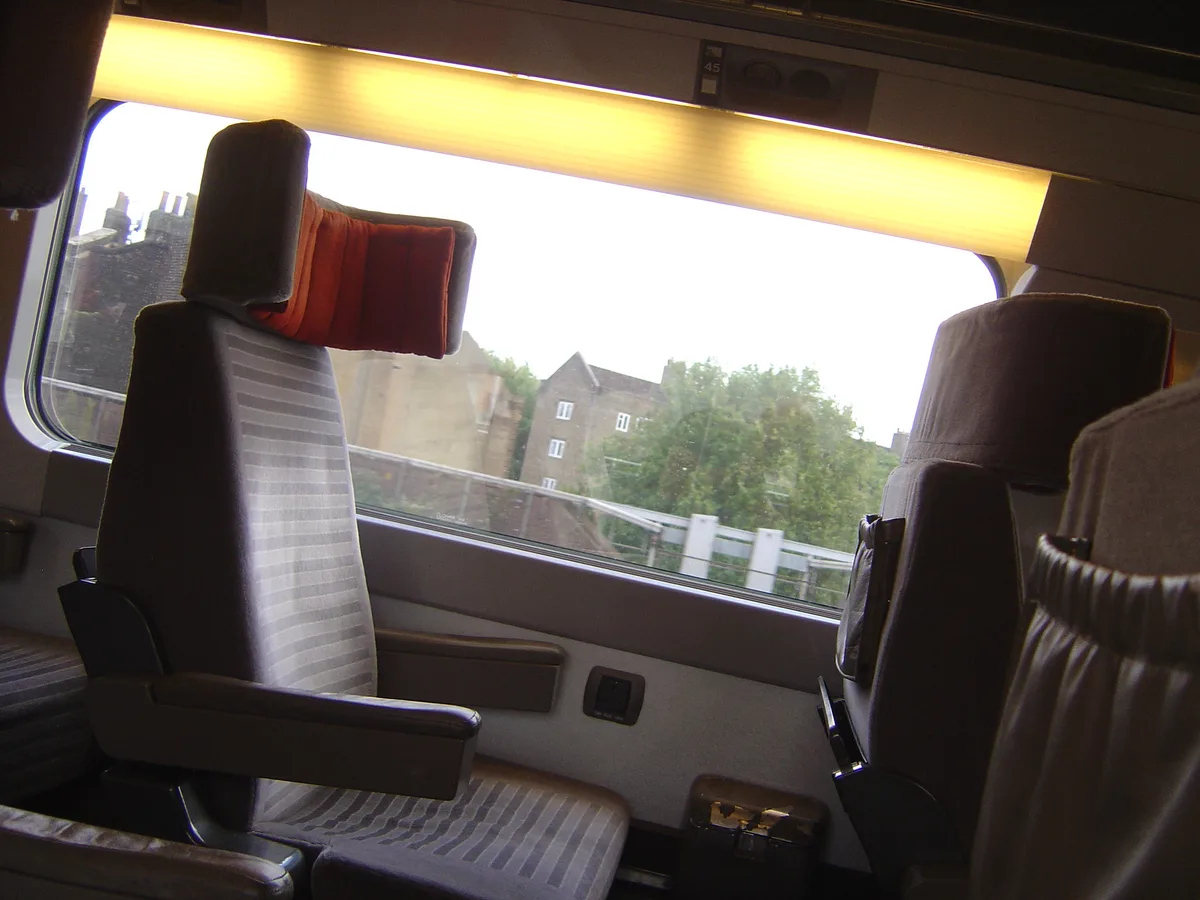
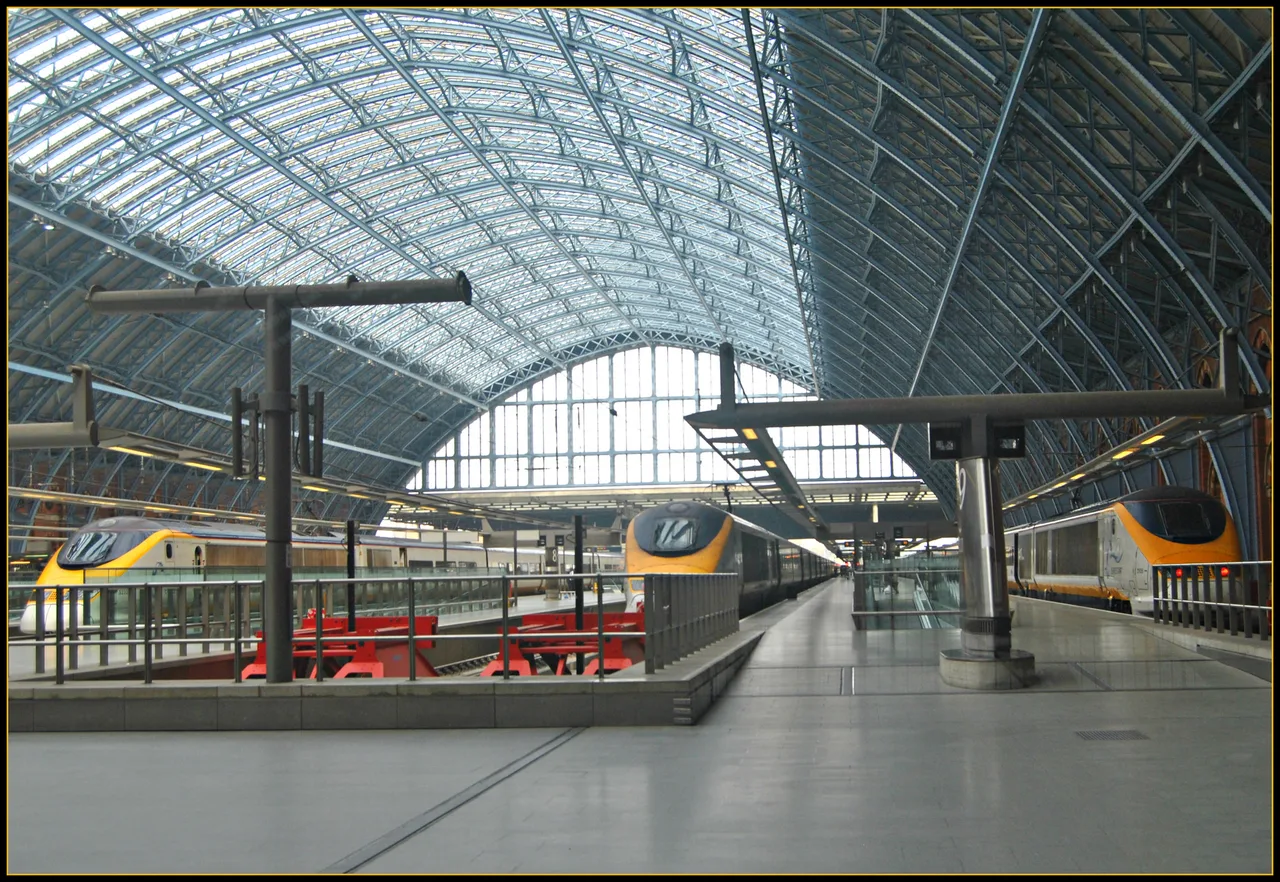
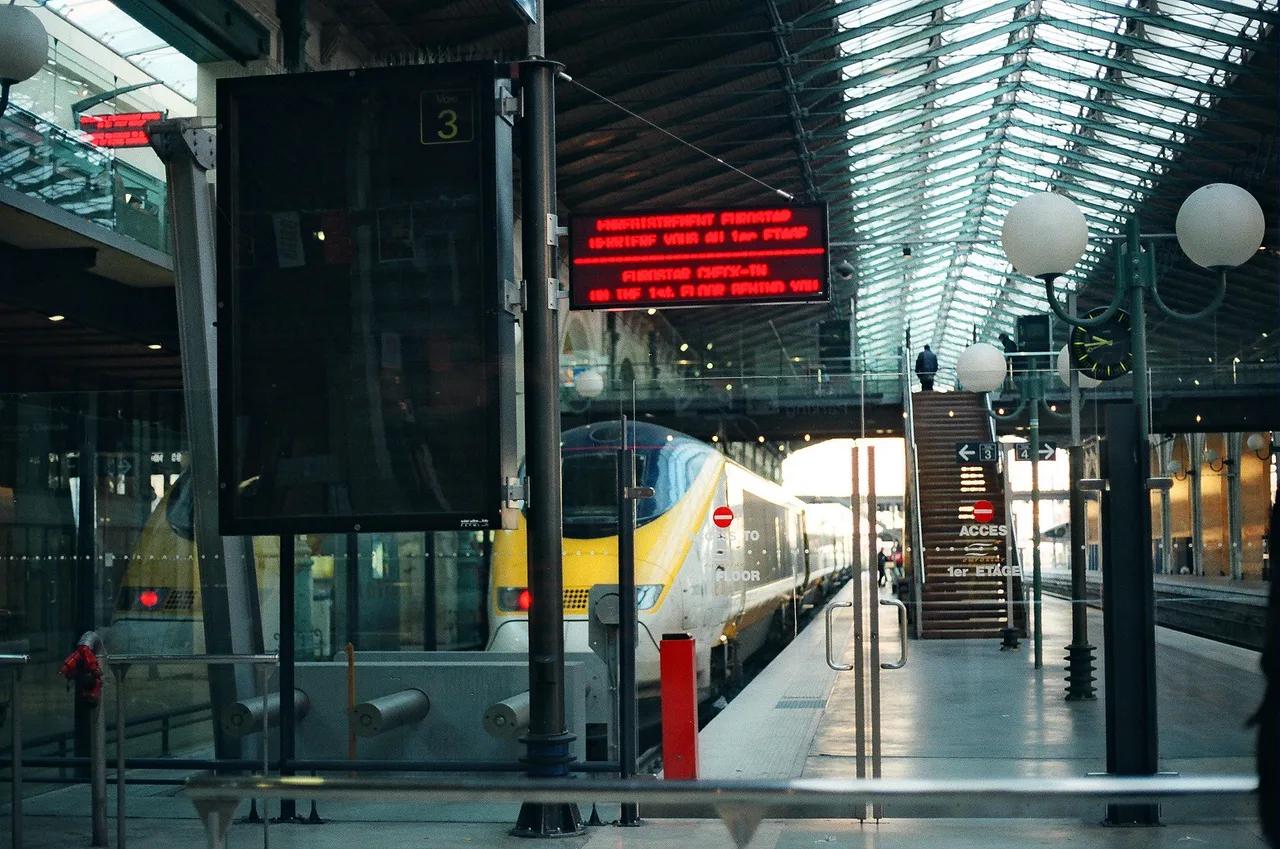
Station time changes too. Standard and Standard Premier passengers use the main check-in, and queues can build at peak times. Business Premier gets its own gate and the lounge. If you depart London, St Pancras for Eurostar explains the check-in flow. Departing Paris, read Gare du Nord for Eurostar. Station facilities are listed on the St Pancras International site.
Standard Premier vs Business Premier: Is the Second Step Worth It?
Most readers comparing Standard and "Plus" end up asking a second question: if Standard Premier is already a better seat, why pay for Business Premier? The seat is not the reason. Both premier classes use the same 1-2 carriages, so the extra money buys station time and flexibility rather than comfort on the train.
What Business Premier adds over Standard Premier:
- A 3-course meal at your seat instead of a complimentary light meal.
- Lounge access in Eurostar stations.
- A separate gate, with check-in as little as 10 minutes before departure.
- No fees on changes, and refunds up to 60 days after departure.
- A third checked bag (3 plus 1 carry-on, against 2 plus 1).
Where the money goes. Published 2026 guides put Business Premier one-way fares at rarely less than about $300. Standard Premier can cost up to double a Standard ticket, so on many dates it is far cheaper. If you gain nothing from the lounge, the late check-in or the fee-free changes, you are paying mainly for the longer meal.
A simple way to decide:
- If your plans are fixed and you arrive at the station early, book Standard Premier.
- If a meeting or connection could move, price the change fee. A fee of about $75 on Standard Premier may be less than the gap to Business Premier, so compare both totals before you pay.
- If you will carry more than two checked bags, or you need to reach the gate at the last minute, Business Premier is the only class that fits.
- If you want to see how the train feels without the largest spend, Standard Premier already gives you the wider seat.
Check both fares for your exact date on Eurostar's booking page, because the gap between the two premier classes varies a lot between peak and off-peak departures.
Cost and Time Trade-Offs
Prices and rules checked November 2026. Published 2026 guides put a Standard adult one-way on London–Paris at about $60–$280, and a return at about $75–$490. Business Premier one-way fares rarely drop below roughly $300. Standard Premier sits between the two and can cost up to double a Standard ticket, depending on season and demand. Tickets go on sale about 150 days ahead, and early Standard fares sell out first. Cheap-fare tactics are in our <a href="/eurostar-snap">Snap fare guide</a.
Tickets go on sale about 150 days ahead, but Standard exchanges only work up to 7 days ahead of travel.

Break-even logic helps here. A Standard Premier meal replaces a station sandwich, which narrows the real price gap a little. The exchange fee matters more. A fee of about $65 or $75 on a changed Standard or Standard Premier ticket can wipe out the saving from booking cheap. Business Premier removes that fee entirely. For fixed plans, Standard wins on cost. For uncertain plans, a fee-free class can be cheaper in the end.
Which Fare Fits Which Traveler
Match the class to the trip, not the other way round.
- Solo budget travelers: Standard, booked early, with food bought before you board.
- Families: Standard works for short trips, but Standard Premier has more family and facing-table seating.
- Remote workers: Standard Premier, for quieter carriages and a seat with power outlets.
- Business trips: Standard Premier for a normal day trip, Business Premier if you must check in late.
- First-timers: Standard Premier gives the clearest sense of what the train offers.
- Uncertain plans: Business Premier, because changes carry no fee.
Eurostar Class by Route
London–Paris takes just under 2 hours 30 minutes, which is short enough for Standard to feel comfortable. Our London to Paris train guide covers timings and stations. The Brussels run is similar in feel, so the upgrade rarely changes the trip. See London to Brussels by train for details. Amsterdam is the longest of the three, so seat width and a meal count for more. Read London to Amsterdam by train before you choose. Crossing the Channel itself is the same in every class, as the tunnel guide explains.
London–Paris takes just under 2 hours 30 minutes, so Standard's narrower seats matter less than on longer routes.
Common Mistakes When Choosing a Class
Most regrets come from a handful of avoidable choices.
- Booking the cheapest fare with a tight onward connection, then paying a $65 change fee.
- Assuming Standard includes a meal. It does not.
- Ignoring the 7-day exchange cutoff on Standard and Standard Premier.
- Mixing up class names across operators and assuming "Plus" is a separate fare.
- Arriving late for check-in. Only Business Premier has the 10-minute cutoff.
- Restating luggage rules from memory. Read the luggage allowance page instead.
Frequently Asked Questions
What is the difference between standard and plus seats on Eurostar?
Standard seats sit in a 2-2 layout and are narrower. "Plus" usually means Standard Premier, which uses wider 1-2 seats with more legroom. Check the current class names on Eurostar before you book.
Rail notes for your next trip
Optional updates when our rail guides change.
Related guides

More guides
Picked from the same area