Interrail vs Eurail: Differences, Eligibility & Which to Buy

Last updated November 2026. Interrail vs Eurail looks like a big decision, but both passes cover the same rail network and differ mainly in who may buy them. Your country of residence decides which one you get, and this guide shows how to settle that and judge whether a pass pays off.
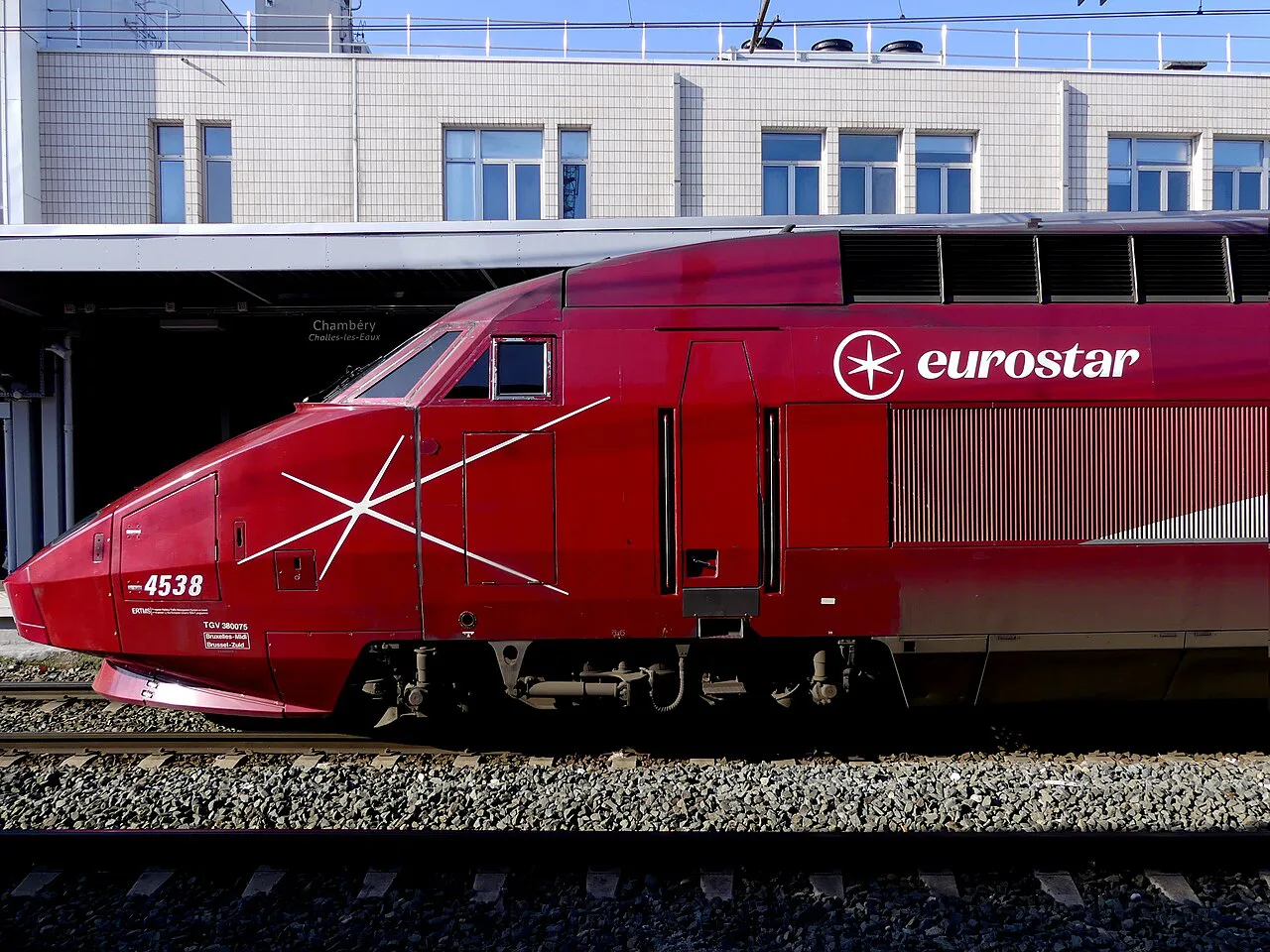
Featured image: Giorgio Tomassetti, CC BY-SA 2.0, via Flickr.

Quick Verdict: Same Pass Family, Different Buyer
Interrail and Eurail are two storefronts for one pass family. Interrail is sold to people who live in Europe. Eurail is sold to people who live elsewhere. Residency is the test, not nationality or taste. Prices, age bands and some conditions differ between the two, so buy only from the shop that matches your residency. Our Eurail pass overview covers the product in more depth. The sections below cover eligibility, pass types, reservation fees and a simple method for deciding.

Which One Can You Buy? Residency Rules and Edge Cases
Official eligibility rules settle every borderline case. Interrail publishes its terms on the Interrail eligibility page. Eurail publishes the non-resident terms on its Eurail passes page. A common rule of thumb says an Interrail pass cannot be used for travel inside your own country of residence. Check that against your own terms before you buy, because it changes how useful the pass is for a trip that starts at home. Work through the checklist below to find your shop.
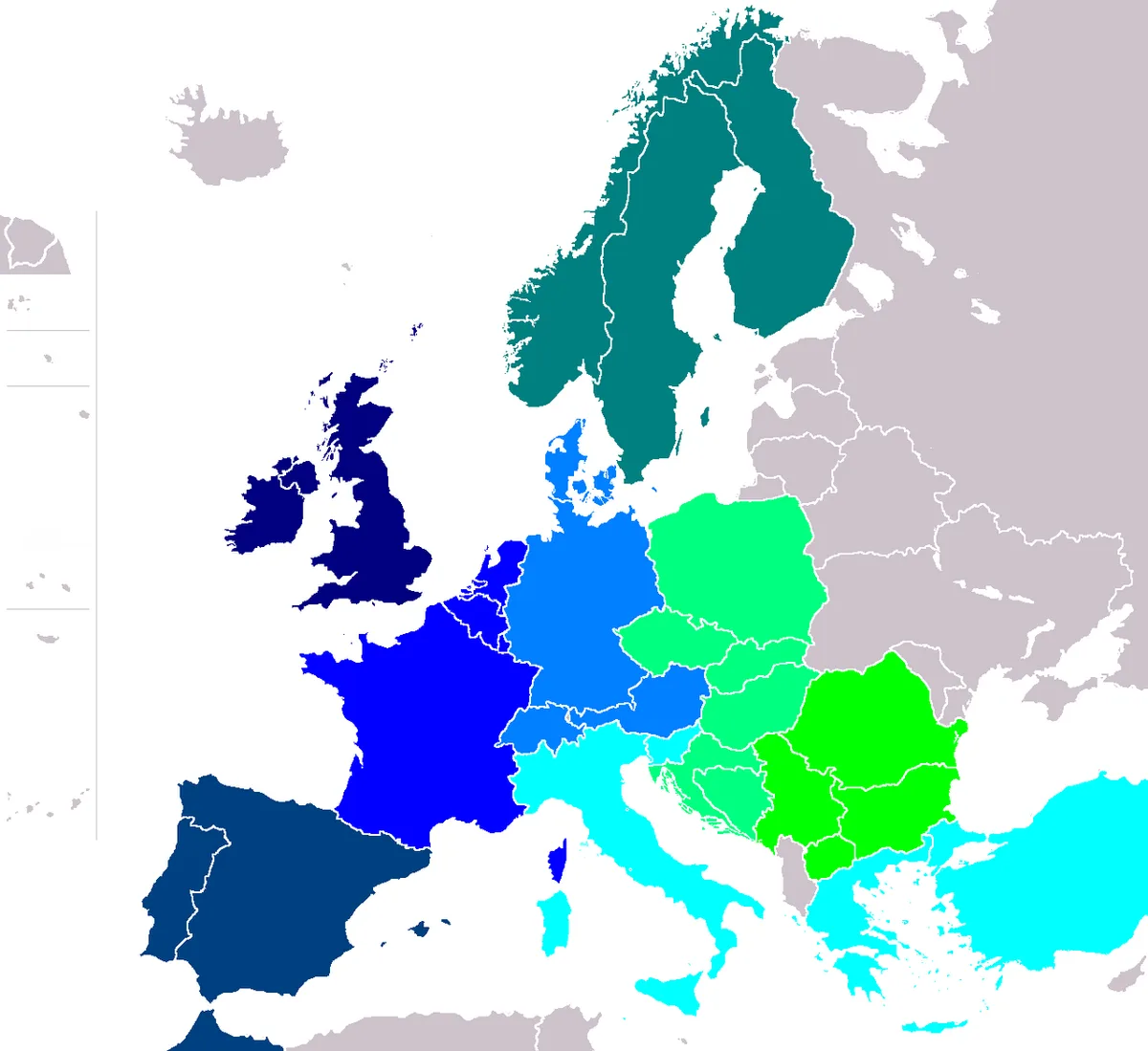
- Live in a European country and hold residency there: Interrail is your pass, whatever passport you carry.
- Live outside Europe, even as a European citizen: Eurail is normally the right shop, because residency decides.
- Expat living in Europe on a residence permit: see the Interrail eligibility list for your country of residence.
- Dual citizen: use the country where you actually live, not the passport you travel on.
- Live in a country or territory that is not clearly listed: read both official eligibility pages, then contact support before paying.
Interrail vs Eurail Side by Side
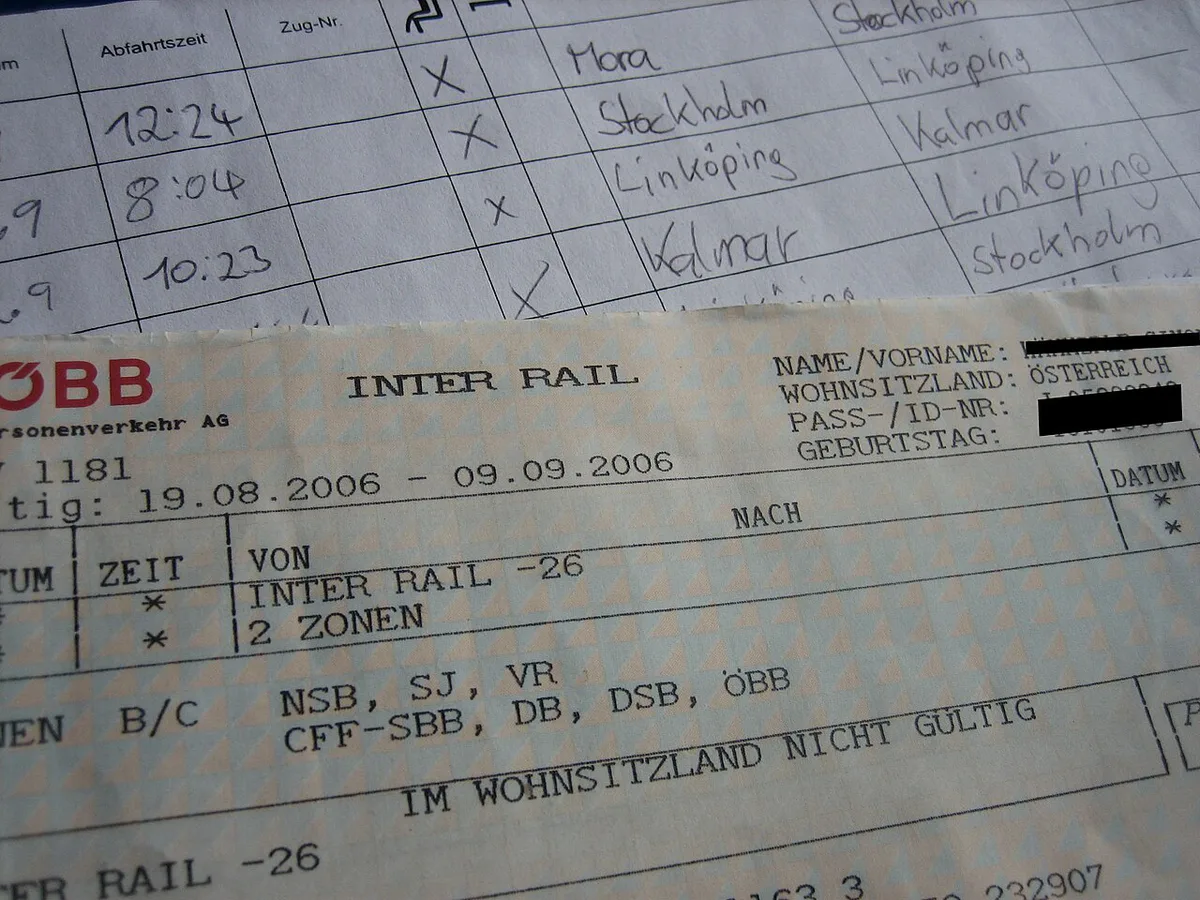
This table compares the two shops on the points that matter at checkout. Price figures change by season and promotion, so the table says where to look instead of quoting a number.
| Feature | Interrail | Eurail |
|---|---|---|
| Who it is for | Residents of Europe | Residents of countries outside Europe |
| Price basis | See current price on the Interrail site | See current price on the Eurail site |
| Countries covered | Same shared network, up to 33 countries on a Global Pass | Same shared network, up to 33 countries on a Global Pass |
| Pass types | Global Pass and One Country Pass | Global Pass and One Country Pass |
| Reservations | Required on some trains, paid separately | Required on some trains, paid separately |
| Use at home | Not valid in your country of residence | Not the usual use case for non-residents |

Pass Types: Global, One Country, Flexible vs Continuous
A Global Pass covers up to 33 countries. A One Country Pass covers a single country picked from a list of about 27. Our One Country Pass guide explains when a single-country pass beats a Global Pass. Each pass type comes in two validity styles. A flexible pass gives you a set number of travel days within a longer window, such as 5 days within 10 days. Typical flexible lengths run from 3 to 22 days. A continuous pass lets you ride every day for 1, 2 or 3 months. Choose flexible if you stay several nights in each city and move every few days. Choose continuous if you change base almost daily. The official pass pages list the current lengths. Mobile delivery is available through the official app. Our Eurail app guide shows how that works and why lead time matters less than with a paper pass.

Cost and Value: When a Pass Wins or Loses
Prices and hours checked November 2026 against the guides we reviewed. A pass wins when you take many long journeys on fares that rise close to departure. It loses when you ride a few short regional legs that cost little on their own. Our Eurail pass cost breakdown shows how the price changes by pass type. For a full verdict, read our worth-it analysis. Use the method below to run your own numbers.

- Count the days you will actually travel by train, not the days of your whole trip.
- Mark each leg as short regional or long-distance.
- Price each long-distance leg as an advance ticket on the operator's site.
- Add the reservation fees the pass will need on those legs.
- Compare that total with the pass price for the same number of travel days.
Reservations and Extra Fees

A pass is not a seat. Night trains require a reservation, and so do many fast and high-speed services in countries such as France and Italy. Fees on high-speed trains run from about €3 to €30 per journey. Night trains average around €20 for a seat or berth reservation, though sleepers cost more. Operator pages such as Nightjet and Renfe show what each service charges. Regional trains often need no reservation, but they add changes and travel time. Fees can erase a pass's saving on a route-heavy itinerary, so add them to your comparison. Our seat reservation guide explains how to book.
High-speed fees run €3 to €30 per journey, so a pass that looks cheap on paper may cost more once seats are added.
First vs Second Class and Discounts
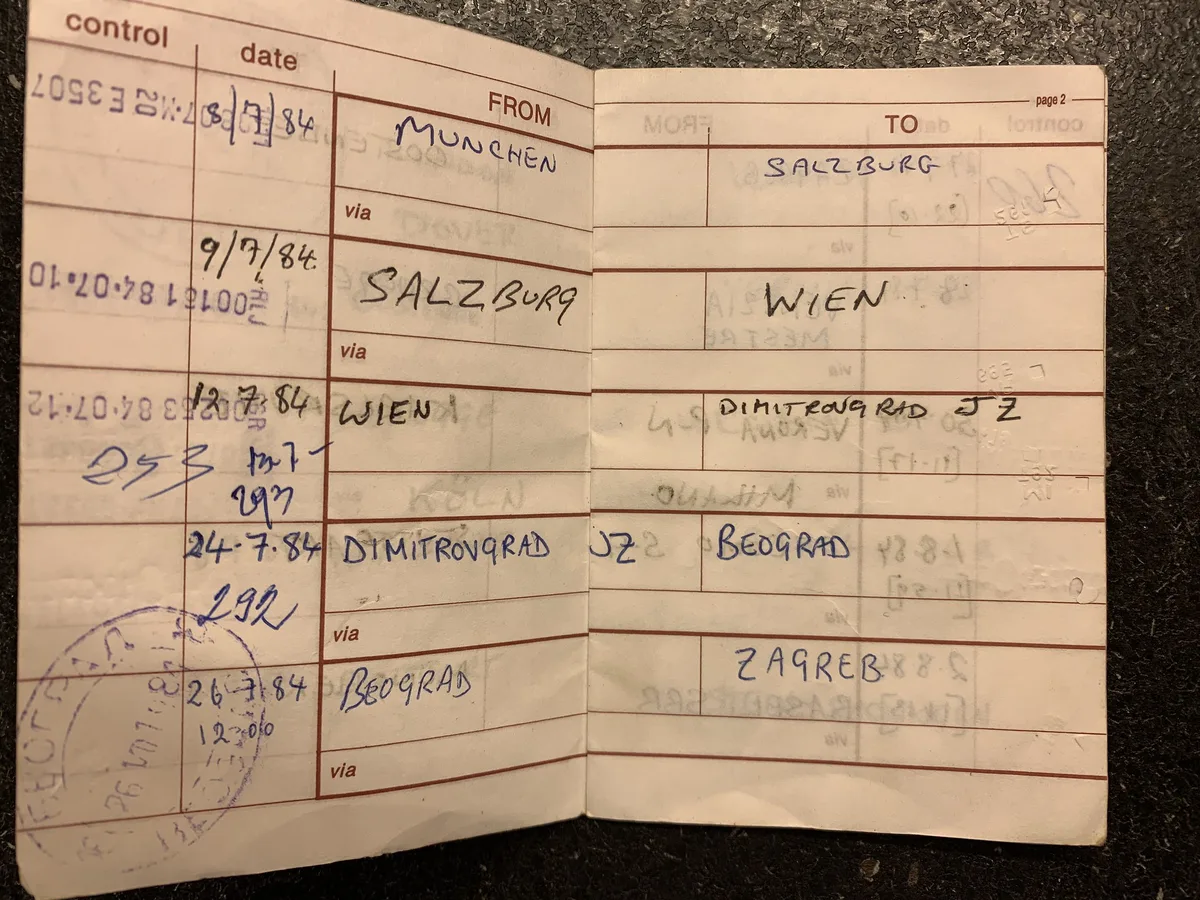
Both shops sell first and second class passes. First class gives more space and fewer crowds, while second class is the cheaper default for most trips. Our first vs second class comparison sets out the differences. Youth fares apply to travelers up to age 27. Senior fares apply from age 60, though bands can change. Our senior pass guide covers how that discount works. Children and family rules also exist, so read the official terms for your party before checkout.
Who Each Option Fits
Your residency chooses the shop, but your itinerary chooses the pass type. Use these profiles as a starting point.
Choose a Global Pass once a trip reaches 3 or more countries, even though it can cover up to 33 countries.
- Interrail resident on a multi-country trip: a Global Pass with flexible days usually suits a slow itinerary.
- Eurail non-resident with 3 or more countries: a Global Pass avoids buying separate tickets at each border.
- Eurail traveler staying in one country: compare a One Country Pass with local advance fares.
- Frequent night-train rider: price the reservations first, because they can dominate the cost.
- Base-camp traveler with a few day trips: point-to-point tickets often beat any pass.
Myths and Mistakes to Avoid
Most pass problems come from skipping the rules, not from the pass itself.
- Buying the wrong shop for your residency. The pass can be refused, so check eligibility first.
- Assuming no reservations are needed. Several popular routes require a paid seat.
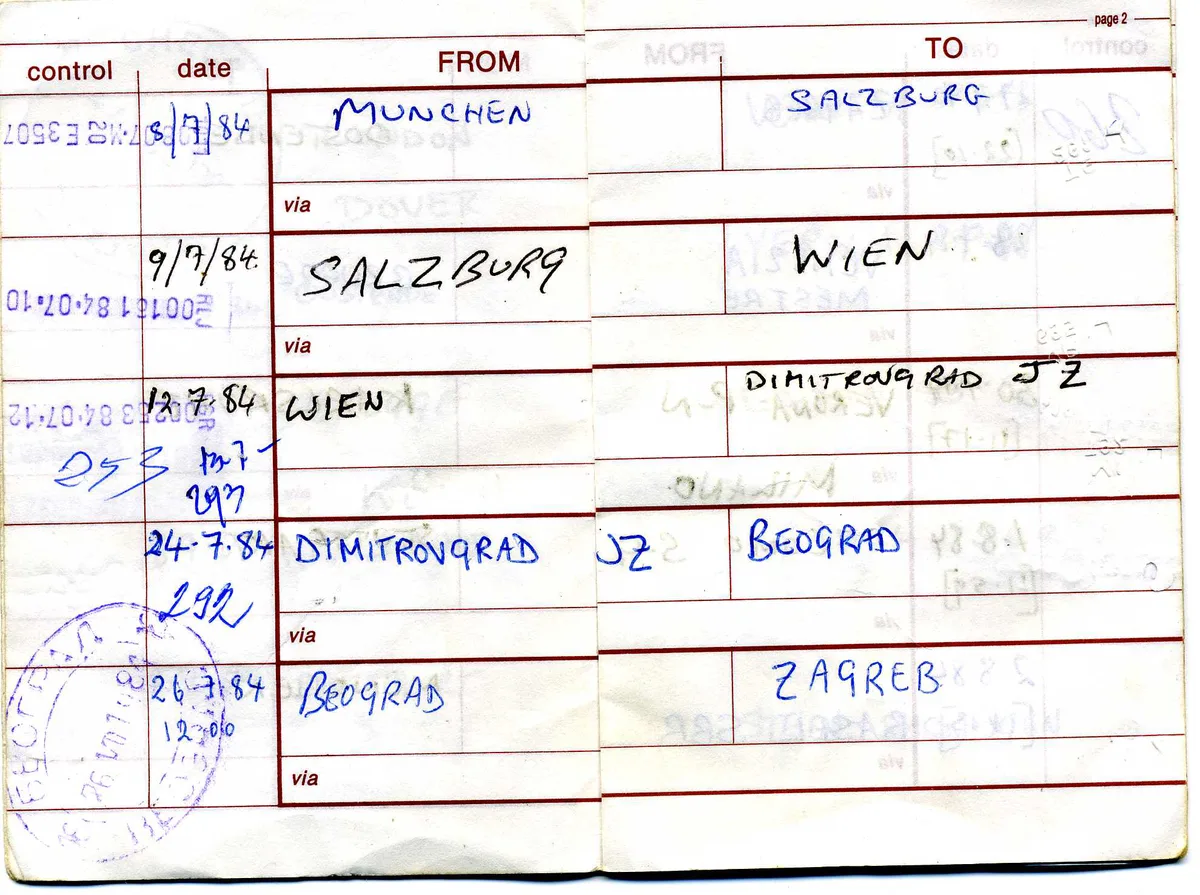
- Forgetting to log journeys. Record each trip on a flexible pass before the conductor checks it.
- Ignoring activation timing. Activate the pass before your first journey and plan around its validity window.
- Assuming the pass covers everything. It covers rail only, so local transit, some private operators and ferries can cost extra.
How to Decide in 3 Steps
Follow these steps in order.
- Confirm your residency on the official Interrail or Eurail eligibility page and pick that shop.
- Count your real travel days and long legs, then choose flexible or continuous.
- Price tickets plus reservations against the pass, and buy the pass only if it wins.
Frequently Asked Questions
Are Interrail tickets worth it?
They are worth it when you ride many long-distance legs in a short window. They are less useful for a few short regional trips. Run the five-step comparison above before you buy.
What's the cheapest way to travel by train in Europe?
Point-to-point advance tickets are often cheapest for a fixed itinerary. Regional trains avoid most reservation fees, but they add changes and time. A pass wins only when you need flexibility on many long legs.
Rail notes for your next trip
Optional updates when our rail guides change.
Related guides


More guides
Picked from the same area