Eurail Pass for Seniors: Rules, Costs and Comfort Tips

Last updated November 2026. A Eurail pass for seniors exists as a pricing category: travelers at or above the age threshold on the official site can buy discounted passes, and the exact age and fares are listed there. This guide covers how to choose that category and when a pass beats point-to-point tickets for a slower trip. It also covers reservations, comfort and low-stress routes. For the full overview of the product, start with our Eurail pass guide.
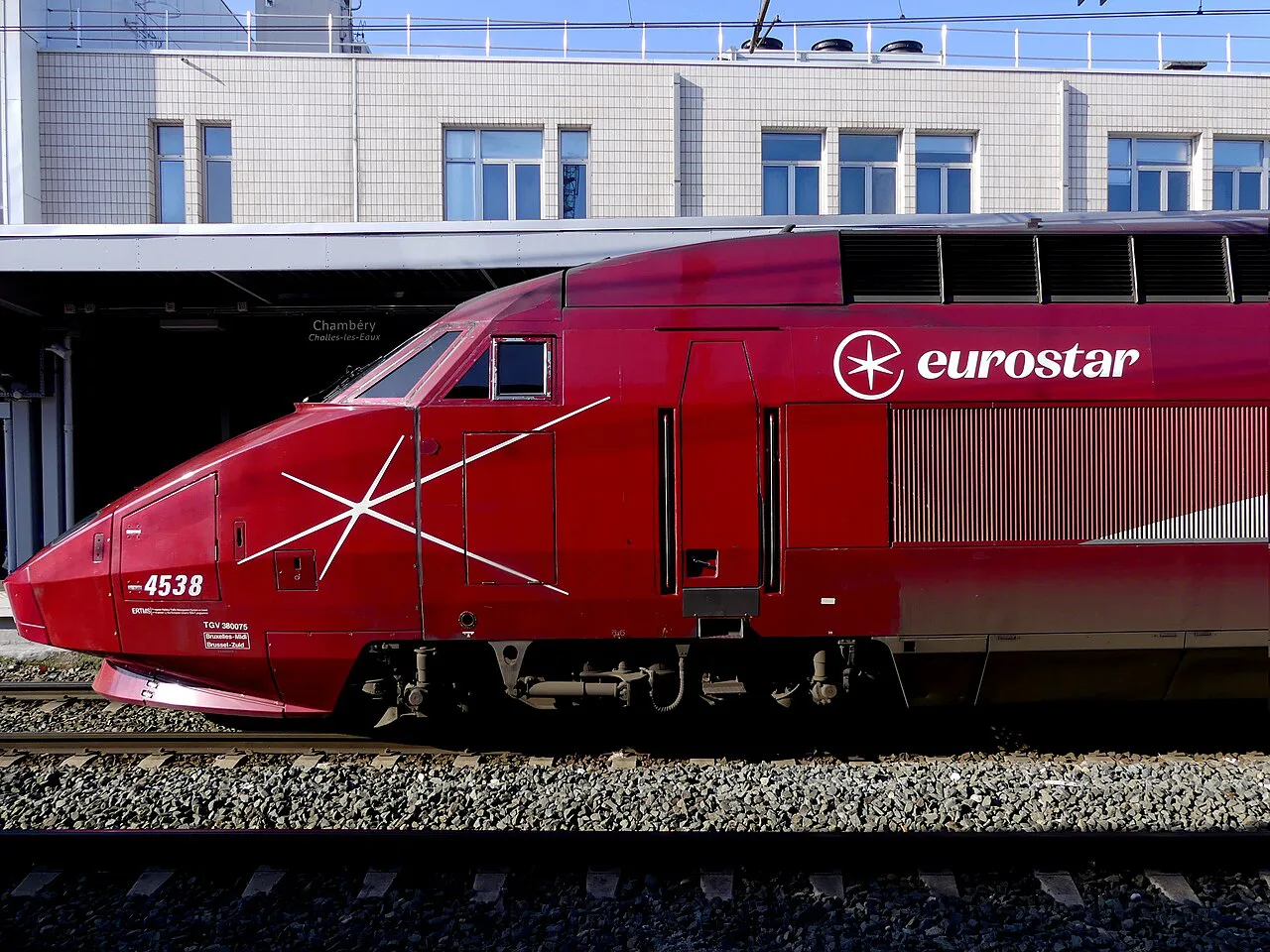
Featured image: alexdavidbaldi, CC BY 4.0, via Flickr.
Quick answer: is there a Eurail pass for seniors?

Yes, in the sense that passes are sold in age categories, and a senior category sits beside adult and youth. The age cutoff and current fares appear on the official Eurail passes page. Select the senior category at checkout, because the price shown for adults will not apply. Have your passport ready, since the pass is tied to your travel documents. Fares change, so this page gives no price figures. Use the worksheet below to compare official quotes. For most comfort-first trips, a pass pays off only when you cover several countries or ride long distances on many days.
Who qualifies and how the senior category works
Two things decide what you can buy: your age on the travel date and your country of residence. Historically, Eurail sold to residents outside Europe and Interrail to residents of Europe. The Global Pass has been sold under the Interrail name worldwide since 10 September 2026, according to the pass's own branding, so check the current Interrail passes page to see which product your residency allows. Older articles still describe the earlier split, so treat their naming as outdated. Keep ID that shows your date of birth on the trip. Conductors can ask to see your pass together with your passport. If you are traveling with a partner of a different age, each person buys the category that matches their own age. Our Interrail and Eurail comparison goes deeper on eligibility.

Global Pass vs One Country Pass for seniors
The Global Pass covers 33 countries on participating operators, though not every train or transfer. A One Country Pass covers a single nation, which suits travelers who prefer one long stay and day trips. Seniors often choose fewer, longer stays, so the narrower pass can be the better fit. Read our One Country Pass guide before deciding. Use this table to match the product to your trip style.
Across 33 countries, the Global Pass still leaves high-speed reservations as a separate fee on each leg.
| Option | Best for | Countries | Reservation load | Flexibility |
|---|---|---|---|---|
| Global Pass | Several countries in one trip | Up to 33 | Higher on high-speed and international trains | High |
| One Country Pass | One base country with day trips | 1 | Moderate; depends on the operator | Medium |
| Point-to-point tickets | One or two long legs | As needed | Seat usually included in the fare | Lower; fixed times |
Flexible vs continuous: matching the pass to a slower trip
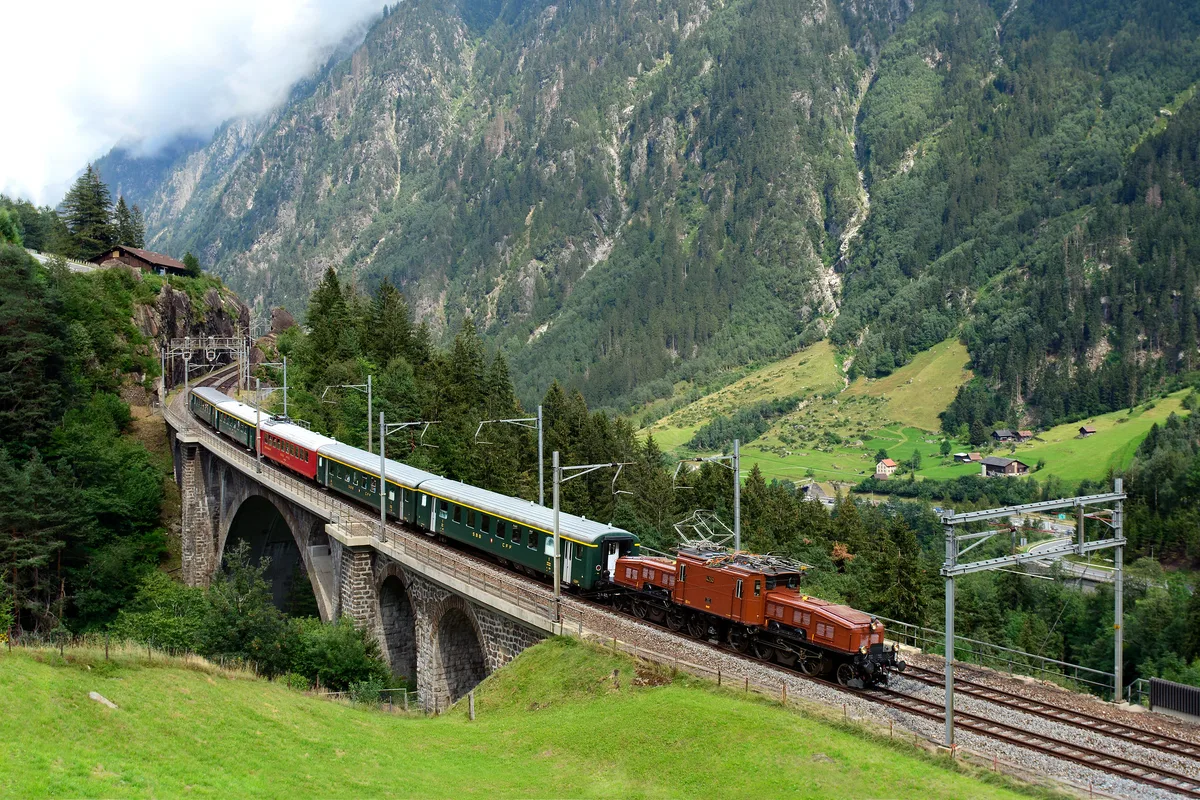
A flexible pass gives a set number of travel days inside a longer window, usually 3 to 10 days within 1 to 2 months. A continuous pass runs on every day of its period, typically 15 to 90 days. Slow travelers who stay three or four nights per town rarely ride daily, so flexible passes usually match their pace. Continuous passes suit people who move almost every day. Use this worksheet with official quotes.
- Count your travel days: every day you board a train, including short day trips.
- List each leg and write the official point-to-point fare for your age.
- Add the fares into one total for the trip.
- Write the senior pass price for the pass length you need.
- Add the reservation fees for every leg that needs one.
- Compare the two totals. If tickets cost less, skip the pass.
Pass or individual tickets? A cost checklist
The pass price is only part of the cost. Reservations, local transfers and any premium services add to it. Our Eurail pass cost breakdown shows what to include. The broader value assessment helps you judge the result. Tickets usually win when you ride only one or two long legs. A pass tends to win when you cross borders often or want freedom to change plans. Also count how much you value being able to board without buying a fixed-time ticket each time.
- Check each leg for a fare on the operator's own site.
- Mark which legs need a reservation and note the fee.
- Count the days you will not ride at all.
- Add airport or station transfers that the pass does not cover.
Reservations: the part that catches seniors out
Pass validity is not a reserved seat. High-speed, international and overnight trains can require a paid reservation even when the journey itself is covered. Our seat reservation guide explains how to book. Regional and local trains usually do not need one, which makes them the easiest base for a relaxed trip. Sleepers need booking in all cases, for example Nightjet services. In Spain, high-speed services are run by Renfe, so see its pages for current rules. Fees and rules vary by operator, so price them leg by leg before you buy.
Activation has its own clock, since the pass must be activated at least 1 hour before your first train. Seat bookings are a separate step on top.
- High-speed trains: reservation likely.
- International trains: reservation likely.
- Overnight trains: reservation required, and sleepers are best avoided on a comfort-first trip.
- Regional trains: usually no reservation, though the operator decides.
- Peak-season trains: book early.
Comfort and accessibility planning
Choose seats before you choose sights. First class gives more space and often quieter carriages, which helps with luggage and longer legs. Our first versus second class comparison covers the trade-offs. Pack one bag you can lift alone onto a rack. Build buffer time into every transfer, because platform changes happen and some cities have more than one station. Ask the operator about station assistance before you travel, since services differ by country and often need advance notice. Book accessible seating where the operator offers it. Avoid tight cross-border connections, and in parts of the Balkans, individual lines or international links may not run at all.
Mobile pass or paper pass
A mobile pass lives in the Rail Planner app. It can be activated up to 11 months ahead and must be activated at least 1 hour before your first train. Minimum systems are iOS 13.0 for Apple devices and Android 6.0 for Android, so check the app store listing for current requirements. The app also works offline, which helps when signal is weak. Download it and practice at home. Our Rail Planner app guide walks through the setup. If apps are a hurdle, ask whether a paper pass is sold for your pass type and residency. Paper passes are validated at a ticket counter, so allow extra time at the station.

Sample low-stress routes
Think in base-and-day-trip patterns rather than a daily move. Each pattern below keeps transfers few and luggage handling to a minimum.
- Italy: base in Florence and add day trips to nearby art cities.
- Switzerland: base by a lake and take scenic day rides, since premium excursions need care.
- Germany: base in one river-valley town and use regional trains for day trips.
- Spain: link two major cities on a high-speed corridor, then stay several nights each.
- France: pair Strasbourg with one Rhine-side stop for short hops.
- Norway: ride the mountain and fjord line between Oslo and Bergen with a stay at each end.
Eurail vs Interrail eligibility
Which pass you can buy depends on where you live, and the branding has changed recently. Look at the official pages first, then read our full eligibility comparison. If your residency allows more than one product, compare the senior fares side by side before paying.
Mistakes to avoid
These errors cost seniors the most time and money.
- Assuming the pass covers your seat.
- Booking a tight connection with heavy bags.
- Leaving mobile activation until the day of travel.
- Buying a pass for the wrong residency.
- Choosing a continuous pass for a stay-put trip.
- Ignoring national senior railcards, which may beat a pass on a single-country trip. Ask the national operator about them.
Frequently Asked Questions
Does a Eurail pass still exist?
Yes, passes are still sold. The Global Pass has been marketed under the Interrail name worldwide since 10 September 2026. Check the official pages for the product available to your country of residence.
How does an Interrail pass work?
You choose a flexible or continuous pass, then activate it before your first train. Mobile passes live in the Rail Planner app. Some trains still need a paid reservation on top of the pass.
Rail notes for your next trip
Optional updates when our rail guides change.
Related guides



More guides
Picked from the same area