
6 Trains in the Balkans Worth Riding: Costs and Border Tips
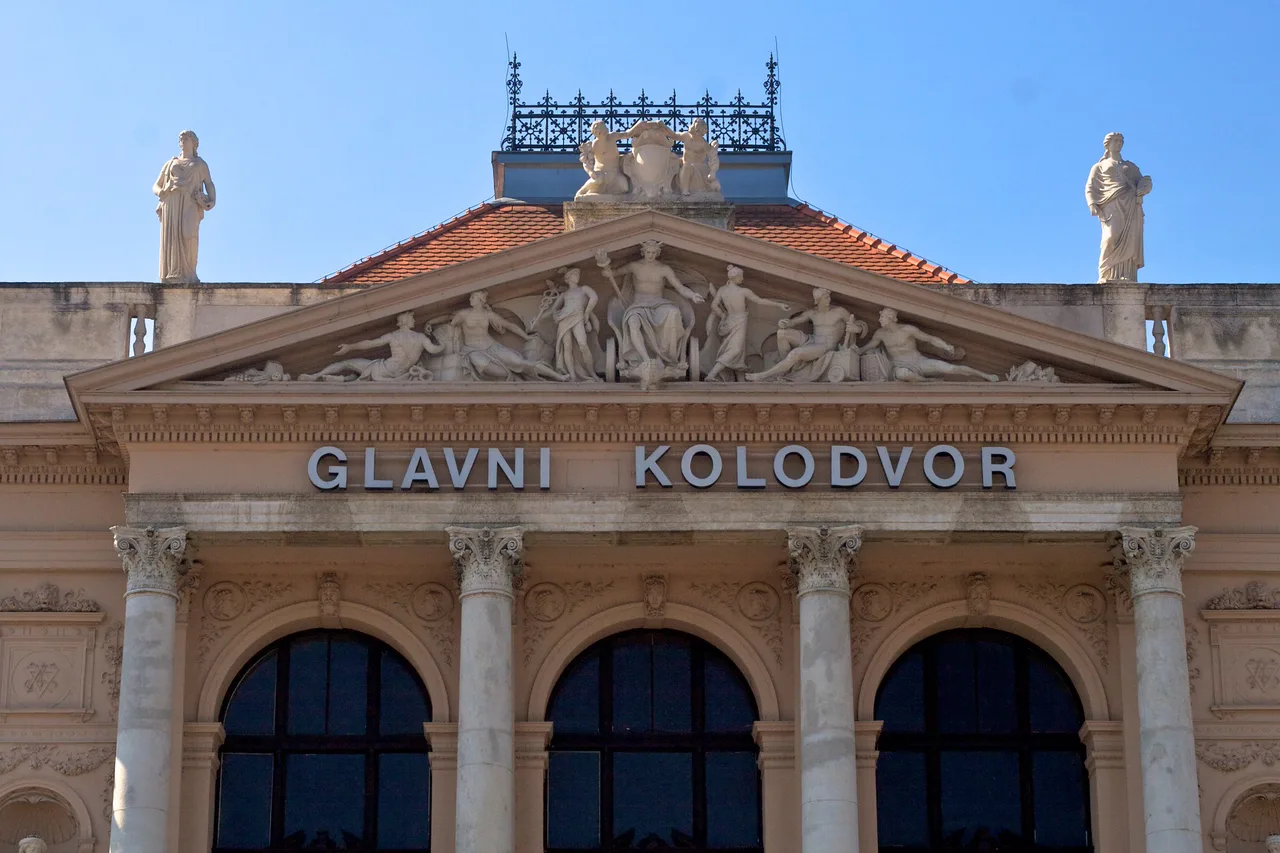
Last updated November 2026: trains in the Balkans are slow, thin and patchy, and only a handful of routes repay the ride. This guide ranks six that do, with who should skip each one. It also covers costs, booking and border friction, and it points you to the dedicated route pages.
Featured image: tm-tm, CC BY-SA 2.0, via Flickr.
Short answer: are trains in the Balkans a good way to travel?
Yes for a few routes, no for most point-to-point hops. Many links are easier by bus, and some trains run once or twice a day. Here the Balkans means Serbia, Montenegro, Bosnia and Herzegovina, North Macedonia and Bulgaria. Croatia, Slovenia and Romania are included as gateway neighbours with their own route pages. There is no single network. Croatia uses HŽ Putnički prijevoz. Slovenia uses Slovenske železnice. Serbia uses Srbija voz. Bosnia's Federation uses Železnice Federacije BiH. Romania uses CFR Călători. Pick routes for a reason, either the view or the destination, and treat everything else as a bonus.
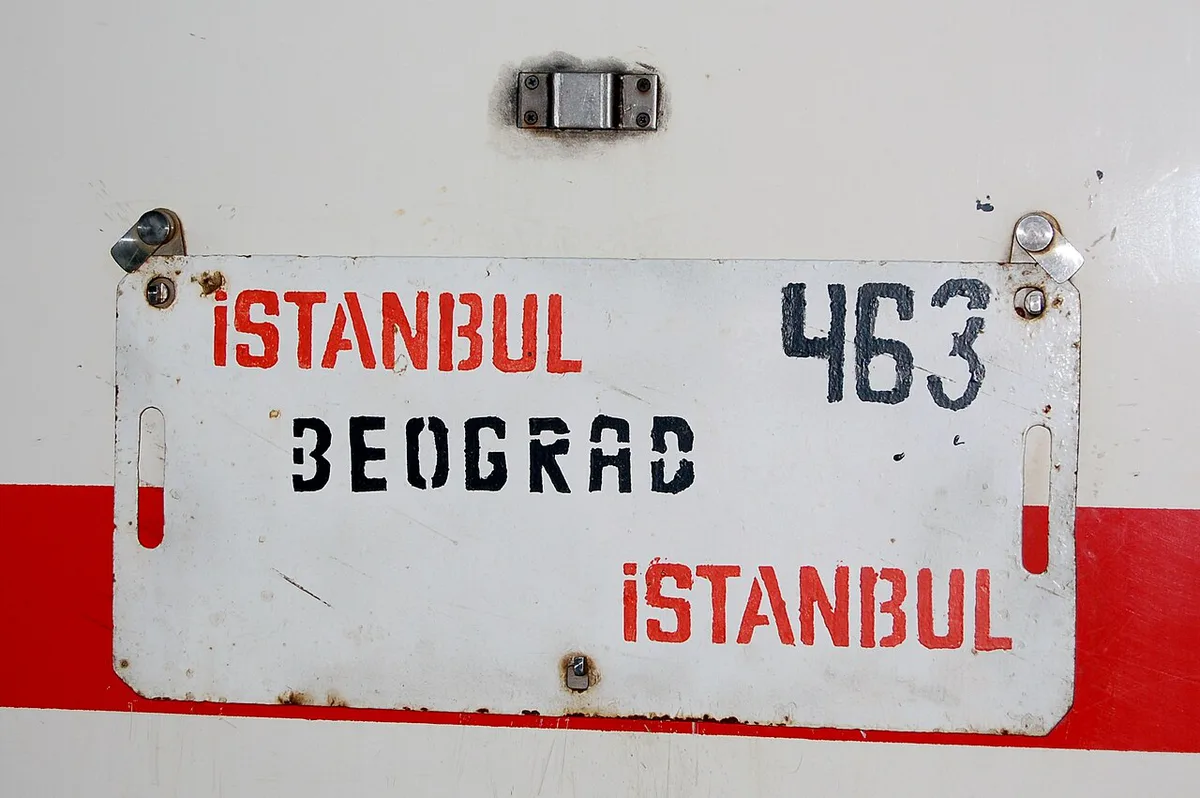
Route selector: which Balkan train fits your trip
Use this table to match a route to your priority. Every route has a full entry in the next section.
| Route | Countries | Best for | Main friction |
|---|---|---|---|
| Belgrade to Bar | Serbia, Montenegro | Scenic ride, about 476 km | Full-day commitment |
| Sarajevo to Mostar | Bosnia and Herzegovina | Short hop, about 2 hours | Service status needs checking |
| Zagreb to Split | Croatia | Coast access, about 6 hours | Long interior stretch before the sea |
| Ljubljana to Bled | Slovenia | Easy day trip, about 1.5 hours | Slovenia is a gateway, not core Balkans |
| Bucharest to Brașov | Romania | Carpathian base, 2.5 to 3 hours | Wrong direction for coastal itineraries |
| Bucharest to Sofia | Romania, Bulgaria | Cross-border link | Border stop and thin service |
6 Trains in the Balkans Worth Riding
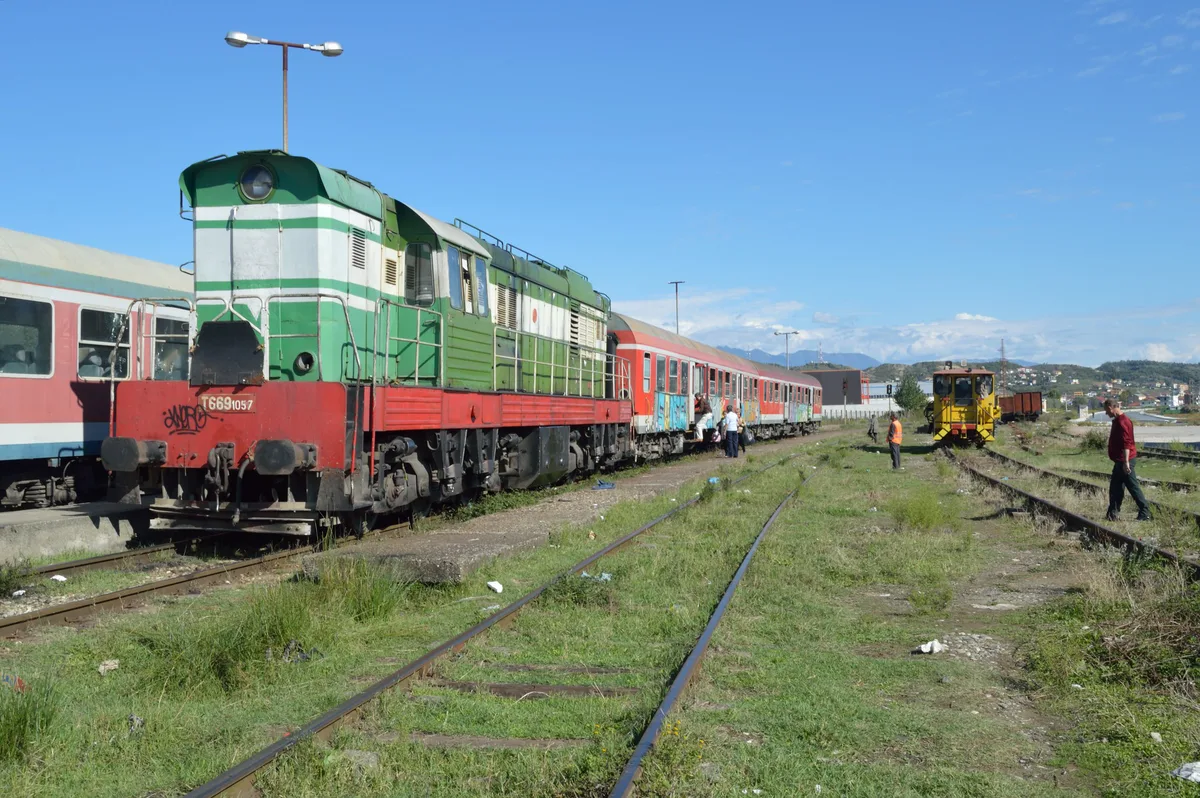
Prices and hours checked November 2026. Fares below are typical ranges quoted in euros for planning, and operators set the final price. Scenic routes come first, then the practical connections.
1. Belgrade to Bar (Serbia to Montenegro)
This line covers about 476 km from Serbia's capital to Montenegro's Adriatic coast. It is the route most often named as the region's scenic ride. Look for the Mala Rijeka Viaduct, reported to be one of the highest railway viaducts in the world. Typical fares run from €21 to €40, depending on class and season.
Read our Belgrade–Bar route guide before you commit a day to it. Skip it if your timetable has no slack, since a 476 km ride leaves little room for delays.
2. Sarajevo to Mostar (Bosnia and Herzegovina)
This short ride takes about 2 hours and typically costs €5 to €10. Mountain and river scenery fills the window, and Mostar rewards you with Stari Most, the Old Bridge. Service levels on this line change, so confirm that trains are running before you plan around it.
Our Sarajevo to Mostar page has the details. Skip it if you need a guaranteed departure time, because a bus is the safer fallback.
3. Zagreb to Split (Croatia)
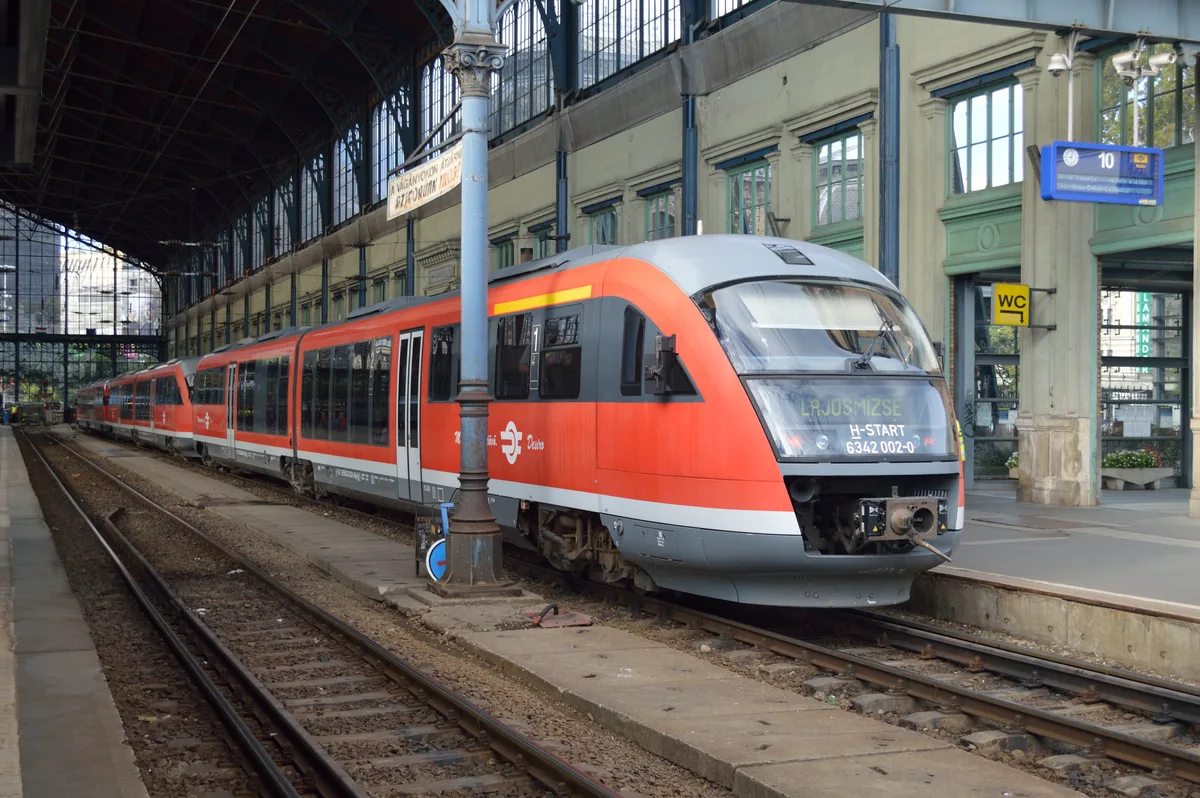
This is the main train link between Croatia's capital and the Dalmatian coast. It covers about 400 km in roughly 6 hours. Fares typically fall between €16 and €30. Most of the ride crosses Croatia's interior, and the coast only appears at the end in Split.
See our Zagreb to Split route for timing advice. For the wider country picture, read Croatia by Train: Where Rail Works and Where It Doesn't. Skip it if you want sea views for the whole journey.
4. Ljubljana to Bled (Slovenia)
Slovenia is a borderline Balkans case, so treat this as a gateway day trip. The line runs about 55 km and takes around 1.5 hours. Fares typically run €10 to €15.
At Lake Bled you can see Bled Island and its church in the middle of the lake. Our Ljubljana to Bled guide covers the practical steps. Skip it if you want a long-haul rail experience, because this is a short and gentle hop.
5. Bucharest to Brașov (Romania)
This is the practical pick for reaching the Carpathian Mountains. It covers about 166 km in 2.5 to 3 hours. Fares typically run €10 to €20. Brașov offers the Gothic Black Church and a medieval old town below the mountains.
Our Bucharest to Brașov route explains the day in full. Check CFR Călători for current timetables on the operator's site. Skip it if your plan is the Adriatic coast, since it points you away from it.
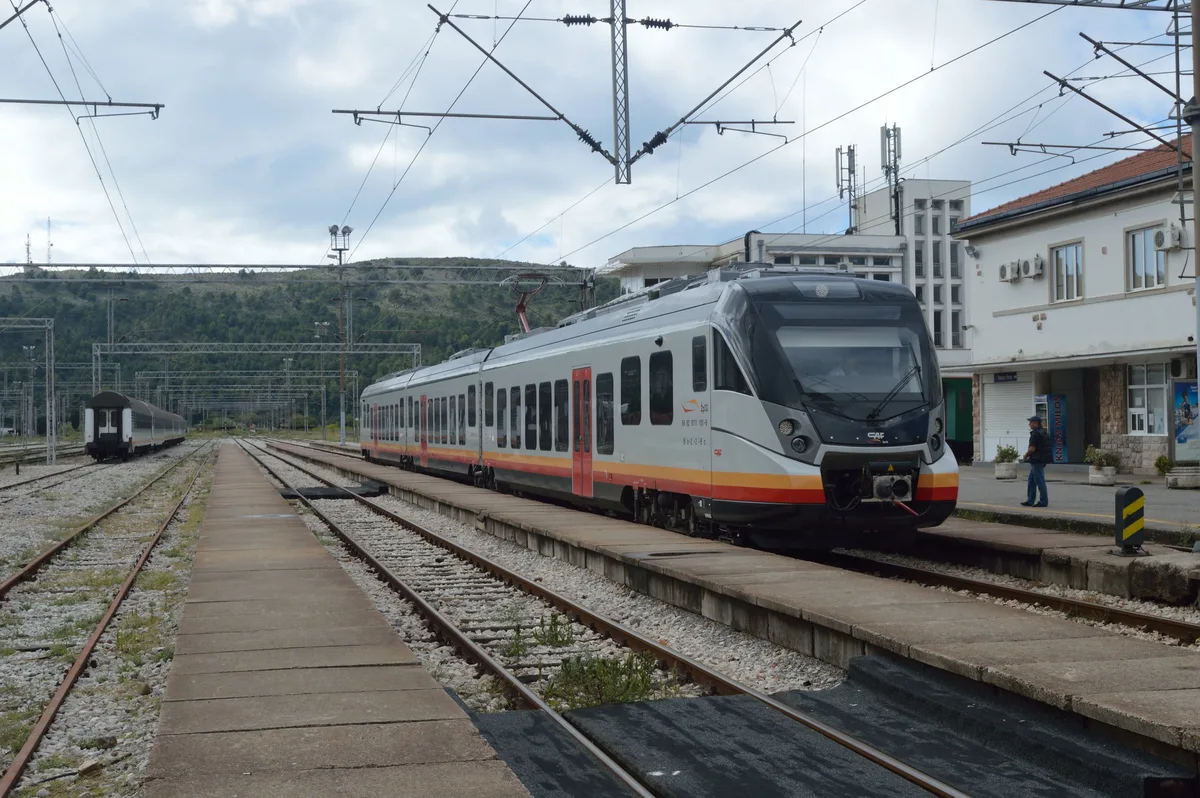
6. Bucharest to Sofia (Romania to Bulgaria)
This is the cross-border example, and it is the least predictable of the six. A 2016 traveller report describes a long day with a two-coach through service of about 12 hours. Treat that as outdated until an operator confirms it. Expect a border stop and passport handling on any international run.
It earns a place because it links two capitals, but plan it as a fallback-ready day. Skip it if you have a same-day connection waiting at the other end.
Where trains don't work and what to use instead
Some links have one or two departures a day, or none that suit your plan. Slow journeys and delays make tight same-day onward plans risky. When a route has only one train, a cancellation costs you a whole day. In those cases a bus is the usual alternative. Look up the current coach schedule at the bus station in each city, and do not assume a bus is faster without checking. Candidate lines such as Sofia to Plovdiv or Belgrade to Budapest are worth researching on the operator site first. Drop any leg where you cannot confirm a current service.
Costs and booking for Balkan trains
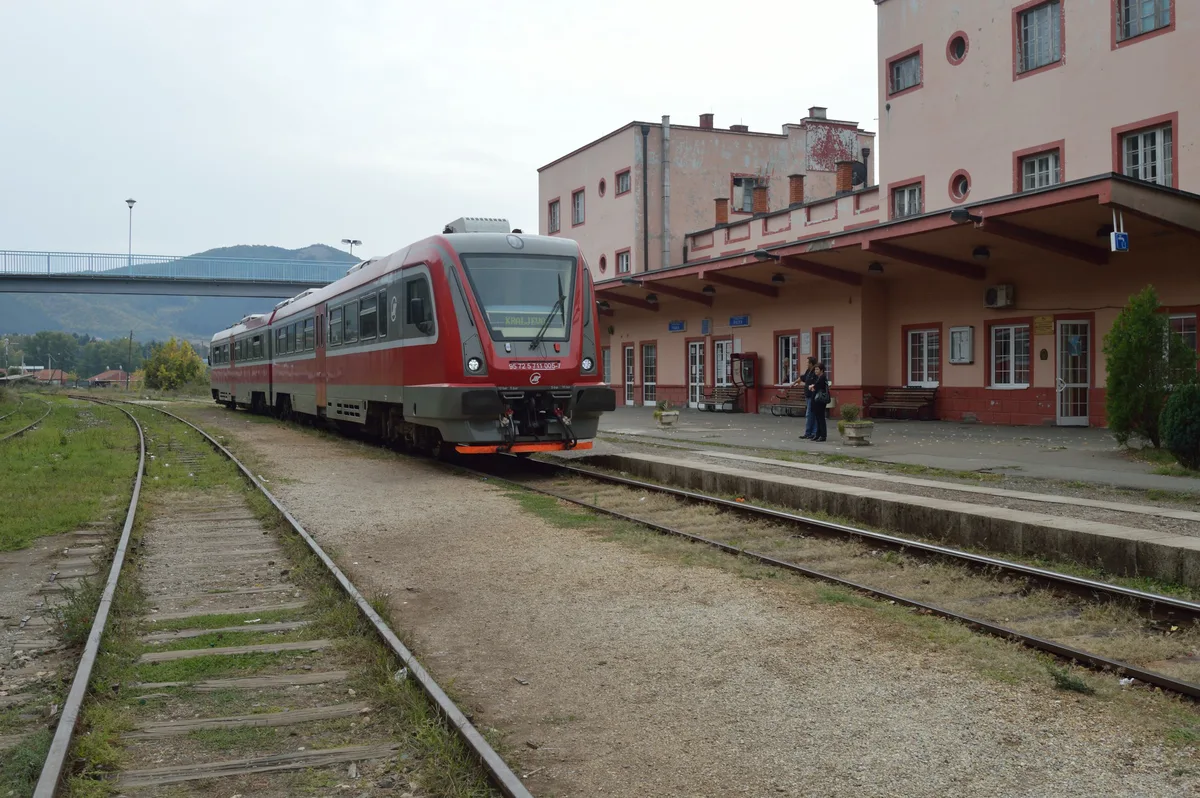
Typical planning ranges from the route entries are €5 to €10 for Sarajevo to Mostar, €10 to €15 for Ljubljana to Bled, and €16 to €30 for Zagreb to Split. Belgrade to Bar runs €21 to €40. Booking channels differ by operator. Start with Srbija voz for Serbia and HŽ Putnički prijevoz for Croatia. Montenegro's operator is Željeznički prevoz Crne Gore. Some tickets on older international runs have been sold only on the day of departure, so do not assume online booking exists. Eurail's Balkans coverage page shows which networks a pass covers. Check each national network before you buy a pass.
Border crossings and international trains
Border stops can be long. A 2016 account of a Thessaloniki to Sofia run reports about an hour of immigration checks, with passports collected and returned after about 30 minutes. Procedures change, so treat that as an example, not current fact. Carry your passport within reach and keep a charged phone. The best test case is the Bucharest to Sofia by Train: Options, Tickets & Alternatives. Ask the operator whether a through ticket is sold or whether you must buy two tickets. For the Romanian side, Trains in Romania: Routes, Tickets and Which Train to Take explains the domestic network. Download your ticket offline before you cross.
Planning a Balkan itinerary by train
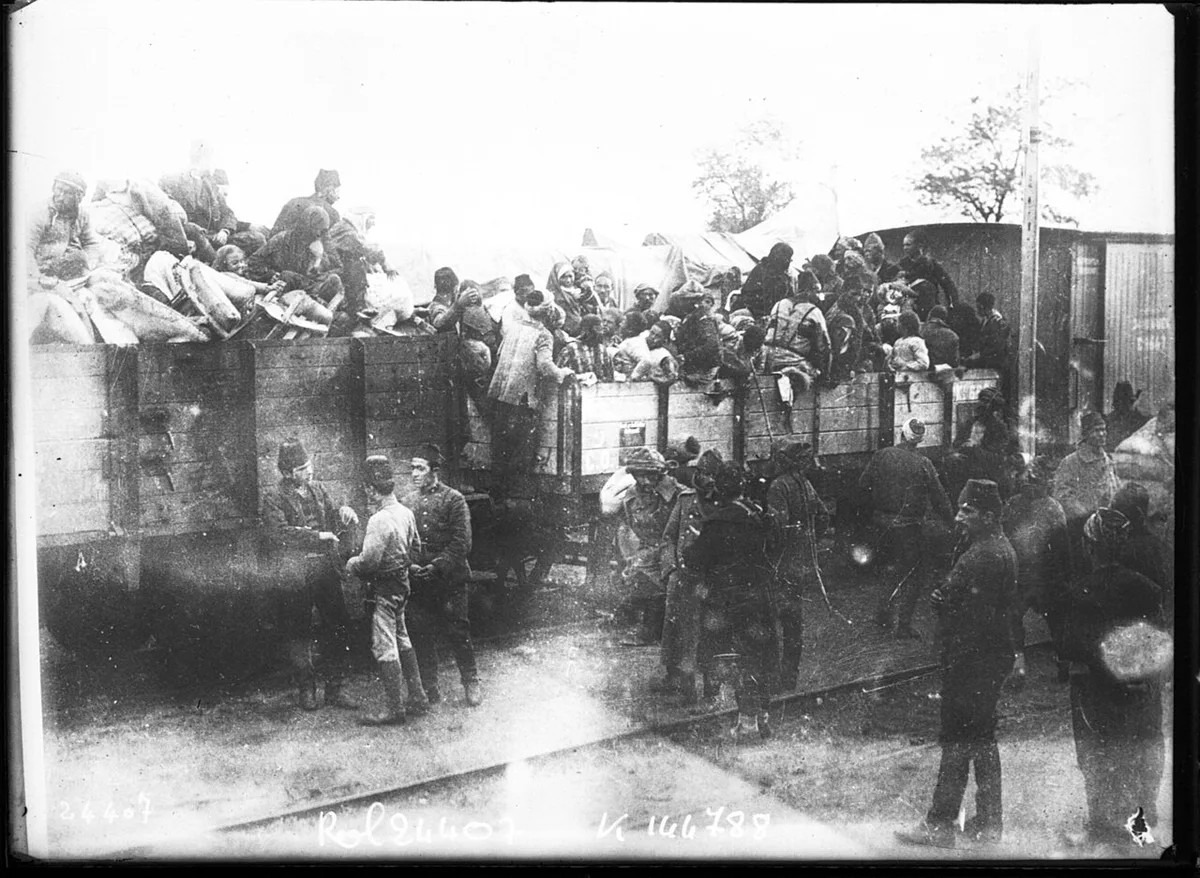
Link routes by direction, not by hope. A Dalmatian coast leg such as Zagreb to Split can connect back north to Ljubljana to Zagreb. From Ljubljana, Ljubljana to Trieste opens an onward link. Romania sits on a separate arc that you reach from Bucharest. Add one buffer day for every long or international leg. Never book a flight or non-refundable hotel for the same day as a single-departure train. Sketch a bus fallback for each leg, and do not invent timetables from memory.
Mistakes to avoid
Do not assume daily frequencies, because some lines run once or twice a day. Do not book tight connections between two operators, since delays do not transfer. Do not skip a printed or offline ticket, as mobile signal drops in mountain stretches. Do not rely on a pass without confirming it works on that national network. Do not trust old reports for current service, including the 2016 accounts of through coaches. Check the operator's page the week you travel.
If your Balkan train is cancelled
Build a fallback before you reach the station. Some Balkan links have only 1 or 2 departures each day. Missing one can change the rest of an itinerary, especially outside major cities. Keep the operator’s contact details and your accommodation address saved offline. Ask station staff whether the service is delayed, cancelled, or replaced by road transport.
For long rides, protect the following day. Belgrade to Bar covers about 476 km, so it is not a sensible leg before a fixed flight or cruise departure. The Bucharest to Sofia connection has also been described as taking about 12 hours, although its current timetable needs confirmation. Check whether a later train, a coach, or an overnight stay is the practical alternative.
Add 1 buffer day for every long or international rail leg. If you must continue that day, choose accommodation with flexible cancellation terms. Keep enough local currency or a payment card available for a replacement bus ticket and an extra night.
Frequently Asked Questions
Are there trains in Bosnia?
Yes. Železnice Federacije BiH runs services, and Sarajevo to Mostar is the best-known route for visitors. Check the operator's site at zfbh.ba for current schedules before you plan around it.
Explore More Guides
Keep planning your trip with these guides.
Guides
- Belgrade to Bar Train: Night Train Guide, Tickets and Scenery
- Sarajevo to Mostar Train: How to Plan the Trip in 2026
- Croatia by Train
- Zagreb to Split Train: Day, Night and Booking
- Ljubljana to Zagreb Train: Routes, Tickets and Alternatives
- Ljubljana to Bled by Train
- Ljubljana to Trieste by Train
- Trains in Romania: Routes, Tickets and Which Train to Take
- Bucharest to Brasov by Train
- Bucharest to Sofia by Train
Rail notes for your next trip
Optional updates when our rail guides change.