
Trains in Romania: Routes, Tickets and Which Train to Take
Last updated November 2026: trains in Romania are run mainly by CFR Călători, the national passenger operator, and they work best between large cities such as Bucharest and Brasov. Buy tickets at the station or through the operator's own channel, and treat any timetable as something to recheck on the day you travel. Use this guide alongside our Balkans train network overview to fit Romania into a wider trip.
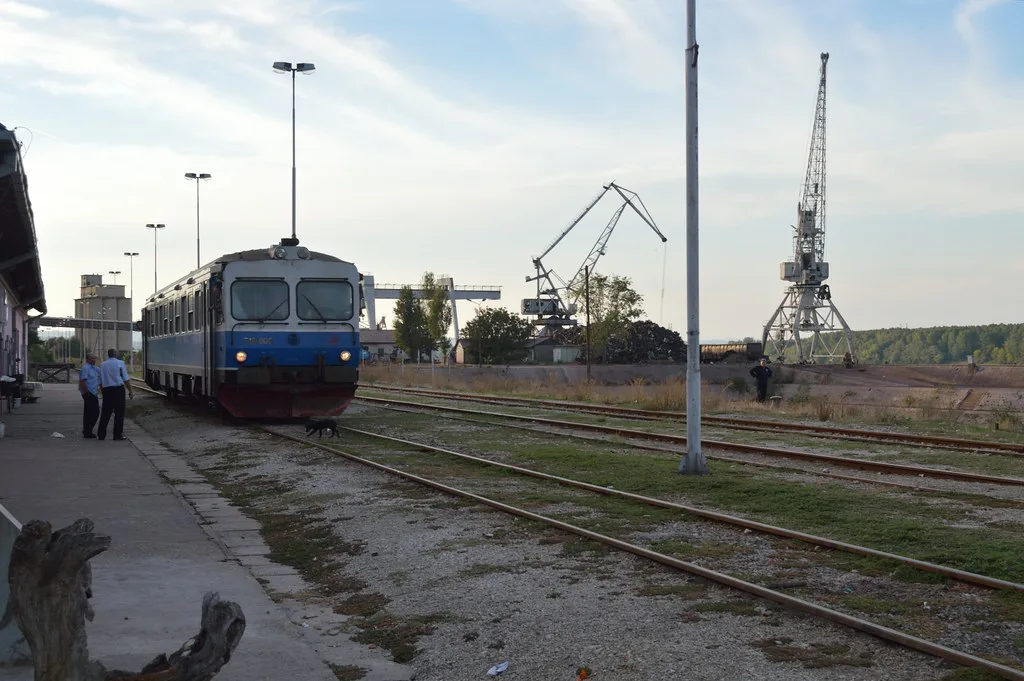
Featured image: philstephenrichards, CC BY-SA 4.0, via Flickr.
Are trains in Romania a good way to get around?
For city-to-city trips from Bucharest, yes. CFR Călători's official site is the starting point for timetables, train categories and fares. Private operators such as Softrans, Regio Călători and Astra Trans Carpatic run some regional routes alongside it. Trains skip road traffic and drop you in a city centre station, which is a real advantage on busy corridors. They are a weaker choice for villages and mountain areas far from a rail line. Some routes are slower than driving, so leave generous slack for connections and for flights.
Train types and which one to book
Romanian services fall into two broad groups. Faster long-distance trains link major cities, while slower regional trains stop at many more stations. Look at the category on your booking before you pay, because reservation rules and comfort differ between them.
- Faster long-distance trains: best for Bucharest to a major city when you want the shortest journey. Some may require a seat reservation.
- Slower regional trains: useful for smaller towns and short hops. Expect more stops and a less predictable timetable.
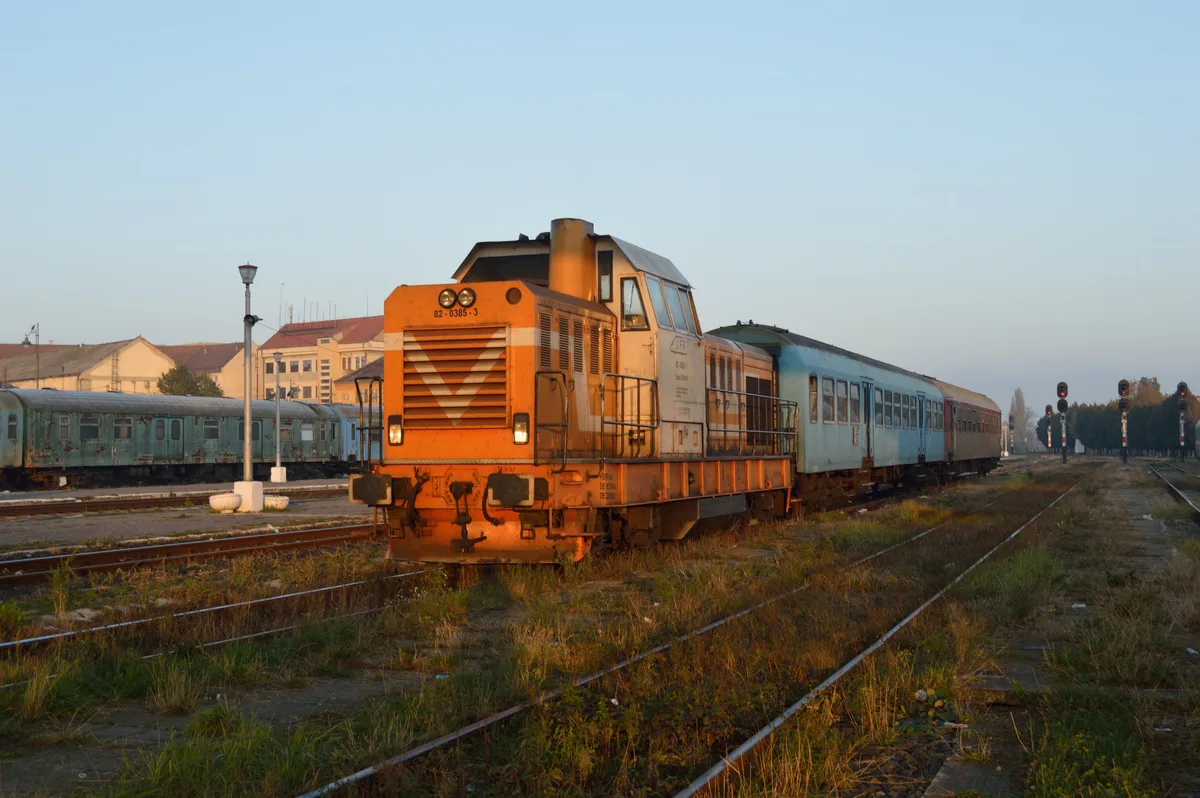
- Private regional operators: Softrans, Regio Călători and Astra Trans Carpatic cover some regional routes. Check whether your route is theirs before you head to the station.
Key routes from Bucharest
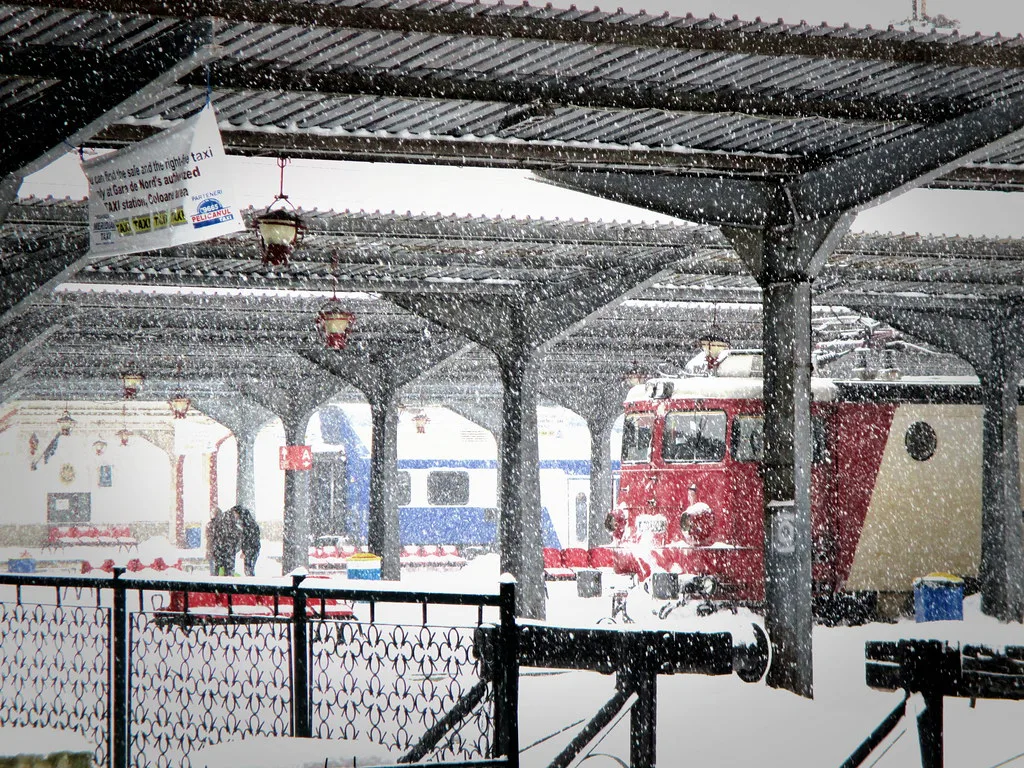
Bucharest North is the main station, so most routes start there. Timetables change by season, so check the operator's site before you travel.
- Bucharest to Brasov: the anchor corridor for a first trip. Our Bucharest to Brasov train guide covers it in detail.
- Bucharest to Sofia: a cross-border option whose status can change. Read our Bucharest to Sofia rail notes before you plan around it.
- Cluj-Napoca, Timisoara, Iasi and Constanta: major cities you can search on the national operator's site. Compare the journey with a bus before you commit.
How to buy tickets
Tickets are sold at the station, so the ticket office is the simplest option when you are already in Bucharest or another large city. The national operator's website is the official online channel. Third-party booking sites may add a service fee on top of the operator fare. Compare the final total before you pay a reseller. Keep your e-ticket or printed ticket until you leave the station at the other end. Refund and change rules depend on the ticket, so read them at checkout.
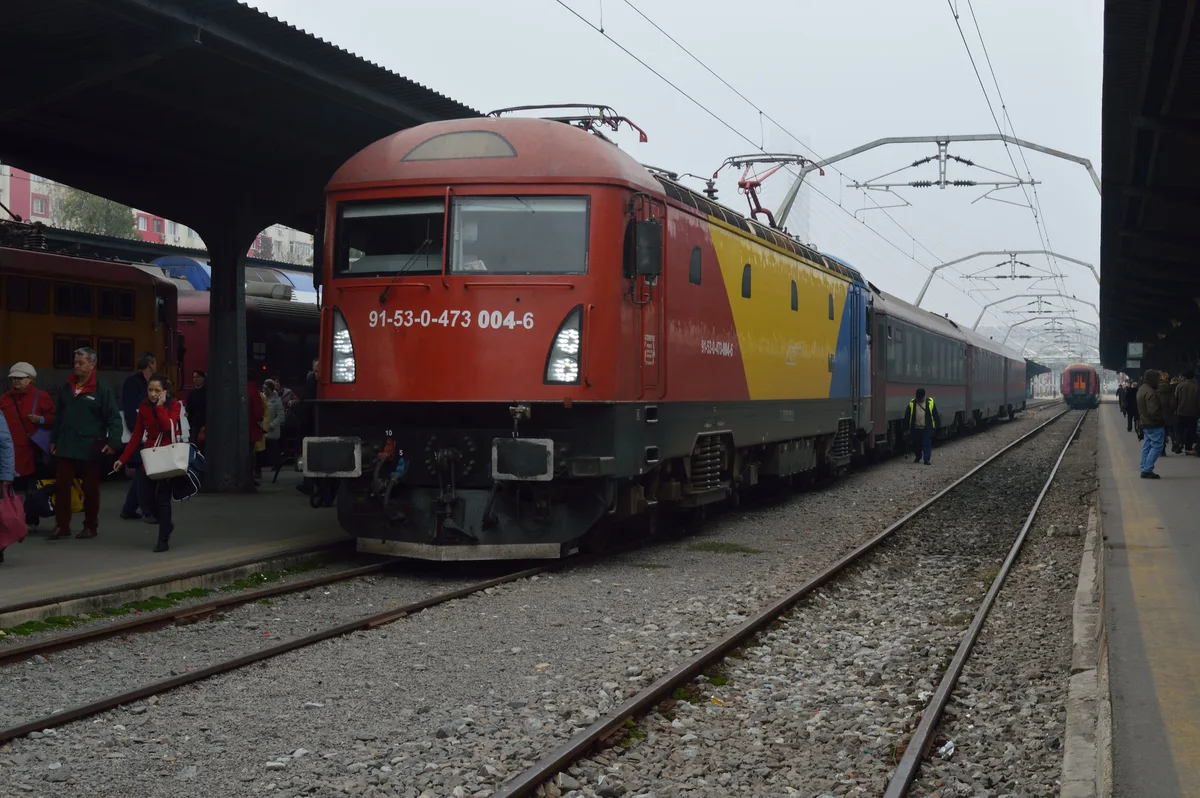
Booking on the national site may not cover every train, because 3 named private operators may use separate channels. Find out which company runs your route first.
Costs and discounts
Fares are quoted in Romanian leu, and no current fare is listed here. Check the operator's site for the price of your route, including discounts for children, students and seniors and whether foreign visitors qualify.
Stations and getting there
Bucharest North is the main railway station and the hub for most long-distance routes. Two airports serve the capital: Henri Coandă International Airport (Otopeni) and Aurel Vlaicu Airport (Baneasa). Look up the current airport-to-station connection before you land, because options and operators change. Keep luggage close on platforms and listen for platform announcements, which can differ from the departure board.
Bucharest's airport choice matters here, since the city is served by 2 airports. Plan the route to Bucharest North before landing if an onward train leaves the same day.
When to take a bus or drive instead
Pick the mode by where you are going, not by habit.
- Train is the best option: between large cities with direct services, such as Bucharest and Brasov.
- Train works but is slow: secondary routes, where a regional service stops often.
- Consider a bus or car: villages, mountain areas and anywhere without a convenient station.
Mistakes to avoid
Most problems come from assuming a timetable instead of checking it.
- Arriving without a reservation on a service that requires one.
- Assuming last season's day-train timetable applies on your travel date.
- Paying a reseller without comparing the total against the operator's own fare.
- Booking a tight connection before a flight.
Next steps in the Balkans network
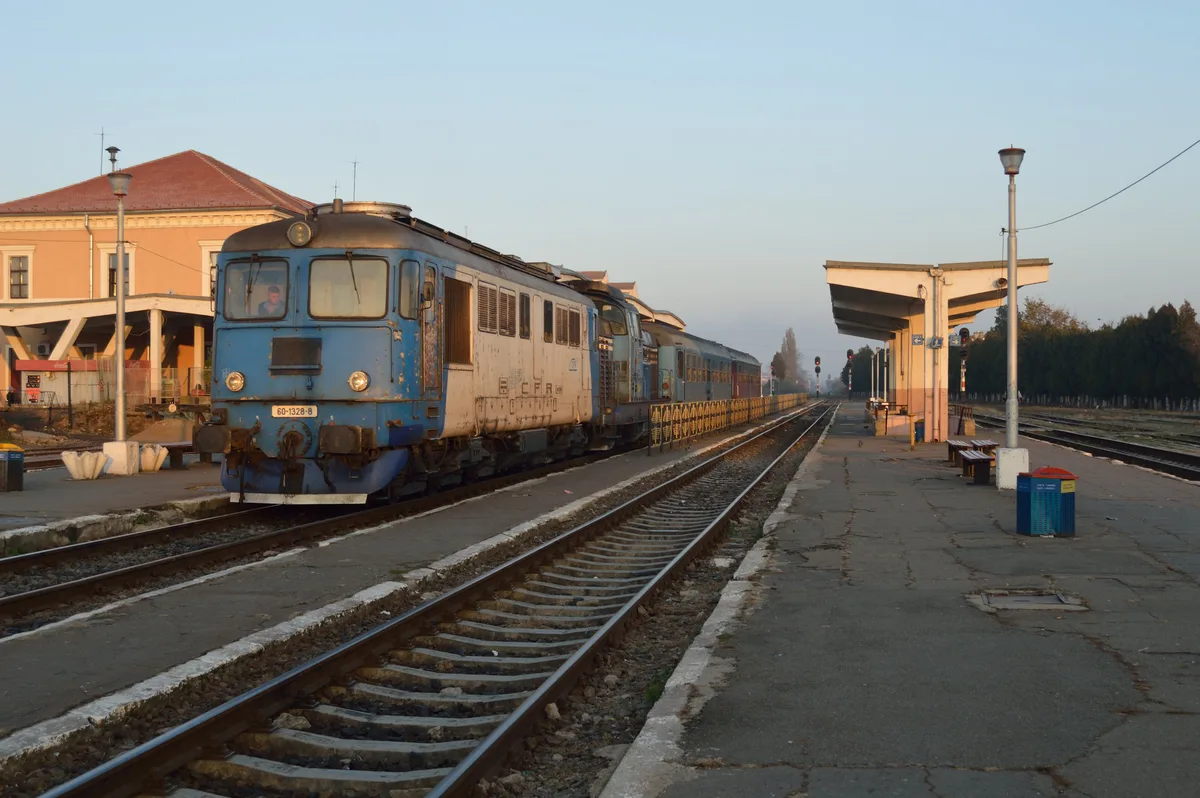
From Romania you can continue into the wider region. Start with our guide to Balkan rail travel to compare countries. For a neighbouring example, see how Croatia by Train: Where Rail Works and Where It Doesn't work. Coastal travellers can read about the Zagreb to Split Train: Day, Night and Booking next. For general trip context, the Romanian National Tourist Office is a useful reference.
Connecting from Bucharest's airports to the train network
Bucharest North is the practical rail hub for most long-distance journeys. The capital is served by 2 airports: Henri Coandă International Airport at Otopeni and Aurel Vlaicu Airport at Băneasa. Plan the airport-to-station connection before landing, especially if you are planning an onward train the same day.
Build extra time into an airport-to-train transfer. Timetables can change, and a delayed flight can make a tight rail connection stressful. Save your train details offline and keep your ticket accessible until you leave the destination station.
Also know which operator runs your train before travelling. Alongside CFR Călători, 3 named private operators appear on some routes: Softrans, Regio Călători and Astra Trans Carpatic. Their services may use different booking channels, so do not assume a ticket bought for one operator applies to another.
Frequently Asked Questions
Does Romania have good trains?
Romania has a national network that works well between large cities and less well on remote routes. Faster long-distance trains suit major corridors, while regional services are slower. Check the operator's site for your specific route.
What are the major train companies?
CFR Călători operates Romania's national passenger network. Private operators including Softrans, Regio Călători and Astra Trans Carpatic run some regional routes.
Rail notes for your next trip
Optional updates when our rail guides change.
Related guides

More guides
Picked from the same area