Is a Eurail Pass Worth It? (Now Interrail) Break-Even Guide

Last updated November 2026. We get asked "is Eurail pass worth it?" more than any other rail question, and our answer is that it usually wins on many long hops with flexible dates. It usually loses on a few cheap advance fares, short legs, or trips based in one city.
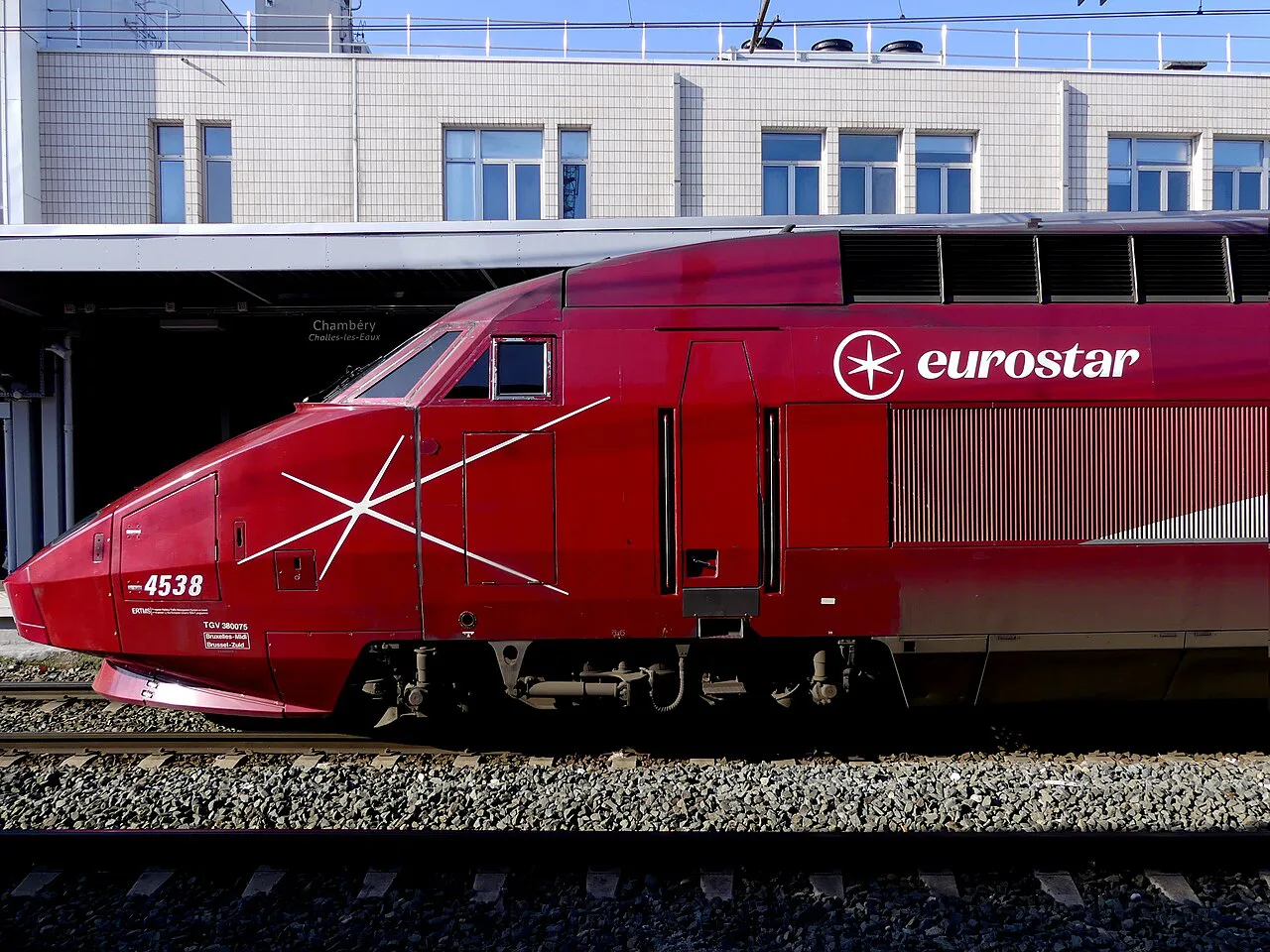
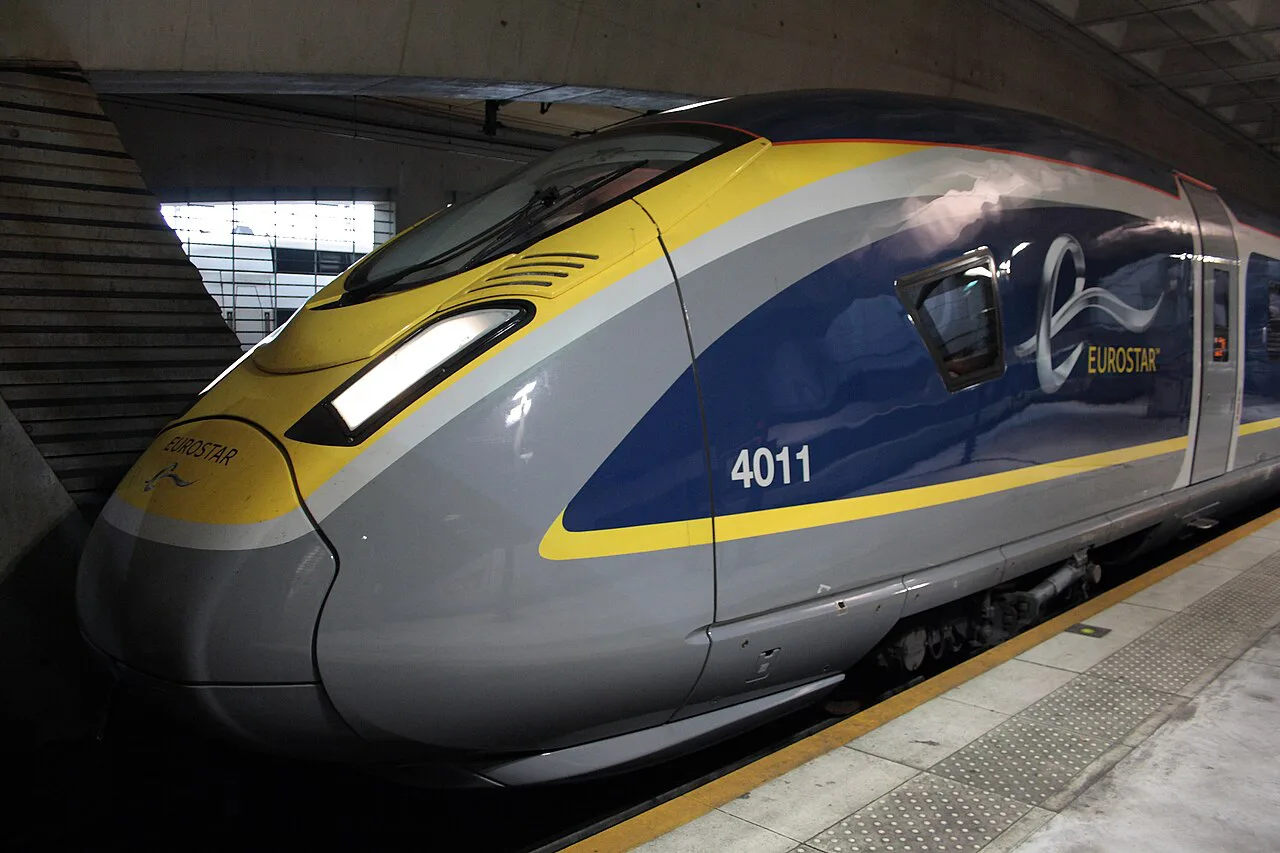
Featured image: Jeanne Menjoulet, CC BY 2.0, via Flickr.
Quick answer: is a Eurail (now Interrail) pass worth it?
A pass pays off when the pass price plus seat reservations is lower than the same journeys bought as point-to-point tickets. Our verdict depends on trip shape, so match yourself to one of the profiles below. Eurail is now sold as Interrail, and the next section explains the change.
- Flexible multi-country trip with long hops: the pass tends to win, especially in Germany, Switzerland, the Netherlands and the UK.
- Fixed itinerary booked months ahead: advance fares often match or beat the pass, so run the numbers first.
- Mostly short legs or one base city: skip the pass and buy tickets as you go.
- Heavy France, Italy or Portugal route: reservation fees and cheap advance fares usually erode the saving.
- Youth (27 and under), senior (60+) or family with children aged 4 to 11: discounts tilt the maths toward the pass.
Eurail is now Interrail: what changed
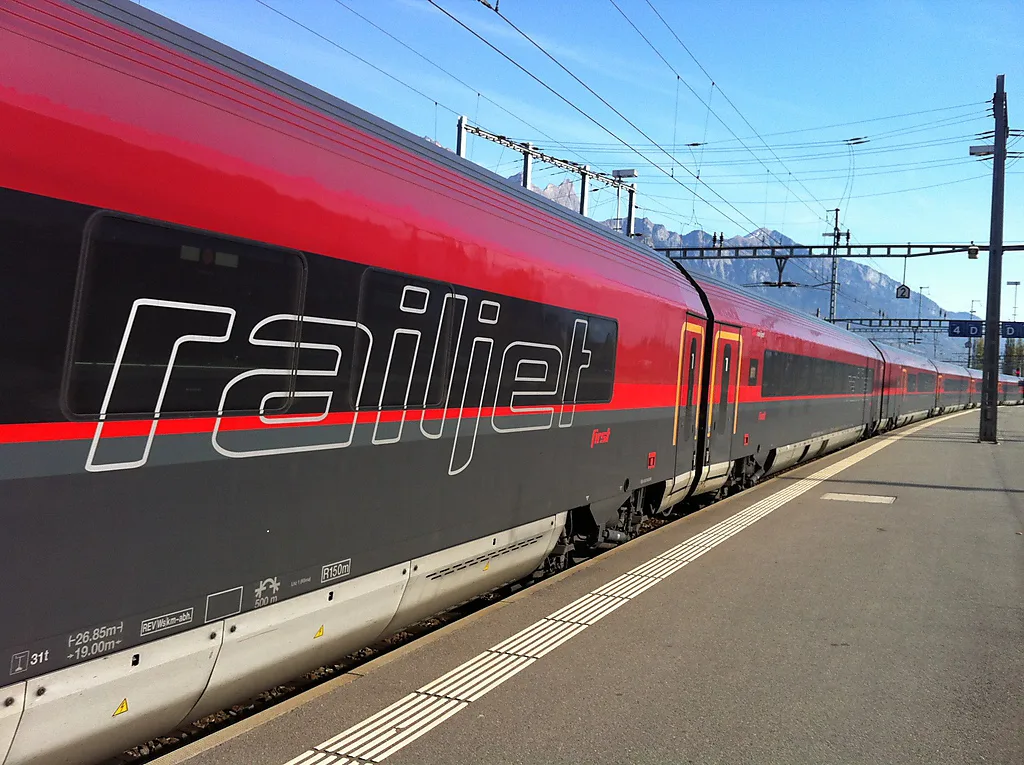
In September 2026 the Eurail brand was folded into Interrail, so travelers living outside Europe now buy an Interrail pass. Passes bought before the switch stay valid, prices did not change, and the Rail Planner app carries on. Pass details are listed on the official Interrail passes page. Our guide to Interrail versus Eurail covers the full explanation. This article uses "Eurail (now Interrail)" so the advice matches whichever name you searched.
How to calculate if the pass is worth it
Prices and fares below were checked in November 2026 and are quoted in euros, the currency of the pass. Pass prices usually update once a year in December, so treat them as current for the rest of 2026. If you know your route, add the pass price and reservation fees, then compare the total with the sum of point-to-point fares. If you do not know your route, divide the pass price by travel days. A 15-days-in-2-months Global Pass in 2nd class costs €553, and €553 ÷ 15 gives €36.87. Each travel day must save you more than that.
A leg priced at €14.30, like Vienna–Prague, clears no daily bar of €36.87 on its own.

| Input to gather | Where to find it | Used in |
|---|---|---|
| Pass price for your class and days | Official Interrail passes page | Both formulas |
| Seat reservation fees per leg | Rail Planner app or reservation tool | Itinerary-known formula |
| Point-to-point fare per leg, for your booking date | National railway or Rail Europe search | Itinerary-known formula |
| Number of travel days or weeks | Your draft route | Per-day and weekly formulas |
- Itinerary known: pass price + reservation fees < sum of point-to-point fares means buy the pass.
- Itinerary unknown (Flexi): pass price ÷ travel days = the saving each travel day must beat.
- Continuous pass: divide the pass price by weeks of travel, then assume 2 to 3 journeys a week.
Worked example: eight legs, two booking windows
This example uses fares sampled two months ahead. Take London–Paris–Interlaken–Venice–Vienna–Prague–Berlin–Amsterdam–London, eight journeys in one month. Booked two months ahead, the fares total €526.13. A 7-days-in-1-month 2nd-class Global Pass costs €381, reservations add €111, and Vienna–Prague at €14.30 is cheaper as a separate ticket. That gives €506.30, a saving of about €20. Booked only 10 days ahead, the same fares total €823.55, while the pass route costs €519.80. Saving €303.75 shows why a pass rewards late planning. Fares move with demand, so rerun the sum for your own dates.

- Booked 2 months ahead: €526.13 in tickets versus €506.30 with the pass.
- Booked 10 days ahead: €823.55 in tickets versus €519.80 with the pass.
- Continuous example: a 2-month pass at €826 works out near €97 a week, or about €48.50 per trip at two trips a week.
Where the pass wins and where point-to-point wins
Pass value depends on fare level and reservation burden. Germany, Switzerland, the Netherlands and the UK have pricey fares and few mandatory reservations. France, Italy and Portugal add reservation fees, and cheap advance fares often undercut the pass there. In Germany, advance fares can fall as low as €19.90 one way on long-distance routes. Bus-heavy parts of Eastern Europe and the Balkans give a pass little to cover. Use the table as a starting point and price your own legs.

| Country group | Fare level and reservations | Verdict |
|---|---|---|
| Germany, Switzerland, Netherlands, UK | Pricey fares, few mandatory reservations | Pass tends to win |
| France, Italy | Reservation fees on high-speed trains, often cheap advance fares | Depends; often skip |
| Portugal | Reservation-heavy, point-to-point fares often low | Usually skip |
| Eastern Europe and Balkans | Buses carry much of the traffic | Usually skip |
- Mistake: spending a Flexi travel day on a €14.30 Vienna–Prague ride.
- Mistake: pricing fares for tomorrow when you will actually book 2 months ahead, or the reverse.
- Mistake: forgetting reservation fees on high-speed legs.
- Mistake: counting city metro and tram rides as covered.
Which pass fits your trip
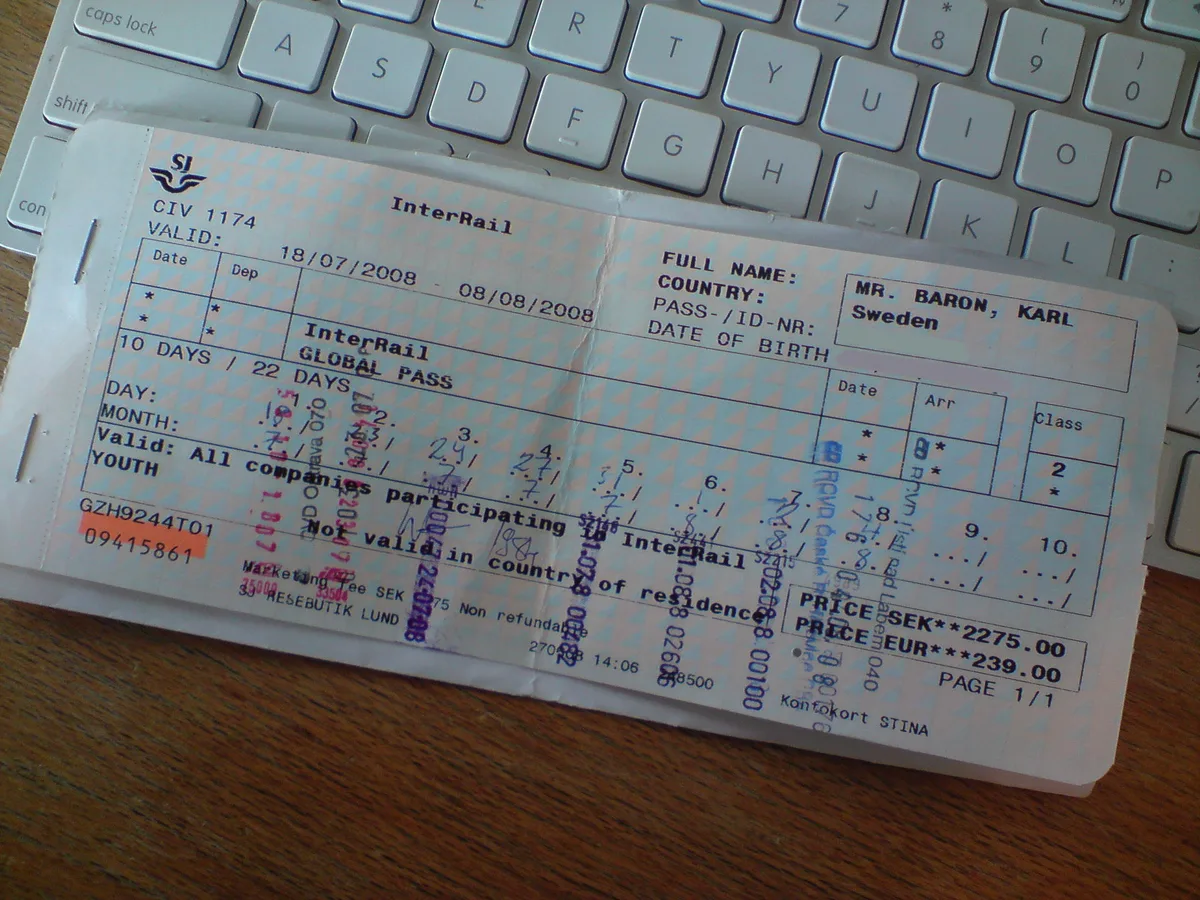
The Global Pass covers 33 countries. A One Country Pass suits a trip spent in one nation, and our One Country Pass guide covers when it makes sense. Flexi passes give 4, 5 or 7 travel days in 1 month, or 10 or 15 days in 2 months. Continuous passes run 15 days, 22 days, or 1, 2 or 3 months. For class, a 15-days-in-2-months pass costs €553 in 2nd and €718 in 1st. Our first versus second class comparison helps decide whether the extra €165 is worth it. For the full pass range, start with our Eurail pass overview.

| Choice | Best when | Watch out for |
|---|---|---|
| Global Pass | Several countries, long hops | Cost per travel day on short legs |
| One Country Pass | Most of the trip in one country | Some country passes are restricted by residency |
| Flexi Pass | Slower trips with 1 to 2 nights per stop | Each travel day must beat your per-day break-even |
| Continuous Pass | Moving every day or two | Unused days still cost money |
Hidden costs: seat reservations, fees and extras
Seat reservations are the main extra. They usually cost €3 to €12, while sleeper trains, Eurostar and long high-speed trips run €25 to €45. High-speed, night and scenic trains, plus many trains in France, Spain, Portugal and Italy, require them. Booking through the Interrail site adds €2 per reservation, which you can avoid by booking directly with the railway. Railways cap seats for pass holders, so book early for summer or busy routes such as London–Paris on a Friday evening. Our seat reservations guide shows how to book. Sleepers such as Nightjet need a reserved seat or berth. Metro, trams and some private tourist lines are not covered, so budget for them separately.
What the pass costs and how to pay less
Adult 2nd-class Global Pass prices for 2026 start at €283 for 4 days in 1 month. Our Eurail pass cost breakdown goes deeper. Travelers aged 27 and under pay up to 25% less, and travelers aged 60 and over pay 10% less. Our senior pass guide covers the age rules. Up to two children aged 4 to 11 travel free with each paying adult, but you must buy their passes at the same time. Sales usually include a Black Friday offer in November and one before summer in February or March, with discounts generally between 10% and 25%. A standard pass can be activated up to 11 months after purchase. Refund protection costs €19, and without it you lose 10% if you cancel more than 7 days after buying. Sale terms vary, so read the conditions on the official site.

| Pass | 2nd class | 1st class |
|---|---|---|
| 4 days in 1 month | €283 | €367 |
| 7 days in 1 month | €381 | €495 |
| 10 days in 2 months | €447 | €581 |
| 15 days in 2 months | €553 | €718 |
| 1 month continuous | €696 | €904 |
| 3 months continuous | €956 | €1,242 |
Who should skip the pass
Skip the pass if you booked every leg early and the total beats pass plus reservations. Advance tickets are locked to a date and train, but they can still cost less. Short hops also lose out, since a €14.30 ticket should not use a travel day. One-base trips with a few day trips rarely cover a pass price. Reservation-heavy countries erode savings fast. Residents of Europe get only one journey out of their home country and one back, so domestic legs need tickets. Switzerland and Great Britain One Country Passes are for European residents, and non-European visitors can use the Swiss Travel Pass or BritRail Pass instead.
Using the pass in practice
Add each journey in the Rail Planner app and activate it before boarding, which logs the travel day. Our Rail Planner app guide walks through setup. The app can filter for routes with no reservation required, which keeps costs down. If a train is delayed or canceled, you are not locked to one route. You may need to rebook a seat reservation, but not the pass. Leave generous connection time at big hubs, and never rely on a single screenshot of a timetable.
Pass or tickets: final decision checklist
Run through these six steps before paying. If you cannot answer the first two, price a sample week of trips first.
- List your likely legs and note the fare for your booking date.
- Add reservation fees for every high-speed, night or scenic leg.
- Compare pass price plus reservations with the ticket total.
- Divide the pass price by travel days and compare with the saving per day.
- Remove any leg under about €15 from the pass count.
- Check age discounts, child rules and any live sale before buying.
Frequently Asked Questions
How expensive is a Eurail Pass?
Adult 2nd-class Global Pass prices for 2026 run from €283 for 4 days in 1 month to €956 for 3 months continuous. First class costs more, for example €718 against €553 for 15 days in 2 months.
Which train pass is best for traveling across Europe?
The Global Pass covers 33 countries and fits multi-country trips. Choose a Flexi version for slower travel, and a Continuous version only if you move every day or two.
Which is better, Eurail Pass or Swiss pass?
If most of your trip is in Switzerland, compare a Swiss Travel Pass with the Global Pass using the break-even formula. Non-European residents cannot use the Interrail Switzerland Pass, which is for European residents only.
Rail notes for your next trip
Optional updates when our rail guides change.
Related guides

More guides
Picked from the same area