Eurail First Class vs Second Class: Is the Upgrade Worth It?

Last updated November 2026: the eurail first class vs second class choice favors 2nd class for most travelers, because the roughly 30% premium buys space rather than speed. First class pays off on long daytime legs, when you work on board, or when you need quiet. Pass class sets which seats you may use, not which seat you get, and our Eurail Pass guide covers the basics.
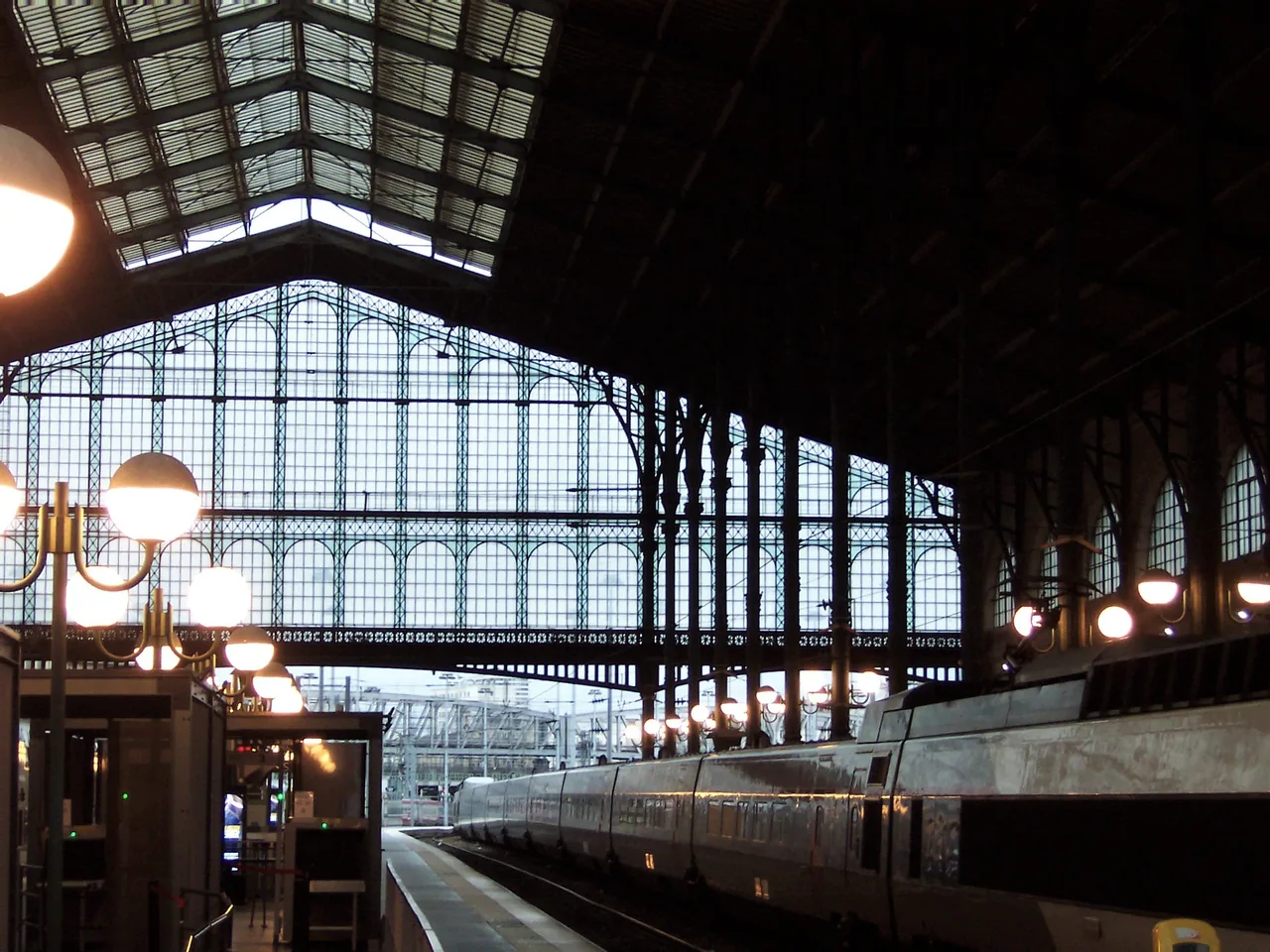
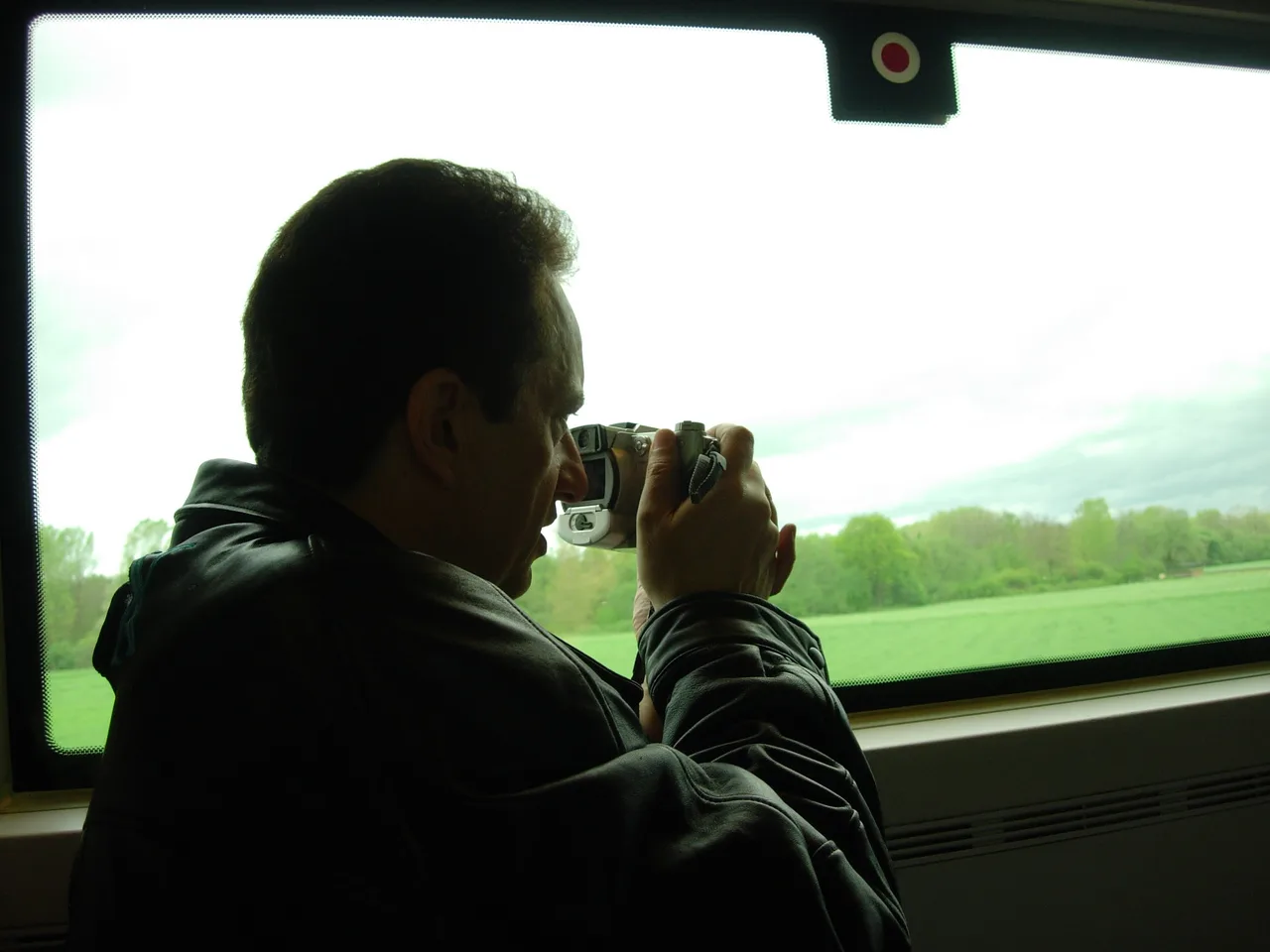
Featured image: mrbill78636, CC BY 2.0, via Flickr.
Eurail First Class vs Second Class: Quick Verdict
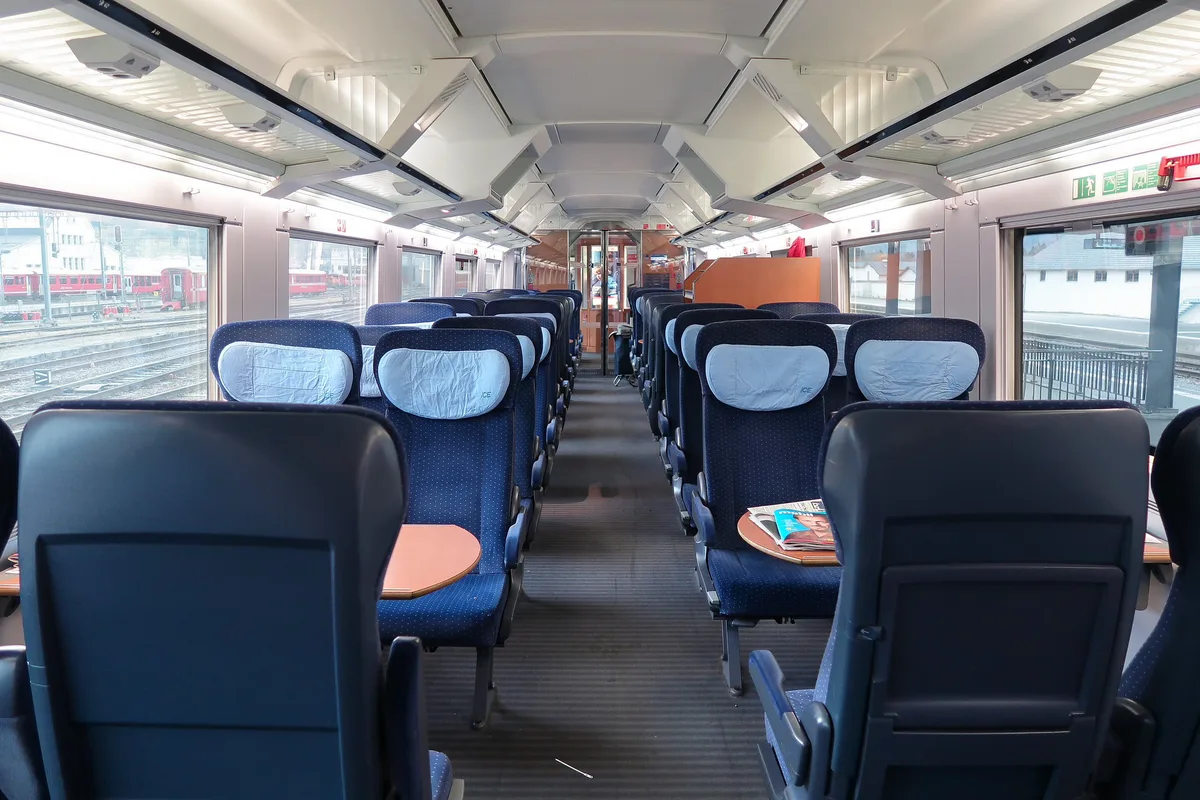
For most travelers, 2nd class is the better value. First class costs roughly 30% more on the pass itself, and the extra money buys room, not speed or a guaranteed seat. Upgrade when long daytime legs, laptop work or a small price gap make the space worth paying for. Residence decides which pass you buy, so European residents need Interrail instead. Our Interrail vs Eurail comparison explains the split.
- Choose 2nd class if you ride mostly short hops, travel on a tight budget, or would rather spend the savings on reservations and hotels.
- Choose 1st class if you spend long hours on daytime trains, need to work on board, travel on busy corridors, or find the price gap small on your dates.
What Pass Class Actually Controls
A Eurail Pass is sold in one class, and you pick it at purchase. Eurail's travel class page sets out which cars each class may use. Whether a 2nd class holder can pay to sit in 1st depends on the operator, so ask before you board. Reservations are a separate cost. High-speed trains in France, Italy and Spain need a paid seat reservation even with a pass, and 1st class does not waive it. Eurail's own averages are about €10 for domestic reservations, €15 for international ones and €20 for night trains. Our seat reservation guide lists fees by country. Class does not change your route, train speed or theft risk, so keep valuables on you in either class.
1st vs 2nd Class at a Glance
Differences are mostly about comfort and crowding, plus the extra reservation money on some Spanish trains. Service varies by operator, so treat the comfort rows as typical rather than guaranteed.
| Feature | 1st class | 2nd class |
|---|---|---|
| Seat space and layout | Usually more room per seat and fewer seats per car | Standard layout, tighter on full trains |
| Quiet | Often calmer, no guarantee | Busier, more noise on peak days |
| Spain AVE reservation | €13 | €10 |
| Spain Alvia and Intercity reservation | €10 | €6.50 |
| Pass price | Roughly 30% more | Baseline adult price |
| Crowding | Busy corridors can still fill up | Fills first on popular routes |
Cost Trade-Off: What the Upgrade Costs per Travel Day
Standard adult 2nd class Global Pass prices start at €283 for 4 travel days in one month. A 7-day pass costs €381, and 10 days in two months costs €447. Prices checked November 2026, and Eurail promotions often cut 10 to 25 percent, so see Eurail pass costs for live tables. The table applies the roughly 30% 1st-class premium to those prices. Read the live 1st-class price on Eurail before you buy, because promotions move both classes. Spain adds a small per-leg gap: €3 more on an AVE reservation and €3.50 more on Alvia or Intercity. Six AVE legs would add about €18 on top of the pass premium.
| Pass (adult) | 2nd class price | Approx. 1st class premium | Approx. extra per travel day |
|---|---|---|---|
| 4 days in 1 month | €283 | about €85 | about €21 |
| 7 days in 1 month | €381 | about €114 | about €16 |
| 10 days in 2 months | €447 | about €134 | about €13 |
Class by Operator and Country
What 1st class buys depends on who runs the train. Fees below are Eurail's published figures per person, per train.
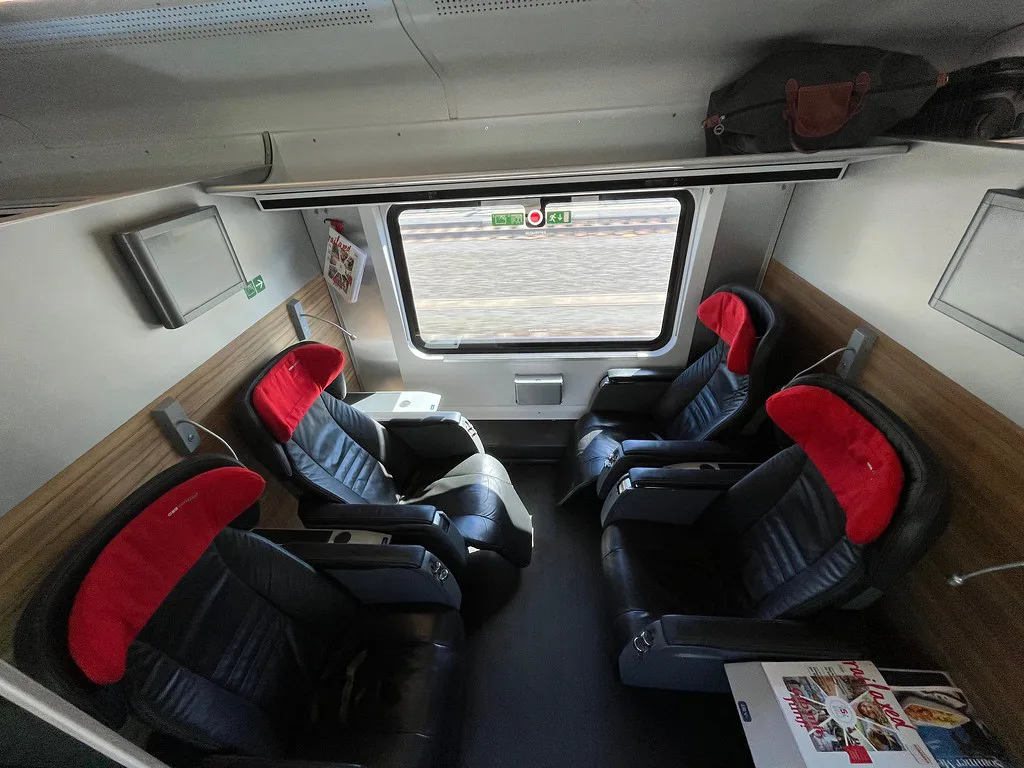
- Germany (ICE): reservations are optional at roughly €3-6, so class changes comfort rather than the fee.
- France (TGV): reservations cost €10-20 and are mandatory. Passholder places are quota-limited and sell out in summer, whichever class you hold.
- Italy: Frecciarossa and Frecciargento reservations cost €13, and Frecciabianca costs €10. Regional trains take no reservations.
- Spain: Renfe's AVE and Alvia services charge more for 1st class, as the table above shows.
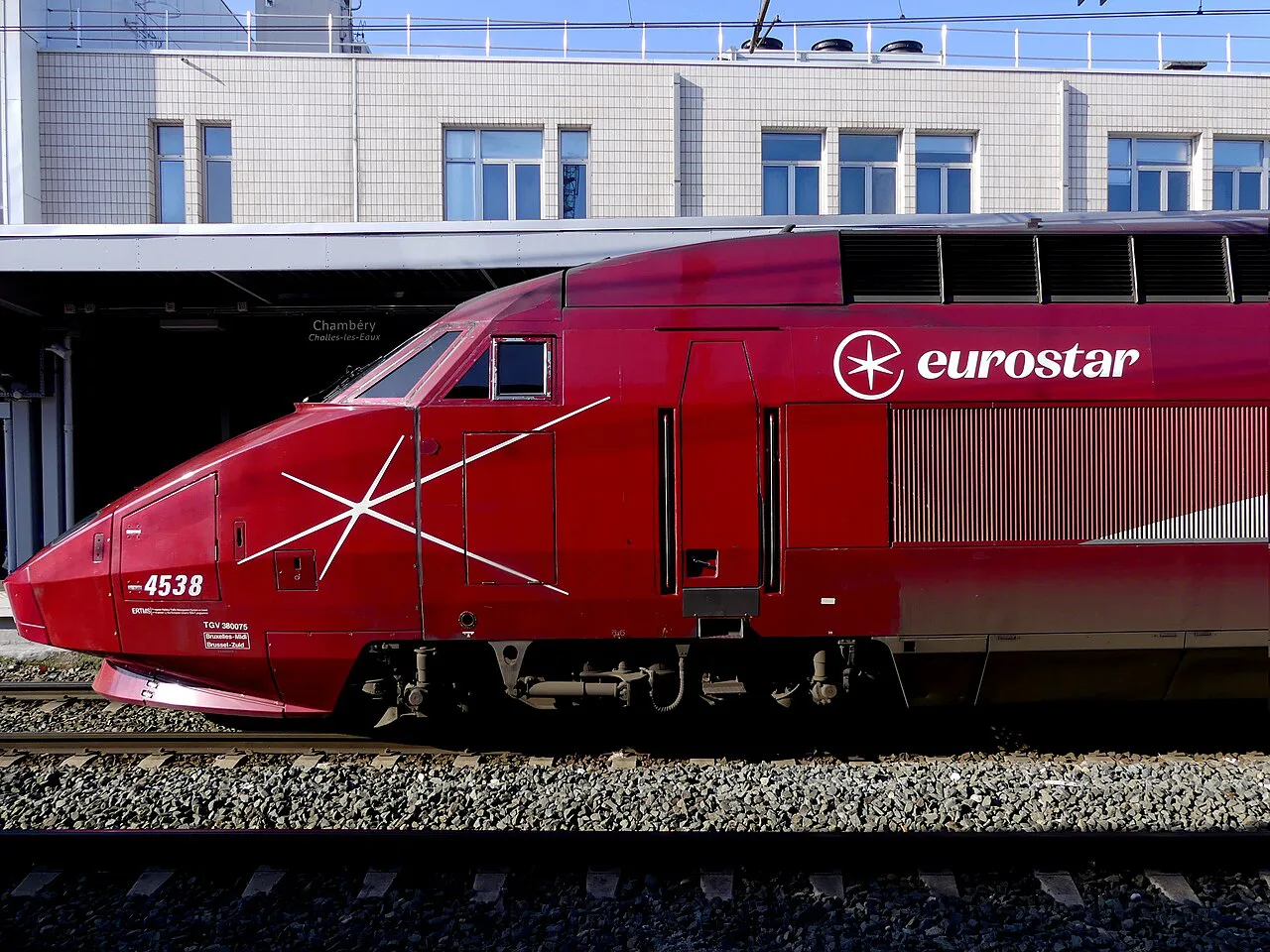
- Eurostar: reservations run about €35-40 and are mandatory.
- Night trains: fees run from €34 for a couchette to about €94 for a 2-bed sleeper. Check berth types on Nightjet's booking site.
When 1st Class Is Worth It
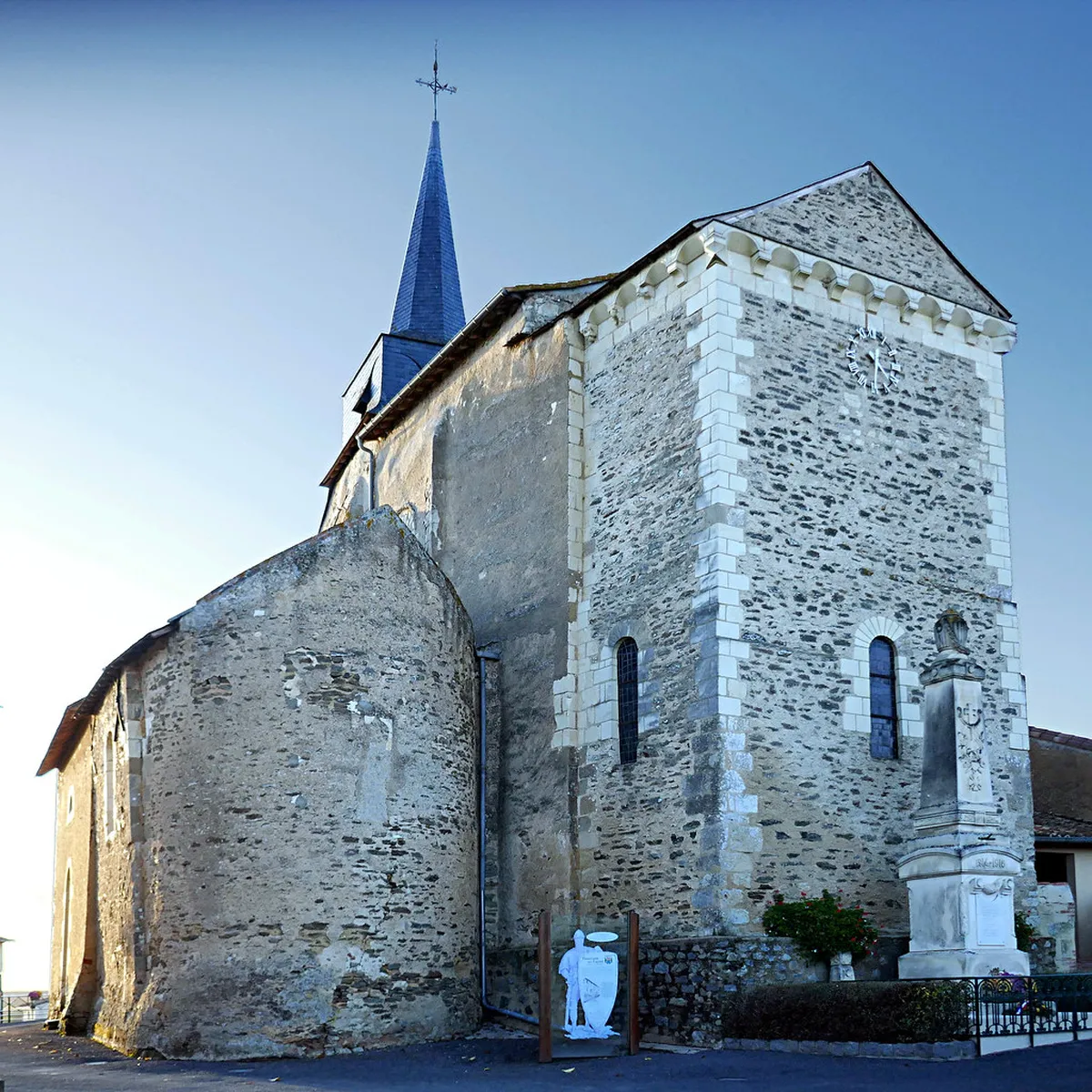
Upgrade when you will sit for hours, because the extra room matters more as legs get longer. On a 10-day pass the premium falls to about €13 per travel day, which is easier to justify than about €21 on a 4-day pass.
| Trip shape | Upgrade pays off when | It does not pay when |
|---|---|---|
| Few long daytime legs | Each leg runs several hours and you want space | Legs are under about 90 minutes |
| Many short hops | The pass premium per day is already small | You ride regional trains with one class |
| Remote work on board | You need a table, quiet and room for a laptop | You can work in a station lounge or cafe instead |
| Peak-day crowding | You travel on busy corridors and can reserve a seat | You travel off-peak and see empty 2nd class cars |
| Luggage or mobility needs | You need room around your seat | You can use luggage racks and a reserved aisle seat |
| Solo vs family | You travel solo and value quiet | A family of four would pay the premium on each pass |
When 2nd Class Is the Smarter Buy
Second class is enough on short hops, on fast trains where reservations matter more than the cabin, and on regional services. Putting roughly €85 to €134 saved on a pass toward reservation fees can buy more than a better chair. At €10 to €13 each, that covers several Spanish or Italian high-speed legs. Savings also stretch to a night-train couchette at €34 or an extra hotel night. Our Eurail pass value guide runs the wider math.
Age, Family and Group Rules
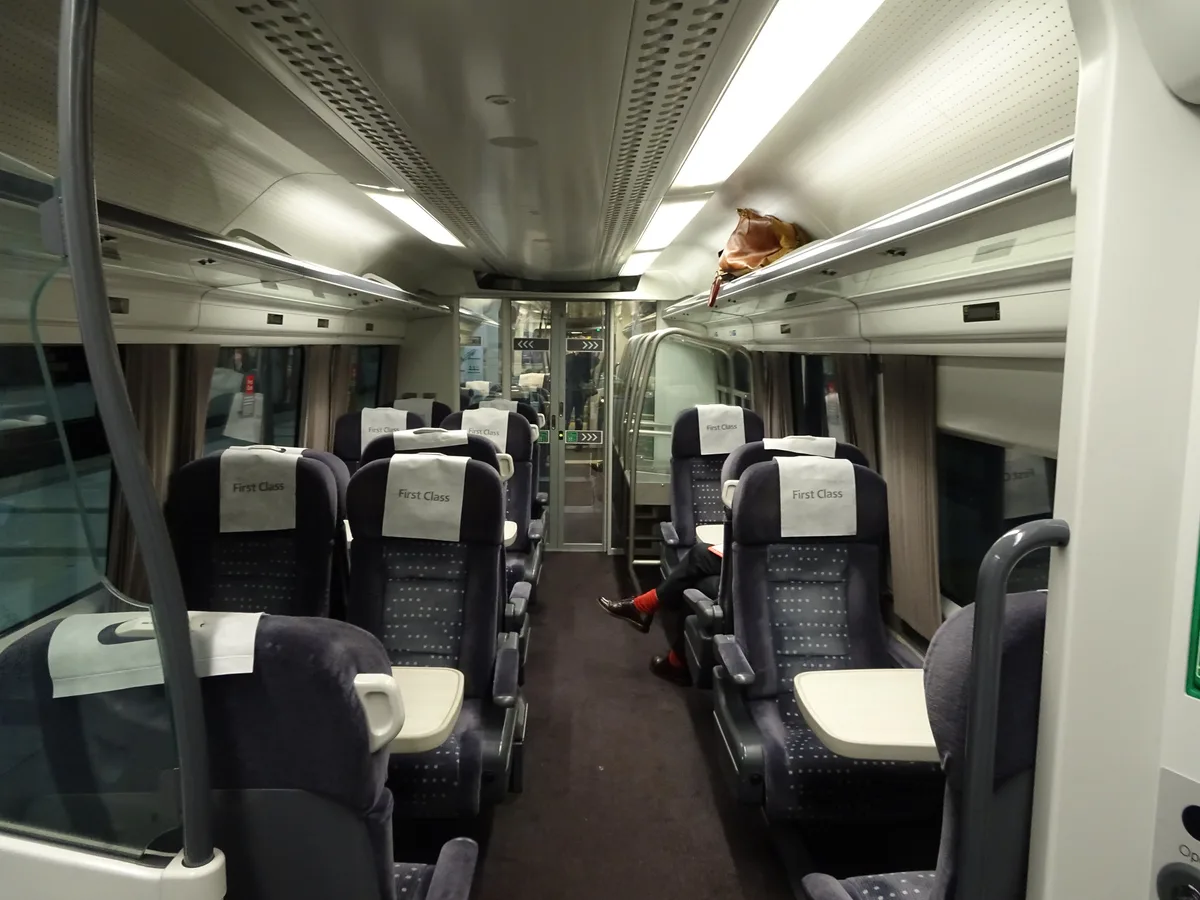
Youth pricing covers ages 12 to 27 at roughly 25% off, and seniors aged 60 and over get roughly 10% off. Children aged 4 to 11 travel free, up to two per adult, but they still pay full reservation fees on trains that require them. Check Eurail's travel class page for which classes a youth fare comes in before you plan around it. Our senior pass guide covers the 60+ rules. A One Country Pass starts around €54 for cheaper countries, and you should check which classes it offers.
Youth fares are roughly 25% off, a smaller cut than the roughly 30% first class premium.
Does a Pass Beat Point-to-Point Tickets?
Often not on a fixed route. Advance fares on popular routes commonly run €30 to €60, which can undercut a pass. A 7-day pass at €381 plus seven reservations at about €13 comes to roughly €472, or about €67 per travel day. Point-to-point 1st class can also be cheap on short routes, so price both before upgrading a pass. Compare with the pass price using our break-even guide.
Mistakes to Avoid
Four slips cost travelers money and comfort most often.
- Skipping reservations. A pass in either class does not let you board TGV, Italian or Spanish high-speed trains without one.
- Assuming 1st class guarantees a seat. It sets which cars you may use, and busy corridors can still fill.
- Buying a pass without checking promotions. Discounts of 10 to 25 percent can shrink the premium.
- Leaving valuables unattended. Class does not change theft risk, so keep bags and phones within sight.
Frequently Asked Questions
Is Eurail really worth it?
It depends on your route and how far ahead you book. Flexible, many-leg trips favor the pass, while fixed routes booked early often favor point-to-point fares. Our worth-it breakdown compares both.
What's the cheapest way to travel by train in Europe?
Advance point-to-point tickets on a fixed route are often cheapest, with popular routes commonly running €30 to €60. Choosing 2nd class also saves roughly 30% on a pass. Compare both against your pass price before buying.
Rail notes for your next trip
Optional updates when our rail guides change.
Related guides
More guides
Picked from the same area