
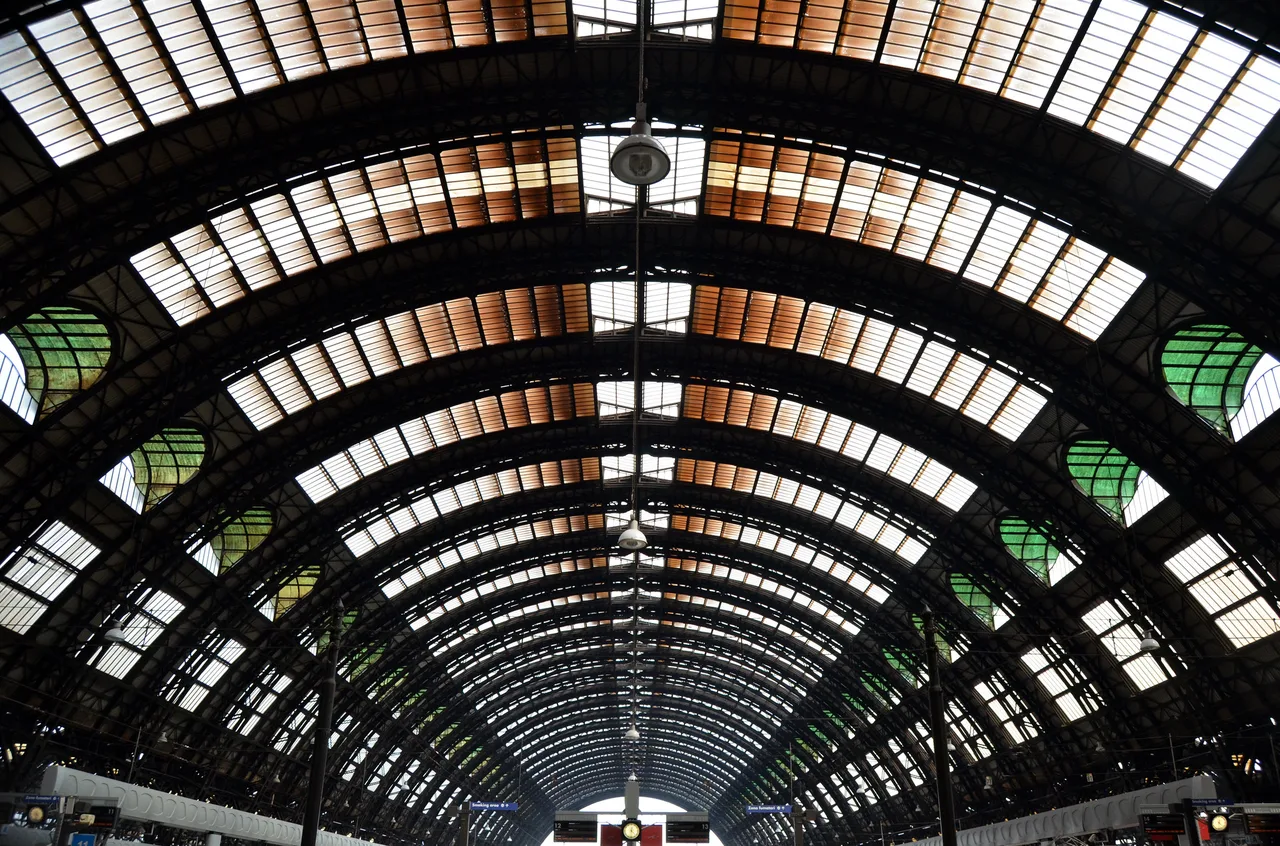
Last updated November 2026. A Milan to Rome train runs direct on the high-speed line, and Frecciarossa and Italo both link the two cities for about 296 miles (477 km) of track. Fastest services take a little over three hours, and the fare depends mostly on how early you book. Most travelers go from Milano Centrale to Roma Termini, though some Italo trains use Milano Porta Garibaldi and Roma Tiburtina.
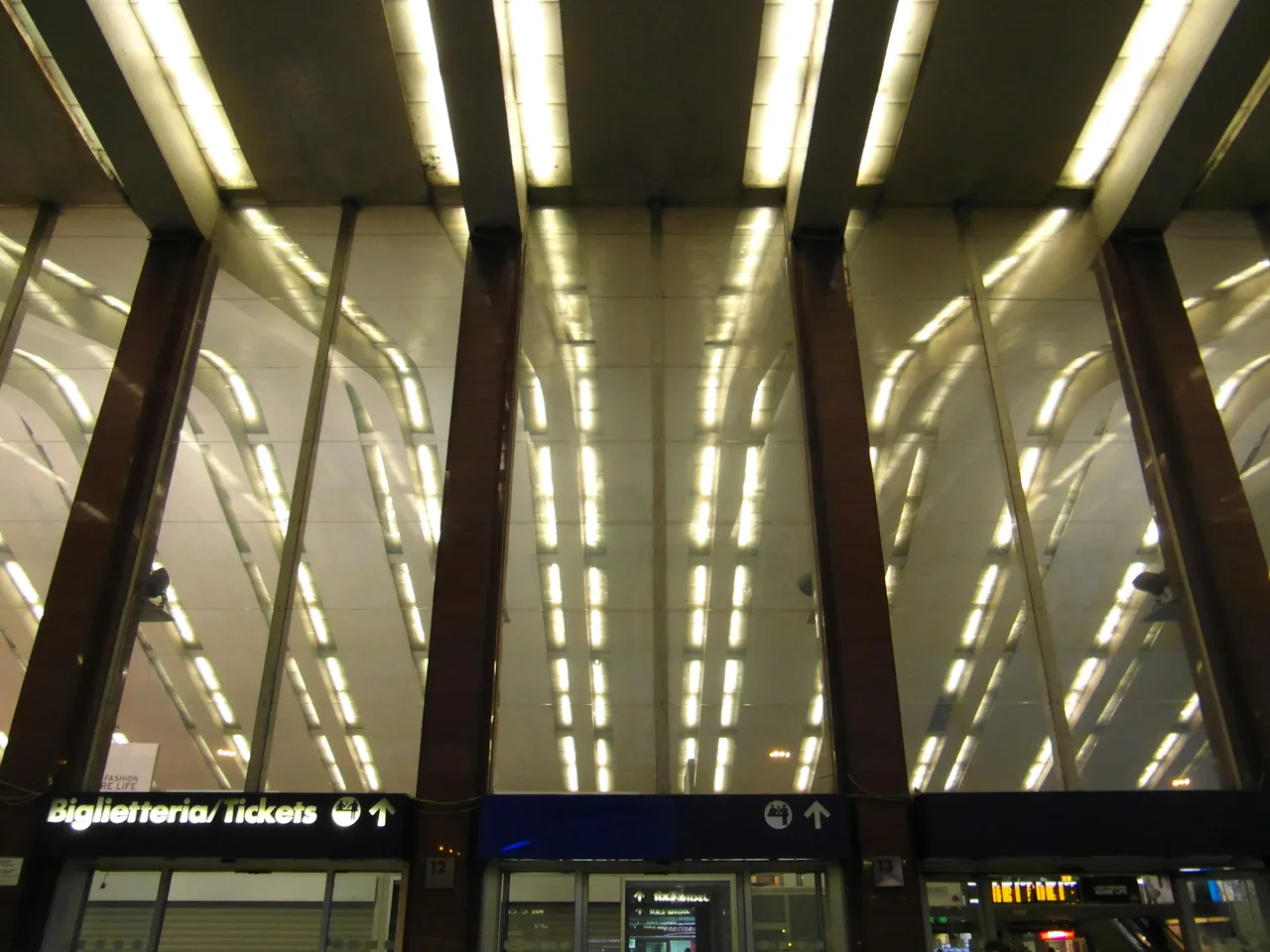
Featured image: nic_r, CC BY-SA 2.0, via Flickr.
Milan to Rome train options compared
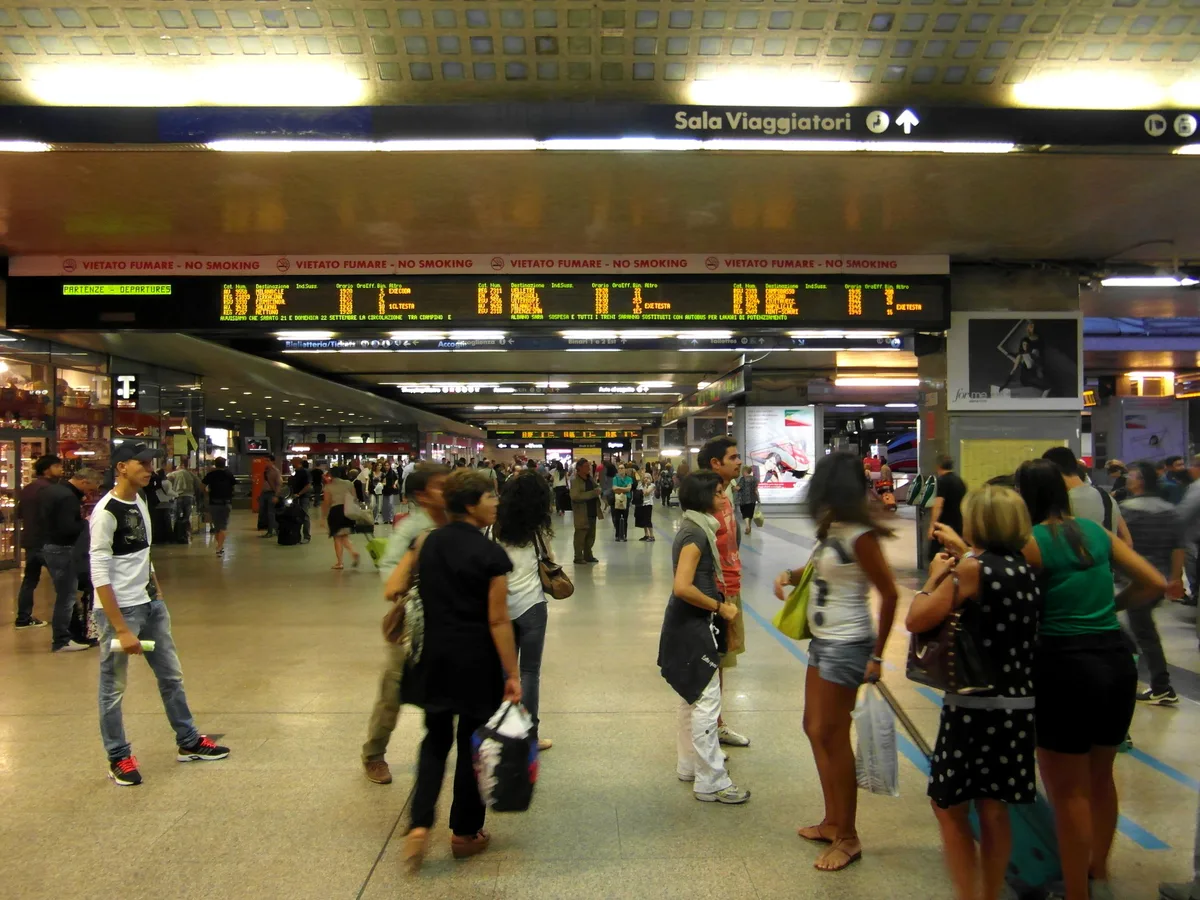
Two operators run the fast trains. Trenitalia sells Frecciarossa, and Italo runs its own private service. Both stop at Bologna and Florence on many departures. Slower Intercity and Regionale trains also exist, but they suit flexible schedules rather than a fixed meeting in Rome.
| Option | Speed | Classes and fares | Best for |
|---|---|---|---|
| Frecciarossa (Trenitalia) | Fastest tier | Standard, Premium, Business, Executive; Super Economy, Economy, Base fares | Travelers who want a Trenitalia ticket and a business upgrade |
| Italo | Fastest tier | Smart, Comfort, Prima, Club Executive; Low Cost, Economy, Flex fares | Fare comparison and departures from Porta Garibaldi |
| Intercity | Slower | Standard seating on conventional rails | Lower fares when you have a flexible day |
| Regionale | Slowest | Local stopping service | Short hops, not a time-critical Rome arrival |
Milan stations and how to reach them
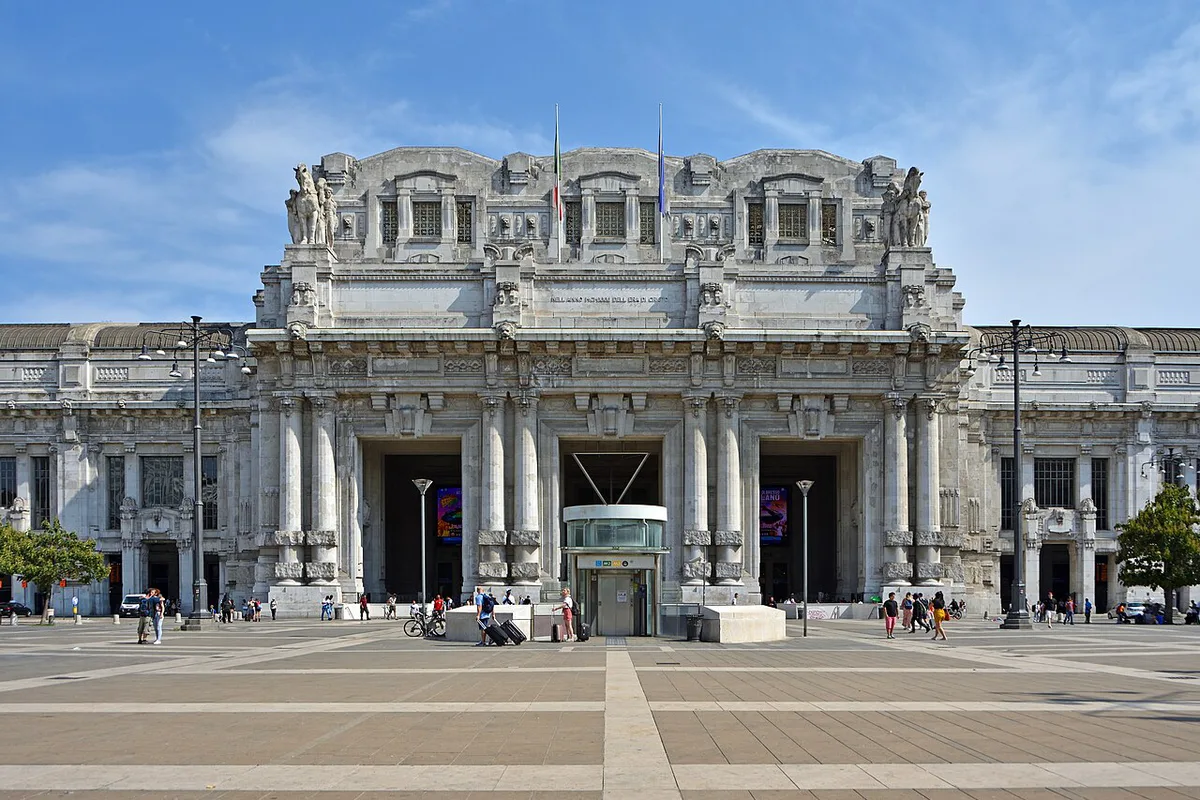
Milano Centrale is the main hub and the starting point for most Frecciarossa departures. Metro lines M2 and M3 stop there. Some Italo departures leave from Milano Porta Garibaldi, which M2 and M5 serve. Milano Rogoredo, on the M3 line, appears as a boarding point for a handful of southbound services. Check your ticket for the exact station before you leave your hotel, because a wrong-station mistake can cost the whole trip. Our guide to Italy's high-speed network explains the wider map.
Arriving in Rome: Termini, Tiburtina and the airport
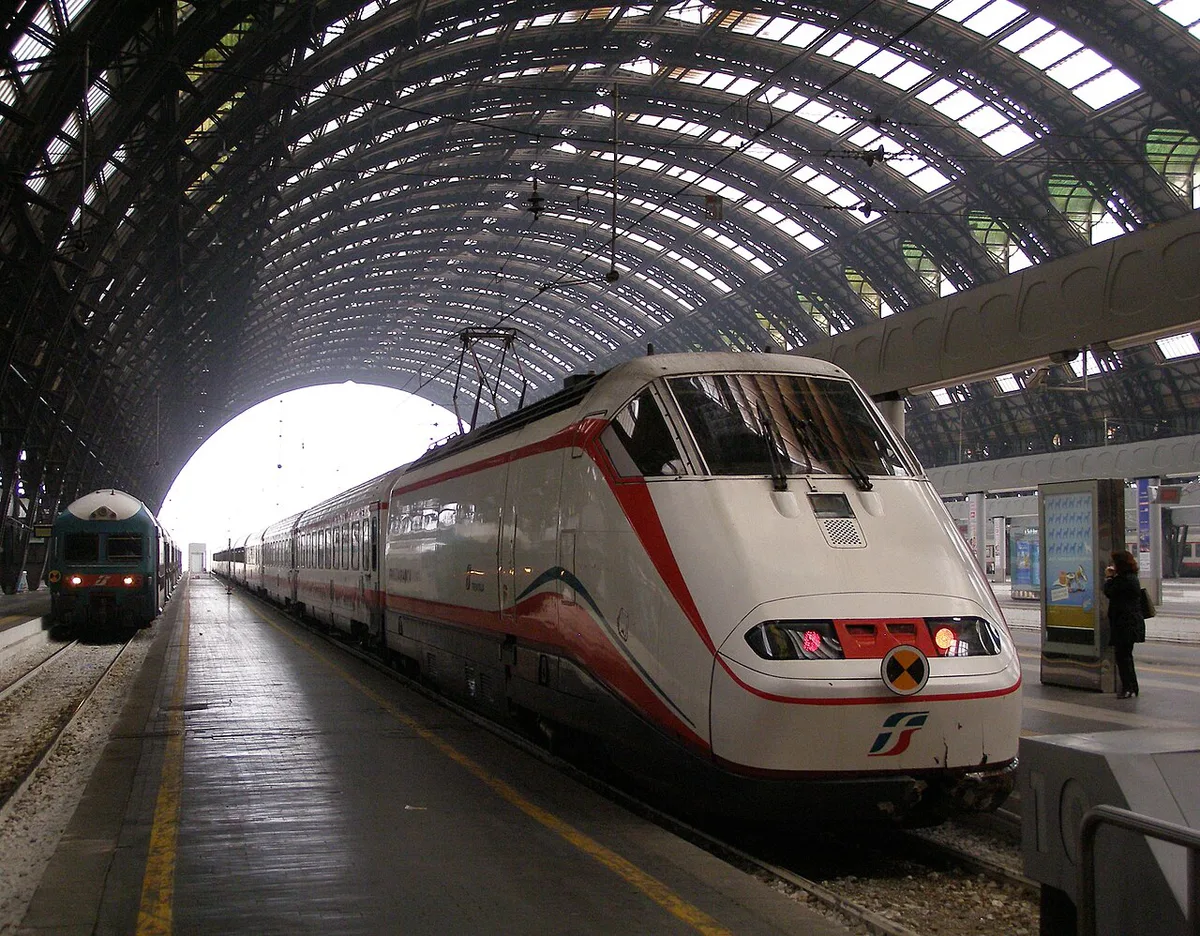
Roma Termini is the central terminus. Metro lines A and B meet there, and most Frecciarossa services end at this station. Roma Tiburtina handles some Italo arrivals, and metro line B runs from it into the center. Compare the arrival station on your ticket with your hotel location before you pay. For Fiumicino Airport, take the Leonardo Express from Termini, which runs direct to the terminals. Tiburtina arrivals need a change of train or a transfer first.
Tickets, prices and booking strategy
Fares climb as departure approaches, so earlier booking usually gives the lowest price. Frecciarossa sells Super Economy, Economy and Base fares. Italo sells Low Cost, Economy and Flex fares. Base and Flex tickets cost more but allow changes. Buy from the operator's own site or app to avoid markups. Italo lists its timetable and fares on its official Italo site. High-speed tickets come with an assigned seat, so you do not validate them at a platform machine. Prices and hours checked November 2026. For a more comfortable seat, read about Frecciarossa Business Class: Is It Worth It? (Seats, Perks, Tickets). For a head-to-head comparison, see Italo and Trenitalia compared.
Frecciarossa and Italo seat classes explained
Class and fare are two separate choices. The class sets your seat and onboard extras. The fare (Super Economy, Economy, Base on Frecciarossa; Low Cost, Economy, Flex on Italo) sets the price and how easily you can change the ticket. A cheap fare can sit in a premium class, and a flexible fare can sit in standard.
| Level | Frecciarossa | Italo | What to expect |
|---|---|---|---|
| Standard | Standard | Smart | Regular seat in an open carriage. Fine for a trip of a little over three hours. |
| Step up | Premium | Comfort | A modest upgrade in seating and surroundings. Check the operator's page for what is included on your date. |
| Business | Business | Prima | Wider seats and a quieter carriage, with some food and drink service on many departures. |
| Top tier | Executive | Club Executive | The most spacious cabin and the highest fares. Worth it mainly for work trips or a special occasion. |
Inclusions change by train and by season, so confirm the details at booking on the Trenitalia or Italo site.
Which class makes sense
- Budget trip: book Standard or Smart on the earliest-sale fare and bring your own snacks.
- Working on the train: Business or Prima gives more table space and a calmer carriage, and all high-speed trains have power outlets and Wi-Fi.
- Uncertain plans: pay for a flexible fare in a standard seat rather than upgrading the class.
Best time to travel and timing trade-offs
Early-morning departures from Milan fill with commuters and business travelers. Midday trains are usually calmer. Friday evenings and holiday weekends are the busiest, so reserve ahead for those. Summer is peak tourist season on this corridor. Rail strikes occasionally disrupt Italian services, so check the operator's notices a day or two before you travel.
Train vs flying vs bus vs driving
A train links city centers directly. A flight adds transfers to and from two airports, plus check-in and security time. Bus and driving are slower still.
| Mode | City-centre access | Overhead | Luggage | Relative cost |
|---|---|---|---|---|
| High-speed train | Centrale to Termini | Arrive shortly before departure | Generous, on racks | Moderate; low if booked early |
| Flight | Airport transfers at both ends | Check-in and security | Baggage fees possible | Varies widely |
| Bus | Depends on terminal | Boarding queue | Hold luggage | Often lowest, but slowest |
| Car | Door to door | Parking and road tolls | Flexible | Fuel plus tolls, hard to beat for groups |
Night train and slower options
Intercity and Regionale trains exist, but they take far longer than the high-speed service. Intercity Notte is a sleeper brand some aggregator pages list for this pair. Confirm that a current Milan to Rome sleeper actually runs on Trenitalia's site before building a plan around it. Without a confirmed sleeper, take an early Frecciarossa or Italo instead.
Onboard comforts and practical rules
Both operators offer Wi-Fi, power outlets and food service. Italo carries snacks in most trains and Frecciarossa has bar service. Small pets in carriers travel free on both, while larger dogs need a paid ticket and a muzzle. Guide dogs travel free. Wheelchair spaces and assistance are available, so book assistance in advance through the operator.
Combining Milan to Rome with other routes
Break the trip in Bologna or Florence if you have a spare day. Milan to Florence by train covers the first leg. From there, Rome to Florence by train shows the return option. Verona fits an early stop, as shown in Milan to Verona by train. Heading on from Rome, Rome to Naples by train is a short hop south. Venice-bound travelers can use Milan to Venice by train. Arrivals from France should read Paris to Milan by train.
Mistakes to avoid on the Milan to Rome train
A few errors cause most of the trouble on this route.
Check which Milan station your ticket names before leaving, since Porta Garibaldi departures are reached by M2 and M5 while Centrale is served by M2 and M3.
- Booking the wrong Rome station: Termini and Tiburtina are not interchangeable.
- Ignoring Flex rules: cheaper fares often cannot be changed.
- Relying on Regionale for a time-critical trip.
- Buying from a lookalike reseller instead of Trenitalia or Italo.
- Missing a strike notice before travel day.
Frequently Asked Questions
How long is it from Milan to Rome via train?
The fastest Frecciarossa and Italo services take a little over three hours. Slower Intercity and Regionale trains take much longer.
What is better, Italo or Trenitalia?
Both run comparable high-speed service. Pick by arrival station, fare flexibility and departure time. Our guide to riding Italo covers the onboard details.
Rail notes for your next trip
Optional updates when our rail guides change.
Related guides
More guides
Picked from the same area