
Rome to Florence Train: Times, Tickets & Which to Pick
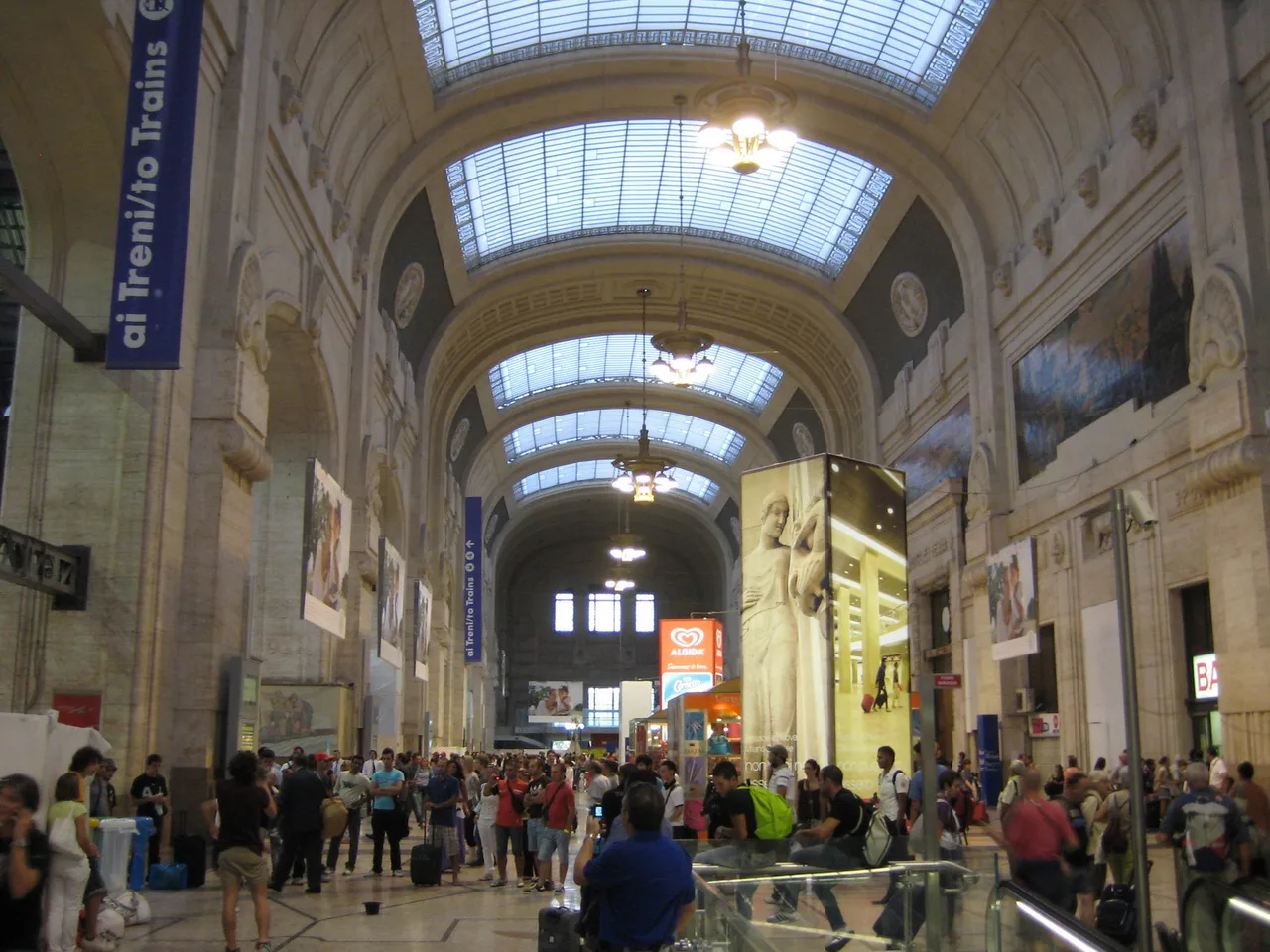
Last updated November 2026: the rome to florence train runs direct from Roma Termini to Firenze Santa Maria Novella (SMN) in about 1h30 on high-speed services. Regional trains take about 3h20 and may end at a different Florence station. Your real choice is Frecciarossa, Italo or regional, plus how early you book, and our overview of Italy's high-speed trains covers the wider network.
Featured image: Terrazzo, CC BY 2.0, via Flickr.
Rome to Florence train: the fastest way at a glance
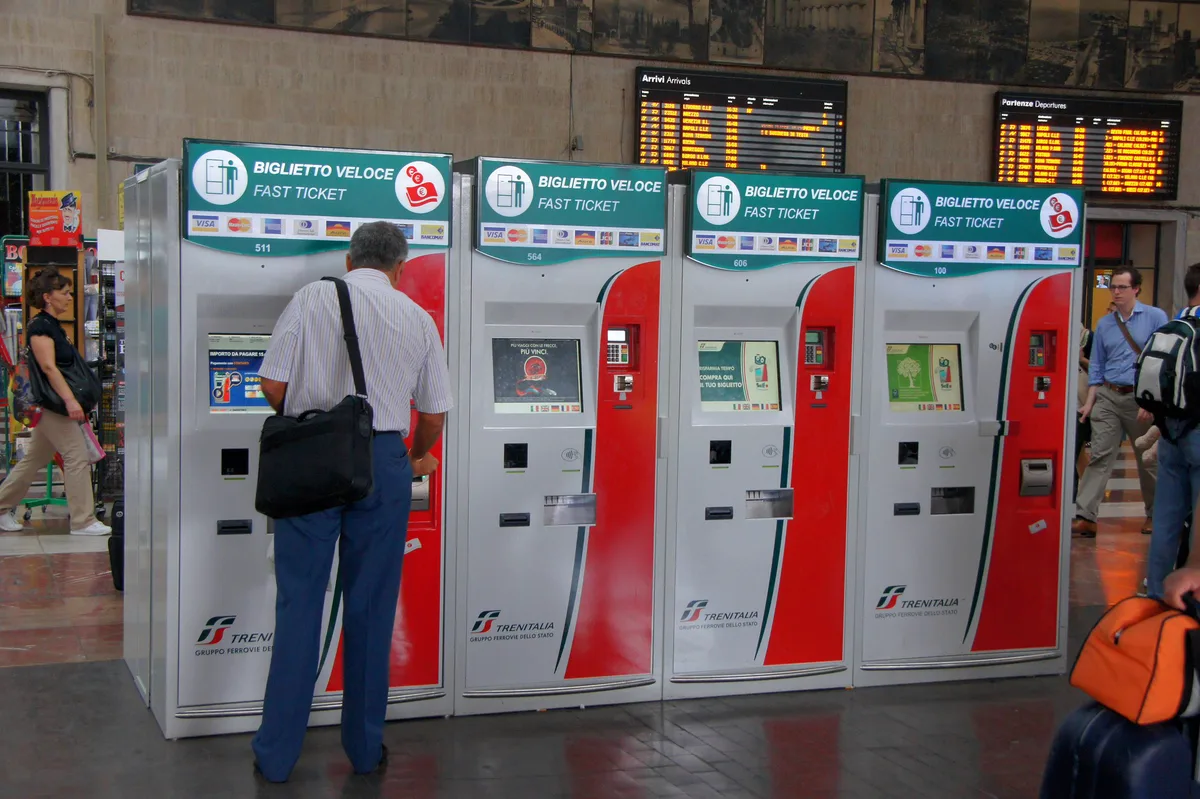
Direct high-speed trains leave Roma Termini for Firenze SMN throughout the day and take about 1h30. Italo advertises its fastest non-stop service at 1h25. Regional trains take about 3h20 and need no seat reservation. For most travelers the decision is between a Frecciarossa and an Italo, booked as early as the calendar allows. Italo says no check-in is needed before boarding, so an e-ticket on your phone is enough.
- Time: about 1h30 by high-speed train, about 3h20 by regional train.
- Stations: Roma Termini to Firenze Santa Maria Novella, with some regional trains ending at Firenze Campo di Marte.
- Reservation: required on high-speed trains, not required on regional trains.
- Booking tip: fares are dynamic, so the earlier you buy, the cheaper the seat.
Frecciarossa vs Italo vs regional: which train should you take?
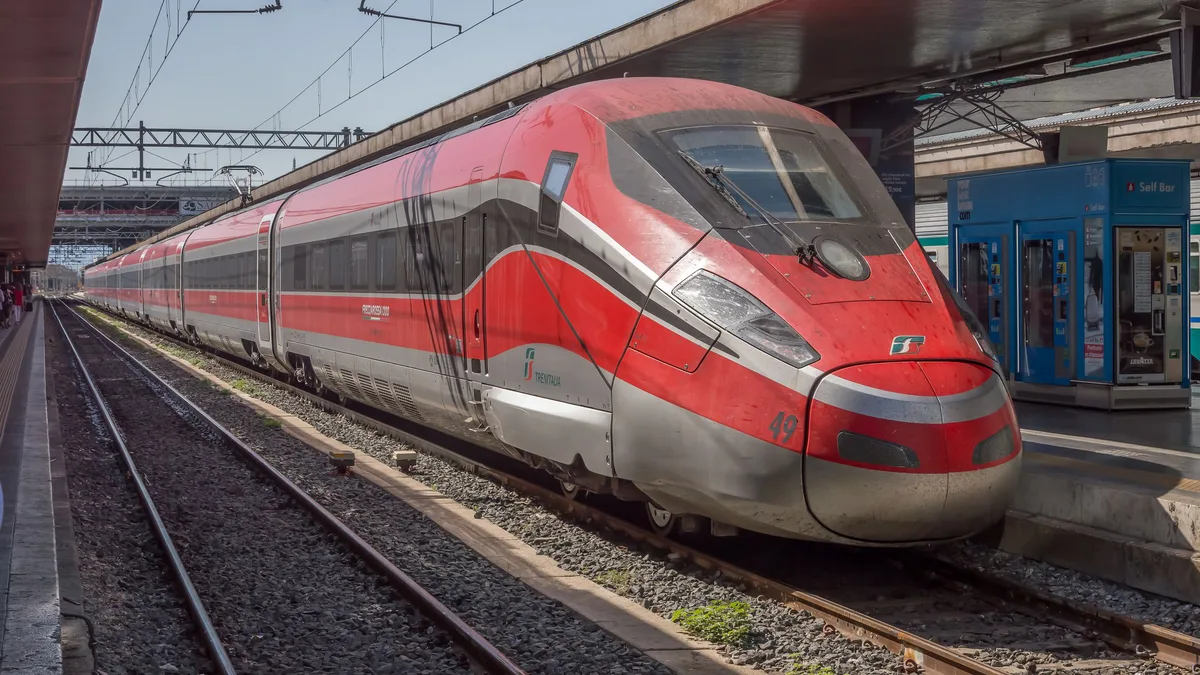
Frecciarossa belongs to Trenitalia, and Italo is the private operator. Both cover Termini to SMN in about 1h30 on the Direttissima high-speed line. Choose by departure time and fare on your travel date, not by brand. Our Italo vs Trenitalia comparison goes deeper on fares and service. Intercity trains also serve the route, so compare them on Trenitalia's timetable if the fast trains are full. Regional trains are the slow, fixed-fare fallback.
| Frecciarossa | Italo | Regionale | |
|---|---|---|---|
| Typical time | About 1h30 | About 1h25 to 1h30 | About 3h20 |
| Reservation | Required | Required | Not required |
| Fare type | Dynamic, from promo to flexible | Dynamic, from promo to flexible | Fixed fare |
| Luggage | Overhead racks and racks at coach ends | Overhead racks and coach-end areas; Smart class limits items to 75×53×30 cm | Racks on board |
| Pass validity | Pass holders pay a reservation fee | Check Italo's pass terms | Pass valid, no reservation |
| Best for | Travelers who want flexible fare options | Early bookers chasing promo fares or lounge classes | Pass holders and stops in Orvieto or Arezzo |
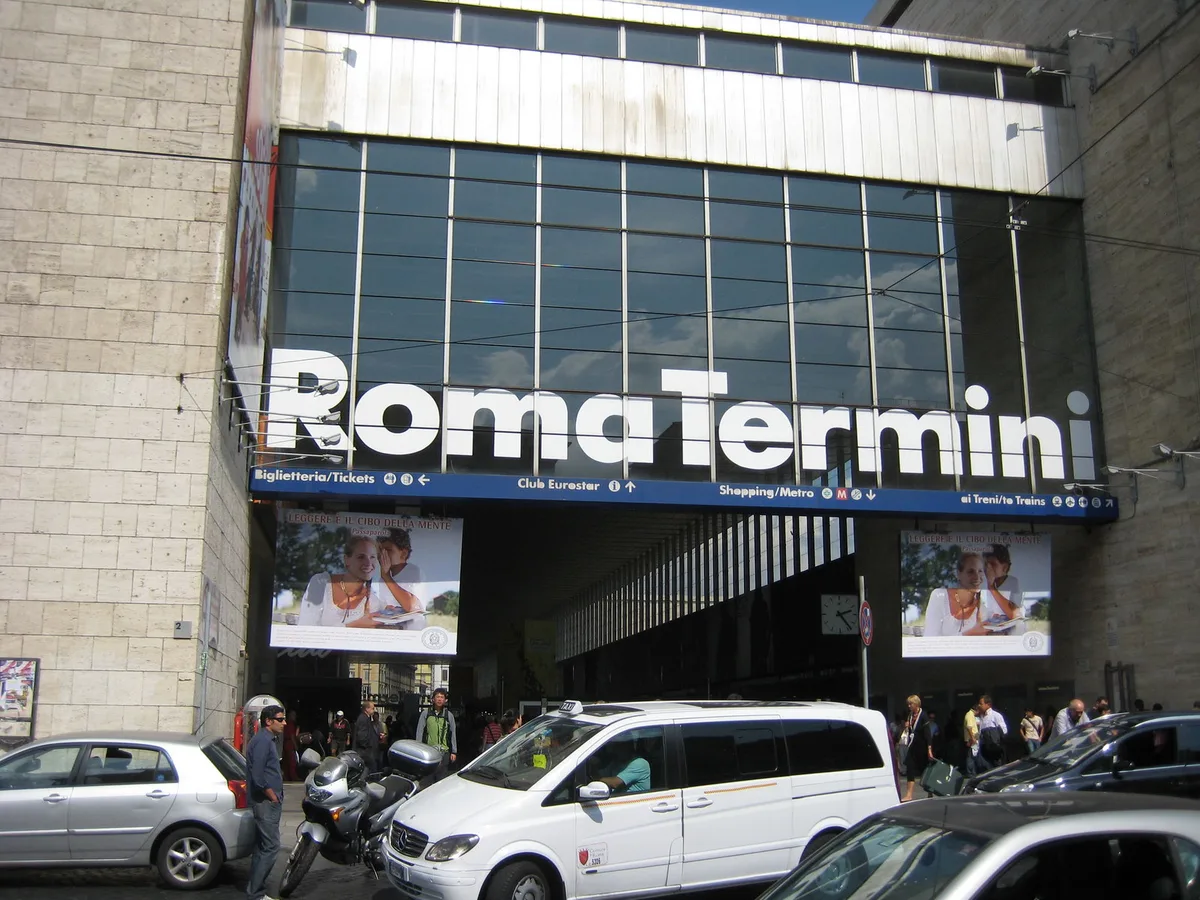
Rome to Florence train tickets: prices, booking window and cheapest options
Fares are dynamic, so the same seat costs less the earlier you buy it. On Italo's official site, Rome–Florence tickets are advertised from €14.90. That is a promotional floor, not a typical fare, and it applies only to seats booked well ahead. Prices and hours checked November 2026. Frecciarossa follows the same early-booking logic on Trenitalia's own site. Regional trains carry a fixed fare that does not climb as the date nears.
Booking early is what brings a high-speed fare near the €14.90 floor, while a regional ticket keeps its fixed price however close you travel.
- Promo or Super Economy: the cheapest rung, with limited seats and the least flexibility.
- Economy: the middle rung, with fewer restrictions than promo fares.
- Base or Flex: the highest rung, and often all that remains close to departure.
- Regionale: a fixed fare that is lower than any high-speed fare except the earliest promos.
Timetable and frequency: first, last and best departure times
Departures run from early morning until late evening in both directions. Italo alone schedules 32 trains a day between Rome and Florence, counting both directions. Trenitalia adds its own Frecciarossa and Frecciargento services on top. Weekends and holidays typically bring less frequent service and sometimes longer journeys. Look up first and last departures on the live timetable for your date, because third-party schedules are often out of date. Treat the last train back to Rome as a hard deadline, not a suggestion.
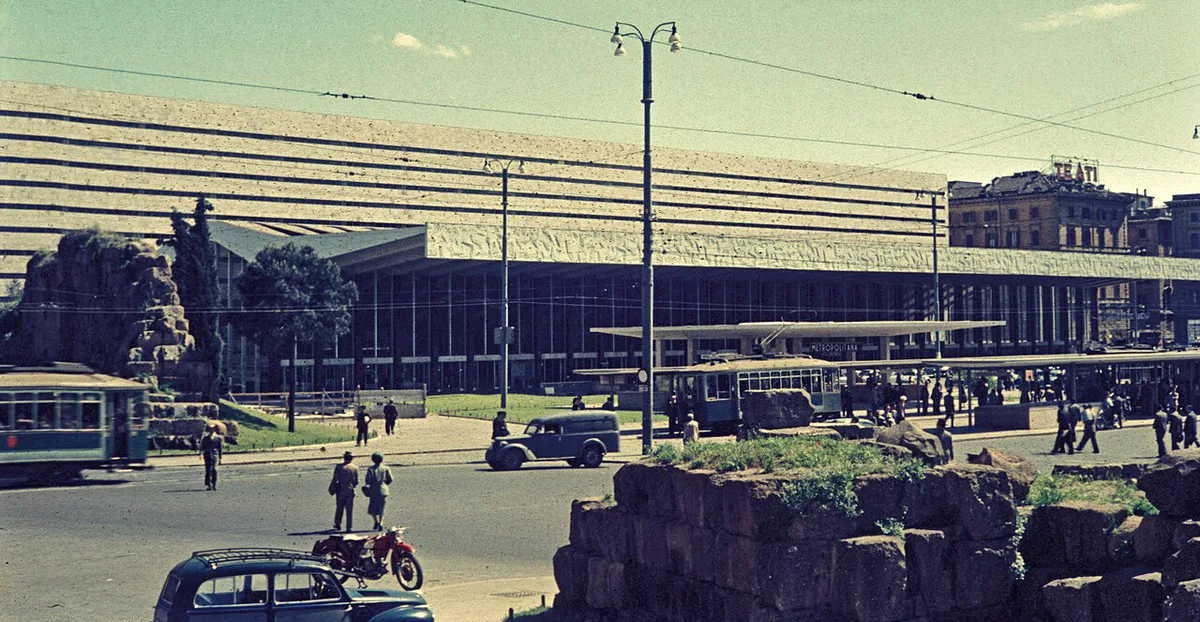
Roma Termini and Tiburtina: where to board
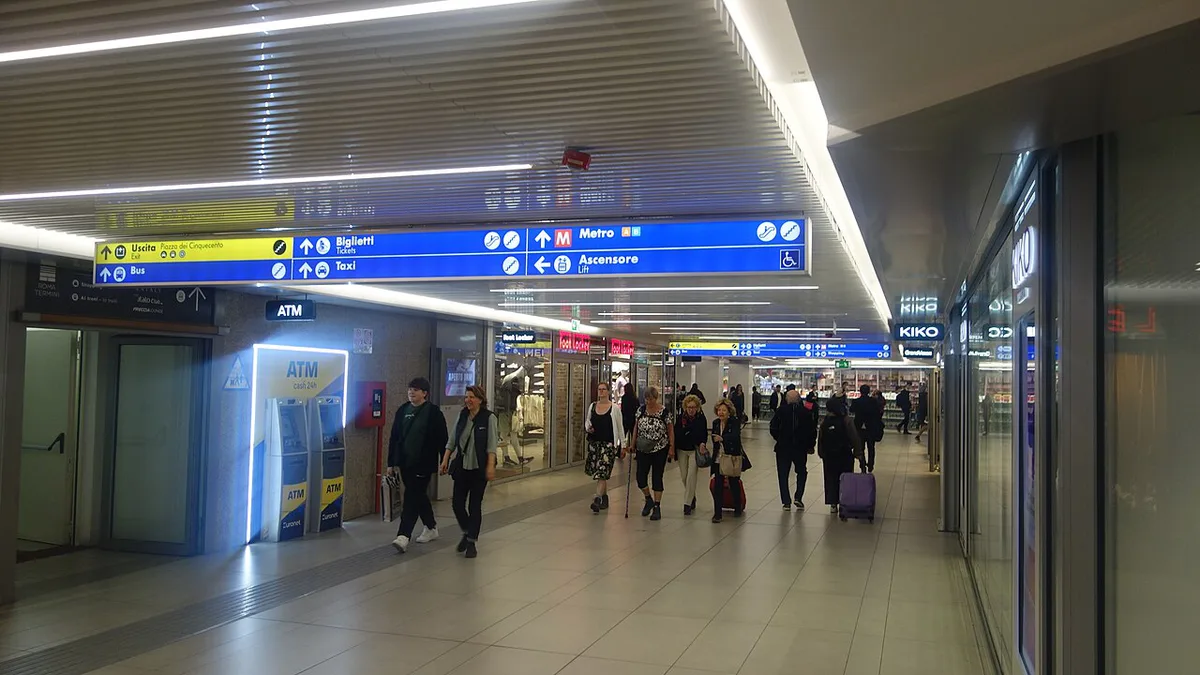
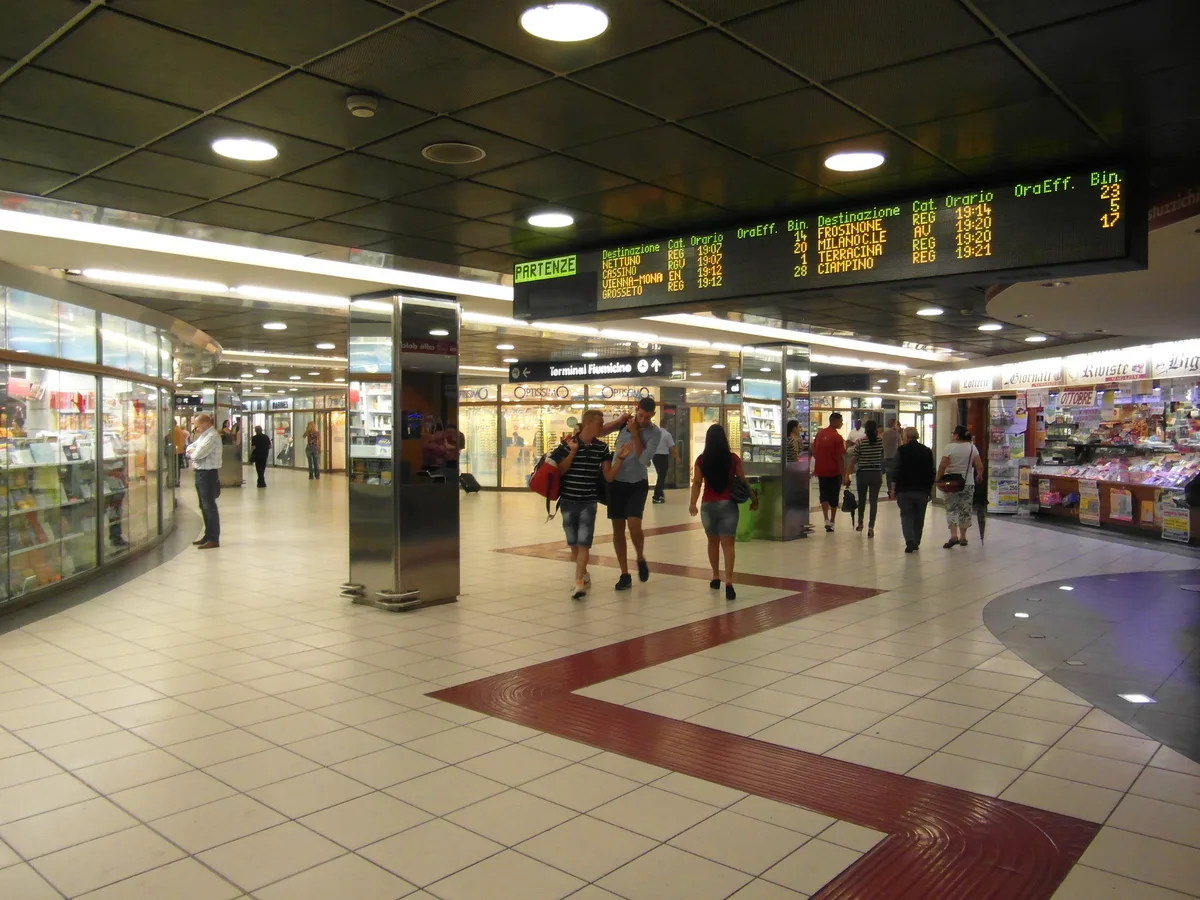
Most Rome–Florence trains leave from Roma Termini, the central station and Rome's main hub for public transport. Italo's stop list also includes Roma Tiburtina, which needs a metro or bus transfer from the center. Read the departure station on your ticket before you leave your hotel. Allow extra time at Termini to find your platform on the departure board. High-speed e-tickets need no validation. Paper regional tickets must be stamped in a validation machine before boarding, so confirm the current rule on Trenitalia's site.
Arriving at Firenze Santa Maria Novella (and Campo di Marte)
Firenze SMN sits on Piazza della Stazione, close to central Florence. Outside you will find taxis, a tourist information office and stops for most of the main city bus routes. Italo lists Firenze S.M.Novella as its Florence stop on this route. Some regional trains end at Firenze Campo di Marte instead, which is not the central station. Read the destination on the ticket before you pay, and look for Firenze S.M.N. if you want the center.
Classes and onboard comfort: is business or first worth it?
Italo sells three cabins: Smart, Prima Business and Club Executive. Smart has reclining leather seats, power outlets and free Wi-Fi. Luggage in Smart cannot exceed 75×53×30 cm per item, though you may bring several items at no extra cost. Prima Business and Club Executive allow large luggage without restriction or extra charge. Both add Fast Track entry, and Club Executive includes access to Italo Club lounges. Our Italo train guide covers each cabin in detail. For Trenitalia's premium cabin, read our Frecciarossa Business guide. On a 1h30 ride, extra legroom matters less than on a four-hour trip. Upgrade if you carry large bags or want Fast Track at the station. Racks sit overhead and at the end of each coach, so keep valuables where you can see them. Italo carries folding bicycles only, as normal luggage at no extra fee, and it does not permit traditional bicycles.
Eurail and Interrail on Rome–Florence
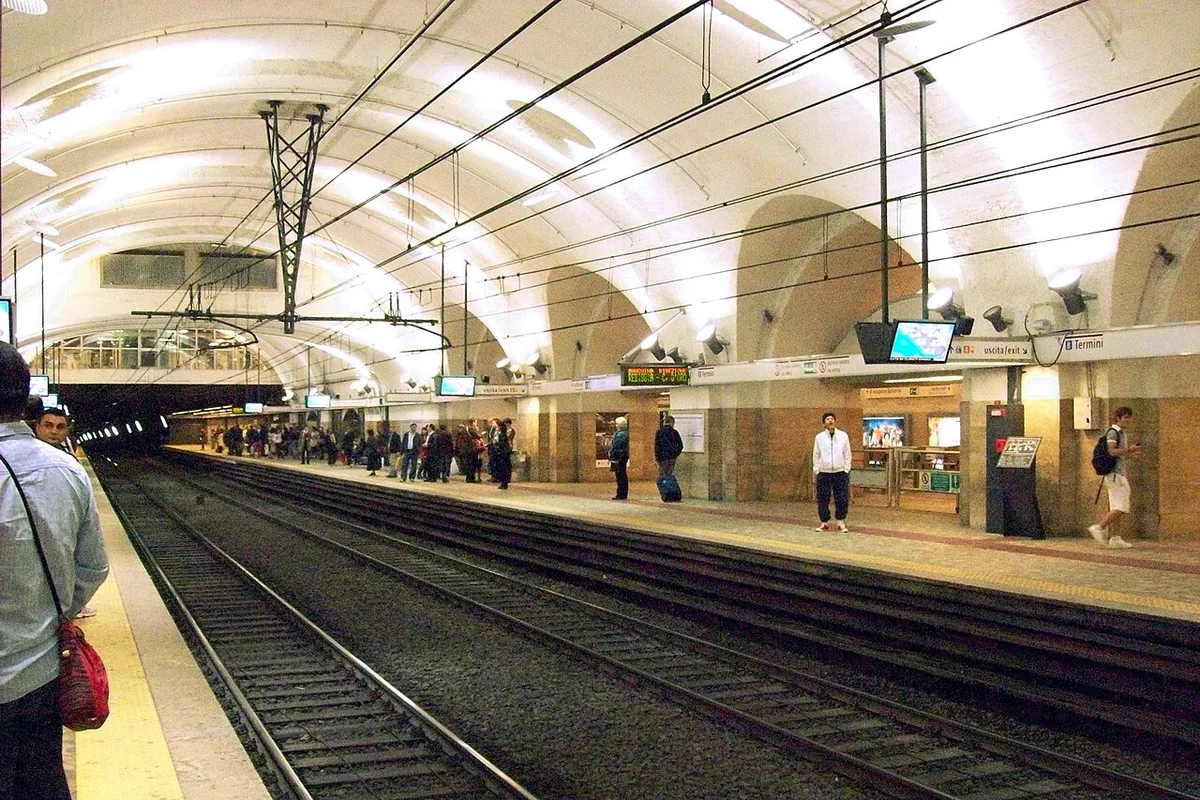
A pass does not remove the reservation step on high-speed trains. Pass holders skip the ticket but pay a small reservation fee, and booking seats well ahead is wise. Regional trains need no reservation, and the pass covers them, so you can hop on and off freely. That route takes about 3h20 and ends at Firenze Campo di Marte, roughly two extra hours compared with high-speed. It does let you stop in Orvieto or Arezzo. For a single Rome–Florence hop, a point-to-point promo fare rarely loses to a pass. A pass pays off only inside a longer itinerary.
Day trip from Rome: is it realistic?
A day trip works because the journey is 1h30 each way, about 3h on trains in total. That leaves most of the day in Florence for one timed-entry museum, such as the Uffizi or the Accademia, plus a walk. Lock in train times first, then book the museum slot around them. Look up the last departure to Rome before you leave the city, since a missed train means an unplanned night. Italian rail strikes (sciopero) are common, so check Trenitalia and RFI strike notices the day before. Stay overnight if you want two museums or an evening in Florence.
Regional trains at about 3h20 each way would swallow most of a Florence day, so the day trip belongs on high-speed.
Mistakes to avoid on the Rome to Florence train
Six slips cause most of the trouble on this route.
- Buying at the station window on a Friday or Sunday and paying the top fare.
- Boarding at Roma Tiburtina when your ticket says Termini, or the reverse.
- Booking a regional ticket that ends at Firenze Campo di Marte when you want SMN.
- Assuming a Eurail or Interrail pass covers a high-speed seat without a reservation.
- Packing a Smart-class bag larger than 75×53×30 cm.
- Skipping the strike notices before a same-day return.
Onward trains from Florence
The Florence to Rome direction mirrors everything above. Our guide to Bologna–Florence trains covers that link. Heading east after Florence? Read about the Florence–Venice route. From Rome you can also compare Rome–Venice trains if you skip Florence. Our Rome–Naples train guide covers the southbound option. Arriving from the north? See Milan–Florence trains for the direct route. Then read Milan–Rome trains if you continue to the capital.
Frequently Asked Questions
How long is a high-speed train ride from Rome to Florence?
Plan on about 1h30 between Roma Termini and Firenze SMN. Italo advertises its fastest non-stop service at 1h25. Regional trains take about 3h20.
How much is a bullet train from Rome to Florence?
Fares are dynamic and rise as departure nears. Italo advertises tickets from €14.90 as a promotional floor, and the live fare appears at booking. Early booking lands you on the cheaper rungs.
Is a day trip from Rome to Florence worth it?
Yes, if you build the day around one major museum and a fixed return train. Journeys of 1h30 each way leave most of a day in Florence. Stay overnight if you want more than one highlight.
What is the easiest way to get from Rome to Florence?
Take a direct high-speed train from Roma Termini to Firenze SMN. Reserve a seat in advance and board with a phone e-ticket. Skip the regional train unless you want to stop in Orvieto or Arezzo.
Rail notes for your next trip
Optional updates when our rail guides change.
Related guides
More guides
Picked from the same area