
Bologna to Florence Train: Times, Tickets & Which to Pick
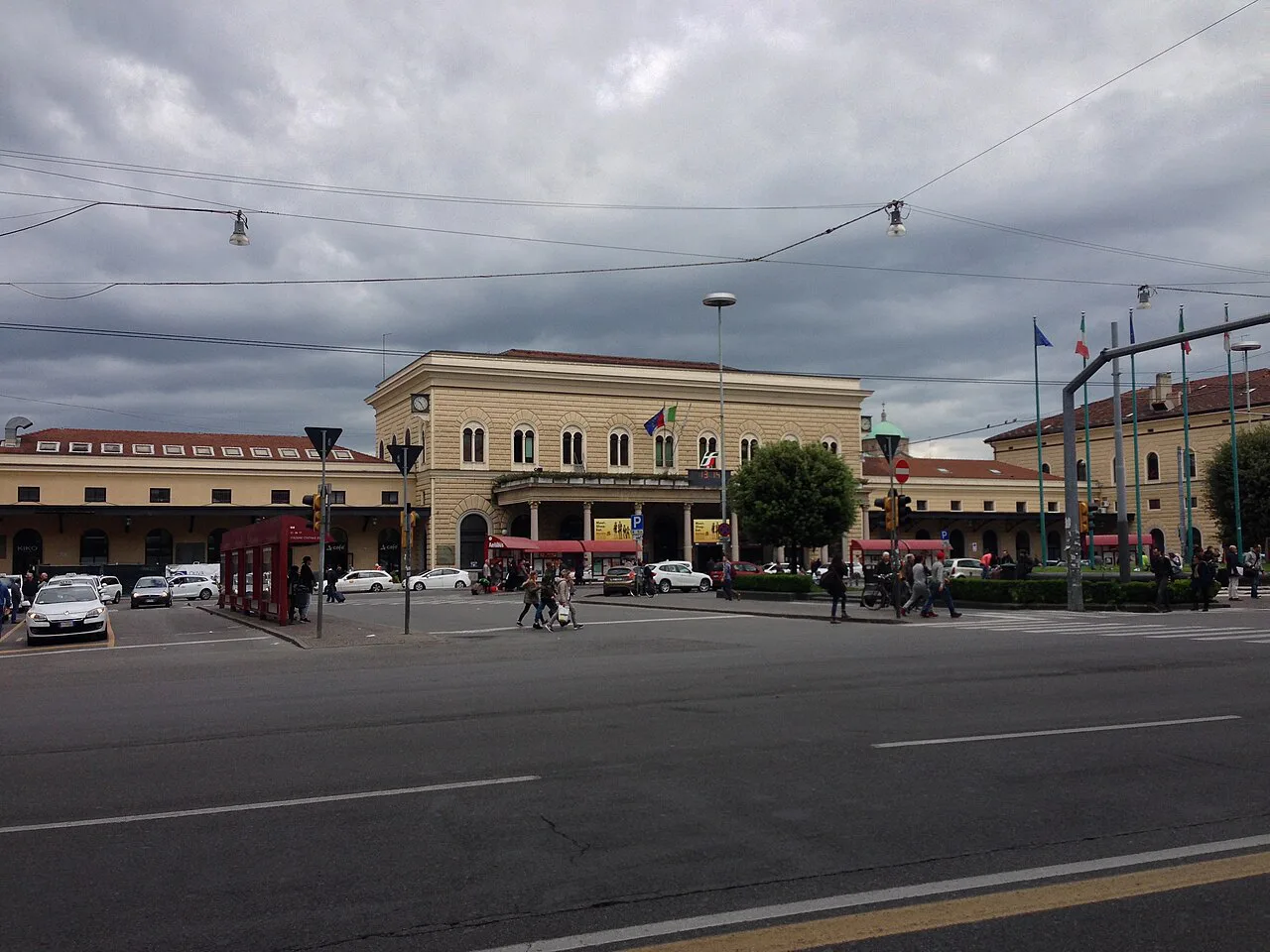
Last updated November 2026: the Bologna to Florence train is a short, frequent, direct hop of roughly 79–81 km. High-speed Frecciarossa and Italo services run between Bologna Centrale and Firenze Santa Maria Novella (SMN) in roughly 40 to 55 minutes. This guide covers which train to pick, how tickets work, what to do at each station and how to plan a day trip. It also sits within our Italian high-speed train guide.
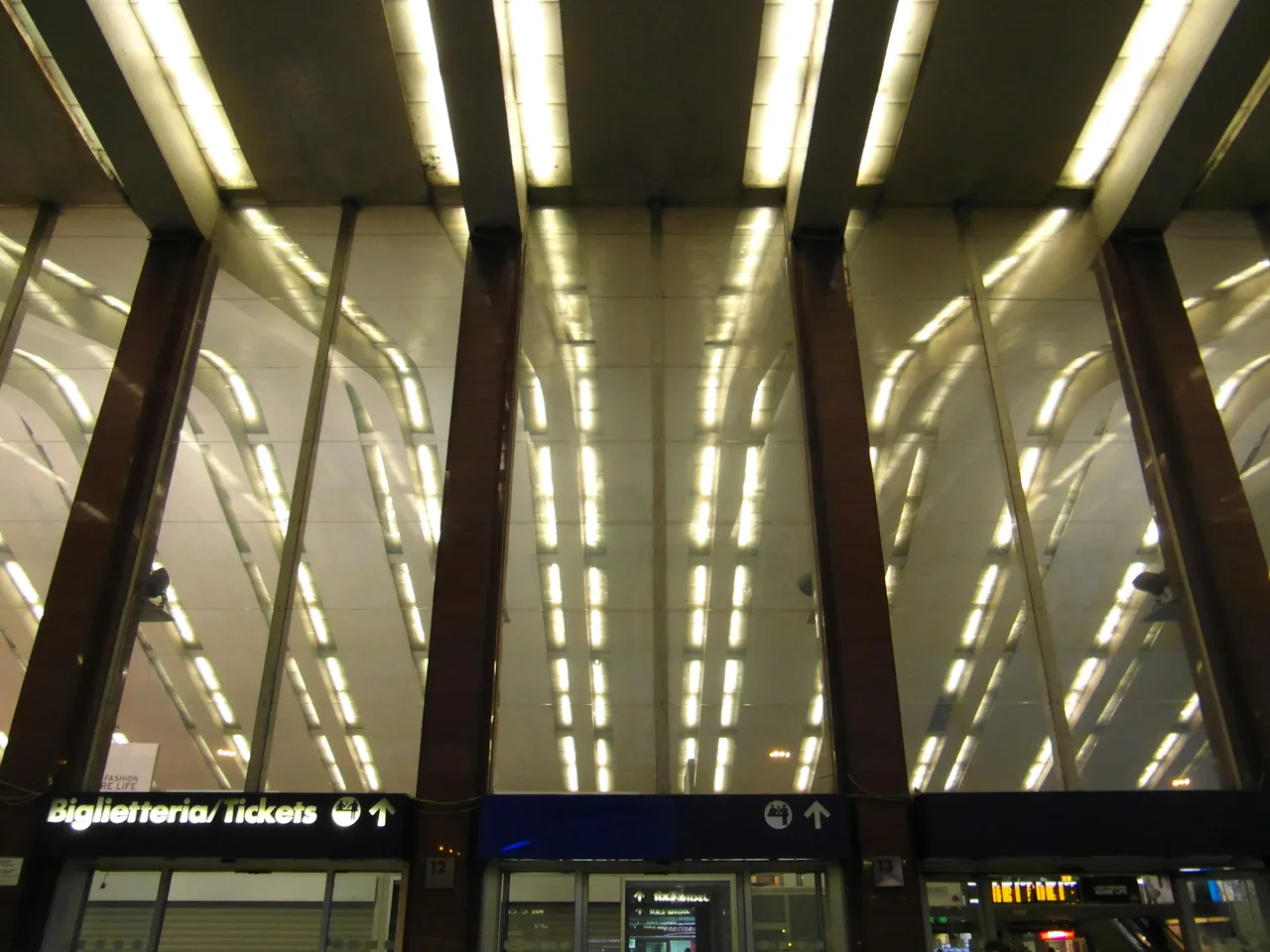
Featured image: Dimitris Kamaras from Athens, Greece, CC BY 2.0, via Wikimedia Commons.
Bologna to Florence Train at a Glance
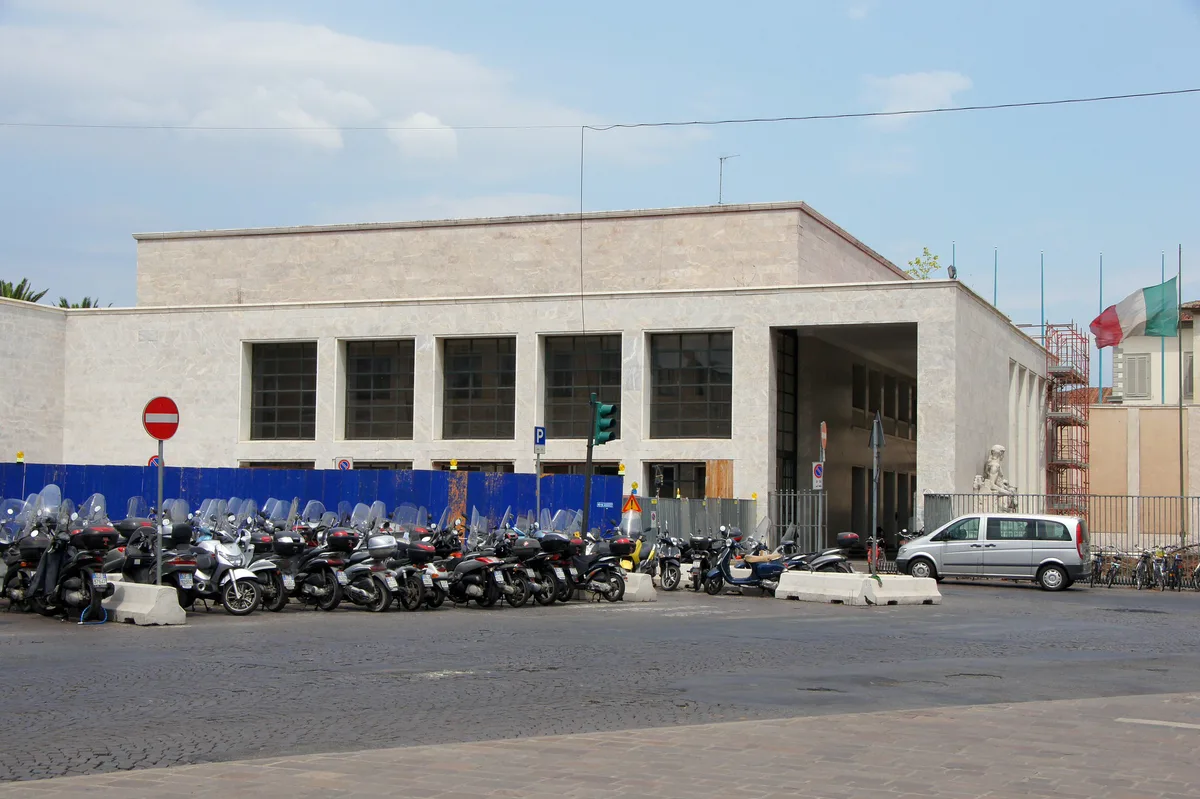
Four kinds of train serve this route. Frecciarossa and Italo are the fast ones, with timetable listings clustering around 40 to 55 minutes. Intercity averages about 1 hour, and Regionale averages about 1 hour 17 minutes. Fares below are the lowest figures seen in November 2026 listings, so treat them as starting points. Prices and hours checked November 2026. Time is the same in both cities, so there is no clock change to plan around.
| Train type | Typical journey time | Lowest fare seen | Best for |
|---|---|---|---|
| Frecciarossa (Trenitalia) | About 40–55 min | From about €14 | Fastest, flexible ticket tiers |
| Italo (NTV) | About 40–55 min | From about €2 | Cheap advance fares, generous luggage |
| Intercity | About 1 hr | From about €10 | Mid-priced, slower option |
| Regionale | About 1 hr 17 min | From about €10 | Flexible, no fixed time |
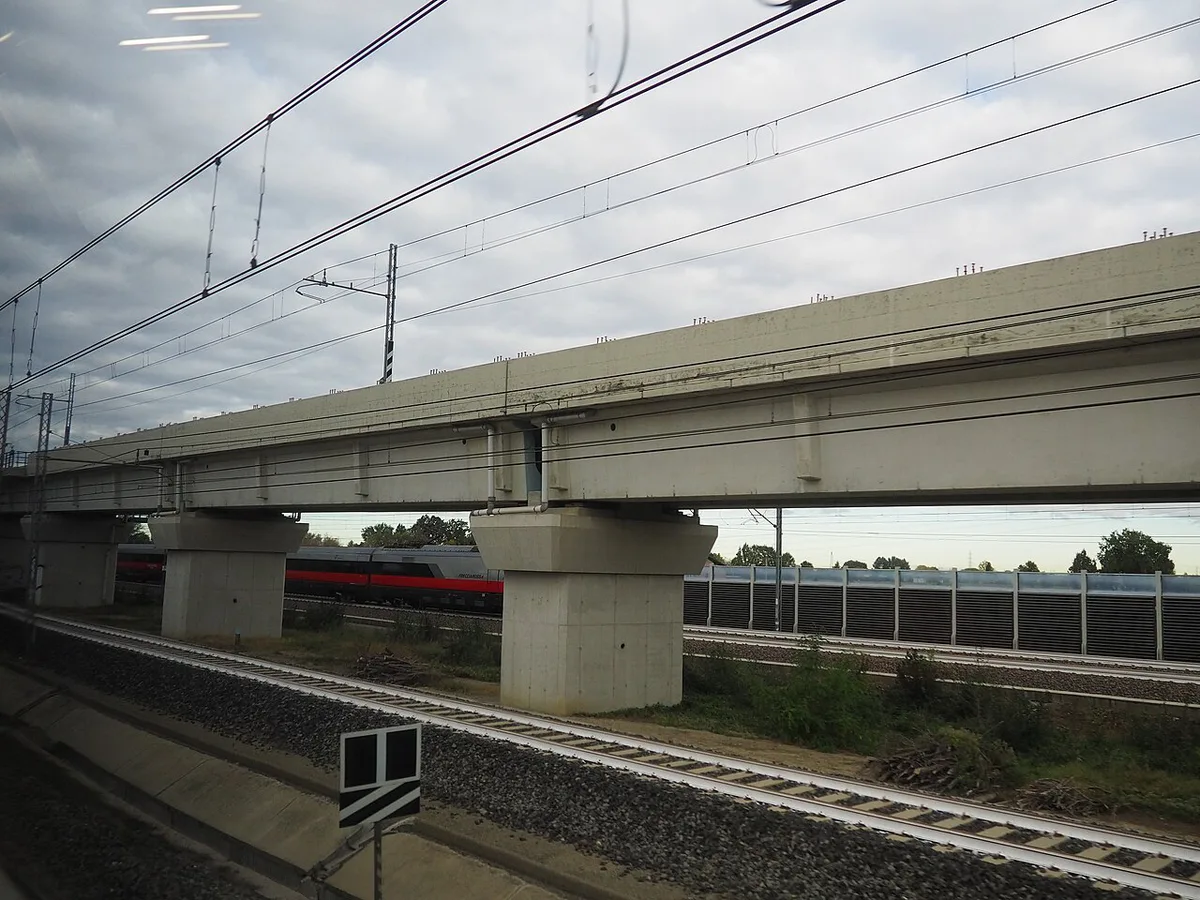
- Arrival station: choose Firenze Santa Maria Novella (SMN) for the city center.
- Distance: roughly 79–81 km, depending on the source and route measured.
- Time zone: Bologna and Florence share the same one.
Which Train to Take: Frecciarossa, Italo, Intercity or Regionale
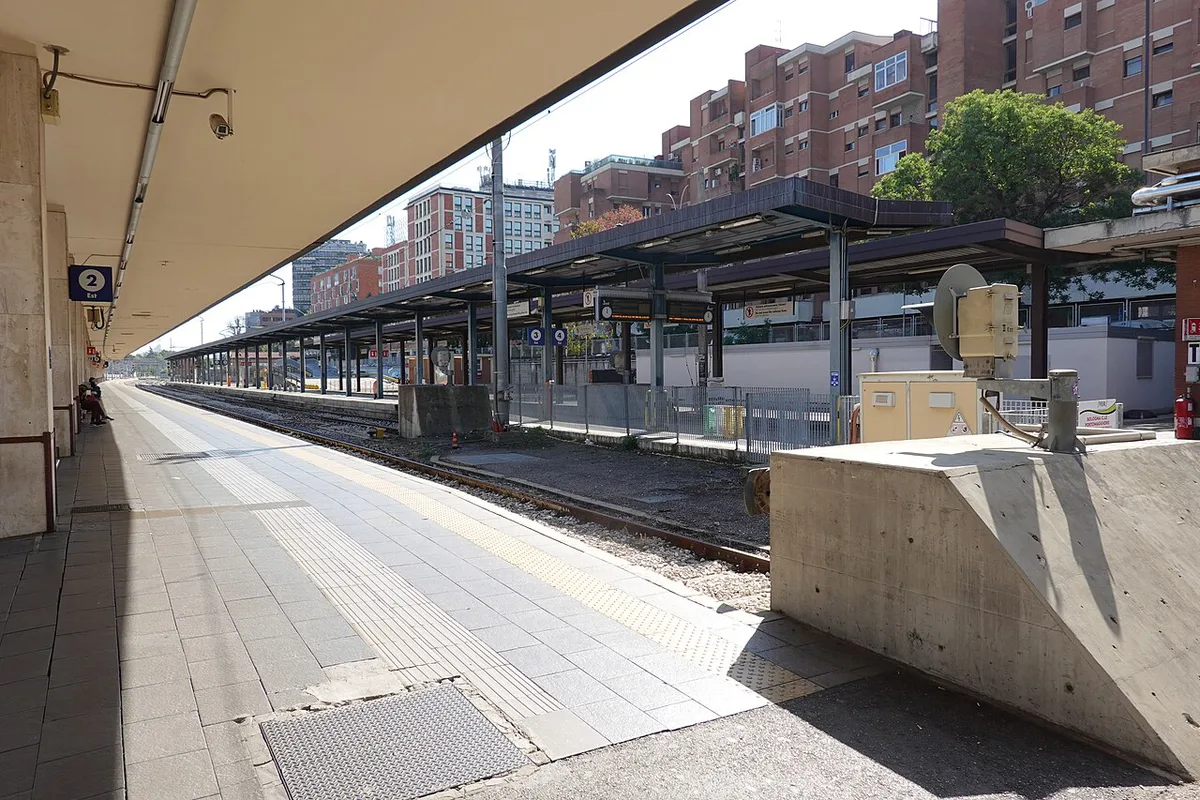
For most travelers the choice is between Frecciarossa and Italo. Both are high-speed, both stop at Bologna Centrale and SMN, and both listed an average of about 41 minutes in November 2026 checks. Pick whichever has the better departure time and fare on the day you travel. Our Italo versus Trenitalia comparison goes deeper on the differences. Intercity and Regionale are slower but can suit a flexible schedule or a tight budget.
- Fastest: a Frecciarossa or Italo direct to SMN. Listings across operators range from about 37 to 54 minutes, so read the exact time at booking.
- Cheapest: an advance Italo fare, listed from about €2, or a Regionale ticket from about €10.
- Most flexible: a Regionale ticket, which is not tied to a single departure the way a fixed advance fare is.
- Luggage-heavy: Italo lists two pieces of hand luggage up to 55x35x25 cm plus one piece up to 75x53x30 cm per passenger.
- Comfort upgrade: Frecciarossa offers Standard, Premium, Business and Executive classes. Our Frecciarossa Business guide explains what the upgrade adds.
- Brand new to Italo: read our Italo train overview for classes and fare types.
Tickets and Prices for the Bologna to Florence Train
Advance fares on the fast trains are usually the cheapest, and prices rise as seats fill. Italo lists three fare types: Low Cost, Economy and Flex. Frecciarossa lists Super Economy, Economy and Base. Fare names change over time, so check the operator's page before you book. Buy direct from Trenitalia or the Italo official site to see the full set of fare conditions. Same-day tickets on the fast trains cost more but are available, because departures are frequent. Regionale tickets can be bought close to departure for about €10 and up.
- Regionale validation: a Regionale ticket must be validated at the platform machine before boarding. Skipping this can bring a fine.
- Wrong station: check that the ticket says Firenze Santa Maria Novella (SMN), not Firenze Rifredi or Campo di Marte.
- Rifredi versus SMN: Rifredi is a secondary Florence station. Some services stop there, but SMN is the one near the center.
- Fixed fares: cheap advance fares are tied to one train. Missing it can mean buying a new ticket.
- Wrong currency: some booking sites display prices in other currencies. Look for euro fares and avoid converting.
Bologna Centrale and Florence SMN: Stations and Logistics
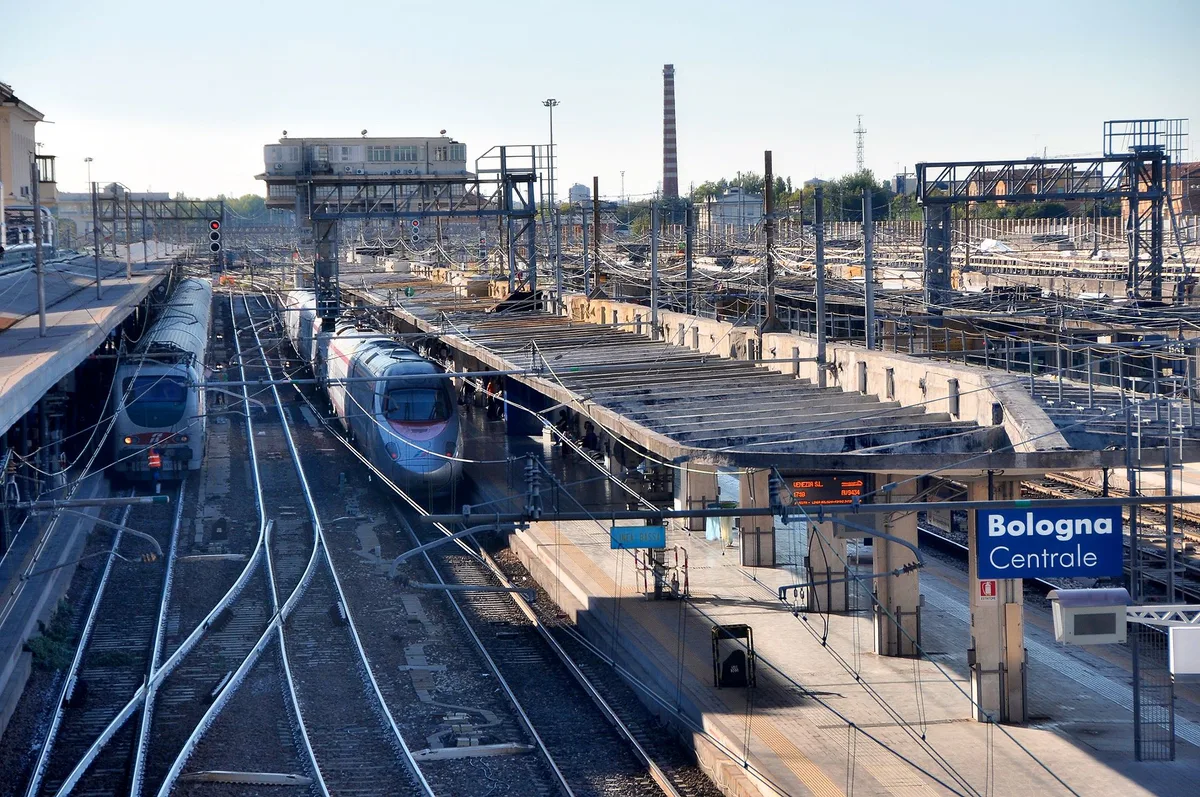
Bologna Centrale is the main station for all long-distance services. Allow time to read the departure boards, because platform numbers are shown shortly before departure. Firenze Santa Maria Novella is the main Florence station and sits close to the historic center, which makes it the sensible arrival point for most visitors. Walking is realistic for the nearest sights. Taxis and trams are available outside for farther destinations. Trains that stop at Rifredi or Campo di Marte put you farther from the center, so check the arrival station before paying. Station facilities such as luggage storage vary, so look at the official station pages for current details.
Day Trip Planning: Bologna to Florence and Back
One day is enough for a focused visit, because the ride takes roughly 40 to 55 minutes each way on a high-speed train. Fix your return train first. Then work backward to decide how many hours you have on the ground. Check the first and last departures on the live timetable before you commit, because late services thin out.
- Morning: take a fast train and arrive at SMN, ideally before 10:00.
- Midday: spend four to five hours in the center on foot.
- Afternoon: walk back to SMN with 30 minutes in hand for platform boards.
- Evening: board your fixed return, or a flexible Regionale if you want to stay longer.
- Budget: two fast one-way fares can exceed one flexible Regionale return, so compare before booking.
Cheapest and Best Times to Travel
Advance booking is the most reliable way to lower the fare. The cheapest seats on Italo and Frecciarossa sell out first, and last-minute prices climb. Early-morning and late-evening trains tend to cost less than the busy midday and rush-hour departures. Spring and early summer are high season in Tuscany, while October to December is quieter. Day-of-week and month patterns from booking sites conflict, so compare dates on the operator's site instead of trusting one rule.
Other Ways to Go: Bus, Car or Flight
Trains are the practical option on this route. Bus services exist and take longer, with listed averages around 1 hour 27 minutes. Driving means highway tolls, fuel and parking in Florence's restricted traffic zone, which is rarely worth it for a day. Flying makes no sense over about 80 km. The two city centers are linked directly by rail, so you avoid airport transfers altogether.
Continuing Your Trip From Florence
Florence is a hinge for onward trains. For lagoon-side stops, see our Florence to Venice train guide. Heading north, our Milan to Florence train page covers the reverse direction. Coming from the capital, read the Rome to Florence train guide. For a Verona stop, use our Milan to Verona train guide. A longer chain to the lagoon is in our Rome to Venice train guide.
Frequently Asked Questions
How long does it take to travel from Florence to Bologna?
The fastest direct high-speed trains take roughly 40 to 55 minutes, depending on the operator and service. Intercity averages about 1 hour, and Regionale averages about 1 hour 17 minutes. Check the exact time when you book.
What is better, Italo or Trenitalia?
Both run fast direct trains on this route, with similar journey times. Italo often lists the lowest advance fares and a generous luggage allowance. Trenitalia also runs Intercity and Regionale trains, which give you slower, flexible options.
Where to take the train from Florence?
Use Firenze Santa Maria Novella (SMN), the main station close to the historic center. Rifredi and Campo di Marte are secondary stations with fewer services. Check the departure station on your ticket before you travel.
Rail notes for your next trip
Optional updates when our rail guides change.
Related guides

More guides
Picked from the same area