
Milan to Florence Train: Times, Tickets & Which to Book
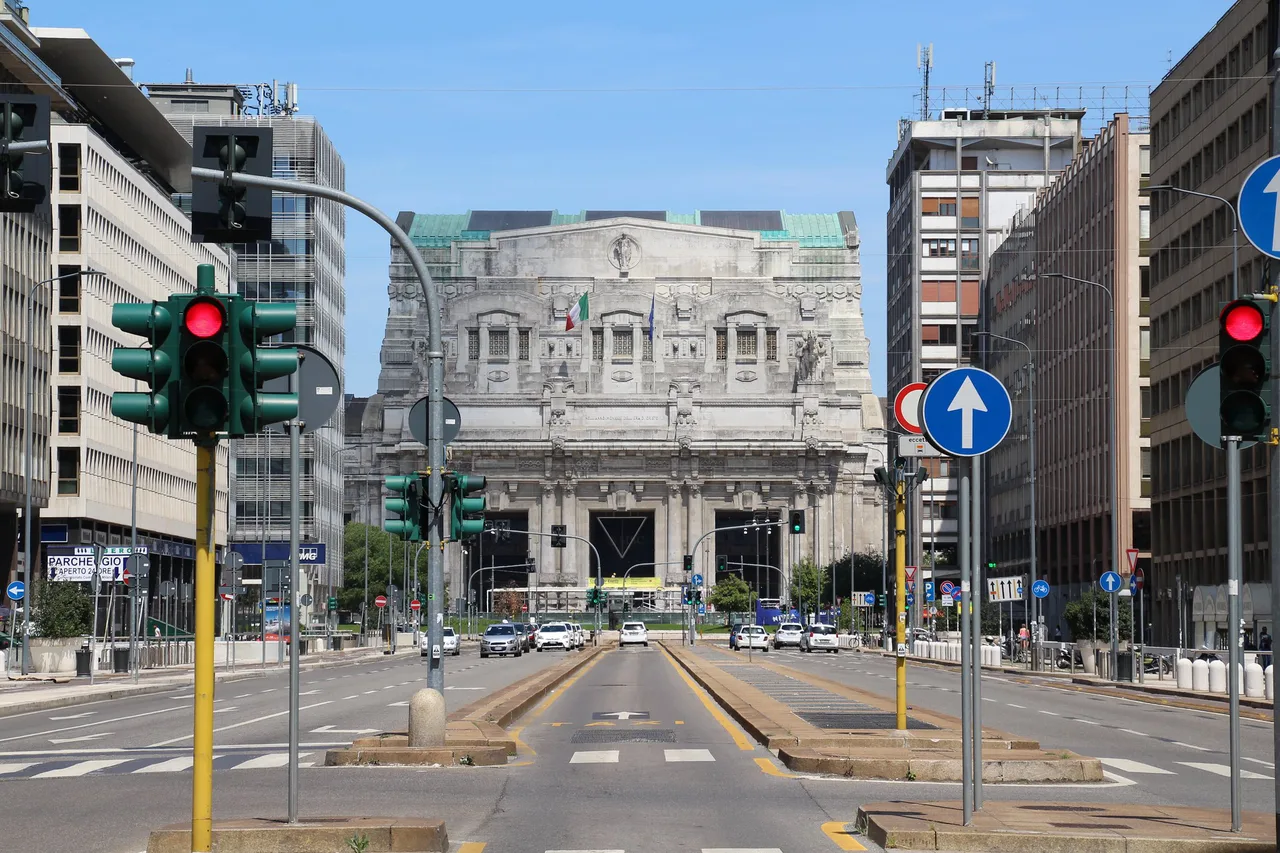
Last updated November 2026: the Milan to Florence train runs on high-speed Frecciarossa and Italo services from Milano Centrale to Firenze Santa Maria Novella. Fast trains take roughly 1h40 to 2h. Below you will find how to choose an operator, buy a ticket, avoid the wrong station and decide whether a day trip works.
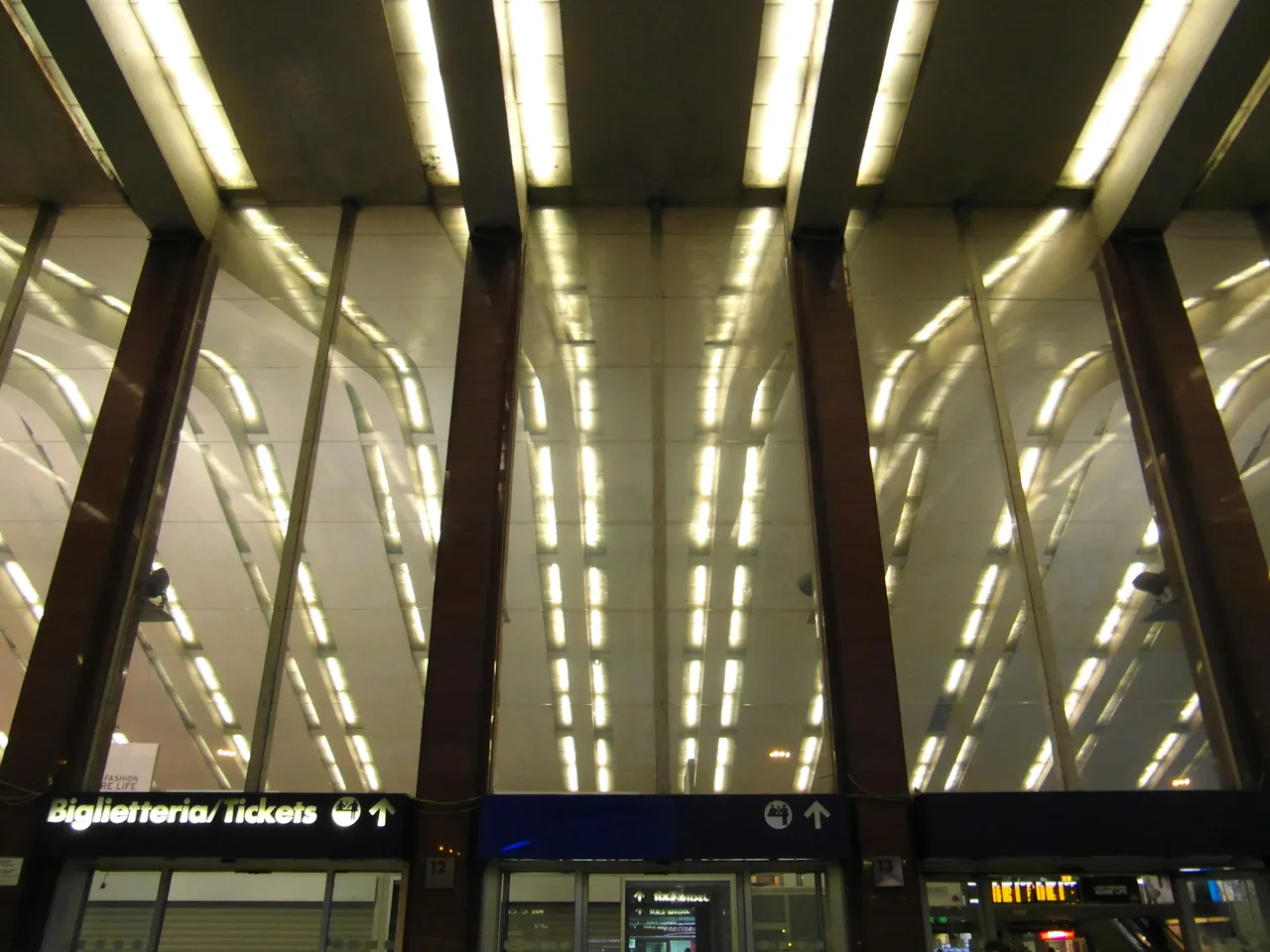
Featured image: corno.fulgur75, CC BY 2.0, via Flickr.
Quick answer: Milan to Florence train
Two operators run high-speed trains between Milano Centrale and Firenze Santa Maria Novella (SMN). Trenitalia runs Frecciarossa, and Italo is the private competitor. Both cover the roughly 244 km in about 1h40 to 2h on the fastest services. Trains run through Bologna Centrale, and the fast times come from the high-speed line, including its tunnel section between Bologna and Florence. Departures are frequent through the day, so you rarely need to plan around one specific train. Timetable and fare notes on this page were checked in November 2026.
A simple rule works for most trips. Pick whichever of Frecciarossa or Italo has the better departure time and fare. Choose a slower Intercity or Regionale only when price matters more than 2 hours of your day. Arrive at Firenze Santa Maria Novella, not Firenze Castello, which is a minor station in Sesto Fiorentino.
Milan to Florence at a glance
Use this table to compare the realistic options. Fares move with demand, so cells without a figure point you to the operator's own page.
| Option | Typical time | Fare approach | Best for | Catch |
|---|---|---|---|---|
| Frecciarossa | About 1h40 to 2h | Fares on Trenitalia | Flexible fares and frequent departures | Cheapest fares sell out on busy days |
| Italo | About 1h40 to 2h | Fares on Italo | Early-booking deals and class choice | Different fare rules from Trenitalia |
| Intercity or Regionale | Noticeably longer, often with changes | Fares on Trenitalia | Tight budgets and flexible schedules | Slower, and regional tickets need validating |
| Bus | Schedules on operator sites | Fares on operator sites | Lowest fare on some dates | Adds hours to the trip |
| Flight | Short in the air, long door to door | Fares vary by date | Travelers already at an airport | Airport transfers erase the saving |
| Car | Depends on routing | Fuel, tolls and parking | Groups heading beyond Florence | Florence's ZTL restricts central driving |
Frecciarossa vs Italo on this route
Both operators run trains up to 300 km/h, and both use the high-speed line via Bologna. On time and comfort the gap is small. Differences lie in fare rules, class names and where you buy.
Trains from each operator reach up to 300 km/h, yet the 244 km run still takes 1h40 to 2h, so fare rules, not speed, set them apart.
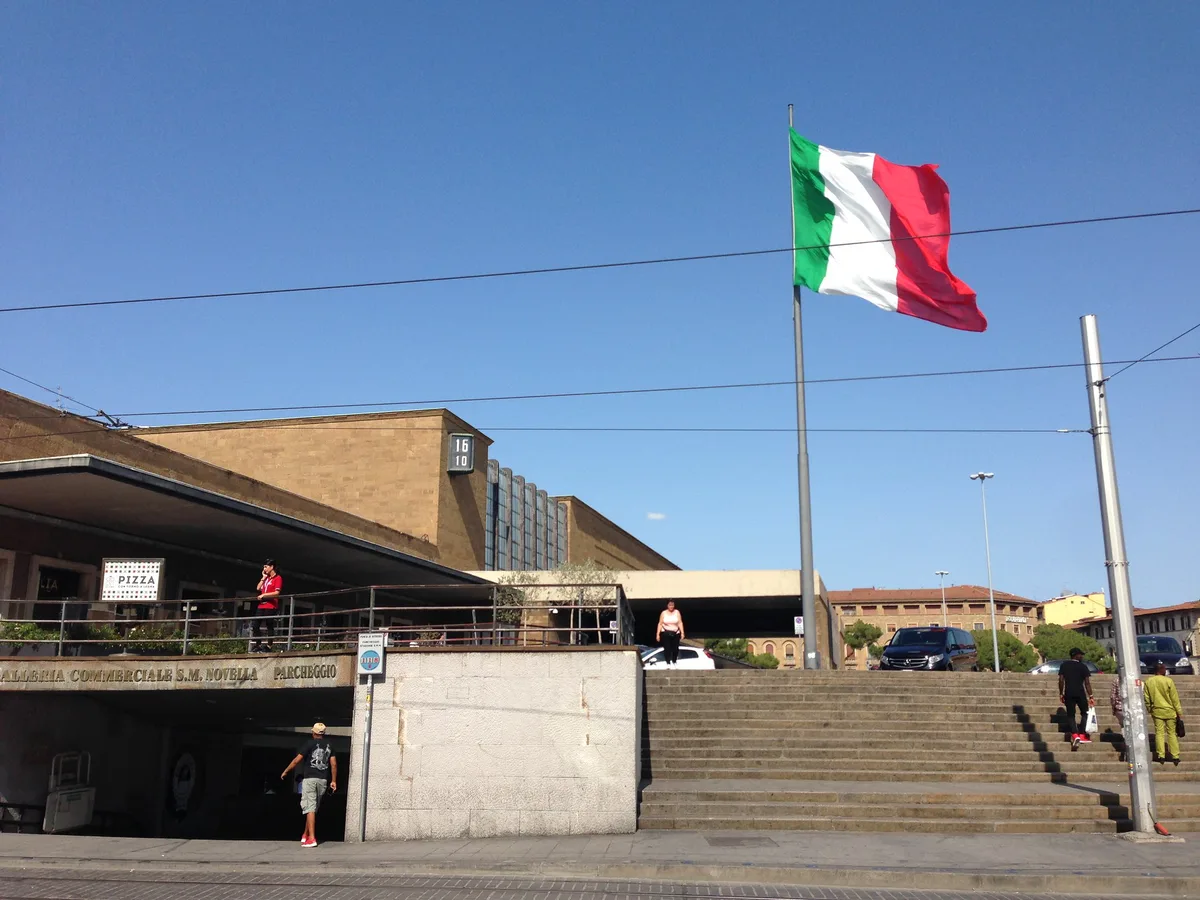
Frecciarossa offers Standard, Premium, Business and Executive classes, with Super Economy, Economy and Base fares. Italo offers Smart, Comfort, Prima and Club Executive classes, with Low Cost, Economy and Flex fares. Both brands sell cheaper fares that restrict changes, and flexible fares that cost more.
For a full comparison, read our guide to Italo versus Trenitalia. If you want to understand the network first, start with Italian high-speed trains. Details on Italo's classes are in how Italo works. For a premium seat on Trenitalia, see Frecciarossa Business Class: Is It Worth It? (Seats, Perks, Tickets).
Compare the same departure time on both sites before paying. The cheaper operator changes by date and by how far ahead you book.
Tickets, fares and when to book
High-speed fares use dynamic pricing. Early bookings are usually cheaper, and fares climb as seats sell. Each cheap fare tier tends to carry stricter change and refund conditions than a flexible one.
High-speed tickets include a seat reservation, so your seat is assigned when you book. Regional trains work differently. A regional ticket has no assigned seat, and you must validate a paper ticket at the platform machine before boarding.
Book on the operators' own sites and apps. Trenitalia sells Frecciarossa and regional tickets, and Italo's official site sells Italo tickets. Station machines and ticket offices also work, and third-party sellers add a booking fee.
Book early for Friday, Sunday and holiday departures. If your plans may shift, pay for a flexible fare rather than the cheapest tier. Check each operator's current change and refund rules at the time of purchase.
Stations: Milano Centrale to Firenze SMN
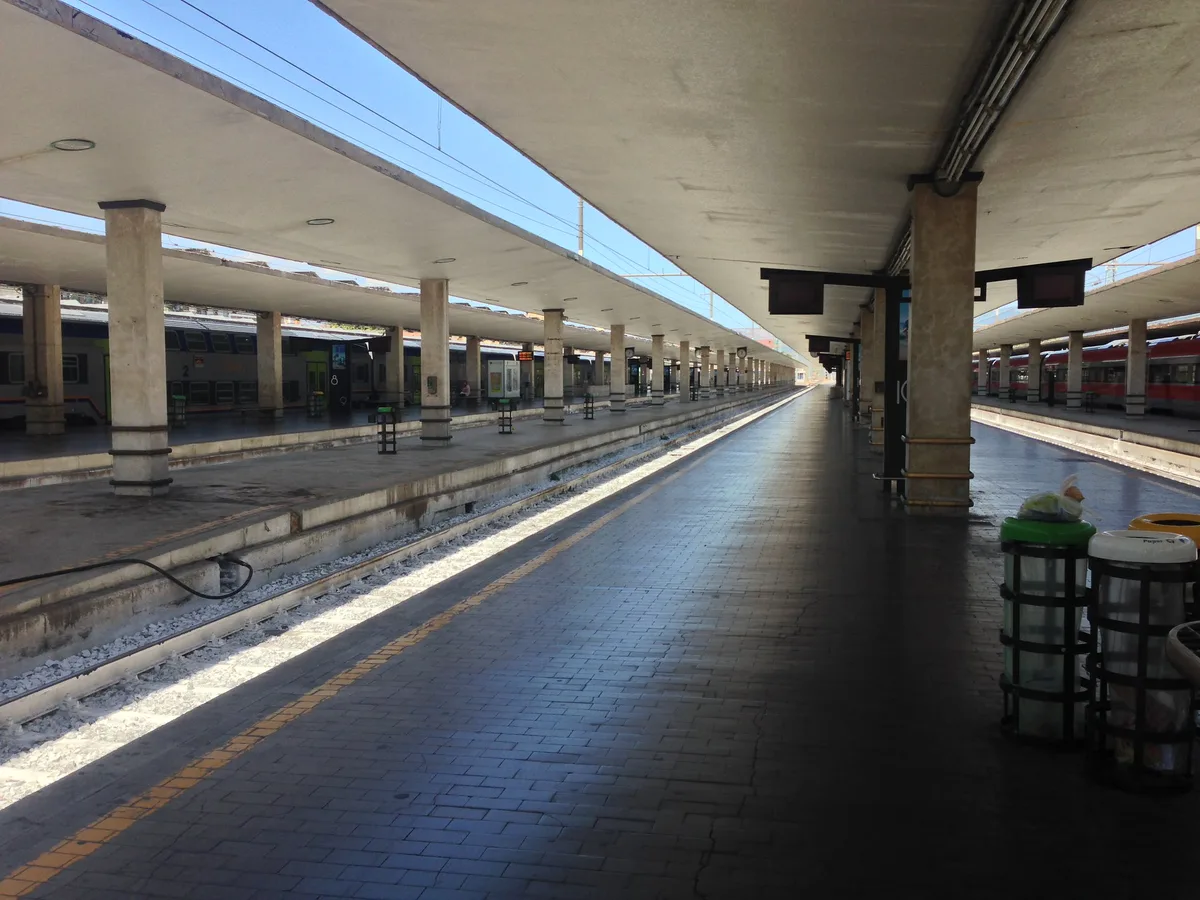
Milano Centrale is the main departure point and has a metro connection, shown on ATM's current network map. Arrive with time in hand. Platforms are announced shortly before departure, so there is no fixed platform to plan around. The station ticket office was listed as open from 05:50 to 22:20, and luggage storage from 06:00 to 23:00. Hours can change, so check on the day.
Milano Centrale's ticket office runs from 05:50 to 22:20, which covers the 08:00 departure in the day-trip example.
Firenze Santa Maria Novella is a city-centre terminus, and most travelers should arrive there. Some trains also call at Firenze Campo di Marte or Rifredi. Your ticket lists the stops before you book.
Mistakes to avoid on this route:
- Booking Firenze Castello, a minor station in Sesto Fiorentino, instead of Firenze Santa Maria Novella.
- Assuming every train leaves from Milano Centrale: check the departure station on your ticket.
- Expecting a seat reservation on a regional train.
- Boarding a regional train with an unvalidated paper ticket.
- Booking a day trip with no return buffer.
- Waiting too long and finding flexible fares sold out on a peak day.
Choosing your departure time
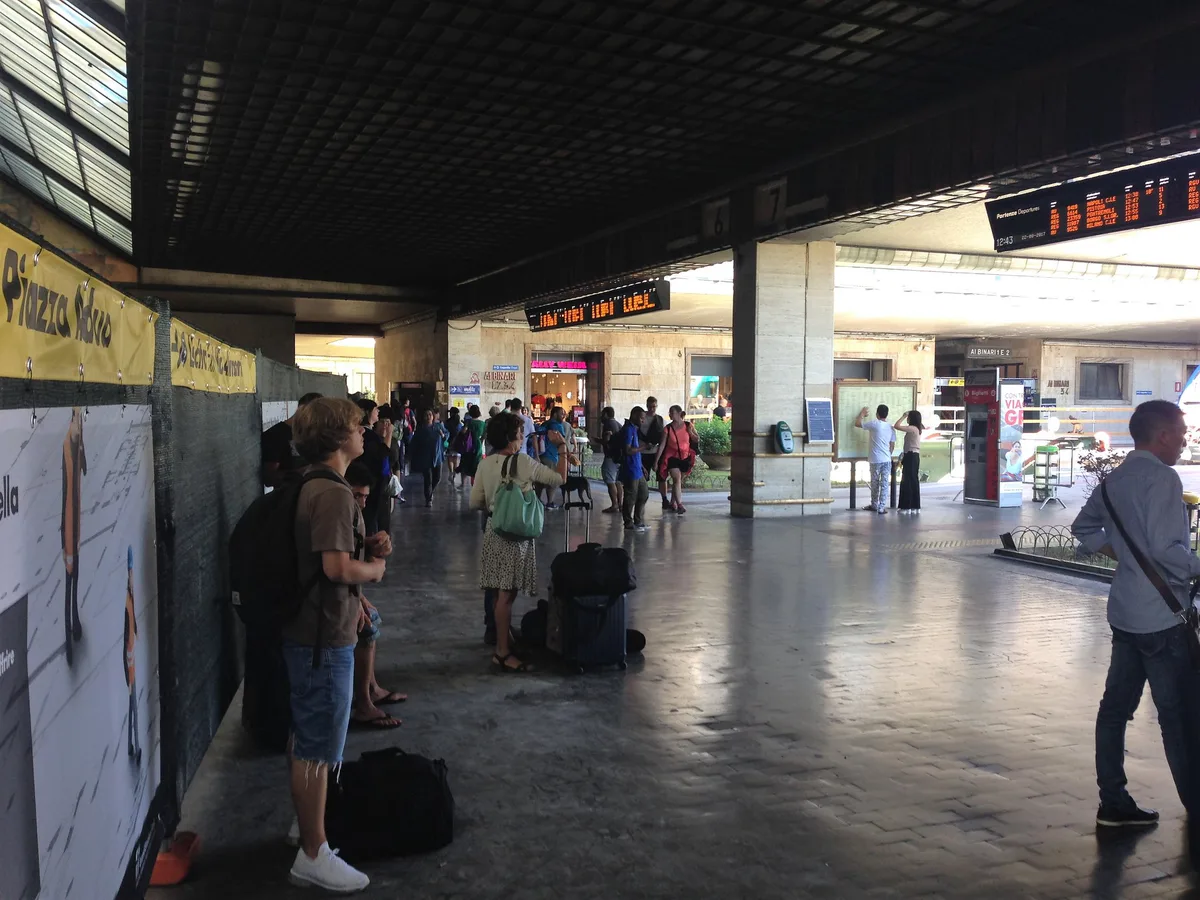
Start from what you need in Florence, then work backwards. For a morning arrival, pick a departure early enough to leave a buffer. For a late arrival, look up the last departure of the evening before building plans around it.
High-speed trains leave frequently, so a missed train usually costs you one slot rather than a whole day. Rush-hour and Friday departures cost more and sell out sooner. Sundays and holidays can change patterns, so take exact times only from the operator's timetable on the day you travel.
If you are travelling from the French border region, the Paris to Milan route explains how to time the first leg.
Day trip from Milan to Florence: is it realistic?
A day trip works if you accept a tight schedule. With about 2h each way, expect roughly 4 hours on trains. Add a buffer before the return, and the hours left in Florence shrink fast.
Here is a worked example. Leave Milano Centrale at 08:00 and arrive near 10:00. Plan to start the return by 18:00, which leaves about 8 hours on the ground. Subtract time for a meal and a half hour of walking from Firenze Santa Maria Novella to Piazza del Duomo.
That is enough for one museum or a walk through the centre, not both. Book Duomo and Uffizi entry through the official sites, and look up their opening hours before you commit to the schedule.
A day trip suits travelers who want one or two sights. Skip it if you want a relaxed lunch, a second museum or time for the Oltrarno. An overnight stay fits those goals better.
From Florence you can continue to other cities. The line to the lagoon is covered in Florence to Venice by train.
Luggage, seats and onboard practicalities
Italo lists two pieces of hand luggage up to 55x35x25 cm and one larger piece up to 75x53x30 cm. Frecciarossa allows a carry-on and a suitcase per passenger. Luggage goes on overhead racks and in the areas at the carriage ends.
Seat choice is mostly about window or aisle, since your seat is assigned at booking. Wi-Fi and power outlets are listed on both operators' trains, though availability can vary by train. Food is sold onboard, and a bar or snack service runs on most services.
Travelers who need help can request assistance. RFI runs a Sala Blu service for passengers with reduced mobility at larger stations. Check RFI's current contact details for Milano Centrale and Firenze Santa Maria Novella before you travel.
Rail passes and discounts
Eurail and Interrail passes can cover Italian trains, but high-speed services need a paid seat reservation on top of the pass. Fees differ by operator. Check Eurail's official pages for the current rules before you buy a pass for a single trip, because a point-to-point ticket is often simpler.
If you travel more widely, the Rome to Florence Train: Times, Tickets & Which to Pick shows how a second leg fits the same pass. Italian discount cards and child or youth fares also exist, and the operators set the current conditions.
Alternatives: bus, flight and car
The train wins for most trips. A bus can cost less on some dates but takes noticeably longer. A flight rarely makes sense because airport transfers cancel the saving, unless you are already at Malpensa or Linate for another reason.
A car suits groups who plan to continue into Tuscany. Central Florence has a ZTL, a limited traffic zone, and parking is hard. Leave the car outside the centre if you have one.
Travelers heading elsewhere from Milan have other rail options. See the Milan to Venice train and Milan to Verona by train for the eastern routes.
Florence to Milan: the return
The same two operators run Florence to Milan, with similar frequency and journey times. The main risk is the last departure of the evening, so book your return seat early and keep a spare departure in mind.
From Firenze Santa Maria Novella you can continue onward without returning to Milan. If your plans lead to the capital, the Milan to Rome train covers the main northern link. Short hops on the same line, such as Bologna, are in Bologna to Florence by train.
Continuing your Italy trip by train
Florence sits on the main north-south line. From here you can head south on the Florence to Rome route, or onward to Naples via the Rome to Naples train. For Venice, compare the Rome to Venice train with the Florence option above.
Frequently Asked Questions
How much does a train ticket from Milan to Florence cost?
Fares depend on operator, fare tier and how early you book. Cheaper tiers come with stricter change rules, and flexible fares cost more. Compare the same departure on Trenitalia and Italo before paying.
Where to take the train from Florence?
Most travelers use Firenze Santa Maria Novella, the city-centre terminus. Some trains also stop at Campo di Marte or Rifredi, so look at the stations on your ticket.
Rail notes for your next trip
Optional updates when our rail guides change.
Related guides
More guides
Picked from the same area