
Rome to Venice Train: Times, Tickets & Which to Pick
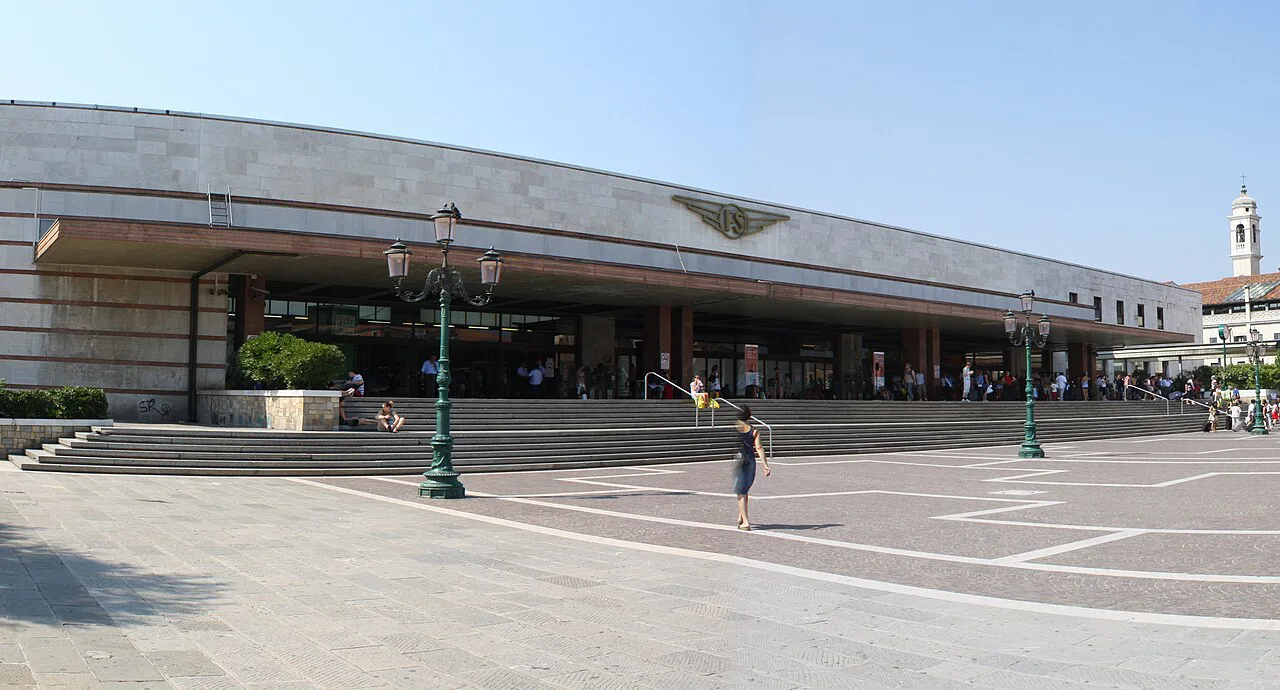
Last updated November 2026: the rome to venice train runs direct on high-speed services, with the fastest listed journeys at 3h 16m. Frecciarossa and Italo are the two main high-speed choices, and our hub on Italian high-speed trains covers the wider network. Fares climb as departure nears, so book early and confirm the arrival station before you pay.
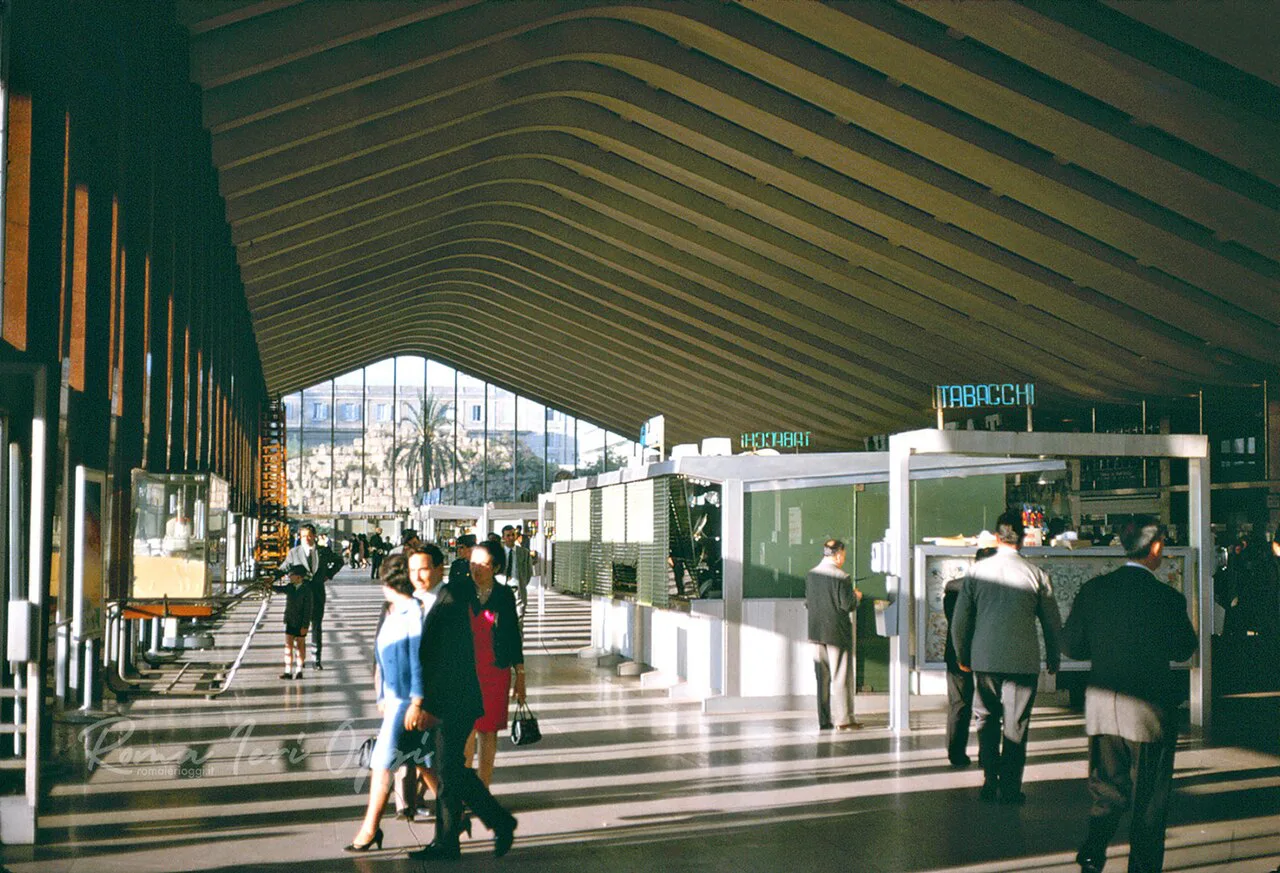
Featured image: SoftwareSimian, Public domain, via Wikimedia Commons.
Rome to Venice Train: The Quick Answer
Direct high-speed trains run from Rome to Venice, so you do not need to change for the fastest trips. Booking sites list the quickest journey at 3h 16m. A sample late-November timetable showed direct trains taking about 3h 38m to 3h 48m. Trains with one change ran closer to 4h 6m to 4h 17m, and one aggregate puts the average of direct and connecting trains together at 4h 2m. Do not treat that average as a typical direct time. The route covers roughly 394 km. Pick a direct train, check that it ends at Venezia Santa Lucia, and book as early as the fares open.
- Fastest listed journey: 3h 16m on the quickest high-speed services.
- Sample direct trains: about 3h 38m to 3h 48m.
- Trains with one change: about 4h 6m to 4h 17m.
- Distance: about 394 km by rail.
- Booking tip: advance fares are cheapest, and the lowest listed fare is €13.90.
Train Times and Frequency
Booking sites list around 17 direct trains a day on this route. They list around 29 trains in total once connecting journeys count. Those two numbers measure different things, so use the direct figure when you plan a no-change trip. Bus operators appear in the same search results, but they are not trains and run on a separate timetable. The first departure is listed at about 05:45. The last is listed at about 22:35. Timetables shift by weekday, season and engineering works, so check live times for your date before you build a day around a specific train. Late-morning and early-afternoon departures were the most regular in the sample listing, with direct trains leaving Rome at 10:45, 11:35, 12:36, 13:35 and 14:35. Treat that pattern as a guide, not a promise.
- Direct trains per day: around 17 listed.
- All trains including changes: around 29 listed.
- First departure: about 05:45.
- Last departure: about 22:35.
Frecciarossa vs Italo vs Slower Trains
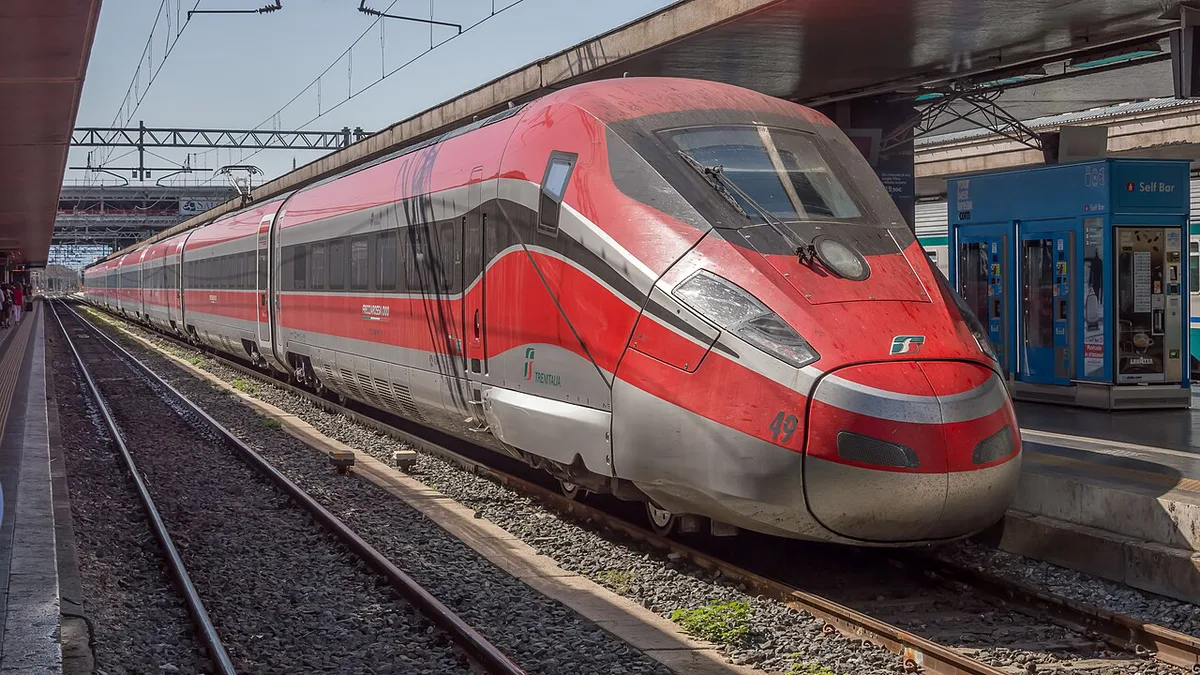
Frecciarossa is the Trenitalia high-speed brand, and Italo is the private competitor. Both run direct on this corridor. Both are fast enough that the decision usually comes down to departure time, price and comfort class. Our full breakdown in Italo vs Trenitalia: Which Italian High-Speed Train to Book? goes deeper on fares and flexibility. For Italo's classes and onboard service, read our Italo train guide. Slower Intercity or regional trains can cost less. They add time and are rarely worth it for a 394 km trip unless a high-speed fare is sold out. Italo publishes its own timetable and fare conditions on its official Italo site. Bags travel free on both high-speed brands. Italo's Smart class asks that bags stay within 75 x 53 x 30 cm.
| Option | Comfort classes | Onboard food | Best for |
|---|---|---|---|
| Frecciarossa | Standard, Premium, Business, Executive | FRECCIABistrò counter and at-seat ordering | Travelers who want a bar car and four service levels |
| Italo | Smart, Prima, Club Executive | Vending machines, no bar or restaurant car | Travelers who prefer a private operator and simple three-level choice |
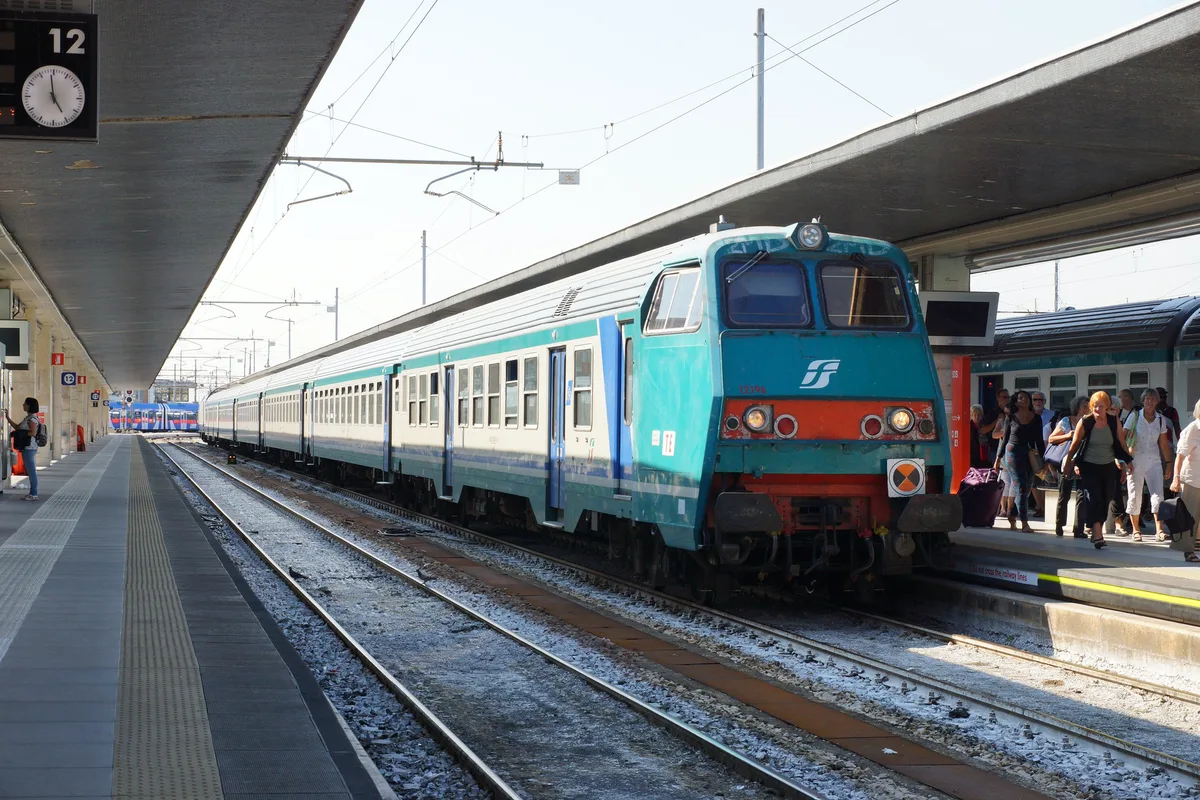
| Intercity or regional | Second Class Easy, First Class Plus on Intercity | Vending machines in car 3 on Intercity | Budget travelers with spare time and flexible plans |
- Choose the train by departure time first, then compare fares across both operators.
- Use Standard or Smart for a 3h 38m ride if you only need a seat.
- Look at Premium, Prima or Business when you want more space or a snack and drink included.
Frecciarossa Classes: When Upgrading Pays Off
Frecciarossa Standard has reclining seats, fold-down tables and free WiFi. Premium adds legroom and luggage space. Business adds extra legroom, glass dividers and a complimentary food box. Executive sits above that with lounge access. For a ride of under four hours, Standard is enough for most readers. Upgrade when the price gap is small or you plan to work on board. Our guide to Frecciarossa Business Class: Is It Worth It? (Seats, Perks, Tickets) shows what the extra fare buys. Italo's Prima and Club Executive follow the same logic, with extra space and a welcome service.
Tickets and Prices: How to Pay Less
Prices and hours checked November 2026. Booking sites show advance fares from €13.90 on this route. Other listings quote roughly €65 to €150, and those figures are unverified. Fares move with the day, the departure time and the class you pick, so check live prices on the operator's site. Rail fares in Europe usually go on sale three to six months ahead, and the cheapest seats sell first. Buying on the day of travel usually costs more.
- Book as soon as your date opens, because advance fares are the cheapest.
- Compare Frecciarossa and Italo for the same hour before paying.
- Be flexible on departure time, since off-peak trains often cost less.
- Read the change and refund rules before you buy, because cheap fares are usually the least flexible.
- Check whether your ticket needs validating at the station, since rules differ by ticket type.
- Reserve a seat on high-speed trains, because most fares include an assigned seat.
Rome and Venice Stations: Where You'll Actually Depart and Arrive
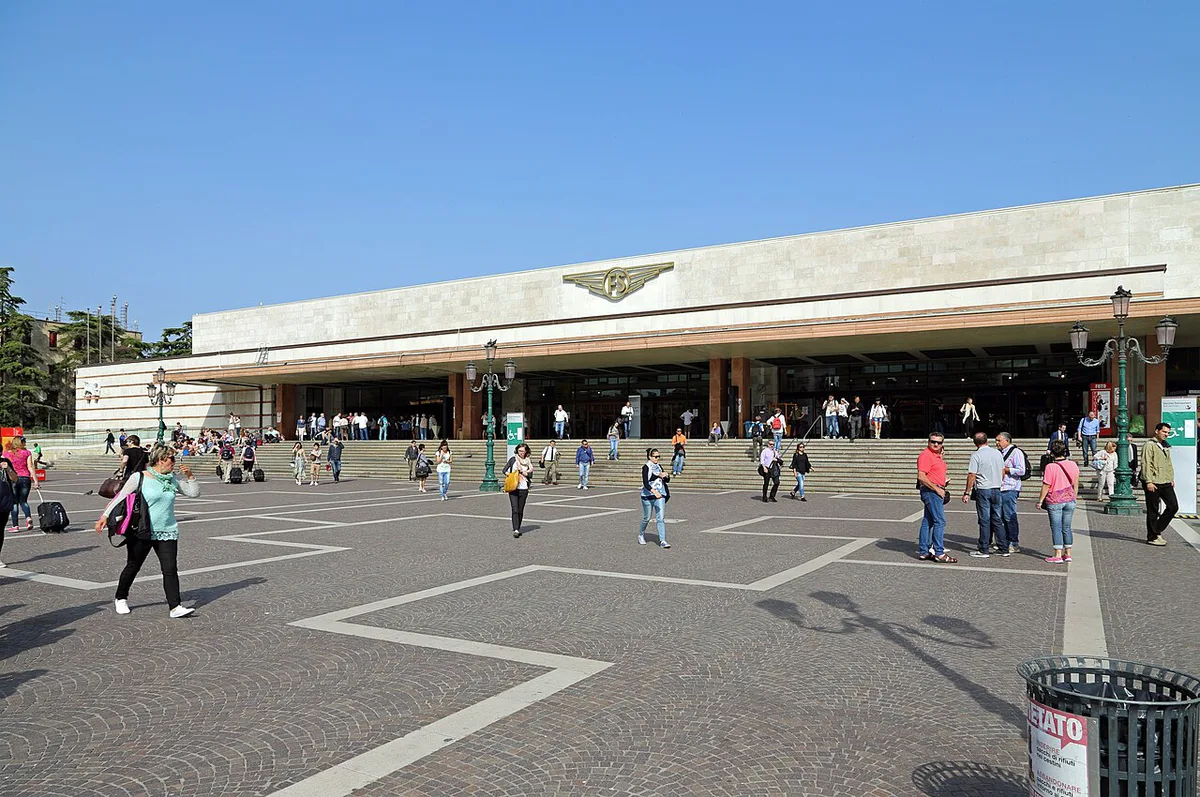
Rome has more than one major station. Roma Termini is the main hub, and Roma Tiburtina also handles long-distance services. Read the departure station on your ticket instead of assuming Termini, and allow extra time to reach it from your hotel. Venice has the same trap. Venezia Santa Lucia sits on the island itself. Venezia Mestre sits on the mainland, and a train that ends there leaves you with a second transfer into the old town. Check the destination name on the booking screen before you pay. A cheaper ticket to Mestre can cost more in time and effort than a direct ride to Santa Lucia.
- Departure: confirm Termini or Tiburtina on your ticket.
- Arrival: confirm Venezia Santa Lucia, not Mestre.
- If you land in Mestre, add a transfer to your plan before you commit.
- Arrive at the station early enough to find your platform without rushing.
Train vs Flying vs Driving
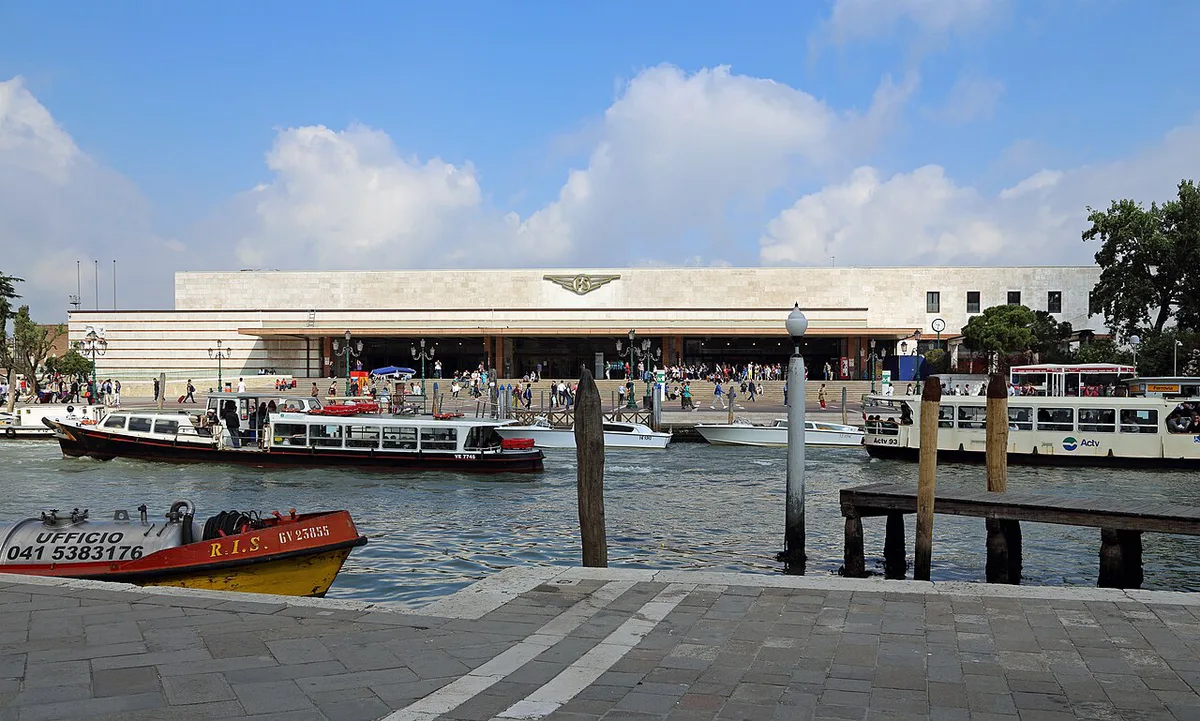
Compare door to door, not station to station. A train leaves from central Rome and arrives on the island at Venezia Santa Lucia. A flight adds airport transfers at both ends, check-in and security time, and a transfer from the mainland into Venice. Driving makes little sense, because Venice has no car access in its historic center. You would park on the mainland and switch to a boat or bus. For most travelers the train wins on simplicity once the full journey is counted. A flight only pays off if the fare gap is large and your hotel sits near the airport.
Is a Day Trip from Rome to Venice Realistic?
A same-day round trip is possible but tiring. With a first departure at about 05:45 and a last return at about 22:35, you could spend most of a day in Venice. Each leg takes at least 3h 16m, so travel alone eats more than 6 hours. That leaves a short window on the ground, and a delay could cost you the last train back. A day trip suits travelers who already know Venice or only want a first look at Piazza San Marco. Most readers do better with an overnight stay, which turns the ride into a relaxed arrival instead of a race.
Making Stops: Florence and Bologna En Route
Florence and Bologna both sit on the line between Rome and Venice. A stop breaks the 3h 38m ride into two shorter legs and adds a city to the trip. Read our Rome to Florence train guide for the first leg. The second leg is covered in our Florence to Venice train guide. If you plan to keep moving after Florence, Bologna to Florence trains help you shape a loop. A stop is worth it when you want one extra night. It is not worth it when you only have a day or two for Venice. If you are adding the south to the trip, see the Rome to Naples Train: Times, Tickets and Which to Take options.
After You Arrive in Venice
Santa Lucia station opens onto the Grand Canal, and the old town is walkable or reachable by water bus. Check the Venice transit operator, ACTV, for current vaporetto routes and fares before you travel. Pack light, because Venice's bridges have steps and your bags must go over them. Many travelers leave larger bags at their hotel or use station left-luggage if they arrive before check-in. Confirm luggage storage rules locally. Plan the walk from station to hotel before you arrive, and screenshot the route in case your signal drops.
- Plan your hotel route from Santa Lucia before you leave Rome.
- Carry bags you can lift over bridge steps.
- Check ACTV for water-bus lines and fares.
- Ask your hotel about early bag drop.
Venice to Rome and Wider Italy Routes
The return trip follows the same pattern, with similar journey times and the same fare rules. Book both legs together if your dates are fixed. Planning a wider Italy route? Our Milan to Venice train guide covers the northern leg. Our Milan to Rome train guide helps if you start from Milan. For Verona, see Milan to Verona trains. For Florence from Milan, see Milan to Florence trains. If you arrive in Italy from France, Paris to Milan by train covers the long-distance link.
Rail notes for your next trip
Optional updates when our rail guides change.
Related guides

More guides
Picked from the same area