
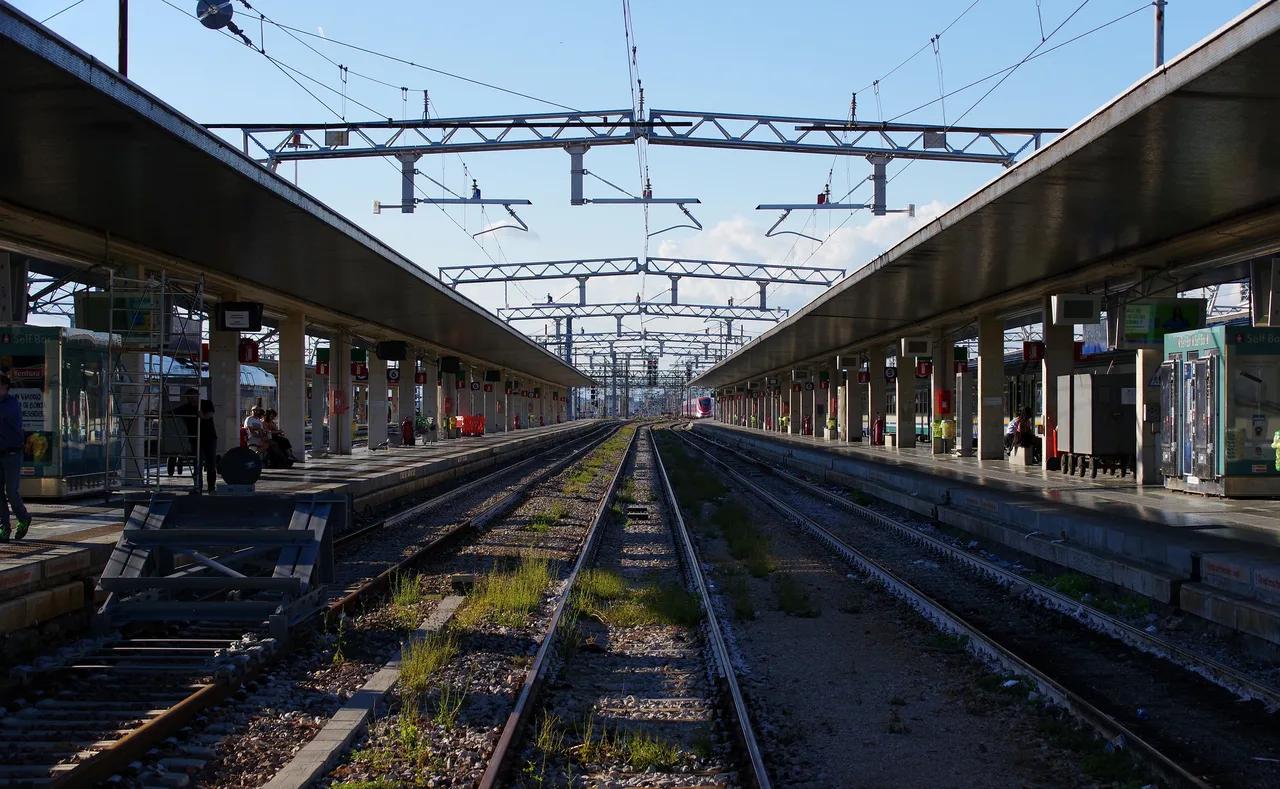
Last updated November 2026: the florence to venice train runs direct from Firenze Santa Maria Novella to Venezia Santa Lucia in about 2 hours to 2h15. Trenitalia and Italo both run it, with fares from €19 on Italo and from €23 on Trenitalia when you book ahead. We'd book early and pick Santa Lucia, not Mestre.
Featured image: mattbuck4950, CC BY-SA 2.0, via Flickr.
Florence to Venice at a glance
Here is the short version before the detail. Prices and hours checked November 2026, and fares move with demand, so treat the figures as starting points.
- Route: Firenze Santa Maria Novella (SMN) to Venezia Santa Lucia.
- Direct high-speed time: about 2 hours to 2h15, depending on the service.
- Operators: Trenitalia (Frecciarossa, Frecciargento) and Italo.
- Fares: from €19 on Italo and from €23 on Trenitalia, one way, booked ahead.
- Distance: about 255 km by road via the A13.
- Book: on the operator's own site or app, as early as your dates are fixed.
Florence to Venice train options compared
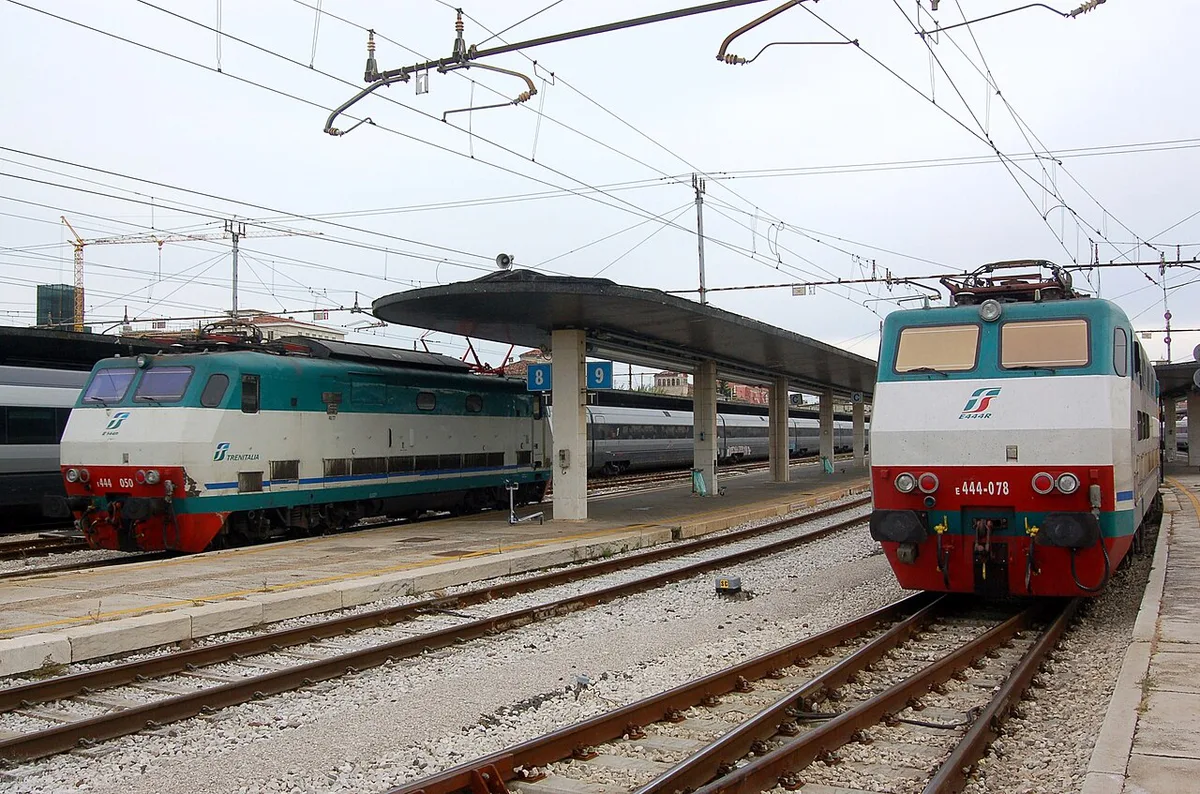
Two direct high-speed choices cover most trips. Frecciarossa and Frecciargento are Trenitalia's fast trains, and both run direct. Italo is the private operator, and it also runs direct. Slower Intercity and regional trains exist, but we'd treat them as fallbacks. Intercity trains often leave from Firenze Rifredi and can end at Venezia Mestre, which sits on the mainland and needs an extra connection into Venice.
| Option | Typical time | Arrives at | Fare (one way) | Best for |
|---|---|---|---|---|
| Frecciarossa / Frecciargento | About 2h to 2h15, direct | Venezia Santa Lucia | From €23 when booked ahead | Most travelers, flexible Trenitalia fares |
| Italo | About 2h to 2h15, direct | Venezia Santa Lucia | From €19 when booked ahead | Lowest advance fare, early planners |
| Intercity | About 2.5 to 3 hours | Often Venezia Mestre | About €20 to €25 reported | Light packers on a tight budget |
| Regional | Up to 4h45, with changes | Check at booking | From about €21 reported | Only when nothing else is left |
Trenitalia or Italo: which one to pick
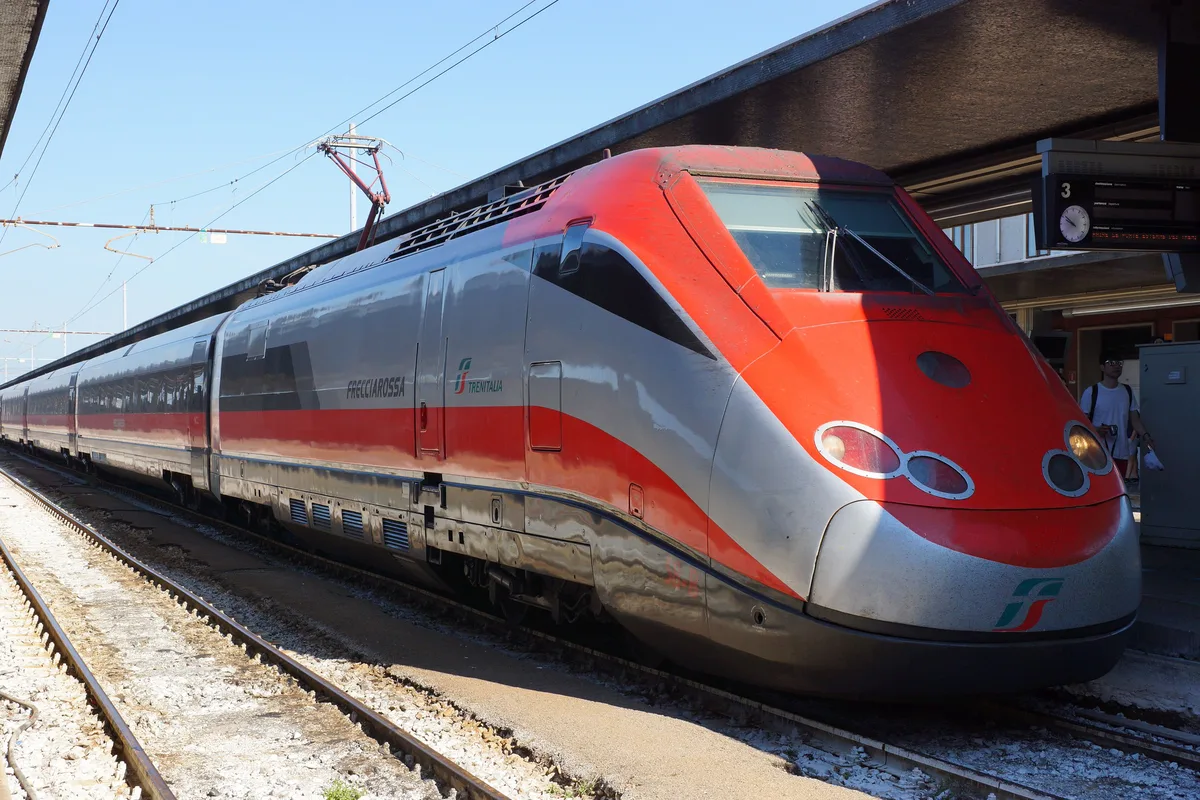
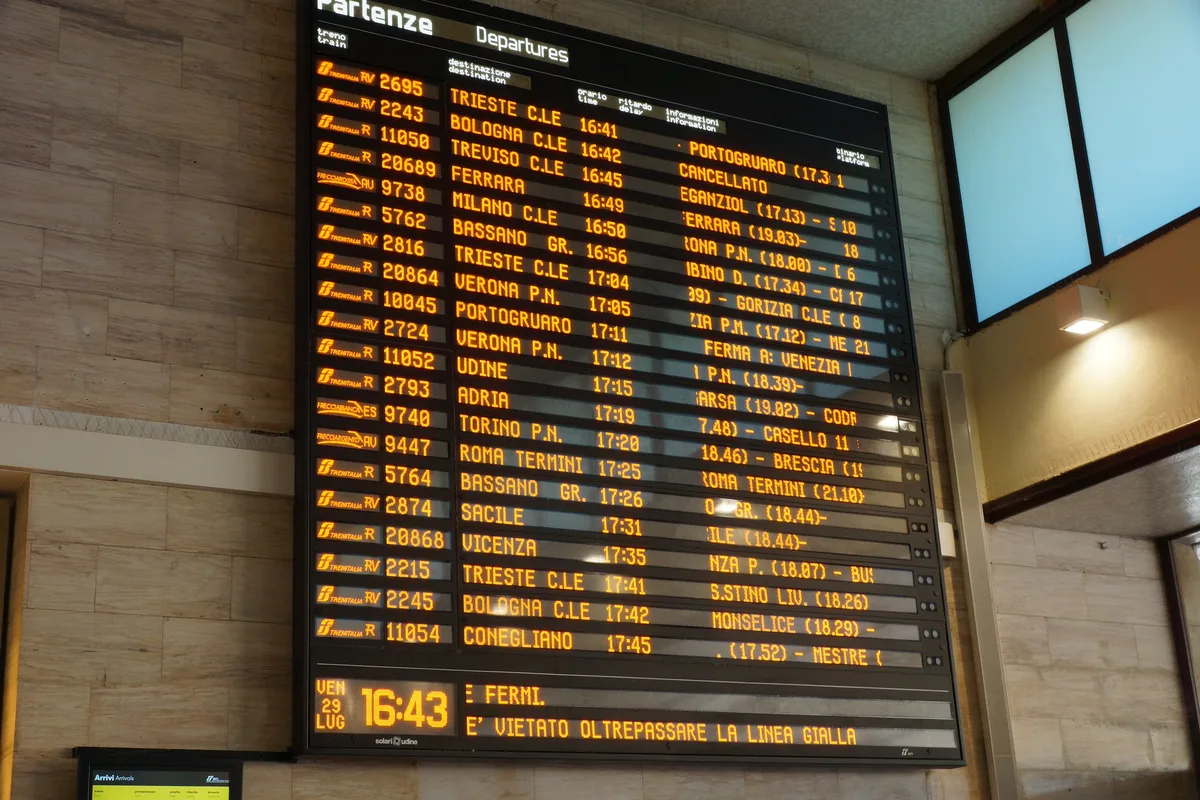
Both operators hold set allocations of cheaper seats, so the lower fare usually goes to whoever books first. Our pick is simple: compare both on your date and take the cheaper direct train to Santa Lucia. Italo is the tighter option for a day trip, because its last train back leaves Venice at 6:05 pm. Trenitalia's last direct return leaves just before 7:30 pm, which gives a longer evening. Those are example times, so check the live timetable for your date. For a full side-by-side, read our Italo versus Trenitalia comparison. First-time riders can start with our guide to Italian high-speed trains. You can also see Italo's own fares and timetables on the Italo official site.
How to book and pick the right ticket
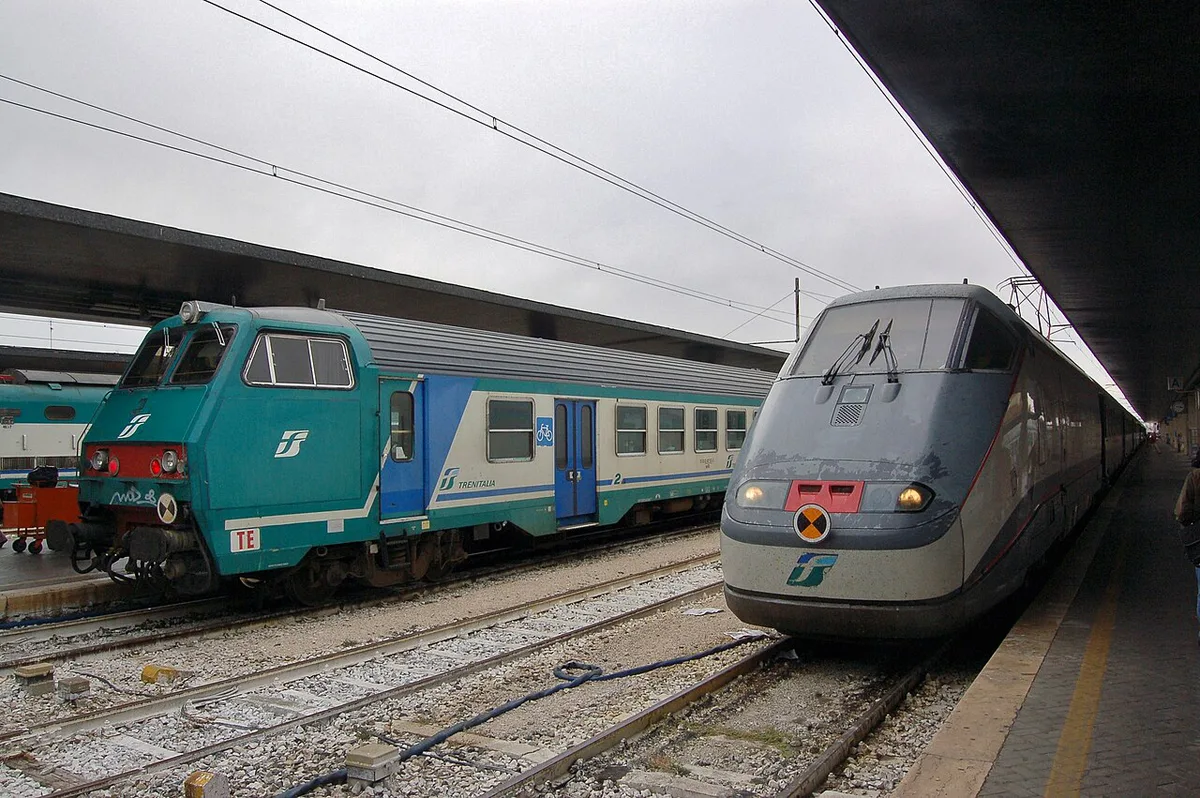
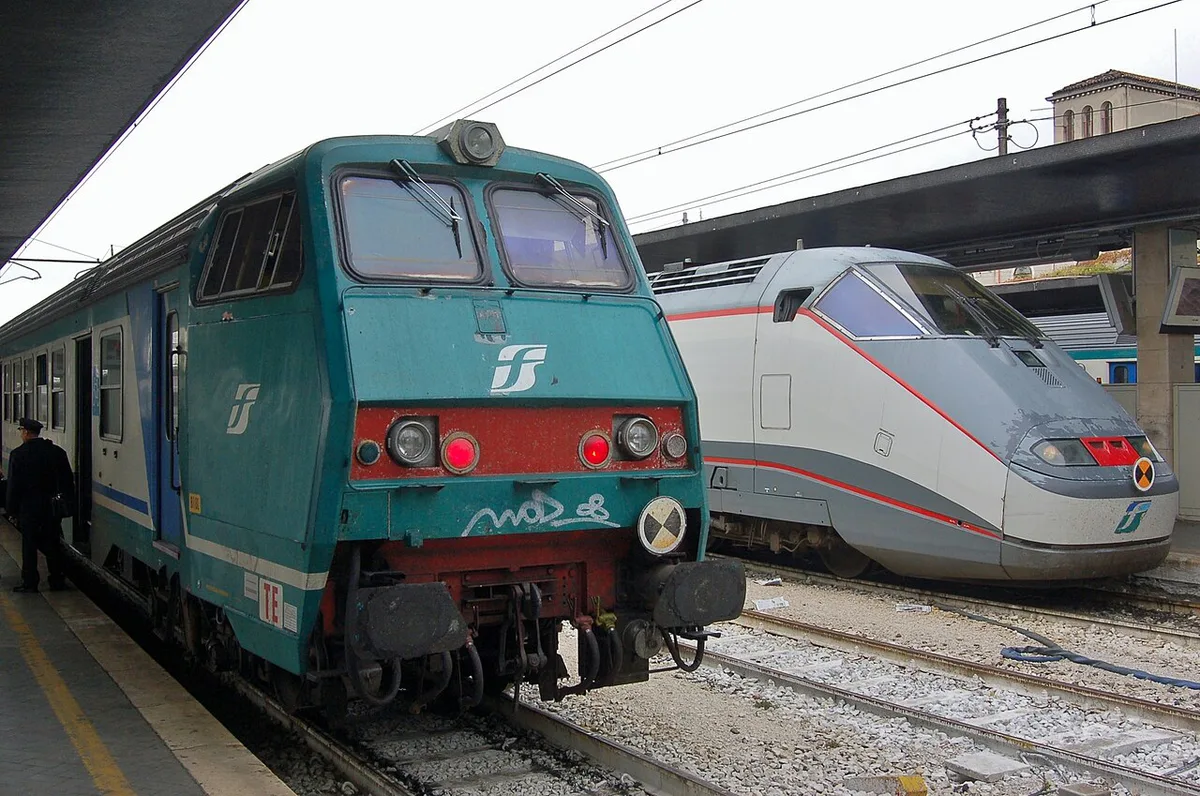
Book direct on the operator's site or app, and do it as soon as your date is fixed. Early fares start at €19 on Italo and €23 on Trenitalia. Last-minute tickets can climb well past €60, so waiting costs real money. Base, Economy and Super Economy are fare types, and they mainly differ in how much you can change or refund. Standard, Premium and Business are seat classes. We'd choose Standard or Premium for a two-hour ride. A flexible fare makes sense only if your plans might shift, such as a day trip that depends on the weather. Business class is for travelers who want more space, and our Frecciarossa business class guide covers what that adds. The biggest booking trap is the arrival station. Select Venezia Santa Lucia on the island, not Venezia Mestre on the mainland. Mestre is a fair way from the sights and adds a connection.
Stations and the last mile into Venice
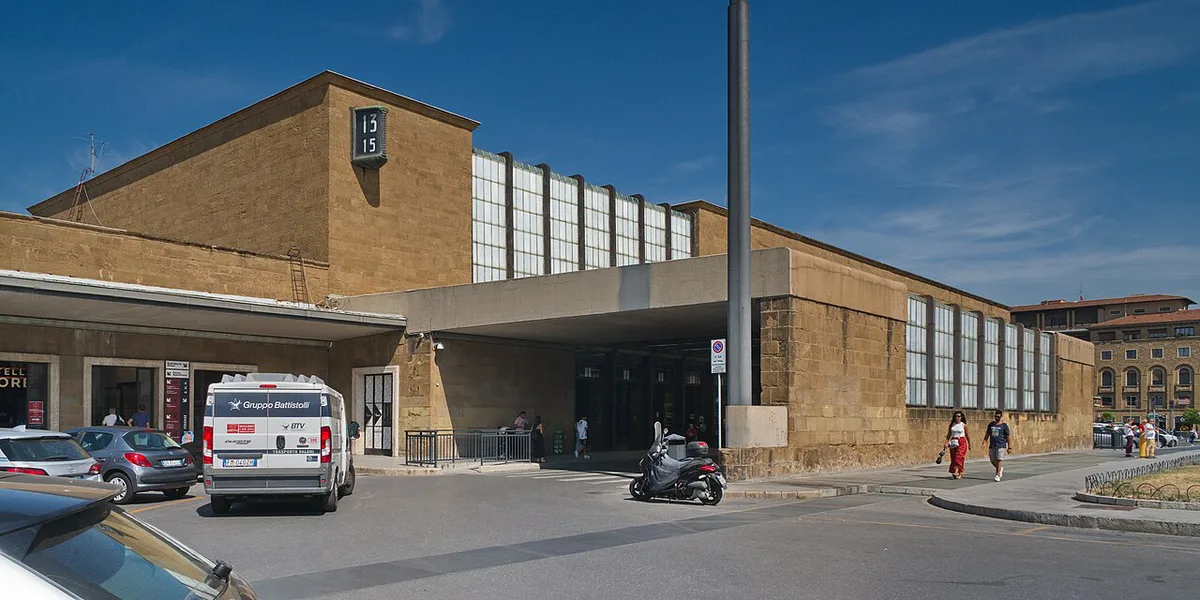
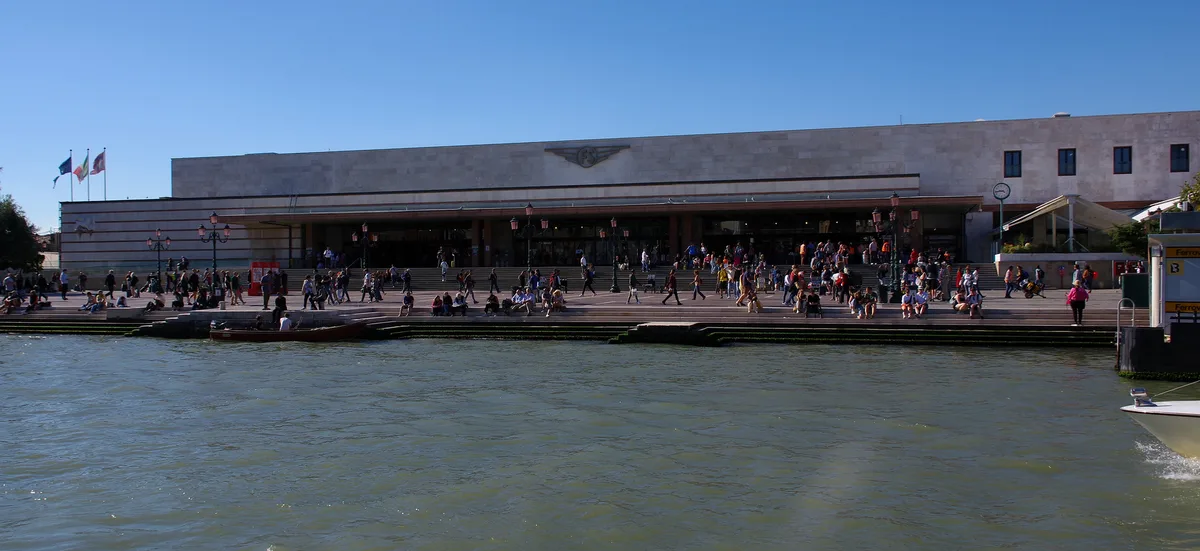
Firenze Santa Maria Novella is a ten-minute walk from the Duomo, so you can leave your hotel without a taxi. Venezia Santa Lucia opens straight onto the Grand Canal. Walking from there to St. Mark's Square takes about 30 minutes, crossing canals and passing the Rialto Bridge. Bridges mean steps, so a small bag beats a big suitcase here. Vaporetto stop Ferrovia sits outside the station. Line 1 is slower and line 2 is faster, and both run down the Grand Canal toward Rialto and San Marco. Line 1 takes about 40 minutes to San Marco. A single ticket costs €9.50 and is valid for 75 minutes. A one-day pass costs €25. We'd tap a contactless card on the reader, because fares cap automatically at the best value. ACTV, the Venetian transit operator, publishes the current rules. If you travel with luggage, check whether the station offers bag storage before you count on it.
Factor in the walk: Santa Lucia to St. Mark's takes about 30 minutes, and Italo's last train leaves Venice at 6:05 pm.
Venice day-trip access fee
Day trippers arriving on the busiest dates pay an access fee. It typically covers around 60 days between April and July, mostly Fridays to Sundays. It applies to arrivals between 8:30 am and 4 pm. Register at cda.ve.it, the official portal. The fee is €5 if you book at least 4 days ahead and €10 if you leave it later. Keep your QR code on your phone, because a fine for arriving without one runs into three figures. Dates shift from year to year, so look at the calendar before you buy a train ticket. Overnight guests follow different rules, so check the portal for your own case.
Booking early saves twice: the access fee is €5 if you book at least 4 days ahead, and late train fares can climb well past €60.
Is a Florence to Venice day trip worth it?
It works, but it is a long day. The round trip uses over 4 hours on the train even on the fast service. We'd do it only if you are a confident early riser with one clear plan. Skip it if you want to see Murano and Burano, because there is not enough time. Also skip it if you hate rushing or want to see the city after dark. One or two nights in Venice give you quiet evenings and less pressure. Cannaregio is a good base, and it sits close to Santa Lucia for your train home. A realistic day trip uses this skeleton.
- 7:20 am to 7:39 am: first direct departures from Florence SMN.
- About 9:45 am: arrive at Santa Lucia and take vaporetto line 1 down the Grand Canal.
- Late morning: St. Mark's Square, with the Basilica or the Doge's Palace booked ahead.
- Afternoon: walk to the Rialto Bridge and then toward Cannaregio.
- Before 6:05 pm or 7:30 pm: board your last train back, with a buffer.
Other ways: bus, car and flight
Buses are cheaper but slower. FlixBus takes about 3.5 to 4.5 hours, with promo fares from about €6 to €10. Baltour takes about 4 hours at €17 to €26, and Buscenter takes about 4.5 to 5 hours at about €24. A bus saves little against a booked-early train and takes about double the time. Driving covers about 255 km via the A13 in roughly 2h40, or about 340 km via the A4/E70 in about 3.5 hours. We'd drive only if Venice is one stop on a longer road trip. Cars cannot enter Venice, so you park at Tronchetto or Piazzale Roma and continue on foot or by vaporetto. Flying has no direct flights, takes 4 hours or more, and often costs over €100. Skip it.
Common mistakes on the Florence to Venice route
Most problems come from five avoidable slips. Fix them before you pay.
- Buying Venezia Mestre instead of Venezia Santa Lucia.
- Waiting until the week of travel, when fares can pass €60.
- Ignoring access-fee dates on a Friday to Sunday in spring or summer.
- Planning to catch the last return with no buffer, since Italo's leaves at 6:05 pm.
- Packing a large suitcase for a city of bridges and steps.
Extending the trip from other cities
Reaching Florence first? Our Rome to Florence train guide covers that leg. From the north, see our Milan to Florence train guide. Heading to Venice from elsewhere instead? Our Rome to Venice train guide and Milan to Venice train guide cover the other approaches.
Rail notes for your next trip
Optional updates when our rail guides change.
Related guides
More guides
Picked from the same area