
Milan to Venice Train: Times, Tickets, Stations (2026)
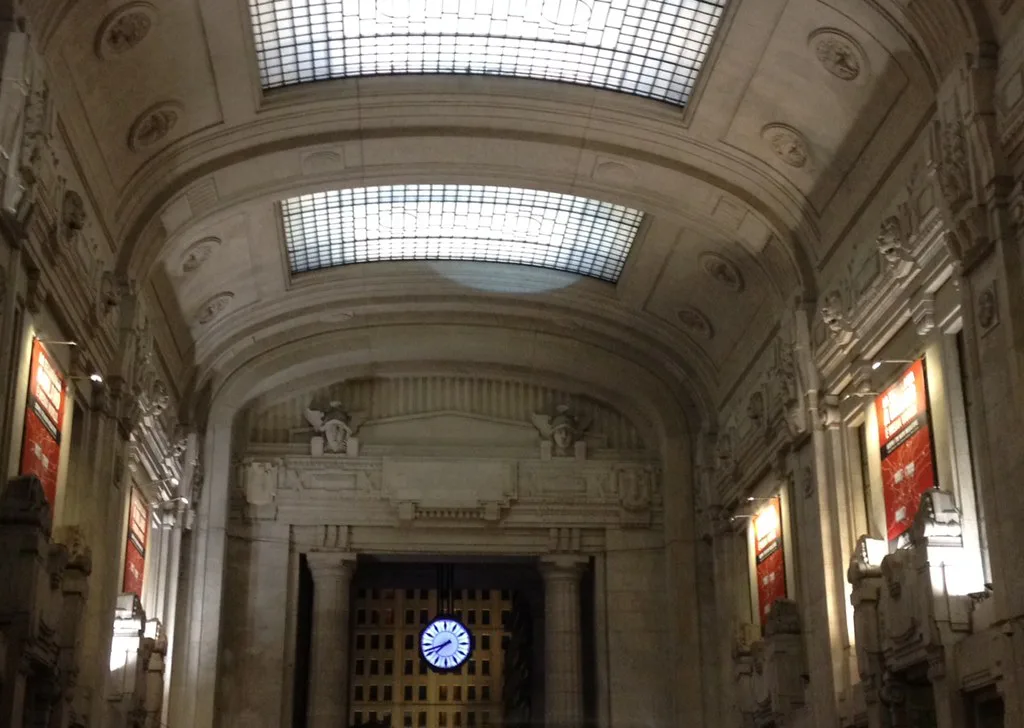
Last updated November 2026. The milan to venice train is a high-speed ride from Milano Centrale to Venezia Santa Lucia, taking about 2h10-2h30 on Italo or Trenitalia Frecciarossa. We'd book that direct service in nearly every case, and this guide shows how to pick the operator, the station and the ticket. For the wider network, start with our overview of Italy's high-speed rail network.
Featured image: CKGolf, CC BY-SA 2.0, via Flickr.
Milan to Venice by Train: The Short Answer
Take a direct high-speed train from Milano Centrale to Venezia Santa Lucia. Journey time runs from about 2h10 on the quickest Italo to 2h30 on slower high-speed services. Two operators run the route, Italo and Trenitalia's Frecciarossa. Santa Lucia sits on the Grand Canal, so you step off the train inside the historic centre. Advance fares start from about €19.90 and typically run €20-45 for Santa Lucia, depending on how early you book. Prices and hours checked November 2026. Regional trains cost less on a last-minute basis, around €22 one way, but take 3.5-4 hours with a change. Our pick for most travellers is a direct high-speed train booked a few weeks ahead.
- Fastest: direct Italo or Frecciarossa, about 2h10-2h20.
- Cheapest on the day: regional train via Verona, around €22, or a bus from Milano Lampugnano, sometimes under €10.
- Most flexible: a flexible-fare high-speed ticket that allows changes.
- Best for a day trip: a morning high-speed departure, with a return ticket fixed in advance.
Milan to Venice Train Time and Frequency
Direct Frecciarossa services are cited at about 2h12, and Italo at 2h10-2h20. Slower high-speed trains that call at Verona, Vicenza or Padova add a few minutes. At peak, trains leave Milano Centrale every 20-30 minutes. Italo runs up to 10 daily services on this route, and Trenitalia runs more. Regional trains need 3.5-4 hours or more. Most change at Verona Porta Nuova, where a Trenord train from Milan hands you to a Regionale Veloce for Venice. Look at the journey time before you pay, because a cheap-looking ticket can hide a change. For the Verona leg on its own, see our Milan to Verona train guide.
- High-speed, direct: about 2h10-2h30, trains every 20-30 minutes at peak.
- Regional with a change at Verona Porta Nuova: 3.5-4 hours or more.
- Bus from Milano Lampugnano: about 3h10-3h50.
- Example morning plan: leave Milano Centrale around 7:00 and reach Santa Lucia around 9:30.
Italo vs Frecciarossa on This Route
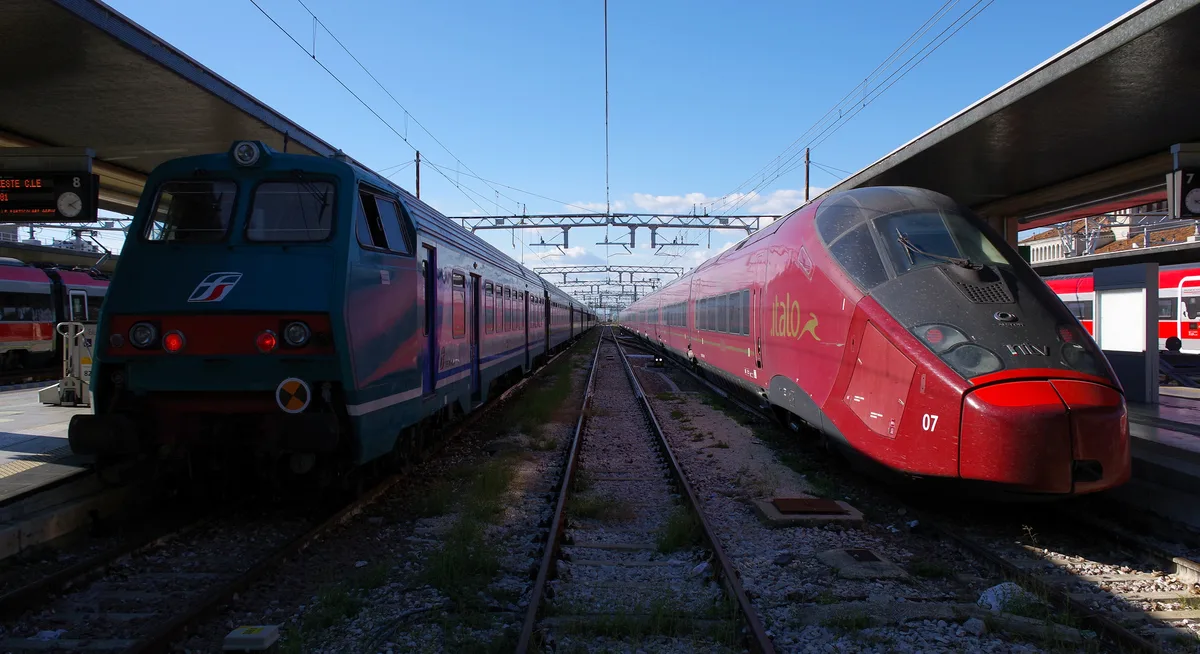
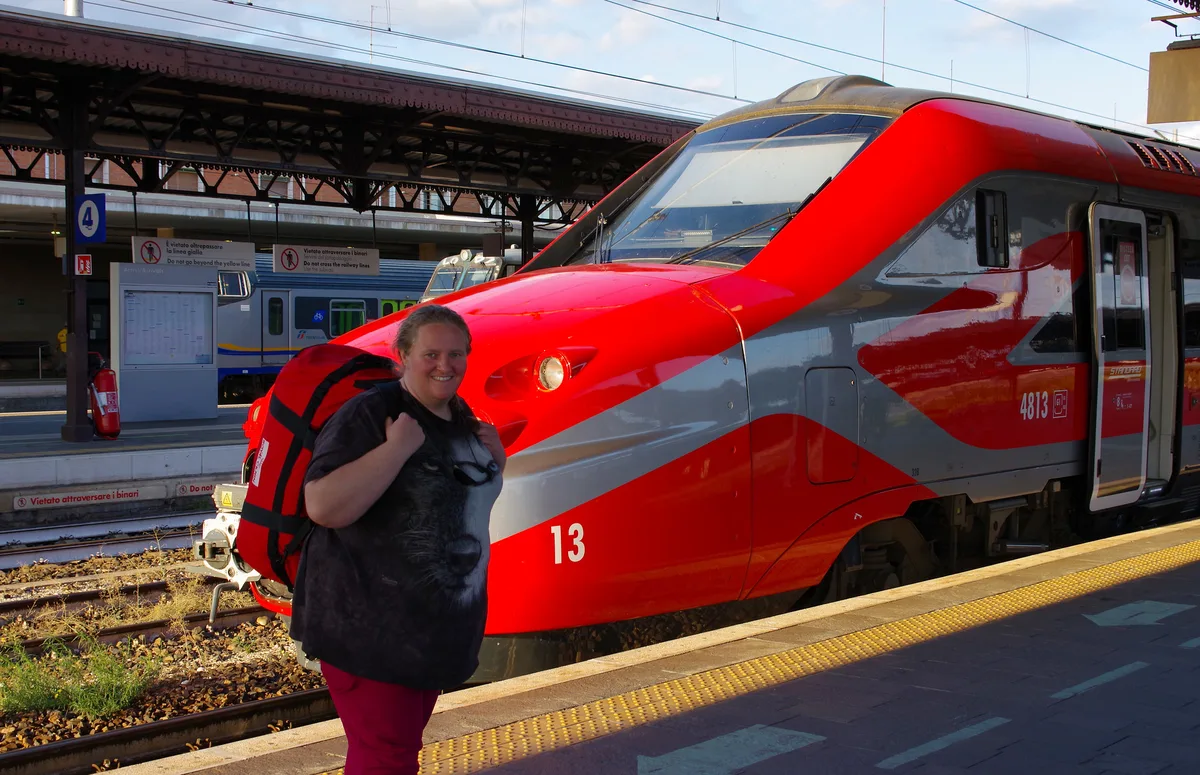
Both operators run modern, fast trains with power sockets and Wi-Fi. Italo classes are Smart, Prima and Club Executive. Frecciarossa classes are Standard, Premium, Business and Executive. Italo trains leave Milano Centrale and arrive at Venezia Santa Lucia or Venezia Mestre, according to the service. Many Frecciarossa trains run straight through to Santa Lucia with no change. We'd compare the two on the exact departure you want, because price and time swing by hour. Our Italo versus Trenitalia comparison covers the full trade-offs. Read the Italo train guide for its classes and booking steps. Extra legroom and service come with higher classes, as described in our Frecciarossa Business class review. You can check Italo timetables and offers on its official booking site.
- Italo: Smart, Prima, Club Executive.
- Frecciarossa: Standard, Premium, Business, Executive.
- Both: online booking, apps and station machines.
Santa Lucia or Mestre: Which Station to Book
Santa Lucia is on the Grand Canal. Choose it if your hotel is in the historic centre, because you arrive among the canals and water buses. Mestre is on the mainland, about 10 minutes from Santa Lucia by local train. Choose Mestre if your hotel is in Mestre or Marghera, if you need parking, or if you plan to continue by car or bus to other Veneto towns. Local trains link the two stations, so look up the frequency on the day. Booking a Mestre-only ticket by mistake is the classic error. It leaves you with a second ride and a second ticket to find. We'd always check the arrival station on the confirmation, not just the word Venice.
- Choose Santa Lucia if: you are sleeping in the historic centre or travelling with luggage.
- Choose Mestre if: your hotel is on the mainland, you have a car, or you are heading to other Veneto towns.
- Departure check: Milano Centrale is the main hub for both operators, but some Frecciarossa trains leave from Milano Porta Garibaldi, so read your ticket.
Milan to Venice Train Tickets and Cost
High-speed fares from about €19.90 are the lowest published starting point we found. Typical Santa Lucia fares fall between €20 and €45, depending on how far ahead you buy. Advance fares are tied to a specific date and time. Flexible fares cost more but let you change or cancel. Prices rise as departure approaches, so buy as soon as your plan is firm. Promotions of up to 50-60% off are claimed for booking 30-60 days out, though we treat those as best-case offers. Regional trains have a set ordinary fare, with a last-minute price around €22 one way, and changes are possible up to a day before travel. Book on the operators' websites, on their apps or at station machines. Online booking is the safest way to lock a seat and a price. Both Italo and Trenitalia run promotions through the year, so check both before paying. Rules on refunds and changes differ by fare, so read the conditions at checkout.
- High-speed advance fare: from about €19.90.
- Typical Santa Lucia range: €20-45.
- Regional last-minute: around €22 one way.
- Bus: sometimes under €10 one way.
Train, Bus, Car or Flight: Trade-Offs
Rail wins for most trips. Bus can undercut it on price. Car and flight rarely make sense. Driving takes about 3 hours over roughly 270 km, plus motorway tolls and parking in Mestre or Venice. A flight loses time to airport transfers and security.
Bus from Milano Lampugnano takes 3h10-3h50, against 2h10-2h30 by high-speed train, but fares can sometimes drop under €10.
| Option | Time | Cost signal | Best for |
|---|---|---|---|
| High-speed train | About 2h10-2h30 | Typically €20-45 | Speed, day trips, city-centre arrival |
| Regional train | 3.5-4h, often with a Verona change | About €22 last-minute | Flexible changes, no-frills travel |
| Bus (FlixBus, Itabus) | About 3h10-3h50 | Sometimes under €10 | Tight budgets |
| Car | About 3h | Tolls plus parking | Groups, stops en route |
| Flight | Slower door to door | Highest | Not worthwhile |
- Luggage: train, because bags stay with you at your seat.
- Group: car, if you accept tolls and parking in Mestre or Venice.
- Flexibility: a flexible rail fare or a regional ticket.
Is the Milan to Venice Train Ride Scenic?
Mostly not. Much of the route crosses the Po Valley, passing Brescia, Verona and Padova. Fields and small Veneto towns fill the window. The highlight is the Ponte della Libertà, about 4 km long, where the lagoon opens on both sides before Santa Lucia. Sources disagree on which side gives the better view, so we won't promise one. Sit by a window, travel in daylight and look up as the train slows for the bridge.
Day Trip from Milan to Venice by Train
A day trip works. Taking a train that leaves Milano Centrale around 7:00 puts you at Santa Lucia around 9:30. That leaves a full day for St. Mark's Square, the Rialto Bridge and a canal-side lunch. Book your return when you book the outbound, because evening services fill and fares rise. Look up the last departure before you commit to a long dinner. With a return seat locked in, you can budget roughly 8 hours in the city without rushing. Luggage storage near Santa Lucia exists through commercial services, so look up current options if you arrive with bags. We'd choose an overnight stay if you want Venice after the day-trippers leave.
Italo runs up to 10 daily services on this route, but evening departures fill fast, so lock your return seat early.
- Outbound: a morning high-speed train, arriving about 2h15 later.
- Midday: walk from Santa Lucia, mix sights with a long lunch.
- Return: book a fixed seat and note the last train.
Arriving at Venezia Santa Lucia: First Steps
Santa Lucia opens onto the Grand Canal. Water buses leave from the stops outside the station, and the historic centre has no cars. Look up current ticket types and line numbers on the official ACTV or Venezia Unica pages before you travel. Walking works for many central addresses, but pack lightly because bridges have steps. Marco Polo Airport is a separate transfer, so if you fly out the next day, plan that leg in advance.
Common Mistakes and Practical Tips
Most problems come from small ticket details. A quick check at booking avoids nearly all of them.
- Booking a regional train with a change when a direct service costs a similar amount.
- Arriving at Mestre by mistake when your hotel is in the historic centre.
- Leaving the return to the last minute.
- Trusting aggregator "from" prices, which blend regional trains and connections.
- Missing that some Frecciarossa services continue beyond Venice, so confirm your ticket's final station.
- Heading to the wrong Milan station, since a few services use Porta Garibaldi.
Onward Trains After Venice
Venice connects well to the rest of the network. From Venice, Florence to Venice trains run in the other direction. If you are arriving from Rome, our Rome to Venice train guide covers that leg. Heading south after Venice, see the Milan to Florence train guide for timings from Milan. Our Milan to Rome train guide covers the longer run. Building a bigger trip into Milan first? Our Paris to Milan train guide shows the overnight and daytime options.
Frequently Asked Questions
How much is the Milan to Venice train?
High-speed fares start from about €19.90 and typically run €20-45 to Santa Lucia, depending on how early you book. A last-minute regional ticket is around €22 one way. Fares change, so check the operator's site for your date.
What is better, Italo or Trenitalia?
Both run direct high-speed trains of about 2h10-2h30. Italo is often the fastest and can be cheapest in advance, while Frecciarossa offers more departures. Compare the exact train you want.
Is it better to buy train tickets online or at the station in Italy?
Online is usually better, because advance fares are date-specific and prices rise near departure. Station machines work, but you may pay more on the day. Italo and Trenitalia both sell through their websites and apps.
Rail notes for your next trip
Optional updates when our rail guides change.
Related guides
More guides
Picked from the same area