
ICE Train Germany: Routes, Tickets & Passes Explained

Last updated November 2026: an ice train in Germany means the ICE, short for InterCityExpress, which is Deutsche Bahn's high-speed long-distance service. It links major cities on corridors such as Berlin–Munich and Frankfurt–Cologne, and some routes cross the border. This guide covers Germany's trains, not the US Steamtown excursion that shares the name, and the wider network is in our Germany train guide.
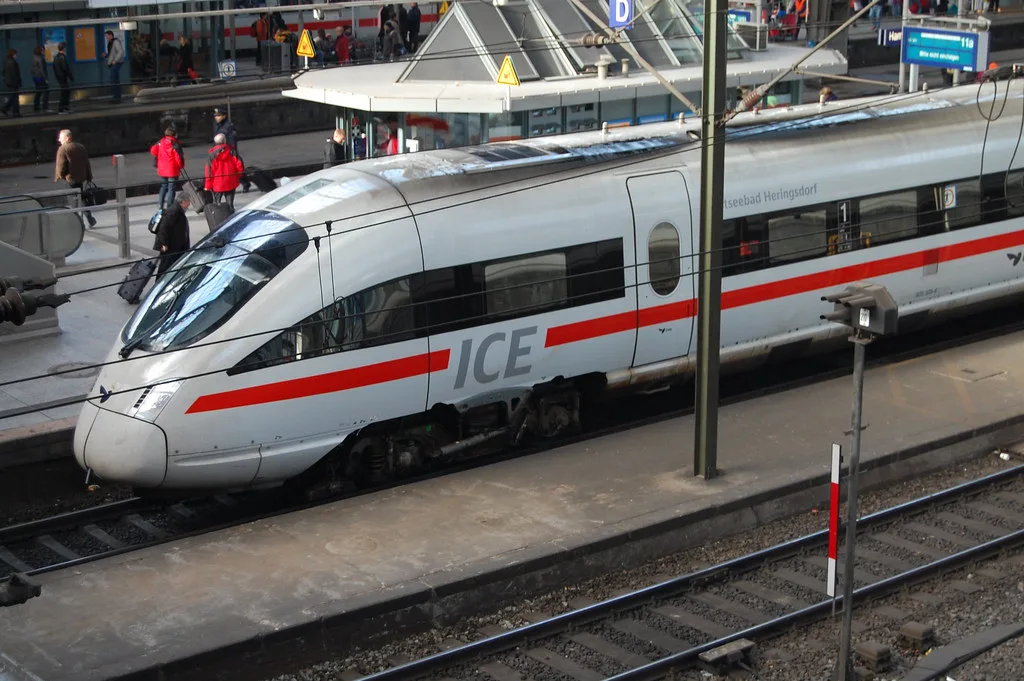
Featured image: Isiwal, CC BY-SA 4.0, via Wikimedia Commons.
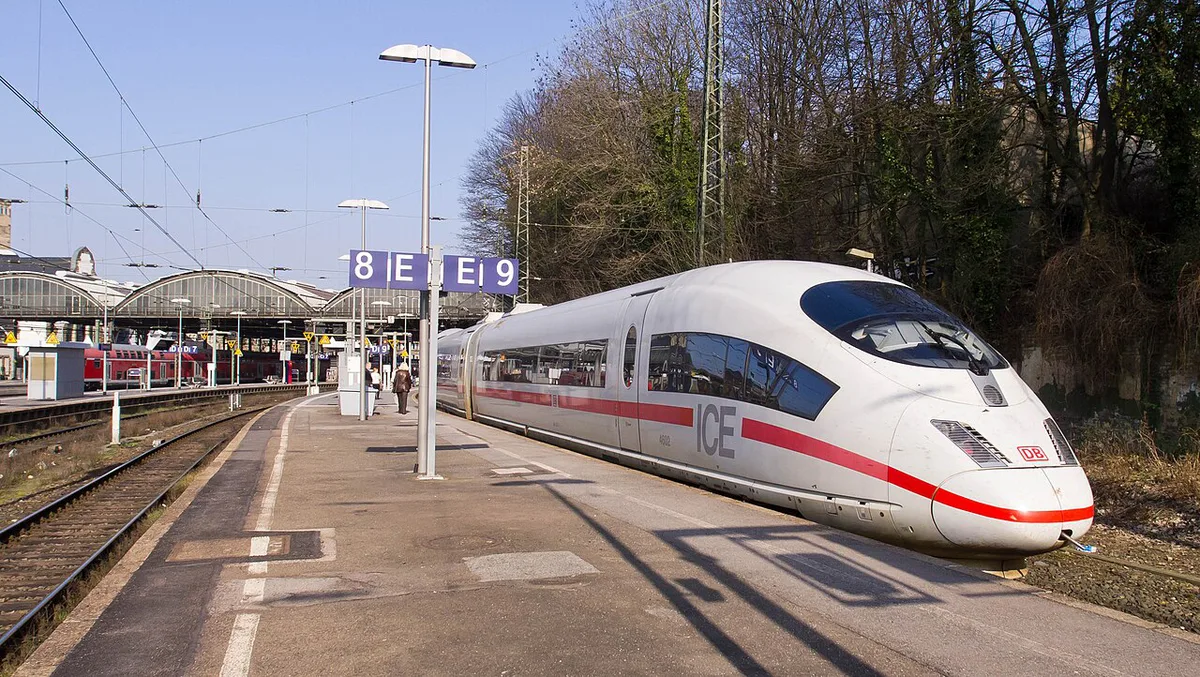
What an ice train is and where it runs
ICE stands for InterCityExpress. Deutsche Bahn (DB) runs the brand as its flagship long-distance product. Trains call at big-city stations, usually the Hauptbahnhof (main station), and skip most small towns. Some services continue into neighboring countries. Your ticket decides whether you may board, so read the next sections before you buy anything.
ICE vs other trains: IC, EC, RE/RB and Flixtrain
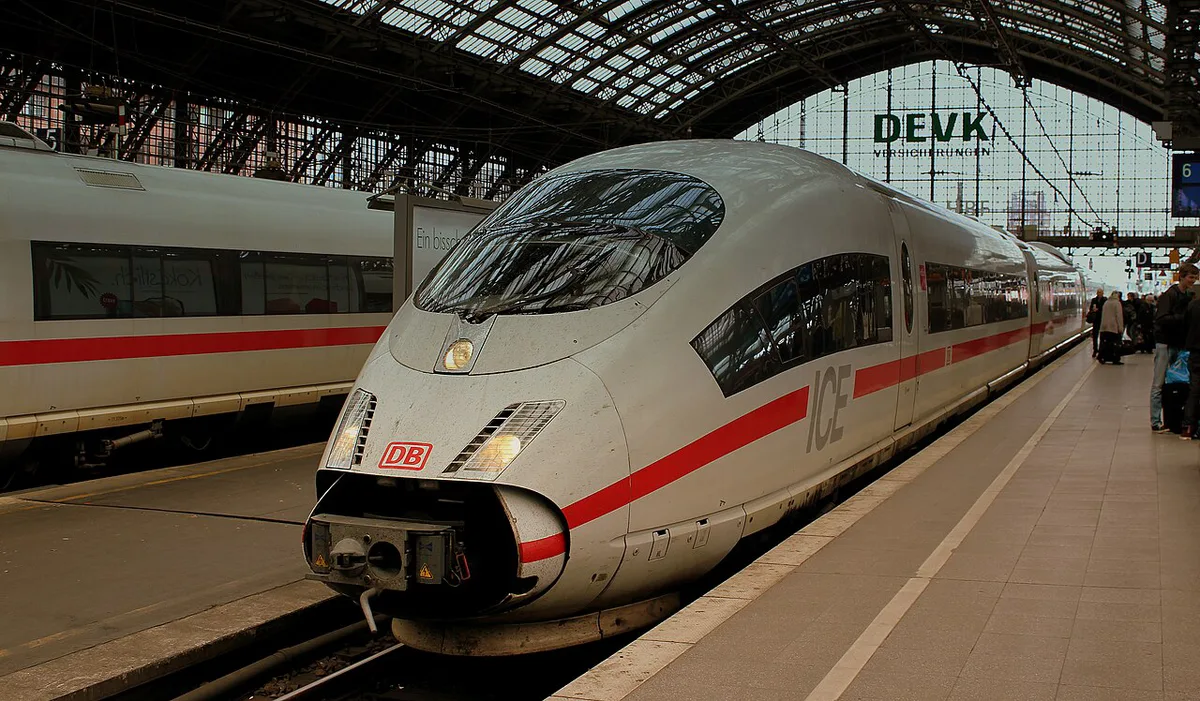
Germany runs several train types side by side, and they are not interchangeable on tickets. Regional trains (RE and RB) serve local stops and accept regional passes. Intercity (IC) and EuroCity (EC) trains are long-distance services that sit below the ICE in the DB lineup. Flixtrain is a separate private operator with its own tickets.
| Train type | Stop pattern | Tickets accepted | Best use |
|---|---|---|---|
| ICE | Major cities, few stops | DB long-distance fares, rail passes | Long city-to-city trips |
| IC / EC | More stops than ICE | DB long-distance fares, rail passes | Routes without ICE service |
| RE / RB | Frequent local stops | Regional tickets, Deutschlandticket | Short trips and day trips |
| Flixtrain | Selected city pairs | Flixtrain's own tickets only | Budget-first travel |
Why an ICE train can feel slow
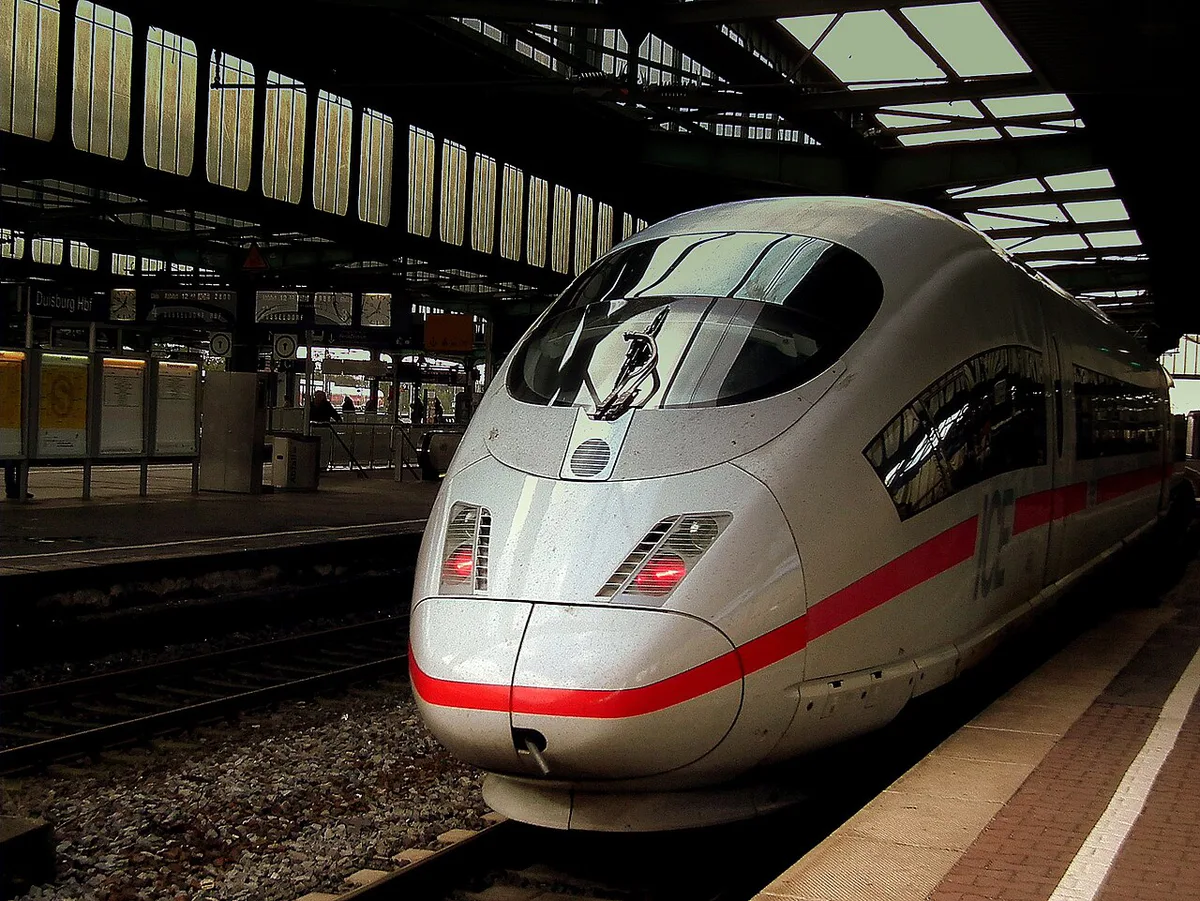
A top speed on paper is not your average speed. Stops, slower track sections and junctions pull the average down. Delays add to the gap. A fast train over a short corridor can still lose time to a transfer. Compare the full door-to-door time in the DB Navigator timetable instead of judging by the brand name. Treat any quoted top-speed figure as a ceiling, not a promise of your journey time.
Tickets and passes for ICE
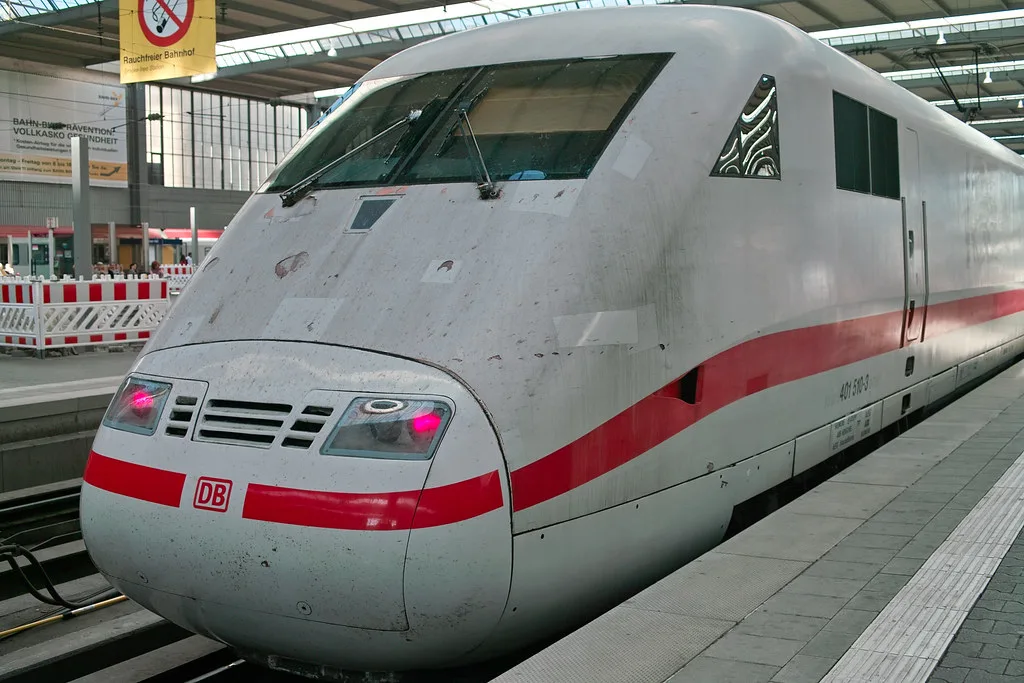
ICE needs a long-distance ticket or a pass that covers it. Regional-only tickets do not work. DB sells flexible fares and cheaper advance fares that tie you to one train. Rules differ by fare, so read the conditions before you pay. Our DB ticket guide explains the fare types in detail.
- First-timer with fixed plans: book an advance fare early and accept that it ties you to one train.
- Flexible plans: choose a flexible fare so a late connection does not cost you the ticket.
- Frequent rider: check whether a BahnCard discount card pays for itself.
- Visitor with several long trips: compare the German Rail Pass: Is It Worth It? Options and Alternatives against single fares.
- Regional pass holder: a Deutschlandticket generally covers regional trains but not ICE, so use it for local legs.
- Bavaria day-tripper: the Bayern-Ticket is a regional pass too, so it does not replace an ICE fare.
How to book and ride
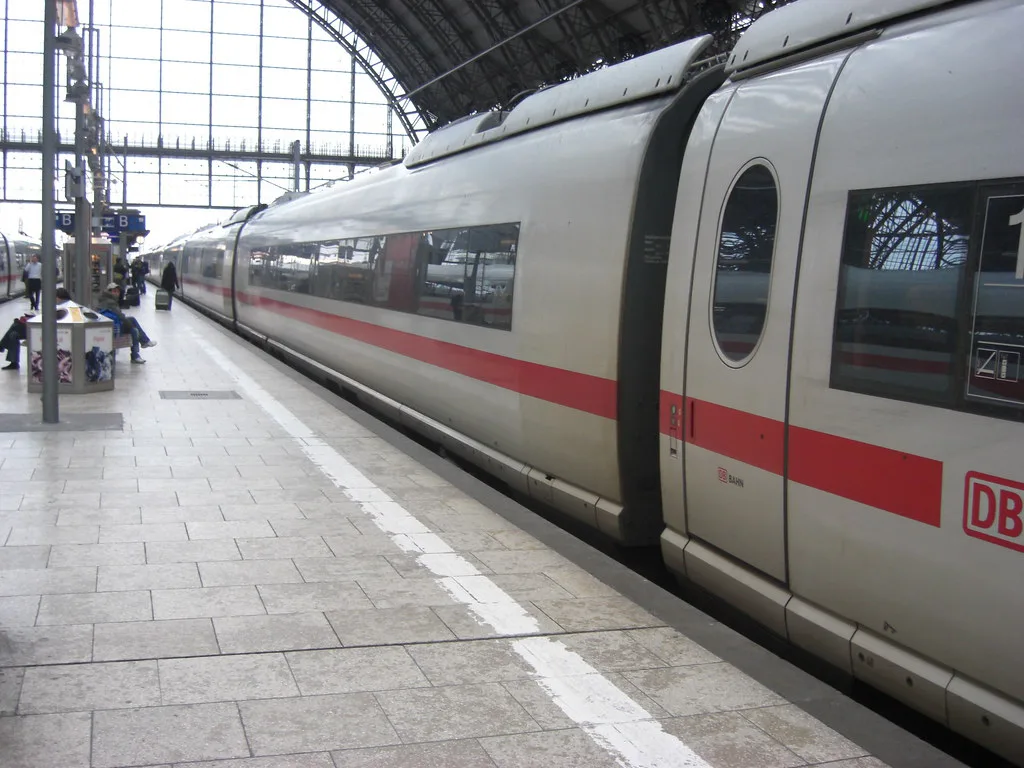
Use the DB website or the app to search, buy and store your ticket. Our DB Navigator walkthrough shows the steps. A digital ticket on your phone is usually enough, so a printout is optional. Check the departure board for the platform, then look at the wagon-order display to see where your coach stops. Add a seat reservation on busy corridors. Sold-out seats are the most common problem on weekends and holidays. Pass holders can read pass details on Eurail's Germany pass page, and passes may still require a reservation.
Example ICE routes and their trade-offs
Each route below suits a different traveler. Confirm which services are ICE on the day, because some city pairs also have other operators.
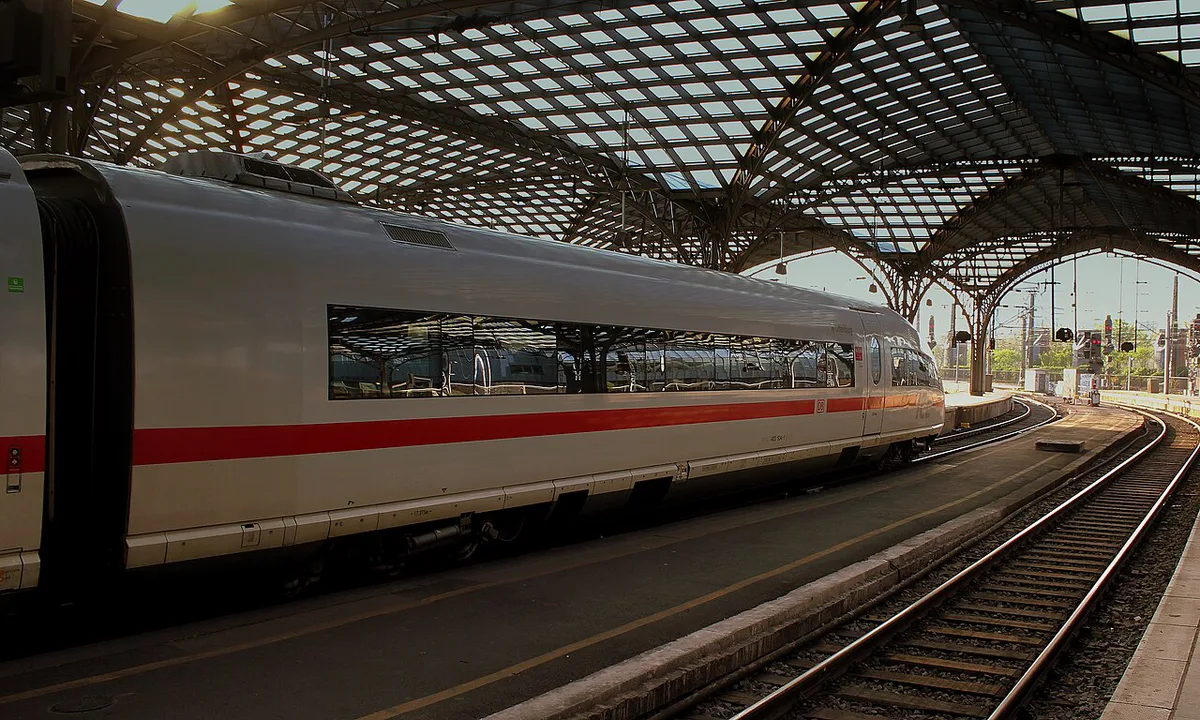
- Berlin–Munich: the classic long corridor. It suits travelers who want a scenic day instead of a flight. See the Berlin to Munich Train: Times, Tickets and Tips page.
- Berlin–Hamburg: a direct link between two big cities. Suits short city breaks. Details are on the Berlin to Hamburg by Train: Times, Tickets & Options page.
- Frankfurt–Munich: a busy trunk route with frequent departures. Suits business and flexible plans. Read the Frankfurt to Munich by Train: Times, Tickets & Tips guide.
- Frankfurt–Cologne: a short high-speed hop along the Rhine region's main line. Suits a quick transfer. See the Frankfurt to Cologne by Train: Times, Tickets & Tips page.
- Munich–Zurich: a cross-border service into Switzerland. Suits travelers who want a through-ticket. See the Munich to Zurich Train: Times, Tickets & Which Train to Take page.
- Amsterdam–Berlin: an international link that crosses the Netherlands and Germany. Suits those avoiding flights. See the Amsterdam to Berlin by Train: Times, Tickets & Night Train page. NS International lists Dutch-side services.
- Berlin–Prague: a cross-border route that may use other operators' trains. See the Berlin to Prague by Train: Times, Tickets and Tips page.
- Munich–Prague: another cross-border option, with brand and operator varying. See the Munich to Prague by Train: Times, Tickets & Tips page. Ceske drahy publishes the Czech timetable.
Stations and connections
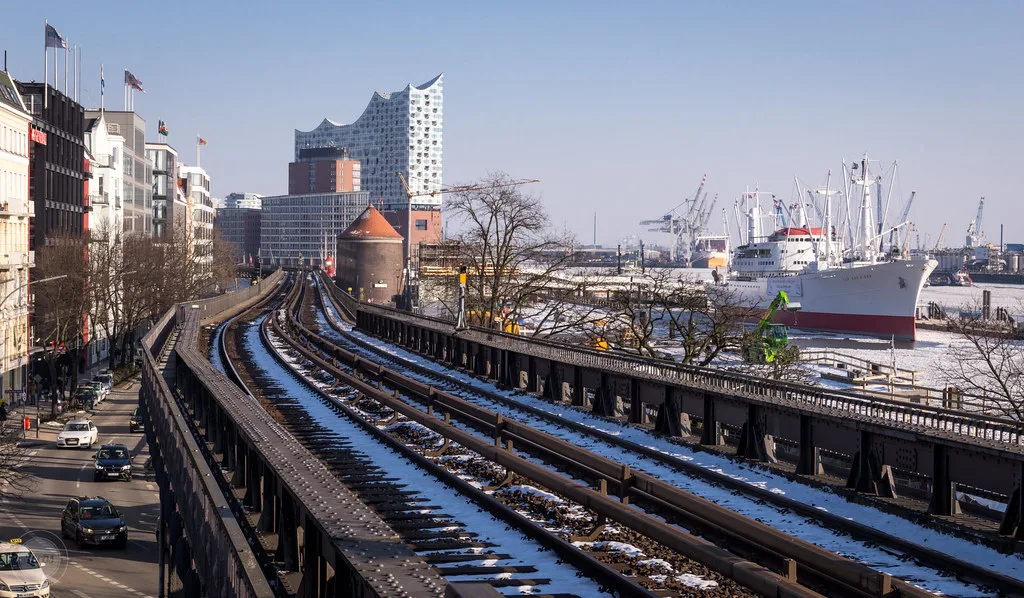
Big Hauptbahnhöfe are large and signposted by platform. Follow the platform numbers, not the train name. Leave extra time for transfers, especially when a first train is late. Berlin Hauptbahnhof Guide: Platforms, Connections & Layover Tips spreads across several levels. At Munich Hauptbahnhof (Hbf) Guide: Layout, Transport and Tips, DB lists services on its official station page. For layout and facilities in Frankfurt, see Frankfurt Hauptbahnhof Guide: Layout, Transfers, Tickets.
On-board experience
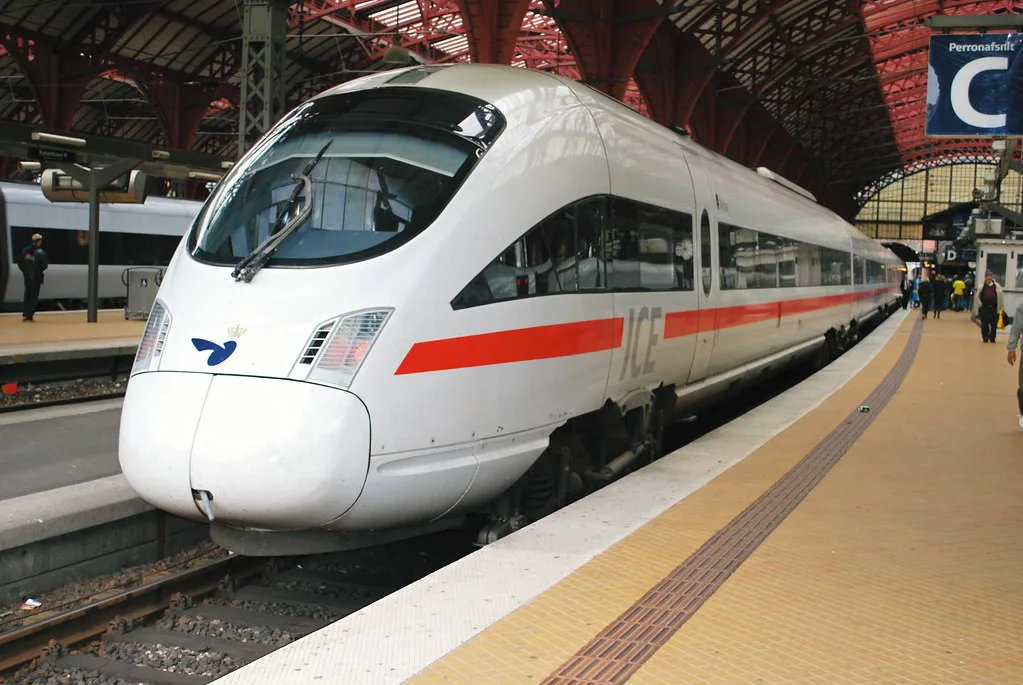
Seating comes in first and second class, and many coaches have quiet zones. Power sockets, Wi-Fi and food service vary by train generation and by service. Look at the details shown for your booking in DB Navigator. First class mainly buys more space and a calmer coach, so it suits long trips more than short hops.
Who should skip the ICE
Skip it on short trips where a regional train is nearly as fast and costs less. Day trips on a Deutschlandticket usually work best by regional train. Budget-first travelers can compare Flixtrain routes on city pairs it serves. FlixTrain's own site lists its current routes and fares. Before you buy, ask whether the extra speed saves enough time to justify the fare.
Common mistakes to avoid
A few errors cause most problems on ICE trips.
- Boarding an ICE on a regional-only ticket.
- Traveling without a seat reservation on a busy weekend.
- Booking a very tight transfer with no buffer for delays.
- Waiting in the wrong platform section for your coach.
- Skipping a real-time check of the departure board before you leave.
Frequently Asked Questions
What do ICE trains stand for?
ICE stands for InterCityExpress. It is Deutsche Bahn's high-speed long-distance train brand.
Is it worth getting first class on a train?
First class mostly buys more space and a quieter coach. It pays off on long journeys more than on short hops, so compare the fare difference for your own route.
Rail notes for your next trip
Optional updates when our rail guides change.
Related guides

More guides
Picked from the same area