
Amsterdam to Berlin by Train: Times, Tickets & Night Train
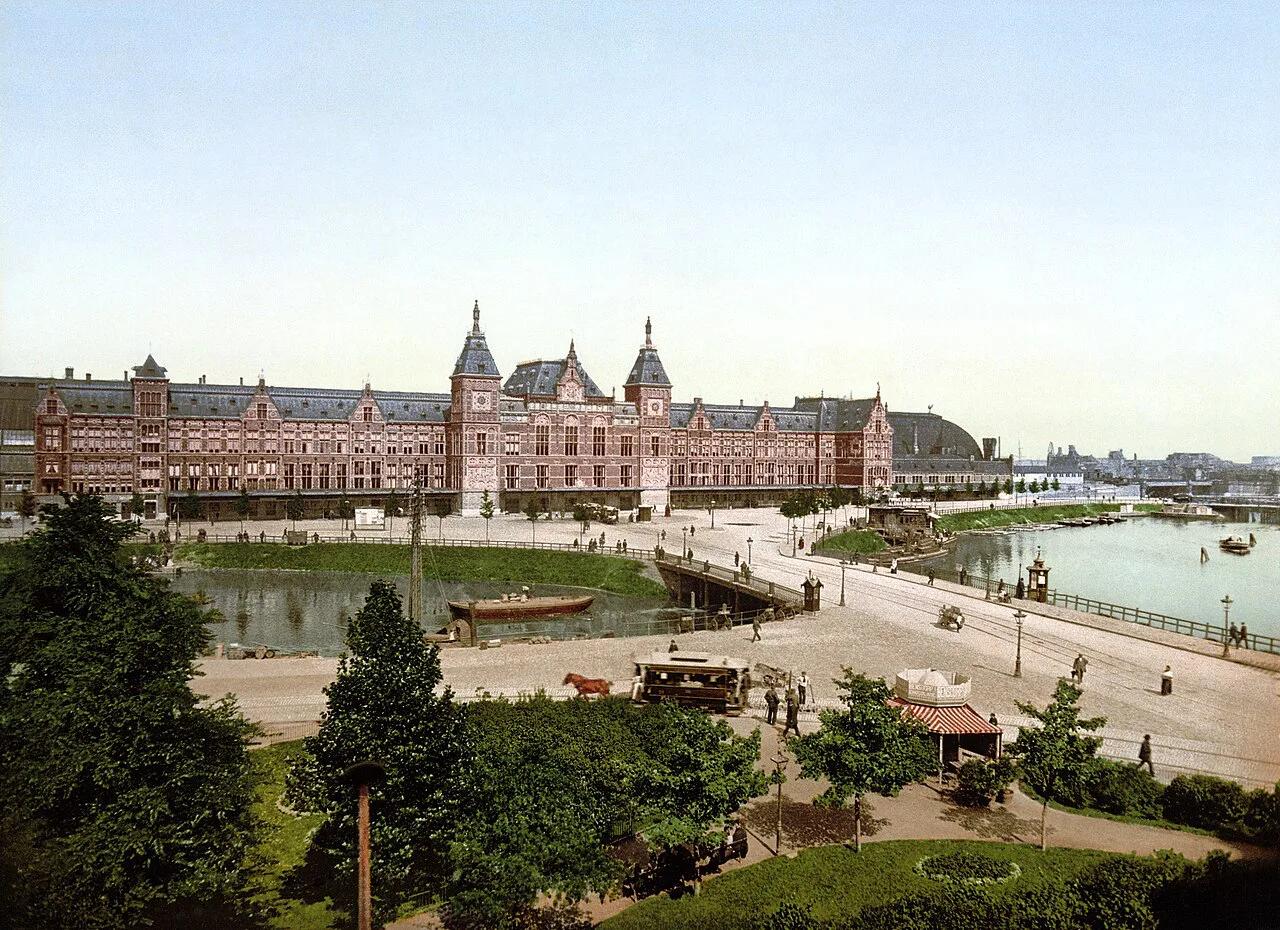
Last updated November 2026. The Amsterdam to Berlin train runs from Amsterdam Centraal to Berlin Hbf and typically takes between 6h52 and about 9 hours, depending on the connection you catch. This guide covers which trains run, how long they really take, how to book, and when the night train beats the day service.
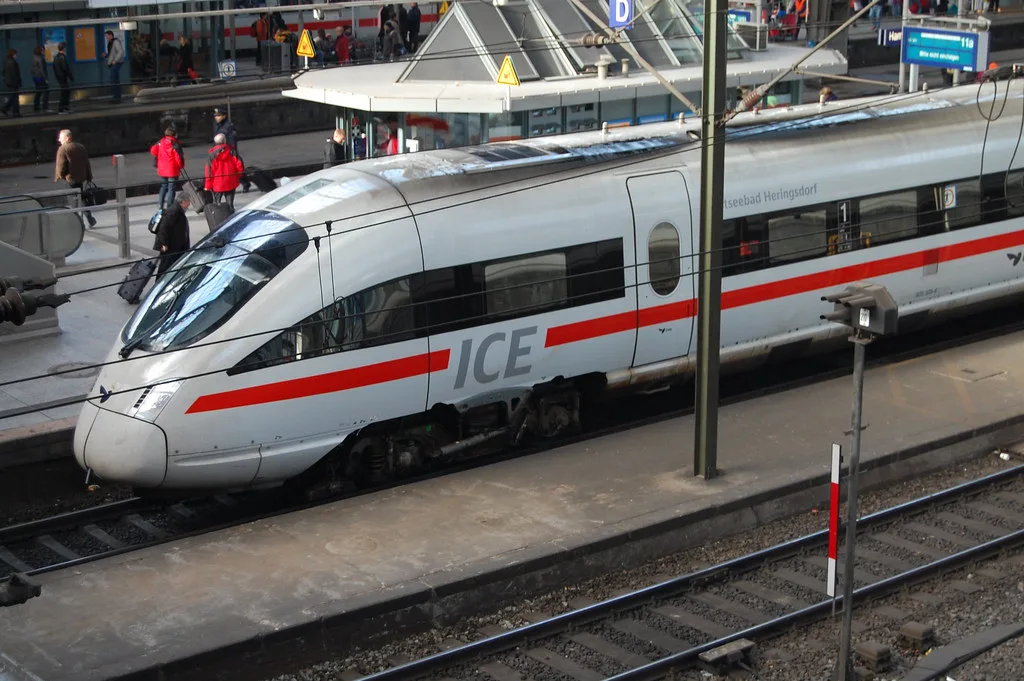
Featured image: Unknown authorUnknown author, Public domain, via Wikimedia Commons.
Amsterdam to Berlin Train: The Short Answer
Yes, you can do this trip by rail. Deutsche Bahn and NS operate the route between Amsterdam Centraal and Berlin Hbf, with the line running through Amersfoort, Bad Bentheim and Hannover before reaching Berlin. Ticket searches for specific dates often show one change instead of a through train, so read each itinerary before you pay. Fastest sample journeys take 6h52, while typical averages land closer to 8h59 once slower connections are counted. Prices and times in this guide were checked in November 2026. An overnight service leaves Amsterdam Centraal at 22:34 and reaches Berlin at 6:37 on sample searches. That is a good choice when you want to save a hotel night.
- Fastest day option: about 6h52 with one change on sample searches.
- Typical day option: around 8h59 on average across all itineraries.
- Night option: 8h03 on a sample overnight departure.
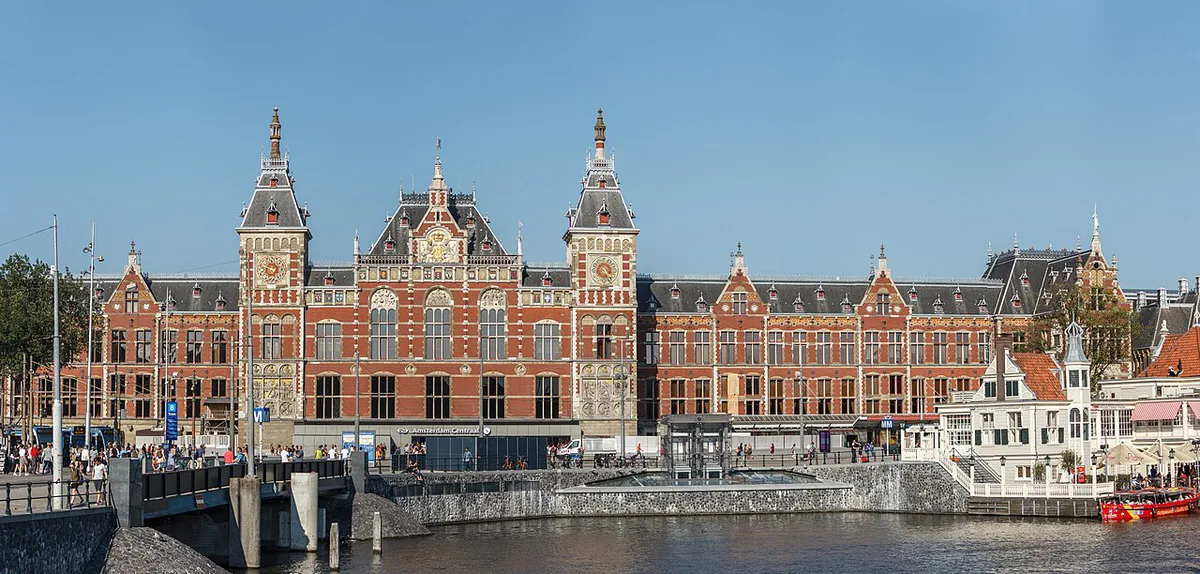
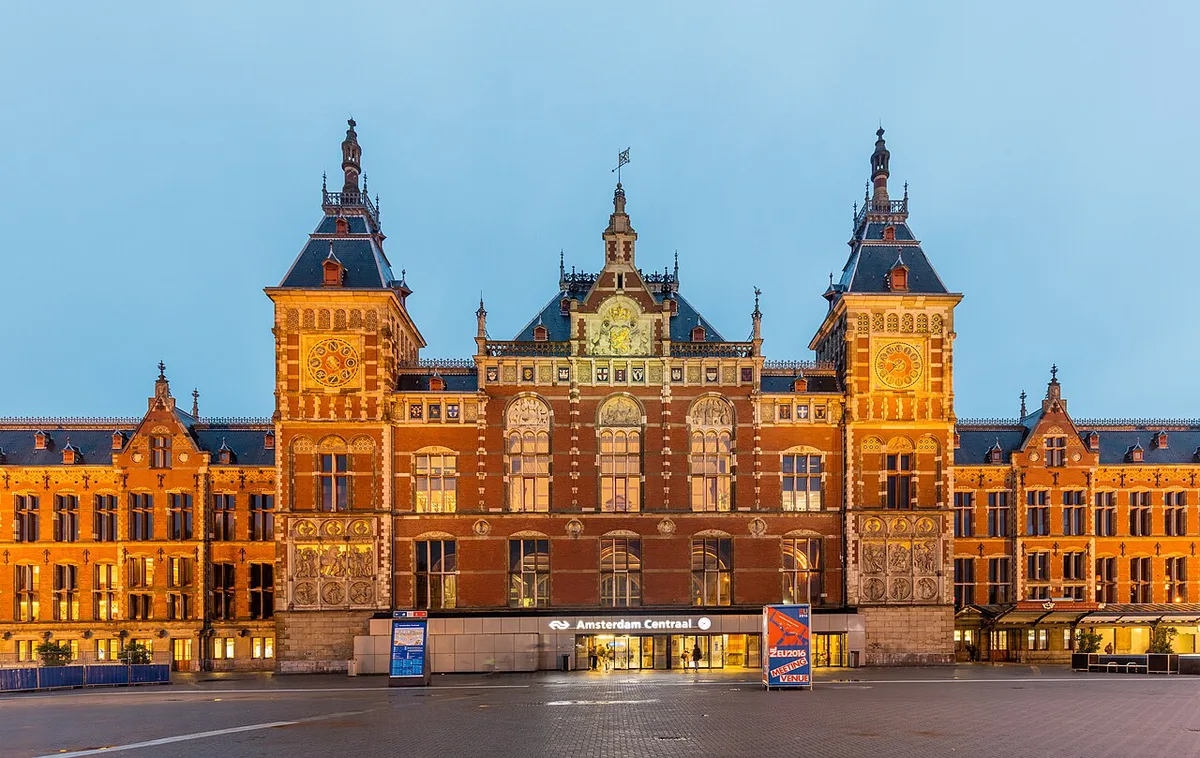
- Best stations: Amsterdam Centraal and Berlin Hbf.
Which Trains Run Between Amsterdam and Berlin
Two operators matter. NS runs the Dutch side of the journey from Amsterdam Centraal toward the border, and Deutsche Bahn runs the German side onward to Berlin. Cross-border tickets can be bought through NS International's booking pages as one through fare. The long-distance trains you will ride in Germany are ICE high-speed trains and slower IC services. Some itineraries are fully ICE, while others combine an ICE with an IC or a regional hop. Journey planners also show routings with up to four changes. Skip those unless they are the only option left on your date. Fewer changes mean fewer chances to miss a connection.
- ICE: fastest German service, with free Wi-Fi and a bistro carriage.
- IC: slower and cheaper, with trolley service on some sets.
- NS Intercity: Dutch domestic section only, with no onboard catering.
- Night train: a separate operator, with its own booking channel.
How Long It Really Takes: Fastest vs. Typical Journey
"Fastest" and "average" describe different things. A fastest journey of 6h52 comes from a single sample departure with one change and no delays. An average of 8h59 mixes in itineraries with two, three or four changes. On a sample Tuesday, ten departures between 12:36 and 17:46 ranged from 6h52 to 7h54. Those same results show journeys with one to four changes, so the number of changes drives most of the spread. A missed connection usually adds one hour or more, depending on how often the next train runs. Build slack into any plan with a fixed commitment in Berlin. Aim to arrive the evening before an important meeting or flight. Always compare the arrival time, not just the duration.
Day Train vs. Night Train vs. Flight vs. Bus
Each option wins for a different traveler. The table uses relative levels instead of exact fares, because prices move with date and booking window. Day trains give the best views and the most flexibility. The night train swaps a hotel bill for a bed, at about 8 hours of travel. Flights are short in the air but add airport transfers and security queues at both ends. Check current fares on the operator sites for your dates.
| Option | Door-to-door time | Relative cost | Flexibility | Best for |
|---|---|---|---|---|
| Day train | About 7 to 9 hours | Low to medium | High with flexible fares | Most travelers |
| Night train | About 8 hours, overnight | Medium, replaces a hotel | Low, one departure | Budget and time savers |
| Flight | Short flight, long transfers | Varies widely | Medium | Tight schedules |
| Bus | Longest of the four | Often lowest | Low | Strict budgets |
The Night Train Option
A sleeper service has been listed on sample searches with a 22:34 departure from Amsterdam Centraal. It arrives in Berlin at 6:37 the next morning, for a journey of 8h03. Frequency is the detail that changes most between sources, with listings ranging from daily to three times a week. Confirm the days on the operator's own timetable before planning around it. Accommodation types include seats, couchettes and sleeper compartments on this kind of service. Book early for sleeper berths, because they sell out first. Also check which Berlin station your ticket ends at. Some listings show a western Berlin stop rather than Berlin Hbf. If a night departure matters, the Nightjet sleeper network is a useful comparison for other European overnight routes.
Tickets and Prices: What Affects the Fare
Advance fares for this route start from €43.99 in sample searches for second class. Flexible fares cost noticeably more, and first class sits above both. Fares move with the date, the time of day and how far ahead you buy. Weekday commuter peaks, roughly 06:00 to 10:00 and 15:00 to 19:00, tend to raise prices on busy corridors. Sparpreis-style advance tickets are usually tied to one specific train. Flexible tickets let you take any train that day. Seat reservations on long-distance German trains cost extra at around €5.20 per seat on this route, and they are worth adding in peak periods. Sleeper berths follow their own pricing and typically cost more than a day seat but less than a day ticket plus a hotel. For ticket categories, see this guide to DB ticket types.
Where and When to Book
Tickets usually go on sale three to six months before travel, depending on the operator. Book on the day you know your dates for the lowest advance fares. There are two main channels. Use NS International for a cross-border ticket that includes the Dutch leg. Alternatively, use Deutsche Bahn's own app and website, which cover the German timetable in full. Our guide to the DB Navigator app shows how to search, book and store tickets on a phone. Compare both channels for your date, because the same train can price differently. Avoid splitting a journey into separate tickets without protected connections. If the first train runs late, a separate second ticket will not be honoured. Keep a screenshot of your e-ticket as a backup. Dutch stations use ticket gates, while German stations generally check tickets on board.
Rail Passes, BahnCard and Regional Tickets
Regional-only tickets do not cover this route. The Deutschlandticket regional pass is valid only on local and regional trains in Germany, so it does not cover an ICE journey from the Dutch border. Likewise, Bavaria's regional day ticket applies only inside Bavaria. A pass makes sense when this trip is one leg of a longer itinerary. The Eurail Germany pass covers travel inside Germany, and Interrail offers the equivalent for European residents. Passes may still require paid seat reservations on some international trains, so check the conditions. For German-only travel, compare Germany-only rail pass options with point-to-point fares. A BahnCard discount card lowers German fares and only pays off if you ride often. For one trip, an advance ticket is almost always cheaper.
Stations: Amsterdam Centraal, Berlin Hbf and Why Not Zuid or Westkreuz
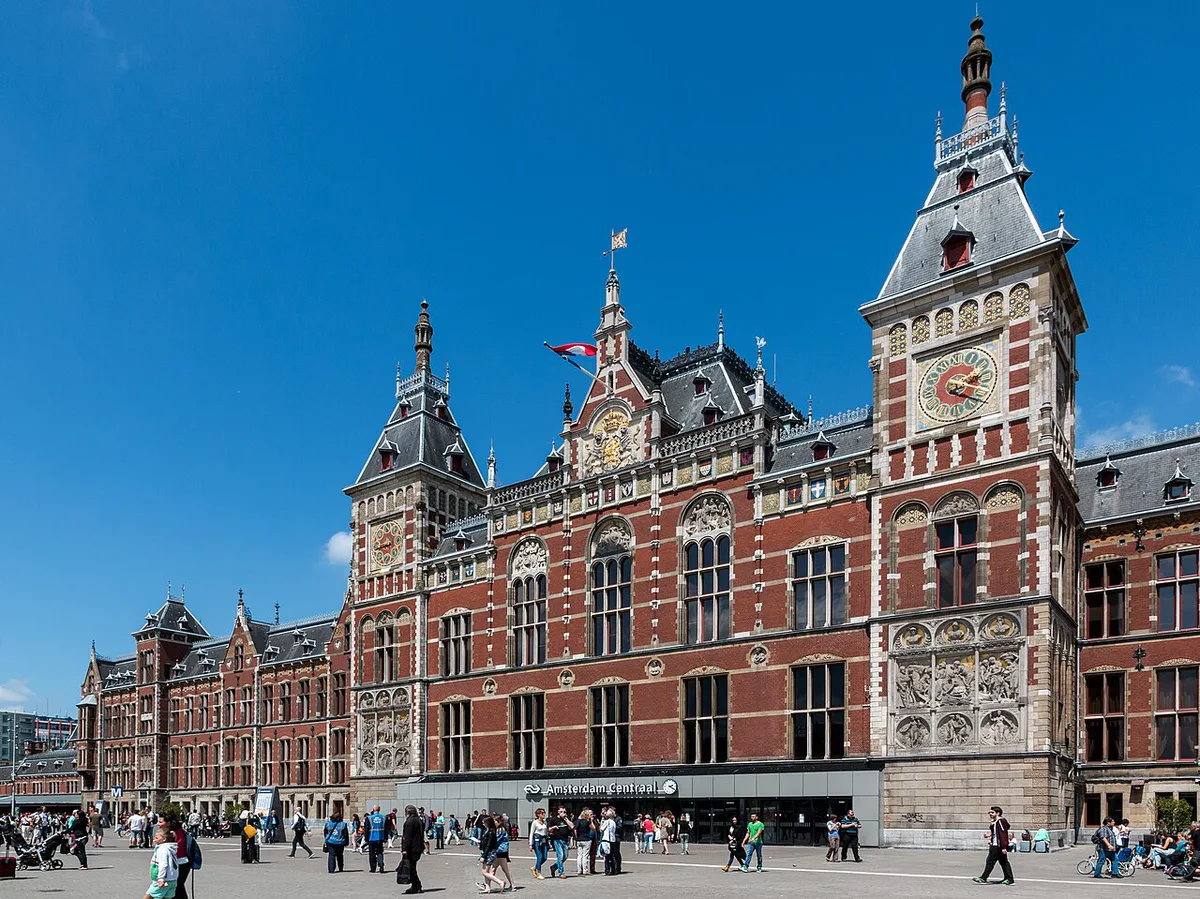
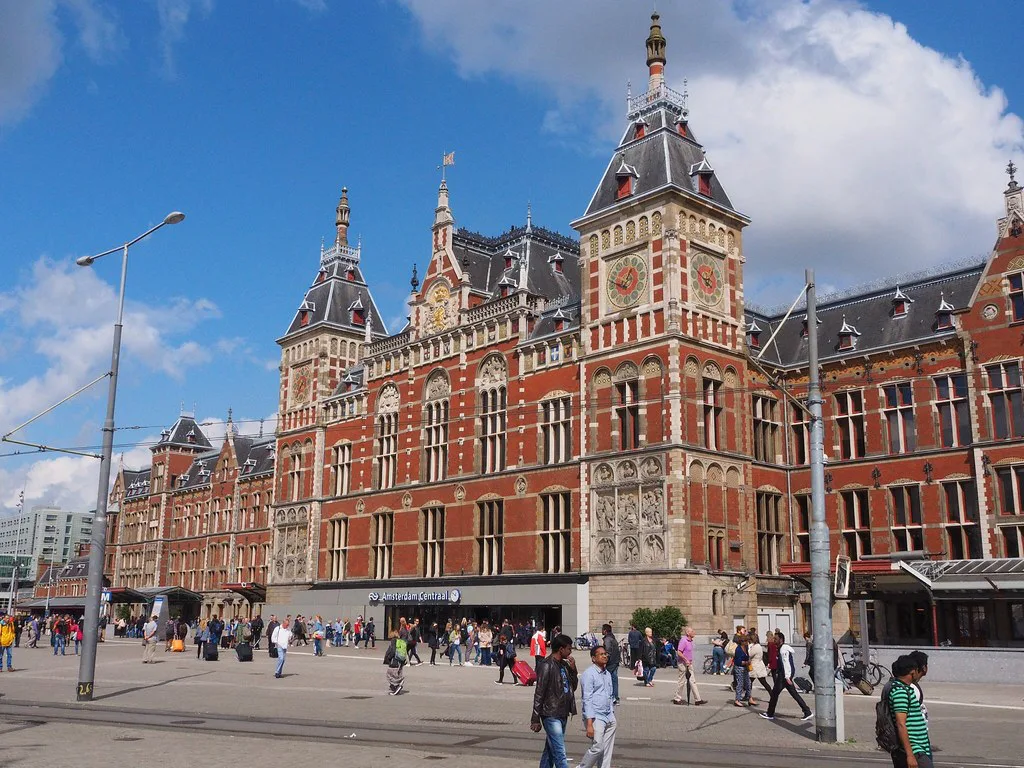
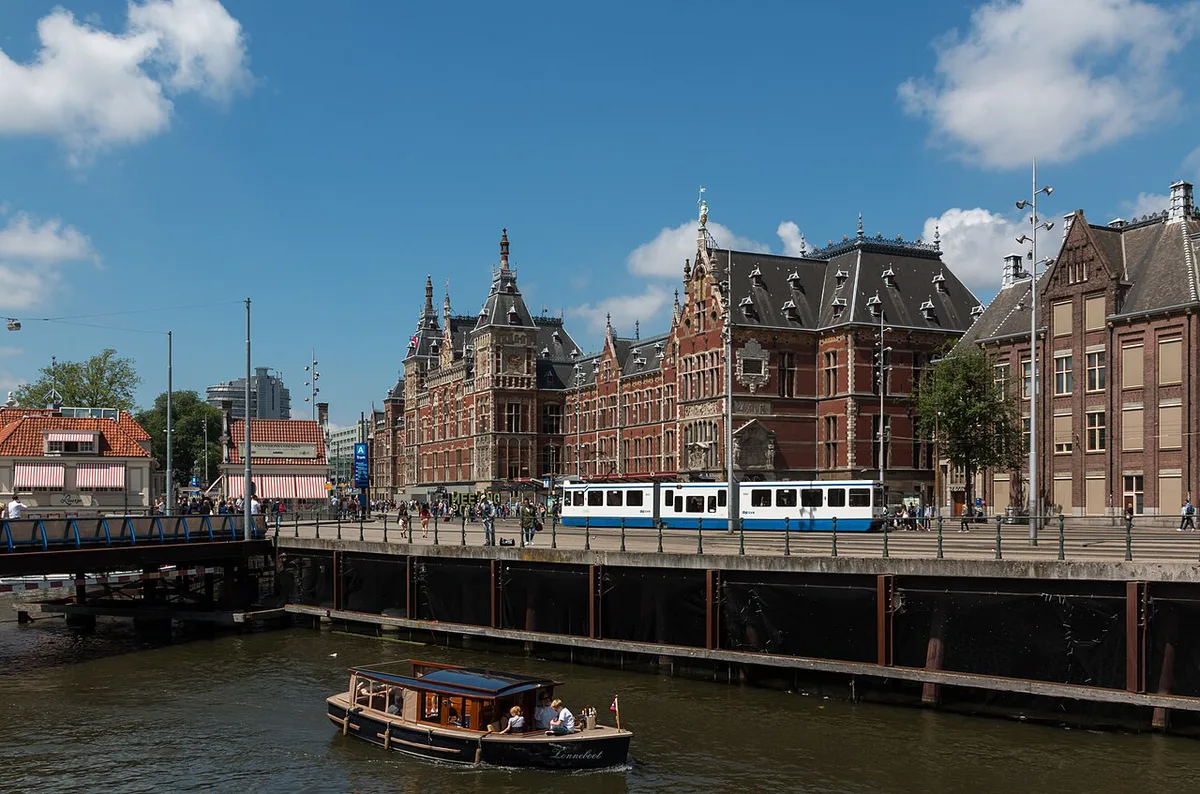
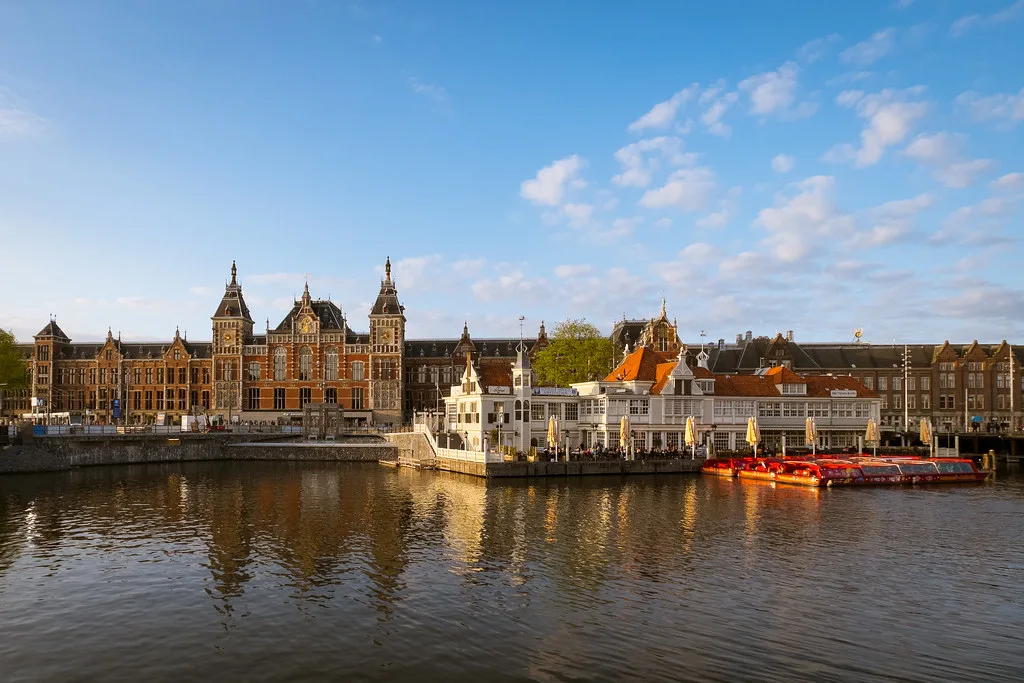
Choose Amsterdam Centraal and Berlin Hbf by default. Some searches default to Amsterdam Zuid, and some sleeper listings end at Berlin Westkreuz. Those endpoints work, but they change your transfers. Westkreuz sits about 8 km from Berlin's city centre, so a Hbf ticket is more convenient for most trips. At Amsterdam Centraal, luggage storage is on the ground floor in the eastern walkway near the stairs to platform 2. It is open daily from 07:00 to 01:00. The station has lifts to the platforms and free Wi-Fi. Our Berlin Hbf station guide covers the arrival end, including its shops and platform layout. Make sure your booking names the stations you want before you pay.
Making the Change: Connection Tips and What If You Miss It
Hannover is a common change point on this corridor. Other changes may happen elsewhere, depending on your itinerary, so read the planner's stop list. Prefer connections of at least 10 to 15 minutes on a ticket where the whole journey is one booking. Short transfers are possible but risky after any delay. Before the change, check the platform on the onboard display or the app. Move toward the stairs early, since German platforms can be long. If you miss a connection on a single through ticket, you can generally take the next suitable train. Ask the conductor or a service point for help. On separate tickets, you have no such protection. That is why a single booking is the safer choice.
- Booking a split ticket without a protected connection.
- Choosing Zuid or Westkreuz by accident.
- Skipping a seat reservation in a peak period.
- Buying a regional pass that does not cover long-distance trains.
- Assuming a through train without reading the itinerary.
Onboard: Seats, Reservations, Luggage, Food and Wi-Fi
Second class is comfortable for a long day. Seats have power sockets and fold-down tables, and ICE trains offer free Wi-Fi. Luggage is free and unlimited in practice. Store bags on the overhead racks or in the larger racks near the doors. Keep valuables with you, especially on a night service. On ICE, a bistro carriage sells hot and cold food, and first class adds seat-side service. NS Intercity trains have no onboard catering, so buy food at Amsterdam Centraal first. The station has options including Smullers and Wagamama. Reserve a seat when travelling in peak periods, because standing for hours is common on busy departures.
Arriving in Berlin: Next Steps and Onward Travel
Berlin Hbf connects to the city's S-Bahn and U-Bahn, so you can reach most districts without a taxi. Check the BVG and VBB sites for current tickets and zones. If you are continuing by rail, you have several options. See Berlin to Hamburg by rail for the northern route. Travelers heading south can read about Berlin to Munich by train. For Eastern Europe, there are guides to Berlin to Prague by train. Another covers Berlin to Warsaw by train. For wider planning, our German rail network guide explains how the system fits together. Budget travelers can also compare FlixTrain budget services on some German routes.
Frequently Asked Questions
How long does it take from Amsterdam to Germany by train?
It depends on your destination. To Berlin, sample journeys run from 6h52 to roughly 9 hours. Border cities are much closer, so search your exact destination.
Is it better to fly or train from Berlin to Amsterdam?
Trains reach city centres directly and avoid airport queues. Flights are shorter in the air but add transfers. Choose rail for flexibility and flights for the tightest schedules.
How do I go from Amsterdam to Berlin?
Take a day train from Amsterdam Centraal to Berlin Hbf, usually with one change. Alternatively, take the overnight service. Book through NS International or Deutsche Bahn.
Rail notes for your next trip
Optional updates when our rail guides change.
Related guides

More guides
Picked from the same area