
5 Spain by Train Routes: Operators, Tickets and Stations
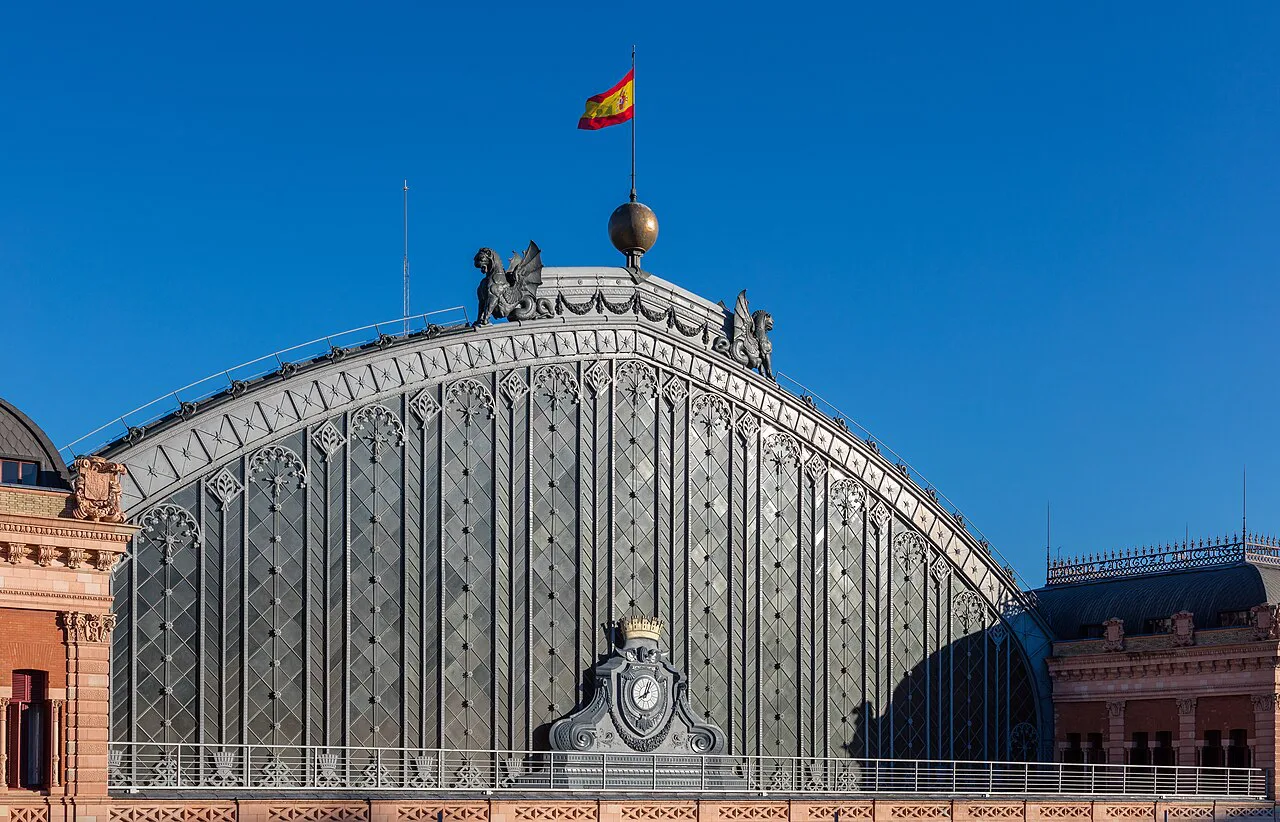
Last updated November 2026. Spain by train works best as a hub-and-spoke plan, with high-speed lines fanning out from Madrid and Barcelona to most major cities. Renfe, iryo and OUIGO sell tickets on the main corridors, and Adif owns the tracks. Choose an operator, a ticket type and a station first, then open the route guide that matches your trip.
Across the western border, our Portugal by train guide covers Lisbon, Porto and the routes between them.
Featured image: Diego Delso, CC BY-SA 4.0, via Wikimedia Commons.

Spain by train at a glance
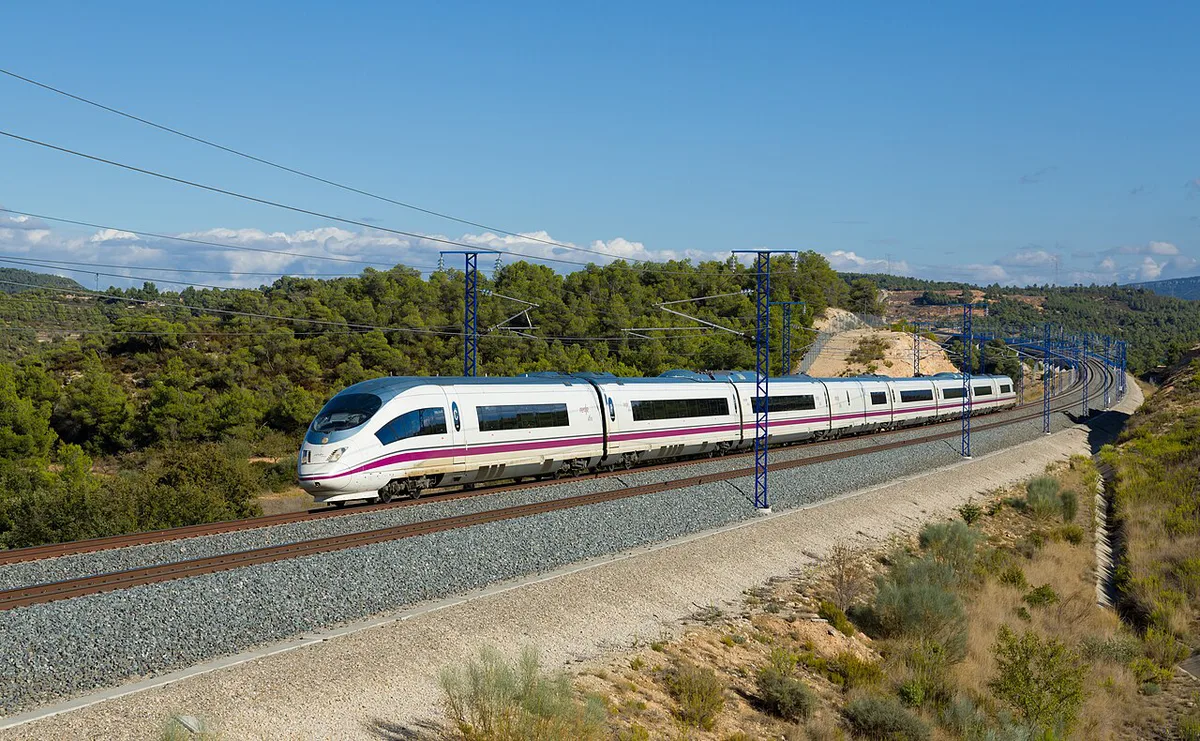
Renfe runs the national network under several brands: AVE, Avlo, Alvia, Euromed and Cercanías. Private operators iryo and OUIGO compete on busy high-speed corridors. Madrid has two main stations, Atocha and Chamartín, and Barcelona's main hub is Sants. Most trips are two or three legs, so the route pages below matter more than any single timetable.
Which train type do you need?
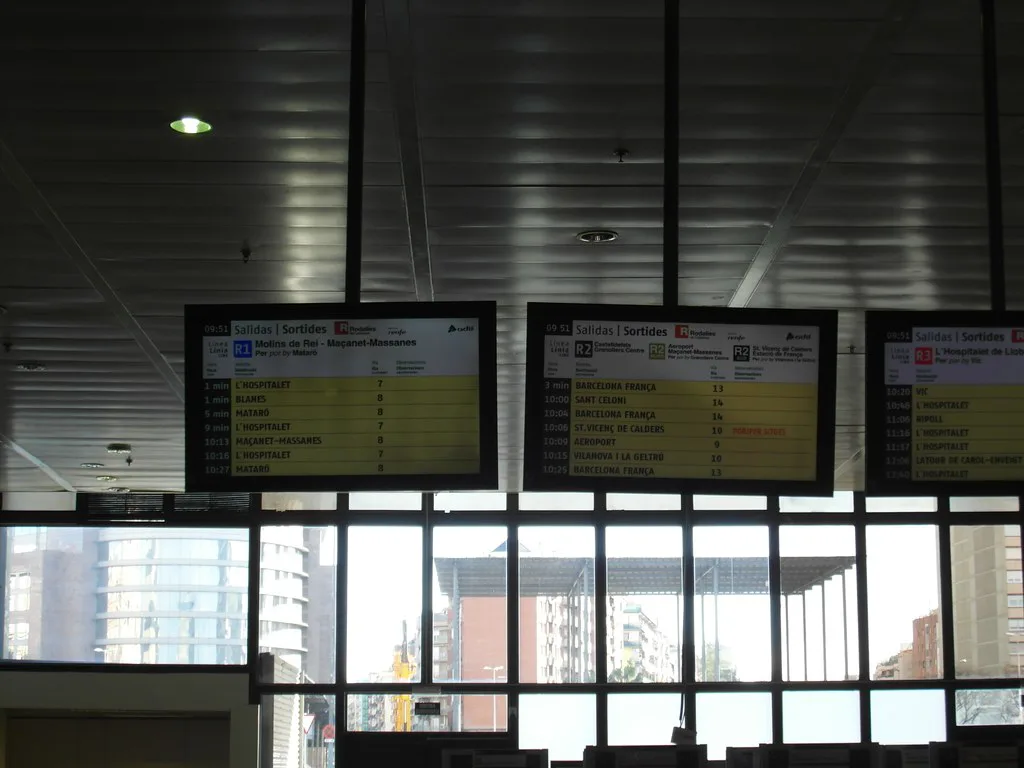
Spanish trains fall into four practical groups. Our guide to AVE high-speed trains covers the fastest tier. Local commuting runs on the Cercanías commuter network around big cities. In Catalonia, the equivalent service is run by Rodalies de Catalunya.
| Train type | Examples | Best for |
|---|---|---|
| High-speed | AVE, Avlo, iryo, OUIGO | City-to-city trips between Madrid, Barcelona and the south |
| Long-distance | Alvia, Euromed | Corridors without a dedicated high-speed line |
| Regional | Regional Renfe services | Smaller towns and short hops off the main lines |
| Commuter | Cercanías, Rodalies | Airports and suburbs around big cities |
Renfe, iryo or OUIGO: choosing an operator
Fares, flexibility, luggage rules and station use differ between operators, and they change by route. Compare all three on your exact date before you commit. Our operator comparison sets out the trade-offs. You can check Renfe services on its official booking site. Low-cost options are listed on OUIGO España.

5 Spain by Train Routes Worth Building a Trip Around
Each group below links to detailed guides for individual routes. Journey times and fares vary by train type and date, so use the route pages for planning and the operator sites for live prices.
1. Madrid to Seville, Valencia, Málaga and Granada
Madrid is the hub for most southern and eastern trips, and each spoke has its own guide. Start with Seville services from Madrid if Andalusia is your goal. Valencia is covered in Valencia from Madrid.
Málaga has its own Málaga route guide. Granada is covered in Granada from Madrid. Skip this group if you only want one city, since one stay is simpler than a rail loop.

2. Madrid to San Sebastián and Bilbao
Northern Spain suits food-focused trips, with pintxos bars in San Sebastián as the usual draw. Plan the Basque coast with San Sebastián by rail. Bilbao is a separate option in Bilbao from Madrid.
These two cities work well as a pair for a short break. Skip this group for a tight winter itinerary with many stops, because rural coast towns are often easier by car or regional line.
3. Barcelona to Madrid, Valencia, Seville and Girona
Barcelona is the second hub, with Sants as its main station. The busiest link is covered in Barcelona to Madrid by rail. For the coast, read Barcelona to Valencia.
A long cross-country run is explained in Seville from Barcelona. Girona makes an easy short trip, and Girona from Barcelona shows how. Skip the long Seville run if you dislike a full day of travel.
4. Seville, Córdoba and Granada in Andalusia
Andalusia packs three major stops into one regional loop. Córdoba is the quick one, and Seville to Córdoba explains the options. Córdoba's Mezquita is the main reason to stop.
Continue east with Seville to Granada by train. Skip this loop in peak summer heat if you prefer cooler sightseeing hours.
5. Barcelona to Paris
This is the cross-border option for combining Spain with France without flying. Operators and ticket rules for this route are set out in Barcelona to Paris by rail.
Check the operator page for any border or ticket quirks before you book. Skip it if you need a short, cheap hop, since the journey is a full day or an overnight commitment.
Tickets, passes and booking tips

Point-to-point tickets suit most travelers who stay on two or three routes. Our Renfe ticket guide explains fare types and flexibility. A pass can make sense for many separate journeys, and rail pass rules cover who benefits. Passes from Eurail may still require seat reservations on high-speed trains. Book early for summer and holiday travel, because cheaper fares sell out first.
Keep each booking separate when a trip runs 2 or 3 legs, then compare the route guides for each leg.
Stations and getting around
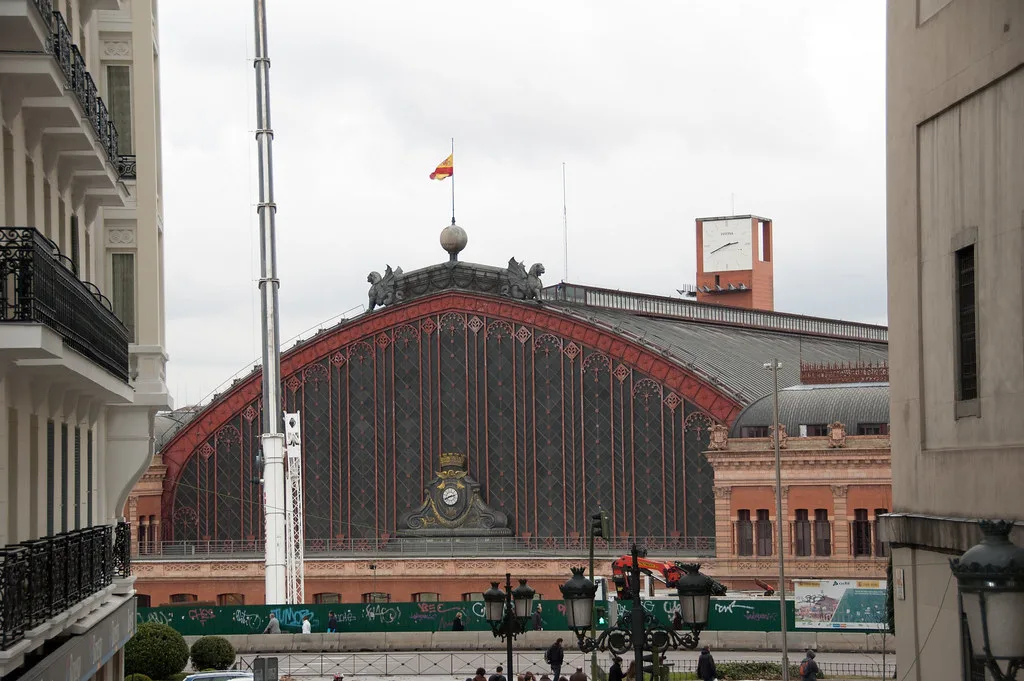
Check which Madrid station your ticket names before you leave. Our Atocha station guide and Chamartín station guide explain the difference. In Barcelona, Sants station is the main hub. Allow time for security checks and for connecting to local trains.
Train vs flight vs bus
Trains run city centre to city centre, which removes airport transfers and long check-in queues. Flights can win on very long routes, but door-to-door time often narrows once transfers are counted. Buses are a fallback for places the rail network skips. For cost, compare live fares on your exact date, because rail fares and flight fares both move with demand.
When to go and who should skip the train

Summer and holiday weeks are the busiest, so book early and expect fewer cheap seats. Spring and autumn are calmer for city-hopping. Skip the train for remote regions, tight multi-stop winter trips and rural coast stops where a car or regional line works better. Check for engineering works before travel, since they can change timetables.
Sample Spain Rail Itineraries You Can Book Yourself
Build a rail break around one hub and a logical sequence of stops. Most Spain trips work best with 2 or 3 legs, rather than trying to cross the country every day. Book each route separately, then use the linked route guides to compare trains on your dates.
Andalusia cities: Arrive in Seville, add Córdoba for the Mezquita, then continue to Granada. This puts 3 major Andalusian stops into one compact loop.
Basque food break: Pair Bilbao with San Sebastián for museums, pintxos bars and an Atlantic-facing city break. Use regional rail or a car for smaller coastal towns.
Barcelona and the coast: Base yourself in Barcelona, then add Girona or Valencia. Barcelona Sants is the main hub for onward trains.
Avoid forcing Seville into a short Barcelona-based itinerary if a full travel day would undermine the trip. For a Spain-and-France journey, make Barcelona to Paris the final long leg and confirm the ticket conditions before booking.
Frequently Asked Questions
Is it easy to travel in Spain by train?
Yes, on the main corridors. High-speed lines link Madrid, Barcelona and the major cities, and three operators sell tickets. Smaller towns need more planning with regional trains or a car.
Is it cheaper to fly or go by train?
It depends on the route and date. Compare live fares from Renfe, iryo and OUIGO against airlines, and add airport transfers and check-in time to the flight.
Explore More Guides
Keep planning your trip with these guides.
Guides
- Renfe vs iryo vs OUIGO
- AVE Train in Spain
- Renfe Tickets: How to Buy, Compare Fares and Avoid Mistakes
- Spain Rail Pass: Is It Worth It or Should You Buy Single Tickets?
- Madrid Atocha Station Guide
- Madrid Chamartín Station Guide
- Barcelona Sants Station Guide
- Spain's Commuter Trains, Tickets & Tips
- Barcelona to Madrid by Train
- Madrid to Seville Train: Times, Operators & Tickets
- Madrid to Valencia Train: Operators, Stations and Booking Guide
- Barcelona to Valencia Train: Times, Tickets and Which Service
- Madrid to Malaga Train: Times, Tickets and Operators
- Madrid to Granada Train: Times, Tickets and Which to Pick
- Barcelona to Seville by Train
- Seville to Granada by Train
- Madrid to San Sebastián Train
- Seville to Córdoba by Train
- Madrid to Bilbao by Train
- Barcelona to Paris Train: Direct TGV, Connections and When to Fly
- Barcelona to Girona by Train
Rail notes for your next trip
Optional updates when our rail guides change.