
Renfe Tickets: How to Buy, Compare Fares and Avoid Mistakes

Last updated November 2026. Renfe tickets are sold on the official Renfe website and app, and at station ticket offices and machines. Iryo and Ouigo sell their own tickets separately, so a Renfe booking never covers their trains. This guide walks through each buying route, then the fare choices and the mistakes that cost visitors money, as part of our Spain train travel guide.
Featured image: trioptikmal, CC BY 2.0, via Flickr.

Where to buy Renfe tickets
Four routes cover almost every trip. The official channels are the safest starting point because they show Renfe's full fare range for your date. Prices and conditions change often, so read the fare terms on Renfe's English-language site at checkout.
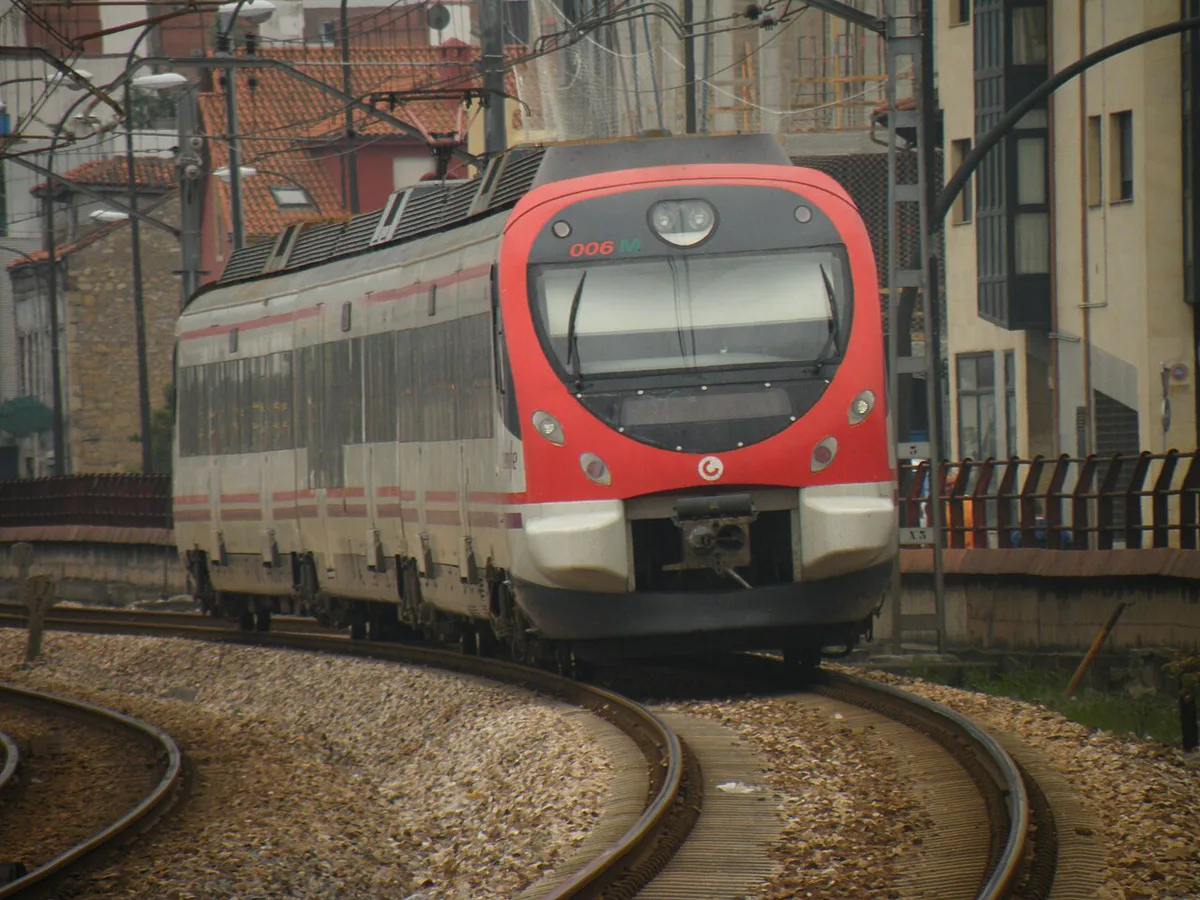
- Renfe website: the full timetable and every fare for long-distance trains.
- Renfe app: the same booking flow, plus tickets stored on your phone.
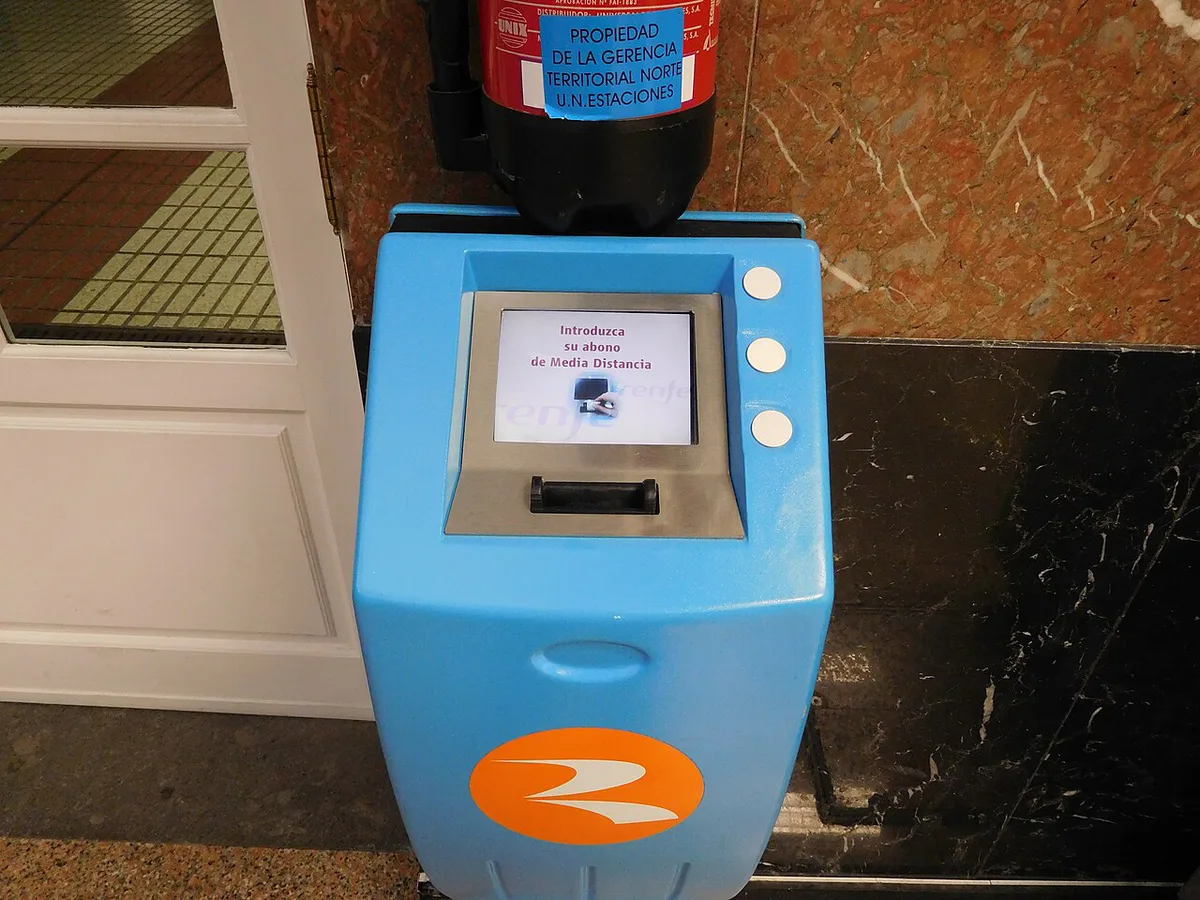
- Station ticket offices and machines: useful for cash, last-minute trips and local trains.
- Third-party sellers: they resell Renfe trains, so compare their total at checkout with Renfe's own price.
- Other operators: Iryo and Ouigo have their own sites and apps, and Renfe tickets are not valid on their trains.
Step-by-step: booking Renfe tickets online

The online flow is the same on the website and the app. Create an account early, because it saves passenger details for later trips. Have your passport or ID to hand, since the passenger name must match your document.
- Enter your origin and destination. For cities with several stations, pick the exact station name.
- Choose a one-way or return trip and select your travel date.
- Compare the trains listed and read the fare name and its conditions.
- Enter passenger details exactly as they appear on your ID.
- Pay by card, then save the ticket in the app or download the PDF.
Which Renfe train and fare to pick
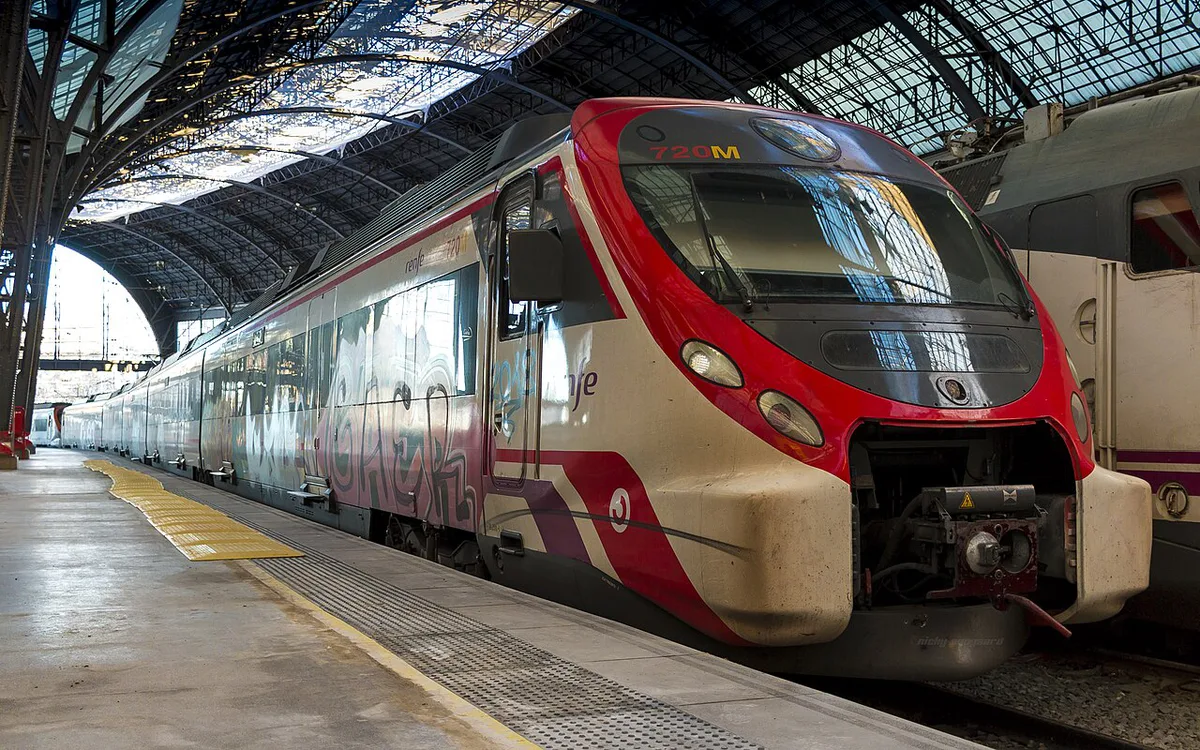
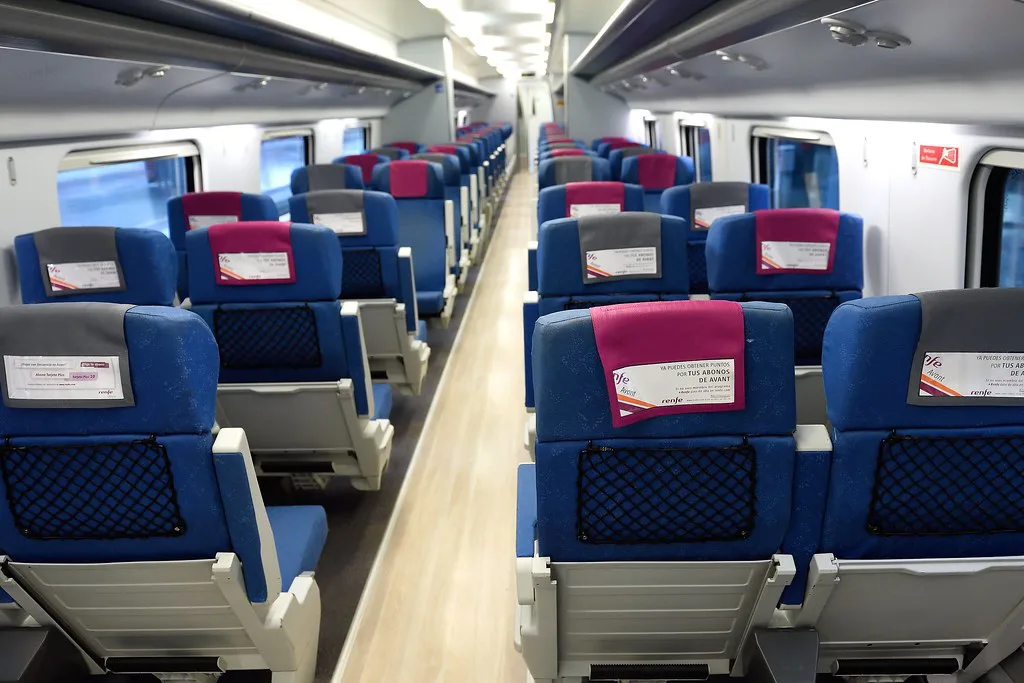
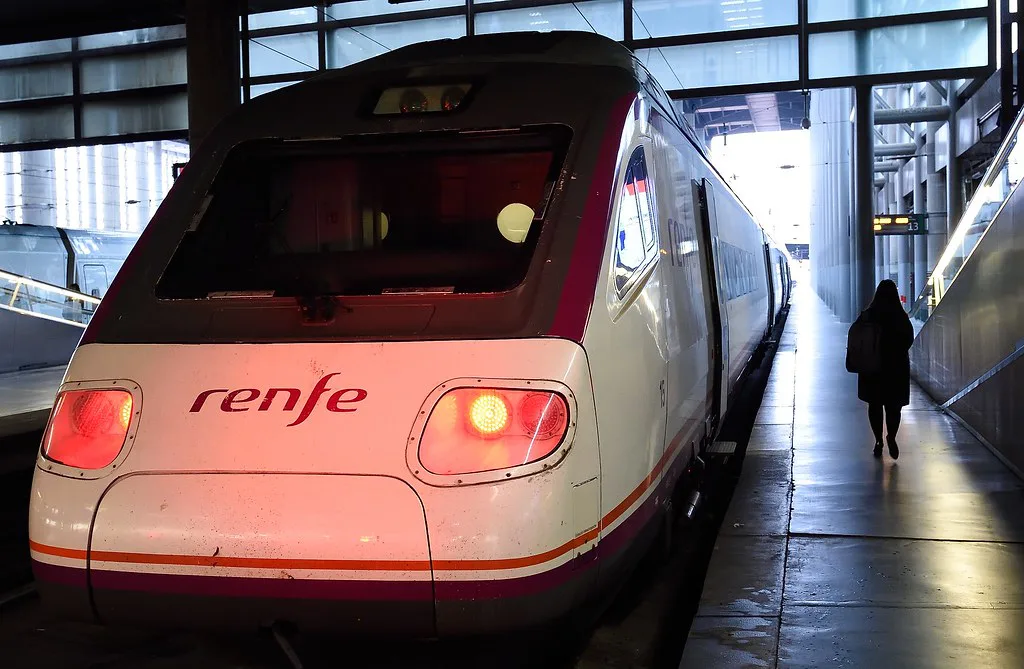
Renfe sells several train products, and each one behaves differently when you buy. Our AVE high-speed train guide covers the fastest service in detail. Local trains are a separate, simpler product, explained on our Cercanías commuter rail page.
| Train | Best for | Booking needed? | Trade-off |
|---|---|---|---|
| AVE | Fast city-to-city trips | Yes, with a seat | Wider fare range, flexible fares cost more |
| Avlo | Low-cost high-speed trips | Yes, with a seat | Cheaper fares usually carry fewer inclusions |
| Alvia / Avant | Mid-distance routes | Yes, with a seat | The route page shows which train runs |
| Intercity | Slower regional journeys | Usually yes | Slower than high-speed, often simpler fares |
| Cercanías | Local and commuter trips | Usually no advance booking | Not a long-distance ticket |
When to book and how to save
Fares rise as seats sell out, so earlier booking usually means a cheaper price. Midweek departures are often cheaper than Friday and Sunday trains. Cheaper fares tend to be less flexible, so decide whether you might change plans before you pay. Renfe publishes how far ahead tickets go on sale. Read the current sales window on the Renfe site before planning a date-fixed trip.
Changing, cancelling and boarding with a Renfe ticket
The fare you pick decides what happens if your plans move, so it is worth knowing the rules before you pay. Renfe publishes the change and refund conditions for each fare name, and they differ between the cheapest and the most flexible options. Our guide to off-peak vs. advance train tickets explains why a cheaper fare usually means fewer changes.
Changing or cancelling
- Read the fare name first: the conditions shown at checkout and in your confirmation email are the ones that apply to you.
- Use the same channel: tickets bought on the Renfe site or app are easiest to manage from your account. Tickets bought from a reseller usually have to be changed through that seller.
- Act before departure: most changes and refunds must be requested before the train leaves. Fees and refund amounts depend on the fare and how close you are to departure.
- Missed trains: a missed departure is rarely covered by a cheap fare, so build in buffer time when you connect from a flight.
Boarding
Long-distance stations such as Madrid Atocha and Barcelona Sants run security scanning on bags before the platform. Your ticket carries a QR code, which is scanned at the gate or by staff. Keep the ticket open in the app, with screen brightness up, or have the PDF saved offline.
Platform numbers usually appear on the departure boards only shortly before the train leaves. Arrive early enough to clear security and find your coach, and note the boarding cut-off printed on your ticket.
Buying Renfe tickets at the station
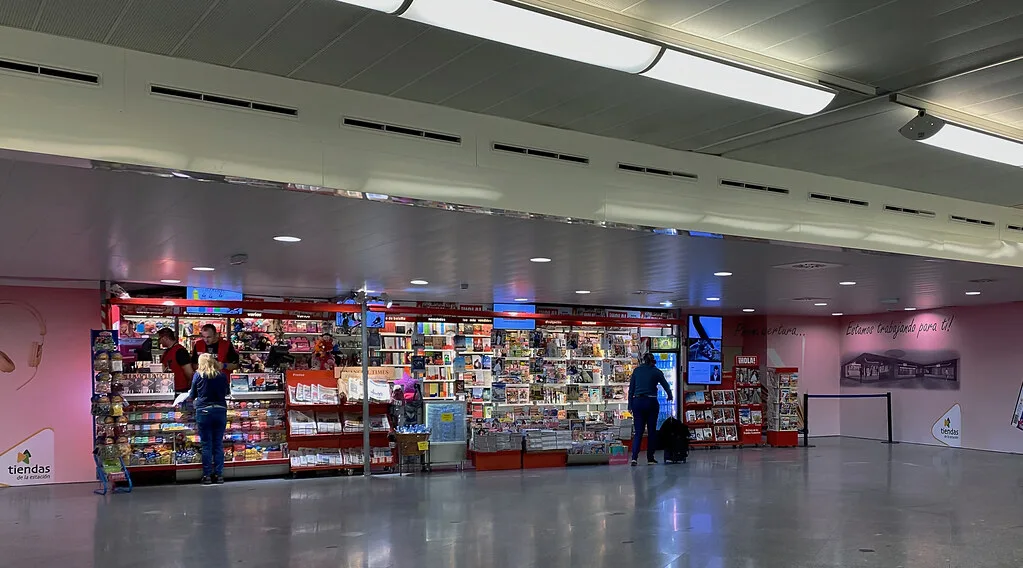
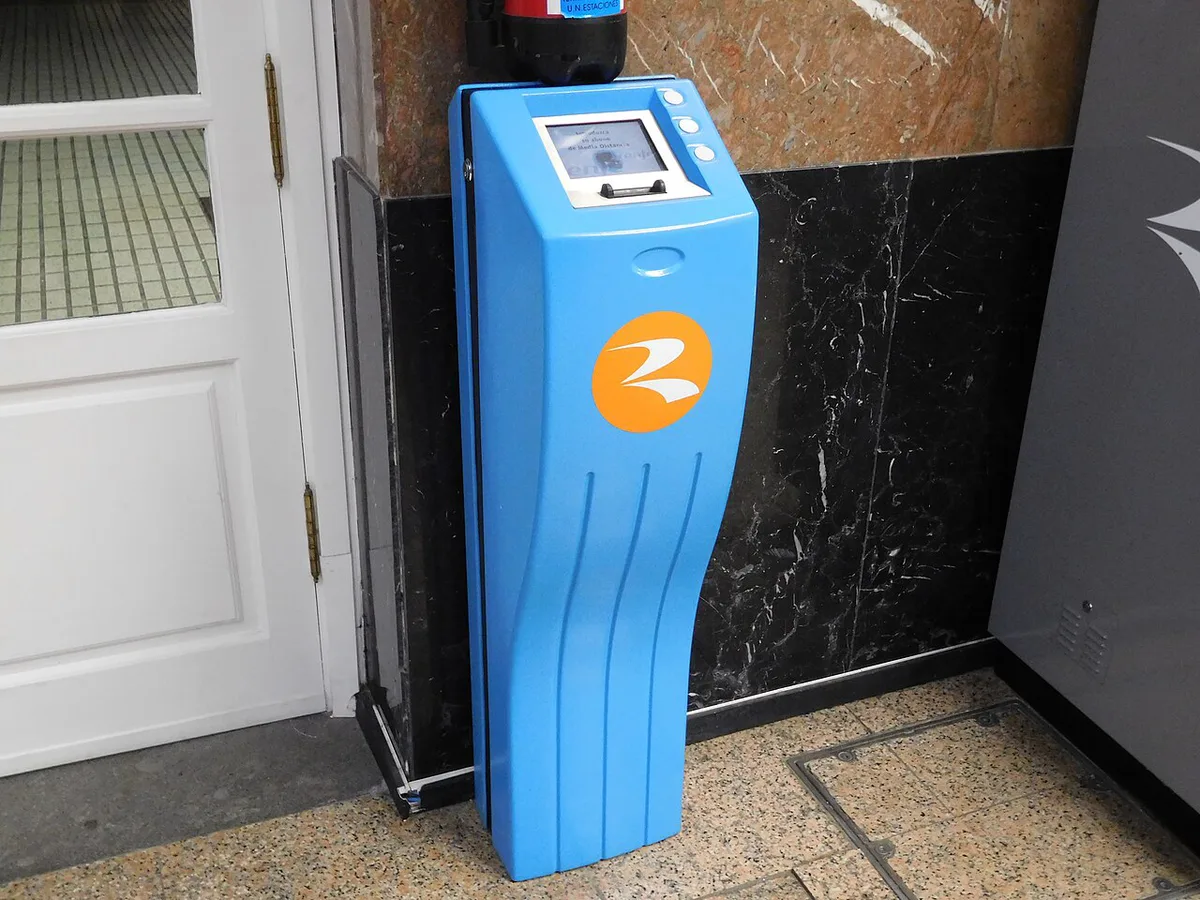
A counter or machine beats online booking in a few cases. These include paying cash, buying a last-minute seat, or needing a person to explain options. Madrid has two main stations, so check which one your train uses. Madrid Atocha Station Guide: Trains, Garden, Transfers serves many southern and eastern routes. Trains to the north often leave from Madrid Chamartín. In Catalonia, Barcelona Sants Station Guide: Trains, Metro, Transfers is the main long-distance station. Local Cercanías tickets are quick to buy from machines at any of them.
Renfe vs. Iryo vs. Ouigo: when a Renfe ticket is right
Renfe is the natural choice when it runs the route you want, or when you want its wider timetable and station coverage. On some corridors a rival may be cheaper. Our Iryo, Ouigo and Renfe comparison sets out the differences by route. Remember that Ouigo sells through its own site, so compare prices before you commit.
Rail passes vs. point-to-point tickets
A pass suits travellers making several long trips in a short window. Single tickets usually win for one or two journeys. Seat reservations may still be needed on high-speed trains with a pass, so read the pass terms first. Eurail's Spain page outlines its pass options. Our Spain rail pass guide helps you decide.
Common mistakes and fixes
Most booking problems come from a handful of avoidable slips. Run through each one before paying.
- Wrong station: in Madrid, pick Atocha or Chamartín before you buy.
- Name mismatch: type each passenger's name as it appears on their ID.
- Baggage rules: read Renfe's luggage conditions for your train type.
- Late arrival: high-speed stations have boarding cut-offs, so arrive early.
- Wrong operator: a Renfe ticket will not work on Iryo or Ouigo.
- No offline copy: save the ticket on your phone before you leave Wi-Fi.
Popular routes: which ticket to book
These route pages show what to check for each trip. International journeys can use a different booking flow, as our Barcelona to Paris train page explains.
- Barcelona to Madrid: pick Sants and your Madrid station.
- Madrid to Seville: compare high-speed fares for your date.
- Madrid to Valencia: compare AVE with lower-cost options.
- Madrid to Málaga: check which Madrid station you leave from.
- Madrid to Granada: look at train type before fare.
- Barcelona to Valencia: compare operators before buying.
Optional packages from Renfe Viajes
Renfe Viajes is Renfe's packages arm. It bundles train tickets with hotels, shows, theme parks or Parador stays. Packages are optional, and a plain ticket from the main Renfe site works for most visitors.
Frequently Asked Questions
How far in advance does Renfe sell tickets?
Renfe opens sales in batches, and the window differs by train and route. Search your date on the Renfe site. If it shows no trains, sales have not opened yet.
Is it cheaper to book on Trainline or at the station?
Prices for the same train can differ between sellers. Reseller sites may add their own fees. Compare the final total at checkout against Renfe's own site or a station machine.
How can I book Spanish train tickets?
Use the Renfe website or app, then pay by card and save the ticket on your phone. Machines and ticket offices at stations also work. Iryo and Ouigo trains need their own bookings.
Rail notes for your next trip
Optional updates when our rail guides change.
Related guides

More guides
Picked from the same area