
Off-Peak vs Advance Train Tickets in the UK: Which Is Cheaper?
Last updated November 2026: off peak train tickets are flexible fares that are valid outside the busiest times, so they are not tied to one train. Advance tickets are usually cheaper but fixed to a specific train, with limited availability and tighter change rules. Which one suits you depends on how sure you are of your train and how early you book.
Featured image: ell brown, CC BY-SA 2.0, via Flickr.
Quick answer: off-peak vs Advance

Buy an Advance ticket when your plans are fixed and you can book early. Buy an off-peak ticket when you want freedom to catch any permitted train that day. Anytime tickets sit above both as the most flexible option, and they are the safe choice only when you must travel at the busiest hours. For wider context on fares and operators, start with our guide to 8 Things to Know About UK Trains Before You Book. Fare names and conditions come from National Rail ticket information, and each operator sets its own detail.
| Ticket type | Flexibility | Booking timing | Best for |
|---|---|---|---|
| Off-Peak | Any permitted train outside peak restrictions | Usually bought any time, including on the day | Day trips and uncertain return times |
| Advance | One booked train only | Released in limited quotas, so early booking helps | Fixed meetings, flight connections, booked events |
| Anytime | Any train at any time of day | Any time, including on the day | Peak-hour travel and fully flexible plans |
What counts as off-peak train tickets?
Off-peak means travelling outside the busiest periods, which usually include the morning commute into major cities. Restricted times differ by route and by operator, so never assume the window you used on one line applies on another. Use the journey planner on National Rail or the operator's own page before you pay. Some operators also sell a cheaper variant, such as Super Off-Peak, on selected routes. Look for it in the booking flow rather than assuming it exists on your line.
- Early arrivals into London are where peak restrictions bite most. Read the rules for King's Cross station arrivals if you are coming from the north-east.
- Trains into London Euston Station Guide: Tickets, Access, Tube and Facilities follow the same logic for west coast routes.
- Our overview of London Train Stations: Which One Do You Need? shows which terminal serves which direction.
How Advance tickets work
An Advance ticket is valid only on the train printed on it. Operators release these fares in limited quotas, so the cheapest ones can sell out before the travel date. If you miss that train, your ticket is generally not valid on the next one, and you may need to buy a new ticket. Changes before departure are possible under the operator's conditions, usually with an admin fee and any fare difference. Refund rules are tighter than for off-peak fares, so read the terms at checkout. LNER publishes its own conditions for east coast journeys. Avanti West Coast does the same for west coast services. Lumo sells its own fares on its low-cost route.
Seat reservations with Advance and off-peak tickets
Seat reservations work differently for the two fare types, and the difference can matter on busy intercity routes.
- Advance tickets: On most long-distance services a seat is assigned when you buy, and it is shown on the ticket or e-ticket. Because the fare is tied to one train, the reservation and the ticket stand or fall together.
- Off-peak tickets: The ticket does not name a train, so a seat is optional. Many operators let you add a reservation for a specific train, sometimes free of charge. Terms vary, so check the operator's booking page.
- Commuter and short-distance routes: Seats usually cannot be reserved at all, with either fare type.
If you miss an Advance train, the reservation lapses along with the ticket. If you hold an off-peak ticket and a reservation, you can usually still travel on another permitted train, but you will have to find an unreserved seat.
A reservation is worth adding on Friday and Sunday evenings, around bank holidays and on long journeys where standing for a couple of hours would be unpleasant. If you are splitting a journey into several tickets, each leg needs its own reservation, so check that the seats line up and that you are not asked to change carriages at every stop.
Off-peak vs Advance: how to decide
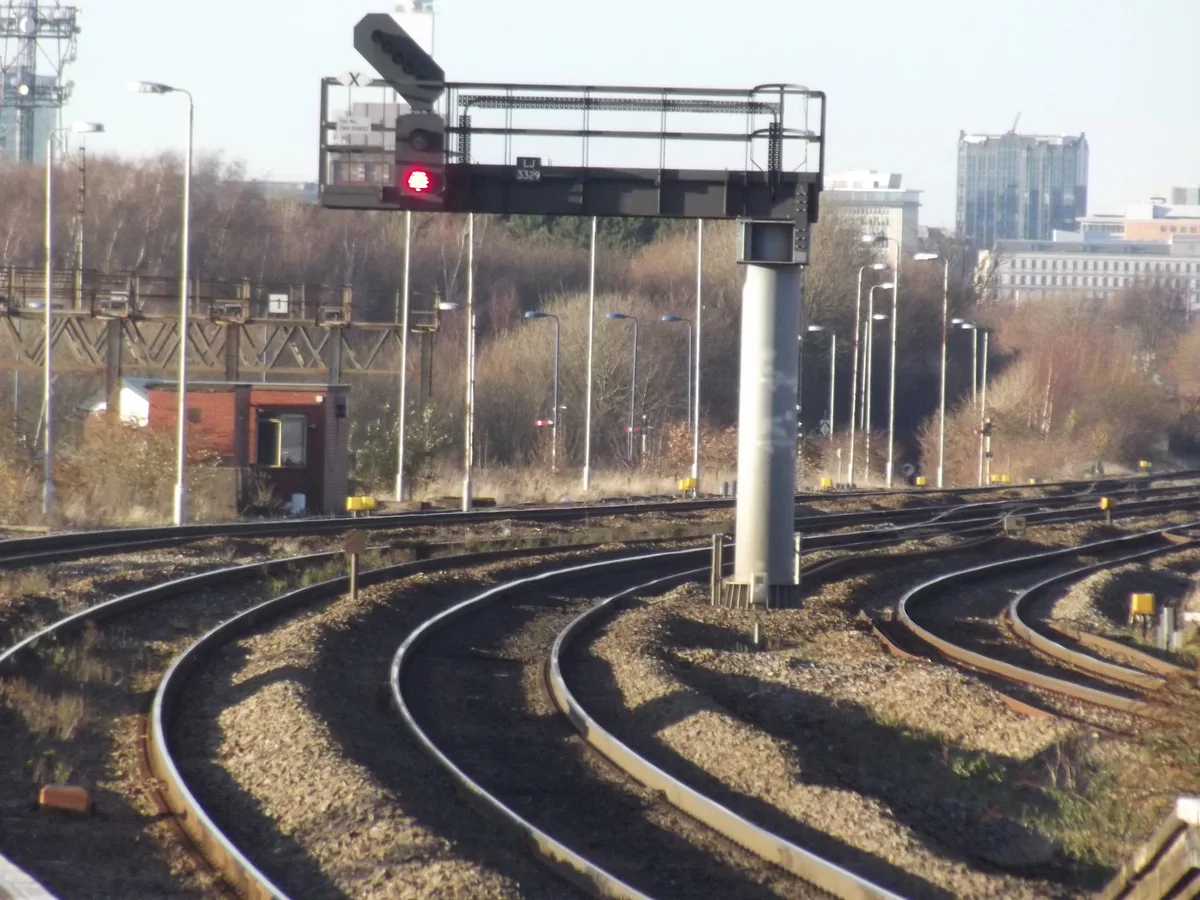
Start with certainty. If you know the exact train and can book early, Advance usually costs less. If your plans could move, off-peak protects you from buying a second ticket. Match your situation to one of these scenarios.
- Fixed-time meeting or flight connection: choose Advance, and book the train that leaves with margin to spare.
- Flexible day trip: choose off-peak, for example on London to Oxford trains or London to Brighton trains.
- Early morning arrival into London: check whether your train falls inside the peak window before choosing off-peak. Advance is often the safer pick here.
- Uncertain return: buy an off-peak return, or mix an Advance outbound with an off-peak return where the operator allows it.
- Long intercity trip such as London to Edinburgh: compare Advance and off-peak on the journey planner, because gaps vary by date.
Common mistakes
Most fare problems come from a few avoidable errors. Each one is cheap to prevent if you check the ticket before you board.
- Boarding a train inside the peak window on an off-peak ticket.
- Missing an Advance train and having to buy a new ticket.
- Assuming off-peak times match on every route and operator.
- Not checking that the ticket is valid on the particular operator's service.
- Ignoring disruption rules. Our UK train strikes guide explains how rebooking and refunds work when services are cancelled.
Ways to pay less on either ticket
Railcards can cut the price of both fare types, but they carry their own time restrictions. See our UK railcards guide for the options, and check current terms on the railcard site. Splitting one journey into several tickets can sometimes beat the through fare. Our split ticketing guide covers when that works. Overseas visitors weighing a pass against point-to-point fares can read about the BritRail Pass Guide: Types, What's Covered and Is It Worth It. Prices change daily, so compare live fares for your own date and route before you commit.
Frequently Asked Questions
Does off-peak work on weekends?
Off-peak restrictions often apply mainly on weekdays, so weekend trains are frequently easier to use with an off-peak ticket. Rules differ by route and operator, though. Check the restrictions shown on your ticket before you travel.
Can I use an off-peak day single at any time?
No. An off-peak ticket is valid only outside the restricted peak periods for your route. If you want to travel at any time, an Anytime ticket is the fare that allows it.
What happens if I have an off-peak ticket on a peak train?
Your ticket is not valid on that train. You may be asked to pay the difference or buy a new ticket. Check departure times against the restrictions before you board.
Rail notes for your next trip
Optional updates when our rail guides change.
Related guides


More guides
Picked from the same area