
Split Ticketing UK: How It Works & When It Saves
Last updated November 2026: split ticketing means buying separate tickets for sections of one through journey, which can sometimes cost less than a single ticket. The train must call at the split station for the split to be valid. It does not always save money, so price it up before you book, and see our UK train travel guide for the wider picture.
Featured image: richardcavell, CC BY 4.0, via Flickr.
What Split Ticketing Is (and a Quick Example)
Take a journey from station A to station C, on a train that also calls at station B. A single ticket from A to C is the usual purchase. With a split, you buy one ticket from A to B and a second from B to C. You stay in the same seat on the same train, and you do not get off at B. Sometimes the two part-journey tickets add up to less than the through fare. Often they do not, which is why it pays to compare.
Is Split Ticketing Legal?
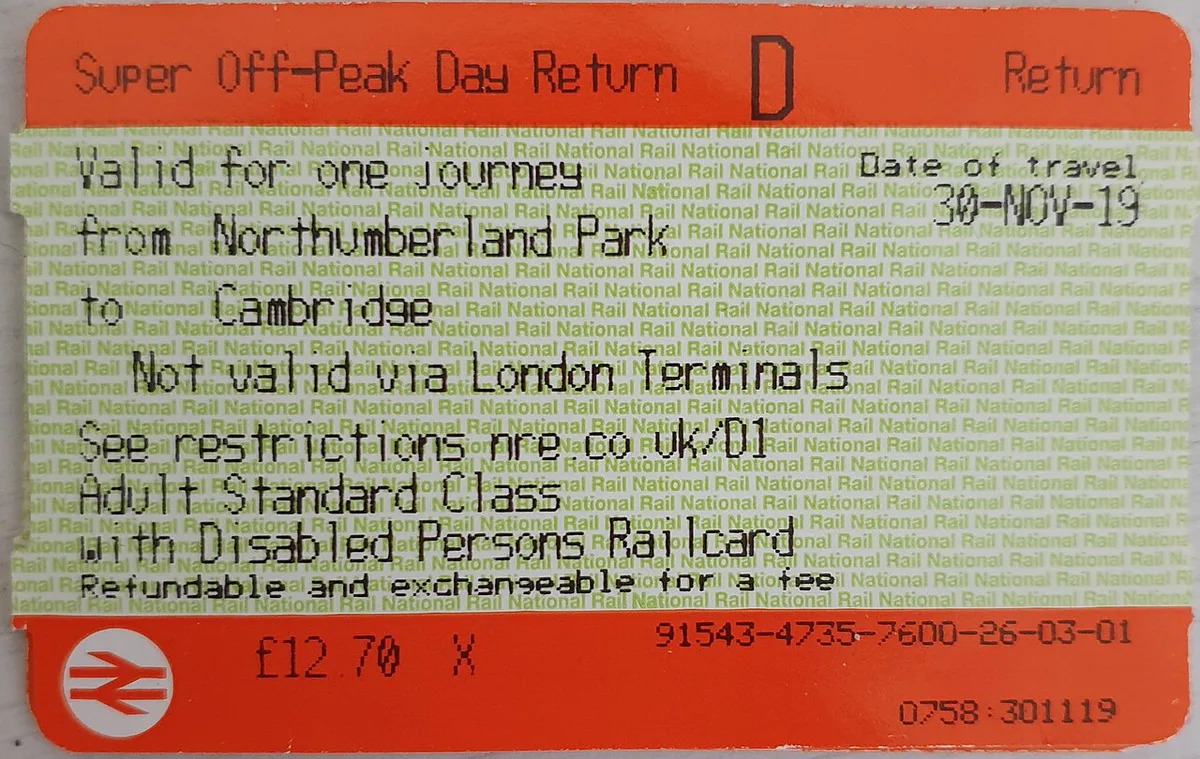
Split ticketing is a recognised way to buy UK rail fares. Several ticket retailers build their business around it, and National Rail guidance on ticket types is the place to read the official position. Each ticket you hold is a valid ticket for its own section. The operator's conditions of travel still apply to every one of them, so read the restrictions printed on each ticket.
Why Split Tickets Can Cost Less
UK fares are priced per origin and destination pair, and by ticket type. A through fare between A and C is not simply the sum of A to B and B to C. On some pairs, the through price is higher than the two part prices added together. Advance fares add another wrinkle, because each section can have its own price. Split ticketing exploits those gaps. No saving exists unless the pricing happens to line up that way on your route and date.
Split Ticketing Rules You Need to Know
A few rules decide whether a split works. Ticket type matters most, so start with our guide to off-peak and advance tickets.
- The train must call at the split station. A ticket to a station the train skips does not cover you there, so look at the calling points of your chosen service.
- You do not have to get off at the split station. You stay on board and carry on to your final stop.
- Each ticket keeps its own restrictions, such as time of day, a specific train, and permitted route. Break one and that ticket is not valid.
- Seat reservations can change at split points. A reservation covering both sections is not guaranteed, so check your seat on each ticket.
- Keep every ticket available until you leave the final station. Save digital tickets in your phone wallet or app and collect any paper ones.
When Splitting Helps and When to Skip It
Splitting tends to repay the effort on long journeys with advance-priced or regulated legs. It rarely repays it on short, already cheap trips. Use this table as a quick filter, and treat it as a guide, not a promise of savings.
| Situation | Likely outcome | What to do |
|---|---|---|
| Long cross-country trip with advance or regulated legs | More likely to find a saving | Compare the through fare with splits at calling points |
| Short or already cheap journey | Saving is small | Buy one ticket and skip the extra complexity |
| Train-specific advance tickets | Valid only on the booked train | Confirm every leg is on the same train |
| Tight connection or change | A delay could strand you | Do not split at that point |
| Strike or disruption day | Plans may change at short notice | Read our UK train strikes guide first |
How to Find Splits: Tools vs Doing It Yourself
Retailer tools search split combinations for you and can be quick. Some retailers add a booking fee or a split fee, so compare the final total against the single ticket. Check any affiliate or commission relationship before trusting a recommendation. A manual check costs nothing and works with the National Rail journey planner or an operator's own site.
- Price the through journey from A to C for your date and time.
- Note the calling points of your chosen train.
- Price A to the first calling point you pick, then that point to C, for the same train.
- Add the part-journey prices together and include any booking fees.
- Buy the split only if the total is lower and every ticket allows travel on your train.
Railcards and Split Tickets
A railcard discount applies to each ticket you buy with it, so enter your railcard on every part-journey. Some railcards carry minimum-fare or time restrictions, which can wipe out the saving on a cheap section. Read the terms at the official railcard site. Our guide to UK Railcards: Which One Is Worth It? (Visitor Guide) explains which cards suit which travellers. Visitors weighing a pass against tickets can compare options in our BritRail Pass guide.
Delays, Cancellations and Refunds
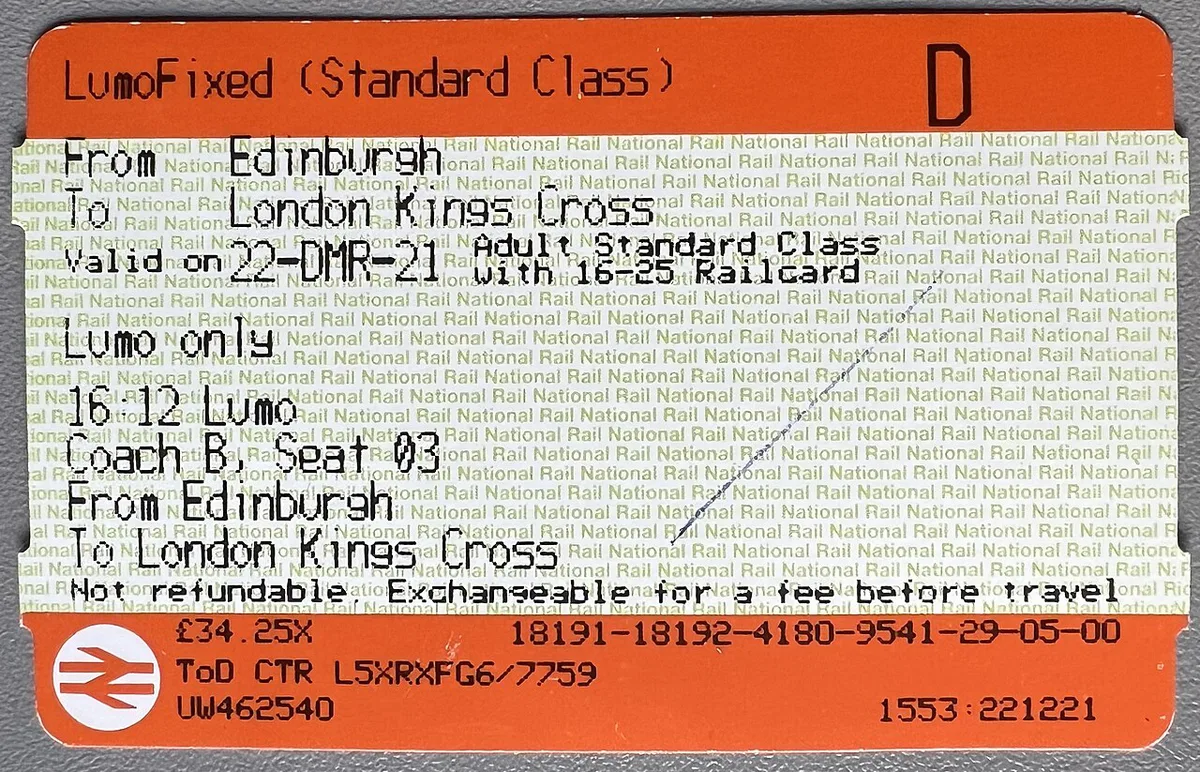
Each split ticket is refunded, changed or claimed for delay on its own terms. Read the operator's conditions, such as those on LNER, before you book.
- If a delay makes you miss the next section, tell the conductor you hold a ticket for each part of the journey.
- Keep every ticket, because each one is a separate Delay Repay claim.
- If the through train is cancelled, ask staff which service your tickets are valid on.
- On strike days, follow the guidance in our strikes guide.
Refunding Split Tickets: Fees, Partial Refunds and Retailer Rules
A split journey is several tickets, so a refund is several refund requests. That is where a small saving can disappear, so work out the cost of changing your plans before you buy.
- Admin fees add up per ticket. National Rail Conditions of Travel allow train companies to charge an administration fee, usually £10, on each refund. A journey split into three tickets can cost up to £30 to cancel, against £10 for one through ticket. Check the current fee in the operator's conditions.
- Retailers can charge on top. If you booked through a split-ticketing site or app, it may add its own refund or change fee. Read its refund terms before paying, because they differ between retailers.
- Ticket type sets the rules. Flexible tickets are generally refundable before use. Advance tickets are usually refundable only before the day of travel, and change rules vary by operator and fare. Each leg follows its own ticket's terms.
- Refund every leg. Cancelling one section leaves the others valid and unrefunded. If your plans change, request a refund on each ticket you will not use.
- Partly used journeys. If you travel one section and abandon the rest, you can usually claim only for the unused tickets. Ask the retailer or the operator, and keep all tickets as proof.
If you think you may need to cancel, a single through ticket or a split with only one extra ticket gives you fewer fees and fewer forms. Compare the saving with the worst-case refund cost before you commit.
Mistakes to Avoid
Most split problems come from a short list of errors. Run through these before you travel.
- Booking a split at a station the train skips.
- Mixing a train-specific advance ticket with a flexible one.
- Getting off the train at the split station by mistake.
- Forgetting to apply your railcard to each ticket.
- Not saving every ticket in your wallet or app, or losing a paper one.
- Accepting a booking fee that cancels out the discount.
Where Splitting Is Worth Checking on UK Routes
Splitting is worth checking on the long London corridors, where fares and calling patterns vary by operator. For each route, check the calling points on your chosen service. Operator pages such as LNER, Avanti West Coast: Routes, Tickets and Tips for Visitors and Lumo explain their ticket rules. Departure stations matter too, so see London Train Stations: Which One Do You Need? for how they differ.
Rail notes for your next trip
Optional updates when our rail guides change.
Related guides


More guides
Picked from the same area