
London to Bath by Train: Stations, Tickets and Day-Trip Tips
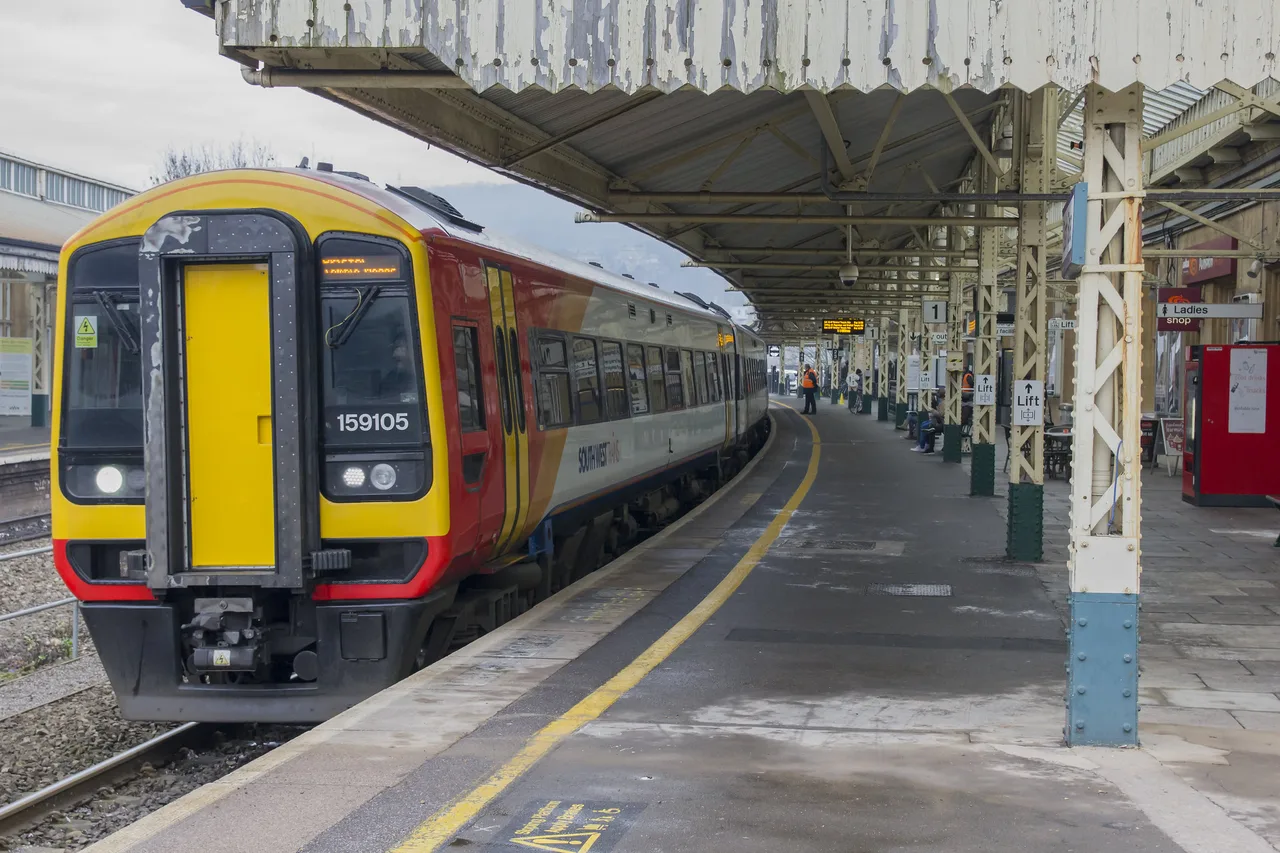
Last updated November 2026: the london to bath train is a direct service run by Great Western Railway from London Paddington to Bath Spa. Your biggest saving comes from booking a fixed-time ticket early or travelling off-peak. Journey times and frequencies shift by day, so run your date through the live planner before you commit.
Featured image: Dai Lygad, CC BY 2.0, via Flickr.
London to Bath train: which station and which operator
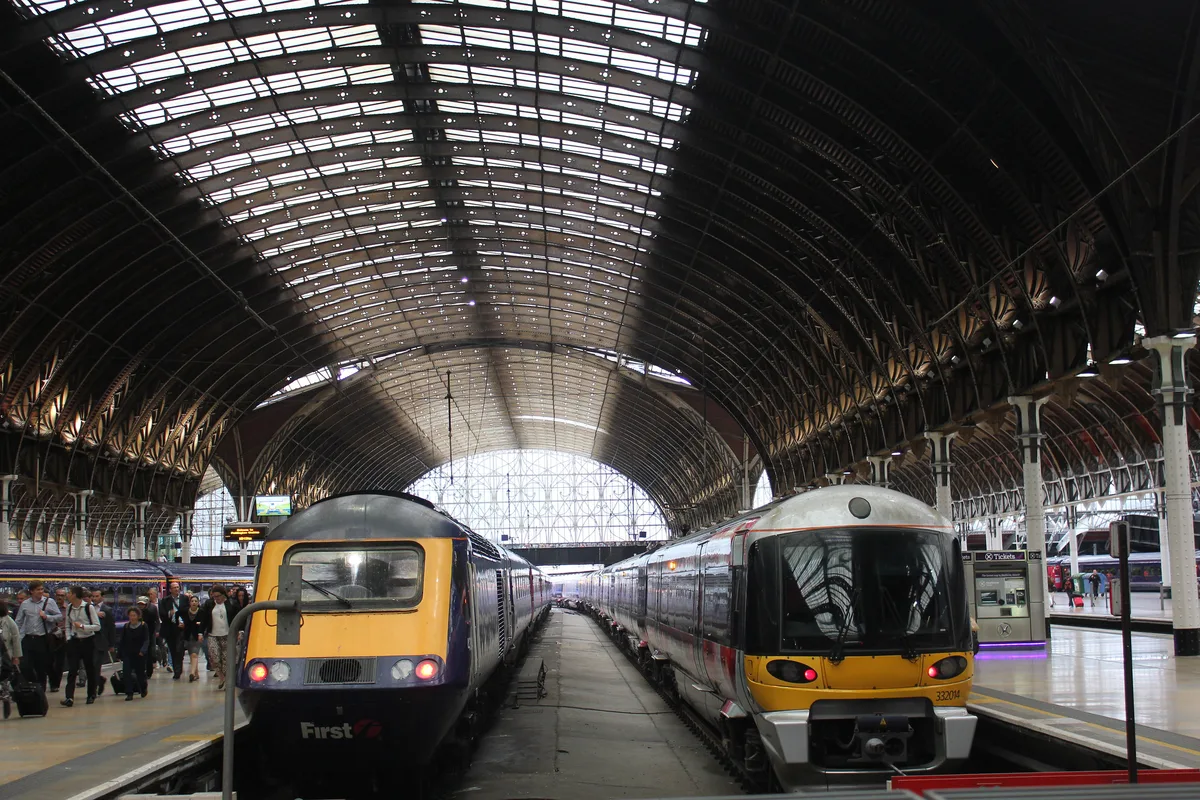
Paddington is your London departure point, and Bath Spa is where you get off. GWR operates the direct route, so most travellers need no change of train. Our guide to London terminals helps if you are unsure which station serves which part of the country. Search on National Rail for the timetable on your travel date. Pick the earliest direct departure that suits your plans, and treat any itinerary with a change as a fallback rather than a first choice. Our overview of UK rail travel covers how tickets, stations and operators fit together nationally.
Departing from London Paddington: getting there and boarding
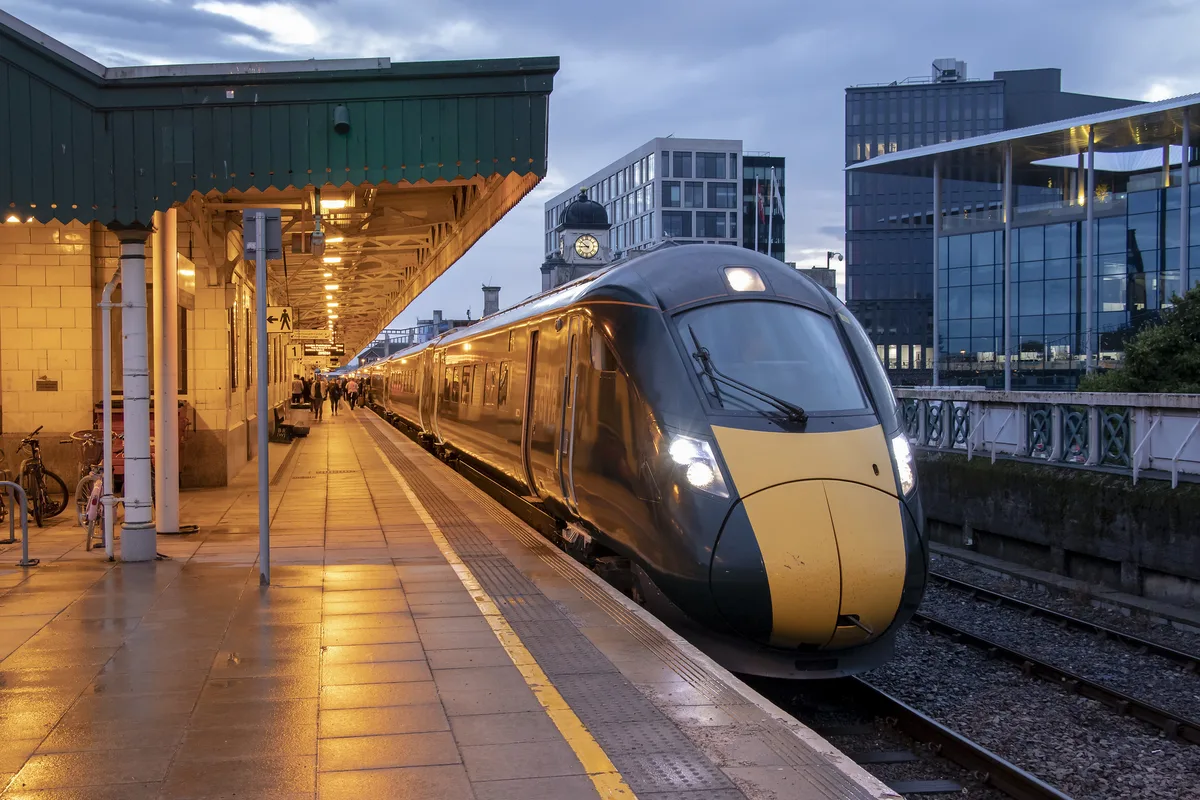
Paddington is a terminus on the western side of central London, and the Bath trains leave from the main line platforms at the head of the concourse. The departures board shows your platform only shortly before the train leaves, so aim to be inside the station well before then rather than arriving at the gate with minutes to spare.
Reaching the station
- Underground: the Bakerloo, Circle, District and Hammersmith & City lines all stop at Paddington.
- Elizabeth line: trains from the east, including Liverpool Street and Farringdon, run through to Paddington, which helps if you are carrying luggage.
- Taxi or ride-hail: drop-off is near the station forecourt. Allow extra time at peak hours, when central roads are slow.
Before you board
- Look at the departures board for your train, its platform and any delay.
- Have your ticket ready. Platform barriers accept paper tickets with a barcode, and e-tickets from your phone or the operator's app.
- If your fare includes a seat reservation, find the coach and seat number on your booking before you walk the platform.
- Board at the carriage that suits you. Trains are long, and a coach near the front or rear may be quieter than those at the middle.
If the board shows more than one Bath departure close together, compare the stops. A direct train is usually the better choice over a slightly earlier option that needs a change. Find the exact stopping pattern in the planner for your date.
How long it takes and when to go
Direct services are the quickest option, and the planner shows the exact running time for each departure. Weekday mornings and evenings are the peak periods, when commuter restrictions apply to cheaper tickets. Mid-morning departures usually sit outside the tightest restrictions, which is why many day-trippers aim for them. Weekends can look different because of engineering works, so check the date rather than assuming a standard timetable. Our comparison of off-peak and advance tickets explains how peak windows affect what you can buy.
- Leave Paddington mid-morning if you want an off-peak ticket without a very early start.
- Check the last return departure from Bath Spa before you book the outbound train.
- Allow a buffer for the Underground journey to Paddington on your way out.
Ticket options and how to pay less
Fares vary widely with time of day and how far ahead you buy. Advance tickets are tied to one specific train and usually cost less. Off-peak tickets give you more freedom on timing. Anytime tickets give the most flexibility and typically cost the most. Prices and rules are set by the operator, so confirm current fares on the GWR site when you book.
| Ticket type | Key feature |
|---|---|
| Advance | Cheapest option, fixed to one train |
| Off-peak | Flexible within permitted hours |
| Anytime | No time restrictions; typically costs the most |
- Advance: cheapest option, fixed to one train, best if your plans are set.
- Off-peak: flexible within permitted hours, a good fit for relaxed day trips.
- Anytime: no time restrictions, useful if your return time is uncertain.
- Split tickets: two tickets on the same train can sometimes undercut a single fare, so read our split-ticketing explainer.
Railcards and rail passes
A railcard can reduce the fare if you qualify and your journey falls inside its time rules. Our breakdown of UK railcards shows who benefits most, and National Rail Railcards lists current eligibility. Visitors with a pass should read about the BritRail Pass Guide: Types, What's Covered and Is It Worth It and check on the BritRail site that this route is valid on your pass and your travel days. A pass rarely pays off for a single return trip, so compare it against an advance ticket.
Day trip or overnight stay
A day trip works when you take an early direct train and catch a return with room to spare. Work backwards from the last departure you can safely board, then subtract time for dinner and the walk to the station. Missing the final train would force an unplanned night in Bath. Stay overnight if you want an evening in the city, a slower start, or a day without watching the clock. Travelling out and back on different days also lets you use cheaper off-peak travel at both ends.
Arriving at Bath Spa station
Bath Spa is a short trip from the city centre, and many visitors simply walk. Taxis are available if you have heavy luggage or limited mobility. Local buses also run from the city centre, and the city council's transport pages list current routes. If you need step-free access or assistance, arrange it with GWR before you travel and note the details of your return journey. Pick up a map at the station or load one on your phone before you set out.
When things go wrong: engineering works and strikes
Engineering works can change routings or replace trains with buses, especially at weekends. Network Rail publishes planned engineering work, and National Rail Enquiries shows live disruption. Check both on the morning you travel, then check again before the return leg. Industrial action is a separate risk, covered on our page about UK Train Strikes: How to Check, Rebook and Travel Anyway. Keep your ticket type in mind, because advance tickets may need rebooking if a train is cancelled. Save the operator's app on your phone for live updates.
Train versus coach or car
Coaches can cost less but take a different route and may be slower in traffic. Driving gives flexibility, though parking in central Bath is limited and adds to the real cost. Train travel avoids both problems and puts you at Bath Spa within walking distance of the centre. Compare the total cost and door-to-door time for your own dates. If you want other day trips from the capital, try the London to Oxford Train: Stations, Times, Tickets and Tips. Another option is the route to Brighton.
Rail notes for your next trip
Optional updates when our rail guides change.
Related guides

More guides
Picked from the same area