
8 Things to Know About UK Trains Before You Book

Last updated November 2026. UK trains are run by many operators, and the ticket you buy matters more than the train you board. Fares differ hugely by type and timing, and the cheapest option is usually booked in advance, at the cost of flexibility. Use this guide to pick a ticket, then follow the links to the guide for your route.
To continue to Paris, Brussels or Amsterdam, our Eurostar guide covers routes, check-in and luggage from London St Pancras.
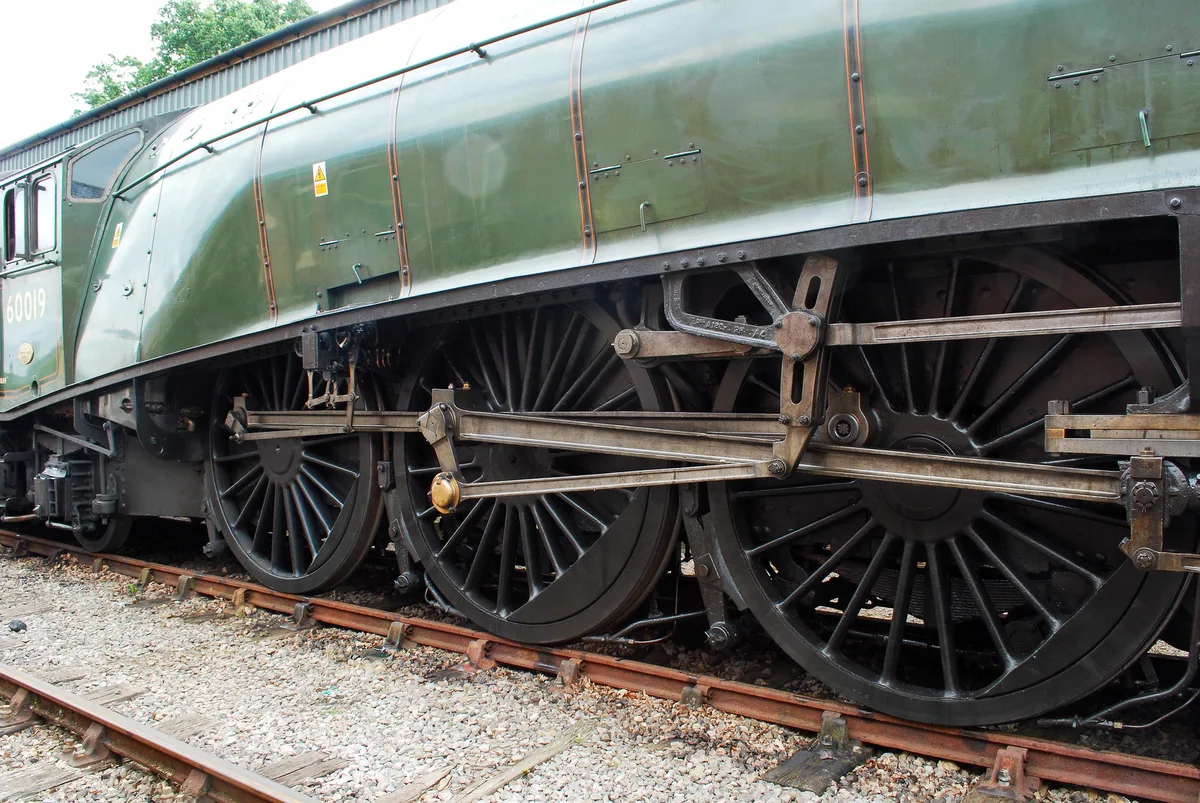
Featured image: BIG ALBERT, CC BY 2.0, via Flickr.
Which Ticket Fits Your Trip
Start with how fixed your plans are. A fixed plan favours a cheap, train-specific ticket. A loose plan favours a flexible one, or a pass. Each line below points to the guide that covers that choice in depth.
- Fixed dates and one long journey: compare Off-Peak and Advance fares.
- Several trips in one visit by an overseas traveller: weigh up the BritRail Pass Guide: Types, What's Covered and Is It Worth It against point-to-point tickets.
- Regular travel or a group: see whether a railcard applies to you.
- A long journey with a pricey through fare: test split tickets on the same route.
- Travelling on a strike day or engineering weekend: read our strikes guide first.
8 Things to Know About UK Trains
These eight topics cover how the network is organised, how to save money and what can go wrong. Fares and rules change, so treat each as a principle and check live details at National Rail Enquiries before paying.
1. How UK rail is organised
Britain has many train companies, and the operator depends on the route and the station. National Rail is the shared brand for timetables and journey planning across them. Its site sells fares from every train company, so you rarely need to visit several operator sites.
Search there first to see all options side by side. Skip it only if you want a company's own perks, such as an app-only offer.
2. Ticket types: Advance, Off-Peak and Anytime
Advance tickets are tied to one specific train and are usually the cheapest option. Off-Peak tickets are cheaper than Anytime but carry time restrictions. Anytime tickets are the most flexible and usually the most expensive.
Pick a train, not a time band, when you book, because the ticket is only valid on what it names. Our Advance versus Off-Peak guide covers the trade-offs. Skip Advance fares if your plans might change, since missing the named train can mean buying a new ticket.
3. Railcards
A railcard is a paid card that discounts many fares for a set group of travellers, such as young adults, seniors or couples. It pays off when you travel often or buy several expensive tickets. Eligibility, price and restrictions are published by the railcard operator.
Our railcard guide helps you pick one. Skip it for a single cheap trip, where the card may cost more than it saves.
4. Split ticketing
Split ticketing means buying two or more tickets for one journey instead of a single through fare. You stay on the same train, and each ticket covers one section of the trip. It can be cheaper on some routes and gives no saving on others.
Compare the through fare with split options before you pay. Our split ticketing guide explains how to do it safely. Skip it when each ticket's train restrictions make the trip complicated, such as when you must change trains.

5. BritRail pass: is it worth it?
A pass suits visitors who plan several long journeys and want freedom to change dates. Point-to-point tickets suit travellers with few journeys and fixed days, especially when booked early. Count your long trips and ask how flexible you want to be, then compare the total.
Pass terms are listed on the official BritRail site. Our BritRail pass guide walks through the test. Skip the pass if you will take one or two trips and can commit to dates.
6. Strikes and disruption
Strike days, engineering works and delays all change what a ticket is worth. Check live status on National Rail before you buy a fixed ticket and again on the day. Our train strikes guide explains where to look.
Status changes quickly, so no page can promise a clear run. Prefer a flexible ticket if a strike notice is live for your date.
7. London stations
London has several terminals, and the right one depends on where you are heading. Never assume there is one London station, and allow time if you must cross town between terminals. Our London stations guide maps destinations to terminals.
Two terminals matter for northern routes, King's Cross and Euston. Skip any itinerary that gives you a tight transfer between terminals.
8. Main intercity operators
LNER runs services from King's Cross, and Avanti West Coast runs services from Euston. Lumo is another operator on the corridor from King's Cross to Edinburgh. Your route, not your preference, decides which operator you use on most journeys.
Read about LNER and Avanti West Coast: Routes, Tickets and Tips for Visitors in their own guides. See the Lumo guide for the third option. Operator sites such as LNER list their own routes and booking terms.
Popular Routes From London
Each route has its own guide with times and fares. This table only tells you what kind of trip suits each one.
| Route | Best suited to | Guide |
|---|---|---|
| Edinburgh | Overnight or longer stay | London to Edinburgh |
| Manchester | City break | London to Manchester |
| Bath | Day trip or weekend | London to Bath |
| Liverpool | Weekend away | London to Liverpool |
| York | Day trip or overnight | London to York |
| Oxford | Day trip | London to Oxford |
| Cambridge | Day trip | London to Cambridge |
| Cardiff | Weekend away | London to Cardiff |
| Cornwall | Longer holiday | London to Cornwall |
| Brighton | Day trip to the coast | London to Brighton |
First-Timer Tips for Riding UK Trains
Book the specific train rather than a time band, and keep your e-ticket or collection reference handy. Station departure boards show the platform shortly before departure, so wait near the board. Ticket barriers at larger stations read your ticket, and staff can open a gate if yours fails. Quiet coaches, bike space and seat reservations vary by train. Assistance for disabled travellers is arranged in advance through the operator, so contact them before you travel. Train, coach, flying and driving each win on different corridors. Rail is often the more comfortable option between city centres, while coaches are often cheaper but slower.
Frequently Asked Questions
How much does it cost to travel by train in the UK?
Cost depends on route, timing and ticket type. Booking a specific train in advance is often the cheapest route, while flexible Anytime fares cost most. Check live fares on National Rail Enquiries, then see whether a railcard or split tickets lower the total.
Explore More Guides
Keep planning your trip with these guides.
Guides
- UK Railcards: Which One Is Worth It? (Visitor Guide)
- Split Ticketing UK
- Off-Peak vs Advance Train Tickets in the UK
- BritRail Pass Guide
- UK Train Strikes: How to Check, Rebook and Travel Anyway
- LNER Guide
- Avanti West Coast: Routes, Tickets and Tips for Visitors
- Lumo Train
- London Train Stations: Which One Do You Need?
- King's Cross Station Guide
- London Euston Station Guide
- London to Edinburgh Train: Times, Tickets and Best Operator
- London to Manchester Train: Times, Tickets & Which Station
- London to Bath by Train
- London to Liverpool Train: Euston to Lime Street Guide
- London to York Train: Times, Tickets & Which to Take
- London to Oxford Train: Stations, Times, Tickets and Tips
- London to Cambridge Train: Stations, Tickets and Journey Time
- London to Cardiff by Train
- London to Cornwall by Train
- London to Brighton Train: Fastest Route, Tickets & Which Station to Use
Rail notes for your next trip
Optional updates when our rail guides change.
Related guides

More guides
Picked from the same area