
London to Oxford Train: Stations, Times, Tickets and Tips
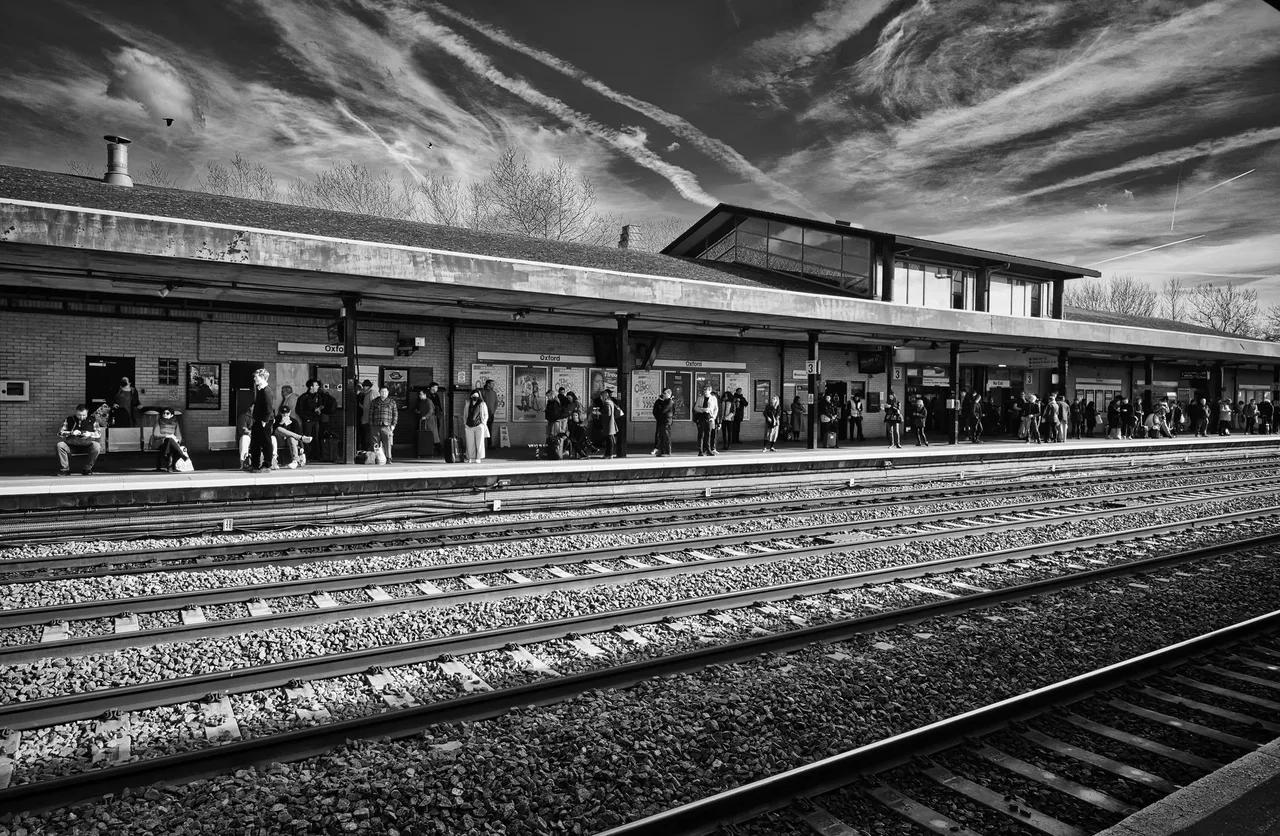
Last updated November 2026: Great Western Railway runs direct trains from London Paddington to Oxford, which makes the London to Oxford train one of the simplest day trips from the capital. Chiltern Railways runs the alternative service from London Marylebone. Expect about an hour on the quickest services, with fares that swing widely between Advance and walk-up tickets.
Featured image: chris.rycroft, CC BY 2.0, via Flickr.

Quick answer: the fastest London to Oxford train
Paddington is the main starting point. GWR trains leave from there for Oxford, and they are the usual choice when speed matters. Marylebone is the second option, served by Chiltern Railways. Both routes take roughly an hour on their quicker services, and the exact time depends on the train and the stops it makes. Prices and hours checked November 2026, so use National Rail Enquiries for the live timetable on your travel date.
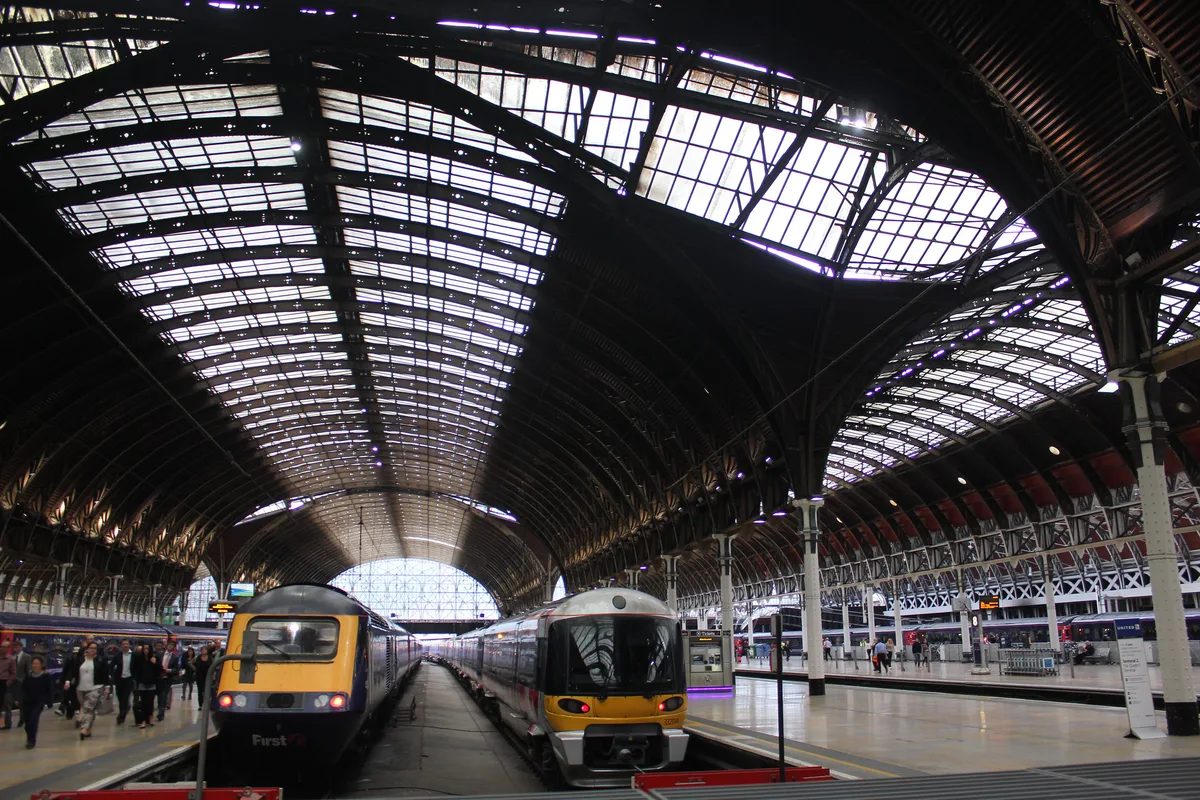
- Paddington with GWR: the main route, and the one to try first for the shortest journey.
- Marylebone with Chiltern Railways: a direct alternative that suits travellers staying on that side of London.
- Euston or Stratford: not the usual departures, so expect a change of train or a Tube or Elizabeth line link.
Paddington or Marylebone? How to choose

Start with where you are staying, then compare the live times for both stations. Paddington is usually the first search, while Marylebone can be easier if your hotel sits closer to it. Our guide to London's main rail terminals shows how the stations fit together. Euston is a different story. Staying near it does not give you a direct Oxford train, as Euston's long-distance services head north rather than west. From Stratford, plan a change instead of expecting a through service. The Elizabeth line is the simplest link towards Paddington for many starts.
- Check the departure time first, because the quickest train is not always at the nearest station.
- Compare arrival times at Oxford, not just journey length.
- Check seat availability if you are travelling at a commuter peak or on a weekend.
Journey times and frequency
Both operators run frequent services through the day. Quoted times differ between sites because they start from different London stations and include changes. Fast trains take about an hour, and stopping services take longer. Peak trains can be fuller, so reserve a seat where your ticket allows it. Read the timetable for your exact date on National Rail, then match the operator you plan to use. Ignore first-and-last-train figures on reseller pages, because they conflict with each other.
Ticket types and how to pay less
Three fare families matter here: Advance, Off-Peak and Anytime. Advance tickets are the cheapest but fix you to one train. Off-Peak tickets cost more and let you travel outside the busiest periods. Anytime tickets are the most flexible. Our guide to Advance and Off-Peak fares explains the trade-off. Reseller pages say Advance tickets are released up to 12 weeks ahead, so search early for a particular date. A National Rail Railcard typically takes one third off eligible fares. Our UK Railcard guide covers who qualifies and the minimum fare rule. Split tickets rarely help much on a route this short. Read how split ticketing works before you spend time on it. Overseas visitors can check whether the BritRail pass covers GWR and Chiltern. Our BritRail Pass guide explains whether it is worth buying for one short trip. For general planning, see train travel across the UK.
| Fare type | Price level | Flexibility |
|---|---|---|
| Advance | Cheapest | Fixed to one train; released up to 12 weeks ahead |
| Off-Peak | Middle of the range | Lets you travel outside the busiest periods |
| Anytime | Highest | Most flexible; the usual price if you buy on the day |
Reading the fares: what to expect
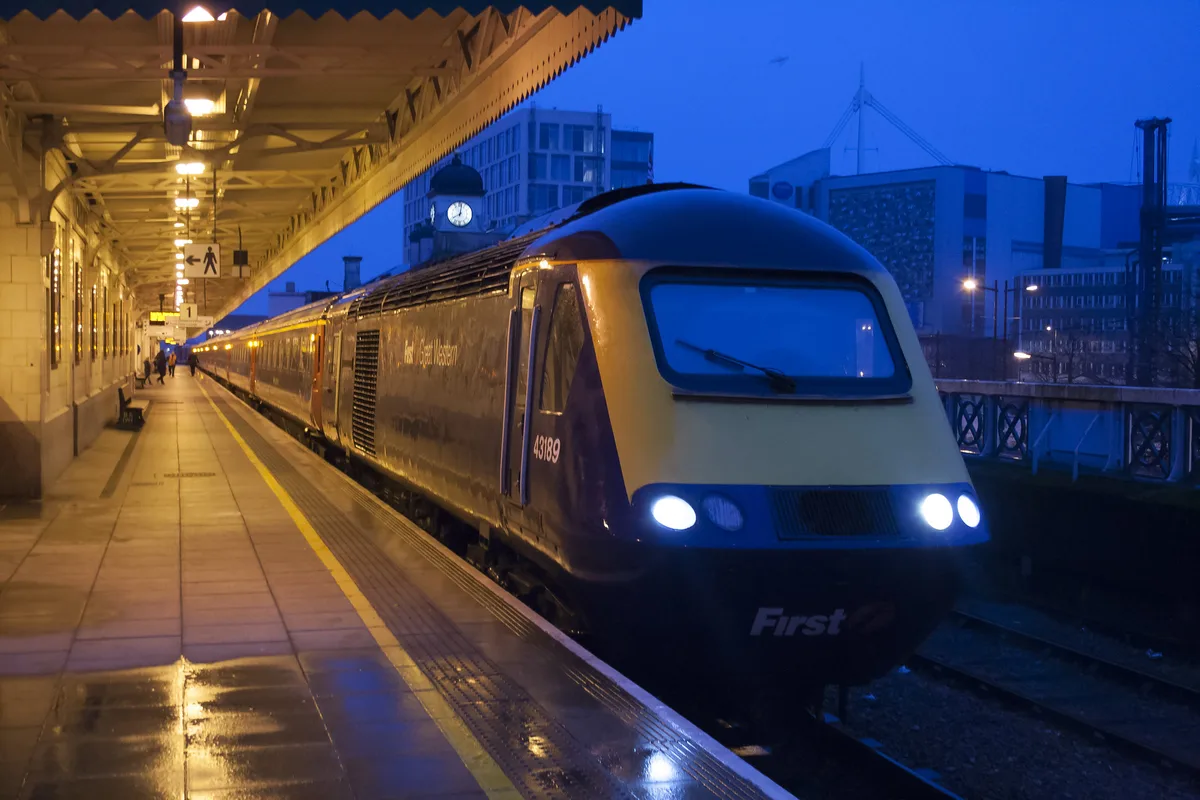
Advance fares are the lowest and sell out first. Off-Peak fares sit in the middle. Anytime fares are the highest, and they are what you pay if you turn up and buy on the day. A "from" price on a booking site is the lowest fare on a given train, and it will not match every seat. Treat such figures as a floor, not a budget. Compare the same train on the operator's own site and on National Rail before you pay. A return can cost less than two singles, so price both.
Search early for Advance fares, which sell out first and can be released up to 12 weeks ahead, so the cheapest seats need planning.
Arriving in Oxford: from the station to the centre
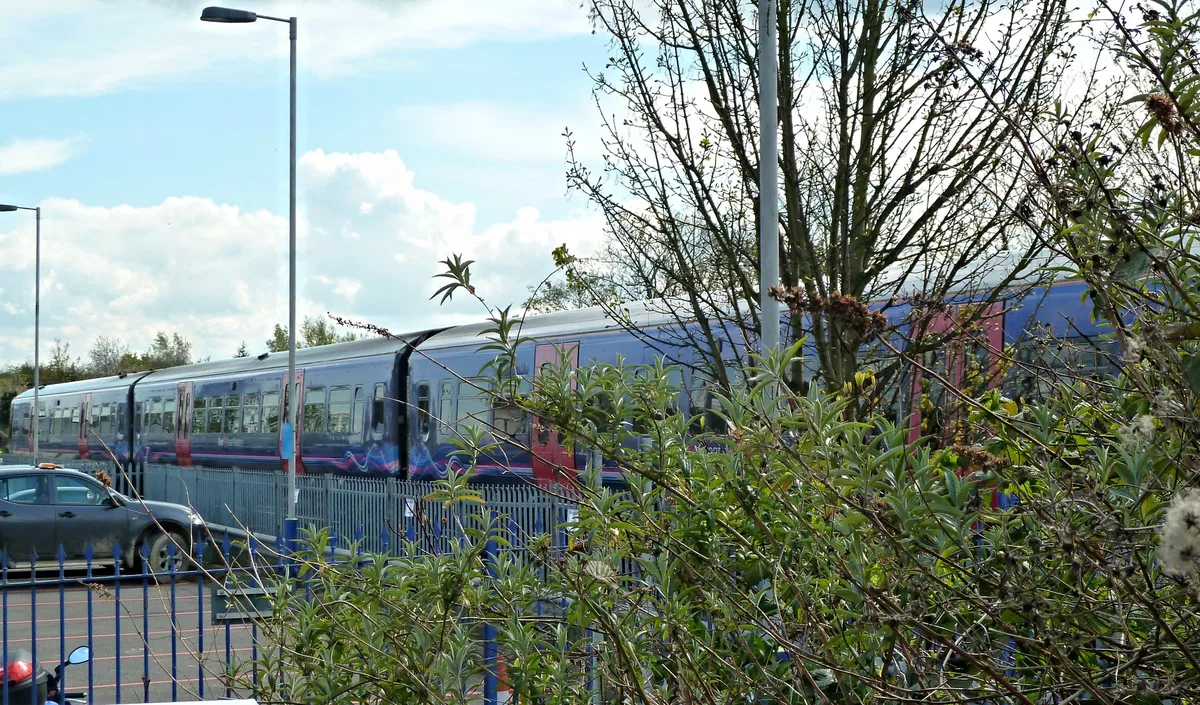
Oxford is best explored on foot, but allow time to find your way from the station. You can walk, take a bus, hop in a taxi or use a bike. Check the current routes and times with the operator or the city before you leave. If you carry luggage, ask station staff about left luggage and step-free access on arrival. Key sights such as the colleges and the Oxford University Museum of Natural History sit in the centre. Allow a half day for a quick visit and a full day if you want to enter colleges.
Sample day trip timeline
Build the day around fixed points, which are your outbound train, college opening hours and the last train home. College visiting hours change during term time and exams, so check each college's website for the one you want to see.
- Early train out: pick a train that gets you to Oxford before the colleges open.
- Morning: visit one or two colleges that are open to visitors.
- Midday: lunch at the Covered Market.
- Afternoon: visit the Oxford University Museum of Natural History, or hire a punt at Magdalen Bridge.
- Evening: board your return train with a margin, and have a back-up departure ready.
Delays, cancellations, strikes and Delay Repay
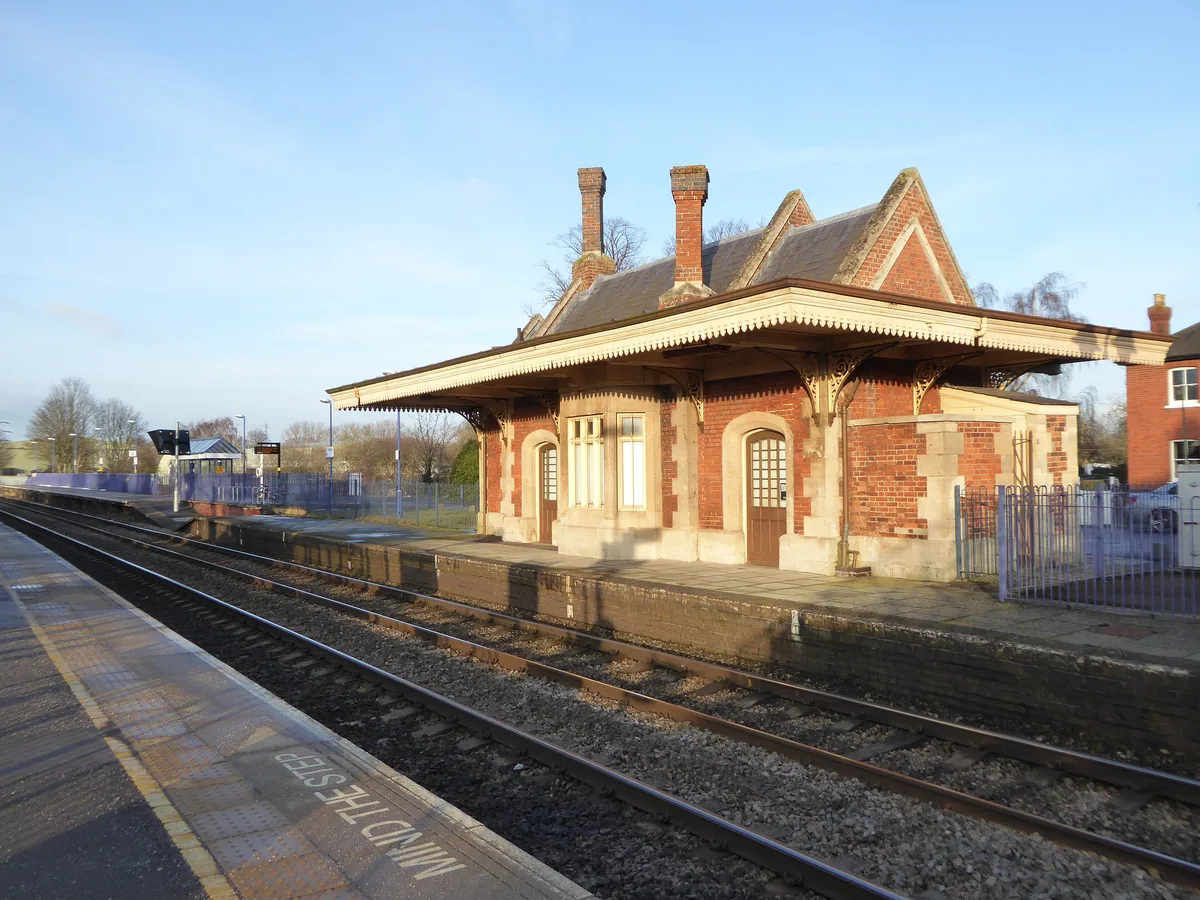
Both GWR and Chiltern run Delay Repay schemes, and delays of 15 minutes or more can qualify for compensation. Reseller pages list 25% of a single fare for a 15 to 29 minute delay, rising with longer delays. Read the exact rules on the operator's claims page, because they set the terms. Before you travel, check current UK rail strike dates. Also look at engineering notices on Network Rail for weekend closures.
Onboard policies: bags, bikes, pets, accessibility

Most trains on this route take a reasonable amount of luggage, and both operators publish their own rules. Bikes may need a reservation on some services. Pets are generally allowed, with dogs on leads. Wi-Fi is available on most trains. If you need help boarding, arrange assistance with the operator in advance. Read the policy on the GWR website or Chiltern's site for your train.
Mistakes to avoid
A few errors cause most of the problems on this route.
- Searching from Euston and expecting a direct train.
- Buying Advance tickets, then missing the booked train and losing the fare.
- Using an Off-Peak ticket before its valid time.
- Waiting for the last minute and finding Advance fares sold out.
- Assuming every Oxford college is open on the day you visit.
More day trips from London
If Oxford is part of a longer plan, the London to Bath route is a similar trip to the west. For a university-town contrast, see the London to Cambridge route. Coast lovers can try trains from London to Brighton.
Frequently Asked Questions
How much does a train cost from London to Oxford?
Fares depend on ticket type and how early you book. Advance tickets are cheapest, and Anytime tickets cost the most. Check live prices on National Rail Enquiries or the operator's site.
How far is it from London to Oxford?
Distance depends on your London station and route, and sites quote different figures. The quickest trains take about an hour, which is more useful for planning than mileage.
Rail notes for your next trip
Optional updates when our rail guides change.
Related guides



More guides
Picked from the same area