
UK Railcards: Which One Is Worth It? (Visitor Guide)

Last updated November 2026. A UK railcard is a discount card for National Rail fares in Great Britain, and it pays off only when your saving per trip adds up to more than the card cost. Whether it suits you depends on who you are, how often you travel and which fare you book, so this guide gives the verdict first and the logic second. It is one spoke of our guide to trains in the UK.
Featured image: Matt From London, CC BY 2.0, via Flickr.
What a UK railcard is and who it suits
A railcard cuts the price of eligible rail fares for the person holding it. You pay once for the card, then claim a discount every time you book a qualifying ticket. The trade-off is simple: upfront cost against saving per trip. A railcard suits people who travel by train several times a year, or who book for two or more people on the same journey. Skip it if you are making one return trip, if your ticket is already the cheapest advance fare, or if you cannot meet the eligibility rules. Each card has its own rules, and the official Railcard website is the place to read them before you pay.
Which UK railcard fits you
Five cards cover most readers. Eligibility, price and discount level differ for each, and they change over time. Use the table to shortlist, then read the current terms on National Rail's railcard pages. This guide deliberately gives no ages or prices from memory.
| Railcard | Who it is aimed at | What to check | Best for |
|---|---|---|---|
| Two Together | Two named people travelling together | Whether both holders must travel together, and any time-of-day rules | Couples, friends or relatives who always travel as a pair |
| 16-25 | Younger adults | Age and student criteria, and whether a UK address is needed | Students and young commuters making regular trips |
| Senior | Older travellers | Minimum age, proof of age and any time-of-day limits | Retired travellers taking leisure trips |
| Family & Friends | Adults travelling with children | How many adults and children one card covers | Families making several trips a year |
| Network | Travellers in a defined regional area | Which area and which days or times the card covers | Regular local and day-trip travel |
- If you are a visitor, check first whether the card needs a UK address or proof of age or status.
- Some cards will not suit a short stay even when you qualify, because the card cost is spread over very few trips.

Disabled Persons and Veterans Railcards: Other Cards to Know
The five cards in the table above are the most common, but they are not the whole range. Two more are worth checking if you or someone you travel with qualifies, because they can change the sum entirely.
Disabled Persons Railcard
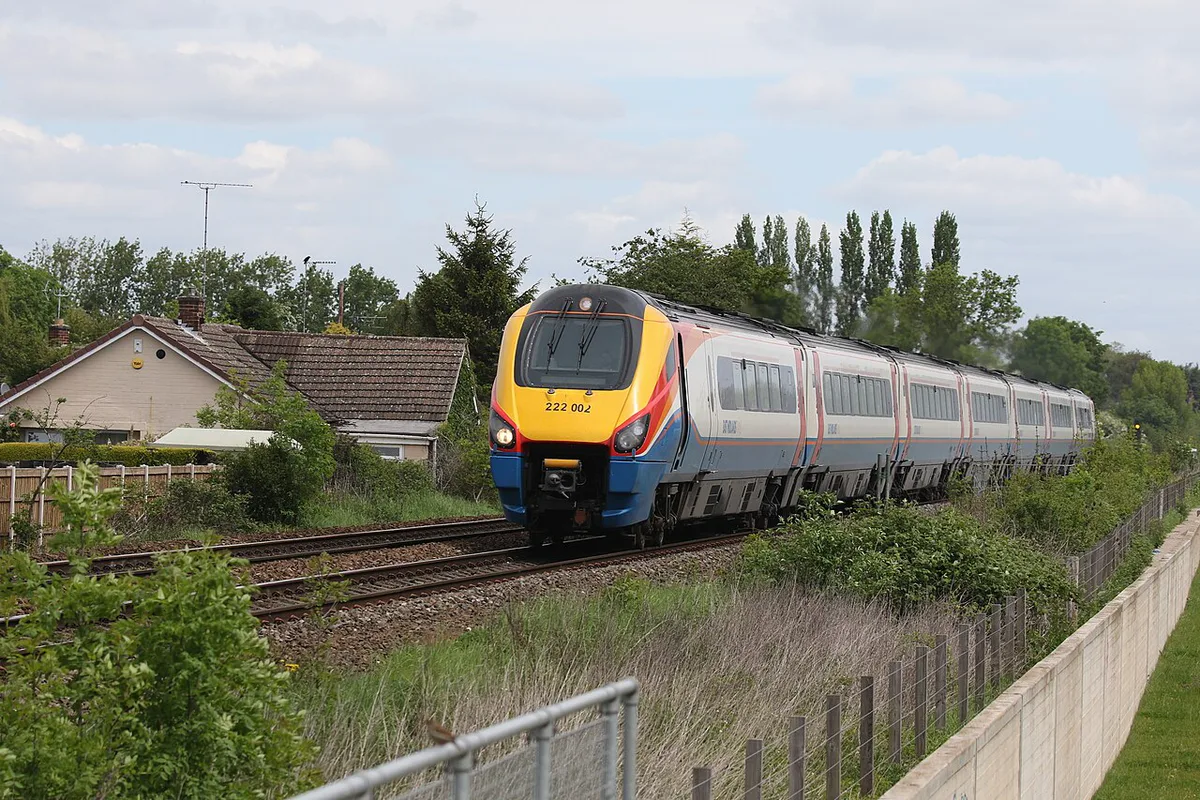
This card is aimed at people with a qualifying disability. It usually extends the discount to one adult travelling with the holder, which makes it one of the few cards where a companion's fare is cut as well. Applicants normally need to show evidence of eligibility, and the accepted documents are listed on the application pages. Allow time for this step before you plan a trip, since it is slower than buying a card with a simple age test.
Veterans Railcard
This card is for people who have served in the UK Armed Forces. Check the current definition of who counts as a veteran and what proof is accepted, as the rules are set by the issuer.
How to decide between cards
- Start with the card you clearly qualify for, then check whether a second card would give a better result on your usual fares.
- Look at whether the discount covers a companion or only the holder, since that changes your saving per trip.
- Check the term and format, such as one year or longer, and whether a digital version is offered.
- Run the same break-even sum used earlier: card price divided by the saving you expect per trip, measured against the cheapest fare you would otherwise buy.
Prices, discount levels and evidence requirements change, so read the current terms on the official Railcard website before you pay. Most cards cannot be combined on one journey, so pick the one that suits the fare you actually book.
Is a UK railcard worth it? A break-even check
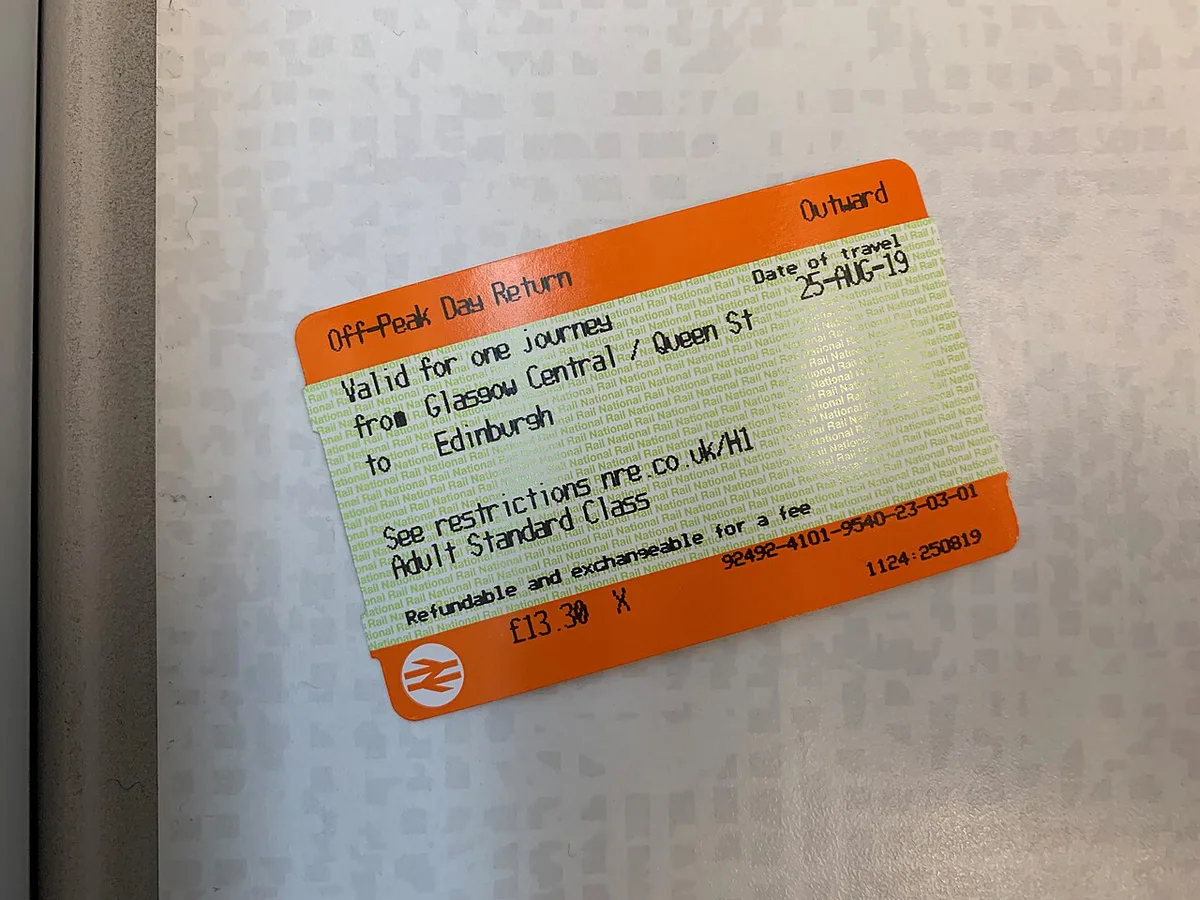
Use one method for any card. Divide the card price by the saving you expect per trip, and the answer is the number of trips needed to break even. Measure the saving against the cheapest fare you would otherwise buy, not the walk-up price. A card that looks generous against a flexible anytime fare can save almost nothing against an early advance ticket. Pull the current card price and discount from the official Railcard site before you run the sum. Then count only the journeys you are certain to make in the card's term.
Railcard vs other ways to save
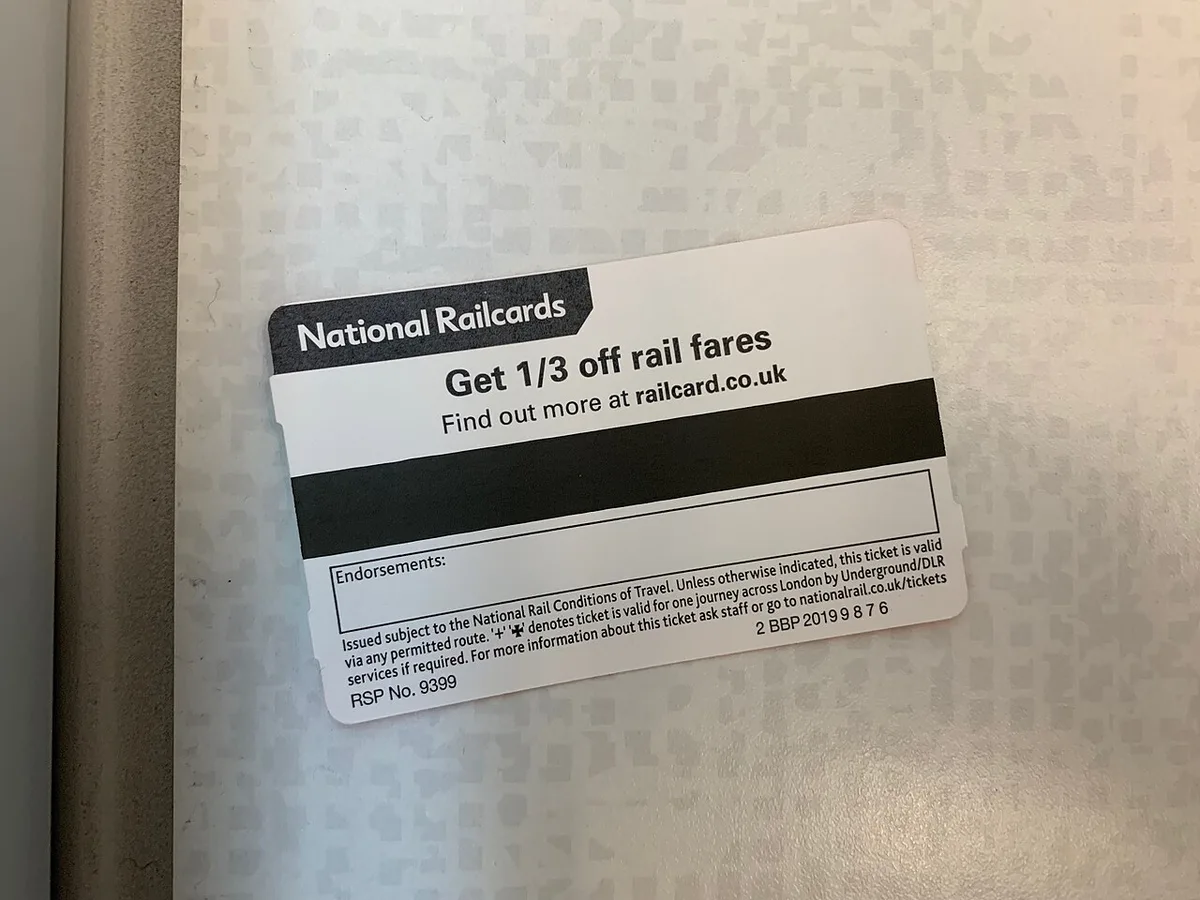
A railcard is one of several levers, and the cheapest result often comes from combining them. Fare type matters first. Our guide to off-peak vs advance tickets explains the trade between flexibility and the lowest price. Railcards reward flexible travel, while advance fares reward fixed plans. Split ticketing is a separate tactic. Read about buying split tickets to see where a long journey can be cheaper in parts. Whether a railcard discount applies to each split leg is a rule to check on the booking screen, not to assume. Overseas visitors have a further option. The BritRail Pass Guide: Types, What's Covered and Is It Worth It is sold for travel in Britain, and it can suit a short, busy itinerary better than a card. A railcard suits a trip with a few long journeys, and a pass suits a trip with many. Compare both against the advance fares for your actual route.
How to buy and use a railcard
You can buy cards online through the official Railcard site, and many cards come in digital or physical form. Check which formats your chosen card offers before you pay. Carry the ID that the card requires, since staff can ask for proof when you travel. When you book, add the railcard before you pay, because the discount is applied at booking. Station ticket offices and machines at terminals such as London King's Cross can apply it too. Ticket rules and digital card guidance sit on National Rail. Booking for a trip that disruption might affect? Our note on UK Train Strikes: How to Check, Rebook and Travel Anyway covers refunds and rebooking.
Mistakes to avoid
These errors cost the most money or cause the most trouble at the barrier.
Foreign visitors eyeing the 16-25 card should confirm the UK address rule first, since a short stay may not repay its cost.
- Buying a card for a single trip, when an advance fare is already cheap.
- Ignoring time-of-day restrictions that some cards carry.
- Assuming the discount applies to every fare type.
- Forgetting to add the railcard at checkout, or choosing the wrong card.
- Skipping the eligibility check as a foreign visitor.
Example journeys: where a railcard helps
Decide route by route, using the same logic. A long trip on the London to Edinburgh route has the most fare to discount, so a saving is more likely there. Shorter trips such as London to Bath leave less room, and an advance fare may already beat a discounted walk-up ticket. Frequent travellers on the Manchester line or the York line are the readers most likely to cover the card cost. Operator rules can differ, so confirm any restriction with LNER, Avanti West Coast: Routes, Tickets and Tips for Visitors or Lumo before you book.
Frequently Asked Questions
Is it cheaper to use a Railcard?
Often yes, but only if you travel enough to cover the card cost. Work out the break-even using the cheapest fare you would otherwise buy. A single trip on a low advance fare rarely repays a card.
Can I renew my Senior Railcard after it has expired?
Renewal terms are set by the card issuer and can change. Read the current renewal rules on the official Railcard website before the card runs out.
Rail notes for your next trip
Optional updates when our rail guides change.
Related guides



More guides
Picked from the same area