
Barcelona to Paris Train: Direct TGV, Connections and When to Fly
Last updated November 2026. A barcelona to paris train runs direct between Barcelona Sants and Paris Gare de Lyon, operated by SNCF as TGV INOUI. This guide covers that direct service, the connecting alternative via Perpignan or Narbonne, booking tactics and the honest train-versus-plane call. It is part of our wider guide to trains in Spain.
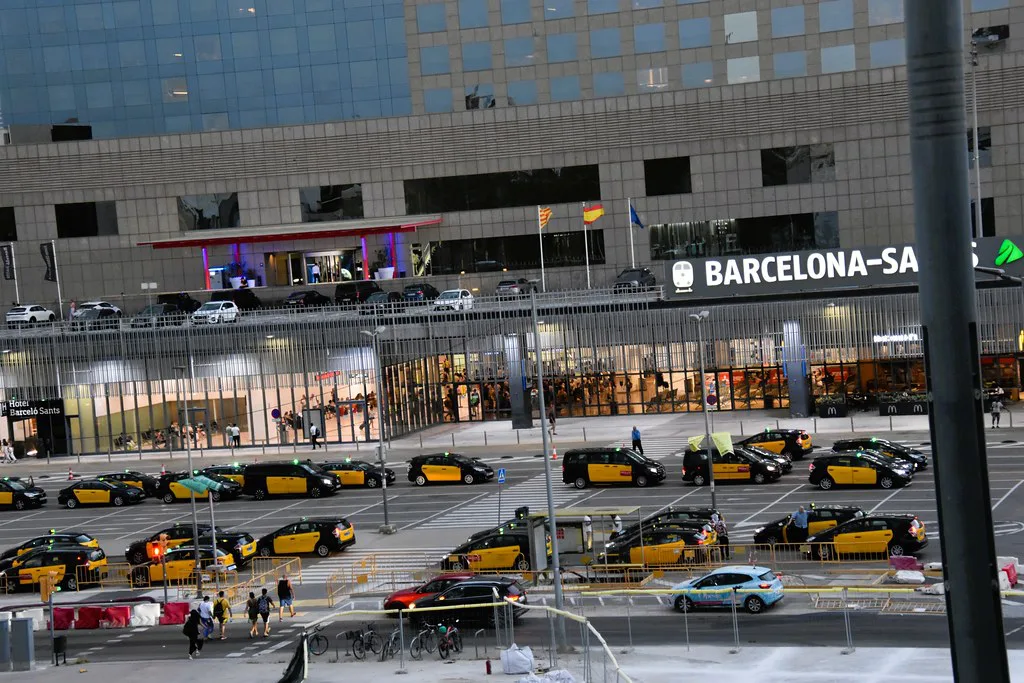
Featured image: IngolfBLN, CC BY-SA 2.0, via Flickr.
Is there a direct Barcelona to Paris train?
Yes. SNCF runs a direct TGV INOUI between Barcelona Sants and Paris Gare de Lyon. You stay in one seat from the Spanish station to the French one, with no change and no luggage transfer.
The trip is a full day of travel rather than a quick hop. Expect a daytime journey measured in hours, not minutes, and check the operator's timetable for the exact duration on your date. Services and frequency shift by season, so look at the booking page for your travel day.
Renfe and SNCF also sell journeys on this corridor through the Renfe international booking pages. Some itineraries on those pages use a change at a border-area station such as Perpignan or Narbonne instead of a through train.
The train suits travellers who want to avoid airports, stay city centre to city centre and carry real luggage. If your priority is the shortest possible trip, flying is quicker in the air, as the next section shows.
- Direct option: SNCF TGV INOUI, Barcelona Sants to Paris Gare de Lyon.
- Connecting option: a split journey with a change near the border, such as Perpignan or Narbonne.
- Best for: flight-averse travellers, low-carbon trips and anyone carrying heavy bags.
- Fly instead if: you are short on time or a flight fare is far below the train fare.
Train vs flight vs coach: how to decide
Compare options by door-to-door time, cost with luggage, flexibility, comfort and carbon. A flight looks fastest on paper. Airport transfers, security queues and baggage fees close much of that gap. A train leaves from the city centre and lets you work or sleep on board. Coaches are usually the cheapest seat but the slowest and least comfortable.
| Option | Door-to-door time | Cost with luggage | Best for |
|---|---|---|---|
| Direct TGV INOUI | Long daytime trip, centre to centre | Cheaper when booked early; bags usually included | Comfort, low carbon, no airport |
| Train with a change | Longer, with connection risk | Can price lower or higher than the through train | Flexible dates, split tickets |
| Flight | Shortest in the air, plus airport transfers | Budget fares can rise with bag fees | Tight schedules, last-minute trips |
| Coach | Slowest of the four | Often the lowest ticket price | Tight budgets, flexible timing |

Direct train or a connection via Perpignan or Narbonne
Choose the direct train unless a split ticket saves real money. A through ticket protects you if the first leg runs late, because the operator must get you to Paris. Two separate tickets do not carry that protection.
A connecting route breaks the trip at a border-area city. Perpignan and Narbonne are the usual change points on Renfe-SNCF itineraries. The upside is more departure times and sometimes a lower fare. The downside is a platform change with bags and a missed-connection risk.
If you want a stopover, treat it as a separate booking. A stopover generally breaks a through ticket, so price both versions before you commit.

Starting from Barcelona and heading north only partway? Our Barcelona to Girona train guide covers the Spanish-side short hop.
Tickets, booking window and fare tips
Book on the operator's own site where you can. Renfe and SNCF both sell this route, and prices on the same train can differ by channel, so compare before paying. Aggregators are useful for comparing, but ticket changes are easier when you hold the operator's booking.
Fares move with demand. Early tickets are generally cheaper, and holiday weekends and summer sell out first. Fares are shown in euros, and a seat reservation is part of the ticket on high-speed trains. Open the booking page for your date to see the current fare and how far ahead tickets are released.
For the Spanish side of the journey, our Renfe ticket guide explains how the booking flow works. Domestic competitors are compared in our Iryo, Ouigo and Renfe comparison, but those operators run inside Spain and do not go to Paris.
Rail passes need a careful read. A Spain Rail Pass: Is It Worth It or Should You Buy Single Tickets? covers Spanish travel only and does not pay for the French leg. A multi-country pass may include the route, but it can still require a paid seat reservation. Read the Eurail Spain page for what a pass covers.
Barcelona Sants departure and Paris Gare de Lyon arrival
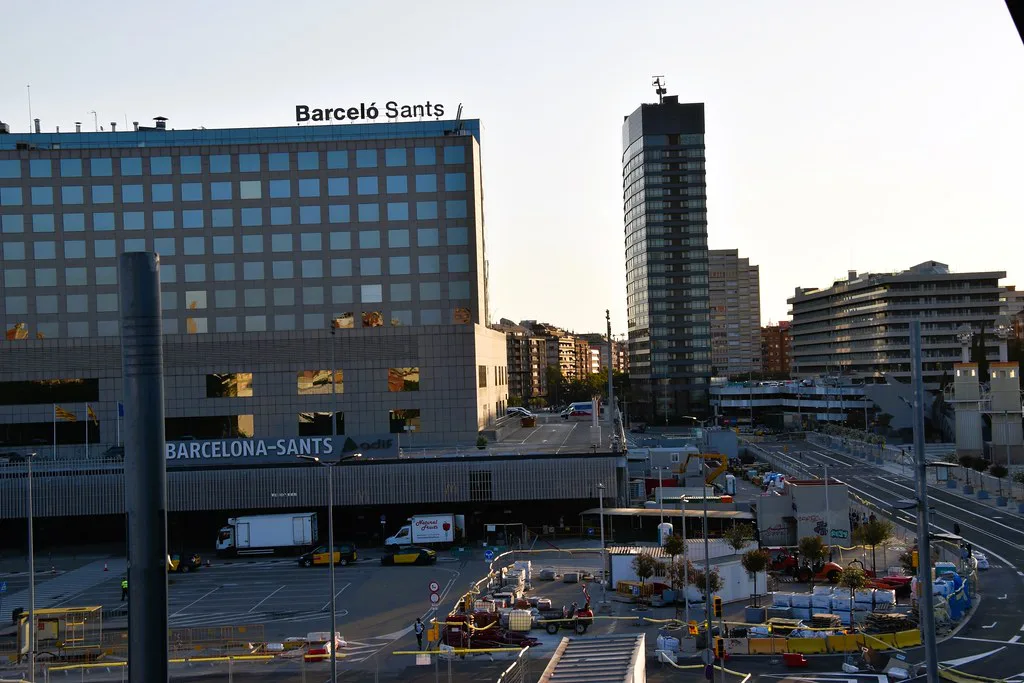
Trains leave from Barcelona Sants, the city's main station. Our Barcelona Sants station guide covers entrances, platforms and services. Arrive with a comfortable buffer, because international departures can involve extra checks before boarding.
To reach Sants from the centre or the airport, use Metro or a regional train. Local rail lines in Catalonia are listed at Rodalies de Catalunya. Allow extra time with large bags, and do not cut the transfer close.
The train arrives at Paris Gare de Lyon. The station connects to the Metro and the RER, so onward trips across the city are straightforward. Late arrivals are the one thing to plan for. Check the last Metro and RER times before you book a late service, and keep a taxi or hotel fallback in mind.
Luggage, accessibility and families on the TGV
High-speed trains are easier with luggage than planes. Large bags go on racks at the carriage ends, and smaller bags fit overhead. Keep valuables with you rather than on the racks.
Plan seats for the journey length. Families should book together, and a table seat helps with children on a long day. Travellers who need step-free access or assistance should request it from the operator when booking rather than at the platform.
On double-deck TGV carriages, the lower deck has the easiest boarding and is simplest for heavy bags. The upper deck gives better views but involves stairs. Check which carriage type your train uses on the booking page.
Who should take the train, and who should fly
Take the train if you value arriving in central Paris, travelling with bags and cutting your carbon footprint. It also suits anyone who dislikes airport queues. A full day on board can be productive with a laptop or a book.
Fly if time is tight or the price gap is large. A cheap flight early in the day can still beat the train for pure speed. Consider the airport transfers at both ends before deciding.
Once you are in Spain, the same rail logic applies to other long hops. Our Barcelona to Madrid train guide compares the high-speed options. For a shorter trip down the coast, see the Barcelona to Valencia train guide.
Frequently Asked Questions
What train runs from Paris to Barcelona?
SNCF runs a direct TGV INOUI between Paris Gare de Lyon and Barcelona Sants. Renfe and SNCF also sell itineraries with a change near the border. Check the operator's booking page for the timetable on your date.
Is it better to travel from Barcelona to Paris by train or plane?
The train wins on city-centre stations, luggage and carbon. The plane wins on speed and sometimes on price. Add airport transfers and baggage fees to a flight fare before you compare.
Rail notes for your next trip
Optional updates when our rail guides change.
Related guides

More guides
Picked from the same area