
Cercanías Explained: Spain's Commuter Trains, Tickets & Tips
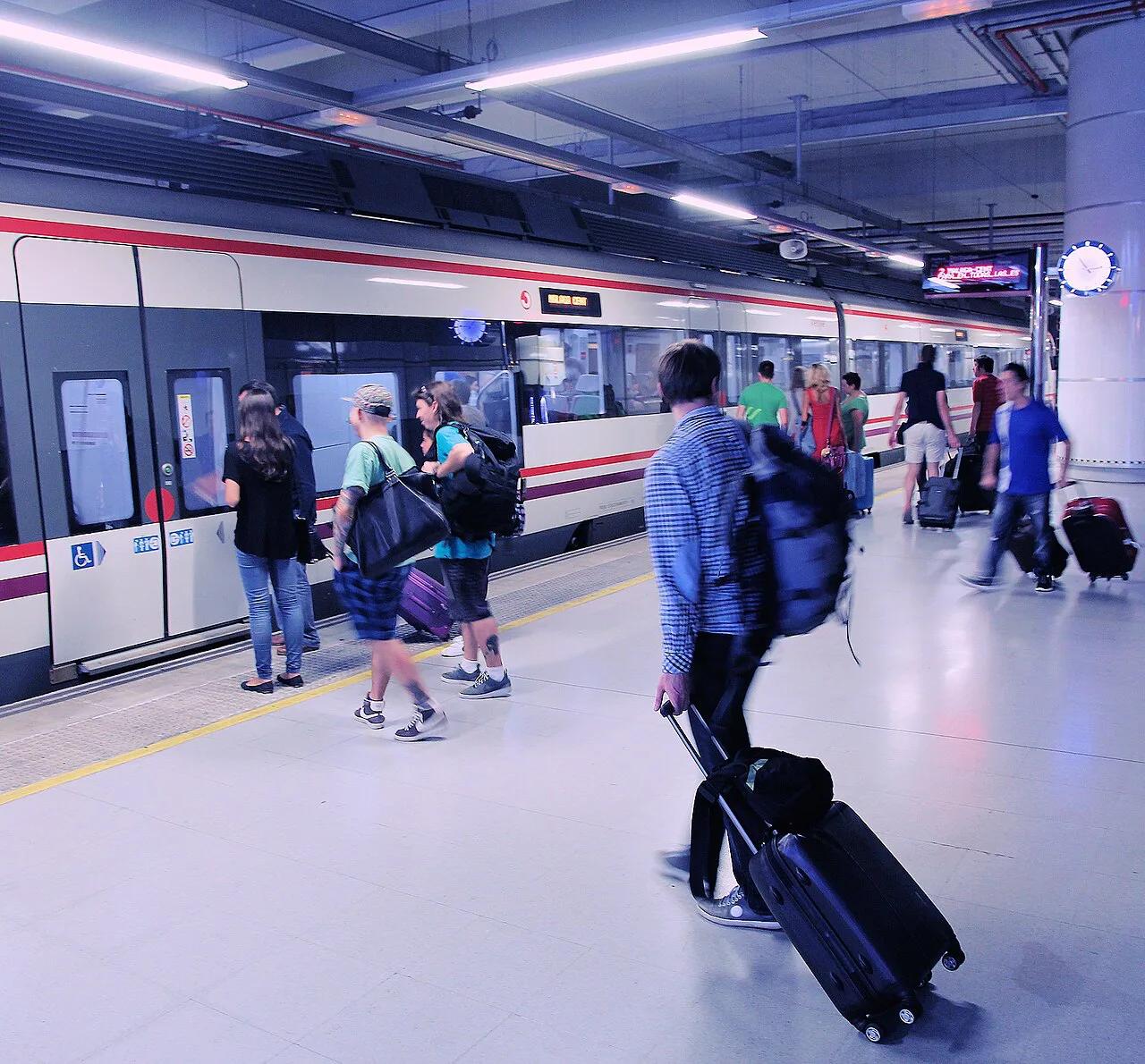
Last updated November 2026. Cercanias is the name for Renfe's commuter and suburban rail networks around Spain's major cities. These trains are separate from long-distance AVE services and from city metros, and they are the cheapest way to cover many airport and suburb trips. This guide covers regional names, tickets and common mistakes, and it sits under our guide to trains in Spain.
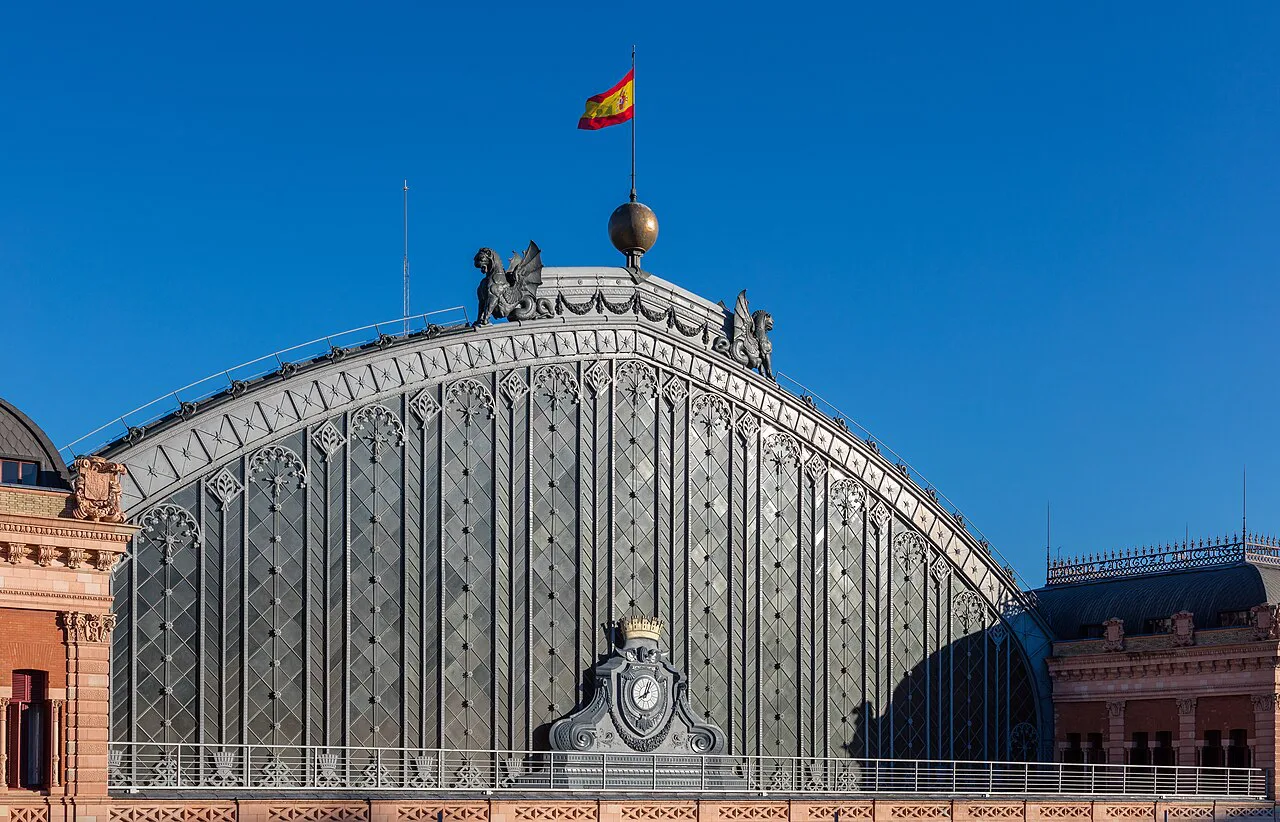
Featured image: Marek Ślusarczyk (Tupungato) Photo portfolio, CC BY 3.0, via Wikimedia Commons.
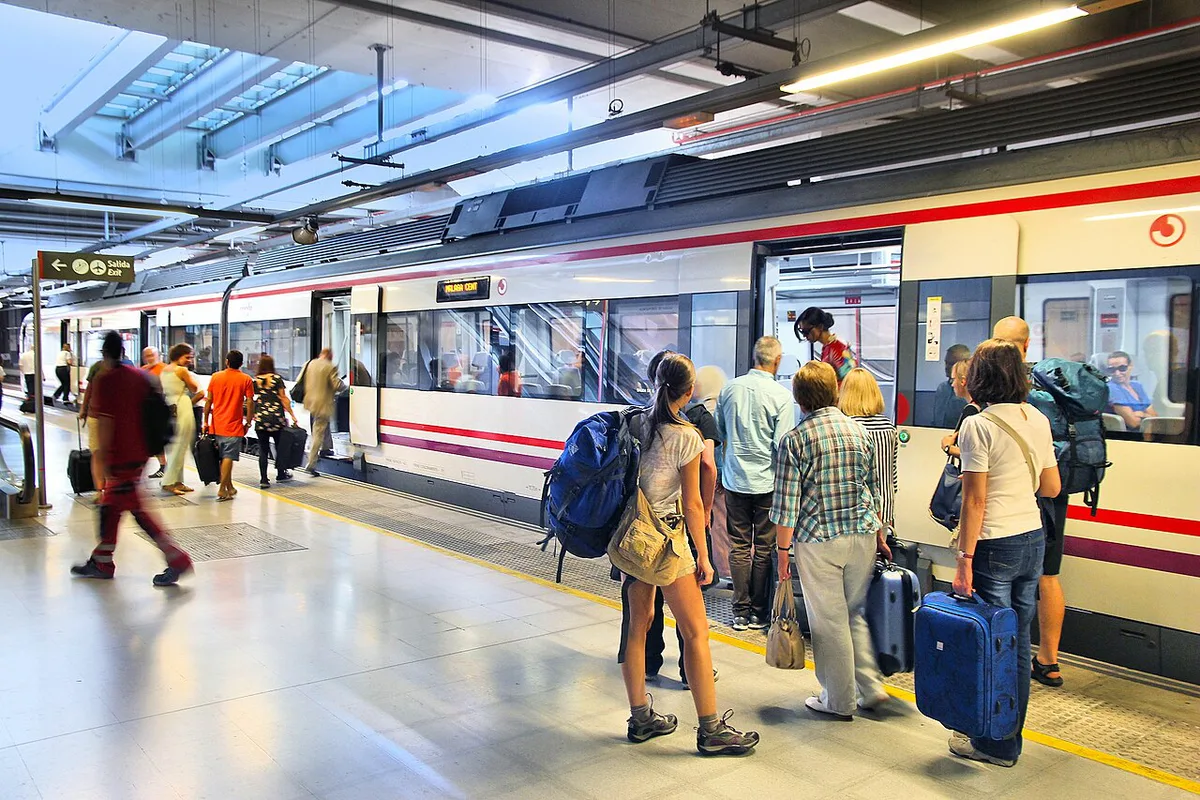
What Cercanías Is and What It Isn't
Cercanías is a family of local rail networks run by Renfe, Spain's state railway. Each network serves one metropolitan area and stops at suburban stations that long-distance trains skip. Services are frequent, unreserved and built for daily commuters rather than tourists with big bags.
Long-distance trains work differently. High-speed services such as the AVE high-speed train need a reserved seat on a specific departure. Media Distancia trains cover regional routes between cities. Metros run only inside the urban core and belong to separate city operators. Cercanías sits between the metro and Media Distancia: it reaches farther than a metro and stops more often than a regional train.
Same Trains, Different Names by Region
Signage, apps and timetables change name once you cross some regional borders. The trains are often ordinary Renfe commuter units, but the brand on the platform can differ. Catalonia is the main exception, because its network is a Catalan Government service that Renfe operates.
| Region | Local name | Operator | Where you'll see it |
|---|---|---|---|
| Most of Spain | Cercanías | Renfe | Madrid, Santander and other metropolitan areas |
| Valencian Community | Rodalia | Renfe | Valencia area signage and timetables |
| Basque Country | Aldiriak (Bilboko Aldiriak) | Renfe | Bilbao area services, including Bilbao Abando |
| Catalonia | Rodalies de Catalunya | Catalan Government, operated by Renfe | Barcelona area, including Barcelona Sants |
Which Cities Have Cercanías
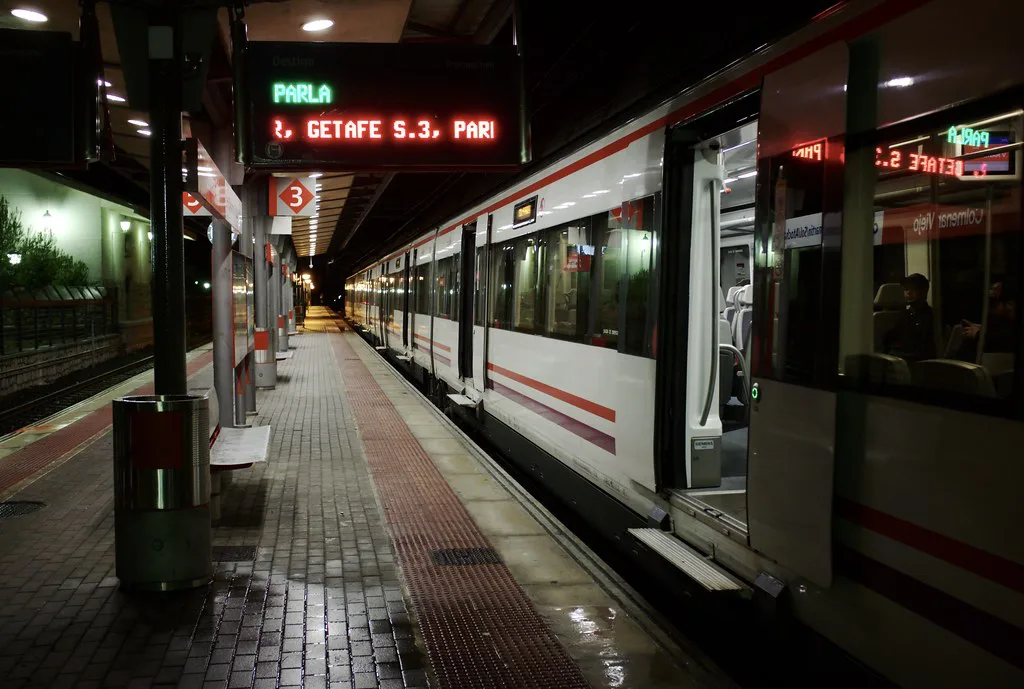
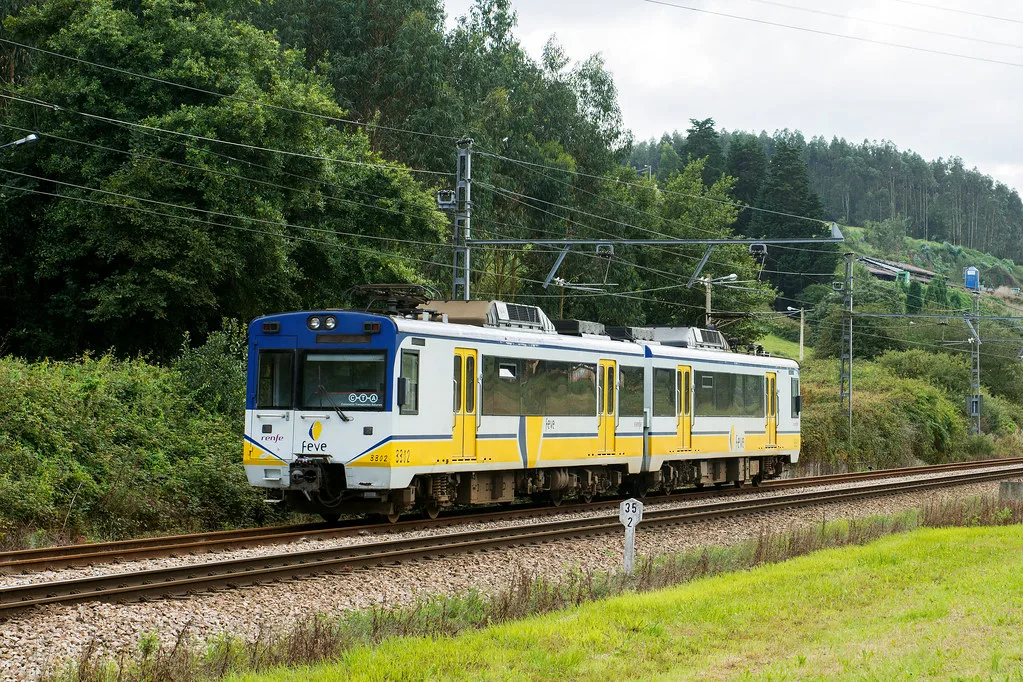
Coverage varies by city, and not every Spanish city has a network. Madrid has several numbered lines, including C-1, C-3 and C-5. Smaller cities such as Santander run their own Cercanías services using standard Renfe trains. Renfe publishes the current list of networks and line maps on its official Cercanías pages. Check there before planning a trip, because lines and stops change.
Madrid's numbered lines, including C-1, C-3 and C-5, sit alongside smaller networks such as Santander's, which run standard Renfe trains.
Tickets, Fares and How to Pay
Cercanías tickets are sold at station machines, at staffed counters and through Renfe's channels. Fares depend on the network and often on the distance or zones you cross. Renfe lists the current fares on its Cercanías site, so use that rather than a figure from an older guide. Our guide to Renfe tickets explains the booking side for long-distance trains.
Validate your ticket if the station has gates or validators before the platform. Travelling without a valid ticket can bring a fine. Rail passes need a separate check. Read the terms on our Spain rail pass page and on the Eurail Spain page before assuming a pass covers a commuter line.
Key Traveler Uses
Airport transfers are the most common visitor use. In Madrid, the C-1 line serves the airport, and Renfe's site shows the current stops. Barcelona's airport link falls under Rodalies, so check the Rodalies de Catalunya site for the current line.
Before booking a flight, confirm the C-1 line serves the airport on Renfe's pages, because lines and stops change.
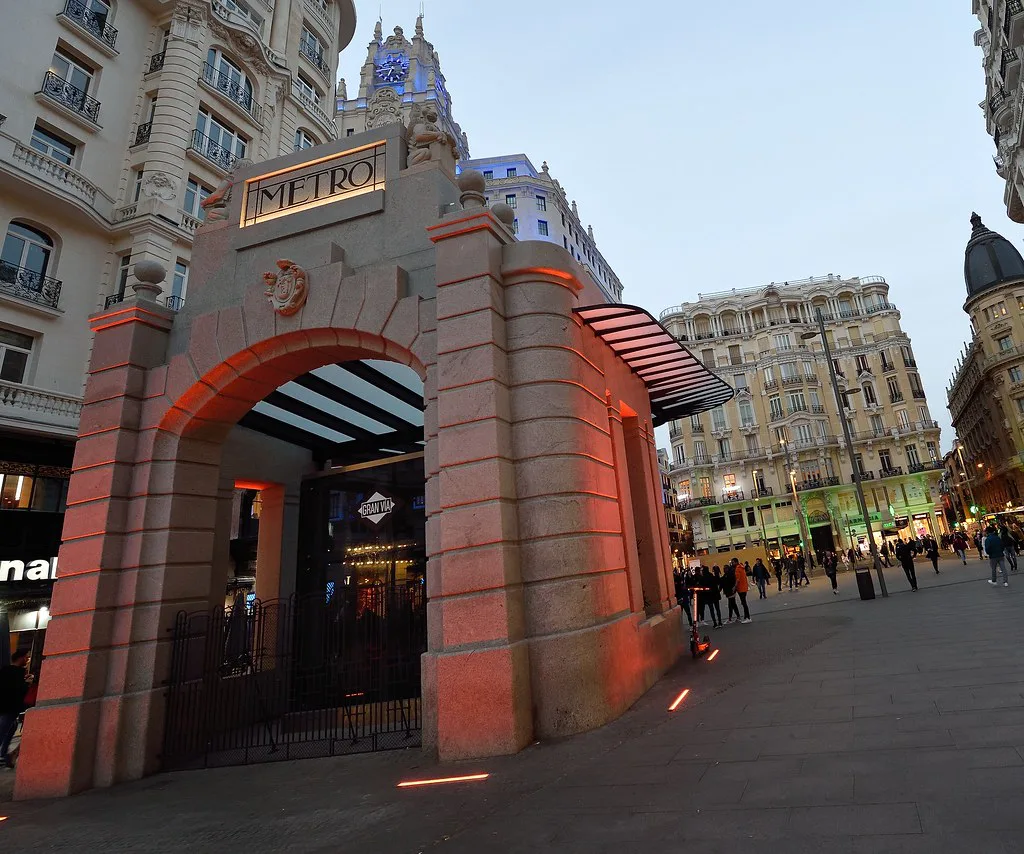
Station transfers are the second use. Madrid has two main long-distance stations, and Cercanías links both with the suburbs. See our pages on Madrid Atocha station and Madrid Chamartín station. In Barcelona, Barcelona Sants Station Guide: Trains, Metro, Transfers is the main hub for both Rodalies and long-distance trains.
Day trips and commuter-belt stays are the third use. A hotel in a suburb with a Cercanías stop can cost less than one in the center. Check the last train home before you leave.
Cercanias vs Other Options
Pick the mode by what the trip needs. Cercanías wins for suburbs and airports. The metro wins inside the city core. High-speed trains win for long distances, and our Iryo, Ouigo and Renfe comparison covers that choice.
| Option | Best for | Trade-off |
|---|---|---|
| Cercanías | Airport and suburban hops, day trips within the metro area | Stops often, no reserved seats, crowded at commuter hours |
| Metro | Moving inside the city center | Limited reach beyond the urban area |
| Bus | Routes with no rail link | Slower in traffic, stops vary by route |
| AVE or other high-speed | Long city-to-city journeys | Needs a reserved seat, wrong tool for short local hops |
Skip It, Mistakes and Disruptions
Skip Cercanías if you arrive with heavy luggage at peak commuter hours. Skip it if you need a reserved seat. Skip it if your connection to a long-distance departure is tight, since delays on commuter lines are common enough to matter.
Three mistakes cause most problems. Travelers forget to validate a ticket, board a long-distance platform by mistake, or trust an old timetable. Works can close a line or a section for days. Strikes can reduce service. Check live status in the operator's app on the day of travel.
Frequently Asked Questions
¿Cómo se escribe cercanía?
For the train service, the name is written Cercanías, with an accent and a final s. The singular cercanía is the ordinary Spanish word for proximity. Searchers often type the service name without the accent, and Renfe's own pages use the accented form.
¿Cuántas líneas de Cercanías hay en Madrid?
Madrid has several numbered lines, including C-1, C-3 and C-5. The exact count and the stops on each line, including C-2, change over time. Renfe's Cercanías Madrid map is the reliable place to check the current list.
Rail notes for your next trip
Optional updates when our rail guides change.
Related guides

More guides
Picked from the same area